Egypt Local Travel Agency

Discover the Magic of Egypt with a Trusted Local Travel Agency

Planning a journey to Egypt opens the door to one of the oldest civilizations on Earth—a land of pharaohs, pyramids, and the mighty Nile. Partnering with an Egypt local travel agency transforms that dream into a smooth, unforgettable reality. Local experts know every hidden alleyway of Cairo, every golden dune of the Sahara, and every ripple of the Nile. These agencies bridge the gap between travelers and Egypt’s authentic spirit, offering curated experiences beyond cookie-cutter itineraries. From luxury Nile cruises to adventurous desert expeditions, a local agency ensures your trip captures the country’s diverse soul.

Unlike large international operators, an Egypt local travel agency thrives on local insight, genuine hospitality, and deep community connections. These professionals don’t just book trips—they craft personalized adventures rooted in cultural authenticity. Whether you’re wandering through the ancient temples of Luxor or exploring the vibrant markets of Aswan, their tailored itineraries create a seamless balance between convenience and discovery. Let’s dive deeper into why a local travel expert is your ultimate partner for exploring Egypt’s timeless wonders.

Why Choose an Egypt Local Travel Agency for Your Adventure

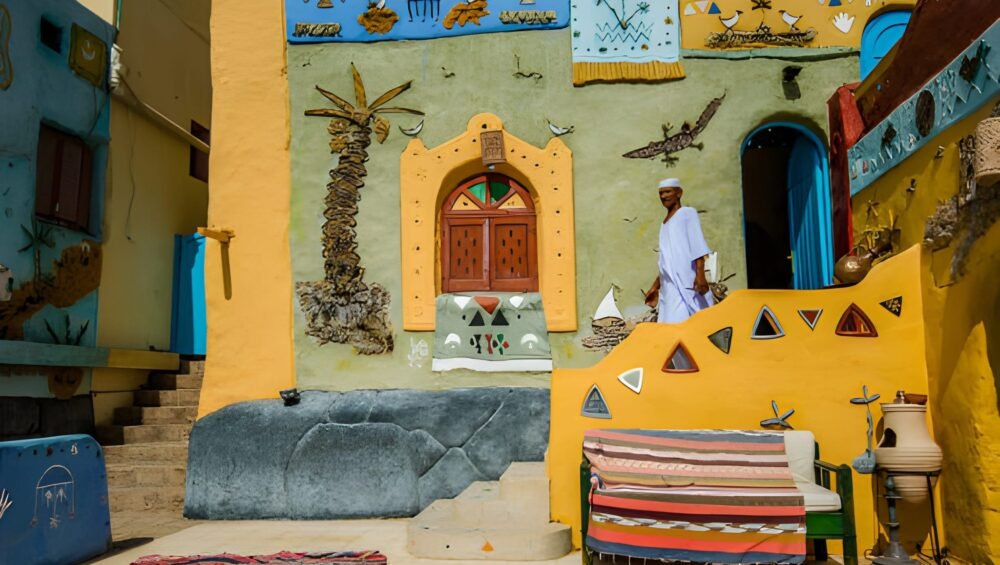
A knowledgeable Egypt local travel agency offers far more than booking services—it’s your gateway to understanding Egypt’s rich heritage with ease. Working with locals provides access to off-the-beaten-path treasures, from private tomb viewing in Luxor to exclusive visits to traditional Nubian villages near Aswan. They handle logistics like permits, transfers, accommodations, and guides, leaving you free to revel in the moment. You’ll travel comfortably, guided by experts who live and breathe Egyptian culture and hospitality.

Imagine cruising the Nile aboard the elegant Luxury Dahabiya Nile Cruise—a signature experience often arranged by leading local travel firms. Agencies combine such refined comfort with flexible itineraries that reveal Egypt in its raw beauty. With insider knowledge, they navigate the nuances of the country’s transportation, cultural etiquette, and local cuisine better than anyone.

Local Insight Meets Global Standards of Service

Egyptian travel agencies merge local heritage with international professionalism. They understand what modern travelers expect—transparency, punctuality, and safety—while delivering the warmth and authenticity of Egyptian hospitality. Professional guides not only narrate historical facts but immerse you in storytelling that breathes life into every ruin and relic. For instance, when visiting the magnificent Grand Egyptian Museum, a local guide paints vivid tales of Tutankhamun’s treasures instead of merely pointing out exhibits.

These agencies maintain strong relationships with boutique hotels, top-rated cruise operators, and regional transport providers. This synergy ensures seamless travel experiences and transparent pricing—no hidden fees, no unpleasant surprises. Every itinerary is crafted to reflect your interests, whether you’re after an all-inclusive Egypt vacation or a more intimate cultural journey.

Tailored Experiences Across Egypt’s Iconic Destinations

Local agencies offer unparalleled flexibility. You can mix and match destinations to create your own path: Cairo’s architecture, Luxor’s temples, Aswan’s serenity, and the Red Sea’s reefs. For instance, many travelers opt for a balanced itinerary like the 8 Days Best Egypt tour with Nile cruise, which blends cultural immersion with relaxation. Prefer luxury? Opt for the 11 Days Luxury Egypt Tour Package and explore in grand comfort.

Visiting Egypt with a local travel advisor means you’re never stuck in a rigid schedule. Whether detouring to the Abu Simbel Temples at sunrise or shopping along El Moez Street, they adjust your plans seamlessly. Such adaptability sets local agencies apart, ensuring that every spontaneous wish enhances your overall journey.

Affordable Luxury and Transparent Pricing

Despite offering top-quality services, local travel agencies often present more competitive rates than international companies. They cut out middlemen, dealing directly with hotels, cruise operators, and local guides. This saves money without compromising comfort or safety. For example, booking a luxury Nile cruise directly through a regional agency can secure premium upgrades at a fraction of global rates. Plus, their transparent approach helps you maximize every penny of your travel budget.

The insider knowledge also enables them to recommend authentic restaurants serving traditional Egyptian dishes reminiscent of what you’ll read about in Traditional Dishes in Egypt. In short, every travel moment reflects exquisite balance—premium comfort paired with genuine experiences.

Safety, Trust, and a Personal Touch

In today’s world, safety ranks high on every traveler’s checklist, and a dependable Egypt local travel agency prioritizes security. With up-to-date local insights, they ensure safe routes, vetted drivers, and well-reviewed hotels. Many collaborate with seasoned partners offering Egypt private tours where you travel at your own pace with privacy ensured. Beyond logistics, it’s the personal touch that wins hearts—the warm airport welcomes, small cultural gestures, and stories shared over mint tea make visitors feel at home.

Recent enhancements in the country’s infrastructure coupled with responsible tourism initiatives have made traveling across Egypt more secure and enjoyable. For more reassurance, guides often provide practical advice inspired by in-depth resources like Is Travel in Egypt Safe?.

Popular Experiences Curated by Egypt Local Travel Agencies

Egypt’s experiences span from the grandeur of ancient monuments to the intimacy of sunset felucca rides. Local agencies blend these elements into tailor-made itineraries that highlight Egypt’s multifaceted identity. Imagine strolling through Cairo City before boarding a serene cruise along the Nile, stopping at the legendary Luxor Temple and the mystical Temple of Philae. Every stop unravels centuries of history and tradition under the care of guides who narrate Egypt’s story through local eyes.

Some agencies collaborate with cruise operators like the Steigenberger Royale Nile Cruise and the MS Salacia Cruise, combining five-star comfort with cultural depth. Such tours merge archaeological exploration with lavish relaxation, leaving travelers equally enlightened and rejuvenated.

Exploring Beyond the Bucket List

Egypt local travel specialists always encourage travelers to go beyond the typical itinerary. Instead of mere pyramid visits, they may guide you through the ancient artistry of the Saqqara Pyramids or invite you to a local pottery workshop in a Nubian village. Some itineraries also feature desert safaris across the White Desert and the mystical Black and White Desert, showcasing natural wonders most tourists never experience.

They also introduce spiritual highlights like the tranquil Mount Sinai sunrise hike. Each itinerary is a careful mix of thrill, leisure, and culture—shaping a life-enriching story rather than a generic vacation.

Supporting Local Communities and Sustainable Travel

One of the greatest strengths of a local agency is its commitment to sustainability. By booking with them, travelers directly support Egyptian communities. Guides, drivers, artisans, and small business owners benefit from every journey. Many agencies also emphasize eco-friendly tours, aligning with the principles found in Eco Tours in Egypt. From limiting plastic use to promoting heritage conservation, these companies ensure that tourism becomes a force for good.

They also work with environmentally conscious partners in locations like Siwa Oasis and Wadi El Gemal National Park, protecting fragile ecosystems while offering visitors genuine, off-grid adventures.

How to Choose the Best Egypt Local Travel Agency

Selecting the right agency determines whether your Egypt trip becomes legendary or lackluster. Seek companies with solid reputations, transparent policies, and multilingual, experienced guides. Reading testimonials, confirming inclusions, and checking certifications ensure peace of mind. Also, assess their range—do they handle everything from Egypt day tours to multi-day Nile cruises? A versatile agency can meet diverse travel goals within one comprehensive booking.

Whether you envision strolling the ancient streets of Giza City or seeking serenity in coastal towns like Marsa Alam, their expertise ensures memorable, hassle-free exploration from start to finish.

Conclusion: Embrace Egypt Through Local Eyes

Traveling with an Egypt local travel agency grants you more than convenience—it immerses you in a living storybook of ancient glory and modern charm. With passionate guides, curated routes, and responsible tourism practices, these agencies transform each moment into a valuable memory. You’ll not only see Egypt—you’ll feel it, taste it, and live it. From the Nile’s reflective waters to Cairo’s timeless chaos, local experts open the heart of this majestic land. Ready for your Egyptian adventure? Let local knowledge be your compass and Egypt your unforgettable chapter.

FAQs about Egypt Local Travel Agency

1. Why should I book with an Egypt local travel agency?

Booking with a local agency ensures authentic experiences, better value, and unparalleled expertise. They know Egypt inside out—handling permits, customizing itineraries, and connecting you with genuine cultural opportunities while maintaining comfort and safety.

2. Are Egypt local travel agencies reliable?

Yes, reputable agencies comply with national tourism regulations and collaborate with certified guides. Reading client reviews and verifying licenses guarantees trustworthy service that meets international standards.

3. Can a local agency help customize my itinerary?

Absolutely. Most local agencies specialize in tailor-made tours. You can blend ancient landmarks, Red Sea relaxation, and desert adventures into one cohesive trip. Flexibility ensures your journey matches personal interests and pace.

4. How do Egypt local travel agencies enhance cultural experiences?

They offer immersive activities like village visits, cooking classes, and private temple tours. Local experts add depth to every encounter, transforming sightseeing into meaningful cultural exchange.

5. Is it safe to travel through Egypt with a local agency?

Safety is a top priority. Local travel professionals continuously monitor conditions, employ trained staff, and follow strict guidelines. Many include travel assistance and private transfers, ensuring peace of mind throughout your Egyptian journey.
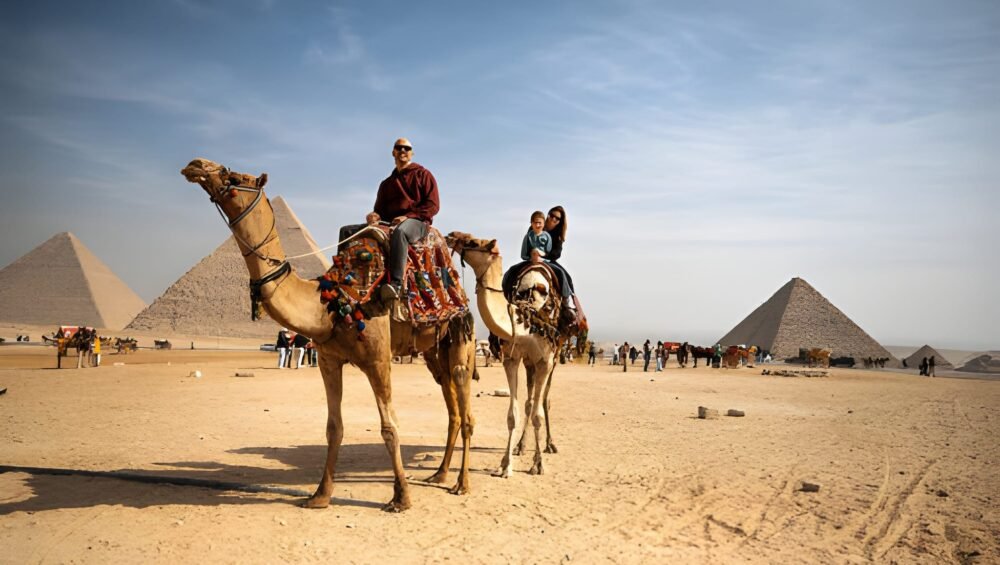
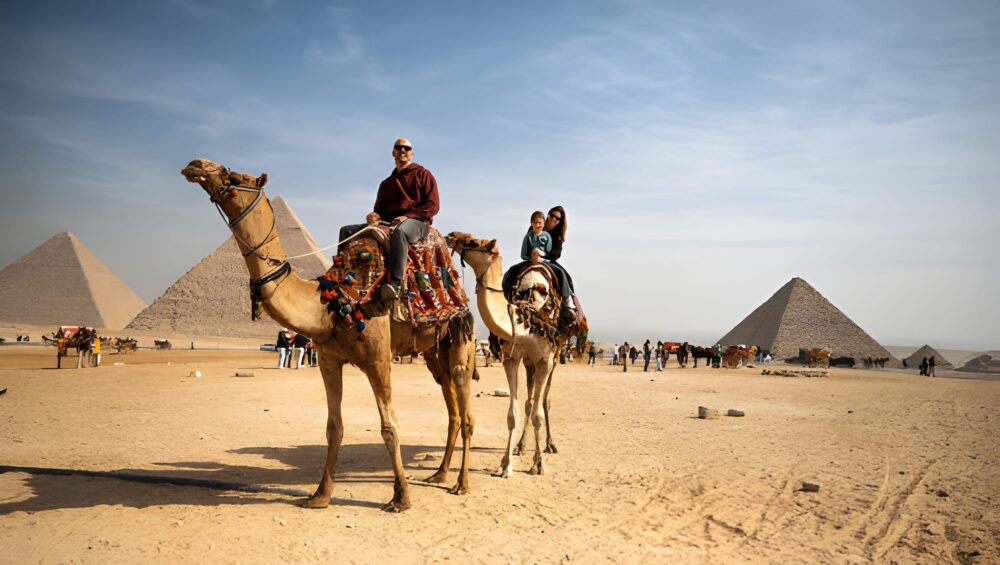
Solo Travel in Egypt

Solo Travel in Egypt: A Thrilling Adventure Through Timeless Wonders

Solo travel in Egypt is an experience that leaves even the most seasoned adventurer breathless. Imagine wandering among ancient pyramids, cruising down the legendary Nile, and diving into coral kingdoms of the Red Sea — all at your own pace. Egypt rewards independent travelers with authenticity, excitement, and a strong sense of discovery. Whether exploring timeless monuments or exchanging stories with locals in colorful markets, every solo traveler in Egypt unveils a deeper connection to the country’s soul. From the echoing corridors of ancient temples to the golden dunes stretching under vast skies, solo travel here balances serenity with thrills. You set your rhythm, choose your destinations, and taste both modernity and antiquity in one endless narrative.

Solo travel in Egypt isn’t just about visiting iconic landmarks — it’s about embracing freedom, resilience, and connection in a landscape where ancient energy still hums. The warmth of Egyptians, the ease of travel between provinces, and the extensive tourism infrastructure make it remarkably welcoming for lone explorers. In cities like Cairo, Luxor, and Aswan, solo travelers can find culture, companionship, and comfort without sacrificing independence. Meanwhile, Egypt’s beaches, like those found along the Red Sea or Sinai, offer peace and solitude for reflection. With careful planning and a sense of adventure, solo travel in Egypt can easily become the journey of a lifetime.

Planning Your Solo Travel in Egypt

Before diving headfirst into Egypt’s sun-soaked treasures, preparation is crucial. Solo travelers should familiarize themselves with visas, cultural etiquette, and transportation methods. For comprehensive guidance, check out Do You Need a Visa to Travel to Egypt? — an essential resource for first-timers.

Egypt’s tourism ecosystem accommodates both independent adventurers and those wanting structured tours. Booking one of the Egypt Private Tours allows you to customize your experience while enjoying expert local insights. Meanwhile, All Inclusive Egypt Vacations take care of every detail for travelers preferring stress-free escapes. For reliable help on ground, consider connecting with an Egypt Local Travel Agency that understands solo travelers’ needs, combining flexibility with expert planning.

Safety Tips for Solo Travelers in Egypt

Safety concerns are natural when traveling solo. The reassuring truth is Egypt is relatively safe, especially for tourists. Major sites are well-patrolled, and crime levels in tourist zones remain very low. However, knowing a few basics goes a long way. Dress modestly to blend in, use reputable transportation, and avoid isolated areas after dark. For updated information, read Is Travel in Egypt Safe?

Engage only licensed guides and drivers — many reputable companies, such as those offering Egypt Day Tours, ensure high safety standards. Solo travel thrives on spontaneity, but choosing dependable partners enhances security without limiting freedom.

Top Destinations for Solo Travel in Egypt

Egypt is bursting with destinations fit for every kind of solo traveler — from history buffs to thrill-seekers. With its combination of timeless monuments and lively atmospheres, it’s crafted for meaningful exploration.

Cairo: Chaos and Charm Intertwined

Egypt’s capital might seem overwhelming at first glance, but for solo travelers seeking energy, inspiration, and encounters, Cairo delivers unmatched allure. Wander through Islamic Cairo, admire the intricate architecture of Al Azhar Mosque, or gaze from the heights of Cairo Tower as the city shimmers below. Each moment immerses you deeper in its rhythm. The Grand Egyptian Museum and legendary Giza Plateau need little introduction — must-see stops that bridge millennia.

Solo travelers can also explore colorful local markets and try traditional dishes highlighted in Traditional Dishes in Egypt. For day excursions, Cairo Day Tours unveil treasures beyond city limits without the hassle of navigating alone.

Luxor: The World’s Greatest Open-Air Museum

Luxor is a solo traveler’s dream — serene yet staggering in scale. Once the ancient city of Thebes, its temples and tombs capture the imagination like nowhere else. Walk amidst the grandeur of Luxor Temple, visit Valley of the Queens, or marvel at the haunting silence of the Colossi of Memnon. For easy exploration, Luxor Day Tours combine transport, guides, and flexible scheduling, ideal for travelers venturing solo.

After long days under the sun, cruise the Nile aboard the Steigenberger Royale Nile Cruise or savor the relaxed pace of a Dahabiya Nile Cruise for an intimate voyage back in time.

Aswan: Tranquility and Nubian Beauty

Down south, Aswan enchants with its slower rhythm and vibrant culture. It’s the perfect setting for soul-searching travelers. Wander along the Nile, visit the mystical Temple of Philae, and experience authentic traditions in the colorful Nubian Village. Adventurous solo travelers can enjoy Aswan Day Tours or board a serene Luxury Dahabiya Nile Cruise departing from this southern pearl.

Red Sea and Sinai: Solo Serenity by the Water

For travelers seeking serenity or underwater bliss, the Red Sea Riviera promises pure rejuvenation. The relaxed beach culture of Hurghada City and Sharm El Sheikh make them hot favorites among solos. Try snorkeling at the famous Blue Hole of Dahab or take a detour through the magical Colored Canyon. Hurghada Day Tours and Dahab Day Tours tailor experiences for independent travelers eager for social interaction or solitude — whichever they crave.

Embracing Egyptian Culture as a Solo Traveler

Egyptian culture thrives on warmth, storytelling, and generosity — perfect for mingling travelers. Learning a few Arabic phrases or visiting cafés frequented by locals fosters genuine exchanges. Visiting religious landmarks like The Hanging Church or Mosque of Ibn Tulun offers glimpses into Egypt’s spiritual diversity. For art aficionados, Ancient Egyptian Papyrus Art showcases the craftsmanship Egypt continues to celebrate today.

Experiencing Local Cuisine and Markets

Solo travel in Egypt wouldn’t be complete without indulging in its culinary treasures. From freshly baked baladi bread to spicy koshari bowls, Egypt’s flavors narrate cultural heritage through each bite. While dining alone, you’ll find locals quick to strike up a conversation, turning meals into memories. Don’t miss the sweet perfection of Om Ali, whose origins you can explore in Om Ali Recipe and History. As night falls, Cairo’s old bazaars come alive, tempting you with vibrant souvenirs — for ideas, explore Things to Buy in Egypt.

Adventure and Relaxation for Solo Travelers

Few destinations balance adrenaline and calm quite like Egypt. You can hike Mount Sinai’s sacred slopes, drift in the Red Sea’s tranquil bays, or ride a hot air balloon over Luxor’s skyline. For those desiring more adventure, desert explorations around the White Desert Egypt unleash your wild spirit. Need something more indulgent? Luxury seekers can embark on a Luxury Nile Cruise or splurge on curated escapes such as the 11 Days Luxury Egypt Vacation.

Ideal Itineraries for Solo Travelers

Short on time? Try the 6 Days Egypt Tour covering Cairo and Luxor or the 7 Days Egypt Adventure Tour designed for thrill-seekers. Longer stays may include multi-city journeys such as the 10 Day Cairo with Nile Cruise offering solo explorers cultural richness and tranquil cruising.

Essential Advice for Solo Female Travelers in Egypt

Egypt welcomes solo female travelers warmly, as tourism plays a huge part in local life. Dress modestly to respect customs, rely on licensed taxis or tour agencies, and choose reputable accommodations. Women often find Egyptian hospitality comforting — people readily assist or offer guidance. Trust your intuition but stay open; it’s safe to explore markets, museums, and historical sights independently during the day. For enhanced comfort, join small-group excursions under curated options like 8 Days Best Egypt Tour with Nile Cruise.

Frequently Asked Questions About Solo Travel in Egypt

Is solo travel in Egypt safe for foreigners?

Yes. Egypt is remarkably safe for solo travelers, with extensive police presence in tourist regions. Whether exploring Cairo City or cruising the Nile, simple precautions like arranging transport through official providers ensure worry-free traveling.

What’s the best time for solo travel in Egypt?

The best months are October through April when temperatures are pleasant. Sites like Luxor City and Aswan are comfortable to explore, while Red Sea resorts enjoy ideal diving conditions.

How should solo travelers move around Egypt?

A mix of domestic flights, trains,

Top Day Trips from Cairo

Unforgettable Top Day Trips from Cairo for Every Traveler

Cairo, the sprawling metropolis on the banks of the Nile, is far more than a gateway to Egypt’s ancient wonders—it’s the pulse of the nation, bursting with history, energy, and an irresistible allure. Yet, beyond the bustle of the city, a treasure trove of remarkable destinations awaits within a few hours’ drive. Whether you’re a history lover, nature seeker, or cultural enthusiast, the top day trips from Cairo deliver unforgettable experiences that blend adventure, serenity, and awe-inspiring beauty. From the mystifying pyramids of Giza to the desert oases of Fayoum and the Mediterranean charm of Alexandria, Cairo sits at the crossroads of diverse landscapes and centuries of civilization. Each route out of the capital leads to a story waiting to be discovered—one carved in stone, sculpted by the sands, and whispered by the wind across the Nile Valley. These excursions allow travelers to escape the city’s rhythm without losing touch with its essence.

What makes day trips from Cairo so special is the sheer range of possibilities. You can immerse yourself in ancient dynasties one day, explore lush oases and waterfalls the next, or unwind along the Mediterranean coast. It’s as though Egypt has designed its geography for explorers who crave contrasts—where deserts meet fertile plains, and sacred sites rise beside modern roads. With efficient highways, professional guides, and well-organized Egypt Day Tours, embarking on these adventures has never been easier. Each journey adds depth to your understanding of Egypt’s multifaceted identity while providing moments that linger long after the trip ends.

Giza Pyramids and the Sphinx: Timeless Icons of Ancient Egypt

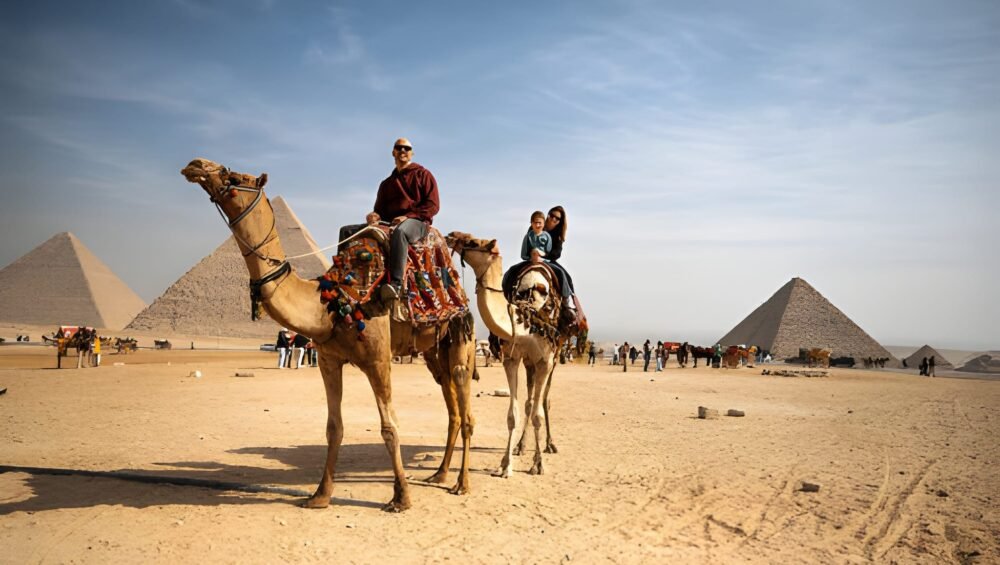
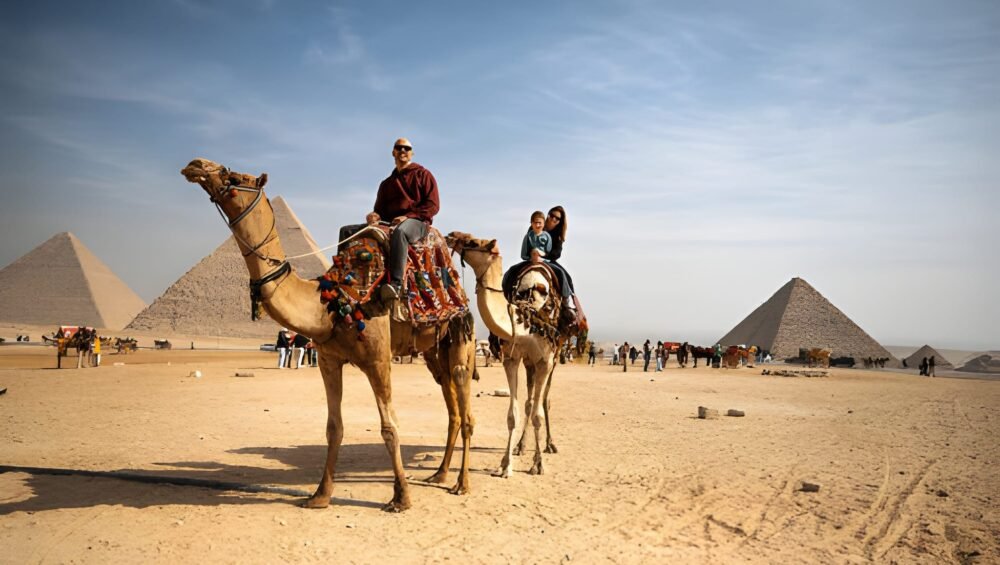
Just a short drive from downtown Cairo, the Giza Plateau stands as a monumental testament to human ingenuity and ambition. Here, the Giza Pyramids dominate the horizon, their presence commanding both reverence and curiosity. The Great Pyramid of Khufu—the only surviving Wonder of the Ancient World—continues to astound travelers with its size and precise construction. A visit to the Great Sphinx, half-lion and half-human, brings ancient mythology to life, evoking images of divine guardians and celestial mysteries. Stroll through the Valley Temple nearby, an architectural masterpiece that perfectly complements the pyramid complex.

Beyond their archaeological value, these monuments represent an eternal dialogue between humankind and eternity. Whether you choose a private guided experience or include it within a broader package like a 6 Days Cairo to Luxor Tour, standing before the pyramids offers a transformative moment. As the sun dips low, the Giza Plateau bathes in golden hues, perfect for photographs and quiet reflection—a stunning reminder of Egypt’s timeless allure.

Saqqara and Memphis: Cradle of Egyptian Civilization

South of Giza, the ancient necropolis of Saqqara unveils the earliest experiments in pyramid construction. The Step Pyramid of Djoser, designed by the visionary architect Imhotep, marks the beginning of monumental stone architecture in history. Beneath its iconic stacked terraces lie tombs decorated with vivid hieroglyphics that narrate the life and afterlife of early Egyptians. Wander through ancient corridors and absorb the echoes of a civilization learning to eternalize its kings through architecture. A short journey away lies Memphis, the first unified capital of Egypt, where a colossal statue of Ramses II greets visitors amid open-air exhibits of pharaonic sculptures.

This combination of Saqqara and Memphis provides a seamless historical timeline that predates even the Pyramids of Giza. It’s a perfect half-day excursion from Cairo for those eager to witness the birth of the pyramid concept. Travelers can also incorporate this enriching trip with cultural tours or personalized experiences through Egypt Private Tours for a deeper dive into the country’s early splendor.

Dahshur: The Red and Bent Pyramids of Pharaoh Sneferu

For travelers seeking a quieter yet equally captivating alternative to Giza, Dahshur is a hidden archaeological gem. The Red Pyramid and the Bent Pyramid reveal the architectural evolution that culminated in the perfection of Giza’s triangular design. The Bent Pyramid, with its unique change in angle mid-construction, provides insight into the ancient engineers’ learning curve, while the Red Pyramid’s rust-colored limestone gives it a distinctive elegance. Few tourists venture here, granting a rare sense of solitude amid these monumental structures.

Inside the pyramids, narrow passageways lead to cool chambers where echoes from thousands of years ago seem to linger. Visiting Dahshur feels almost like stepping into an untouched time capsule, offering both historical authenticity and unmatched photo moments. For an enhanced journey, travelers can include Dahshur within comprehensive itineraries like the 8 Days Cairo and Nile Cruise Tour, merging ancient exploration with a luxurious Nile adventure.

Alexandria: Egypt’s Mediterranean Jewel

Set along the glittering Mediterranean coast, Alexandria makes for one of the most rewarding day trips from Cairo. Once founded by Alexander the Great, this cosmopolitan city blends European style with ancient Egyptian heritage. The drive from Cairo takes around three hours, yet the change in atmosphere feels worlds apart. Explore the monumental Catacombs of Kom El Shoqafa, an eerie labyrinth of Greco-Roman tombs, or stand beside the historic Citadel of Qaitbay overlooking the sea from the site of the ancient Lighthouse of Alexandria. The modern Bibliotheca Alexandrina revives the spirit of the ancient library, symbolizing the city’s lasting commitment to knowledge.

Alexandria’s cultural diversity, Mediterranean breeze, and seaside promenades offer a refreshing contrast to Cairo’s intensity. Savor seafood along the Corniche or stroll through the royal gardens of Montazah Palace. For travelers seeking to combine Egypt’s ancient heart with its coastal elegance, Alexandria delivers a vibrant tapestry of history and modern flair.

Fayoum Oasis: Egypt’s Forgotten Paradise

Roughly two hours from Cairo, the enchanting Fayoum Oasis beckons nature lovers with verdant fields, shimmering lakes, and sweeping sand dunes. The region’s heart lies at Qarun Lake, Egypt’s oldest natural lake, fringed by fishing villages and migratory birds. The nearby Wadi El Rayan waterfalls and Wadi Al Hitan (Valley of the Whales) form a fascinating UNESCO World Heritage site, where fossilized skeletons provide a surreal glimpse into prehistoric marine life.

For art enthusiasts, the charming Tunis Village is a must-visit. Renowned for traditional pottery workshops and artisanal crafts, it offers hands-on experiences that celebrate Egypt’s rural creativity. From lush agriculture to desert tranquility, Fayoum’s diversity feels almost dreamlike—ideal for photography, birdwatching, or simply a peaceful retreat. Many travelers pair this destination with eco-focused journeys, akin to the serenity offered by a Luxury Dahabiya Nile Cruise, combining sustainability with exploration.

The White Desert and Bahariya Oasis: From Golden Sands to Lunar Landscapes

Venture west of Cairo to experience one of the planet’s most extraordinary natural settings—the White Desert. Situated near the Bahariya Oasis, this surreal expanse of chalky rock formations sculpted by wind looks like a futuristic moonscape. Travelers can marvel at the mushroom-shaped monoliths, crystal valleys, and shimmering dunes that shift color with the sun’s angle. The journey from Cairo to Bahariya takes about four hours, making an overnight or extended day trip a rewarding escape from urban life.

Visitors can start with Bahariya’s lush palm groves and hot springs before venturing into the Crystal Mountain and Black Desert. Here, nature tells its own geological story—millennia in the making. Camping beneath a canopy of stars transforms this excursion into an otherworldly experience. Those who appreciate remote, mystical landscapes often include similar adventures within comprehensive desert itineraries like the 7 Days Cairo, Luxor, Abu Simbel & Sahara Trip.

Heliopolis and Modern Cairo Day Excursions

For travelers with limited time, exploring Cairo’s modern heritage also makes for an enriching day trip. The district of Heliopolis, built in the early 20th century, reflects a fascinating mix of Art Nouveau and Islamic revival architecture. Don’t miss a visit to the mysterious Baron Empain Palace, a Hindu-inspired mansion steeped in legends. You can also relax at the Al Azhar Park, one of the city’s most scenic green spaces, offering sweeping views of Islamic Cairo and landmarks like the Citadel of Salah El-Din.

These modern excursions reveal Cairo’s dynamic character, bridging its storied past with present-day charm. Pairing historic and contemporary experiences enriches your connection to the city’s evolving soul—perfect for travelers seeking more than the usual tourist trail. For seamless, organized exploration, consider customized journeys from Cindrella Egypt Travel, renowned for crafting well-balanced itineraries across the country.

FAQs about Top Day Trips from Cairo

How far are the Pyramids of Giza from central Cairo?

The Giza Pyramids lie approximately 20 kilometers southwest of downtown Cairo. The drive usually takes 30 to 40 minutes depending on traffic, making them one of the easiest and most rewarding day trips from the capital.

Is visiting the White Desert from Cairo possible in one day?

While technically possible, the trip to the White Desert is best done as an overnight journey due to the distance—around four hours each way—and the mesmerizing stargazing opportunities. Most travelers combine it with a stop at Bahariya Oasis for a truly immersive desert experience.

Which is the best day trip from Cairo for families?

The Fayoum Oasis is perfect for families, offering natural beauty, cultural experiences, and safe outdoor activities. You can visit Wadi El Rayan waterfalls, ride sand dunes, or enjoy pottery-making in Tunis Village, all suitable for travelers of all ages.

Can I reach Alexandria from Cairo by train or car for a day tour?

Yes, Alexandria is just a three-hour drive or a two-and-a-half-hour train ride from Cairo, making it ideal for a full-day excursion. Many organized tours handle transportation and sightseeing efficiently, ensuring you experience highlights like the Bibliotheca, Citadel, and Montazah Gardens.

Are private guides available

Cultural Tours Egypt

Cultural Tours Egypt – A Journey Through Timeless Heritage and Living Traditions

Cultural Tours Egypt is more than sightseeing; it’s a captivating odyssey into a civilization that shaped humanity’s story. From the mysterious tombs of pharaohs to bustling modern bazaars, Egypt’s tapestry of history and heritage draws travelers who crave true connection with the world’s oldest culture. Every step through Cairo’s streets, Luxor’s temples, and Aswan’s Nubian villages uncovers layers of faith, art, and royal legacy that have endured for millennia.

Imagine standing before the Great Pyramids at Giza, feeling the desert wind whisper stories of kings and priests. Step aboard a traditional Dahabiya sailing gracefully down the Nile, witnessing the rhythmic life along its banks just as ancient travelers did. Cultural tours in Egypt bridge eras — illuminating the grandeur of the pharaohs while immersing you in Egypt’s modern soul. Whether visiting the mesmerizing Sphinx Statue, admiring ancient artistry at the Grand Egyptian Museum, or discovering mystic beauty at the Temple of Hatshepsut, each experience turns back time and fills it with life.

Egypt’s cultural tours are designed for those who chase authenticity — travelers who don’t just want to see, but to feel. With personalized itineraries, expert Egyptologists, and immersive local experiences, visitors explore cities like Cairo, Luxor, and Aswan beyond the guidebook pages. Every cultural tour tells a story of gods and goddesses, artisans and conquerors, faith and survival. It’s history retold through monuments and living traditions that continue to inspire awe. Buckle up; Egypt’s cultural tours are about to steal your heart and redefine adventure.

Discovering Egypt’s Cultural Legacy From Pharaohs to Modern Times

Egypt’s cultural legacy springs from the riverbanks of the Nile and stretches across time. The civilization of the pharaohs is an endless source of wonder — from the towering Giza Pyramids to the sacred sanctuaries of Luxor and Aswan. In Cairo, cultural tours often begin with the iconic Pyramids of Giza and the Valley Temple, offering unmatched insight into ancient architecture and religious ceremonies.

Further south, in Luxor, the open-air museum of ancient Thebes flourishes. Here, travelers gaze at the massive columns of Karnak Temple and marvel at the mysterious tombs within the Valley of the Kings. The Luxor Temple narrates stories of divine kingship and celestial harmony. Cross the East Bank, and the treasures of the Avenue of Sphinxes lead explorers toward layers of unparalleled history. Egypt’s cultural tours aren’t only archaeological journeys—they’re experiences that connect humanity across time and spirituality.

Immersive Cairo Cultural Tours – Where Past Meets Present

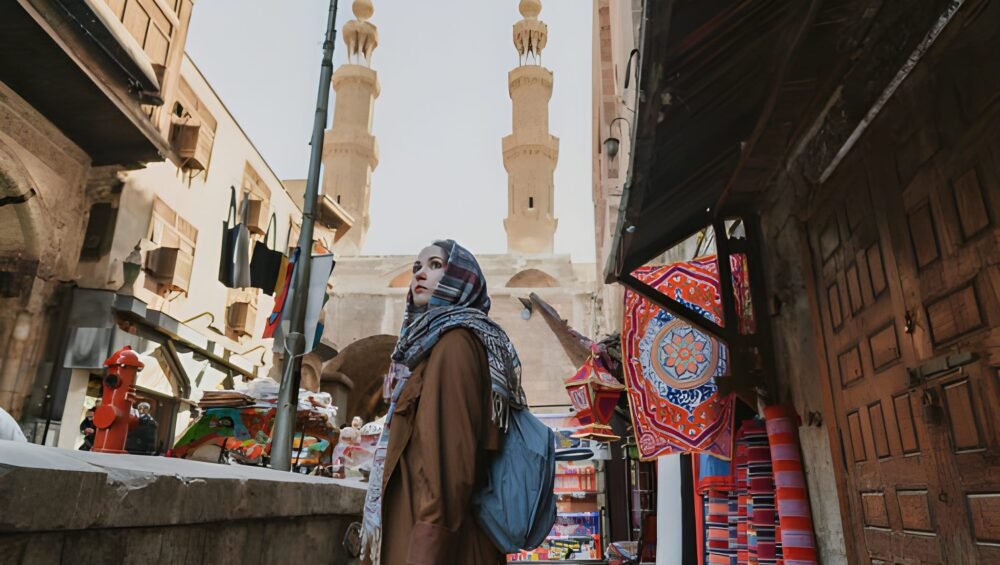
Cairo, the city of a thousand minarets, is a centerpiece for cultural tours in Egypt. From the maze of Islamic Cairo’s medieval streets to the awe-inspiring Al Azhar Mosque, the city binds religion, heritage, and artistry. Stroll through the Khan El Khalili bazaar where age-old craftsmanship thrives, or admire the refined Islamic architecture of the Sultan Hassan Mosque and the Al Rifai Mosque.

Within Coptic Cairo, history takes yet another turn. The serene Hanging Church and the Coptic Museum showcase the rich Christian heritage that survived through centuries. Here, cultural tours reveal how faith and resilience intertwined through Egypt’s history, shaping the diversity that defines the nation today. Modern Cairo adds another layer — its museums, galleries, and concerts bring ancient creativity into the 21st century, proving culture in Egypt is vibrantly alive.

Luxor and Aswan – The Heartbeat of Ancient Civilization

No cultural tour in Egypt is complete without journeying to Luxor and Aswan — the twin guardians of Egypt’s ancestral spirit. In Luxor, marvel at the Temple of Seti and the elegant artistry of tombs such as the Tomb of Nefertari. Wander through the Ramesseum Temple and stand in awe before the commanding Colossi of Memnon. Every stone narrates Egypt’s connection between gods and men, life and eternity.

In Aswan, Nubian life adds warmth and color to Egypt’s cultural tours. The Temple Of Philae celebrates Isis, the divine mother, while the Nubian Village unfolds traditions older than time. Visitors can cruise aboard a luxury vessel like the Steigenberger Minerva Nile Cruise or choose an exclusive cultural adventure on a Luxury Dahabiya Nile Cruise, savoring the beauty of daily life as it unfolds along the riverbanks.

Spiritual Heritage – Faith’s Footprints Through Time

Spiritual discovery defines cultural tours in Egypt. In Islamic Cairo, the call to prayer blends with the hum of ancient markets, inviting visitors into a world of reflection and devotion. Churches preserved in Old Cairo whisper stories from early Christianity, while temples in Upper Egypt highlight Egypt’s multifaceted faiths through the ages. The enduring traditions of Nubian communities, their music, and craftsmanship, add an authentic dimension to every traveler’s experience. Temples like Abu Simbel Temples illustrate divine devotion carved from rock and light. Such monumental artistry reminds all travelers that faith has always been central to Egypt’s cultural fabric.

Modern Cultural Encounters – Egypt’s Living Heritage

Beyond temples and tombs, Egyptian culture thrives in music, cuisine, and art. Attend a performance at the Wekalet El Ghouri for a mesmerizing Sufi dance show, explore traditional pottery in Tunis Village, or discover the scents of Egypt’s oldest spice markets. Visitors often join local families for authentic meals, experience traditional crafts revived by new generations, and learn storytelling traditions that have endured centuries. Modern art galleries, film festivals, and fashion in Cairo speak to creativity inspired by timeless identity.

Nile Cruises – The Cultural Lifeline of Egypt

Culture floats gracefully along the Nile — Egypt’s artery of life. Cultural tours along its waters reveal how the river nourished civilization, inspired poetry, and shaped architecture. Travelers can embark on routes like the 4 Day 3 Night Nile Cruise from Aswan to Luxor to blend cultural exploration with luxurious comfort. For a more personalized touch, the Best Dahabiya Nile Cruise offers an intimate encounter with the country’s timeless rhythm. Along the journey, ancient temples, villages, and floating markets tell stories of trade, devotion, and dynastic glory.

Festivals, Traditions, and Local Life

Festivals bring color, sound, and rhythm to cultural tours in Egypt. Ramadan lights up cities with nightly feasts and spiritual serenity, while Coptic Christmas and Islamic Eids highlight Egypt’s unity in diversity. Traditional dances, songs, and crafts bring heritage alive. Tourists may witness local artistry such as folk pottery or handmade textiles, living proof that Egypt’s identity thrives beyond museums. Participating in a festival or community gathering fosters unforgettable exchanges that make cultural trips emotionally rich and personally transformative.

Culinary Journeys – A Taste of Authentic Egypt

No cultural tour in Egypt is complete without savoring its flavors. From street vendors serving koshari to elegant feasts featuring grilled lamb, Egyptian cuisine mirrors its history of trade and multicultural influences. Enjoy sweet delights such as basbousa or sip mint tea while overlooking the Nile. Food tours in Cairo or Luxor link dining with storytelling. Culinary experiences form the flavorful finale of a journey steeped in ancient taste and modern hospitality.

Best Cultural Tour Packages in Egypt

From compact cultural escapes to in-depth expeditions, travelers can select specialized journeys like the 7 Days Egypt Adventure Tour, the 10 Day Egypt Luxury Trip with Dahabiya Nile Cruise, or the immersive 8 Days Best Egypt Tour with Nile Cruise. Each combines culture, comfort, and discovery seamlessly. Whether exploring bustling Cairo, legendary Luxor, or serene Nubian villages, these curated excursions ensure rich storytelling and unforgettable interactions.

Why Choose Cultural Tours Egypt for Your Next Vacation

Because Egypt is living history. Cultural tours there ensure intimacy with the land where civilization was born. Travelers encounter people fiercely proud of their roots, landscapes echoing with myths, and sites that shaped the human story. With tailor-made itineraries and knowledgeable local guides, visitors gain deeper insight into heritage while contributing to cultural preservation. Every journey supports local artisans, storytellers, and traditions — ensuring Egypt’s magic endures.

FAQs about Cultural Tours Egypt

1. What makes Cultural Tours Egypt unique compared to standard sightseeing tours?

Cultural Tours Egypt go beyond monuments. They integrate authentic local experiences — community interactions, traditional workshops, and storytelling sessions. This approach connects travelers directly to Egypt’s living traditions, enriching understanding far beyond typical sightseeing.

2. Which cities are best for exploring Egyptian culture?

Cairo offers religious and historical diversity, Luxor reveals the splendor of ancient Thebes, while Aswan showcases Nubian art and lifestyle. Alexandria and Fayoum also hold vibrant cultural scenes filled with museums, oases, and architectural marvels. Each region embodies a facet of Egyptian identity.

3. How long should a cultural tour in Egypt last?

Ideally, cultural tours span 7–12 days. This duration allows time for exploring major landmarks, attending local cultural activities, and cruising the Nile. Shorter tours, like four-day packages, focus on key highlights, while extended itineraries offer in-depth immersion.

4. Can Cultural Tours Egypt include luxury experiences?

Absolutely. Many tours merge heritage exploration with top-tier accommodations and personalized service. Options like the 11 Days Luxury Egypt Tour Package deliver luxury with authenticity — blending comfort, history, and premium experiences flawlessly.

5. Is it safe to travel on cultural tours in Egypt?

Yes. Egypt takes traveler safety seriously, with secure tourism infrastructure and expert local guides. Reputable operators partner with trusted agencies like Cindrella Egypt Travel, ensuring smooth, safe, and culturally respectful journeys throughout all destinations.

Hidden Gems in Egypt

Hidden Gems in Egypt: Discover Untouched Treasures Beyond the Pyramids

When travelers think of Egypt, their minds instantly conjure up images of the Giza Pyramids, the Great Sphinx, or the timeless Nile. Yet beyond the famed tourist circuits lies a tapestry of hidden gems—secret oases, forgotten temples, and ancient cities that reveal Egypt’s soul in whispers rather than shouts. Exploring these lesser-known sites is like unlocking a hidden chapter in human history—one filled with stories of kings, gods, and civilizations that once thrived along the world’s most mystical river.

The beauty of discovering Egypt’s hidden gems is that travelers escape the bustling crowds and dive into authenticity. In villages tucked along the Nile or deserts painted with surreal white and gold dunes, you’ll find serenity mixed with mystery. Whether it’s wandering the salt lakes of Siwa Oasis or standing before the colorful tombs of Beni Hassan, Egypt unveils dimensions often missed by hurried itineraries.

Let’s journey together through Egypt’s best-kept secrets—from haunting desert landscapes to spiritual monasteries carved into cliffs. Each destination enriches not only your travel story but also your connection to the timeless rhythm of Egyptian life. So, pack curiosity, leave expectations at home, and prepare to be amazed by these underrated wonders scattered across the land of the pharaohs.

Siwa Oasis – The Desert’s Emerald Jewel

Among Egypt’s vast sand seas, Siwa Oasis sparkles with culture, tradition, and serenity. Isolated near Libya’s border, it’s one of Egypt’s most breathtaking hidden gems. Siwa captivates with its scenic salt lakes, date palms, and soothing mineral springs such as the legendary Cleopatra Spring. Travelers here encounter a world where Berber culture meets Egyptian heritage—villagers still speak Siwi, an ancient Berber tongue.

Wander around the haunting Shali Fortress, a mud-brick citadel crumbling gracefully under desert sunsets, or float effortlessly in Siwa’s Salt Lakes. Siwa’s magic also lies in its connection to mythology. According to legend, Alexander the Great visited the sacred Oracle of Amun here to confirm his divine lineage. This destination charms photographers, adventurers, and spiritual travelers seeking a deeper Egypt far from city chaos.

Fayoum Oasis – Nature’s Green Refuge

Only a couple of hours from Cairo lies Fayoum, another of Egypt’s lesser-visited treasures. The region bursts with life—lush farmlands, ancient fishing villages, and the turquoise waters of Lake Qarun. Whether you’re exploring the cascading waterfalls of Wadi El Rayan or fossil hunting in the prehistoric marvel of Wadi Al Hitan (the Valley of the Whales), Fayoum unveils the planet’s ancient past right at your feet.

The artistic charm of Tunis Village, with its famed pottery workshops, seduces visitors seeking hands-on cultural experiences. In short, Fayoum is a perfect blend of eco-adventure, rural life, and archeological intrigue, making it one of Egypt’s best-kept natural wonders.

Dakhla and Kharga Oases – Ancient Life in the Desert

The Western Desert shelters Dakhla and Kharga, oases that promise an unforgettable step back in time. In Dakhla Oasis, palm-shaded villages such as Al-Qasr display mesmerizing Islamic architecture alongside early Christian monasteries. Visit the mud-brick houses, carved wooden doors, and the remnants of ancient temples scattered between dunes. Meanwhile, in Kharga Oasis, you’ll encounter the haunting Hibis Temple—a Persian-era sanctuary still adorned with vividly colored reliefs. The oases reveal a side of Egypt most travelers never see—an enduring human footprint etched into remote landscapes.

El Minya – The Hidden Capital of Ancient Art

Though rarely on standard itineraries, El Minya is bursting with history and color. The tombs of Beni Hassan line the eastern cliffs of the Nile, decorated with intricate wall paintings that capture scenes from daily life during Egypt’s Middle Kingdom. Further south, the storied ruins of Tell El Amarna transport visitors to Akhenaten’s revolutionary capital. This open-air museum evokes a forgotten chapter of Egyptian history, showcasing the birth of monotheism and the reign of Queen Nefertiti. El Minya’s appeal lies in its authenticity—farmers plow ancient fields, children play beside ruins, and life continues as it has for millennia.

Aswan – Where Tranquility Meets Timeless Majesty

Beyond its celebrated temples, Aswan hides pockets of unspoiled beauty waiting to be explored. Sail past the islands of the Nile and discover Elephantine Island, where mud-brick houses shimmer with Nubian colors. Nearby lies the enchanting Nubian Village, a kaleidoscope of culture where ancient Nubian traditions thrive in warm hospitality and vivid art. The serene Temple of Philae, reachable only by boat, exudes mystery as it rises from the river like a mirage.

Take a break at the banks of the High Dam of Egypt or explore the colossal Unfinished Obelisk to uncover the craftsmanship behind pharaonic monuments. A sunset felucca ride here, set against golden skies, reveals why Aswan is Egypt’s sanctuary for peace and poetic views.

Abydos and Dendera – Timeless Spiritual Marvels

Far from the crowded sites of Luxor, the Temple of Abydos and Dendera Temple Complex hold some of Egypt’s most exquisite reliefs. Abydos, where Seti I’s temple stands proudly, is a sacred pilgrimage site believed to be the burial place of Osiris—the god of the afterlife. The art here is unmatched; the colors on the walls remain astonishingly vibrant even after thousands of years. Dendera, meanwhile, mesmerizes visitors with its celestial ceilings dedicated to the goddess Hathor, guardian of love and joy.

Together, these twin sanctuaries reflect Egypt’s profound spirituality and artistic genius—two hallmarks that make them standout hidden gems worth every traveler’s journey.

Desert Wonders – The White and Black Deserts

Few landscapes on earth rival the surreal beauty of Egypt’s White Desert. Near the Bahariya Oasis, chalk formations shaped by centuries of wind create a dreamlike panorama. Towering mushrooms, icebergs, and animal-like sculptures seem carved by gods themselves. A nearby contrast, the Black Desert, dazzles with volcanic peaks and dark sand dunes, forming a hauntingly beautiful horizon. Add a night under the stars, and these deserts transform into the ultimate Egyptian adventure for wanderers seeking silence and awe in equal measure.

Sinai’s Colorful Secrets

The Sinai Peninsula is bursting with hidden gems waiting beyond Sharm El Sheikh’s resort glamour. The mesmerizing Colored Canyon and White Canyon carve nature’s artwork into stone. For divers, the iconic Blue Hole Dahab delivers a thrilling marine wonder, while hikers find peace trekking to Mount Sinai and visiting ancient St. Catherine’s Monastery. These experiences blend spiritual legend, natural beauty, and adventure—core ingredients of Egypt’s lesser-known marvels.

Alexandria’s Secret Corners

Known as the Pearl of the Mediterranean, Alexandria has tucked-away treasures that escape everyday travel lists. Visit the mysterious Catacombs of Kom El Shoqafa, where Greco-Roman artistry meets Egyptian ritual. Nearby, the grand Montazah Palace gardens evoke royal nostalgia with seaside views fit for queens. Walk the breezy Stanley Bridge for panoramic sunsets, or lose yourself in ancient lore at the Serapeum.

Alexandria’s hidden gems balance urban energy with classical charm, inviting travelers to slow down and sense history written into every breeze from the sea.

Spiritual Escapes and Lost Monasteries

Egypt’s Coptic legacy hides in monasteries scattered along desert trails. The Red Monastery and White Monastery near Sohag feature vibrant frescoes evoking early Christian devotion. Each whispering prayer and ancient wall carving connects travelers to Egypt’s spiritual endurance, spanning millennia of faith and resilience.

Lakes, Mountains, and Sea Escapes Beyond Imagination

Beyond deserts and temples, Egypt’s natural diversity stuns visitors. The coral gardens of Ras Mohammed National Park and Wadi El Gemal National Park reveal underwater realms teeming with life. The pristine beaches of Marsa Alam remain blissfully untouched compared to traditional resorts. Travelers seeking an offbeat sea escape can indulge in eco-adventures and serene seascapes that rival any tropical paradise.

Experiencing Hidden Egypt Through Cruises and Exclusive Tours

One of the most rewarding ways to explore Egypt’s hidden corners is through tailored experiences, such as an intimate Dahabiya Nile Cruise or a customizable journey like the 10-Day Egypt Luxury Trip with Dahabiya Nile Cruise. These curated adventures glide through tranquil stretches of the Nile, revealing secret temples and river villages unreachable by large cruise ships. Each

Unique Experiences in Egypt Away from the Crowds

Unique Experiences in Egypt Away from the Crowds: Explore the Country’s Hidden Magic

Egypt, a country often associated with the Pyramids of Giza, the Great Sphinx, and the River Nile, offers far more than its world-famous landmarks. Beneath the surface of its bustling tourist hubs lies a wealth of authentic, tranquil, and lesser-known destinations that invite travelers to experience Egypt’s timeless spirit away from the crowds. From the serenity of untouched oases to the mystical silence of sand dunes and ancient temples not overrun by visitors, these hidden gems capture the country’s diverse soul. Travelers looking for Egypt Private Tours often discover that secluded spots offer a deeper, more intimate connection with history, landscapes, and culture. Imagine sipping mint tea with Bedouins under star-filled skies, traversing alabaster dunes in the Western Desert, or diving pristine coral reefs untouched by mass tourism — Egypt has it all.

Modern travelers crave authenticity — the kind of experiences where silence speaks louder than crowds, where local interaction replaces souvenir stalls, and where every footprint tells a story of discovery. Egypt’s offbeat destinations present an alluring blend of adventure, heritage, and calm. If you’re seeking the unknown, this guide will take you on a journey to the most fascinating and peaceful corners of Egypt, far from typical tourist trails.

Discover Tranquility at Siwa Oasis: The Desert’s Hidden Paradise

Siwa Oasis, located near the Libyan border, remains one of Egypt’s most untouched treasures. Surrounded by the golden dunes of the Great Sand Sea, Siwa enchants visitors with its emerald salt lakes, ancient ruins, and warm, hospitable Berber culture. Here, travelers can bathe in the legendary Cleopatra Spring, explore the ruins of the Temple of the Oracle of Amun, or wander the mudbrick labyrinth of Shali Castle.

Unlike the overly photographed sites of Cairo or Luxor, Siwa welcomes you into a world that thrives in simplicity and authenticity. Palm groves sway in the desert heat, and natural salt lakes sparkle under the sun. The Siwa Salt Lakes are among the most striking natural wonders in Egypt, where floating effortlessly is not merely an experience but a journey into tranquility. Visitors can also venture up Dakrour Mountain to witness sunsets that leave the dunes glowing red and gold.

Uncover the Mysteries of the Western Desert

For those drawn to surreal landscapes, the White Desert is nature’s canvas, adorned with chalk-white formations sculpted by wind and time. Every shape tells its own tale — from massive mushrooms to ghostly towers rising from the sand. A trip through the Bahariya Oasis and Black Desert reveals the surreal evolution of Egypt’s natural artistry.

Spending a night beneath the stars here is an unforgettable experience. The silence of the desert, broken only by the crackling of a campfire and the whisper of the wind, creates a kind of peace rarely found in modern life. Those seeking unique desert adventures can join an itinerary such as the 7 Days Cairo, Luxor, Abu Simbel & Sahara Trip to blend cultural immersion with pristine wilderness.

Fayoum Oasis: Egypt’s Hidden Natural Wonderland

Just a few hours from Cairo, the Fayoum Oasis offers tranquility far removed from city noise. The turquoise waters of Lake Qarun contrast beautifully with the golden desert backdrop. Nearby, the Valley of the Whales (Wadi Al Hitan), a UNESCO World Heritage site, reveals fossilized remains of ancient marine mammals, offering insight into Earth’s mysterious past. For a more rural charm, exploration of Tunis Village introduces visitors to traditional pottery-making and warm local hospitality.

Ancient Wonders Off the Beaten Path

Beyond the pyramids, Egypt hides awe-inspiring monuments that stand quietly in the shadows of fame. Among these is the Bent Pyramid of Dahshour, one of the world’s most extraordinary architectural experiments. Visitors can walk through silence where only the whisper of history lingers — a striking contrast to the bustling crowds at Giza. The Meidum Pyramid adds another layer of intrigue, standing alone amid vast desert plains, its eroded blocks telling tales of early pyramid construction techniques.

In Upper Egypt, the temples of Abydos and Dendera invite exploration into spiritual art and architectural wonderment without the tourist swarm. The Temple of Hathor at Dendera still exhibits celestial ceilings painted with zodiac signs — an unforgettable vision of ancient astronomy and devotion.

Luxor Beyond the Mainstream

Luxor may be famed for its grand temples, yet plenty of unique corners remain undisturbed. Wander into the lesser-visited Medinet Habu Temple or gaze in awe at the serene Valley of the Queens, home to the exquisite Tomb of Nefertari. These sites offer travelers the chance to study incredible carvings and colors in peace, where one can almost hear the whispers of ancient artisans.

Hidden Aswan and the Nubian Spirit

Heading south, Aswan presents a slower rhythm, a place where time seems to pause by the gentle Nile. Enjoy a felucca ride around Elephantine Island or visit colorful Nubian villages, each boasting stories woven with centuries of resilience and warmth. Travelers can enrich their experience by embarking on scenic voyages such as the Nour El Nil Dahabeya or the serene Luxury Dahabiya Nile Cruise, both offering more intimate perspectives of the river’s timeless charm.

Adventures Beneath the Waves in the Red Sea

The Red Sea, famed for its diving, conceals vibrant coral gardens and tranquil reefs. For an experience beyond Sharm El Sheikh’s bustle, head to Blue Lagoon Dahab or Wadi El Gemal National Park near Marsa Alam. Here, marine life thrives undisturbed — turtles glide gracefully, dolphins play in the surf, and colorful fish dart through coral cathedrals.

Adventure seekers can find solace under the waves or along the tranquil beaches of El Quseir and Sahl Hasheesh, where luxury merges with nature. These locations are ideal for couples or families looking for an eco-friendly retreat, often included in Luxury Egypt Tours.

Nubian Culture and Local Hospitality

One cannot speak of unique Egyptian experiences without embracing the Nubian heart. Visiting a local home or attending a small village festival reveals a culture bursting with color, rhythm, and kindness. The murals adorning Nubian houses reflect stories of migration, faith, and joy. Sharing a traditional meal of lentils, fish, and spicy sauces while listening to laughter around the fire leaves a deeper memory than any monument.

Top FAQs About Unique Experiences in Egypt Away from the Crowds

1. What are the best hidden destinations in Egypt?

Egypt’s hidden gems include Siwa Oasis, Fayoum Oasis, the White Desert, Dendera Temple, and Abydos Temple. These spots provide tranquility, natural beauty, and cultural authenticity without crowds.

2. When is the best time to explore Egypt’s less-visited areas?

The ideal time to explore Egypt’s remote areas is between October and April when temperatures are milder. Desert nights are crisp, and the weather allows for comfortable exploration.

3. Are offbeat destinations in Egypt safe?

Yes, Egypt’s remote locations like Siwa, Aswan, and Fayoum are generally safe and supported by hospitable locals. Responsible travel agencies such as Cindrella Egypt Travel ensure personalized and secure arrangements.

4. How can I combine famous landmarks with unique experiences?

Opt for curated itineraries that connect iconic sites with hidden gems, such as the 10-Day Egypt Luxury Trip with Dahabiya Nile Cruise. This allows travelers to enjoy both well-known wonders and secluded corners under expert guidance.

5. What makes traveling off the beaten path in Egypt so rewarding?

Exploring Egypt away from crowds brings intimacy and authenticity. You connect more deeply with local culture, enjoy serene landscapes, and witness history come alive without distractions. It transforms your visit into a soulful journey rather than a checklist of sites.

Women’s Rights In Egypt

Unveiling the Evolution of Women’s Rights in Egypt: A Journey Toward Equality and Empowerment

Women’s rights in Egypt have carved a winding journey through centuries of political, cultural, and social transformation. From the days of ancient queens who ruled beside mighty pharaohs to the passionate activism of modern Egyptian women, the struggle for gender equality has been both inspiring and fierce. Egypt’s story is not just a chronicle of oppression or victory—it’s an evolving narrative of resilience, reform, and revolutionary change.

In ancient times, Egyptian women enjoyed remarkable privileges compared to other ancient civilizations. They could own property, conduct business, and hold positions of power—like the legendary Famous Egyptian Queens such as Hatshepsut and Cleopatra, who stood as symbols of authority and wisdom. Yet, in the modern era, women’s rights in Egypt have witnessed ebb and flow, shaped by colonial influences, religious interpretations, and the shifting tides of societal progress. The twentieth century sparked major movements calling for education, suffrage, and empowerment, culminating in constitutional reforms and national debates that are still alive today.

The fight for women’s rights in Egypt continues to weave its influence through political legislation, workplace equality, education reforms, and domestic laws. With an increasingly vocal civil society and a growing understanding of gender equity’s role in national progress, Egyptian women today are rewriting the narrative—asserting their presence across every sector from business to government. Just like a sunrise over the Nile, this movement promises light, hope, and unstoppable momentum.

The Historical Foundations of Women’s Rights in Egypt

To truly understand women’s rights in Egypt, one must first dive into its fascinating history. In ancient Egypt, women enjoyed a degree of social and economic freedom unprecedented in many early societies. They could inherit wealth, sign contracts, and even serve as pharaohs. Temples such as those dedicated to the female deity Hathor—like the one at Temple of Hathor (Dendera complex)—honored femininity, motherhood, and creative power. The respect afforded to women during this time wasn’t merely symbolic; it was encoded in the law and practiced across classes.

However, as foreign empires influenced Egypt—from the Greeks to the Ottomans—restrictions tightened. The colonial era introduced Victorian patriarchal patterns, shrinking women’s educational and political participation. Nevertheless, Egypt’s national awakening during the early 20th century reignited feminist consciousness. Women like Huda Sha’arawi became icons, boldly removing their veils in protest and advocating for education and political involvement. This pivotal moment became the cornerstone of Egypt’s feminist awakening.

Legal Transformations and Legislative Landmarks

Modern Egypt’s legal framework regarding women’s rights has evolved through constitutional changes and activism. The 1923 constitution saw women marginalized politically, but subsequent revisions and public pressure have expanded their scope of rights. The 1956 constitution under President Nasser granted women the right to vote and run for public office—an extraordinary step toward inclusivity. Recent constitutional amendments emphasize gender equality, protection from discrimination, and female representation in parliament.

Moreover, the criminal code has been reformed to address gender-based violence and harassment. Advocacy from civil organizations and the National Council for Women has pressed for implementation, recognizing that social justice isn’t just a constitutional promise—it’s a practical necessity. Today, Egyptian courts have begun taking stronger stances on workplace discrimination, child marriage, and domestic abuse, aligning with global human rights agreements.

Women’s Economic Empowerment and Employment Rights

The Egyptian economy has long relied on women’s participation, whether in agriculture, education, or healthcare. Yet, societal expectations often limit their professional potential. Over recent years, government initiatives and international partnerships have boosted programs that support female entrepreneurs and vocational training. These projects strengthen financial independence and promote inclusion in Egypt’s growing industries such as tourism, technology, and education.

In cosmopolitan cities like Cairo City and Alexandria, women are increasingly visible in leadership roles, investing in startups, and managing companies. The Egyptian government’s Vision 2030 plan aims to close the gender employment gap and elevate women’s participation in executive decision-making—an ambitious move that redefines Egypt’s economic future.

Education: The Backbone of Egyptian Women’s Liberation

Education stands as the cornerstone of any successful movement for equality. In Egypt, the path toward accessible female education has been layered with triumphs and trials. Early reformists in the 19th century recognized that empowering women through education would uplift entire generations. Girls’ schools were established, universities opened doors to women, and literacy programs began spreading across rural areas. The impact of these reforms has been profound—educated women now serve as doctors, professors, judges, and engineers.

However, rural regions often lag behind due to social norms and economic challenges. Despite this, efforts to close the literacy gap persist, supported by non-governmental organizations and international bodies. Programs like the ‘Egyptian Girls’ Education Initiative’ work diligently to ensure every girl receives equal access to quality education. Cities like Luxor City and Aswan showcase new models for inclusive education, where young girls’ participation rates are steadily increasing.

The Role of Cultural Identity and Religion in Women’s Rights

Egypt’s cultural identity, deeply woven with Islam and tradition, plays a significant role in shaping gender discussions. Many Egyptian women advocate not for Westernized feminism but for a culturally authentic version that respects faith while promoting equality. Religious scholars increasingly reinterpret historical texts to support female leadership, education, and economic participation. Institutions like Al Azhar Mosque have initiated programs emphasizing women’s voices in religious discourse, further bridging the gap between faith and progress.

Social Movements and the Feminist Renaissance

Over the past two decades, social media and digital platforms have amplified the feminist dialogue in Egypt. Women-led initiatives and online movements expose challenges like harassment and workplace inequality while celebrating success stories of female professionals, artists, and scientists. These narratives not only empower individuals but reshape Egypt’s global image as a nation committed to human rights and sustainable development.

Grassroots organizations harness the energy of youth, encouraging both men and women to challenge stereotypes. With more women entering politics, leading local councils, and founding NGOs, representation no longer feels out of reach—it’s becoming a daily reality across Egypt, from Cairo to Aswan City.

The Tourism and Heritage Perspective on Women’s Roles

Egypt’s tourism sector vividly mirrors the country’s attitude toward gender progress. Female tour guides, archaeologists, and entrepreneurs are increasingly visible in hotspots like Abu Simbel Temples, Lake Nasser In Africa, and Luxor Temple. Women are no longer just observers of history—they’re its guardians, interpreters, and storytellers. Their presence in heritage preservation drives sustainable tourism and promotes cultural inclusivity, aligning perfectly with the ideals of contemporary Egypt.

Legal and Social Challenges Facing Women in Egypt Today

Despite great progress, Egyptian women still face formidable barriers. Social conservatism, economic inequality, and enduring patriarchal attitudes limit the full realization of their rights. Issues such as early marriage, domestic violence, and underrepresentation in senior government roles remain key challenges. Enforcement inconsistencies also hinder the impact of progressive laws, as real change requires both political commitment and cultural transformation.

Nevertheless, Egyptian women persistently push forward, inspiring regional advocacy across the Middle East. Activists emphasize that expanding women’s rights in Egypt is not merely a moral obligation—it’s crucial for economic growth, national stability, and international reputation. Empowered women contribute to better governance, healthier families, and a vibrant economy capable of meeting the goals of Egypt Vision 2030.

Future Pathways and Policy Recommendations

For women’s rights in Egypt to continue evolving, comprehensive policy integration is indispensable. Gender-sensitive budgeting, stricter anti-harassment laws, and mentorship programs for young female leaders can bridge existing inequalities. Encouraging private sector collaboration, promoting female entrepreneurship, and enhancing public awareness campaigns will also cement a stronger foundation for social harmony and prosperity. Egypt’s historical legacy as a cradle of civilization gives it both the responsibility and potential to lead in gender equality.

FAQs About Women’s Rights in Egypt

1. What are the main legal rights Egyptian women hold today?

Egyptian women possess constitutional rights guaranteeing equality in education, employment, and political participation. They can vote, run for office, and own property independently. Recent amendments uphold gender equality while criminalizing harassment and discrimination, strengthening protection mechanisms for women across the country.

2. How have women influenced Egypt’s modern political movement?

Women have been integral to Egypt’s modern political transformation. From activists like Huda Sha’arawi to modern parliamentarians, they’ve significantly shaped policies on education, healthcare, and social welfare. Their participation in protests and state-building initiatives underscores their central role in fostering democracy and reform.

3. What challenges continue to affect women’s rights in rural Egypt?

Rural women often face limited access to education, healthcare, and employment due to traditional norms and economic disparities. Initiatives by community organizations and public policy reforms continue to tackle these obstacles, ensuring equal opportunities for rural Egyptian women to thrive.

4. How is education shaping the future of women’s empowerment?

Education transforms lives, offering Egyptian women tools for independence, employment, and self-realization. Government and NGO-led literacy and leadership initiatives empower the younger generation, ensuring national development becomes truly inclusive and gender-balanced.

5. How do tourism and culture contribute to women’s representation in Egypt?

Tourism and cultural heritage sectors allow women to step into visible professional roles as guides, historians, and entrepreneurs. In destinations such as Temple Of Philae and The Nubian Village, women’s participation highlights Egypt’s strides toward equality, reinforcing a progressive image to the world.

Women’s Rights In Egypt

Unveiling the Evolution of Women’s Rights in Egypt: A Journey Toward Equality and Empowerment

Women’s rights in Egypt have carved a winding journey through centuries of political, cultural, and social transformation. From the days of ancient queens who ruled beside mighty pharaohs to the passionate activism of modern Egyptian women, the struggle for gender equality has been both inspiring and fierce. Egypt’s story is not just a chronicle of oppression or victory—it’s an evolving narrative of resilience, reform, and revolutionary change.

In ancient times, Egyptian women enjoyed remarkable privileges compared to other ancient civilizations. They could own property, conduct business, and hold positions of power—like the legendary Famous Egyptian Queens such as Hatshepsut and Cleopatra, who stood as symbols of authority and wisdom. Yet, in the modern era, women’s rights in Egypt have witnessed ebb and flow, shaped by colonial influences, religious interpretations, and the shifting tides of societal progress. The twentieth century sparked major movements calling for education, suffrage, and empowerment, culminating in constitutional reforms and national debates that are still alive today.

The fight for women’s rights in Egypt continues to weave its influence through political legislation, workplace equality, education reforms, and domestic laws. With an increasingly vocal civil society and a growing understanding of gender equity’s role in national progress, Egyptian women today are rewriting the narrative—asserting their presence across every sector from business to government. Just like a sunrise over the Nile, this movement promises light, hope, and unstoppable momentum.

The Historical Foundations of Women’s Rights in Egypt

To truly understand women’s rights in Egypt, one must first dive into its fascinating history. In ancient Egypt, women enjoyed a degree of social and economic freedom unprecedented in many early societies. They could inherit wealth, sign contracts, and even serve as pharaohs. Temples such as those dedicated to the female deity Hathor—like the one at Temple of Hathor (Dendera complex)—honored femininity, motherhood, and creative power. The respect afforded to women during this time wasn’t merely symbolic; it was encoded in the law and practiced across classes.

However, as foreign empires influenced Egypt—from the Greeks to the Ottomans—restrictions tightened. The colonial era introduced Victorian patriarchal patterns, shrinking women’s educational and political participation. Nevertheless, Egypt’s national awakening during the early 20th century reignited feminist consciousness. Women like Huda Sha’arawi became icons, boldly removing their veils in protest and advocating for education and political involvement. This pivotal moment became the cornerstone of Egypt’s feminist awakening.

Legal Transformations and Legislative Landmarks

Modern Egypt’s legal framework regarding women’s rights has evolved through constitutional changes and activism. The 1923 constitution saw women marginalized politically, but subsequent revisions and public pressure have expanded their scope of rights. The 1956 constitution under President Nasser granted women the right to vote and run for public office—an extraordinary step toward inclusivity. Recent constitutional amendments emphasize gender equality, protection from discrimination, and female representation in parliament.

Moreover, the criminal code has been reformed to address gender-based violence and harassment. Advocacy from civil organizations and the National Council for Women has pressed for implementation, recognizing that social justice isn’t just a constitutional promise—it’s a practical necessity. Today, Egyptian courts have begun taking stronger stances on workplace discrimination, child marriage, and domestic abuse, aligning with global human rights agreements.

Women’s Economic Empowerment and Employment Rights

The Egyptian economy has long relied on women’s participation, whether in agriculture, education, or healthcare. Yet, societal expectations often limit their professional potential. Over recent years, government initiatives and international partnerships have boosted programs that support female entrepreneurs and vocational training. These projects strengthen financial independence and promote inclusion in Egypt’s growing industries such as tourism, technology, and education.

In cosmopolitan cities like Cairo City and Alexandria, women are increasingly visible in leadership roles, investing in startups, and managing companies. The Egyptian government’s Vision 2030 plan aims to close the gender employment gap and elevate women’s participation in executive decision-making—an ambitious move that redefines Egypt’s economic future.

Education: The Backbone of Egyptian Women’s Liberation

Education stands as the cornerstone of any successful movement for equality. In Egypt, the path toward accessible female education has been layered with triumphs and trials. Early reformists in the 19th century recognized that empowering women through education would uplift entire generations. Girls’ schools were established, universities opened doors to women, and literacy programs began spreading across rural areas. The impact of these reforms has been profound—educated women now serve as doctors, professors, judges, and engineers.

However, rural regions often lag behind due to social norms and economic challenges. Despite this, efforts to close the literacy gap persist, supported by non-governmental organizations and international bodies. Programs like the ‘Egyptian Girls’ Education Initiative’ work diligently to ensure every girl receives equal access to quality education. Cities like Luxor City and Aswan showcase new models for inclusive education, where young girls’ participation rates are steadily increasing.

The Role of Cultural Identity and Religion in Women’s Rights

Egypt’s cultural identity, deeply woven with Islam and tradition, plays a significant role in shaping gender discussions. Many Egyptian women advocate not for Westernized feminism but for a culturally authentic version that respects faith while promoting equality. Religious scholars increasingly reinterpret historical texts to support female leadership, education, and economic participation. Institutions like Al Azhar Mosque have initiated programs emphasizing women’s voices in religious discourse, further bridging the gap between faith and progress.

Social Movements and the Feminist Renaissance

Over the past two decades, social media and digital platforms have amplified the feminist dialogue in Egypt. Women-led initiatives and online movements expose challenges like harassment and workplace inequality while celebrating success stories of female professionals, artists, and scientists. These narratives not only empower individuals but reshape Egypt’s global image as a nation committed to human rights and sustainable development.

Grassroots organizations harness the energy of youth, encouraging both men and women to challenge stereotypes. With more women entering politics, leading local councils, and founding NGOs, representation no longer feels out of reach—it’s becoming a daily reality across Egypt, from Cairo to Aswan City.

The Tourism and Heritage Perspective on Women’s Roles

Egypt’s tourism sector vividly mirrors the country’s attitude toward gender progress. Female tour guides, archaeologists, and entrepreneurs are increasingly visible in hotspots like Abu Simbel Temples, Lake Nasser In Africa, and Luxor Temple. Women are no longer just observers of history—they’re its guardians, interpreters, and storytellers. Their presence in heritage preservation drives sustainable tourism and promotes cultural inclusivity, aligning perfectly with the ideals of contemporary Egypt.

Legal and Social Challenges Facing Women in Egypt Today

Despite great progress, Egyptian women still face formidable barriers. Social conservatism, economic inequality, and enduring patriarchal attitudes limit the full realization of their rights. Issues such as early marriage, domestic violence, and underrepresentation in senior government roles remain key challenges. Enforcement inconsistencies also hinder the impact of progressive laws, as real change requires both political commitment and cultural transformation.

Nevertheless, Egyptian women persistently push forward, inspiring regional advocacy across the Middle East. Activists emphasize that expanding women’s rights in Egypt is not merely a moral obligation—it’s crucial for economic growth, national stability, and international reputation. Empowered women contribute to better governance, healthier families, and a vibrant economy capable of meeting the goals of Egypt Vision 2030.

Future Pathways and Policy Recommendations

For women’s rights in Egypt to continue evolving, comprehensive policy integration is indispensable. Gender-sensitive budgeting, stricter anti-harassment laws, and mentorship programs for young female leaders can bridge existing inequalities. Encouraging private sector collaboration, promoting female entrepreneurship, and enhancing public awareness campaigns will also cement a stronger foundation for social harmony and prosperity. Egypt’s historical legacy as a cradle of civilization gives it both the responsibility and potential to lead in gender equality.

FAQs About Women’s Rights in Egypt

1. What are the main legal rights Egyptian women hold today?

Egyptian women possess constitutional rights guaranteeing equality in education, employment, and political participation. They can vote, run for office, and own property independently. Recent amendments uphold gender equality while criminalizing harassment and discrimination, strengthening protection mechanisms for women across the country.

2. How have women influenced Egypt’s modern political movement?

Women have been integral to Egypt’s modern political transformation. From activists like Huda Sha’arawi to modern parliamentarians, they’ve significantly shaped policies on education, healthcare, and social welfare. Their participation in protests and state-building initiatives underscores their central role in fostering democracy and reform.

3. What challenges continue to affect women’s rights in rural Egypt?

Rural women often face limited access to education, healthcare, and employment due to traditional norms and economic disparities. Initiatives by community organizations and public policy reforms continue to tackle these obstacles, ensuring equal opportunities for rural Egyptian women to thrive.

4. How is education shaping the future of women’s empowerment?

Education transforms lives, offering Egyptian women tools for independence, employment, and self-realization. Government and NGO-led literacy and leadership initiatives empower the younger generation, ensuring national development becomes truly inclusive and gender-balanced.

5. How do tourism and culture contribute to women’s representation in Egypt?

Tourism and cultural heritage sectors allow women to step into visible professional roles as guides, historians, and entrepreneurs. In destinations such as Temple Of Philae and The Nubian Village, women’s participation highlights Egypt’s strides toward equality, reinforcing a progressive image to the world.

Women’s Rights In Egypt

Unveiling the Evolution of Women’s Rights in Egypt: A Journey Toward Equality and Empowerment

Women’s rights in Egypt have carved a winding journey through centuries of political, cultural, and social transformation. From the days of ancient queens who ruled beside mighty pharaohs to the passionate activism of modern Egyptian women, the struggle for gender equality has been both inspiring and fierce. Egypt’s story is not just a chronicle of oppression or victory—it’s an evolving narrative of resilience, reform, and revolutionary change.

In ancient times, Egyptian women enjoyed remarkable privileges compared to other ancient civilizations. They could own property, conduct business, and hold positions of power—like the legendary Famous Egyptian Queens such as Hatshepsut and Cleopatra, who stood as symbols of authority and wisdom. Yet, in the modern era, women’s rights in Egypt have witnessed ebb and flow, shaped by colonial influences, religious interpretations, and the shifting tides of societal progress. The twentieth century sparked major movements calling for education, suffrage, and empowerment, culminating in constitutional reforms and national debates that are still alive today.

The fight for women’s rights in Egypt continues to weave its influence through political legislation, workplace equality, education reforms, and domestic laws. With an increasingly vocal civil society and a growing understanding of gender equity’s role in national progress, Egyptian women today are rewriting the narrative—asserting their presence across every sector from business to government. Just like a sunrise over the Nile, this movement promises light, hope, and unstoppable momentum.

The Historical Foundations of Women’s Rights in Egypt

To truly understand women’s rights in Egypt, one must first dive into its fascinating history. In ancient Egypt, women enjoyed a degree of social and economic freedom unprecedented in many early societies. They could inherit wealth, sign contracts, and even serve as pharaohs. Temples such as those dedicated to the female deity Hathor—like the one at Temple of Hathor (Dendera complex)—honored femininity, motherhood, and creative power. The respect afforded to women during this time wasn’t merely symbolic; it was encoded in the law and practiced across classes.

However, as foreign empires influenced Egypt—from the Greeks to the Ottomans—restrictions tightened. The colonial era introduced Victorian patriarchal patterns, shrinking women’s educational and political participation. Nevertheless, Egypt’s national awakening during the early 20th century reignited feminist consciousness. Women like Huda Sha’arawi became icons, boldly removing their veils in protest and advocating for education and political involvement. This pivotal moment became the cornerstone of Egypt’s feminist awakening.

Legal Transformations and Legislative Landmarks

Modern Egypt’s legal framework regarding women’s rights has evolved through constitutional changes and activism. The 1923 constitution saw women marginalized politically, but subsequent revisions and public pressure have expanded their scope of rights. The 1956 constitution under President Nasser granted women the right to vote and run for public office—an extraordinary step toward inclusivity. Recent constitutional amendments emphasize gender equality, protection from discrimination, and female representation in parliament.

Moreover, the criminal code has been reformed to address gender-based violence and harassment. Advocacy from civil organizations and the National Council for Women has pressed for implementation, recognizing that social justice isn’t just a constitutional promise—it’s a practical necessity. Today, Egyptian courts have begun taking stronger stances on workplace discrimination, child marriage, and domestic abuse, aligning with global human rights agreements.

Women’s Economic Empowerment and Employment Rights

The Egyptian economy has long relied on women’s participation, whether in agriculture, education, or healthcare. Yet, societal expectations often limit their professional potential. Over recent years, government initiatives and international partnerships have boosted programs that support female entrepreneurs and vocational training. These projects strengthen financial independence and promote inclusion in Egypt’s growing industries such as tourism, technology, and education.

In cosmopolitan cities like Cairo City and Alexandria, women are increasingly visible in leadership roles, investing in startups, and managing companies. The Egyptian government’s Vision 2030 plan aims to close the gender employment gap and elevate women’s participation in executive decision-making—an ambitious move that redefines Egypt’s economic future.

Education: The Backbone of Egyptian Women’s Liberation

Education stands as the cornerstone of any successful movement for equality. In Egypt, the path toward accessible female education has been layered with triumphs and trials. Early reformists in the 19th century recognized that empowering women through education would uplift entire generations. Girls’ schools were established, universities opened doors to women, and literacy programs began spreading across rural areas. The impact of these reforms has been profound—educated women now serve as doctors, professors, judges, and engineers.

However, rural regions often lag behind due to social norms and economic challenges. Despite this, efforts to close the literacy gap persist, supported by non-governmental organizations and international bodies. Programs like the ‘Egyptian Girls’ Education Initiative’ work diligently to ensure every girl receives equal access to quality education. Cities like Luxor City and Aswan showcase new models for inclusive education, where young girls’ participation rates are steadily increasing.

The Role of Cultural Identity and Religion in Women’s Rights

Egypt’s cultural identity, deeply woven with Islam and tradition, plays a significant role in shaping gender discussions. Many Egyptian women advocate not for Westernized feminism but for a culturally authentic version that respects faith while promoting equality. Religious scholars increasingly reinterpret historical texts to support female leadership, education, and economic participation. Institutions like Al Azhar Mosque have initiated programs emphasizing women’s voices in religious discourse, further bridging the gap between faith and progress.

Social Movements and the Feminist Renaissance

Over the past two decades, social media and digital platforms have amplified the feminist dialogue in Egypt. Women-led initiatives and online movements expose challenges like harassment and workplace inequality while celebrating success stories of female professionals, artists, and scientists. These narratives not only empower individuals but reshape Egypt’s global image as a nation committed to human rights and sustainable development.

Grassroots organizations harness the energy of youth, encouraging both men and women to challenge stereotypes. With more women entering politics, leading local councils, and founding NGOs, representation no longer feels out of reach—it’s becoming a daily reality across Egypt, from Cairo to Aswan City.

The Tourism and Heritage Perspective on Women’s Roles

Egypt’s tourism sector vividly mirrors the country’s attitude toward gender progress. Female tour guides, archaeologists, and entrepreneurs are increasingly visible in hotspots like Abu Simbel Temples, Lake Nasser In Africa, and Luxor Temple. Women are no longer just observers of history—they’re its guardians, interpreters, and storytellers. Their presence in heritage preservation drives sustainable tourism and promotes cultural inclusivity, aligning perfectly with the ideals of contemporary Egypt.

Legal and Social Challenges Facing Women in Egypt Today

Despite great progress, Egyptian women still face formidable barriers. Social conservatism, economic inequality, and enduring patriarchal attitudes limit the full realization of their rights. Issues such as early marriage, domestic violence, and underrepresentation in senior government roles remain key challenges. Enforcement inconsistencies also hinder the impact of progressive laws, as real change requires both political commitment and cultural transformation.

Nevertheless, Egyptian women persistently push forward, inspiring regional advocacy across the Middle East. Activists emphasize that expanding women’s rights in Egypt is not merely a moral obligation—it’s crucial for economic growth, national stability, and international reputation. Empowered women contribute to better governance, healthier families, and a vibrant economy capable of meeting the goals of Egypt Vision 2030.

Future Pathways and Policy Recommendations

For women’s rights in Egypt to continue evolving, comprehensive policy integration is indispensable. Gender-sensitive budgeting, stricter anti-harassment laws, and mentorship programs for young female leaders can bridge existing inequalities. Encouraging private sector collaboration, promoting female entrepreneurship, and enhancing public awareness campaigns will also cement a stronger foundation for social harmony and prosperity. Egypt’s historical legacy as a cradle of civilization gives it both the responsibility and potential to lead in gender equality.

FAQs About Women’s Rights in Egypt

1. What are the main legal rights Egyptian women hold today?

Egyptian women possess constitutional rights guaranteeing equality in education, employment, and political participation. They can vote, run for office, and own property independently. Recent amendments uphold gender equality while criminalizing harassment and discrimination, strengthening protection mechanisms for women across the country.

2. How have women influenced Egypt’s modern political movement?

Women have been integral to Egypt’s modern political transformation. From activists like Huda Sha’arawi to modern parliamentarians, they’ve significantly shaped policies on education, healthcare, and social welfare. Their participation in protests and state-building initiatives underscores their central role in fostering democracy and reform.

3. What challenges continue to affect women’s rights in rural Egypt?

Rural women often face limited access to education, healthcare, and employment due to traditional norms and economic disparities. Initiatives by community organizations and public policy reforms continue to tackle these obstacles, ensuring equal opportunities for rural Egyptian women to thrive.

4. How is education shaping the future of women’s empowerment?

Education transforms lives, offering Egyptian women tools for independence, employment, and self-realization. Government and NGO-led literacy and leadership initiatives empower the younger generation, ensuring national development becomes truly inclusive and gender-balanced.

5. How do tourism and culture contribute to women’s representation in Egypt?

Tourism and cultural heritage sectors allow women to step into visible professional roles as guides, historians, and entrepreneurs. In destinations such as Temple Of Philae and The Nubian Village, women’s participation highlights Egypt’s strides toward equality, reinforcing a progressive image to the world.

The Sabu Disk

The Sabu Disk: Unraveling Egypt’s Mysterious Ancient Artifact

Few ancient discoveries ignite as much fascination and debate as the Sabu Disk, a 5,000-year-old relic unearthed from Egypt’s sands. This enigmatic artifact, recovered from the Tomb of Prince Sabu in the Saqqara necropolis, continues to challenge archeologists, engineers, and historians with its unique design and unclear purpose. Despite being fashioned during Egypt’s early dynastic period, between 3100 and 3000 BCE, its sophisticated features look surprisingly advanced, even by today’s standards. The disk’s aerodynamic shape, precision symmetry, and wheel-like structure have led some to call it one of the earliest examples of advanced ancient technology.

In the ever-growing list of mysterious Egyptian artifacts, the Sabu Disk holds a position of high intrigue. Is it a ritual object, a lamp, or possibly part of an ingenious mechanical device lost to time? The answer is buried beneath layers of myth, science, and speculation — but by exploring its discovery, structure, and theories, we can gain insight into the minds of early Egyptians and their ingenious craftsmanship. In this article, we’ll explore where the Sabu Disk was found, how it was made, and why it continues to puzzle the modern world. For travelers intrigued by ancient mysteries, adding a visit to the Saqqara Pyramids or the Sakkara Necropolis—where the disk was discovered—should be high on your Egyptian itinerary.

Unearthing the Sabu Disk: A Discovery in the Tomb of Prince Sabu

The Sabu Disk was discovered in 1936 by the eminent Egyptologist Walter Bryan Emery during excavations of Mastaba S3111 at Saqqara, a site dating back to Egypt’s First Dynasty. The tomb belonged to Prince Sabu, the son of Pharaoh Anedjib. When the funerary chamber was opened, archaeologists found stone bowls, copper tools, and other everyday objects — but one peculiar object stood out among the relics: a small, grayish disk carved from a fragile metamorphic rock known as schist.

Unlike anything else from the early dynastic period, the disk measured about 61 centimeters in diameter and featured a deep concave design with three evenly spaced lobes protruding from its outer edge. This complex form baffled Emery and his colleagues, as it couldn’t be replicated using the Stone Age tools believed available at the time. Today, visitors exploring Memphis Egypt, The Old Egyptian Capital and its nearby necropolises can imagine the kind of discoveries early archaeologists made when unearthing such advanced relics.

The Material and Craftsmanship of the Sabu Disk

The disk’s construction from schist—a brittle and layered rock known to fracture easily—makes its creation even more puzzling. To craft such a precise and symmetrical object from fragile material would require exceptional skill, delicate tools, and a deep understanding of stone properties. Many researchers have argued that creating the object with the hand tools available in 3000 BCE should have been nearly impossible.

This raises the question: did the ancient Egyptians possess more advanced workmanship than previously assumed? Some experts point out that even the bowls and vessels discovered in early dynastic tombs demonstrate remarkable craftsmanship, hinting at a level of expertise later mirrored in Egypt’s monumental building projects. As visitors touring ancient sites like the Luxor Temple soon realize, artistic refinement and engineering prowess were deeply ingrained in Egyptian culture from its very beginning.

The Shape and Design of the Sabu Disk

Unlike typical Egyptian stone vessels, the Sabu Disk isn’t simply decorative; its design suggests mechanical intent. The central hole, surrounded by lobed indentations, leads some to believe it was mounted on an axle or used in rotational movement. Others theorize that the holes held cords, or that the shape represented a specific symbolic meaning perhaps tied to solar or funerary rituals. Its aerodynamic configuration even inspired wild theories connecting it to ancient flight or alien technology—a claim unsupported by evidence, but revealing humanity’s fascination with Egypt’s mysteries.

Theories About the Purpose of the Sabu Disk

1. The Ritual Object Theory

Some archaeologists suggest that the Sabu Disk served as a ceremonial object used during funerary rites. Given its discovery in a royal tomb, this theory holds weight. Its shape could symbolize the cyclical passage between life, death, and rebirth—concepts central to Egyptian spirituality. It may have once adorned sacred altars, held offerings, or served decorative purposes reflecting solar and cosmic beliefs. Such interpretations echo the symbolic alignments visible at sites like the Temple of Hathor and Abydos Temple.

2. The Functional Mechanism Theory

Others view the Sabu Disk through an engineering lens. Its balanced radial symmetry, central hole, and curved interior edges suggest it could have rotated around an axis or served in liquid movement—perhaps as part of a primitive pump, pulley, or ventilation device. Some even liken it to an impeller used in modern fluid dynamics. While the evidence remains circumstantial, this interpretation aligns with the disk’s aerodynamic structure and smooth contours that appear intentionally designed for motion.

3. The Symbolic or Ornamental Theory

A more conservative explanation is that the artifact was symbolic—a representation of a wheel, a floral motif, or even an emblem of the god Ra’s solar disk. Its three-lobed design might correspond to triadic deities or the sacred number three, often linked to Egyptian cosmology. Ancient artisans frequently blurred the line between art and function, making the disk both visually striking and spiritually charged.

Connections to Other Ancient Artifacts and Advanced Technologies

The Sabu Disk isn’t an isolated case of advanced craftsmanship in early Egypt. Intricate artifacts such as precision-drilled granite vases, machined limestone blocks, and high-polish diorite sculptures have been found in other early dynastic and pre-dynastic contexts. These relics suggest that Egypt’s earliest civilizations mastered mechanical concepts long before Greece or Rome. Tourists exploring the Grand Egyptian Museum can see comparable examples that boggle the modern mind. Similar engineering mysteries surround architectural feats at the Valley Temple near the Great Sphinx and other monuments around Giza City.

Comparisons with Modern Industrial Components

When viewed objectively, the Sabu Disk bears resemblance to parts used in turbines or pumps due to its radial curvature. This parallel, while likely coincidental, underscores the aesthetic logic behind efficient, balanced design—a principle both ancient and modern engineers share. Studies using modern imaging techniques reveal its deliberate geometric proportionality. For ancient craftsmen, achieving that precision without steel tools or mechanical lathes represents a stunning testament to human creativity.

Influence on Modern Speculation and Popular Culture

The disk’s mystique has inspired countless documentaries, exhibitions, and conspiracy theories. It has been labeled a “prehistoric propeller” by fringe theorists and cited in pseudo-archaeological arguments suggesting lost technologies or extraterrestrial involvement. While mainstream scholars dismiss these ideas, they spotlight how deeply the Sabu Disk captivates collective imagination, embodying the intersection of myth and science just as monuments like the Abu Simbel Temples do for Egyptian artistry and astronomy.

The Legacy and Significance of the Sabu Disk

Beyond mystery, the disk symbolizes the Egyptians’ relentless pursuit of perfection and symbolic beauty. It reflects a civilization that married art, religion, and science seamlessly, weaving complexity from simplicity. For Egyptologists, it serves as a reminder that innovation transcends time. The Sabu Disk’s baffling precision, whether ritualistic or mechanical, tells of a world in which artisans and priests alike looked to the heavens for inspiration.

Visitors with a passion for archaeology often include Saqqara and Memphis on their itineraries through Egypt Day Tours or longer Egypt Vacation Packages. For those intrigued by Egypt’s ancient engineering wonders, journeying through temples, tombs, and museums provides tangible connections to Egypt’s mysterious technological past.

Preservation and Display of the Sabu Disk

Today, the Sabu Disk resides in the Grand Egyptian Museum, drawing crowds eager to glimpse its enigmatic contours firsthand. Under protective casing, the disk gleams softly, reflecting both ancient skill and modern curiosity. Preservation efforts ensure future generations can explore this historical enigma while supporting Egypt’s goal of showcasing early innovation to the world. For immersive experiences, travelers can combine visits to Saqqara and the Grand Egyptian Museum with scenic journeys along the Nile aboard luxury vessels like the Luxury Egypt Tour Package for a complete cultural discovery.

Frequently Asked Questions About the Sabu Disk

What is the Sabu Disk made of?

The Sabu Disk is carved from schist, a fine-grained metamorphic rock that fractures easily. Crafting such a complex object from this delicate material suggests remarkable ancient skill and advanced knowledge of stone properties.

Where was the Sabu Disk discovered?

It was discovered in 1936 in the tomb of Prince Sabu at Saqqara, part of the ancient necropolis near Memphis. This site, rich with early dynastic tombs, remains one of Egypt’s most important archaeological zones.

What is the purpose of the Sabu Disk?

The purpose of the Sabu Disk remains unknown. Scholars propose it could have served as a ritual object, a symbolic artifact, or even a functional component in ancient mechanisms. No definitive explanation has yet been proven.

Is the Sabu Disk evidence of advanced technology?

While the Sabu Disk appears technologically sophisticated for its era, mainstream archaeology interprets it as an example of exceptional craftsmanship rather than futuristic technology. Its balanced design and symmetry do, however, align with principles later recognized in mechanics and aerodynamics.

Where can one see the Sabu Disk today?

The original Sabu Disk is displayed at Egypt’s Grand Egyptian Museum near Giza, allowing visitors to observe its peculiar shape and craftsmanship up close, alongside other marvels of the early dynastic period.