The Great Pyramids Giza

The Great Pyramids Of Giza

The Great Pyramids Of Giza: An Essential Guide for Travelers

The Great Pyramids of Giza are among the most iconic and awe-inspiring monuments on the planet, drawing millions of visitors each year to the edge of Egypt’s sprawling capital, Cairo. Rising from the golden sands of the Giza plateau, these ancient wonders have captured the imagination of explorers, historians, and travelers for millennia. Whether you are a history buff, a photography enthusiast, or a first-time visitor to Egypt, a trip to the Pyramids promises an unforgettable experience. This comprehensive guide will help you make the most of your visit, offering insights into their history, practical travel tips, and suggestions for a truly memorable journey.

The History and Significance of the Great Pyramids

The Great Pyramids of Giza are the last surviving wonder of the original Seven Wonders of the Ancient World. Built during Egypt’s Fourth Dynasty, around 2580–2560 BCE, the Pyramids served as monumental tombs for the Pharaohs. The largest and most famous of these is the Pyramid of Khufu (also known as the Great Pyramid), followed by the Pyramid of Khafre and the Pyramid of Menkaure. These structures were designed to ensure the safe passage of the Pharaohs into the afterlife, reflecting the ancient Egyptians’ deep spiritual beliefs and advanced engineering skills. The alignment and precision of the pyramids continue to fascinate researchers, with many theories surrounding their construction and purpose.

Planning Your Visit: When to Go and What to Expect

The Giza plateau is open to visitors year-round, but the best time to visit is during the cooler months from October to April. During this period, temperatures are more comfortable, making it easier to explore the site on foot. The summer months (May to September) can be extremely hot, with temperatures often exceeding 40°C (104°F). Early mornings and late afternoons are ideal for visiting, as the light is perfect for photography and the crowds are smaller. Expect security checks at the entrance, and be prepared for a bustling atmosphere, especially during peak tourist seasons.

Getting to the Pyramids: Transportation and Accessibility

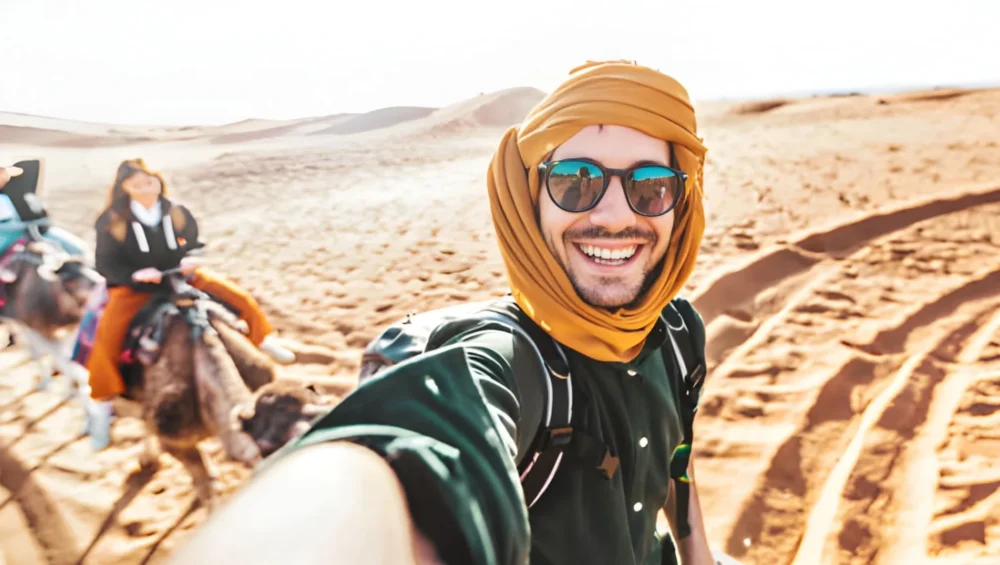
The Great Pyramids are located about 15 kilometers southwest of downtown Cairo. Most visitors reach the site by taxi, private car, or organized tour. Public transportation options include buses and the Cairo Metro (with the closest station being Giza, followed by a short taxi ride to the plateau). Many hotels in Cairo offer day tours that include transportation, guides, and admission fees. For those seeking adventure, camel or horseback rides are available from nearby stables, offering a unique way to approach the pyramids. Accessibility for visitors with mobility challenges is improving, but some uneven terrain and sandy paths may pose difficulties.

Exploring the Pyramids: What to See and Do

Upon arrival, visitors are greeted by the imposing sight of the three main pyramids, each with its own distinctive features. The largest, the Pyramid of Khufu, originally stood at 146 meters and remains an architectural marvel. The Pyramid of Khafre is easily identified by the remnants of its original limestone casing near the summit, while the smaller Pyramid of Menkaure completes the trio. Visitors can explore the exterior of the pyramids, and for an additional fee, enter the burial chambers inside Khufu and Khafre’s pyramids. The experience of standing inside these ancient structures is both humbling and exhilarating. Don’t miss the smaller Queen’s Pyramids and the subsidiary tombs scattered around the plateau.

The Great Sphinx and Surrounding Monuments

No visit to Giza is complete without seeing the enigmatic Great Sphinx. Carved from a single block of limestone, the Sphinx features the body of a lion and the face of a Pharaoh, believed to represent Khafre. The Sphinx has stood guard over the pyramids for thousands of years, its mysterious expression inspiring countless legends. Nearby, you’ll find the Valley Temple, where the mummification of Pharaohs took place, and various mastabas (ancient tombs) belonging to nobles and officials. The site is rich in archaeological treasures, offering a glimpse into the grandeur of ancient Egyptian civilization.

Practical Tips for Visiting the Giza Plateau

To make the most of your visit, it’s important to plan ahead. Wear comfortable shoes suitable for walking on sand and rocky terrain, and bring a hat, sunscreen, and plenty of water, especially in the warmer months. Modest clothing is recommended out of respect for local customs. Be prepared for persistent vendors offering souvenirs and camel rides—polite but firm refusals are generally effective if you’re not interested. Guided tours are highly recommended, as knowledgeable guides can provide fascinating insights into the history and significance of the monuments. Bring cash for entrance fees, as credit cards are not always accepted at the site.

Photography and the Best Views

The Giza plateau offers countless opportunities for stunning photographs. The classic panoramic view of all three pyramids is best captured from the nearby desert, where camel rides are often staged for dramatic effect. Early morning and late afternoon light create striking shadows and golden hues, perfect for capturing the grandeur of the monuments. The area near the Sphinx provides excellent vantage points for creative shots, and climbing the nearby hills offers sweeping views of the entire plateau. Drones are not permitted, and tripods may require special permission, so check local regulations before your visit. Remember to be respectful of restricted areas and avoid climbing on the monuments themselves.

Beyond the Pyramids: Nearby Attractions and Activities

While the pyramids are the main attraction, the surrounding area offers plenty of additional experiences. The Solar Boat Museum houses the reconstructed Khufu ship, an ancient vessel discovered buried beside the Great Pyramid. The Grand Egyptian Museum, located a short distance from the plateau, showcases a vast collection of artifacts from ancient Egypt, including treasures from Tutankhamun’s tomb. For a taste of local culture, explore the bustling streets of nearby Giza or enjoy traditional Egyptian cuisine at a local restaurant. Evening sound and light shows at the pyramids provide a dramatic retelling of their history, combining music, narration, and colorful illuminations for a memorable finale to your visit.

Responsible Tourism and Preservation Efforts

The Great Pyramids are not only a source of national pride for Egypt but also a UNESCO World Heritage Site. Preserving these ancient monuments for future generations is a shared responsibility. Visitors are urged to respect site rules, avoid touching or climbing on the pyramids, and refrain from littering. Ongoing restoration and conservation efforts are vital to maintaining the integrity of the structures, and tourism revenue plays a crucial role in funding these projects. By traveling responsibly, you help ensure that the wonders of Giza remain a source of inspiration for generations to come.

Frequently Asked Questions

How much does it cost to visit the Great Pyramids of Giza?

The entrance fee for the Giza plateau varies for Egyptian nationals and foreign visitors, with additional charges for entering the pyramids themselves. As of 2024, general admission for foreigners is around 240 EGP, with extra fees for entry into the Great Pyramid and other monuments. Discounts are often available for students with valid ID.

Can you go inside the pyramids?

Yes, visitors can enter the Pyramid of Khufu and the Pyramid of Khafre for an additional fee. The interiors are narrow and can be claustrophobic, but the experience offers a unique glimpse into ancient engineering. Entry is limited each day, so it’s best to arrive early if you wish to go inside.

What should I wear when visiting the pyramids?

Comfortable, modest clothing is recommended. Lightweight fabrics are ideal for the hot climate, and sturdy shoes are necessary for walking on sand and rocky surfaces. A hat and sunglasses provide protection from the sun, and sunscreen is essential.

Is it safe to visit the pyramids?

The pyramids are generally safe for tourists, with a visible security presence throughout the site. As with any major tourist destination, it’s wise to be aware of your surroundings and keep an eye on your belongings. Follow local advice and avoid wandering into isolated areas of the plateau.

Are guided tours necessary?

While it’s possible to explore the site independently, guided tours are highly recommended for a deeper understanding of the history and significance of the pyramids. Knowledgeable guides can enhance your experience and help you navigate the site efficiently.

How do I get from Cairo to the pyramids?

The pyramids are easily accessible from central Cairo by taxi, ride-hailing apps, or organized tours. Public transportation options include buses and the Cairo Metro, though a short taxi ride is still required from the nearest station. Many hotels offer day trips that include transportation and guided services.

Khan Khalili Cairo

Khan Al-Khalili Cairo

Khan Al-Khalili Cairo: The Timeless Heart of Egypt’s Bazaar Culture

In the bustling heart of Cairo, where the modern world intertwines with centuries-old traditions, lies Khan Al-Khalili—a vibrant bazaar that has captivated travelers and locals alike for generations. This historic market is more than just a place to shop; it is a living tapestry of Egyptian culture, history, and daily life. Whether you’re seeking rare antiques, hand-crafted jewelry, aromatic spices, or simply a taste of authentic Cairo, Khan Al-Khalili offers an unforgettable experience that immerses you in the true spirit of Egypt.

The History of Khan Al-Khalili

Khan Al-Khalili dates back to the 14th century, when it was established during the Mamluk era by Emir Djaharks el-Khalili. Originally conceived as a caravanserai—a roadside inn for traders and travelers—the bazaar quickly evolved into a thriving commercial hub. Over the centuries, it has survived plagues, political upheavals, and the relentless march of time, emerging as one of the most iconic and enduring markets in the Middle East. Walking through its labyrinthine alleys is like stepping back in time, with ancient stone archways and intricately carved wooden facades bearing silent witness to centuries of commerce and culture.

Architectural Marvels and Timeless Ambiance

The architecture of Khan Al-Khalili is a testament to Cairo’s rich history and diverse influences. The market’s narrow, winding streets are lined with medieval Islamic buildings, many adorned with ornate mashrabiya (latticework) windows and decorative motifs. The ambiance is enhanced by the interplay of sunlight and shadow, the hum of bargaining voices, and the intoxicating scents of spices and incense. As you explore, you’ll discover hidden courtyards, centuries-old mosques, and beautifully restored khans (inns) that provide a glimpse into Cairo’s illustrious past.

Shopping in Khan Al-Khalili: What to Buy

Khan Al-Khalili is a shopper’s paradise, offering an astonishing array of goods that reflect Egypt’s artistic heritage. Visitors can browse stalls brimming with hand-blown glass, intricate silverware, vibrant textiles, and traditional perfumes. Gold and silver jewelry, often crafted with ancient Pharaonic or Islamic designs, make for exquisite souvenirs. Don’t miss the stalls selling colorful ceramics, brass lanterns, and hand-painted papyrus. Bargaining is not just expected—it’s an essential part of the experience, so don’t hesitate to haggle for the best price.

Cafés and Culinary Delights

No visit to Khan Al-Khalili is complete without pausing at one of its legendary cafés. Perhaps the most famous is El Fishawy, an establishment that has welcomed poets, artists, and celebrities for over two centuries. Here, you can sip strong Egyptian coffee or sweet mint tea while watching the vibrant street life unfold around you. Many cafés serve traditional Egyptian snacks such as falafel, koshari, and baklava, providing a delicious respite from shopping. The atmosphere is always lively, with the sounds of clinking glasses, laughter, and the occasional strains of live oud music adding to the charm.

Meeting the Artisans: Craftsmanship and Heritage

One of the greatest joys of visiting Khan Al-Khalili is the opportunity to meet the artisans who keep Egypt’s traditional crafts alive. Many workshops are open to visitors, allowing you to observe master craftsmen at work—engraving brass, weaving carpets, or shaping delicate glassware. These artisans are often eager to share the stories behind their creations, offering insights into techniques passed down through generations. Purchasing directly from these workshops not only guarantees authenticity but also supports the preservation of Egypt’s intangible cultural heritage.

Nearby Attractions: Exploring Historic Cairo

Khan Al-Khalili is ideally situated in Islamic Cairo, a UNESCO World Heritage Site renowned for its wealth of historic monuments. Just a short walk from the bazaar, you’ll find the stunning Al-Hussein Mosque, one of Cairo’s most revered religious sites. The nearby Al-Azhar Mosque, founded in 970 AD, is a masterpiece of Islamic architecture and a center of religious scholarship. Wandering the surrounding streets reveals a treasure trove of medieval madrasas, sabils (public fountains), and mausoleums, making it easy to combine your shopping adventure with a journey through Cairo’s storied past.

Tips for Visiting Khan Al-Khalili

To make the most of your visit to Khan Al-Khalili, consider arriving early in the day or later in the evening, when the crowds are thinner and the atmosphere more relaxed. Wear comfortable shoes, as the cobblestone streets can be uneven, and be prepared for a sensory overload of sights, sounds, and smells. While the bazaar is generally safe, it’s wise to keep an eye on your belongings and be cautious of overly persistent touts. Don’t be shy about bargaining, but always do so with a smile—friendly negotiation is part of the local culture. Finally, take your time; the true magic of Khan Al-Khalili lies in its hidden corners and unexpected encounters.

Experiencing the Nightlife and Festivals

As the sun sets, Khan Al-Khalili takes on a different character. The market glows with the warm light of lanterns, and the energy intensifies as locals and tourists gather to enjoy the vibrant nightlife. Street performers, musicians, and storytellers bring the alleys to life, creating a festive atmosphere that continues late into the night. During religious festivals such as Ramadan, the bazaar becomes even more animated, with special decorations, extended hours, and communal feasts. These celebrations offer a unique opportunity to experience Egyptian hospitality and tradition at its most exuberant.

Souvenirs and Lasting Memories

Bringing home a piece of Khan Al-Khalili is a cherished tradition for many visitors. Whether it’s a handcrafted piece of jewelry, a bottle of exotic perfume, or a simple trinket, each souvenir carries with it the stories and spirit of Cairo. Take the time to chat with shopkeepers, learn about the origins of your purchases, and savor the memories of your time in this extraordinary bazaar. More than just a marketplace, Khan Al-Khalili is a living museum—a place where the past and present coexist in a vibrant celebration of Egyptian culture.

Frequently Asked Questions

What are the opening hours of Khan Al-Khalili?

Khan Al-Khalili is generally open from around 9:00 AM until well into the evening, with some shops and cafés staying open as late as midnight. Hours may vary during religious holidays or Ramadan, so it’s a good idea to check in advance if you have specific shops in mind.

Is it safe to visit Khan Al-Khalili?

Yes, Khan Al-Khalili is considered safe for tourists. However, as with any busy market, it’s important to stay aware of your surroundings, keep valuables secure, and be cautious of pickpockets. Most visits are trouble-free, and the area is well-patrolled by local authorities.

How do I get to Khan Al-Khalili?

Khan Al-Khalili is located in the heart of Islamic Cairo and is easily accessible by taxi, ride-sharing apps, or public transportation. The nearest metro station is Al-Azhar, and many hotels offer guided tours or shuttle services to the bazaar.

What should I wear when visiting Khan Al-Khalili?

Cairo is a cosmopolitan city, but it’s respectful to dress modestly, especially when visiting religious sites nearby. Lightweight, breathable clothing is recommended, along with comfortable shoes for walking the cobbled streets. A hat and sunscreen are also advisable, especially during the hotter months.

Can I use credit cards in Khan Al-Khalili?

While some larger shops and cafés accept credit cards, many vendors in Khan Al-Khalili prefer cash payments. It’s best to carry small denominations of Egyptian pounds for purchases and bargaining. ATMs are available in the vicinity for your convenience.

Are there guided tours available for Khan Al-Khalili?

Yes, many local tour operators offer guided walking tours of Khan Al-Khalili and the surrounding historic sites. A knowledgeable guide can enrich your experience by providing historical context, helping with bargaining, and introducing you to hidden gems within the bazaar.

The Egyptian Museum Cairo

The Egyptian Museum Of Cairo

The Egyptian Museum Of Cairo: A Complete Visitor’s Guide

Standing as a monumental gateway to Egypt’s ancient past, the Egyptian Museum of Cairo is a treasure trove of antiquities, history, and mystery. Located in the heart of Egypt’s bustling capital, this world-renowned museum houses the largest collection of Pharaonic antiquities on the planet. From the glittering treasures of Tutankhamun to the everyday objects of ancient Egyptian life, the museum offers a mesmerizing journey through time. Whether you’re an avid historian, a casual traveler, or someone seeking to experience the wonders of the ancient world, the Egyptian Museum is an unmissable stop on any Cairo itinerary.

A Brief History of the Egyptian Museum

The Egyptian Museum of Cairo, also known as the Museum of Egyptian Antiquities, first opened its doors in 1902. Designed by French architect Marcel Dourgnon, the museum was established to house Egypt’s growing collection of ancient artifacts, which had previously been scattered across various locations. Today, the museum’s iconic neoclassical building stands on Tahrir Square, symbolizing Egypt’s commitment to preserving its rich heritage. Over the decades, the museum has survived wars, revolutions, and the test of time, continuing to attract millions of visitors from around the globe.

Unraveling the Treasures: What to See

Within its stately halls, the Egyptian Museum boasts over 120,000 artifacts, with thousands on display at any given time. Among its most famous exhibits is the golden funerary mask of Tutankhamun, a dazzling masterpiece that has become synonymous with ancient Egypt. The museum also features an impressive array of royal mummies, statues, jewelry, papyrus scrolls, and everyday items that shed light on Pharaonic life. Visitors can marvel at the intricate sarcophagi, the colossal statues of Ramses II, and the delicate artistry of ancient amulets and pottery. Each room tells a different story, offering endless opportunities for discovery and wonder.

The Royal Mummy Room: Meeting Egypt’s Ancient Kings and Queens

One of the most captivating experiences at the Egyptian Museum is the Royal Mummy Room, where visitors can come face-to-face with the preserved remains of Egypt’s most illustrious rulers. This dimly lit, climate-controlled chamber houses the mummies of legendary pharaohs such as Seti I, Ramses II, and Queen Hatshepsut. The room is both eerie and awe-inspiring, providing a unique glimpse into the ancient Egyptians’ beliefs about death and the afterlife. For many, standing before these ancient monarchs is a highlight of their visit, offering a tangible connection to the distant past.

Highlights of the Tutankhamun Collection

No visit to the Egyptian Museum would be complete without exploring the treasures of Tutankhamun. Discovered in 1922 by British archaeologist Howard Carter, the tomb of the boy king yielded a wealth of artifacts that have captivated the world for a century. The museum’s Tutankhamun galleries showcase his iconic golden mask, ornate throne, jewelry, chariots, and even his sandals. These objects not only reflect the opulence of the 18th Dynasty but also offer insights into the artistry, technology, and religious beliefs of the time. The sheer splendor of the collection makes it a must-see for anyone interested in ancient history.

Planning Your Visit: Practical Information

The Egyptian Museum is centrally located in Tahrir Square, making it easily accessible from most parts of Cairo. The museum is typically open daily from 9:00 AM to 5:00 PM, though hours may vary during holidays and Ramadan. Tickets can be purchased at the entrance, with separate fees for general admission and access to the Royal Mummy Room. Photography is permitted in most areas, but flash and tripods are not allowed. To make the most of your visit, consider hiring a licensed guide or joining a group tour, as the vastness of the collection can be overwhelming without expert insight.

Tips for Navigating the Museum

Given the sheer size and scope of the Egyptian Museum, planning your route in advance can help you make the most of your time. Start with the ground floor, which is organized chronologically, and then move to the upper floor, where thematic exhibitions such as the Tutankhamun galleries are located. Wear comfortable shoes, as you’ll be on your feet for several hours, and bring a bottle of water to stay hydrated. If you’re short on time, prioritize the must-see highlights, but if possible, allow at least half a day to fully appreciate the museum’s offerings.

Nearby Attractions and How to Get There

The Egyptian Museum’s central location makes it an ideal starting point for exploring Cairo’s other attractions. Tahrir Square itself is steeped in modern Egyptian history, while the nearby Nile River offers scenic boat rides and riverside dining. The museum is easily accessible by taxi, ride-sharing apps, and the Cairo Metro (Sadat Station). Visitors can also combine their museum trip with a visit to the nearby Islamic Cairo district, the historic Khan El Khalili bazaar, or the iconic Cairo Tower for panoramic city views. For those interested in further exploring Egypt’s ancient wonders, day trips to the Pyramids of Giza and Saqqara are readily available.

The Future of the Egyptian Museum: Grand Egyptian Museum

While the Egyptian Museum of Cairo remains a beloved institution, Egypt is preparing to open the Grand Egyptian Museum (GEM) near the Pyramids of Giza. The new museum will eventually house many of the artifacts currently displayed in Tahrir Square, including the entire Tutankhamun collection. However, the original Egyptian Museum will continue to play a vital role in Egypt’s cultural landscape, serving as a hub for research, education, and the preservation of national heritage. Visitors are encouraged to experience both museums for a comprehensive understanding of Egypt’s extraordinary past and dynamic present.

Frequently Asked Questions

What are the opening hours of the Egyptian Museum of Cairo?

The Egyptian Museum is generally open daily from 9:00 AM to 5:00 PM, though hours may change during public holidays and Ramadan. It’s best to check locally or on the museum’s official website for the most up-to-date information before your visit.

How much time should I allocate for a visit?

To fully appreciate the museum’s vast collection, plan to spend at least three to four hours. If you are particularly interested in ancient Egyptian history or wish to explore every gallery, consider dedicating a full day.

Is photography allowed inside the museum?

Photography is allowed in most areas of the Egyptian Museum, but the use of flash and tripods is prohibited. Some special exhibitions or rooms, like the Royal Mummy Room, may have additional restrictions.

Are guided tours available?

Yes, guided tours are available both through the museum and via independent tour operators. Hiring a knowledgeable guide can greatly enhance your understanding of the exhibits and the stories behind them.

What is the best way to get to the Egyptian Museum?

The museum is centrally located in Tahrir Square, easily reachable by taxi, ride-sharing apps, and the Cairo Metro (Sadat Station). Many hotels in Cairo also offer shuttle services or organized tours to the museum.

Will all artifacts be moved to the Grand Egyptian Museum?

While many artifacts, including the full Tutankhamun collection, will eventually be relocated to the Grand Egyptian Museum, the original Egyptian Museum in Tahrir Square will continue to display important pieces and serve as a cultural landmark.

Booking Mistakes Egypt Tours

Booking Mistakes Egypt Tours: How to Avoid Costly Missteps and Plan the Perfect Egyptian Escape

Planning an Egypt tour is a dream come true for travelers fascinated by ancient history, golden deserts, and the majestic Nile River. Yet, even the most seasoned explorers make booking mistakes that can turn a magical journey into a logistical nightmare. The key to a seamless adventure through Egypt lies in understanding the nuances of trip planning—from picking the right Egypt vacation packages to identifying trustworthy local agencies. The most common booking mistakes in Egypt tours stem from overlooking destination logistics, misjudging the best season to travel, and misunderstanding cultural expectations. By steering clear of these pitfalls, travelers can unlock richer experiences across Cairo, Luxor, Aswan, and beyond.

Egypt’s vibrant culture, sprawling monuments, and friendly locals promise unforgettable memories. However, not all tours deliver the same quality. Many visitors, captivated by cheap offers or incomplete itineraries, find themselves disappointed. This article unravels the hidden traps in booking Egypt tours and offers expert insights on how to avoid them. By the end, readers will feel inspired, informed, and ready to make confident travel choices that maximize value and authenticity during their Egyptian holiday. Whether you’re cruising down the Nile on the Steigenberger Royale Nile Cruise or exploring stunning temples in Luxor City, smart planning ensures every moment counts.

Not Researching the Right Type of Egypt Tour Packages

One of the most common booking mistakes Egypt tours travelers make is failing to research the right type of package. Egypt offers a wealth of tour styles—from luxurious Nile cruises to adventure-focused desert excursions—and each caters to different preferences. Those looking for exclusivity should consider options like Luxury Egypt Tours, which deliver first-class services, five-star accommodations, and private guides who provide personalized insights into Egypt’s history.

Families, on the other hand, might prefer Egypt Family Tours, incorporating child-friendly activities and flexible itineraries. Misjudging the right package can create unnecessary stress—such as too-rigid schedules or unsuitable destinations. Understanding your travel needs is crucial. Adventure seekers could explore the Sahara with 7 Days Cairo, Luxor, Abu Simbel & Sahara Trip, while history lovers might choose cultural tours that spotlight sites like Karnak Temple, Philae Temple, and the Valley of the Kings.

Underestimating Seasonal Factors When Booking Egypt Tours

Seasonal timing dramatically affects an Egyptian travel experience. Many first-time visitors book tours without realizing that summer temperatures in Upper Egypt can soar beyond 40°C. Exploring ancient structures under the blazing sun can quickly drain one’s energy. Therefore, avoiding extreme heat periods is wise. For optimal comfort, tourists should plan trips between October and April when the climate is milder. Those seeking festive travel atmospheres can align their holiday with Egypt Christmas Tours for unique cultural and religious celebrations across the country.

Ignoring seasonal variations also impacts Nile cruises. High water levels during winter can change docking schedules. Travelers booking the 4 Day 3 Night Nile Cruise from Aswan to Luxor might experience different sightseeing sequences than those traveling in summer. Smart travelers adjust expectations and select the ideal timeframe to ensure both comfort and adventure harmonize perfectly during their Egypt tour.

Failing to Verify Tour Inclusions and Exclusions

Another frequent error in booking Egypt tours lies in misunderstanding what’s included versus excluded in the package. Too often, travelers assume that meals, domestic flights, and entrance tickets are covered, only to face surprise costs later. Each itinerary varies—some luxury options like 11 Days Luxury Egypt Tour Package include nearly everything, while budget deals may not cover critical transfers or excursions.

When booking, carefully read terms to avoid unexpected expenses. Knowledgeable travelers always confirm details such as Egyptologist guides, transportation between Cairo and Luxor, or balloon rides over the Nile. Transparency from an authentic agency ensures you enjoy every included privilege—without disappointing last-minute payments.

Overlooking Local Transfers and Domestic Connections

Transportation logistics in Egypt can be tricky for visitors unfamiliar with regional distances. Relying solely on public options or assuming every transfer is included may lead to frustrating delays. Smart scheduling is essential, especially when connecting flights or trains between Cairo, Luxor, and Aswan. Consider booking with operators offering streamlined services like Luxor Transfers or Aswan Transfers that coordinate pickups and drop-offs punctually.

Another mistake is underestimating domestic flight schedules, especially around national holidays when demand spikes. Booking an early flight after a late-night cruise party on the Esmeralda Nile Cruise can lead to missed connections. Proper transfer planning mitigates rushed commutes and ensures you experience landmarks like Temple of Hatshepsut at ease.

Ignoring Cultural Etiquette and Dress Codes in Egypt

Cultural sensitivity matters. Egypt’s customs blend Islamic traditions with local norms, and ignoring etiquette can create unnecessary awkwardness. Many tourists forget modest dress rules when visiting mosques or religious sites. Women should carry scarves to cover shoulders, while men should avoid sleeveless shirts during temple visits. Respect also extends to photography—especially in sacred spaces like Mosque of Ibn Tulun or Al Azhar Mosque.

Understanding tipping practices (known locally as ‘baksheesh’) is also crucial. Gratuities are common appreciation gestures; failing to give modest tips may be seen as impolite. Reading local customs beforehand avoids embarrassment and fosters better connections with Egyptians proud to share their heritage.

Assuming Cheap Egypt Tours Offer the Same Experience

Budget travelers often fall into the trap of equating low prices with great deals. Unfortunately, cut-rate Egypt tours often compromise on quality, reliability, and authentic immersion. While saving money seems attractive, it shouldn’t come at the expense of comfort, security, or service quality. Trustworthy operators provide detailed itineraries and certified guides who know the stories behind iconic landmarks like Sphinx Statue and the Valley Temple.

The smartest travelers focus on value, not just cost. Egypt’s top-rated tours—such as 8 Days Best Egypt Tour with Nile Cruise—balance affordability with excellence. Cheap operators may skip essential attractions or hire unlicensed guides, resulting in poor experiences that ruin lifelong dreams. Always verify credentials, read reviews, and favor established agencies with transparent policies.

Neglecting to Choose a Reliable Local Travel Agency in Egypt

Relying exclusively on international platforms often overlooks the expertise of local agencies that understand logistics better. Working directly with a trusted company like Egypt Local Travel Agency provides on-the-ground insights and quick solutions in case of emergencies. Locals know the best-hidden gems—from quiet courtyards in Coptic Cairo to scenic lunch spots overlooking the Nile.

A strong local network ensures flexibility, especially when changes occur due to weather or unexpected closures. Reliable operators maintain 24/7 communication, coordinate high-quality accommodations, and collaborate with government tourism authorities for safe experiences. Choosing wisely means fewer headaches and richer adventures throughout your Egyptian escapade.

Missing Out on Authentic Experiences Due to Overstuffed Itineraries

Another major oversight is booking Egypt tours overloaded with too many stops in too little time. While it’s tempting to see every site, constant rushing leaves travelers exhausted. A better approach is slower exploration. Opt for flexible programs like the 10 Day Cairo with Nile Cruise package, which balances adventure and leisure while still covering Egypt’s top attractions comfortably.

Overpacking schedules prevents spontaneous discovery—like wandering El Moez Street at sunset or enjoying an aromatic tea at a traditional café. The beauty of Egypt lies in its rhythm; slowing down allows travelers to absorb local life genuinely rather than treating sites as checklist items.

Skimping on Travel Insurance and Documentation

Uninsured travel to Egypt is a dangerous gamble. Accidents, lost baggage, or sudden illness could derail your trip, especially in remote desert regions or aboard Nile cruises. Before finalizing any itinerary, ensure you’ve secured reliable travel insurance that covers medical care, cancellations, and emergencies. Professional operators typically recommend policies before departure to safeguard their clients’ peace of mind.

Equally crucial is proper documentation. Ensure passports are valid for at least six months beyond your stay. Double-check visa requirements—some nationalities need e-visas or advance processing, as outlined in Do You Need A Visa To Travel To Egypt?. Neglecting such details might cause denied entry at arrival points—a scenario easily avoided through early preparation and guidance from your travel agent.

Overlooking the Value of Cultural Immersion

Tourists too focused on photo opportunities sometimes miss Egypt’s soul—its people, cuisine, and traditions. Taste local specialties mentioned in Traditional Dishes In Egypt and shop at bustling bazaars to treasure genuine connections with local artisans. Cultural understanding enhances travel more profoundly than any photograph can capture. Egypt’s charm truly unfolds when visitors engage respectfully and curiously with its communities.

FAQs About Booking Mistakes Egypt Tours

1. What’s the biggest mistake travelers make when booking Egypt tours?

The most common mistake is choosing packages solely based on price rather than quality. Budget deals may omit key tours, professional guides, or even reliable transfers. Always compare inclusions carefully to ensure you get maximum value.

2. How early should I book my Egypt tour?

Booking at least three months ahead ensures better rates and availability, especially for popular cruises such as the 3 Nights Nile Cruise Aswan to Luxor. Early bookings also help tailor itineraries to your preferences without last-minute compromises.

3. Are local travel agencies in Egypt trustworthy?

Yes, many local agencies provide superior service, offering authentic experiences through knowledgeable Egyptologists and flexible itineraries. Partnering with a certified company like Cindrella Egypt Travel guarantees professionalism and safety.

4. Which months are best for Egypt tours?

The ideal time to visit Egypt is between October and April when weather conditions are pleasant. Avoid midsummer trips unless you plan to relax at Red Sea resorts like Hurghada City or Marsa Alam.

5. Should I include a Nile cruise in my itinerary?

Absolutely. A Nile cruise connects iconic cities and temples in luxurious comfort. Options such as the Best Nile River Cruises combine relaxation with unforgettable cultural discovery along Egypt’s most famous

Instagram Spots in Egypt

Top Instagram Spots in Egypt: Capture the Timeless Beauty of the Land of Pharaohs

There’s something about Egypt that feels absolutely magical the moment you land — maybe it’s the golden hue of the Sahara, the mystique of the Sphinx Statue guarding ancient secrets, or the crystalline waters of the Red Sea shimmering under the blazing sun. For travelers chasing not just memories but also picture-perfect moments, Egypt is a goldmine. The country effortlessly blends ancient wonders, colorful marketplaces, and serene natural backdrops, making it one of the top destinations for Instagram enthusiasts. Whether you’re photographing the grandeur of the pyramids, the pastel sunset over the Nile, or the vibrant mosaics of Islamic Cairo, every corner of Egypt tells a story — one worth capturing and sharing.

Instagram spots in Egypt aren’t limited to its ancient history. You’ll find modern art scenes, chic cafes, sandy deserts painted with coral skies, and turquoise coastlines stretching endlessly along the Mediterranean. The contrasts are striking: chaotic yet beautiful Cairo, laid-back Dahab, romantic Luxor, and surreal Aswan — all perfect photo ops waiting for your lens. Ready to fill your feed with the signature golds, blues, and ochres of Egypt? Let’s explore the most stunning backdrops where history meets art and light dances through every frame.

1. The Majestic Giza Plateau: Pyramids and the Sphinx

The Giza City skyline is crowned by the world-famous Pyramids and the ever-watchful Sphinx. From sunrise to nightfall, this archaeological wonder offers countless angles for your camera. Whether you climb onto a camel for that quintessential pyramid shot or wait for the sun to sink behind the massive stones, the lighting transforms this ancient desert panorama into Instagram gold. The close-up view of the Sphinx Statue at golden hour — half-shadowed, half-illuminated — has become an influencer favorite.

Try visiting early to avoid crowds, or head to the panoramic viewpoint for a sweeping shot of all three pyramids in one frame. If you’re staying nearby, catch the evening light show for dramatic night photography. Add a touch of luxury by booking the 8 Days Egypt Luxury Tour to pair your Instagram adventures with private guides and exclusive experiences around Cairo and Giza.

2. The Timeless Charm of Cairo’s Historical Sites

Cairo is an explosion of color, texture, and culture — every street seems to hum with life. The kaleidoscopic charm of El Moez Street and the architectural grandeur of the Citadel of Salah El-Din provide stunning backdrops to experiment with shadow and symmetry. Don’t miss the elegant curves of the Alabaster Mosque or the vibrant greenery at Al Azhar Park. Each spot reflects a different face of Egypt’s vibrant capital, mixing history with urban flair.

Delve into the old-world charm of Coptic Cairo (Old Cairo), where narrow alleys and ancient churches create a dreamlike setting for photographers. To make the most of it, sign up for the Cairo Day Tours for guided walks that ensure you don’t miss a single noteworthy frame.

3. Luxor: The Open-Air Museum of the Nile

If there’s a city that defines “Instagram heaven” in Egypt, it’s Luxor City. With monuments bathed in golden sunlight and the legendary Nile flowing silently by, Luxor’s beauty is almost surreal. Pose in front of the Luxor Temple columns or capture reflections of light at the mysterious Avenue of Sphinxes. Step into the shadow of the Temple of Hatshepsut, where the geometric lines of the terraces frame an ethereal mountain backdrop.

The West Bank is an absolute must for epic sunrise shots, especially near the Colossi of Memnon. The Valley of the Kings lies close by, steeped in mystery, and if golden tomb walls intrigue you, the Tomb of Nefertari offers mesmerizing colors that make every photo look straight out of a museum masterpiece. Book your Luxor Day Tour to hit every photogenic landmark efficiently.

4. Aswan: Serenity and Sunset Magic

Down south, Aswan feels like a warm exhale — tranquil and mesmerizing. Capture the surreal pastel hues of the Nubian Village with its vividly painted houses and narrow sandy alleys. For a dose of ancient beauty, head to the Temple of Philae, where stone columns rise from the water, reflecting like liquid gold at sunset. The contrast of blue Nile waters with ochre cliffs forms a perfect natural palette.

Aswan’s river landscapes are best captured during a scenic cruise. Aboard one of the luxurious options like the Steigenberger Royale Nile Cruise, you’ll enjoy divine views as feluccas drift by quietly. Whether you visit the Abu Simbel Temples or the Unfinished Obelisk, your camera roll will thank you.

5. Red Sea Wonders: Hurghada, Sharm El Sheikh, and Dahab

If beach vibes and turquoise water dominate your Instagram aesthetic, head straight to Egypt’s Red Sea coast. Hurghada City dazzles with yacht docks and coral-rich snorkeling areas. Capture sunrise shadows dancing on the surface of turquoise lagoons or the evening lights at the marina. Indulge in vibrant marine photography during your Hurghada Day Tours and discover hidden coves only locals know.

Down the coast, Sharm El Sheikh invites you to chase underwater shots among technicolor reefs in the mesmerizing Ras Mohammed National Park. For a more bohemian flair, stroll through Dahab’s Blue Lagoon or marvel at nature’s artistry within the Colored Canyon. Each place transforms your feed into a vibrant travel diary.

6. The Hidden Charms of the Western Desert and oases

When it comes to offbeat Instagram spots in Egypt, the Western Desert delivers pure cinematic allure. Have you seen the surreal white formations of the White Desert Egypt? They look like sculptures from another planet, especially under moonlight. Combine those with the shimmering dunes of the Black and White Desert for an epic aesthetic contrast. The weather-carved peaks of the Valley of Agabat seem tailor-made for adventure seekers and photographers.

Further north, the lush Fayoum Oasis blends palm groves and lakeside serenity, while Wadi El Rayan stuns with cascading waterfalls — a rare sight in Egypt. Add a dreamy warm tone to your photos with a sunset camel ride at Wadi Al Hitan, also known as the Valley of the Whales, where prehistoric fossils whisper stories millions of years old.

7. Alexandria’s Coastal Romance

Alexandria, Egypt’s Mediterranean gem, charms travelers with its laid-back coastal vibe and European flair. Photograph the turquoise waves crashing against the iconic Citadel of Qaitbay or frame the graceful arches of the Stanley Bridge. The royal gardens around Montazah Palace add a regal touch to any shot, while the modernist lines of the Alexandria Bibliotheca offer sleek architectural contrasts that pop online.

Even a cloudy day in Alexandria creates moodier tones for travelers who prefer minimalist photography. And if you’re planning a full journey through Egypt’s photogenic cities, explore curated Egypt Vacation Packages that include Alexandria, Cairo, and Luxor for ultimate variety in your travel feed.

8. Siwa Oasis: The Desert’s Hidden Gem

No Instagram portfolio of Egypt is complete without the mystical Siwa Oasis. This remote paradise, tucked near the Libyan border, bursts with surreal salt lakes, lush palm groves, and ancient ruins. The shimmering reflections at the Siwa Salt Lakes create heavenly mirror shots, while the rustic walls of the Shali Castle tell stories of centuries past. Adventure seekers love climbing Dakrour Mountain to snap 360-degree panorama views over golden dunes.

For an eco-chic experience, stay at one of the boutique lodges built with traditional mud-brick architecture. The desert light at sunrise or stars scattered across the night sky turn every capture into poetry. Siwa truly embodies sustainable travel and timeless beauty all in one frame — a hidden treasure for those who crave something beyond the usual tourist trail.

FAQs About Instagram Spots in Egypt

1. What are the best times to take photos at the Pyramids?

The ideal time is early morning when golden sunlight kisses the stones and tourist crowds haven’t yet arrived. Alternatively, late afternoon offers warm lighting and stunning silhouettes perfect for wider shots.

2. Are drones allowed at popular Instagram spots in Egypt?

Typically, drone use in Egypt requires official permission from authorities. For restricted areas like archaeological zones, drones are prohibited. However, you can bring one with prior approval for desert and coastal areas.

Egypt Travel Safety

Egypt Travel Safety: Everything You Need to Know Before Traveling to Egypt

Egypt, the land of ancient wonders and timeless beauty, continues to intrigue travelers from across the globe. The magnificent pyramids, the enchanting Nile River, bustling markets, and charming coastal resorts make Egypt one of the most desirable destinations in the world. However, for many planning their trip, one pressing question remains: Is Egypt safe for travel? Understanding Egypt travel safety isn’t just about reassurance—it’s about preparation, awareness, and confidence. Knowing what to expect helps you experience the essence of this captivating country while staying secure and at ease throughout your journey.

In truth, Egypt has taken significant strides over the past decade to improve tourism safety and infrastructure. Major cities like Cairo, Luxor, and Aswan are heavily monitored, and tourist police are a common presence in key attractions. While occasional incidents make headlines, the vast majority of visitors—millions every year—explore the country without any trouble. That said, staying informed about travel advisories, respecting local customs, and understanding common safety guidelines can transform your trip into an unforgettable adventure without unnecessary risks. This guide covers every vital aspect of Egypt travel safety—ranging from health precautions to navigating local transportation, solo travel tips, and regional safety insights—to ensure your time in Egypt is magical and worry-free.

Understanding the Current Safety Situation in Egypt

Egypt has invested heavily in bolstering its security, particularly across tourism corridors. Popular destinations such as Luxor, Aswan, Hurghada, Sharm El Sheikh, and Cairo are well-guarded by both local and tourism-oriented police. Surveillance cameras and checkpoints near landmarks like the Giza City pyramids and the Nile River ensure a visible security presence. The Egyptian government recognizes tourism as a cornerstone of its economy, prompting substantial investments in traveler protection. Areas previously considered risky are now under tighter control, allowing safer mobility along the tourist trail.

Nevertheless, travelers should remain vigilant, particularly in remote desert areas or the Sinai Peninsula beyond Sharm El Sheikh. Monitoring embassy updates and registering with a local consulate can add reassurance. Choosing reputable travel agencies such as Cindrella Egypt Travel ensures secure, organized excursions. Overall, while no destination can promise absolute safety, Egypt’s tourist zones remain stable and inviting to visitors.

Traveling Safely Around Cairo and Major Cities

In Cairo, safety largely depends on awareness. The city hums with life—markets at Khan el-Khalili, stunning structures like the Alabaster Mosque, and cultural hubs such as the Grand Egyptian Museum are awe-inspiring but busy. Pickpocketing in crowded areas can occur, so keeping personal belongings close is key. Avoid carrying large sums of money or displaying expensive jewelry. When using taxis or ride-hailing apps, confirm fares before departure or ensure the meter runs properly. Walking is safe in daylight but less recommended late at night in unfamiliar neighborhoods. In emergencies, the tourist police, easily identifiable in white uniforms, provide prompt assistance.

Safety Along the Nile River and in Luxor and Aswan

Few experiences rival a cruise along the Nile, especially aboard luxury options like the Luxury Dahabiya Nile Cruise or the 4 Day 3 Night Nile Cruise from Aswan to Luxor. The river route between Luxor and Aswan is particularly secure, with tourist police accompanying many groups. The cities themselves are calm and reliant on tourism, ensuring low crime rates. Still, use only licensed guides when visiting heritage sites such as the Luxor Temple or Temple of Philae. Travelers should consider guided Luxor Day Tours or Aswan Day Tours for better assistance and reliable transport arrangements.

Health and Hygiene Tips for Travelers

Maintaining good health habits is crucial for a safe experience in Egypt. Avoid drinking tap water; instead, rely on sealed bottled water readily available. When dining, select reputable restaurants or hotel buffets where food handling meets hygiene standards. Local specialties are irresistible, and trying traditional dishes in Egypt is a must, but choose freshly prepared meals. Always use sun protection—Egypt’s climate can be fiercely hot, especially between May and September. Packing light clothing, hats, and UV-blocking sunglasses will keep you comfortable during explorations. Insect repellent is another essential, particularly if traveling to rural areas or the Nile Valley.

Medical facilities in large cities are modern and efficient, but rural clinics may lack some amenities. It’s advisable to carry basic medications and an international health insurance policy that covers treatment abroad. Pharmacies in Egypt are plentiful and often offer over-the-counter remedies, but verifying that drugs are factory-sealed is wise.

Transportation Safety in Egypt

Public transportation is widely used, but taxis and private transfers remain safer and more convenient for tourists. Opt for secure options like Hurghada Transfers or Aswan Transfers if moving between airports and hotels. Domestic flights, such as those connecting Cairo to Luxor or Aswan, are handled by trusted carriers with consistent safety records. Trains and buses are affordable yet less secure due to occasional delays and minimal oversight. Hiring private drivers through registered agencies ensures both safety and punctuality, especially for long-distance routes across Upper Egypt or to resort areas like Hurghada City and Marsa Alam.

Solo Travel and Female Traveler Safety in Egypt

Egypt welcomes solo adventurers and women travelers with open arms—though some precautions enhance comfort. Dressing modestly is highly recommended, especially when visiting religious landmarks like the Al Azhar Mosque. Solo visitors should plan itineraries through established operators, such as Egypt Private Tours or Egypt Family Tours. These professionals ensure security, knowledgeable guides, and 24/7 communication.

For female travelers, light verbal attention in markets or streets sometimes occurs, but it’s typically harmless. Simple strategies—like avoiding prolonged eye contact or ignoring catcalls—work best. Egypt’s tourist police maintain a visible presence, and most locals are courteous, respectful, and eager to assist visitors.

Popular Regions and Their Safety Profiles

Red Sea Resorts and Sinai Peninsula Security

The Red Sea coast—from Sharm El Sheikh to Marsa Alam—is among Egypt’s safest and most visited zones. High-end resorts and dive centers prioritize guest safety, with on-site security and restricted access. Checkpoints on roads leading to Sharm El Sheikh or Hurghada prevent unauthorized entries. Activities like diving in The Blue Hole of Dahab or snorkeling in Ras Mohammed National Park are extremely well-regulated, making them ideal for thrill-seekers craving safe adventures.

Western Desert and Oases Travel Safety

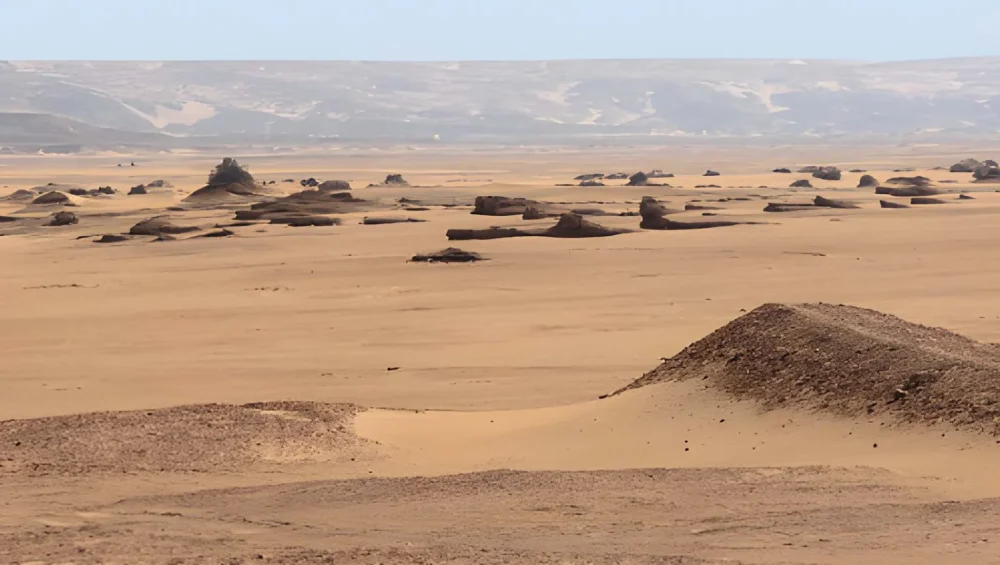
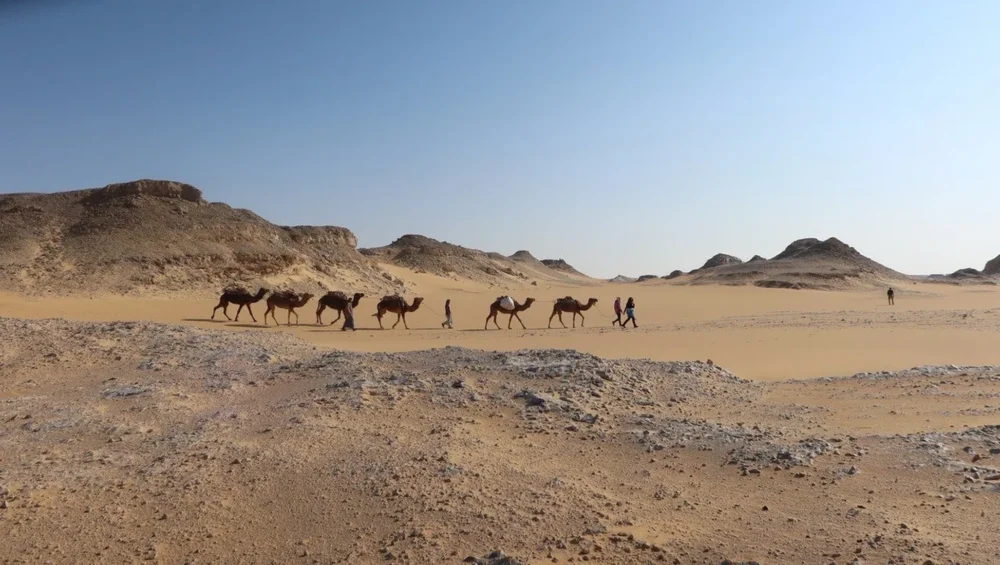
Egypt’s desert regions, especially near the White Desert and Siwa Oasis, deliver otherworldly beauty. Still, travelers should always journey with certified guides and convoys organized by experienced agencies. Desert safety hinges on adequate preparation—ample water, satellite communication, and local permits. Avoid independent exploration without proper guidance, as distances between populated zones stretch for miles with limited facilities.

Cultural Awareness and Respectful Conduct

Egyptian hospitality is legendary, yet understanding local norms enhances your sense of safety. Dress codes are conservative, especially near mosques or rural towns. During Ramadan, showing respect to fasting locals by avoiding eating or drinking in public during daylight fosters goodwill. Handshakes and polite greetings go a long way; taking photos of locals without consent is discouraged. Bargaining is common in bazaars but should always remain friendly. Adopting local etiquette ensures smoother interactions and builds trust, a vital part of travel safety.

Emergency Contacts and Useful Resources

Emergency numbers in Egypt are straightforward: 122 for police, 123 for ambulances, and 180 for fire services. Tourist police stations are easy to locate in major landmarks and airports. Embassies, hotel consierges, and travel representatives from reliable partners such as Egypt Vacation Packages provide immediate support when needed. Storing digital copies of your passport, itinerary, and insurance can expedite solutions in emergencies.

Practical Tips for a Secure and Enjoyable Experience

Stay connected through local SIM cards to access maps and emergency details. Book official Egypt Day Tours with fixed itineraries. Register accommodation details at checkpoints when required; hotels handle most of this on your behalf. Keep small cash for gratuities, as tipping, or ‘baksheesh,’ is part of the culture. Being courteous and composed during interactions with authorities ensures smoother procedures at checkpoints or during ID verification.

Why Egypt Remains a Top Destination Despite Safety Concerns

Safety in Egypt has steadily improved thanks to continuous reforms, better transportation infrastructure, and the dedication of tourism authorities. The magic of uncovering historic treasures—walking through Valley of the Queens or beholding the Sphinx Statue—far outweighs the risks when one adheres to smart safety practices. With proper guidance, Egypt guarantees a spectacular blend of adventure, history, and hospitality that captivates every traveler.

Frequently Asked Questions About Egypt Travel Safety

Is it safe to visit Egypt right now?

Yes, Egypt is generally safe to visit, especially in tourist-centric cities such as Cairo, Luxor, Aswan, and the Red Sea resorts. The government’s heightened security and tourism investments have made major attractions safe for millions of annual visitors. Always check embassy updates before traveling, as conditions can change regionally.

Can solo travelers feel secure in Egypt?

Absolutely. Solo travelers who use reputable tour agencies, avoid risky areas, and follow local customs encounter minimal problems. Women travelers can enhance comfort by dressing modestly and joining organized tours, which provide reliable guidance and social support.

Are taxis safe in Egypt?

Taxis are safe when booked from official ranks or through apps. For full security, many visitors rely on private transfers or prearranged drivers via licensed services such as Luxor Transfers. Always confirm the fare before boarding.

What health precautions should I take?

Stick to bottled water, eat well-cooked meals, and bring sunscreen, hand sanitizer, and insect repellent. Carry prescription medicine and proof of insurance. Conditions like food-borne illness are avoidable through moderate caution and good hygiene practices.

Is Egypt safe for family travel?

Eco Tours in Egypt

Eco Tours in Egypt: Exploring Egypt’s Hidden Ecological Treasures Sustainably

Eco tours in Egypt are redefining the way travelers experience this timeless land. Long known for its towering pyramids and majestic temples, Egypt is now emerging as a go-to destination for sustainable tourism filled with natural wonders, authentic cultural encounters, and responsible adventures. As global travelers increasingly seek meaningful connections with nature and heritage, eco-friendly tours across Egypt’s deserts, oases, Nile, and coastal regions are capturing hearts and inspiring change. Imagine gliding along the Nile on a sailboat powered by the wind, trekking through the White Desert, or snorkeling amid the coral gardens of the Ras Mohammed National Park—all while supporting local communities and preserving fragile ecosystems.

Eco tours in Egypt blend adventure, relaxation, and education. They allow travelers to step off the beaten path, interact with Bedouin tribes, visit sustainable farms, and observe wildlife in its natural habitat. The concept focuses not only on low-impact travel but also on enriching the traveler’s understanding of Egypt’s unique ecology—from the lush Nile valleys to vast desert biospheres and vibrant Red Sea reefs. Eco tourism here promotes an authentic experience, encouraging visitors to embrace the land as custodians, not just spectators. Whether it’s birdwatching in Wadi El Rayan, exploring the eco-lodges of the Siwa Oasis, or diving in protected marine parks of Marsa Alam, Egypt has everything an eco-conscious explorer could dream of. It’s a remarkable journey into balance—between past and present, nature and culture, exploration and preservation.

Why Choose Eco Tours in Egypt for Sustainable Travel

Choosing eco tours in Egypt means supporting sustainable practices designed to minimize environmental impact while empowering local communities. Tourism has long been one of Egypt’s main economic pillars, but modern travelers want more than conventional sightseeing. They want experiences that matter—ethical, immersive, and environmentally sound. Eco tours deliver exactly that through responsible travel initiatives, solar-powered lodges, zero-waste policies, and authentic human connections.

By opting for eco-conscious Nile cruises such as the elegant Nour El Nil Dahabeya or small-group experiences in rural villages, travelers reduce their carbon footprint while diving deep into Egyptian culture. Many programs also contribute financially to conservation projects, offering meaningful participation in preserving natural reserves like Wadi El Gemal National Park and educating visitors about environmental stewardship. The goal is simple but powerful: travel consciously, leave a positive footprint, and inspire others to do the same.

Top Destinations for Eco-Friendly Travel in Egypt

Eco tourism reveals another side of Egypt’s beauty—beyond its monumental antiquities. The country boasts several environmentally significant regions, each offering distinct ecosystems and experiences.

Siwa Oasis: Egypt’s Remote Eco-Paradise

The Siwa Oasis, nestled near the Libyan border, stands as Egypt’s most iconic eco-tourism destination. Surrounded by golden dunes and salt lakes, this secluded haven offers tranquility and sustainability rolled into one. Visitors stay at eco-lodges made from palm leaves and mudbrick, crafted in harmony with the environment. The area encourages sustainable agriculture, using ancient irrigation systems and organic farming. Highlights include the Oracle of Amun temple, rustic Siwan markets, and natural springs like Cleopatra Spring.

Fayoum and Wadi El Rayan: Nature’s Sanctuary

Just a few hours from Cairo, Fayoum Oasis is a natural wonder steeped in biodiversity. From the ancient lake of Qarun to the basalt desert of Wadi El Rayan, this region showcases Egypt’s environmental diversity. Travelers can explore the world-famous Wadi Al Hitan (Valley of the Whales), a UNESCO World Heritage site displaying ancient whale fossils—evidence of Earth’s evolutionary story. Eco tours here often include birdwatching, pottery workshops in Tunis Village, and desert safaris led by locals.

Red Sea Marine Parks: A Diver’s Sustainable Dream

For water enthusiasts, Egypt’s eco tours along the Red Sea coast are unmatched. Coral reefs at Marsa Alam, Sharm El Sheikh, and Dahab unveil marine diversity that rivals any tropical destination. Responsible diving and snorkeling experiences emphasize reef preservation and sustainable practices. Eco-lodges near Wadi El Gemal National Park and Gebel Elba limit plastic use, utilize renewable energy, and educate guests on marine conservation.

White Desert and Bahariya Oasis: Geological Marvels with a Gentle Touch

Located in Egypt’s Western Desert, the White Desert National Park features surreal chalk formations shaped by centuries of wind erosion. Eco-friendly desert camping allows travelers to experience the magic of the Milky Way with minimal environmental interference. Many tours begin in Bahariya Oasis, famous for its date palms, hot springs, and golden mummies. The region’s eco-tourism model supports Bedouin communities by promoting responsible off-road travel, waste management, and local employment.

Eco Nile Cruises: Green Adventures on the Lifeblood of Egypt

The Nile River, the heart of Egyptian civilization, is embracing eco tourism through sustainable cruising. Traveling by wind-powered dahabiyas like the Luxury Dahabiya Nile Cruise offers an intimate encounter with the river’s rhythm while minimizing pollution. Passengers experience tranquil sailing, organic Egyptian cuisine, and guided cultural stops at temples and villages. Smaller vessels such as the Best Dahabiya Nile Cruise operate on solar energy and adopt eco-conscious waste disposal, ensuring the Nile remains pristine for generations to come.

Preserving Egypt’s Natural and Cultural Heritage

Eco tours extend beyond nature conservation; they safeguard Egypt’s living traditions. Local artisans, farmers, and guides play a pivotal role in nurturing sustainability. Travelers can visit the handcraft markets of Luxor, or engage with Nubian families during Aswan Day Tours. By immersing in cultural preservation, eco tourists become ambassadors for Egypt’s intangible heritage, helping maintain local economies that respect both people and planet.

Community Empowerment through Responsible Travel

Egypt’s eco-tourism model actively uplifts communities by promoting fair wages, education, and gender inclusivity. Tour operators often collaborate with local associations to provide vocational training and alternative income streams, especially in rural or desert areas. Participating in such initiatives during tours fosters a genuine connection—travelers witness firsthand how sustainable tourism can transform lives while maintaining environmental balance.

Wildlife Encounters and Conservation Efforts

Eco tours in Egypt also cater to wildlife enthusiasts eager to witness native species in their natural habitats. In the desert, travelers can spot fennec foxes and desert larks. Birdwatchers flock to Lake Qarun, home to flamingos, ibises, and pelicans. Marine tours unveil dolphins, dugongs, and sea turtles along protected coral zones. The government’s commitment to expanding protected areas makes Egypt a growing hub for eco-conscious wildlife tourism, ensuring that delicate species continue to thrive.

Practical Tips for Responsible Travelers in Egypt

To fully embrace eco tourism, travelers should follow simple yet impactful practices: avoid single-use plastics, respect wildlife, support local craftspeople, and choose eco-certified accommodations. Packing reusable water bottles, biodegradable toiletries, and modest clothing suitable for desert climates aligns with Egypt’s ecological and cultural values. Most importantly, engage respectfully—every sustainable choice contributes to preserving Egypt’s breathtaking landscapes for future generations.

Frequently Asked Questions about Eco Tours in Egypt

What makes eco tours in Egypt different from regular tours?

Eco tours emphasize low-impact travel that respects Egypt’s ecosystems and cultures. Unlike typical tours, these experiences focus on sustainability—using renewable energy, reducing waste, and partnering with local communities. They combine adventure with education, offering authentic interactions in places like Siwa, Marsa Alam, and Fayoum while preserving nature’s integrity.

Are eco tours suitable for families with children?

Absolutely! Many eco tours are family-friendly and encourage kids to engage with Egypt’s wildlife and cultural heritage. Families can enjoy guided walks through deserts, learn pottery-making in Tunis Village, or take a relaxing eco Nile cruise with interactive learning sessions. These tours foster environmental awareness and memorable bonding experiences.

When is the best time to join an eco tour in Egypt?

The ideal period for eco travel in Egypt is between October and April, when temperatures are pleasant for outdoor experiences. Cooler months make activities such as desert safaris, Nile cruising, and coral reef diving more enjoyable. Some regions, like Siwa or Fayoum, are especially stunning in winter and spring due to blooming oases and mild weather.

How can travelers ensure their tour is truly eco-friendly?

Before booking, travelers should verify if the tour operator practices sustainability—using solar energy, managing waste responsibly, or partnering with local conservation projects. Checking for certifications and reading customer reviews helps confirm authenticity. Tours offered by responsible operators often highlight community involvement, fair trade, and cultural preservation.

What are the top eco activities to try in Egypt?

Popular eco activities include desert camping in the White Desert, birdwatching in Fayoum, diving in Marsa Alam, exploring the coral reefs of Sharm El Sheikh, and sailing the Nile aboard traditional dahabiyas. Each activity merges natural beauty with sustainability practices, creating enriching memories while protecting Egypt’s fragile ecosystems.

Egypt Photography Tour

Egypt Photography Tour: Capturing Ancient Majesty Through Your Lens

An Egypt Photography Tour isn’t just another trip—it’s an immersive journey into the heart of civilization’s cradle. From the golden dunes of the Sahara to the mirror-like reflections of feluccas drifting on the Nile, Egypt invites photographers to record time through imagery. Picture morning light spilling over the Great Pyramids, or the blue shadows dancing on the temple pillars of Luxor. Every frame narrates a millennia-old story. The allure of Egyptian landscapes, markets, temples, and people awakens any shutterbug’s soul. Each location pulses with ancient energy, blending heritage and humanity. A photography tour through Egypt delivers not only breathtaking visuals but profound cultural encounters that stir your artistic spirit.

Whether you’re a seasoned travel photographer or refining your creative eye, an Egypt Photography Tour caters to your passion for timeless moments. Imagine the grandeur of the Giza City pyramids glowing at sunset, the intricate carvings of the Luxor Temple, the serenity of the Nile, or the vivid energy bursting from **Cairo’s** narrow alleys. Each photograph captures Egypt’s contrasts—ancient past meets modern pulse. The Land of the Pharaohs beckons with endless compositions waiting for your lens.

Why Take an Egypt Photography Tour?

An Egypt Photography Tour turns passive sightseeing into active discovery. Rather than merely glancing at monuments, you’ll learn light, perspective, and storytelling. Professional guides, skilled in both photography and Egyptology, reveal unparalleled insights. They help you understand how to capture the drama within every sandstone shadow. It’s this informed approach—combining art and archaeology—that makes each photo resonate.

From iconic sites like the Sphinx Statue and Abu Simbel Temples to hidden oases of color in **local souks**, photographers frame Egypt’s extraordinary variety. Early risers are rewarded with golden hues at dawn, while twilight transforms temples into silhouettes against crimson skies. On an Egypt Photography Tour, every click becomes a chronicle of discovery—art meets history under Egypt’s radiant sun.

Top Destinations for Stunning Photography Shots

Egypt unfolds like a visual poem, offering diverse landscapes and cultural contrasts perfect for photography. Let’s explore the most photogenic destinations on an unforgettable Egypt Photography Tour.

Cairo – A Fusion of Chaos and Charm

Cairo’s contrasts make it irresistible. Capture the organized chaos of bustling streets, timeless minarets, and coffee-scented alleys. The city’s skyline glows with the golden domes of mosques like the Al Azhar Mosque and the majestic Citadel of Salah El-Din. Head to the Cairo Tower for panoramic compositions stretching across the Nile and into eternity. Every corner reveals movement and color, from vendors laden with spices to museum treasures like those in the Grand Egyptian Museum. Capture, experiment, and let Cairo’s street energy dictate your frame.

Luxor – The Open-Air Museum

With temples, tombs, and time-worn columns, Luxor is a photographer’s paradise. The Valley of the Queens, illuminated by desert light, conveys both grandeur and intimacy. Capture morning stillness at Karnak, where sunlight filters through towering hypostyle halls. Visit the Colossi of Memnon at dawn to watch shadows dance upon colossal stone faces. Luxor’s charm lies in contrasts—desert emptiness surrounding lush farmland along the Nile’s curve. Through your lens, Luxor breathes antiquity into visuals that transcend time.

Aswan – Serenity Framed by the Nile

Down south, Aswan sways at a slower rhythm, ideal for soulful photographers. Capture the soft glow of dusk over the islands and the gentle sails of feluccas gliding on the Nile. The Temple of Philae seems to rise from the waters, while colorful Nubian homes line the riverbanks. Every perspective in Aswan tells tales of tranquility and tradition. Don’t miss golden-hour shots at Unfinished Obelisk, where ancient artisans’ marks still grace the granite. It’s a spiritual connection etched in stone and light.

The Sahara and Oases – Egypt’s Hidden Landscapes

Beyond temples, Egypt’s deserts whisper a quieter story. Join an expedition to the White Desert, where surreal chalk formations glow under moonlight. The golden dunes of Bahariya and the emerald waters of Fayoum Oasis unveil the country’s tranquil side. Capture the mirrored reflection of Qarun Lake, or the fossil-studded sands of Wadi Al Hitan. These landscapes inspire minimalist photography, contrasting tones and timeless silence.

Along the Nile – Storytelling Through Motion

No Egypt Photography Tour is complete without shots taken from the deck of a cruise. Life unfolds along the riverbanks, where children wave from palm groves and farmers guide their buffalo. The gentle current reflects shades of the setting sun, giving photographers moving backdrops of tranquility. Aboard an elegant Luxury Nile Cruise, you’ll frame Egypt in motion—each village, temple, and horizon telling its story.

Ideal Itinerary for a Photography Tour in Egypt

Professional Egypt Photography Tours are often structured to maximize lighting conditions, explore variety, and allow experimentation. A common route begins in Cairo, includes Nile cruises from Luxor Day Tours to Aswan, and often finishes amid the serene desert or Red Sea coast for sunset masterpieces. Specialized tours may include workshops or night photography sessions under starlit skies near ancient ruins like Dendera or Abydos for a celestial contrast against carved history.

Practical Tips for Photographers in Egypt

Light changes quickly in Egypt. Plan early mornings and late afternoons—the golden hours—for shooting monuments. Midday sun can be harsh, so use filters or seek shaded perspectives. Always carry extra batteries; between temples and desert dunes, outlets can be scarce. Flash photography is prohibited in many tombs, so bring a tripod to steady your shots. Respect cultural sensitivity by asking before photographing locals, especially in markets. Finally, back up your photos each night, safeguarding every captured memory from potential data loss.

Best Time to Join an Egypt Photography Tour

October to April offers cooler temperatures and clearer skies, perfect for outdoor sessions. The soft winter light accentuates colors and brings depth to images. During these months, photographers enjoy manageable crowd levels at landmarks like Karnak, Philae, and the Temple of Hatshepsut. For dramatic landscapes, visit during early spring when desert blooms subtly color the sands, adding texture and life to your frames.

Complementing Experiences with Cruise & Culture

Combine your photography adventure with a Nile cruise to capture changing scenery without breaking pace. Journeys like the Nour El Nil Dahabeya or the elegant Steigenberger Minerva Nile Cruise blend luxurious comfort with ideal vantage points. While floating between Luxor and Aswan, you’ll photograph temple silhouettes and glimmering reflections—Egypt’s magical tapestry in motion. Add cultural immersion by joining traditional cooking classes, Nubian village visits, or market strolls for lifestyle photography bursting with authenticity.

Essential Gear for an Egypt Photography Tour

Pack lightweight, versatile lenses—a wide-angle for architecture, a zoom for wildlife, and a prime lens for vibrant portraits. Dust storms can arise quickly, so zip-locks and lens brushes are essential. Polarizing filters tame reflections from desert sands and waters. Sun protection, proper hydration, and durable footwear will keep you focused longer. Drones may require permits, so always verify regulations beforehand. Safety and preparation guarantee flawless shots across your Egyptian adventure.

Experience Beyond Photography: Cultural Connection

Photography in Egypt transcends aesthetics—it’s emotional storytelling. When you photograph Bedouin tribes near Dahab or Nubian musicians in Aswan, you’re preserving traditions and humanity. Each frame celebrates Egypt’s diversity, from Mediterranean charm in Alexandria to the mystic silence of Abu Simbel. Travelers often return not only with memory cards full of images but hearts overflowing with inspiration. That’s the true reward of an Egypt Photography Tour: merging art with enlightenment.

Don’t miss exploring creative corners of modern Egypt along the Red Sea. The coral blues of Marsa Alam and the vibrant resorts of Hurghada City offer seascapes rivaling even the most iconic desert shots. These destinations mix natural beauty with contemporary color palettes, ensuring your photography portfolio tells a complete story of Egypt—from sand to sea.

FAQs about Egypt Photography Tour

1. What makes an Egypt Photography Tour unique?

Egypt Photography Tours blend ancient architecture, dramatic landscapes, and human stories. Unlike standard tours, they focus on timing, lighting, and angles that bring out artistic potential. Every destination—from the Pyramids of Giza to the fertile Nile Valley—becomes a creative classroom for photographers of all levels.

2. Do I need professional gear for an Egypt Photography Tour?

Not at all. While advanced cameras enhance versatility, even smartphones can yield stunning results if used creatively. The real key lies in understanding composition and light. Guides often provide practical advice, helping participants maximize whatever equipment they bring along.

3. Is it safe to photograph anywhere in Egypt?

Absolutely. Egypt is generally safe for photographers, especially when traveling with experienced tour operators. However, always respect cultural norms and avoid restricted areas such as military zones or security checkpoints. Asking permission before photographing locals builds trust and adds warmth to your images.

4. How long should an ideal Egypt Photography Tour last?

For comprehensive coverage, 10 to 14 days is ideal. This timeframe allows exploration of Cairo, Luxor, Aswan, and desert or coastal extensions. Many itineraries include cruises like the 4 Day 3 Night Nile Cruise from Aswan to Luxor, giving participants flexible shooting environments across iconic landscapes.

5. Can beginners join an Egypt Photography Tour?

Of course. Photography tours welcome participants of all experience levels. Beginners gain hands-on guidance while professionals find endless creative challenges. The key takeaway for everyone is the ability to see beyond the lens—to experience Egypt through composition, texture, and light. With expert guides and rich settings, you’ll return home with a portfolio and memories to treasure forever.

Conclusion: Frame Egypt, Freeze Eternity

An Egypt Photography Tour is a journey through culture, time, and imagination. Each click connects you with an ancient civilization still alive and breathing. Whether capturing a merchant’s laughter in a Cairo market or the sun rising over Karnak’s colossal columns, you’ll find endless inspiration. Let Egypt’s brilliance shape your artistic vision—and take home not just photos, but stories the world deserves to see.

Egypt Local Travel Agency

Discover the Magic of Egypt with a Trusted Local Travel Agency

Planning a journey to Egypt opens the door to one of the oldest civilizations on Earth—a land of pharaohs, pyramids, and the mighty Nile. Partnering with an Egypt local travel agency transforms that dream into a smooth, unforgettable reality. Local experts know every hidden alleyway of Cairo, every golden dune of the Sahara, and every ripple of the Nile. These agencies bridge the gap between travelers and Egypt’s authentic spirit, offering curated experiences beyond cookie-cutter itineraries. From luxury Nile cruises to adventurous desert expeditions, a local agency ensures your trip captures the country’s diverse soul.

Unlike large international operators, an Egypt local travel agency thrives on local insight, genuine hospitality, and deep community connections. These professionals don’t just book trips—they craft personalized adventures rooted in cultural authenticity. Whether you’re wandering through the ancient temples of Luxor or exploring the vibrant markets of Aswan, their tailored itineraries create a seamless balance between convenience and discovery. Let’s dive deeper into why a local travel expert is your ultimate partner for exploring Egypt’s timeless wonders.

Why Choose an Egypt Local Travel Agency for Your Adventure

A knowledgeable Egypt local travel agency offers far more than booking services—it’s your gateway to understanding Egypt’s rich heritage with ease. Working with locals provides access to off-the-beaten-path treasures, from private tomb viewing in Luxor to exclusive visits to traditional Nubian villages near Aswan. They handle logistics like permits, transfers, accommodations, and guides, leaving you free to revel in the moment. You’ll travel comfortably, guided by experts who live and breathe Egyptian culture and hospitality.

Imagine cruising the Nile aboard the elegant Luxury Dahabiya Nile Cruise—a signature experience often arranged by leading local travel firms. Agencies combine such refined comfort with flexible itineraries that reveal Egypt in its raw beauty. With insider knowledge, they navigate the nuances of the country’s transportation, cultural etiquette, and local cuisine better than anyone.

Local Insight Meets Global Standards of Service

Egyptian travel agencies merge local heritage with international professionalism. They understand what modern travelers expect—transparency, punctuality, and safety—while delivering the warmth and authenticity of Egyptian hospitality. Professional guides not only narrate historical facts but immerse you in storytelling that breathes life into every ruin and relic. For instance, when visiting the magnificent Grand Egyptian Museum, a local guide paints vivid tales of Tutankhamun’s treasures instead of merely pointing out exhibits.

These agencies maintain strong relationships with boutique hotels, top-rated cruise operators, and regional transport providers. This synergy ensures seamless travel experiences and transparent pricing—no hidden fees, no unpleasant surprises. Every itinerary is crafted to reflect your interests, whether you’re after an all-inclusive Egypt vacation or a more intimate cultural journey.

Tailored Experiences Across Egypt’s Iconic Destinations

Local agencies offer unparalleled flexibility. You can mix and match destinations to create your own path: Cairo’s architecture, Luxor’s temples, Aswan’s serenity, and the Red Sea’s reefs. For instance, many travelers opt for a balanced itinerary like the 8 Days Best Egypt tour with Nile cruise, which blends cultural immersion with relaxation. Prefer luxury? Opt for the 11 Days Luxury Egypt Tour Package and explore in grand comfort.

Visiting Egypt with a local travel advisor means you’re never stuck in a rigid schedule. Whether detouring to the Abu Simbel Temples at sunrise or shopping along El Moez Street, they adjust your plans seamlessly. Such adaptability sets local agencies apart, ensuring that every spontaneous wish enhances your overall journey.

Affordable Luxury and Transparent Pricing

Despite offering top-quality services, local travel agencies often present more competitive rates than international companies. They cut out middlemen, dealing directly with hotels, cruise operators, and local guides. This saves money without compromising comfort or safety. For example, booking a luxury Nile cruise directly through a regional agency can secure premium upgrades at a fraction of global rates. Plus, their transparent approach helps you maximize every penny of your travel budget.

The insider knowledge also enables them to recommend authentic restaurants serving traditional Egyptian dishes reminiscent of what you’ll read about in Traditional Dishes in Egypt. In short, every travel moment reflects exquisite balance—premium comfort paired with genuine experiences.

Safety, Trust, and a Personal Touch

In today’s world, safety ranks high on every traveler’s checklist, and a dependable Egypt local travel agency prioritizes security. With up-to-date local insights, they ensure safe routes, vetted drivers, and well-reviewed hotels. Many collaborate with seasoned partners offering Egypt private tours where you travel at your own pace with privacy ensured. Beyond logistics, it’s the personal touch that wins hearts—the warm airport welcomes, small cultural gestures, and stories shared over mint tea make visitors feel at home.

Recent enhancements in the country’s infrastructure coupled with responsible tourism initiatives have made traveling across Egypt more secure and enjoyable. For more reassurance, guides often provide practical advice inspired by in-depth resources like Is Travel in Egypt Safe?.

Popular Experiences Curated by Egypt Local Travel Agencies

Egypt’s experiences span from the grandeur of ancient monuments to the intimacy of sunset felucca rides. Local agencies blend these elements into tailor-made itineraries that highlight Egypt’s multifaceted identity. Imagine strolling through Cairo City before boarding a serene cruise along the Nile, stopping at the legendary Luxor Temple and the mystical Temple of Philae. Every stop unravels centuries of history and tradition under the care of guides who narrate Egypt’s story through local eyes.

Some agencies collaborate with cruise operators like the Steigenberger Royale Nile Cruise and the MS Salacia Cruise, combining five-star comfort with cultural depth. Such tours merge archaeological exploration with lavish relaxation, leaving travelers equally enlightened and rejuvenated.

Exploring Beyond the Bucket List

Egypt local travel specialists always encourage travelers to go beyond the typical itinerary. Instead of mere pyramid visits, they may guide you through the ancient artistry of the Saqqara Pyramids or invite you to a local pottery workshop in a Nubian village. Some itineraries also feature desert safaris across the White Desert and the mystical Black and White Desert, showcasing natural wonders most tourists never experience.

They also introduce spiritual highlights like the tranquil Mount Sinai sunrise hike. Each itinerary is a careful mix of thrill, leisure, and culture—shaping a life-enriching story rather than a generic vacation.

Supporting Local Communities and Sustainable Travel

One of the greatest strengths of a local agency is its commitment to sustainability. By booking with them, travelers directly support Egyptian communities. Guides, drivers, artisans, and small business owners benefit from every journey. Many agencies also emphasize eco-friendly tours, aligning with the principles found in Eco Tours in Egypt. From limiting plastic use to promoting heritage conservation, these companies ensure that tourism becomes a force for good.

They also work with environmentally conscious partners in locations like Siwa Oasis and Wadi El Gemal National Park, protecting fragile ecosystems while offering visitors genuine, off-grid adventures.

How to Choose the Best Egypt Local Travel Agency

Selecting the right agency determines whether your Egypt trip becomes legendary or lackluster. Seek companies with solid reputations, transparent policies, and multilingual, experienced guides. Reading testimonials, confirming inclusions, and checking certifications ensure peace of mind. Also, assess their range—do they handle everything from Egypt day tours to multi-day Nile cruises? A versatile agency can meet diverse travel goals within one comprehensive booking.

Whether you envision strolling the ancient streets of Giza City or seeking serenity in coastal towns like Marsa Alam, their expertise ensures memorable, hassle-free exploration from start to finish.

Conclusion: Embrace Egypt Through Local Eyes

Traveling with an Egypt local travel agency grants you more than convenience—it immerses you in a living storybook of ancient glory and modern charm. With passionate guides, curated routes, and responsible tourism practices, these agencies transform each moment into a valuable memory. You’ll not only see Egypt—you’ll feel it, taste it, and live it. From the Nile’s reflective waters to Cairo’s timeless chaos, local experts open the heart of this majestic land. Ready for your Egyptian adventure? Let local knowledge be your compass and Egypt your unforgettable chapter.

FAQs about Egypt Local Travel Agency

1. Why should I book with an Egypt local travel agency?

Booking with a local agency ensures authentic experiences, better value, and unparalleled expertise. They know Egypt inside out—handling permits, customizing itineraries, and connecting you with genuine cultural opportunities while maintaining comfort and safety.

2. Are Egypt local travel agencies reliable?

Yes, reputable agencies comply with national tourism regulations and collaborate with certified guides. Reading client reviews and verifying licenses guarantees trustworthy service that meets international standards.

3. Can a local agency help customize my itinerary?

Absolutely. Most local agencies specialize in tailor-made tours. You can blend ancient landmarks, Red Sea relaxation, and desert adventures into one cohesive trip. Flexibility ensures your journey matches personal interests and pace.

4. How do Egypt local travel agencies enhance cultural experiences?

They offer immersive activities like village visits, cooking classes, and private temple tours. Local experts add depth to every encounter, transforming sightseeing into meaningful cultural exchange.

5. Is it safe to travel through Egypt with a local agency?

Safety is a top priority. Local travel professionals continuously monitor conditions, employ trained staff, and follow strict guidelines. Many include travel assistance and private transfers, ensuring peace of mind throughout your Egyptian journey.

Solo Travel in Egypt

Solo Travel in Egypt: A Thrilling Adventure Through Timeless Wonders

Solo travel in Egypt is an experience that leaves even the most seasoned adventurer breathless. Imagine wandering among ancient pyramids, cruising down the legendary Nile, and diving into coral kingdoms of the Red Sea — all at your own pace. Egypt rewards independent travelers with authenticity, excitement, and a strong sense of discovery. Whether exploring timeless monuments or exchanging stories with locals in colorful markets, every solo traveler in Egypt unveils a deeper connection to the country’s soul. From the echoing corridors of ancient temples to the golden dunes stretching under vast skies, solo travel here balances serenity with thrills. You set your rhythm, choose your destinations, and taste both modernity and antiquity in one endless narrative.

Solo travel in Egypt isn’t just about visiting iconic landmarks — it’s about embracing freedom, resilience, and connection in a landscape where ancient energy still hums. The warmth of Egyptians, the ease of travel between provinces, and the extensive tourism infrastructure make it remarkably welcoming for lone explorers. In cities like Cairo, Luxor, and Aswan, solo travelers can find culture, companionship, and comfort without sacrificing independence. Meanwhile, Egypt’s beaches, like those found along the Red Sea or Sinai, offer peace and solitude for reflection. With careful planning and a sense of adventure, solo travel in Egypt can easily become the journey of a lifetime.

Planning Your Solo Travel in Egypt

Before diving headfirst into Egypt’s sun-soaked treasures, preparation is crucial. Solo travelers should familiarize themselves with visas, cultural etiquette, and transportation methods. For comprehensive guidance, check out Do You Need a Visa to Travel to Egypt? — an essential resource for first-timers.

Egypt’s tourism ecosystem accommodates both independent adventurers and those wanting structured tours. Booking one of the Egypt Private Tours allows you to customize your experience while enjoying expert local insights. Meanwhile, All Inclusive Egypt Vacations take care of every detail for travelers preferring stress-free escapes. For reliable help on ground, consider connecting with an Egypt Local Travel Agency that understands solo travelers’ needs, combining flexibility with expert planning.

Safety Tips for Solo Travelers in Egypt

Safety concerns are natural when traveling solo. The reassuring truth is Egypt is relatively safe, especially for tourists. Major sites are well-patrolled, and crime levels in tourist zones remain very low. However, knowing a few basics goes a long way. Dress modestly to blend in, use reputable transportation, and avoid isolated areas after dark. For updated information, read Is Travel in Egypt Safe?

Engage only licensed guides and drivers — many reputable companies, such as those offering Egypt Day Tours, ensure high safety standards. Solo travel thrives on spontaneity, but choosing dependable partners enhances security without limiting freedom.

Top Destinations for Solo Travel in Egypt

Egypt is bursting with destinations fit for every kind of solo traveler — from history buffs to thrill-seekers. With its combination of timeless monuments and lively atmospheres, it’s crafted for meaningful exploration.

Cairo: Chaos and Charm Intertwined

Egypt’s capital might seem overwhelming at first glance, but for solo travelers seeking energy, inspiration, and encounters, Cairo delivers unmatched allure. Wander through Islamic Cairo, admire the intricate architecture of Al Azhar Mosque, or gaze from the heights of Cairo Tower as the city shimmers below. Each moment immerses you deeper in its rhythm. The Grand Egyptian Museum and legendary Giza Plateau need little introduction — must-see stops that bridge millennia.

Solo travelers can also explore colorful local markets and try traditional dishes highlighted in Traditional Dishes in Egypt. For day excursions, Cairo Day Tours unveil treasures beyond city limits without the hassle of navigating alone.

Luxor: The World’s Greatest Open-Air Museum

Luxor is a solo traveler’s dream — serene yet staggering in scale. Once the ancient city of Thebes, its temples and tombs capture the imagination like nowhere else. Walk amidst the grandeur of Luxor Temple, visit Valley of the Queens, or marvel at the haunting silence of the Colossi of Memnon. For easy exploration, Luxor Day Tours combine transport, guides, and flexible scheduling, ideal for travelers venturing solo.

After long days under the sun, cruise the Nile aboard the Steigenberger Royale Nile Cruise or savor the relaxed pace of a Dahabiya Nile Cruise for an intimate voyage back in time.

Aswan: Tranquility and Nubian Beauty

Down south, Aswan enchants with its slower rhythm and vibrant culture. It’s the perfect setting for soul-searching travelers. Wander along the Nile, visit the mystical Temple of Philae, and experience authentic traditions in the colorful Nubian Village. Adventurous solo travelers can enjoy Aswan Day Tours or board a serene Luxury Dahabiya Nile Cruise departing from this southern pearl.

Red Sea and Sinai: Solo Serenity by the Water

For travelers seeking serenity or underwater bliss, the Red Sea Riviera promises pure rejuvenation. The relaxed beach culture of Hurghada City and Sharm El Sheikh make them hot favorites among solos. Try snorkeling at the famous Blue Hole of Dahab or take a detour through the magical Colored Canyon. Hurghada Day Tours and Dahab Day Tours tailor experiences for independent travelers eager for social interaction or solitude — whichever they crave.

Embracing Egyptian Culture as a Solo Traveler

Egyptian culture thrives on warmth, storytelling, and generosity — perfect for mingling travelers. Learning a few Arabic phrases or visiting cafés frequented by locals fosters genuine exchanges. Visiting religious landmarks like The Hanging Church or Mosque of Ibn Tulun offers glimpses into Egypt’s spiritual diversity. For art aficionados, Ancient Egyptian Papyrus Art showcases the craftsmanship Egypt continues to celebrate today.

Experiencing Local Cuisine and Markets

Solo travel in Egypt wouldn’t be complete without indulging in its culinary treasures. From freshly baked baladi bread to spicy koshari bowls, Egypt’s flavors narrate cultural heritage through each bite. While dining alone, you’ll find locals quick to strike up a conversation, turning meals into memories. Don’t miss the sweet perfection of Om Ali, whose origins you can explore in Om Ali Recipe and History. As night falls, Cairo’s old bazaars come alive, tempting you with vibrant souvenirs — for ideas, explore Things to Buy in Egypt.

Adventure and Relaxation for Solo Travelers

Few destinations balance adrenaline and calm quite like Egypt. You can hike Mount Sinai’s sacred slopes, drift in the Red Sea’s tranquil bays, or ride a hot air balloon over Luxor’s skyline. For those desiring more adventure, desert explorations around the White Desert Egypt unleash your wild spirit. Need something more indulgent? Luxury seekers can embark on a Luxury Nile Cruise or splurge on curated escapes such as the 11 Days Luxury Egypt Vacation.

Ideal Itineraries for Solo Travelers

Short on time? Try the 6 Days Egypt Tour covering Cairo and Luxor or the 7 Days Egypt Adventure Tour designed for thrill-seekers. Longer stays may include multi-city journeys such as the 10 Day Cairo with Nile Cruise offering solo explorers cultural richness and tranquil cruising.

Essential Advice for Solo Female Travelers in Egypt

Egypt welcomes solo female travelers warmly, as tourism plays a huge part in local life. Dress modestly to respect customs, rely on licensed taxis or tour agencies, and choose reputable accommodations. Women often find Egyptian hospitality comforting — people readily assist or offer guidance. Trust your intuition but stay open; it’s safe to explore markets, museums, and historical sights independently during the day. For enhanced comfort, join small-group excursions under curated options like 8 Days Best Egypt Tour with Nile Cruise.

Frequently Asked Questions About Solo Travel in Egypt

Is solo travel in Egypt safe for foreigners?

Yes. Egypt is remarkably safe for solo travelers, with extensive police presence in tourist regions. Whether exploring Cairo City or cruising the Nile, simple precautions like arranging transport through official providers ensure worry-free traveling.

What’s the best time for solo travel in Egypt?

The best months are October through April when temperatures are pleasant. Sites like Luxor City and Aswan are comfortable to explore, while Red Sea resorts enjoy ideal diving conditions.

How should solo travelers move around Egypt?

A mix of domestic flights, trains,