
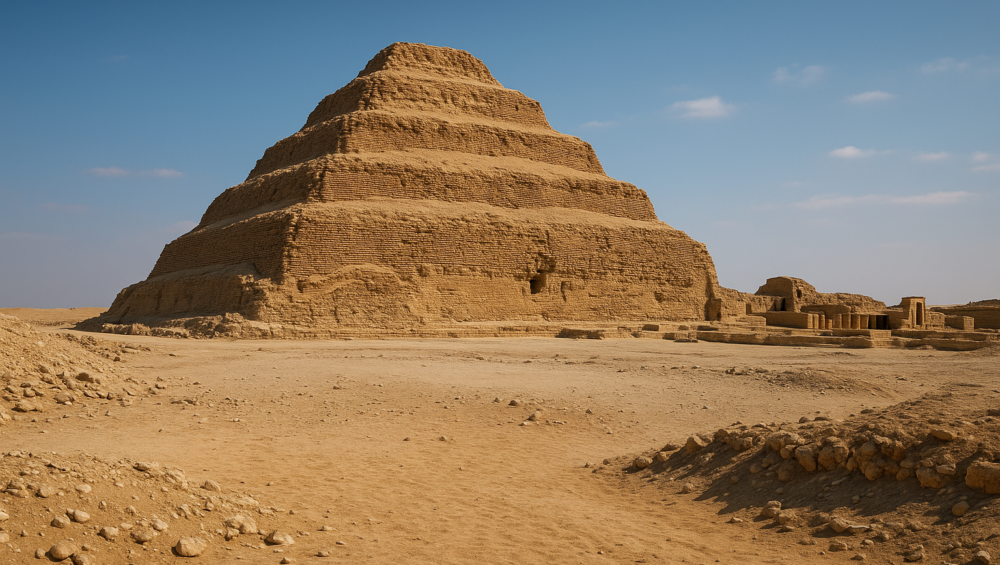
Sakkara Necropolis: Egypt’s Timeless Gateway to the Afterlife
Step into the vast and mysterious Sakkara Necropolis, a cornerstone of Ancient Egypt’s funerary landscape and one of the most intriguing archaeological sites near Cairo. Located in the desert sands southwest of modern Giza, this ancient burial ground served as the necropolis for the city of Memphis, Egypt’s first capital. The site unfolds a mesmerizing tableau of pyramids, mastabas, and tombs that date back more than 4,700 years, unlocking secrets of art, belief, and architecture that shaped Egyptian civilization. Every stone seems to whisper tales of pharaohs, priests, and visionaries who sought immortality.
The crown jewel of Sakkara is the Step Pyramid of Djoser, the earliest colossal stone building on earth and the revolutionary creation of the genius architect Imhotep. But Sakkara is not just about Djoser’s pyramid—it’s a sprawling city of the dead covering over seven by one and a half kilometers, where generations of ancient Egyptians built tombs, temples, and causeways that celebrated their devotion to the afterlife. Wandering through its labyrinthine tombs, you’ll witness vibrant wall carvings depicting lively scenes of daily life, giving a peek at Egypt’s ancient soul. Whether you are an archaeology enthusiast, a history lover, or a traveler in search of spiritual connection, Sakkara Necropolis offers an enchanting bridge to Egypt’s eternal past.
The Birthplace of Pyramid Architecture
The Sakkara Necropolis marks the dawn of pyramid architecture, representing Egypt’s evolutionary leap from simple mud-brick mastabas to monumental stone pyramids. Commissioned by King Djoser during the Third Dynasty (around 2630 BCE), the famed Step Pyramid became the first large-scale cut-stone construction in human history. Designed by Imhotep, this six-stepped marvel reached approximately 62 meters in height and was encased in fine white limestone. The innovation reflected an unprecedented mastery of mathematics, engineering, and religious ideology—a beacon that inspired the later Giza Pyramids.
For visitors exploring nearby landmarks with Cairo Day Tours or Day Tours to Pyramids, Memphis and Sakkara, the sheer scale and age of Djoser’s pyramid often elicit awe. Beneath the pyramid lies a maze of tunnels stretching over five kilometers, originally filled with offerings, symbolic chambers, and blue-glazed tiles representing the heavens. This structure paved the way for the later classic forms of pyramids, earning Sakkara a permanent place in the annals of architectural evolution.
Imhotep’s Genius: The First Architect in Recorded History
Imhotep, the master architect, physician, and high priest, emerged as a legendary figure in ancient Egypt. Beyond designing Djoser’s Step Pyramid, Imhotep established principles that defined Egyptian monumental construction. Centuries later, he was deified as a god of wisdom and healing. His architectural vision fused functionality with divine symbolism, embodying the Egyptian quest for eternity. Even today, his name stands alongside the greatest innovators in world history, and a visit to Sakkara feels like walking through the blueprints of time itself.
The Tombs and Burial Chambers of Nobles
Apart from royal pyramids, Sakkara Necropolis harbors hundreds of elaborate mastabas belonging to high officials, priests, and nobles from Egypt’s Old Kingdom through the Late Period. The Tomb of Ti, one of the most celebrated, boasts stunning bas-reliefs depicting scenes of agriculture, fishing, and ritual. These masterpieces breathe life into stone, showing people farming papyrus, navigating the Nile, and worshipping gods with heartfelt devotion. Through such artistry, we glimpse the social order, economy, and spirituality that underpinned Egyptian culture.
Other must-see tombs include those of Mereruka, Kagemni, and Ptahhotep—each revealing exceptional craftsmanship and aesthetic refinement. Many travelers combine their exploration of Sakkara’s noble tombs with visits to Memphis Egypt, The Old Egyptian Capital or Dahshour, forming an unforgettable triangle of ancient wonder south of Cairo.
The Serapeum of Sakkara: A Subterranean Mystery
Hidden deep beneath the desert lies the Serapeum, a haunting subterranean necropolis housing massive granite sarcophagi, each weighing up to 80 tons. This temple complex served as the burial ground for the sacred Apis bulls, considered incarnations of the god Ptah. When an Apis bull died, it received royal mummification and elaborate ceremonies before being interred in these colossal coffins. The gallery tunnels stretch into the darkness, inspiring wonder about ancient craftsmanship and the spiritual rituals of Memphis’ priests. The Serapeum stands as one of Egypt’s most mind-bending feats, merging sacred devotion with unmatched engineering.
Sakkara through the Ages: A Mirror of Egyptian Civilization
Sakkara wasn’t a static necropolis—it evolved over more than three millennia, chronicling transitions from the Old Kingdom to the Ptolemaic era. Each dynasty left its mark in stone. The Old Kingdom introduced pyramid construction; the Middle Kingdom reflected artistic refinement; and the New Kingdom revived Sakkara as a spiritual pilgrimage site. Tombs from this later period reveal a blend of traditional beliefs with Greco-Roman influences, representing Egypt’s adaptability and enduring faith in eternal life. Even after pharaohs shifted their focus to Thebes, Sakkara remained a sacred symbol of divine continuity.
Modern excavations continue to unearth incredible finds, including colorful coffins, papyrus texts, and mummified animals. Archaeologists recently uncovered burial shafts filled with gilded statues and sealed sarcophagi, offering glimpses into burial practices of different dynastic stages. Visitors touring from Egypt Day Tours or Luxury Egypt Tours can witness this living archaeology unfold right before their eyes.
Religious Symbolism and the Concept of the Afterlife
To ancient Egyptians, life and death were chapters of the same cosmic journey. The Sakkara Necropolis embodied the transition from earthly existence to divine eternity. The Step Pyramid’s layered design symbolized ascension—the pharaoh climbing to the heavens to reunite with the sun god Ra. Every hieroglyphic, offering table, and painted wall was charged with spiritual energy, ensuring the ka (soul essence) would thrive forever. Such devotion illuminates why Egypt’s funerary landscape remains unmatched in human history.
Architectural Innovations and Craftsmanship
The artistry of Sakkara speaks volumes about the sophistication of ancient Egyptian engineering. Builders mastered limestone quarrying, precision alignment, and hidden chamber design using rudimentary tools yet astonishing accuracy. The polished limestone casing of the Step Pyramid once gleamed under the desert sun like a celestial beacon. Beneath the surface, intricate corridors and vaults reveal advanced security measures to guard royal treasures. The layout of each tomb aligned with solar and cosmic principles—an interplay of art, astronomy, and spirituality that continues to fascinate modern researchers.
Modern Discoveries and Ongoing Excavations
Sakkara keeps rewriting Egypt’s history with every dig. Archaeologists have recently unearthed cache after cache of sealed coffins near the Bubasteion area, dating back 2,600 years, alongside mummified cats and crocodiles dedicated to goddess Bastet. These discoveries not only enrich our understanding of ancient religion but also boost Egypt’s cultural tourism. Many travelers combine Sakkara visits with excursions such as the Private Tour to Pyramids, Sakkara and Dahshur or Day Tour to Giza Pyramids & Sakkara to experience Egypt’s monumental continuum firsthand.
Preservation Efforts and Visitor Experience
Egypt’s Ministry of Antiquities has implemented meticulous restoration projects to preserve Sakkara’s fragile structures and paintings. Wooden walkways, lighting systems, and interpretive panels now enhance accessibility without compromising authenticity. Visitors strolling through this open-air museum can marvel at sunlit pyramids by day and witness the desert’s magical silence by dusk—a truly poetic juxtaposition of history and serenity. The site’s proximity to Cairo makes it an easy must-see for anyone fascinated by Egypt’s timeless grandeur.
Exploring Sakkara: Travel Insights and Nearby Attractions
Reaching Sakkara is straightforward, just a 30-minute drive from central Cairo. To enrich your journey, consider pairing it with nearby destinations like Memphis, Dahshur, or the Grand Egyptian Museum. For those craving immersive experiences, 4 Day Cairo and Luxor Tour Packages and 7 Days Egypt Adventure Tour often feature Sakkara as a historical highlight, blending the wonder of ancient tombs with modern-day exploration.
The desert’s golden hues amplify the site’s mystique during sunrise or sunset visits, providing sensational backdrops for photography enthusiasts. Every step across its sands feels like walking through eternity, where each tomb, statue, or relic whispers stories across dynasties. Whether you’re following in the footsteps of archaeologists or simply savoring the quiet majesty of ancient Egypt, Sakkara ensures a deeply immersive experience unlike anywhere else.
Frequently Asked Questions about Sakkara Necropolis
What is the Sakkara Necropolis famous for?
Sakkara is most famous for the Step Pyramid of Djoser—the world’s first pyramid—and its vast collection of tombs, temples, and burial chambers that span multiple Egyptian dynasties. It served as the burial ground for ancient Memphis, showcasing Egypt’s earliest monumental stone architecture and religious evolution.
How old is the Sakkara Necropolis?
The necropolis dates back to around 2700 BCE, making it over 4,700 years old. It remained an active burial ground for more than 3,000 years, with monuments from the Old Kingdom through the Greco-Roman periods.
Where is the Sakkara Necropolis located?
Sakkara lies about 30 kilometers south of Cairo, on the west bank of the Nile River. It forms part of the UNESCO World Heritage Site encompassing the Memphis Necropolis, along with Dahshur, Abusir, and Giza.
Can visitors enter the Step Pyramid of Djoser?
Yes, the Step Pyramid’s interior was reopened after restoration. Visitors can now descend into its underground passages and view the burial chamber and blue-tiled corridors—an unforgettable glimpse into the dawn of pyramid-building.
Which other sites should I visit with Sakkara?
Combine a Sakkara visit with nearby highlights such as Memphis, Dahshur’s Bent and Red Pyramids, and Giza’s Great Pyramid complex. Many organized tours like the Day Tour to Pyramids, Memphis and Sakkara offer a seamless exploration of these interconnected wonders.


