
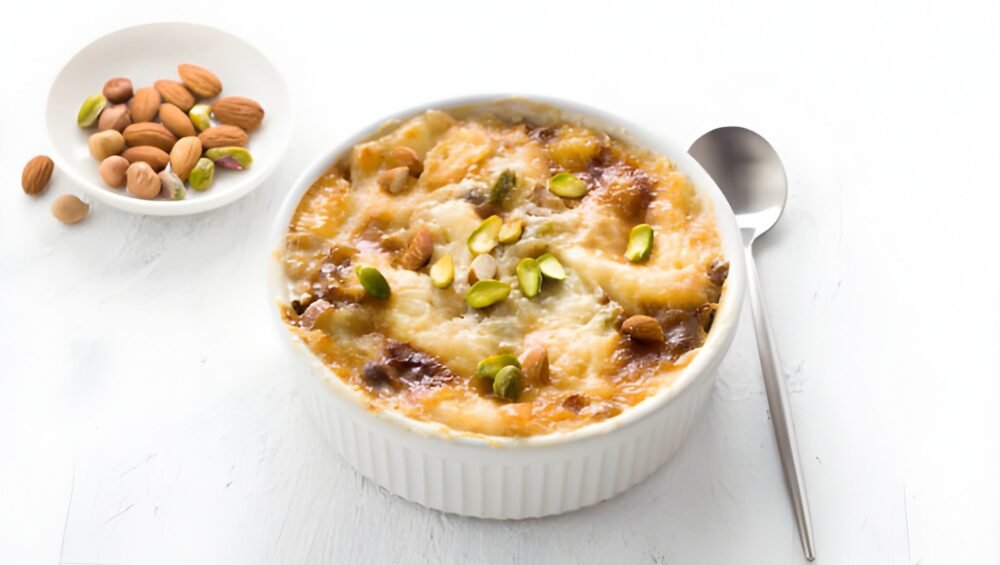
Om Ali Recipe and History: Egypt’s Legendary Dessert of Layers and Legacy
In the golden kitchens of Egypt, few desserts hold such an emotional, historical, and culinary impact as Om Ali. Known as Egypt’s national dessert, this indulgent pudding of pastry, milk, nuts, and cream represents more than just sweetness—it tells a tale of rivalry, power, and celebration stretching back to medieval times. The Om Ali recipe and history capture the heart of Egyptian heritage, connecting sultans to family kitchens, royal intrigue to street-side cafés, and ancient opulence to modern comfort food.
Om Ali—literally meaning ‘Mother of Ali’—is the kind of dessert that draws people together. Served at weddings, festive holidays, Ramadan iftars, and cozy family dinners, it evokes nostalgia, pride, and warmth in every spoonful. The story behind it unfolds in Egypt’s monumental history, while its recipe has evolved into countless delightful variations, showcasing the country’s remarkable culinary creativity. This article delves deep into Om Ali’s roots, its royal legend, cultural symbolism, and step-by-step preparation—all while exploring how this classic is still captivating the world today.
The Origin and History of Om Ali Dessert
The Om Ali dessert traces its origins back to the Ayyubid dynasty, during the 13th century, under Sultan Ezz El Din Aybek. According to popular legend, following his death, a fierce power struggle brewed between his wife, Shajarat Al-Durr, and his first wife, Om Ali. In a victorious turn of events, Om Ali celebrated her triumph by ordering the cooks to create a dessert that could be shared among the people of Cairo. The resulting treat blended baked bread, milk, sugar, and nuts—a heartwarming mixture symbolizing joy and victory. That’s how the Om Ali recipe and history were born.
Across Egyptian generations, the Om Ali story became part of folklore, embodying celebration and triumph over adversity. Whether factual or embellished, it underscores Egypt’s rich storytelling culture, where food often intertwines with legend. Today, Om Ali remains a staple in Egyptian households and upscale establishments alike—its creamy texture and nutty crunch beloved by locals and visitors exploring traditional desserts of Egypt.
Om Ali Through the Centuries
From the bustling streets of Islamic Cairo to modern dessert counters across the Arab world, Om Ali evolved without losing its essence. Centuries ago, bakers used leftover flatbread and simple ingredients because luxury foods were reserved for royalty. But as trade and culinary techniques advanced, Egyptians infused it with puff pastry, cream, coconut flakes, and even condensed milk. Whether baked in a clay pot or modern oven, Om Ali’s comforting scent and creamy finish transcend social classes and time periods, echoing Egypt’s enduring charm.
During Ottoman influence, variations spread through the Levant, adapting local touches while preserving the spirit of comfort and indulgence. As tourism expanded, travelers began tasting this delicacy at hotel buffets after enjoying Luxor Temple tours or Nile cruises. Its fame now stretches globally—from Cairo’s elegant patisseries to dessert tables in London or Dubai, symbolizing Egypt’s deep culinary heritage.
Traditional Om Ali Recipe: Ingredients and Preparation
The authentic Om Ali recipe embodies simplicity at its finest while capturing decadent depth. Traditional Egyptian households preserve its classic steps, maintaining the balance between milk’s softness and pastry’s crispness. The following essence highlights a step-by-step rendition cherished by families and culinary enthusiasts across the globe.
Key Ingredients in Authentic Om Ali
At its heart, Om Ali requires only a few humble ingredients that transform into magic once baked together. The essentials include baked puff pastry or Egyptian ‘roaa’ bread, milk, sugar, heavy cream, and a medley of mixed nuts—usually pistachios, almonds, coconut, and raisins. Some recipes embrace modern flair by using croissants for richer flavor, while others maintain old-world simplicity reminiscent of meals served along the Nile River banks.
Each element contributes a unique texture. The pastry layers soak the milk like a sponge, while nuts bring crunch, and the caramelized top delivers irresistible sweetness. This combination mirrors the Egyptian appreciation for contrast: creamy and crisp, subtle and rich, all in a single bite.
Step-by-Step Preparation
To craft authentic Om Ali, begin by baking puff pastry until golden brown and flaky. Once cooled, crumble it into pieces to form a base in an ovenproof dish. Bring milk and sugar to a simmer—just enough to melt the sugar completely—before pouring it over the pastry pieces. Sprinkle generously with nuts and shredded coconut, ensuring even distribution. A final layer of fresh cream or condensed milk creates the luscious top. Bake until bubbling and golden, allowing it to rest slightly before serving warm.
Many chefs today introduce unique touches such as adding rosewater, cinnamon, or even a splash of vanilla essence for aroma. Yet, regardless of modern interpretations, the authentic Om Ali continues to captivate everyone craving a taste of true Egyptian tradition after walking through ancient wonders like the Temple of Hatshepsut.
Cultural Significance of Om Ali in Egyptian Society
Om Ali isn’t just a dessert—it’s an emblem of national pride and a reflection of Egypt’s warmth and generosity. Much like koshari or molokhia, Om Ali’s presence on the dining table signifies togetherness. It’s often served during Ramadan nights, Eid celebrations, and family gatherings, reinforcing its symbolic place in Egyptian tradition just like the storytelling around landmarks such as the Citadel of Salah El-Din.
In Egyptian culture, food goes beyond sustenance—it embodies emotion and community. When a fresh dish of Om Ali is placed on the table, everyone digs in with joy, sharing laughter and warmth. It’s more than sweetness—it’s nostalgia, a connection to ancestors, and a continuation of hospitality deeply rooted in Egyptian values.
Om Ali’s Role in Modern Egyptian Culinary Tourism
As Egypt becomes a leading global travel destination, traditional dishes like Om Ali play a crucial role in cultural tourism. Guests on Cairo Day Tours or embarking on luxurious Luxury Nile Cruise packages often savor Om Ali as part of authentic dining experiences. Culinary tours highlight this dessert to immerse travelers in the essence of Egypt—its royal history, local produce, and sense of communal joy.
Restaurants, cafes, and luxury hotels from the bustling streets of Aswan to the serene banks of Luxor treat guests to freshly baked Om Ali, seasoned with stories and smiles. For many, it becomes not just a food memory but a cultural awakening, reinforcing Egypt’s identity as a hub of heritage and flavor.
Healthier Versions and Modern Adaptations
While traditional Om Ali brims with indulgence, contemporary Egyptian chefs often experiment with lighter ingredients. Using low-fat milk, whole wheat croissant pieces, or sugar alternatives, they breathe a healthier twist into this age-old dessert. Vegan interpretations even substitute dairy for coconut milk and plant-based cream. Yet, those who know the authentic flavor swear by the potion of full-fat richness that renders the original recipe unmatched in taste and comfort.
Why Om Ali Endures as a Culinary Classic
Part of Om Ali’s eternal appeal lies in its simplicity and adaptability. In a nation steeped in contrasts—from sandy deserts to the lush Nile Delta—its ability to bridge the rustic and royal remains extraordinary. Its preparation doesn’t demand elaborate equipment or luxury ingredients, yet it consistently delivers regal satisfaction. This effortless balance continues to charm generations, ensuring that Om Ali holds its rank among iconic Middle Eastern desserts.
Moreover, the emotional tie of sharing Om Ali at joyous moments enhances its legacy. As Egypt embraces modern globalization, its cuisine—anchored by dishes like this—becomes a cultural ambassador. Many visitors mark their journeys with an Om Ali after witnessing wonders like the Abu Simbel Temples or ancient sites along a Best Nile River Cruise.
Bringing Egypt’s Sweet Soul Home
While tasting Om Ali in Egypt offers a special charm, recreating it at home connects you intimately to the land’s history and hospitality. Preparing the Om Ali recipe—layering puff pastry, pouring milk, and watching it bake into golden enchantment—feels like a journey through Egypt itself. Every bite channels its royalty, resilience, and splendor from the days of queens and sultans.
Frequently Asked Questions About Om Ali Recipe and History
What does Om Ali mean in Arabic?
The name ‘Om Ali’ translates directly to ‘Mother of Ali’ in Arabic, referring to the wife of Sultan Ezz El Din Aybek. Her victory and celebration inspired the dessert’s origin tale that shaped Egyptian culinary history.
Can Om Ali be served cold?
Traditionally, Om Ali is served warm to allow its buttery pastry to soak up the creamy milk mixture fully. However, some prefer it slightly chilled, especially during summer months in Egypt, when dessert tables overflow with sweet variety after long tours through Cairo City.
Is Om Ali similar to bread pudding?
Yes, Om Ali shares similarities with Western bread pudding but differs notably in flavor and texture. It uses puff pastry instead of plain bread, offering a crisp and flaky consistency. Its nut mixture, coconut, and cream set it apart from the dense Western versions.
How long does Om Ali last in the fridge?
Stored properly in an airtight container, Om Ali maintains its freshness for up to three days. However, it’s best reheated before serving to restore its signature creamy texture and delightful aroma reminiscent of the ancient homes overlooking Aswan City.
Can I prepare Om Ali ahead of time for gatherings?
Absolutely. Prepare the dessert a few hours in advance, refrigerate it, then bake just before serving. This method allows time for the milk to soak into the pastry, intensifying the flavor. Many Egyptians follow this practice to serve Om Ali during festive nights, much like those spent overlooking temples along Luxor Day Tours.
Are there regional variations of Om Ali?
Indeed! Beyond Egypt, neighboring Middle Eastern countries adapted Om Ali into similar puddings using phyllo dough, cream, and cardamom-infused milk. Yet, none achieve the same authenticity and symbolic story that Egypt’s original version delivers, echoing through bustling markets from El Moez Street to Alexandria’s coastal cafes.
Where can tourists taste the best Om Ali in Egypt?
Visitors can enjoy the finest Om Ali in luxury hotels, local dessert parlors, and Nile cruise buffets. Places around the Grand Egyptian Museum or along scenic Luxor City spots serve outstanding versions, offering travelers a sweet ending to their Egyptian adventures.
In essence, the story and sweetness of Om Ali mirror Egypt’s soul—rich, ancient, generous, and timeless. From royal rivalry to family joy, its journey across centuries cements it as far more than dessert; it’s living history served in a golden dish, uniting flavors of past and present with every humble bite.