Al Rifai Mosque: The Magnificent Mausoleum of Cairo’s Royal Legacy
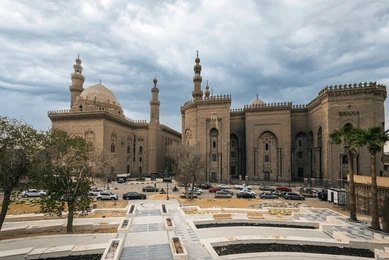
Standing boldly in the heart of historic Cairo, Al Rifai Mosque is more than a religious sanctuary — it’s a symbol of elegance, power, and Egypt’s evolving identity across centuries. Situated right beside the grand Sultan Hassan Mosque, this architectural marvel perfectly blends Islamic sophistication with European flair. Built during the 19th and 20th centuries, the mosque serves as the final resting place of Egyptian royalty and foreign monarchs. For travelers exploring Islamic Cairo, the Al Rifai Mosque is a must-see, offering a serene escape into Egypt’s royal and spiritual heritage.
The mosque’s immense marble facades, intricate mosaics, and sprawling courtyards tell stories of a Cairo caught between tradition and modernization. With its domes reaching gracefully into the sky and its ornate prayer halls echoing verses of faith, Al Rifai Mosque attracts not just worshippers but also lovers of architecture, historians, and curious wanderers. Its historical importance goes beyond religion — it embodies Egypt’s political transformations, the influence of European design, and the grandeur of dynastic tombs all in one stunning landmark.
For those on Cairo Day Tours, visiting Al Rifai Mosque offers a journey through the pages of time. Whether you’re strolling through the Citadel area, uncovering treasures of The National Museum of Egyptian Civilization, or soaking in the atmosphere of El Moez Street, the mosque stands as an epic centerpiece of architectural beauty and historical depth. Let’s uncover its fascinating story — from conception to completion — and explore what makes it one of Cairo’s most majestic sites.
The Historical Genesis of Al Rifai Mosque
The origins of Al Rifai Mosque trace back to the 19th century when Khoshiar Hanim, the mother of Khedive Ismail, envisioned a grand mausoleum to honor the revered mystic Sheikh Ali El Rifai and house royal family tombs. Construction began in 1869 but went through long interruptions due to financial constraints and political unrest. It was finally completed in 1912 under the direction of Hungarian architect Max Herz Bey, blending European design sensibilities with Mamluk-inspired patterns.
Historically, the area surrounding the mosque has always been sacred. Located across from the Citadel of Salah El-Din, this complex became an iconic symbol of Egypt’s spiritual resilience through ages of conquest and revival. The decision to construct Al Rifai Mosque next to the Sultan Hassan Mosque wasn’t coincidental; it reflected the country’s conscious effort to showcase religious continuity while embracing modern aesthetics.
Today, visiting Al Rifai Mosque during your Cairo City Tour allows you to explore this intersection between faith and political history, where every marble pillar whispers stories from Egypt’s dynamic past.
Architectural Grandeur and European Influence
Al Rifai Mosque’s architecture is a visual symphony of Italian marble, mosaic floors, and colossal arched entrances. Unlike many Islamic monuments of earlier centuries, this mosque infuses Renaissance and Baroque influences into its design. The result? A grand structure that feels both authentically Egyptian and distinctly cosmopolitan. Its massive minarets, detailed stucco work, and finely veined stone walls leave visitors awestruck.
Inside, the prayer hall glows under the light filtering through stained-glass windows, creating an intimate yet regal space. The mosque’s mihrab and minbar showcase delicate craftsmanship reminiscent of Mamluk tradition, while the vast domes above echo European cathedral design. Architects intended the mosque to symbolize a new era — one where Egypt embraced modernity without forgetting its deep-rooted Islamic identity.
If you’re passionate about monumental architecture, pair your visit with tours to the Mosque of Ibn Tulun and the Al Azhar Mosque, both of which offer insight into Cairo’s evolving architectural soul.
The Royal Tombs Inside Al Rifai Mosque
Perhaps the most intriguing aspect of Al Rifai Mosque is its role as a royal necropolis. Within its solemn chambers lie the tombs of kings, queens, and dignitaries who shaped Egypt’s modern destiny. Among the most notable are King Fuad I, King Farouk — Egypt’s last reigning monarch — and Reza Shah Pahlavi, the exiled Shah of Iran. Their ornate tombs, each adorned with marble and inscribed with historical epitaphs, reflect a life of grandeur and transition.
This sacred interior also hosts the remains of Khoshiar Hanim herself, whose vision brought this masterpiece to life. The presence of multiple tombs has transformed Al Rifai Mosque into Egypt’s modern counterpart to medieval mausoleums. It’s a unique experience, merging spirituality with a glimpse into state affairs, making it one of the most photographed and researched sites on Egypt Day Tours.
The Religious and Cultural Significance
Beyond politics and architecture, Al Rifai Mosque remains an active place of worship and a devout symbol for followers of the Rifai Sufi order. The mosque was originally dedicated to Sheikh Ali El Rifai, a 12th-century Iraqi saint whose teachings inspired followers across the Arab world. Pilgrims often visit his shrine inside the mosque, seeking blessings and inner peace.
In the wider cultural context, the mosque embodies Cairo’s harmony between old and new. Its ongoing role in national ceremonies and international visits cements its status as a living monument rather than a relic. This aspect makes Al Rifai Mosque not just a stop on Egypt Private Tours, but a meaningful landmark that connects faith, power, and art through centuries of transformation.
Al Rifai Mosque and Its Location in Cairo’s Heart
Set in the El Qalaa district, Al Rifai Mosque stands across from the Citadel, offering breathtaking views of Cairo’s skyline. The area bursts with history, featuring other remarkable attractions like the Alabaster Mosque and the Coptic Cairo quarter. The surrounding streets echo with life — from bustling souqs to traditional cafés selling mint tea and Turkish coffee.
For culture enthusiasts, a full-day exploration combining Al Rifai Mosque with the Grand Egyptian Museum or the Egypt Travel Safety guides ensures an immersive encounter with the capital’s most storied corners. Every turn leads to timeless art, architecture, and the soul of Egypt itself.
Planning Your Visit to Al Rifai Mosque
Al Rifai Mosque welcomes visitors daily, typically from morning until late afternoon. Modest dress is required; both men and women should cover shoulders and knees, while women are encouraged to wear a headscarf. Photography is generally permitted, though it’s always polite to seek permission. Guided tours provide deeper insights into its art and aristocratic burials, often included in comprehensive packages such as the 7 Days Cairo and Nile Cruise Package or the 6 Days Cairo to Luxor Tour.
After visiting, many travelers extend their journey southward with a Luxor Day Tour or a luxurious cruise like the Luxury Dahabiya Nile Cruise, combining Cairo’s wonders with the serenity of the Nile. Al Rifai Mosque thus serves as the perfect gateway to Egypt’s cultural and spiritual exploration.
Why Al Rifai Mosque Should Be on Every Traveler’s List
Few mosques encapsulate Egypt’s layered identity as magnificently as Al Rifai. It’s not only a mosque but a chronicle carved in stone — an eloquent dialogue between the old Islamic dynasties and the ambitions of a modern nation. Visiting this masterpiece offers more than sightseeing; it fosters a connection to Egypt’s royal past and its enduring religious devotion.
Whether you’re an architecture enthusiast tracing the rhythm of minarets or a photographer capturing Cairo’s sunset silhouette, the mosque’s intricate artistry will leave an indelible impression. On your trip with Cindrella Egypt Travel, this destination promises authenticity, peace, and a touch of divine history, making it an unforgettable highlight.
Frequently Asked Questions About Al Rifai Mosque
What is the historical significance of Al Rifai Mosque?
Al Rifai Mosque stands as a monumental reflection of Egypt’s 19th-century modernization under Khedive Ismail. It symbolizes the fusion of Islamic art and European architectural influence while serving as the burial place for royal figures and spiritual leaders, embodying both religious honor and national legacy.
Where is Al Rifai Mosque located?
The mosque is situated in El Qalaa (Citadel) Square in Old Cairo, directly facing the Sultan Hassan Mosque. Its proximity to other landmarks like the Citadel of Salah El-Din and Al-Muizz Street makes it easily accessible for travelers exploring the city’s Islamic treasures.
Who is buried inside Al Rifai Mosque?
The mosque houses the tombs of Egypt’s royal family, including King Fuad I and King Farouk, as well as Khoshiar Hanim and the exiled Shah of Iran, Reza Pahlavi. Each tomb represents an era of Egypt’s evolution across dynasties and transitions of power.
What are the visiting hours and entry requirements?
Al Rifai Mosque is generally open from morning until the late afternoon. Modest clothing is required, and visitors must remove shoes before entering the prayer halls. Guided tours can enhance the experience, shedding light on its architecture and royal significance.
Which nearby attractions should be visited along with Al Rifai Mosque?
Visitors often pair their trip to Al Rifai Mosque with exploring the Islamic Art Museum in Cairo, The Hanging Church, and the nearby Al Azhar Park. Together, these sites offer a panoramic view of Cairo’s spiritual and artistic heritage.