The High Dam of Egypt: A Monument of Power, Vision, and Transformation
The High Dam of Egypt, known globally as the Aswan High Dam, stands as one of the most ambitious and influential engineering feats of the twentieth century. Rising proudly across the Nile River in Aswan, this colossal dam represents the heart of Egypt’s modernization and the backbone of its agricultural and economic stability. Constructed to harness the Nile’s immense power, the High Dam not only reshaped Egypt’s environmental landscape but also altered its social and industrial destiny forever. Since its completion in 1970, the structure has remained a symbol of national pride, engineering excellence, and the Egyptian people’s relentless drive for progress.
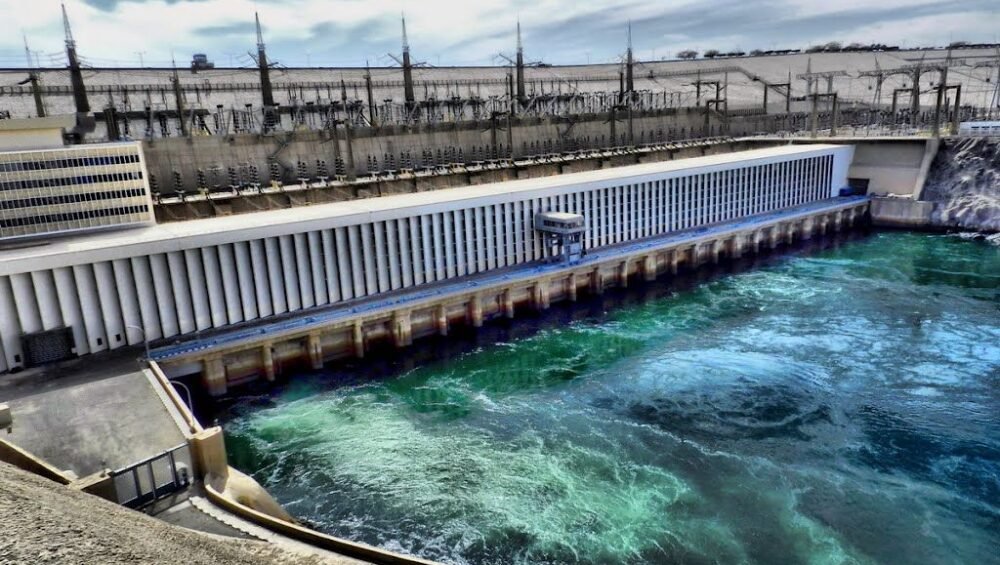
With its enormous concrete embankment towering nearly 111 meters high and stretching over 3,830 meters long, the Aswan High Dam transformed the natural flow of the Nile, creating the vast reservoir known as Lake Nasser—one of the world’s largest man-made lakes. The project stands as an emblem of unity and vision, capturing the dynamic collaboration between Egypt and international partners. Beyond its physical dimensions, the High Dam represents the lifeline of Egypt, ensuring water storage for millions, generating hydroelectric power, and providing protection against devastating floods and severe droughts. Indeed, the story of the High Dam is not just about engineering—it’s about dreaming big and safeguarding a nation’s most vital resource: the Nile.
Historical Background: The Need for the High Dam of Egypt
For millennia, Egypt’s civilization thrived and suffered at the mercy of the Nile River. Annual floods provided fertile soil and agricultural prosperity, but unpredictable inundations often destroyed villages or caused famine during dry years. By the early 20th century, efforts to control the Nile had already begun with smaller projects, such as the old Aswan Dam built in 1902. However, the growing population, demand for irrigation, and energy needs far exceeded what earlier dams could provide. Egypt’s visionary leadership realized that only a grand-scale infrastructure could ensure long-term flood control and sustainable agriculture.
During the 1950s, under President Gamal Abdel Nasser, Egypt embarked on a bold mission—to build a massive dam that would redefine the Nile’s role in Egypt’s destiny. The High Dam promised to regulate river flow, expand arable land, and push Egypt toward industrial self-reliance. This monumental project symbolized not just hydrological mastery but also a newfound independence from colonial-era influence. The dam became an icon of Egyptian resilience, much like historical wonders such as the Abu Simbel Temples, reflecting both the ingenuity of ancient builders and the collective ambition of modern Egypt.
Planning and International Collaboration
The planning phase of the High Dam marked a pivotal moment in international engineering collaboration. Designed by Egyptian engineers in partnership with Soviet experts, the project combined advanced concrete technology, hydrological modeling, and large-scale excavation techniques. Financial and technical assistance from the Soviet Union allowed Egypt to move forward after Western powers initially withdrew support—a strategic decision that reshaped Cold War alliances in the region.
Massive construction began in 1960, employing over 30,000 workers who toiled day and night in the scorching Aswan sun. The world watched in awe as mountains of rock and concrete rose to tame the Nile. Today, modern travelers passing through Aswan City still marvel at the vision that turned a desert region into a powerhouse of energy and innovation.
Engineering Marvel of the Aswan High Dam
Constructed primarily of rockfill with a clay core, the High Dam’s design ensures both stability and durability. Its creation required over 43 million cubic meters of material—enough to build multiple pyramids. The dam’s hydroelectric power station, equipped with twelve turbines, provides nearly two billion kilowatt-hours of electricity annually, supplying power to homes, industries, and cities across Egypt.
The reservoir created by the dam, known as Lake Nasser, stretches over 500 kilometers in length, extending deep into northern Sudan. It serves as a crucial water reserve, supporting agriculture during dry seasons and ensuring year-round irrigation throughout the Nile Delta. Many visitors exploring Aswan as part of Aswan Day Tours are captivated by the panoramic beauty of this immense body of water shimmering beneath Egypt’s endless blue sky.
Power Generation and Economic Growth
The High Dam of Egypt revolutionized the nation’s energy infrastructure by introducing vast hydroelectric capacity that fueled post-1960s industrial expansion. The steady electricity supply powered factories, irrigation systems, and household needs. As a result, rural electrification improved living standards and connected previously isolated communities. With its clean, renewable energy source, the dam also reduced dependence on fossil fuels, promoting environmental sustainability before the concept was widely recognized.
For those sailing between Aswan and Luxor on elegant cruises such as the Steigenberger Minerva Nile Cruise or the Best Dahabiya Nile Cruise, the High Dam stands as a modern contrast to ancient temples along the Nile banks. It demonstrates how ancient reverence for the river evolved into a technological symbiosis that sustains Egypt’s future.
Construction Challenges and Innovations
Building such a massive structure amid harsh desert conditions demanded ingenuity and endurance. Workers faced scorching temperatures and logistical hurdles in transporting materials and machinery from remote locations. To combat technical challenges, engineers introduced groundbreaking approaches including clay core sealing to prevent seepage, advanced spillway systems, and state-of-the-art monitoring technology. Each innovation added a layer of resilience that continues to safeguard the dam decades later.
Environmental and Social Impacts
While the High Dam brought undeniable progress, it also transformed Egypt’s environment and communities in profound ways. The controlled flow of the Nile ended traditional flood cycles, stabilizing agriculture but reducing natural sediment deposition. This necessitated the increased use of fertilizers to maintain soil fertility. Additionally, the creation of Lake Nasser submerged numerous Nubian villages, leading to large-scale resettlement programs supported by the government.
The Nubian people, known for their unique heritage and artistry, found new homes north of Aswan and around relocation sites near The Nubian Village. Although resettlement was challenging, efforts were made to preserve cultural traditions, including architecture and crafts. Today, visitors can experience this living culture while exploring Aswan Transfers and local community tours that reveal stories of resilience and adaptation.
Lake Nasser’s Ecosystem and Wildlife
Lake Nasser created a new aquatic ecosystem supporting fish species, migratory birds, and wildlife that thrive along its shores. It also fostered a growing fishing industry that supplies markets across Egypt. However, the altered water regime affected downstream delta regions, influencing salinity and estuarine dynamics. Modern environmental monitoring ensures sustainable management of these changes, striking a balance between ecological preservation and human benefit.
Tourism and Visitor Experience at the High Dam
Today, the High Dam of Egypt ranks among the top attractions in southern Egypt, drawing both engineering enthusiasts and leisure travelers alike. Located just 13 kilometers south of Aswan, the dam offers a breathtaking view of both the Nile and Lake Nasser. Tourists can visit observation platforms to witness the power of modern engineering juxtaposed against timeless desert vistas. Many combine dam visits with cultural experiences such as the Day Tour of Aswan, Philae Temple, High Dam and Obelisk, exploring Aswan’s most famous landmarks in one immersive journey.
Whether you’re joining Felucca rides on the Nile in Aswan or embarking on an Egypt Vacation Package, the High Dam remains an integral part of the story. It defines Aswan’s identity and stands as a reminder that humanity’s grandest ambitions can coexist with nature’s enduring rhythms.
Cultural Significance: Symbol of Progress and Identity
The High Dam transcends its utilitarian role. In Egyptian consciousness, it symbolizes resilience, sovereignty, and unity. Its construction under President Nasser represented not merely infrastructure but a statement of independence and empowerment. The dam’s very existence embodied Egypt’s transition into modernity—an emblem of national pride equatable to ancient marvels like Luxor Temple or the Sphinx Statue.
In Popular Culture and International Recognition
The Aswan High Dam frequently appears in documentaries, travel blogs, and heritage discussions concerning global water management and engineering innovation. It stands shoulder to shoulder with other monumental projects like the Hoover Dam or the Three Gorges Dam, adding Egypt’s name to the pantheon of human achievement. Many visitors inspired by this extraordinary engineering site also venture toward nearby wonders along the Nile corridor such as the Temple of Philae and the Unfinished Obelisk, deepening their appreciation for Aswan’s unique blend of ancient and modern mastery.
Frequently Asked Questions about the High Dam of Egypt
1. When was the High Dam of Egypt built?
Construction of the High Dam began in 1960 and was completed in 1970. Its completion marked a decade of determined labor and technical brilliance, symbolizing the dawn of Egypt’s modern hydraulic era.
2. What is the main purpose of the Aswan High Dam?
The dam regulates the Nile’s flow to prevent devastating floods and droughts, supplies irrigation water for agriculture, and generates hydroelectric power that supports Egypt’s development and infrastructure.
3. How large is Lake Nasser?
Lake Nasser, created by the dam’s construction, spans around 500 kilometers in length and covers roughly 5,250 square kilometers, making it one of the world’s largest artificial reservoirs.
4. Can tourists visit the High Dam?
Yes, visitors can easily access the High Dam via guided tours or private transfers. Excursions often include panoramic viewing points, historical insights, and nearby attractions like the Day Trip to Abu Simbel from Aswan by coach.
5. What impact did the High Dam have on Egypt’s economy?
The High Dam played a pivotal role in modernizing Egypt’s economy by boosting agricultural productivity, ensuring energy independence, and promoting industrialization. It remains one of the most economically transformative projects in the nation’s history.