
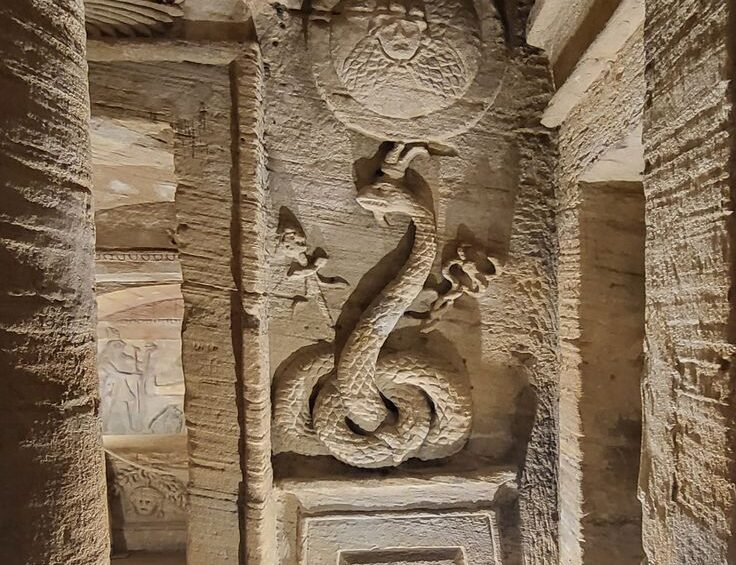
Catacombs of Kom El Shoqafa: Exploring Alexandria’s Mysterious Underground Necropolis
The Catacombs of Kom El Shoqafa in Alexandria stand as one of Egypt’s most fascinating archaeological treasures. Hidden beneath the bustling modern city, these underground tombs embody a rare fusion of Egyptian, Greek, and Roman art and spiritual traditions. Discovered by chance in the early 20th century, the catacombs reveal not only the craftsmanship of ancient architects but also a rich tapestry of beliefs and social life during the second century AD. Alexandria, with its long-standing cultural crossroads, offers visitors a tangible link to an era when civilizations intertwined seamlessly.
Originally serving as a private tomb, the complex grew into an expansive burial site carved directly into the bedrock. The labyrinthine tunnels, spiraling staircases, and chambers evoke a profound sense of mystery. Sculptures carved in limestone, sarcophagi adorned with hybrid iconography, and the eerie silence of the subterranean corridors blend to create an atmosphere that captivates historians, travelers, and spiritual seekers alike. To stroll through Kom El Shoqafa is to experience the confluence of paganism, Hellenistic art, and native Egyptian motifs, all beautifully preserved underground.
Today, the Catacombs of Kom El Shoqafa attract global visitors eager to uncover the stories etched into its stone. In the heart of Alexandria City, this necropolis rivals other iconic landmarks like the Citadel of Qaitbay and Alexandria Bibliotheca in historical allure. Whether you’re exploring timeless tombs or marveling at the delicate blend of cultural symbolism, this ancient site promises unforgettable revelations.
Unfolding the History of Kom El Shoqafa
Dating back to the second century AD, the Catacombs of Kom El Shoqafa emerged during a period when Alexandria thrived as a cosmopolitan hub. Under Roman influence, yet deeply rooted in Egyptian tradition, the necropolis speaks volumes about the city’s multicultural essence. The name ‘Kom El Shoqafa’ translates as ‘Mound of Shards,’ referencing the heaps of broken pottery once found nearby—likely remnants of vessels used by mourners who broke them after funerary rituals.
The site was rediscovered in 1900 by pure accident when a donkey fell through a shaft leading into the subterranean marvel. This chance discovery led archaeologists to uncover one of the most complex burial networks ever constructed. The catacombs, thought to have served a wealthy Alexandrian family before becoming a communal burial ground, encapsulate three levels adorned with intricate carvings and sarcophagi that blend pharaonic deities with Roman portraiture.
In architectural style and symbolism, Kom El Shoqafa mirrors Egypt’s evolution under Greco-Roman rule—a time when divine worship and artistic expression merged across cultures. For travelers seeking insight into Alexandria’s layered past, a visit complements excursions to ancient wonders like the Serapeum of Alexandria and the once-magnificent Pharos Lighthouse site.
Architectural Mastery Behind the Catacombs
The engineering brilliance of Kom El Shoqafa reveals ancient Alexandria’s adaptability and devotion. Descending the spiral staircase—a hallmark of the site—visitors enter spaces hewn entirely from bedrock, arranged for ceremonial purposes. The central shaft, once fitted with ropes and pulleys, allowed the lowering of bodies into the burial chambers. Light filtered through small openings, adding an ethereal quality to the stone facades.
Each level radiates precision, symbolizing the connection between the earthly and the divine. The first level served as a vestibule and triclinium, where relatives of the deceased gathered for rituals and feasts. Deeper still lies the main burial chamber, guarded by sculptures of gods like Anubis and Sobek—yet portrayed wearing Roman armor, illustrating the cross-cultural artistic blend that defines Kom El Shoqafa. The third level, once submerged due to ground water, is now inaccessible to visitors but remains a testament to Alexandrian engineering resilience.
Visitors fascinated by sacred architecture might also explore ancient temples showcased in tours such as the 4 Day Luxor, Edfu, Kom Ombo, Aswan and Abu Simbel Tour, connecting Egypt’s great monuments with similar artistic interplay.
Symbolism and Cultural Fusion in Stone
The art and reliefs inside Kom El Shoqafa express a profound synthesis of beliefs. Egyptian symbols of eternity coexist with Greco-Roman design flourishes. Decorative motifs include lotus flowers, serpents, and mythological scenes where Osiris, Isis, and Anubis join Roman gods in harmonious representation. Such artistic fusion uniquely narrates the spiritual tolerance that flourished in Alexandria during its golden age.
This tomb’s iconography unveils how Egyptians embraced Roman realisms—naturalistic faces replacing stylized profiles—and merged them seamlessly with age-old spiritual abstractions. The blend of funerary practices, from mummification to Roman cremation rituals, underscores Alexandria’s status as a vibrant cultural melting pot.
Mythologies of Death and Rebirth
The recurring themes within Kom El Shoqafa reflect eternal transition and spiritual rebirth. Hieroglyphic inscriptions, often coupled with Greek text, guide souls into the afterlife. Reliefs depicting the judgment of Osiris intermingle with Roman-style garlands, representing hope and continuity. The tomb’s name, its layout, and artistic elements evoke the cyclical nature of existence—a belief deeply rooted in both Egyptian and Mediterranean thought.
Curiously, statues show Anubis in a Roman legionary uniform, reinforcing how Alexandria’s people humanized, adapted, and blended divine imagery. This hybrid depiction captures more than artistic taste—it represents identity, faith, and adaptation in changing empires.
Much like the scenes preserved within the Dendera Temple Complex and Temple of Hathor, Kom El Shoqafa’s decorations exude magnificent storytelling through art and architecture.
Rediscovery and Modern Preservation Efforts
Ever since its accidental discovery, the Catacombs of Kom El Shoqafa have remained a symbol of hidden Alexandrian grandeur. Archaeologists from across the world have studied its structure, eager to decode the symbolism etched into its walls. Preservation initiatives aim to protect the limestone from water seepage and urban encroachment, ensuring future generations witness its wonder.
Modern Alexandria has embraced the catacombs as a cultural emblem, integrating it into heritage tourism circuits and educational programs. Visiting this site today provides not only a step back into antiquity but also an understanding of humanity’s continual quest to honor life and death through art. Visitors often combine the journey with tours of nearby landmarks like the Montazah Palace or embark on comprehensive Egypt Day Tours for deeper exploration across the country.
Why the Catacombs of Kom El Shoqafa Are a Must-See Attraction in Egypt
Among Egypt’s archaeological marvels, Kom El Shoqafa offers a rare glimpse into the multiethnic spirit that defined ancient Alexandria. The serene silence and delicate carvings tell untold stories of devotion, artistry, and social aspiration. For historians, photographers, and curious travelers, the site provides a deeper appreciation for how Egypt absorbed and redefined foreign influences without losing its cultural essence.
Unlike monumental sites such as the Sakkara Necropolis or the Abu Simbel Temples, Kom El Shoqafa extends the narrative of Egyptian craftsmanship inside the earth, proving grandeur isn’t only found above ground. The unique feel of its underground chambers offers a haunting yet enlightening journey through the ancient belief systems that once shaped one of the world’s greatest cities.
Visitors often pair their exploration with luxurious experiences like the 11 Days Luxury Egypt Tour Package, combining Alexandria, Cairo, and Nile highlights in one seamless itinerary for enthusiasts craving both history and comfort.
Travel Tips for Visiting Kom El Shoqafa
The Catacombs of Kom El Shoqafa are located in Karmouz, west of central Alexandria. The best time to visit is early morning when temperatures remain cool, as airflow inside the tunnels is limited. Guides on-site narrate fascinating tales that animate the relics’ symbolism. Comfortable walking shoes and modest clothing are advised, especially as pathways may be uneven.
For travelers seeking seamless organization, consider a guided tour from Cairo or Alexandria through Day Tour to Alexandria from Cairo by Car, offering historical insights and expert-led exploration of Kom El Shoqafa in a single-day itinerary. With proper planning, this journey unveils the heart of Egypt’s underground heritage while complementing iconic surface landmarks.
Integrating Kom El Shoqafa into a Broader Egyptian Itinerary
To fully absorb Egypt’s timeless grandeur, travelers often combine Alexandria’s highlights with other classic experiences—exploring Luxor’s tombs, sailing along the Nile, or visiting Aswan’s temples. Cruises like the Nour El Nil Dahabeya or trips through Luxury Nile Cruise routes allow visitors to connect Egypt’s distinct eras—from Ptolemaic Alexandria to Pharaonic Thebes. Each destination enhances appreciation for how ancient civilizations celebrated life, death, and artistic mastery.
FAQs About the Catacombs of Kom El Shoqafa
1. When were the Catacombs of Kom El Shoqafa built?
Historians date the Catacombs of Kom El Shoqafa to the second century AD, during the early Roman period in Egypt. They were originally dedicated to a wealthy Alexandrian family before transforming into a communal burial site reflecting Alexandria’s multicultural identity.
2. How were the Catacombs of Kom El Shoqafa discovered?
In 1900, a donkey accidentally fell into a shaft revealing the tombs. Excavations soon followed, leading archaeologists to uncover one of the most intricate subterranean burial sites of the Greco-Roman era.
3. What makes the architecture of Kom El Shoqafa unique?
The catacombs exhibit a remarkable blend of Egyptian and Greco-Roman architectural styles. The spiral staircase, triclinium, and richly decorated reliefs portray divine figures merging traditional Egyptian religious motifs with classical Roman aesthetics.
4. How many levels do the catacombs have?
The Catacombs of Kom El Shoqafa consist of three levels. The first and second levels are accessible, featuring burial chambers, sculptures, and banqueting halls. The third level, partially submerged, remains closed for safety reasons but contributes to the site’s mystique.
5. Is it possible to visit Kom El Shoqafa today?
Yes, the site is open to the public under the supervision of the Egyptian Ministry of Tourism and Antiquities. It’s best visited as part of guided experiences like the Cairo Day Tours or specialized Alexandria sightseeing excursions for rich historical context and professional interpretation.


