Battle Kadesh

Battle Of Kadesh

Battle Of Kadesh: Unveiling History and Travel Inspiration Along the Nile

The Battle of Kadesh stands as one of the most significant and intriguing military encounters of the ancient world. Fought between the mighty Egyptian Empire under Pharaoh Ramses II and the Hittite Empire led by King Muwatalli II, this legendary clash took place around 1274 BCE near the city of Kadesh, close to the Orontes River in modern-day Syria. Beyond its historical importance, the story of Kadesh offers a captivating backdrop for travelers eager to explore Egypt’s ancient wonders, discover the landscapes that shaped civilizations, and immerse themselves in the rich tapestry of Nile Valley culture. In this article, we journey through the legacy of the Battle of Kadesh, uncover travel tips, and highlight the must-see sites and experiences that bring this era to life for modern visitors.

The Historical Significance of the Battle of Kadesh

The Battle of Kadesh was more than just a military confrontation; it marked the first recorded international peace treaty and showcased the diplomatic prowess of ancient Egypt and the Hittite Empire. The battle is famously chronicled on temple walls and papyri, most notably at Abu Simbel and the Ramesseum, where detailed reliefs depict Ramses II’s valor and the chaos of chariot warfare. For history enthusiasts, the events at Kadesh provide a window into the strategies, weaponry, and political machinations of the Late Bronze Age.

Today, travelers can trace the legacy of Ramses II across Egypt, from the temples of Luxor to the vast collections of the Egyptian Museum in Cairo. If you are planning an itinerary that delves into Egypt’s ancient cities, don’t miss the recommendations in Best Cities To Visit In Egypt for inspiration on where to witness the echoes of Kadesh and other monumental events.

Exploring the Temples and Monuments of Ramses II

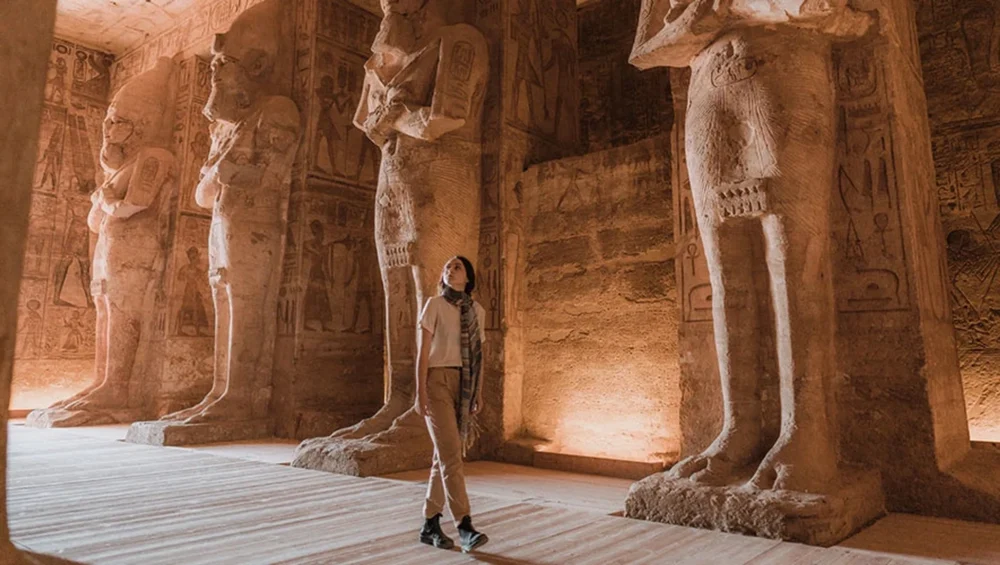
No visit to Egypt is complete without marveling at the architectural feats of Ramses II, the pharaoh who immortalized his victory at Kadesh in stone. The temples at Abu Simbel, carved directly into a mountainside, are perhaps the most iconic, with their colossal statues and intricate battle scenes. The Ramesseum in Luxor, Ramses II’s mortuary temple, offers more detailed inscriptions and reliefs celebrating the pharaoh’s exploits, including his dramatic retelling of the Kadesh campaign.

While exploring these sites, visitors often find themselves captivated by the artistry and scale of ancient Egyptian construction. To truly appreciate these wonders, consider embarking on a journey that combines historical exploration with luxury and comfort, such as the 11 Days Luxury Egypt Vacation, which offers expertly guided tours of Egypt’s most significant monuments.

The Nile: Lifeblood of Ancient Warfare and Modern Adventure

The Nile River was not only the heart of ancient Egyptian civilization but also a strategic corridor during the time of the Battle of Kadesh. Its waters enabled the movement of troops, supplies, and information, making it central to Egypt’s military campaigns. Today, the Nile remains a source of wonder and adventure for travelers, offering breathtaking scenery, glimpses of rural life, and access to some of the world’s most celebrated archaeological sites.

One of the most memorable ways to experience the Nile is by cruising its legendary waters. The MS Salacia Cruise provides a unique blend of historical discovery and modern luxury, allowing guests to visit temples, tombs, and villages while enjoying world-class amenities. This journey brings the stories of Ramses II and the Battle of Kadesh to life as you glide past the landscapes that shaped history.

Chariot Warfare and Ancient Military Tactics

The Battle of Kadesh is renowned for its depiction of chariot warfare on an unprecedented scale. Both the Egyptians and the Hittites deployed thousands of chariots, making the battle a showcase of speed, maneuverability, and tactical innovation. For travelers with a keen interest in military history, Egypt’s museums and archaeological sites offer fascinating insights into the technology and strategies that defined this era.

Artifacts such as reconstructed chariots, weapons, and armor can be found in museums across Cairo and Luxor, providing tangible connections to the events of Kadesh. For those looking to combine historical exploration with unique shopping experiences, the article Things To Buy In Egypt highlights some of the best souvenirs and artifacts that capture the spirit of ancient Egypt.

Natural Wonders and the Geography of Ancient Egypt

The landscape of Egypt, with its deserts, fertile floodplains, and dramatic river cataracts, played a crucial role in shaping the outcomes of ancient battles, including Kadesh. Understanding the geography of the region enhances any visit, as travelers can better appreciate how the environment influenced historical events and daily life.

If you’re intrigued by Egypt’s unique river features, the blog What Is A Cataract In Egypt? provides an in-depth look at these natural obstacles and their significance in ancient times. Exploring Egypt’s geography firsthand, from the Nile’s winding course to the stark beauty of the Eastern and Western Deserts, offers a deeper connection to the stories of Ramses II and his contemporaries.

Day Trips and Excursions Beyond the Battlefields

While the Battle of Kadesh itself took place outside modern Egypt’s borders, the spirit of exploration and discovery is alive throughout the country. Day tours to significant religious and historical sites provide a well-rounded understanding of Egypt’s cultural heritage. One such experience is the St. Catherine Tour from Sharm, which offers a journey to the revered monastery at the foot of Mount Sinai. These excursions allow travelers to experience the diversity of Egypt’s history, from ancient warfare to spiritual traditions.

Modern Luxor: Gateway to the Past

Luxor, often referred to as the world’s greatest open-air museum, is a must-visit for anyone interested in the legacy of Ramses II and the Battle of Kadesh. The city is home to the Karnak Temple Complex, the Valley of the Kings, and the Ramesseum, all of which offer immersive experiences into Egypt’s golden age. Walking among the colossal statues and hieroglyphic inscriptions, visitors can almost hear the echoes of ancient armies and the triumphant proclamations of pharaohs.

Luxor serves as an ideal starting point for exploring Upper Egypt and tracing the routes once taken by soldiers and diplomats. The city’s vibrant markets, riverfront promenades, and rich local culture make it a highlight of any Egyptian adventure.

Planning Your Journey: Tips for Travelers Interested in Ancient Egypt

For travelers inspired by the story of the Battle of Kadesh, planning a trip to Egypt involves balancing historical exploration with comfort and convenience. Start by researching the best times to visit, typically between October and April, when the weather is mild and ideal for sightseeing. Prioritize key sites such as Luxor, Abu Simbel, and Cairo, and consider guided tours to gain deeper insights into Egypt’s ancient history.

Pack comfortable clothing for hot days and cool evenings, and don’t forget essentials like sunscreen, hats, and sturdy walking shoes. Many travelers also recommend booking Nile cruises and luxury tours in advance to secure the best experiences. Egypt’s rich tapestry of history, culture, and natural beauty ensures that every journey is both educational and unforgettable.

Frequently Asked Questions

What was the outcome of the Battle of Kadesh?

The Battle of Kadesh ended in a tactical stalemate, with both the Egyptians and Hittites claiming victory. However, its most lasting legacy is the world’s first recorded peace treaty, which established a period of stability and cooperation between the two great empires.

Where can I see monuments related to Ramses II and the Battle of Kadesh?

Key sites include the temples of Abu Simbel and the Ramesseum in Luxor, where Ramses II commemorated his achievements. Many museums in Cairo and Luxor also display artifacts and inscriptions related to the battle.

Is it possible to visit the original site of the Battle of Kadesh?

The ancient city of Kadesh is located in modern-day Syria, which is not currently accessible to tourists due to security concerns. However, Egypt offers numerous sites and museums where you can explore the history and legacy of the battle.

What are some must-see destinations for history enthusiasts in Egypt?

Luxor, Cairo, Abu Simbel, Aswan, and the Valley of the Kings are essential stops for anyone interested in ancient Egyptian history. Each location offers unique insights into the pharaohs, their monuments, and the events that shaped their reigns.

How can I best experience the Nile and ancient Egyptian sites?

A Nile cruise is one of the most enjoyable and efficient ways to visit Egypt’s ancient temples and tombs. Cruises offer guided tours, luxurious accommodations, and unparalleled views of the river and surrounding landscapes.

Are there recommended tours for exploring Egypt’s ancient and religious sites?

Yes, several guided tours cater to history enthusiasts, including day trips to important religious sites such as St. Catherine’s Monastery and multi-day luxury vacations that cover Egypt’s most significant ancient landmarks.

Ancient Egyptian Makeup

Ancient Egyptian Makeup

Ancient Egyptian Makeup: The Timeless Beauty and Its Enduring Legacy

Ancient Egypt is renowned for its monumental architecture, enigmatic hieroglyphs, and profound mythology. Yet, one of its most captivating cultural legacies is the art of makeup. The ancient Egyptians elevated cosmetics to a ritualistic and social art form, blending beauty with spirituality, health, and status. Today, travelers to Egypt can still witness the echoes of this tradition, from museum artifacts to living customs. Embark on a journey through the fascinating world of ancient Egyptian makeup and discover how it continues to inspire both locals and visitors alike.

The Origins of Ancient Egyptian Makeup

Makeup in ancient Egypt was far more than a superficial adornment. Archaeological evidence shows that both men and women, regardless of social class, used cosmetics as early as 4000 BCE. The most iconic look—dark, almond-shaped eyes outlined in kohl—was not only a beauty statement but also believed to ward off evil spirits and protect against the harsh desert sun. The ingredients for these cosmetics were carefully sourced from minerals such as malachite (green) and galena (black). These natural pigments were mixed with animal fats or oils to create long-lasting pastes and powders.

Egypt’s rich traditions are deeply rooted in its history, and many modern customs have evolved from these ancient practices. To understand how these traditions have shaped Egyptian society, read more in Egypt Holidays And Traditions.

Cosmetics as a Reflection of Social Status

In ancient Egypt, makeup was a symbol of social standing and personal hygiene. The elaborate cosmetic routines of the elite were mirrored in the ornate containers and applicators found in tombs and archaeological sites. Nobles and royalty had access to rare ingredients and intricate tools, while commoners used simpler versions. The use of makeup was also a mark of respectability and piety, as cleanliness and beauty were associated with the favor of the gods. Tomb paintings, statues, and mummies all showcase the importance placed on appearance in both life and the afterlife.

For those interested in exploring Egypt’s grandeur and the lifestyles of its ancient elite, consider the 10 Days Palace Hotels in Egypt Tour, which immerses visitors in the opulence of Egypt’s historical palaces and traditions.

The Rituals and Ingredients of Beauty

Ancient Egyptian makeup rituals were meticulous and deeply symbolic. The application of cosmetics was often accompanied by prayers and incantations, highlighting the spiritual significance of beauty. Eye makeup, particularly kohl, was believed to invoke the protection of Horus, the falcon god. Red ochre was used to color lips and cheeks, while henna adorned hands and feet for special occasions. Many of these ingredients had medicinal properties—kohl, for example, contained lead salts that helped prevent eye infections, a common ailment in the arid Egyptian climate.

Visitors can still see traces of these ancient beauty secrets in modern Egyptian culture, from traditional weddings to local markets where natural cosmetics are sold. To discover more about Egypt’s living traditions, explore Traditional Dishes In Egypt and see how ancient customs influence contemporary life.

Makeup in Religion and Mythology

The connection between makeup and religion in ancient Egypt was profound. Deities were often depicted with elaborate eye makeup, and rituals involving cosmetics were performed in temples and tombs. The Eye of Horus, a symbol of protection and royal power, was inspired by the stylized eye makeup worn by both gods and mortals. Makeup was also used in funerary practices to prepare the deceased for the afterlife, ensuring they would be welcomed by the gods in all their beauty and splendor. Museums in Cairo and Luxor display remarkable artifacts, including cosmetic palettes and jars, that testify to the sacred role of makeup in Egyptian spirituality.

To experience the spiritual side of Egypt, a journey along the Nile is essential. Discover the temples and tombs where these rituals took place with the Best Dahabiya Nile Cruise, offering an intimate exploration of Egypt’s ancient heartland.

Cosmetic Tools and Techniques

The ancient Egyptians were innovators in cosmetic technology. They crafted elegant applicators from ivory, bone, and wood, and their palettes were often carved from slate or alabaster. These tools were not only functional but also works of art, adorned with intricate carvings and inlays. Techniques for applying makeup were passed down through generations, with mothers teaching daughters the secrets of blending pigments and creating perfect lines. Many of these tools have survived millennia, offering a glimpse into the daily routines of ancient Egyptians and the value they placed on artistry and precision.

Travelers can view these artifacts in Egypt’s world-class museums or even spot similar tools in use during traditional ceremonies. If you’re planning a day of exploration, consider the St Catherine and Colored Canyon by Jeep tour, which not only showcases natural wonders but also connects you to the region’s rich cultural heritage.

Modern Echoes of Ancient Beauty

While the materials and methods have evolved, the influence of ancient Egyptian makeup is still visible today. Egyptian women continue to use kohl for dramatic eye definition, and henna remains popular for body art during celebrations. International fashion and beauty industries regularly draw inspiration from ancient Egyptian motifs, as seen in runway shows and cosmetic packaging. Visitors to Egypt can purchase traditional cosmetics and perfumes in local bazaars, bringing home a piece of this enduring legacy.

For travelers concerned about safety while exploring Egypt’s vibrant markets and historical sites, it’s reassuring to know that the country has made significant strides in ensuring a secure and welcoming environment for tourists. Find practical tips and up-to-date information in Is Travel In Egypt Safe?.

Experiencing Ancient Makeup in Egyptian Museums

No trip to Egypt is complete without visiting its renowned museums, where the story of ancient makeup comes alive. The Egyptian Museum in Cairo houses an extraordinary collection of cosmetic artifacts, including palettes, jars, and even preserved makeup remnants. The Luxor Museum and the Museum of Egyptian Civilization also feature displays dedicated to personal adornment and daily life. Many exhibits detail the science behind ancient cosmetics, their role in health and religion, and their evolution over time. Guided tours often include fascinating anecdotes about the beauty routines of famous queens such as Nefertiti and Cleopatra, whose legendary allure was enhanced by the skilled use of makeup.

Tips for Travelers: Bringing Ancient Beauty Home

For those inspired by the elegance of ancient Egyptian makeup, there are many ways to incorporate these traditions into your own beauty routine. Local markets in Cairo, Aswan, and Luxor offer authentic kohl, natural pigments, and handmade applicators. Look for products made with traditional methods and ingredients for the most genuine experience. Participating in a makeup workshop or visiting a traditional perfumery can provide deeper insight into the artistry and symbolism of Egyptian cosmetics. Always purchase from reputable vendors and consider supporting local artisans who keep these ancient crafts alive.

Frequently Asked Questions

What were the main ingredients in ancient Egyptian makeup?

The primary ingredients included malachite (green), galena (black kohl), red ochre, and henna. These natural minerals were ground and mixed with animal fats or oils to create pigments and pastes. Some ingredients also had medicinal properties, such as kohl’s antibacterial effects.

Was makeup used by both men and women in ancient Egypt?

Yes, makeup was universally used by men and women of all social classes. It served not only for beauty but also for protection against the sun and to ward off evil spirits. Even children and priests participated in cosmetic rituals, especially during religious ceremonies.

Can tourists buy authentic ancient-style makeup in Egypt today?

Absolutely. Many markets and specialty shops sell traditional kohl, henna, and natural perfumes. Look for products that use authentic ingredients and traditional preparation methods. Participating in workshops or guided shopping tours can enhance your experience.

Are there any special museums or exhibits dedicated to ancient Egyptian cosmetics?

Yes, the Egyptian Museum in Cairo, the Luxor Museum, and the Museum of Egyptian Civilization all feature extensive collections of cosmetic artifacts. These exhibits offer insight into the historical, cultural, and spiritual significance of makeup in ancient Egypt.

How did ancient Egyptians apply their makeup?

They used finely crafted tools such as ivory or wooden sticks, stone palettes for grinding pigments, and delicate brushes. The application process was often ritualistic, involving prayers and incantations to invoke divine protection and favor.

What other aspects of ancient Egyptian culture can travelers explore today?

In addition to cosmetics, visitors can delve into Egypt’s rich culinary traditions, religious festivals, and architectural marvels. From temple tours to culinary experiences, Egypt offers a vibrant tapestry of ancient and modern culture waiting to be discovered.

Who Meritamen

Who Is Meritamen?

Who Is Meritamen? Unveiling Egypt’s Royal Daughter and Her Enduring Legacy

Egypt, a land steeped in mystery, grandeur, and timeless allure, has always fascinated travelers and historians alike. Among its many captivating stories is that of Meritamen, a name that echoes through the corridors of ancient temples and the annals of pharaonic history. But who was Meritamen, and why does her legacy continue to intrigue those who journey to Egypt’s storied landscapes? This article delves deep into the life of Meritamen, exploring her significance, the sites associated with her, and how her story enriches the modern traveler’s Egyptian adventure.

The Life and Times of Meritamen

Meritamen, whose name means “Beloved of Amun,” was a prominent royal woman during Egypt’s 18th Dynasty, one of the most influential periods in ancient Egyptian history. She was the daughter of Pharaoh Ramesses II, also known as Ramesses the Great, and his beloved wife Nefertari. As a princess and later as a queen, Meritamen played a vital role in the religious and political life of her time. She held prestigious titles such as “Great Royal Wife” and “Singer of Amun,” reflecting her high status and deep involvement in temple rituals and state affairs. Her legacy is immortalized in the temples and monuments of Thebes and Abydos, where her images and inscriptions still captivate visitors today.

For travelers eager to learn more about Egypt’s rich tapestry of history and language, understanding the context of figures like Meritamen enhances the experience. For example, if you’re curious about the language spoken during Meritamen’s era and what you might encounter in modern Egypt, be sure to read What Language Is Spoken In Egypt for a fascinating linguistic journey.

Meritamen’s Role in Ancient Egyptian Society

As both a princess and a queen, Meritamen’s influence extended beyond ceremonial duties. She was deeply involved in religious life, particularly in the worship of Amun, the chief deity of Thebes. Her depictions in temple reliefs often show her performing sacred rituals, underscoring her spiritual importance. Meritamen’s political role was equally significant; royal women of her stature often acted as advisors and intermediaries, helping to consolidate the power of the pharaoh. Her status as a “Great Royal Wife” also highlights the complex familial and dynastic relationships that shaped ancient Egyptian society.

Travelers who want to immerse themselves in the wonders of this era often ask, “Why choose Egypt for their next adventure?” Discover the compelling reasons in Why Travel To Egypt?, which explores the enduring allure of this extraordinary destination.

Temples and Monuments: Where to Find Meritamen’s Legacy

The monuments of ancient Egypt serve as open-air museums, and several sites bear witness to Meritamen’s enduring legacy. The Ramesseum in Luxor, the mortuary temple of Ramesses II, features statues and inscriptions dedicated to his beloved daughter. In Abydos, Meritamen’s likeness is found among the processional reliefs, underscoring her importance in royal rituals. The Valley of the Queens, where Meritamen’s tomb (QV68) is located, offers a glimpse into the artistry and reverence afforded to royal women. The tomb’s colorful wall paintings depict Meritamen in the company of gods, reflecting her esteemed status in the afterlife.

For those planning a comprehensive journey through Egypt’s ancient wonders, consider the Best 06 Days Egypt Itinerary, which includes many of the historic sites associated with Meritamen and her illustrious family.

Exploring the Valley of the Queens: Meritamen’s Final Resting Place

One of the highlights for any traveler fascinated by ancient royalty is a visit to the Valley of the Queens on the west bank of Luxor. Meritamen’s tomb, QV68, is a masterpiece of New Kingdom art and architecture. The tomb’s walls are adorned with vivid scenes of Meritamen receiving offerings from the gods, a testament to her revered status. The intricate hieroglyphs and colorful frescoes provide insight into the beliefs about the afterlife and the special role of royal women. Visiting the Valley of the Queens not only brings you closer to Meritamen’s personal story but also offers a broader perspective on the spiritual life of ancient Egypt.

If you’re wondering about practical travel requirements for your Egyptian adventure, don’t miss Do You Need A Visa To Travel To Egypt? for up-to-date entry information and tips.

Meritamen and the Nile: Cruising Through History

The Nile River was the lifeblood of ancient Egypt, and it remains a central feature of any journey through the country. Meritamen herself would have traveled along the Nile, visiting temples and participating in royal ceremonies. Today, travelers can follow in her footsteps aboard elegant dahabeyas and river cruises, which offer a unique perspective on Egypt’s timeless landscapes. Gliding past temples, villages, and lush riverbanks, you’ll gain a sense of the grandeur and mystique that surrounded figures like Meritamen.

For a truly immersive experience that echoes the journeys of ancient royalty, consider booking the Nour El Nil Dahabeya, a boutique Nile cruise that combines luxury with intimate access to some of Egypt’s most evocative sites.

Day Trips Inspired by Meritamen: Sacred Mountains and Monasteries

While Meritamen’s legacy is most closely tied to Luxor and Thebes, the spirit of ancient royalty can be felt throughout Egypt. Adventurous travelers may wish to embark on day trips to sacred sites that echo the religious devotion of Meritamen’s era. One such destination is Mount Sinai, a revered peak in the Sinai Peninsula, where spiritual seekers have journeyed for millennia. The nearby St. Catherine Monastery, one of the world’s oldest Christian monasteries, stands as a testament to Egypt’s enduring religious significance. Exploring these sites offers a deeper appreciation for the spiritual landscape that shaped Meritamen’s world.

To make the most of your journey, consider joining the Mount Sinai & St.Catherine Monastery day tour, which provides expert guidance and a seamless travel experience.

The Artistic Legacy of Meritamen

Meritamen’s influence extends beyond her political and religious roles; she is also celebrated for her contributions to Egyptian art and culture. Her depictions in statuary and temple reliefs reveal the aesthetic ideals of her time—graceful features, elaborate headdresses, and elegant attire. Meritamen’s tomb and temple images often showcase her in the company of deities, emphasizing her divine connections and royal authority. These artistic representations not only immortalize her beauty but also offer valuable insights for historians and art lovers. For travelers, viewing these masterpieces in situ is a highlight of any Egyptian journey, connecting you directly with the ancient artisans who honored their queen.

Meritamen’s Enduring Influence on Modern Egypt

Although centuries have passed since Meritamen walked the halls of Thebes, her legacy continues to shape Egypt’s cultural identity. Modern Egyptians take great pride in their pharaonic heritage, and the stories of royal women like Meritamen inspire contemporary art, literature, and even fashion. Museums across Egypt, from Cairo to Luxor, feature exhibits dedicated to Meritamen and her family, allowing visitors to trace the threads of history from antiquity to the present day. Her story is a reminder of the pivotal role women played in ancient society, and her legacy continues to empower and fascinate new generations of travelers and scholars alike.

Tips for Travelers: Experiencing Meritamen’s Egypt

To truly appreciate Meritamen’s world, travelers should plan their visits with care. Start in Luxor, the heart of ancient Thebes, where you can explore the Ramesseum, the Valley of the Queens, and the temples of Karnak and Luxor. Consider hiring a knowledgeable guide to bring the stories of Meritamen and her family to life. For a more immersive experience, complement your historical explorations with a Nile cruise or day tour to outlying sites. Don’t forget to sample local cuisine, shop for traditional crafts, and engage with Egypt’s warm and welcoming people. By approaching your journey with curiosity and respect, you’ll forge a meaningful connection with the land that shaped Meritamen’s remarkable story.

Frequently Asked Questions

Who was Meritamen in ancient Egypt?

Meritamen was a royal daughter of Pharaoh Ramesses II and Queen Nefertari during the 18th Dynasty. She became a queen and held several prestigious titles, including “Great Royal Wife” and “Singer of Amun.” Her depictions in temples and tombs attest to her religious, political, and artistic significance in ancient Egyptian society.

Where can I see monuments related to Meritamen?

Key sites associated with Meritamen include the Ramesseum in Luxor, where statues and inscriptions commemorate her, and her tomb (QV68) in the Valley of the Queens. Abydos also features reliefs depicting Meritamen in royal processions. Visiting these sites offers a direct connection to her enduring legacy.

Is Meritamen’s tomb open to visitors?

Meritamen’s tomb in the Valley of the Queens is sometimes open to visitors, depending on ongoing conservation efforts and tourism regulations. The tomb is renowned for its colorful wall paintings and intricate hieroglyphs, making it a must-see for those interested in ancient Egyptian art and history.

How can I learn more about ancient Egyptian language and culture?

To gain a deeper understanding of the language spoken during Meritamen’s time and its evolution, read What Language Is Spoken In Egypt. This resource provides valuable insights into both ancient and modern Egyptian culture.

What is the best way to explore Egypt’s historic sites?

For a comprehensive and enriching experience, consider joining guided tours or booking curated travel packages. The Best 06 Days Egypt Itinerary is an excellent option for first-time visitors, covering major temples, tombs, and cultural highlights.

Do I need a visa to travel to Egypt?

Most travelers require a visa to enter Egypt. For detailed and up-to-date information on visa requirements and application processes, consult Do You Need A Visa To Travel To Egypt? before planning your trip.

Who The Egyptian God Dust

Who Is The Egyptian God Of Dust?

Who Is The Egyptian God Of Dust?

Ancient Egypt, with its enigmatic pyramids, sprawling deserts, and timeless mythology, has long fascinated travelers and scholars alike. Among the pantheon of Egyptian deities, gods and goddesses were often associated with elements of nature, seasons, and the very fabric of the land itself. One of the lesser-known but deeply intriguing figures is the Egyptian god of dust. This deity, whose domain is the shifting sands and swirling particles of the desert, offers a unique lens through which to explore Egypt’s cultural and natural landscape. In this comprehensive guide, we’ll journey through the myths, symbolism, and sites connected to the Egyptian god of dust, uncovering the significance of dust in ancient religion and offering essential travel tips for those eager to walk in the footsteps of the ancients.

The Mythological Roots of the Egyptian God of Dust

To understand the Egyptian god of dust, we must first delve into the mythology that shaped ancient Egyptian beliefs. In Egyptian cosmology, the desert was not just a barren expanse; it was a living, breathing entity, both feared and revered. The god most commonly associated with dust and the desert is Set (sometimes spelled Seth), the god of chaos, storms, and arid lands. Set was considered the ruler of the Red Land (Deshret), which represented the inhospitable desert surrounding the fertile Nile Valley. Dust, a constant in the desert environment, was seen as both a destructive and transformative force, capable of eroding monuments but also preserving them beneath its shifting layers.

Set: The Chaotic Lord of the Desert

Set’s reputation as the god of dust stems from his dominion over the desert and all that it encompasses. He was often depicted as a powerful figure with an enigmatic animal head, symbolizing his connection to wild and untamed forces. Set’s mythology is rich with tales of conflict, most notably his battles with his brother Osiris and nephew Horus, representing the eternal struggle between order and chaos. As the god of dust, Set embodies the unpredictable and often harsh realities of desert life. Travelers to Egypt can still feel Set’s presence in the relentless winds and swirling sands that shape the landscape today.

The Symbolism of Dust in Ancient Egyptian Culture

Dust was more than just a physical phenomenon in ancient Egypt; it carried deep symbolic meaning. In religious texts and funerary rituals, dust was associated with both life and death. The phrase “to return to dust” encapsulated the cycle of existence, where life emerged from the earth and eventually returned to it. Dust could signify purification, as it was used in certain cleansing rites, but it also represented decay and the passage of time. For the Egyptians, the god of dust was a reminder of the impermanence of material things and the enduring power of nature.

Key Archaeological Sites Linked to Set and the Desert

For travelers interested in exploring the legacy of the Egyptian god of dust, several archaeological sites offer a tangible connection to Set and the desert environment. The ancient city of Ombos (modern-day Naqada) was a major cult center dedicated to Set. Here, visitors can explore temple ruins and artifacts that highlight Set’s importance in the region. The vast deserts of Upper Egypt, particularly around the Nile’s western bank, are also steeped in stories of Set’s influence. Adventurous travelers may embark on guided desert excursions to experience firsthand the awe-inspiring landscapes that inspired ancient myths.

Experiencing the Desert: Modern Travel Tips

Visiting Egypt’s deserts is an unforgettable experience, but it requires careful planning and respect for the environment. The best time to explore the desert is during the cooler months, from October to April, when temperatures are more manageable. Travelers should always go with experienced guides, as the desert can be treacherous for the unprepared. Essential items include plenty of water, sun protection, and sturdy footwear. Many tours offer opportunities to camp under the stars, providing a unique chance to reflect on the timeless connection between dust, the desert, and the divine.

The Role of Dust in Egyptian Art and Architecture

Dust played a subtle yet significant role in the art and architecture of ancient Egypt. The very stones used to build temples and pyramids were shaped and weathered by the desert’s abrasive dust. Artists often depicted scenes of the desert, with swirling lines and ochre hues capturing the movement of sand and dust across the landscape. In tomb paintings and reliefs, the god of dust was sometimes shown alongside other deities, emphasizing his role in the eternal cycle of creation and destruction. Today, visitors to museums and archaeological sites can marvel at artifacts that have survived millennia, thanks in part to the protective embrace of desert dust.

Festivals and Rituals Honoring the Desert Gods

Ancient Egyptians marked the changing seasons and the challenges of desert life with festivals and rituals dedicated to their gods. Set, as the god of dust and the desert, was honored with offerings and ceremonies designed to appease his chaotic nature. These rituals often included the burning of incense and the scattering of sand, symbolizing the power and unpredictability of dust. Some modern festivals in Egypt still echo these ancient traditions, blending folklore with contemporary celebrations. Travelers seeking a deeper cultural experience may wish to time their visit to coincide with local events that pay homage to the land’s mythic past.

Connecting with Egypt’s Mythology Today

For modern travelers, the story of the Egyptian god of dust offers a profound way to connect with the country’s mythology and landscape. Whether exploring ancient temples, traversing the desert, or simply watching the sun set over the dunes, visitors can reflect on the enduring legacy of Set and the symbolic power of dust. Guided tours, museum exhibits, and cultural workshops provide further opportunities to learn about the myths that have shaped Egypt’s identity for thousands of years. By engaging with these stories, travelers become part of a living tradition that continues to inspire wonder and curiosity.

Frequently Asked Questions

  • Who is the Egyptian god of dust?

    The Egyptian god most closely associated with dust is Set, the deity of chaos, storms, and the desert. He was revered as the ruler of the Red Land, the arid desert that surrounded the fertile Nile Valley.

  • What role did dust play in ancient Egyptian religion?

    Dust symbolized both life and death, purification and decay. It was integral to religious rituals, funerary practices, and the broader mythology surrounding the cycle of existence.

  • Where can I visit sites related to Set and the desert in Egypt?

    The ancient city of Ombos (Naqada) was a major cult center for Set. The deserts of Upper Egypt, particularly around the Nile’s western bank, are also steeped in myths related to Set and the god of dust.

  • When is the best time to explore Egypt’s deserts?

    The best time to visit Egypt’s deserts is from October to April, when the weather is cooler and more comfortable for travel and exploration.

  • Are there any modern festivals that honor ancient desert gods?

    While most ancient rituals have evolved, some modern festivals in Egypt still incorporate elements that honor the desert and its deities, reflecting a blend of ancient and contemporary traditions.

  • How can travelers learn more about Egyptian mythology during their visit?

    Visitors can join guided tours, attend museum exhibits, and participate in cultural workshops to deepen their understanding of Egyptian mythology and the stories of gods like Set, the god of dust.

What Are The New Discoveries Egypt

What Are The New Discoveries In Egypt?

What Are The New Discoveries In Egypt?

Egypt, a land synonymous with ancient wonders and timeless mysteries, continues to captivate the world with its archaeological treasures. From the golden sands of the Sahara to the bustling streets of Cairo, new discoveries are rewriting the story of this remarkable civilization. Recent years have seen an unprecedented wave of excavations, revealing hidden tombs, lost cities, and secrets that have lain dormant for millennia. For travelers with a passion for history, culture, and adventure, Egypt’s latest archaeological finds offer an irresistible invitation to witness history in the making.

The Rise of Saqqara: A Necropolis Renewed

Saqqara, the sprawling burial ground south of Cairo, has been at the heart of some of Egypt’s most exciting recent discoveries. Once overshadowed by the more famous Giza plateau, Saqqara has recently revealed dozens of intact sarcophagi, some dating back over 2,500 years. These wooden coffins, exquisitely painted and sealed, were found stacked in burial shafts and contain mummies of priests and high officials from the Late Period. The site has also yielded statues, amulets, and funerary masks, providing new insights into ancient Egyptian religious practices and beliefs about the afterlife.

Lost Golden City of Luxor: Egypt’s Pompeii

In 2021, archaeologists announced the discovery of a “Lost Golden City” near Luxor, hailed as one of the most significant finds since King Tutankhamun’s tomb. Believed to date back to the reign of Amenhotep III, this ancient urban settlement features mudbrick houses, streets, and workshops. Pottery, jewelry, and tools have been unearthed, painting a vivid picture of daily life during Egypt’s golden age. The city’s remarkable state of preservation has led some experts to call it “Egypt’s Pompeii.” For visitors, guided tours now offer a glimpse into the bustling metropolis that once thrived in the shadow of the Valley of the Kings.

New Tombs in the Valley of the Kings

The Valley of the Kings, long a magnet for explorers and Egyptologists, continues to yield new secrets. Recent excavations have uncovered several previously unknown tombs, including those of noblewomen and royal officials. One particularly notable discovery is the tomb of a royal scribe, complete with intricate wall paintings and funerary goods. These finds not only expand our understanding of the individuals who served the pharaohs but also shed light on burial customs and artistic styles of the New Kingdom. Travelers can visit the valley’s open tombs, many of which have been newly restored and outfitted with interpretive displays.

The Black Sarcophagus of Alexandria

In 2018, construction workers in Alexandria stumbled upon a massive black granite sarcophagus buried deep beneath the city. Measuring over two meters long and weighing nearly 30 tons, the coffin sparked global intrigue. Inside were the remains of three individuals, along with mysterious red liquid later identified as sewage water that had seeped in over centuries. While the discovery did not yield a new pharaoh, it offered a rare glimpse into burials during the Greco-Roman period and highlighted Alexandria’s rich, multi-layered history. The city’s catacombs and museums now feature exhibits inspired by this enigmatic find.

Underwater Discoveries in the Sunken Cities

Egypt’s archaeological wonders are not limited to the desert sands. Off the coast of Alexandria, divers have uncovered the submerged cities of Thonis-Heracleion and Canopus. Lost to the sea over a thousand years ago, these ancient ports were once bustling centers of trade, religion, and culture. Recent underwater excavations have revealed colossal statues, temple ruins, and shipwrecks laden with treasures. Artifacts from these sites are displayed at the Alexandria National Museum, while specialized dive tours offer experienced adventurers the chance to explore the underwater ruins firsthand—a truly unique Egyptian experience.

New Insights from the Step Pyramid Restoration

The Step Pyramid of Djoser at Saqqara, the world’s oldest major stone structure, has undergone an extensive restoration in recent years. During the process, archaeologists uncovered hidden passageways, burial chambers, and ancient graffiti left by workers. The restoration has not only stabilized the monument but also revealed new information about early pyramid construction techniques and the reign of Pharaoh Djoser. Visitors can now tour the pyramid’s interior, marveling at the ingenuity of ancient engineers and the enduring legacy of Egypt’s first monumental tomb.

Digital Archaeology: Scanning the Great Pyramid

Modern technology is transforming the way we explore Egypt’s ancient monuments. Using advanced scanning techniques, researchers have detected previously unknown voids and chambers within the Great Pyramid of Giza. These discoveries, made possible by muon radiography and 3D modeling, suggest that there may still be hidden rooms waiting to be explored. While access to the interior of the Great Pyramid remains restricted, visitors can learn about these cutting-edge discoveries at the nearby Grand Egyptian Museum, which features interactive exhibits and virtual reality experiences.

New Mummy Discoveries: Faces from the Past

Recent mummy discoveries across Egypt have provided a more personal connection to the past. In the Al-Asasif necropolis near Luxor, dozens of mummies—some beautifully wrapped and adorned with gilded masks—have been unearthed. DNA analysis and CT scanning have revealed details about their health, diet, and lineage, offering a window into the lives of ancient Egyptians. Some mummies have even been digitally “unwrapped,” allowing scientists and visitors alike to see their faces for the first time in millennia. Many of these remarkable finds are now on display in the National Museum of Egyptian Civilization in Cairo.

Rediscovering Ancient Crafts and Industries

Archaeological digs have also uncovered workshops and industrial zones that illuminate Egypt’s ancient economy. In the Faiyum region, archaeologists have found pottery kilns, weaving looms, and breweries dating back to the Middle Kingdom. These discoveries highlight the skills and ingenuity of Egyptian artisans and the importance of trade and industry in sustaining the civilization. Travelers can visit open-air museums and craft centers where traditional techniques are still practiced, offering a hands-on connection to Egypt’s artisanal heritage.

Frequently Asked Questions

What is the most significant recent discovery in Egypt?

The Lost Golden City near Luxor is considered one of the most significant recent discoveries, offering an unprecedented look at urban life during the reign of Amenhotep III.

Can tourists visit new archaeological sites in Egypt?

Many newly discovered sites, such as tombs in Saqqara and the Valley of the Kings, are open to visitors, often with guided tours and interpretive exhibits.

Are underwater ruins accessible to travelers?

Yes, experienced divers can explore the submerged cities of Thonis-Heracleion and Canopus through specialized dive tours arranged from Alexandria.

What museums display artifacts from recent discoveries?

The Grand Egyptian Museum, the National Museum of Egyptian Civilization, and the Alexandria National Museum all feature exhibits highlighting recent archaeological finds.

How is technology changing archaeology in Egypt?

Advanced scanning, 3D modeling, and DNA analysis are helping archaeologists uncover hidden chambers, study mummies, and reconstruct ancient sites without invasive digging.

When is the best time to visit Egypt for archaeology enthusiasts?

The cooler months from October to April are ideal for visiting archaeological sites, as the weather is more comfortable for exploring outdoor ruins and museums.

Esna Egypt

Esna Egypt

Esna Egypt: A Hidden Gem Along the Nile

Set on the west bank of the Nile, just 55 kilometers south of Luxor, Esna is a captivating Egyptian town that often slips beneath the radar of mainstream tourism. Yet for travelers seeking authentic experiences, ancient wonders, and a glimpse into Egypt’s vibrant local life, Esna is a destination not to be missed. This charming riverside town boasts a rich tapestry of history, remarkable architecture, and a welcoming community that invites exploration and discovery. Whether you are a history buff, a culture enthusiast, or simply yearning for a tranquil escape from Egypt’s more bustling cities, Esna offers a unique blend of old-world charm and contemporary Egyptian life.

The Historic Heart: Temple of Khnum

Perhaps Esna’s most renowned attraction is the Temple of Khnum, an ancient sanctuary dedicated to the ram-headed god of creation. Unlike many other Egyptian temples, much of the Temple of Khnum lies below modern street level, creating a fascinating juxtaposition between ancient and contemporary Esna. The hypostyle hall, dating back to the Greco-Roman period, is adorned with 24 intricately carved columns, each displaying unique floral capitals. Hieroglyphic inscriptions and vibrant reliefs cover the walls and ceilings, depicting pharaohs, deities, and cosmic myths. The temple’s sunken position, a result of centuries of Nile silt and urban development, adds to its allure and sense of discovery. A visit here offers not only a journey through Egypt’s religious past but also an insight into the town’s ongoing relationship with the river that has shaped its destiny.

Esna’s Bustling Local Market

One of the joys of visiting Esna is wandering through its lively local market, known as the souq. Stretching from the riverbank towards the heart of town, the market is a sensory delight filled with the sights, sounds, and aromas of daily Egyptian life. Vendors display colorful textiles, fragrant spices, fresh produce, and handcrafted wares beneath canopies that shield shoppers from the sun. The market is an excellent place to observe local traditions, interact with friendly shopkeepers, and sample regional delicacies such as falafel, dates, and traditional sweets. For photographers and culture lovers alike, Esna’s market offers endless opportunities to capture authentic moments and connect with the town’s vibrant spirit.

Architectural Treasures Beyond the Temple

While the Temple of Khnum is Esna’s headline attraction, the town is also home to a wealth of lesser-known architectural gems. Esna’s Ottoman-era mosques, such as the El-Amry Mosque, feature elegant minarets and intricate tilework that reflect the town’s multicultural heritage. Strolling through Esna’s narrow lanes, visitors encounter 19th-century merchant houses with ornate wooden balconies and carved doors, remnants of the town’s prosperous trading past. The blend of Pharaonic, Greco-Roman, Islamic, and modern influences creates a living museum of Egyptian architectural evolution, making Esna a rewarding destination for those who appreciate history and design.

Life on the Nile: Felucca Rides and River Views

Esna’s picturesque location along the Nile offers travelers the chance to experience the timeless rhythms of river life. Traditional feluccas—wooden sailboats—glide gracefully along the water, their white sails billowing in the breeze. Many local boatmen offer short cruises, allowing visitors to enjoy panoramic views of the riverbanks, lush date palms, and distant desert hills. Sunset is a particularly magical time to be on the Nile, as the fading light bathes the landscape in golden hues. For those seeking tranquility, a felucca ride in Esna is an unforgettable way to connect with the natural beauty and serenity that has inspired generations of Egyptians.

Traditional Crafts and Textile Weaving

Esna is renowned for its skilled artisans, particularly its weavers who continue centuries-old traditions of textile production. In workshops tucked behind the main streets, craftsmen operate handlooms to create intricate cotton and linen fabrics, including the famous Esna scarves and galabeyas (traditional robes). The weaving process is a captivating blend of artistry and technique, with patterns often passed down through generations. Visitors can observe these artisans at work, purchase authentic handmade textiles, and even try their hand at weaving under expert guidance. Supporting local crafts not only provides unique souvenirs but also helps sustain Esna’s rich cultural heritage.

Religious and Cultural Festivals

Throughout the year, Esna comes alive with a variety of religious and cultural festivals that offer travelers a window into the town’s communal spirit. One of the most significant events is the annual Moulid of Abu Laila, a vibrant Sufi celebration honoring a revered local saint. The festival features colorful processions, devotional music, whirling dervishes, and communal feasts, drawing visitors and participants from across the region. Other events mark important Islamic holidays, harvest times, and local milestones. Attending a festival in Esna is a memorable way to experience Egyptian hospitality, music, and spirituality in an authentic setting.

Exploring Esna’s Surroundings

While Esna itself is a treasure trove of history and culture, its strategic location makes it an excellent base for exploring the broader region. The town is conveniently situated along the main route between Luxor and Aswan, making it easy to incorporate into a Nile cruise or road trip itinerary. Nearby attractions include the ancient city of Edfu, home to the magnificent Temple of Horus, and the agricultural villages that dot the fertile riverbanks. Nature lovers can venture into the surrounding countryside to observe traditional farming practices, spot migratory birds, or enjoy the tranquility of palm groves and sugarcane fields. Whether you’re seeking adventure or relaxation, Esna’s environs offer something for every traveler.

Practical Tips for Visiting Esna

Travelers planning a trip to Esna will find the town welcoming and accessible. Esna is easily reached by road from Luxor (about an hour’s drive) or as a stop on Nile cruises traveling between Luxor and Aswan. The town’s compact size makes it ideal for exploring on foot, and local guides are available to provide insights into Esna’s history and culture. While Esna is less touristy than other destinations in Upper Egypt, basic amenities such as hotels, restaurants, and shops are available. Visitors are advised to dress modestly, especially when visiting religious sites or interacting with local residents. The best time to visit is during the cooler months from October to April, when temperatures are pleasant for sightseeing and outdoor activities.

Frequently Asked Questions

What is the main attraction in Esna?

The main attraction in Esna is the Temple of Khnum, an ancient temple dedicated to the ram-headed god of creation. The temple’s hypostyle hall, with its 24 decorated columns and vibrant reliefs, is a highlight for history enthusiasts and architecture lovers alike.

How do I get to Esna from Luxor?

Esna is located about 55 kilometers south of Luxor and can be reached by car, taxi, or as a stop on a Nile cruise. The journey by road takes approximately one hour, making it an easy day trip from Luxor or a convenient stop en route to Aswan.

Are there guided tours available in Esna?

Yes, local guides are available in Esna and can provide informative tours of the Temple of Khnum, the local market, and other historical sites. Hiring a guide is recommended for those interested in learning about the town’s rich history and cultural traditions.

What should I wear when visiting Esna?

Visitors should dress modestly, particularly when visiting religious sites or interacting with local residents. Lightweight, long-sleeved clothing is recommended both for sun protection and to show respect for local customs.

Is Esna suitable for family travel?

Absolutely. Esna offers a safe and welcoming environment for families. Children will enjoy exploring the temple, riding feluccas on the Nile, and experiencing the lively atmosphere of the local market.

What are some unique souvenirs to buy in Esna?

Esna is known for its handmade textiles, including scarves, shawls, and traditional robes woven on handlooms. Other popular souvenirs include spices, local sweets, and artisanal crafts available at the market.

Temple Khnum

Temple Of Khnum

Temple Of Khnum: A Journey Through Ancient Egypt’s Sacred Architecture

Rising from the banks of the Nile in Upper Egypt, the Temple of Khnum at Esna stands as a testament to the ingenuity, devotion, and artistry of the ancient Egyptians. Often overshadowed by more famous sites such as Karnak or Luxor, this temple offers a unique window into the religious life and architectural mastery of Egypt’s later dynasties. For travelers seeking to delve deeper into Egypt’s spiritual past and explore a less crowded, yet equally fascinating, monument, the Temple of Khnum promises an unforgettable experience.

The Historical Significance of the Temple of Khnum

The Temple of Khnum is dedicated to Khnum, the ram-headed god of creation, fertility, and the source of the Nile’s life-giving waters. Built primarily during the Greco-Roman period, the temple occupies a site that has been sacred since the Middle Kingdom (c. 2055–1650 BCE). The current structure’s main hypostyle hall was constructed under the rule of Roman emperors such as Claudius and Decius, yet its foundations and earlier layers hint at a much older religious tradition. The temple’s inscriptions, reliefs, and architectural elements provide invaluable insight into the continuity and adaptation of Egyptian religious practices over millennia.

Architectural Marvels: Exploring the Hypostyle Hall

The most striking feature of the Temple of Khnum is its hypostyle hall, a forest of 24 towering columns, each adorned with exquisitely carved capitals in the shapes of lotus, palm, and papyrus plants. The roof, still largely intact, allows visitors to imagine the temple as it would have appeared in antiquity—filled with incense smoke, chanting priests, and shafts of sunlight filtering through the columns. The walls are covered with intricate reliefs depicting pharaohs making offerings to Khnum and other deities, as well as detailed hieroglyphic texts that record religious rituals and festival calendars. The preservation of the hall’s vibrant colors and fine details is exceptional, making it a favorite among Egyptologists and photographers alike.

Khnum: The God of Creation and the Nile

Khnum holds a unique place in Egyptian mythology as the divine potter who fashioned humans on his potter’s wheel from the clay of the Nile. He was believed to control the annual flooding of the river, ensuring fertility and abundance for the land. The temple’s reliefs often show Khnum shaping the bodies of pharaohs and commoners alike, underscoring his role as the giver of life. Alongside Khnum, the temple also honors his consorts, Menhit and Nebtu, and his daughter Heka, the goddess of magic. This pantheon reflects the complex theology of Esna and the interconnectedness of creation, fertility, and kingship in Egyptian belief.

Visiting the Temple: Practical Information for Travelers

The Temple of Khnum is located in the heart of Esna, approximately 55 kilometers south of Luxor. The temple is easily accessible by road or as part of a Nile cruise itinerary, with most visitors arriving during day trips from Luxor. The temple is open daily, typically from early morning until late afternoon. There is a modest entrance fee, and local guides are available for hire at the site. The town of Esna itself is a bustling Nile-side community, offering a glimpse into modern Egyptian life alongside its ancient treasures. Visitors are advised to wear comfortable footwear, bring water, and prepare for warm temperatures, especially in the summer months.

Highlights Not to Miss at the Temple of Khnum

While the hypostyle hall is the centerpiece of the temple, several other features are well worth exploring. The temple’s ceiling is adorned with vivid astronomical scenes, including depictions of the Egyptian zodiac and constellations. Some of the original paintwork remains visible, offering a rare chance to appreciate the polychrome splendor of ancient Egyptian temples. The temple’s reliefs also include rare representations of Roman emperors in pharaonic regalia, underscoring the blending of Egyptian and Greco-Roman traditions. Don’t miss the temple’s crypts and side chambers, which contain further inscriptions and were used for storing sacred objects and temple treasures.

The Temple’s Role in Ancient Festivals and Rituals

The Temple of Khnum was not just a place of worship but a focal point for community life and religious festivals. The most important of these was the annual “Feast of the Opening of the Nile,” during which priests performed rituals to ensure the river’s inundation and the fertility of the land. Processions, music, and offerings filled the temple precinct, drawing pilgrims from across the region. The temple’s inscriptions provide detailed records of these ceremonies, offering a vivid picture of ancient Egyptian religious observance. Today, echoes of these traditions can still be felt in the local culture, especially during the annual flooding season.

Conservation Efforts and Archaeological Discoveries

In recent decades, the Temple of Khnum has benefited from extensive conservation and restoration projects. Archaeologists have painstakingly cleaned centuries of soot and debris from the walls and ceilings, revealing the temple’s original colors and details. Ongoing excavations continue to uncover new inscriptions and artifacts, shedding light on the temple’s construction and its role in the wider religious landscape of Upper Egypt. These efforts are supported by both Egyptian authorities and international organizations, ensuring that the temple remains accessible and informative for future generations of visitors and scholars.

Combining the Temple of Khnum with Other Nile Valley Attractions

Esna’s location makes it an ideal stop for travelers exploring the Nile Valley. Many Nile cruises include Esna on their itineraries, often pairing the Temple of Khnum with visits to the temples of Edfu and Kom Ombo further south. The nearby Esna Lock, a key point for river traffic, offers a fascinating glimpse into the workings of modern Nile navigation. For those with more time, the town’s bustling market and traditional crafts—especially its renowned weaving industry—provide further reasons to linger. Whether as a day trip or a longer stay, Esna and the Temple of Khnum offer a perfect blend of history, culture, and local color.

Frequently Asked Questions

What is the best time of year to visit the Temple of Khnum?

The most comfortable time to visit is between October and April, when temperatures are milder. The summer months (May to September) can be extremely hot, especially in Upper Egypt, so early morning or late afternoon visits are recommended during this period.

How long should I plan to spend at the temple?

Most visitors spend between one and two hours exploring the Temple of Khnum, though those with a keen interest in Egyptology or photography may wish to stay longer to fully appreciate the details of the reliefs and inscriptions.

Is photography allowed inside the temple?

Photography is generally permitted inside the Temple of Khnum, but the use of tripods or flash may be restricted. It’s always best to check with site staff upon arrival and to be respectful of any posted guidelines.

Are there facilities for visitors at the site?

The temple complex has basic visitor facilities, including restrooms and shaded areas. Local vendors often sell drinks and souvenirs near the entrance, but it’s advisable to bring your own water and snacks, especially during the hotter months.

Can I hire a guide at the Temple of Khnum?

Yes, local guides are available at the temple entrance and can provide valuable insights into the history, art, and religious significance of the site. Guides can be hired on the spot or arranged in advance through tour operators or hotels in Luxor or Esna.

Is the Temple of Khnum accessible for travelers with mobility issues?

While the main hypostyle hall is relatively accessible, some areas of the temple may have uneven floors or steps. It’s advisable to check accessibility options in advance and to travel with assistance if needed.

Fayoum City

Fayoum City

Discovering Fayoum City: Egypt’s Timeless Oasis

Set against the backdrop of lush farmlands, tranquil lakes, and ancient ruins, Fayoum City is a destination that weaves together Egypt’s storied past and vibrant present. Located about 100 kilometers southwest of Cairo, Fayoum is often described as Egypt’s oldest city, with a history that stretches back to the Pharaonic era. Today, it offers travelers a refreshing escape from the bustle of the capital, blending natural wonders, archaeological treasures, and a unique culture that’s distinct from anywhere else in Egypt. Whether you’re an adventurer, history enthusiast, or simply seeking serenity by the water, Fayoum City promises an unforgettable journey.

The Ancient Roots of Fayoum

Fayoum’s history is as deep as the Nile itself. Known in ancient times as Shedet, the city was a center for worship of the crocodile god Sobek. Archaeological finds reveal that Fayoum was once a thriving metropolis during the Middle Kingdom, and its strategic location near Lake Qarun (Birket Qarun) made it a vital hub for agriculture and trade. The city’s historic heart is dotted with remnants of temples, obelisks, and ancient irrigation systems that showcase the ingenuity of its early inhabitants. Visitors can walk in the footsteps of pharaohs, marvel at the city’s enduring monuments, and imagine life in one of Egypt’s oldest continuously inhabited regions.

Natural Wonders: Lake Qarun and Wadi El Rayan

No visit to Fayoum is complete without exploring its stunning natural landscapes. Lake Qarun, one of Egypt’s largest lakes, is a shimmering expanse of water that supports a rich ecosystem of birds and fish. Birdwatchers flock to its shores to glimpse migratory species, while locals and tourists alike enjoy fishing and boat rides. Nearby, the Wadi El Rayan Protected Area is famous for its twin lakes and Egypt’s only waterfalls. This area is a haven for outdoor enthusiasts, offering opportunities for hiking, sandboarding on the surrounding dunes, and spotting rare wildlife such as the slender-horned gazelle. The juxtaposition of desert and water creates a surreal and peaceful environment, perfect for nature lovers seeking tranquility.

Fayoum’s Iconic Attractions and Ancient Sites

Fayoum is home to a wealth of archaeological treasures that reflect its importance throughout Egyptian history. The Pyramid of Hawara, built by Pharaoh Amenemhat III, is a must-see for history buffs. Although much of the pyramid has eroded, its labyrinthine mortuary temple inspired legends in the ancient world. The ruins of Karanis, an ancient Greco-Roman city, offer a fascinating glimpse into daily life during the Ptolemaic and Roman periods. The city’s museums, such as the Kom Aushim Museum, house artifacts that tell the story of Fayoum’s diverse cultural heritage. Each site invites visitors to step back in time and discover the city’s layered past.

Culture and Local Life in Fayoum

Fayoum’s culture is a vibrant tapestry woven from its agricultural roots, artistic traditions, and warm hospitality. The city’s bustling markets are alive with the colors and aromas of fresh produce, locally made pottery, and handwoven textiles. Fayoum is renowned for its pottery workshops, where artisans shape the region’s distinctive clay into beautiful and functional pieces. Visitors can try their hand at pottery making or purchase unique souvenirs to take home. The city’s cafes and restaurants serve up delicious Egyptian cuisine, with specialties like grilled fish from Lake Qarun and sweet treats such as feteer meshaltet (Egyptian layered pastry). Engaging with the local community offers insights into Fayoum’s enduring way of life and the pride its residents take in their heritage.

Desert Adventures and Outdoor Activities

Beyond its historical and cultural attractions, Fayoum offers a playground for adventure seekers. The surrounding desert landscapes are ideal for off-road excursions, camel treks, and sandboarding. The Magic Lake, named for its changing hues, is a favorite spot for swimming and picnicking. For those seeking a more immersive experience, camping under the stars in the desert provides a chance to disconnect and appreciate the region’s serene beauty. Guided tours can take you to fossil-rich sites like Wadi Al-Hitan (Valley of the Whales), a UNESCO World Heritage Site famous for its prehistoric whale skeletons. Whether it’s adrenaline-fueled activities or peaceful nature walks, Fayoum caters to a wide range of outdoor interests.

Art, Pottery, and Fayoum’s Creative Spirit

Fayoum has long been a center for artistic expression, with its pottery and crafts celebrated across Egypt. The Tunis Village, located on the western edge of Lake Qarun, is a hub for artists and potters. Here, visitors can explore studios, attend workshops, and purchase handmade ceramics that blend traditional techniques with contemporary designs. The annual Fayoum Art Center Festival showcases the talents of local and international artists, fostering cultural exchange and creativity. The city’s vibrant murals, galleries, and artisan markets reflect a community that values art as a vital part of daily life. For travelers interested in creative pursuits, Fayoum offers countless ways to engage with its artistic heritage.

Planning Your Visit: Travel Tips and Practical Information

Fayoum City is easily accessible from Cairo, with regular buses and private transfers making the journey in about two hours. The best time to visit is between October and April, when the weather is mild and pleasant. Accommodations range from charming guesthouses in Tunis Village to lakeside resorts and eco-lodges that offer immersive experiences in nature. It’s advisable to book tours in advance, especially for excursions to protected areas and archaeological sites. While Arabic is the primary language, many locals in the tourism industry speak English and are eager to assist visitors. Packing sunscreen, comfortable walking shoes, and a camera is essential to make the most of your adventure.

Culinary Delights: Tasting Fayoum’s Flavors

Fayoum’s cuisine is a delicious reflection of its agricultural abundance and proximity to the lake. Local restaurants and street vendors serve up a variety of traditional dishes, including mulukhiyah (green soup), grilled tilapia, and hearty stews made with fresh vegetables. Feteer meshaltet, a flaky pastry often filled with honey or cheese, is a must-try treat. The city’s tea houses offer a chance to relax and enjoy a cup of mint tea while soaking in the local atmosphere. Many guesthouses also provide home-cooked meals, giving visitors a taste of authentic Fayoumi hospitality. Food lovers will find plenty to savor in this fertile and flavorful region.

Frequently Asked Questions

What is the best time of year to visit Fayoum City?

The most pleasant time to visit Fayoum City is from October to April, when temperatures are cooler and outdoor activities are more enjoyable. Summers can be very hot, especially in the desert areas.

How do I get to Fayoum City from Cairo?

Fayoum is approximately 100 kilometers southwest of Cairo. Travelers can reach the city by bus, taxi, or private car, with the journey typically taking around two hours.

What are the must-see attractions in Fayoum?

Key attractions include Lake Qarun, Wadi El Rayan, the Pyramid of Hawara, Karanis ruins, Tunis Village, and Wadi Al-Hitan (Valley of the Whales). Each site offers a unique perspective on the region’s history and natural beauty.

Is Fayoum City suitable for family travel?

Absolutely! Fayoum offers something for everyone, from outdoor adventures and wildlife spotting to cultural experiences and hands-on pottery workshops. It’s a family-friendly destination with plenty of activities for all ages.

Are there guided tours available in Fayoum?

Yes, numerous local operators offer guided tours to archaeological sites, natural reserves, and artisan villages. Booking a tour can help you make the most of your visit and gain deeper insights into Fayoum’s heritage.

What should I pack for a trip to Fayoum?

Pack comfortable clothing suitable for warm weather, sturdy shoes for walking and hiking, sunscreen, a hat, and a camera. If you plan to camp or visit the desert, bring layers for cooler nights and plenty of water.

The Valley The Kings

The Valley Of The Kings

The Valley Of The Kings: Egypt’s Timeless Necropolis

Hidden beneath the arid cliffs of the West Bank of the Nile, across from the ancient city of Luxor, lies one of the world’s most captivating archaeological sites: the Valley of the Kings. This sprawling necropolis, shrouded in myth and mystery, has fascinated travelers, historians, and adventurers for centuries. As the eternal resting place of Egypt’s greatest pharaohs, including the legendary Tutankhamun, the Valley of the Kings offers a mesmerizing journey through the heart of ancient Egyptian civilization. Whether you’re a history enthusiast, an intrepid explorer, or a casual visitor, this UNESCO World Heritage Site promises an unforgettable experience steeped in grandeur and intrigue.

The Historical Significance of the Valley of the Kings

The Valley of the Kings, known in Arabic as Wadi el-Muluk, served as the principal burial ground for Egypt’s New Kingdom rulers from the 16th to the 11th century BCE. Over 60 tombs have been discovered here, belonging not only to pharaohs but also to powerful nobles and royal family members. The site was chosen for its secluded location and natural protection against tomb robbers, although history shows that many tombs were still looted in antiquity. The valley reflects the ancient Egyptians’ beliefs in the afterlife and the lengths to which they went to ensure their rulers’ journey into eternity was secured.

Architectural Marvels and Tomb Design

The tombs within the Valley of the Kings are masterpieces of ancient engineering and artistry. Unlike the iconic pyramids of Giza, these tombs are cut deep into the limestone cliffs, with winding corridors, chambers, and intricate layouts. The designs evolved over time, from simple shafts to elaborate, multi-roomed complexes adorned with vivid wall paintings and inscriptions. These decorations depict scenes from the Book of the Dead and other funerary texts, intended to guide the deceased through the underworld. The craftsmanship evident in these tombs is a testament to the skill and devotion of the ancient Egyptian artisans.

The Discovery of Tutankhamun’s Tomb

No discussion of the Valley of the Kings is complete without mentioning the discovery of Tutankhamun’s tomb (KV62). In 1922, British archaeologist Howard Carter uncovered the nearly intact tomb of the boy king, a find that electrified the world. The treasures within—golden coffins, jewelry, chariots, and the iconic funerary mask—offered an unprecedented glimpse into the wealth and artistry of ancient Egypt. Today, many of these treasures are housed in the Egyptian Museum in Cairo, but the tomb itself remains a highlight for visitors to the valley, drawing thousands each year who wish to walk in Carter’s footsteps.

Planning Your Visit: Practical Information

Visiting the Valley of the Kings requires some planning to make the most of your experience. The site is located about 25 kilometers from Luxor, easily accessible by taxi, tour bus, or even bicycle for the adventurous. The visitor center at the entrance provides maps, information, and tickets, which typically include access to three tombs, with additional tickets required for special tombs such as those of Tutankhamun, Seti I, and Ramses VI. The site opens early in the morning, and visiting during the cooler hours is advisable, especially during the summer months when temperatures soar. Comfortable footwear, sunscreen, and plenty of water are essential for exploring the valley’s rugged terrain.

Must-See Tombs in the Valley

While it’s impossible to visit every tomb in a single trip, there are several standouts that should not be missed. The tomb of Ramses VI (KV9) is renowned for its dazzling ceiling paintings depicting the Book of the Day and Night. The tomb of Seti I (KV17) is the longest and one of the most beautifully decorated, though access is limited and requires a special ticket. The tomb of Merenptah (KV8) and the tomb of Ramses III (KV11) also offer stunning artwork and insight into royal burial practices. Each tomb presents a unique narrative and artistic style, reflecting the personality and era of its occupant.

The West Bank: Beyond the Valley

The Valley of the Kings is just one of many remarkable sites on Luxor’s West Bank. Nearby, visitors can explore the Valley of the Queens, where royal wives and children were interred, and the mortuary temples of Hatshepsut and Ramses III, which rise majestically against the desert backdrop. The Colossi of Memnon, two towering statues that once guarded the entrance to Amenhotep III’s mortuary temple, are another must-see. These sites collectively offer a broader understanding of ancient Egyptian funerary culture and the enduring legacy of Thebes as a center of power and religion.

Preservation Efforts and Responsible Tourism

Preserving the Valley of the Kings for future generations is a constant challenge. The influx of visitors, combined with natural factors such as humidity and flash floods, threatens the delicate wall paintings and structural integrity of the tombs. The Egyptian authorities, in partnership with international organizations, have implemented conservation measures including controlled access, improved ventilation, and ongoing restoration projects. As a visitor, you can contribute to preservation efforts by following site rules, refraining from touching walls or artifacts, and respecting restricted areas. Responsible tourism ensures that this priceless heritage remains intact for centuries to come.

Experiencing the Magic: Tips for an Unforgettable Visit

To truly appreciate the Valley of the Kings, consider hiring a knowledgeable local guide who can bring the stories and symbolism of the tombs to life. Early morning visits offer cooler temperatures and fewer crowds, allowing for a more contemplative experience. Photography is permitted in most tombs with the purchase of a camera ticket, but flash is strictly prohibited to protect the artwork. Take time to absorb the atmosphere—standing in the silent corridors, surrounded by ancient hieroglyphics, is a humbling reminder of the passage of time and the enduring allure of the pharaohs’ legacy. Don’t forget to explore the surrounding desert landscape, where the stark beauty of the cliffs and valleys adds to the site’s mystical appeal.

Frequently Asked Questions

What is the best time of year to visit the Valley of the Kings?

The ideal time to visit is during the cooler months from October to April, when temperatures are more comfortable for exploring. Early mornings are also recommended to avoid crowds and intense midday heat.

How many tombs are open to the public?

Out of over 60 tombs discovered in the Valley of the Kings, usually around 8–10 are open to visitors at any given time. The selection rotates to help preserve the tombs, and special tickets are required for some of the most famous ones, such as Tutankhamun’s.

Is photography allowed inside the tombs?

Photography is permitted in most tombs with the purchase of a camera ticket, but the use of flash is strictly prohibited to protect the ancient wall paintings. Check at the entrance for current regulations as they may change.

How much time should I allocate for a visit?

Plan to spend at least half a day exploring the Valley of the Kings, especially if you wish to visit several tombs and the nearby attractions on the West Bank. Guided tours typically last 3–4 hours.

Are there facilities available at the site?

The Valley of the Kings has a visitor center with restrooms, a small café, and a gift shop. However, amenities are limited, so bring essentials like water, snacks, and sun protection.

Can children visit the Valley of the Kings?

Yes, children are welcome, but keep in mind that the terrain can be challenging and the heat intense, especially in summer. Supervision is important, and it’s a good idea to prepare children for the historical and cultural significance of the site.

Karnak Temple

Karnak Temple

Karnak Temple: Exploring the Majestic Heart of Ancient Egypt

Set on the east bank of the Nile River in Luxor, Karnak Temple stands as one of the most awe-inspiring and historically significant monuments of ancient Egypt. Spanning over two millennia of continuous construction, expansion, and reverence, the temple complex is a testament to the religious, architectural, and cultural achievements of the pharaohs. For travelers seeking to immerse themselves in the grandeur of the ancient world, Karnak Temple offers an unforgettable journey through the corridors of history, mythology, and artistry.

A Brief History of Karnak Temple

The origins of Karnak Temple date back to the Middle Kingdom, around 2000 BCE, with significant expansions occurring throughout the New Kingdom and later periods. The complex was primarily dedicated to Amun-Ra, the king of the gods, but also honored his consort Mut and their son Khonsu, forming the Theban Triad. Over thirty pharaohs contributed to its construction, including the illustrious Hatshepsut, Seti I, and Ramses II. The result is a sprawling site filled with temples, chapels, pylons, and obelisks that chart the evolution of ancient Egyptian religion and power.

Architectural Marvels of the Great Hypostyle Hall

One of the most iconic features of Karnak Temple is the Great Hypostyle Hall, an immense forest of 134 massive columns arranged in 16 rows. This architectural wonder covers an area of 5,000 square meters and was constructed primarily during the reigns of Seti I and his son Ramses II. The central columns soar to a height of 21 meters, their capitals intricately carved with papyrus designs, symbolizing creation and rebirth. Walking through this hall, visitors are dwarfed by the scale and artistry, with sunlight filtering through the spaces between the columns and illuminating the vibrant reliefs that adorn their surfaces.

The Sacred Lake and Ritual Purification

Within the precincts of Karnak lies the Sacred Lake, a large rectangular pool used by priests for ritual purification before performing temple ceremonies. The lake, fed by the Nile, was believed to embody the primordial waters of creation. Today, the calm surface reflects the temple’s towering columns and obelisks, offering a tranquil space for visitors to contemplate the spiritual significance of the site. Nearby, the remains of a large granite scarab dedicated to the god Khepri are believed to bring good luck to those who circle it seven times, a tradition still followed by many visitors.

The Avenue of Sphinxes: Linking Karnak and Luxor

Stretching over two kilometers, the Avenue of Sphinxes once connected Karnak Temple with the Luxor Temple to the south. This processional way was lined with hundreds of sphinx statues, each with the body of a lion symbolizing strength and the head of a ram honoring Amun. The avenue was used during the annual Opet Festival, when statues of the gods were paraded between the two temples in a grand display of religious devotion. Recent restoration efforts have uncovered and restored much of this ancient road, allowing visitors to walk in the footsteps of pharaohs and priests.

Obelisks and Pylons: Symbols of Power and Divinity

Karnak Temple is renowned for its towering obelisks, particularly those erected by Hatshepsut and Thutmose I. These monolithic structures, carved from a single piece of pink granite, were inscribed with hieroglyphs praising the gods and the pharaohs’ achievements. Obelisks were believed to be petrified rays of the sun god Ra, connecting earth and sky. The temple’s massive pylons, or gateways, are another defining feature, each marking the entrance to a new sacred space and adorned with scenes of royal triumphs and offerings to the gods.

Exploring the Temple Precincts

The Karnak complex is divided into several precincts, the largest and most visited being the Precinct of Amun-Ra. Here, travelers can explore a labyrinth of chapels, sanctuaries, and shrines, including the Festival Hall of Thutmose III, the Temple of Ptah, and the Temple of Khonsu. Each precinct offers unique insights into the religious practices and architectural innovations of different dynasties. The less-visited Precinct of Mut and the Precinct of Montu provide quieter spaces for exploration and reflection, away from the crowds.

Visitor Experience: Tips for Touring Karnak Temple

To make the most of your visit to Karnak Temple, consider arriving early in the morning or late in the afternoon to avoid the midday heat and crowds. Guided tours are highly recommended, as knowledgeable guides can bring the temple’s art and history to life with stories of gods, pharaohs, and ancient rituals. Wear comfortable shoes, as the site is expansive and involves considerable walking over uneven terrain. Don’t forget to bring water, sun protection, and a camera to capture the breathtaking vistas, especially during the golden hour when the stone glows with a warm, ethereal light.

The Sound and Light Show: A Nighttime Spectacle

One of the most popular experiences at Karnak Temple is the Sound and Light Show, held nightly against the backdrop of the ancient ruins. Through dramatic lighting, narration, and music, the show recounts the history of Thebes, the rise of the pharaohs, and the construction of Karnak. The illuminated columns and statues cast long shadows, creating a mystical atmosphere that transports visitors back in time. It’s a unique way to experience the temple after dark and gain a deeper appreciation for its enduring legacy.

Nearby Attractions and Planning Your Visit

Karnak Temple is just one of many remarkable sites in Luxor, often referred to as the world’s greatest open-air museum. After exploring Karnak, travelers can visit the nearby Luxor Temple, the Valley of the Kings, the Temple of Hatshepsut, and the Luxor Museum. The city offers a range of accommodations, from luxury hotels with Nile views to charming guesthouses in the old town. Most visitors access Karnak via taxi, tour bus, or even horse-drawn carriage from central Luxor. The temple is open daily, with extended hours during peak tourist seasons.

Frequently Asked Questions

What is the best time of year to visit Karnak Temple?

The best time to visit Karnak Temple is from October to April, when temperatures are cooler and more comfortable for exploring the outdoor site. Early mornings and late afternoons also offer pleasant conditions and beautiful lighting for photography.

How much time should I allocate for a visit to Karnak Temple?

Most visitors spend between two and three hours exploring Karnak Temple, but history enthusiasts may wish to stay longer to fully appreciate the details and atmosphere. Guided tours typically last about two hours.

Is Karnak Temple accessible for people with mobility issues?

While some areas of Karnak Temple have uneven ground and steps, there are sections that are relatively accessible. However, visitors with mobility challenges should be prepared for limited access to certain parts of the complex.

Are there facilities such as restrooms and refreshments available at the site?

Yes, there are restrooms and small kiosks near the entrance where visitors can purchase water and snacks. It’s advisable to bring your own water, especially during the hotter months.

Can I take photographs inside Karnak Temple?

Photography is permitted throughout most of Karnak Temple, except in certain restricted areas. Tripods may require special permission. The early morning and late afternoon light is ideal for capturing the temple’s dramatic architecture.

Is a guide necessary for visiting Karnak Temple?

While it’s possible to explore Karnak independently, hiring a licensed guide is highly recommended. Guides provide valuable context, historical background, and help visitors understand the significance of the temple’s art and inscriptions.