Kharga Oasis: Egypt’s Western Desert Gem of History, Nature, and Serenity
Deep within the vast expanse of Egypt’s Western Desert lies the Kharga Oasis, an enchanting and lesser-known treasure that has flourished for centuries as a vital stop on ancient trade routes. Unlike other oases, Kharga combines ancient splendor, desert mystery, and modern charm into one irresistible destination. Nestled about 550 km south of Cairo, this oasis has long been a melting pot of culture, resilience, and historical influence. Its golden dunes, fertile fields, and ancient ruins whisper tales of civilizations long gone. Today, travelers drawn by genuine authenticity and tranquility find in Kharga a refreshing escape from Egypt’s bustling tourist trails.
Known since pharaonic times as the “Southern Oasis,” Kharga played an important role along the Darb el-Arbain, the Forty Days Road, which connected sub-Saharan Africa with the Nile Valley. Traders carried gold, spices, ivory, and slaves while stopping at Kharga for rest and water. The oasis quickly became a hub of human settlement and ancient engineering marvels. Tombs, temples, and fortresses still stand proudly amid palm groves and sand-swept plains. From the grand Temple of Hibis to the early Christian monasteries and Roman forts, Kharga’s priceless heritage beckons explorers and historians alike. The serene landscape, dotted with natural springs and hot wells, adds to its irresistible allure, making it a must-visit for history buffs, photographers, adventure travelers, and luxury seekers exploring Luxury Egypt Tours.
In this article, we’ll uncover why the Kharga Oasis is rising as one of Egypt’s must-see cultural and eco-tourism destinations. From its timeless archaeological wonders and breathtaking desert backdrops to its sustainable tourism potential, Kharga offers an authentic desert adventure few places in the world can match.
Historical Significance of Kharga Oasis: The Crossroads of Civilizations
The story of Kharga Oasis stretches back thousands of years. Its strategic position made it an essential fortress of Egyptian control and a gateway to the ancient Nubian and Sudanese trade routes. Archaeologists have unearthed Neolithic settlements and pottery fragments proving early habitation. Later, during the Pharaonic and Ptolemaic periods, Kharga became a defensive outpost and a breadbasket for Egypt’s frontier regions. With its life-giving natural springs and fertile soil, it sustained thriving communities even in harsh environments.
The magnificent Temple of Hibis, dedicated to the god Amun, stands as Kharga’s crown jewel. Constructed during the 26th Dynasty and later embellished under Persian occupation, this temple remarkably remains one of the best-preserved monuments in Egypt’s desert. Adorned with hieroglyphs and reliefs, it showcases the blend of Egyptian and Persian artistic influence. Nearby lies the smaller Temple of Nadura, offering stunning sunset views across the oasis. Roman forts like Qasr El-Ghueita and Qasr El-Zayan further emphasize Kharga’s role as a vital stronghold along trade routes connecting Thebes to the heart of Africa.
Kharga Oasis During the Roman and Christian Eras
As the Roman Empire expanded into Egypt, Kharga Oasis became a critical link in the empire’s desert communication network. Military forts guarded the caravan routes, protecting goods and travelers from marauding tribes. These fortresses, built from mudbrick, still dominate the landscape. During the early Christian period, monastic life blossomed, and many churches and monasteries emerged. The well-preserved necropolises bear witness to early Christian art, symbolism, and architecture, providing insight into the region’s transformation from ancient Egypt to Christianized frontier settlements.
Travelers fascinated by the coexistence of religions and cultures across time will find parallels between Kharga and nearby heritage regions. Combining a journey to Kharga with visits to the White Desert or the Bahariya Oasis offers a complete immersion into Egypt’s forgotten desert history.
Natural Beauty and Geography of Kharga Oasis
Stretching over 160 km in length and about 80 km in width, the Kharga Oasis lies enclosed by towering sand dunes and rocky plateaus. Despite being part of the arid Western Desert, it’s surprisingly fertile, nourished by underground aquifers and thermal springs. The climate remains intensely dry, yet the oasis thrives with lush palm groves, date trees, and farmlands producing wheat, barley, and vegetables that feed local communities.
Kharga’s most compelling geological feature is its juxtaposition of vast emptiness and pockets of life. Endless sandy horizons merge into salt flats and wind-carved rock formations. Visitors often embark on desert safaris similar to those offered in the Desert Safari Trip by Quad Bike, experiencing both adventure and serenity. The sunsets here bathe the dunes in golden hues, offering unfiltered desert magic that captivates the soul.
Wildlife and Desert Ecology
Although harsh, the ecosystem around Kharga Oasis supports unique flora and fauna. Acacia, tamarisk, and date palms thrive around water sources, while desert gazelles, foxes, and migratory birds sporadically appear. The nearby Kharga Depression, one of the lowest points in Egypt, provides fascinating geological formations. Conservation efforts are slowly emerging to preserve the delicate balance between human development and desert ecology.
Top Attractions in Kharga Oasis
Temple of Hibis: Pride of the Desert
The Temple of Hibis remains one of Kharga’s top attractions, offering breathtaking insight into Late Period Egyptian art and religion. Dedicated to Amun-Re, its inner sanctum retains vivid colors, detailed cartouches, and inscriptions depicting deities like Isis and Osiris. Its level of preservation in such an unforgiving environment is nothing short of miraculous. Exploring it at sunrise or sunset enhances its mystical aura.
El Bagawat Necropolis: Egypt’s Ancient Christian Cemetery
Another wonder of Kharga Oasis is the El Bagawat Necropolis, an early Christian burial ground dating back to the 4th century AD. The site contains more than 260 mudbrick chapels adorned with frescoes and biblical scenes, making it one of the oldest Christian cemeteries in the world. This necropolis provides a fascinating glimpse into Coptic life and artistry long before Christianity spread throughout Egypt.
Qasr El-Ghueita and Qasr El-Zayan Fortresses
Standing guard over the desert plains, these mudbrick forts once formed part of Egypt’s Roman frontier defense. Qasr El-Ghueita’s strategic hilltop location offers sweeping views, while Qasr El-Zayan’s construction reveals sophisticated architectural techniques. Each tells stories of soldiers, merchants, and travelers who once crossed these arid lands.
Kharga Museum of Antiquities
The Kharga Museum exhibits artifacts unearthed from the oasis—pottery, tools, coins, jewelry, and statues—offering a tangible journey through millennia of occupation. It’s an essential stop for visitors seeking deeper understanding before venturing into archaeological sites. Cultural tours such as the 7 Days Cairo, Luxor, Abu Simbel & Sahara Trip often include Kharga to blend archaeology, heritage, and adventure.
Modern Life and Local Traditions at Kharga Oasis
Today, Kharga Oasis pulsates with life while retaining its old-world charm. Its capital, Kharga City, is the administrative hub of Egypt’s New Valley Governorate. Modern amenities coexist with mudbrick homes and verdant farms. Locals are renowned for their hospitality and deep connection to the land. Visitors can witness traditional crafts, pottery making, handwoven textiles, and ancient irrigation methods still in use. The community thrives on cultural pride and sustainable agriculture, reflecting Egypt’s timeless bond with its desert landscapes.
For travelers interested in multi-day explorations, pairing a visit to Kharga Oasis with Farafra Oasis or immersive Egypt Vacation Packages allows a seamless transition between relaxation and adventure. Eco-lodges and desert camps offer experiences under star-studded skies, far from modern distractions.
Adventure and Activities in Kharga Oasis
Desert Safaris and Sand Dune Adventures
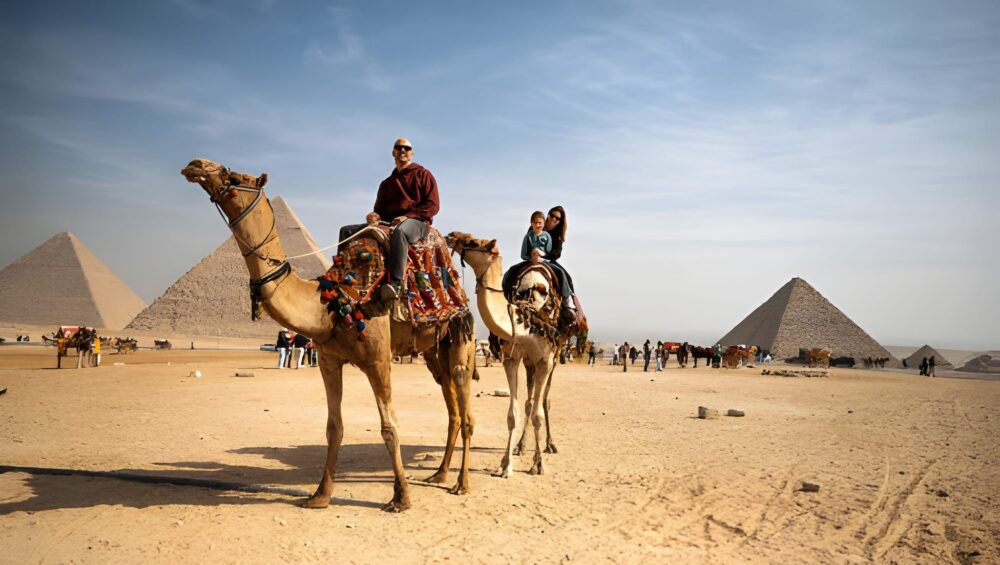
The sweeping landscapes around Kharga Oasis are perfect for desert safaris by 4×4 vehicles or camel caravans. Adventurers can explore vast dunes, hidden valleys, and ancient routes once used by merchants. For travelers loving adrenaline rushes, tours such as Sunset Desert Safari Trip by Quad Bike provide unforgettable desert explorations.
Hot Springs and Wellness Tourism
Kharga is famous for its natural hot springs, rich in minerals believed to have healing properties. These springs attract visitors seeking rejuvenation and relaxation amid natural tranquility. As wellness tourism grows, Kharga’s therapeutic environment positions it as Egypt’s desert spa destination.
Photographic and Cultural Expeditions
Photographers and culture enthusiasts will find endless inspiration. From ancient ruins surrounded by sand to bustling village markets, Kharga provides vivid contrasts between antiquity and continuity. Cultural tours like 8 Days Egypt Luxury Tour or desert-oriented expeditions connect the oasis experience with broader Egyptian heritage circuits such as Egypt Day Tours.
Practical Travel Tips to Kharga Oasis
Best Time to Visit Kharga Oasis
The ideal time to visit Kharga Oasis is between October and April when temperatures are cooler and conditions perfect for exploration. Summer months can be intensely hot, though mornings and evenings remain pleasant. Since it’s a less-touristed destination, planning with a reputable agency such as Cindrella Egypt Travel ensures comfort, safety, and access to knowledgeable guides familiar with desert terrains.
Getting There and Around
Kharga Oasis is accessible by road from Luxor and Asyut or through the New Valley Airport. Private transfers or guided tours are recommended as the journey across the desert requires preparation. Visitors combining Kharga with southern highlights can integrate an Luxor Day Tour before venturing westward.
Kharga Oasis and Egypt’s Sustainable Tourism Future
As Egypt promotes eco-conscious travel, Kharga Oasis serves as a beacon for sustainable development. Local initiatives encourage preserving historical monuments, managing water resources, and promoting organic farming. Community-based lodges welcome tourists while ensuring environmental harmony. The combination of renewable energy and traditional design in new buildings showcases the oasis’s ability to adapt while guarding its natural and cultural heritage.
Spiritual and Emotional Resonance
Beyond its physical beauty, Kharga touches the heart. Standing before ancient temples half-swallowed by sand evokes humility and wonder. Watching the desert glow under moonlight offers profound peace, an unfiltered connection with time itself. Those searching for inner balance find in Kharga Oasis not only history but spiritual immersion—an experience that lingers long after leaving.
Why Kharga Oasis Deserves a Place on Every Traveler’s Egyptian Itinerary
In a land celebrated for pyramids, temples, and bustling cities, Kharga Oasis remains Egypt’s hidden masterpiece. It encapsulates adventure, heritage, and serenity far from the crowds. Visiting Kharga means tracing millennia of cultural footprints, embracing the raw beauty of Egypt’s desert heart, and connecting deeply with humanity’s timeless journey of survival and creativity.
Frequently Asked Questions About Kharga Oasis
1. Where is Kharga Oasis located?
Kharga Oasis lies in Egypt’s Western Desert, approximately 550 km south of Cairo and west of the Nile Valley. It’s part of the New Valley Governorate and among the largest oases in the region.
2. What are the top attractions at Kharga Oasis?
Major attractions include the Temple of Hibis, El Bagawat Necropolis, Qasr El-Ghueita Fortress, and