Wadi El Gemal National Park – Egypt’s Hidden Marvel of Desert and Sea
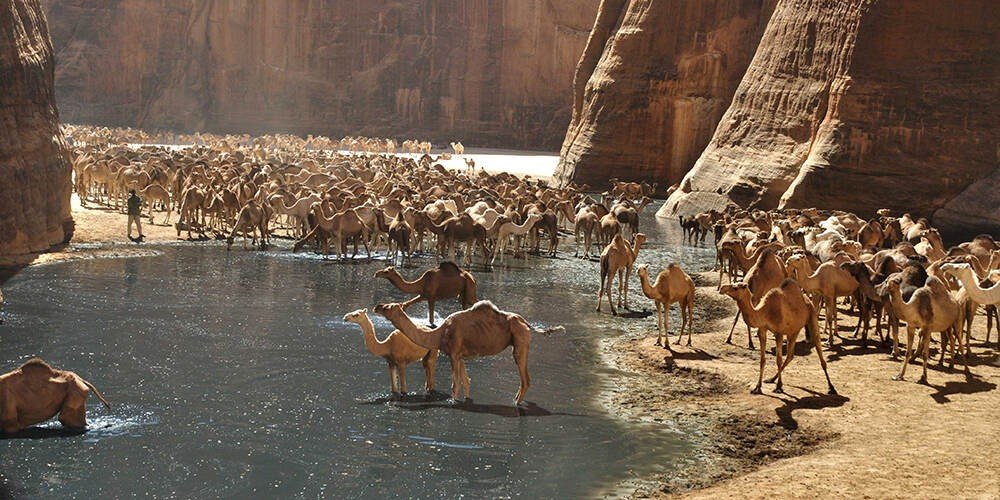
Wadi El Gemal National Park, tucked along the southern coast of Egypt’s Red Sea, is a sprawling tapestry of nature, history, and raw wilderness that few have yet to truly discover. Spanning over 7,000 square kilometers, it’s an ecological treasure where the coral-rich waters of the Red Sea meet the dramatic mountains of Egypt’s Eastern Desert. This national park is not just a haven for adventurers and eco-travelers but also one of the most biodiverse regions in the country. From its lush mangroves and coral reefs to ancient Roman ruins and Bedouin trails, Wadi El Gemal (meaning ‘Valley of the Camels’) easily earns its title as one of Egypt’s most captivating hidden gems.
Situated near Marsa Alam, Wadi El Gemal National Park offers a stark contrast to Egypt’s more famous tourist centers like Luxor and Cairo. Here, travelers can dive into pristine reefs teeming with marine life, explore scenic wadis carved by time, and encounter endangered species like the Nubian ibex or the dugong grazing near the seagrass beds. But this park is more than a nature sanctuary—it’s an open-air museum preserving layers of human history, from the ancient emerald mines of Cleopatra to Bedouin traditions that still thrive under the golden sun. For anyone seeking an off-the-beaten-path adventure that blends sustainability with serenity, Wadi El Gemal serves as the ultimate eco-paradise within Egypt’s Red Sea landscape.
Many visitors exploring Egypt through Luxury Egypt Tours or Egypt Vacation Packages find the park a perfect escape from the crowds. It’s where you can witness Egypt’s wild heart beating away from the noise of urban life—a place where coral reefs, ancient quarries, and desert sands coexist in magnificent harmony. This region truly embodies the essence of eco-tourism in Egypt, introducing travelers to responsible exploration and cultural immersion at its finest.
Exploring the Geography and Ecosystems of Wadi El Gemal National Park
The geography of Wadi El Gemal National Park is nothing short of dramatic. The park covers both terrestrial and marine zones, encompassing around 5,000 square kilometers of land and 2,000 square kilometers of coastline and islands. Its name, “Valley of the Camels,” originates from the wadi’s historical use as a caravan route—one where camels carried emeralds and other precious stones through rough desert terrain. Today, Wadi El Gemal features an astonishingly diverse ecological landscape ranging from mountain ranges and acacia woodlands to mangrove groves and coral gardens that blanket the Red Sea floor.
Within its marine territories, divers and snorkelers can explore some of Egypt’s healthiest coral reefs, rivaling even those of Ras Mohammed National Park. Over 450 coral species and 1,200 species of fish thrive here, making it an underwater paradise. The coastal zones are vital feeding grounds for green turtles and dugongs—creatures symbolic of the park’s commitment to conservation. Inland, the rugged Eastern Desert landscapes cradle rare wildlife, including Dorcas gazelles, wild donkeys, and desert foxes. The wide wadi system collects flash floodwaters, turning parts of the park into green ribbons in the heart of arid wilderness—a scene that amazes any nature lover or wildlife photographer.
Ancient History and Emerald Mining Heritage of Wadi El Gemal
Long before its designation as a protected area, Wadi El Gemal was a hub of ancient activity. Within its boundaries lies the legendary Sikait Valley, home to Egypt’s famous emerald mines known as Mons Smaragdus, which dates back to the Ptolemaic and Roman eras. Cleopatra herself was said to have worn emeralds mined here, believed to represent eternal youth and power. Roman settlements, temples, and stone watchtowers still dot the park, whispering stories of a time when miners, merchants, and Bedouin traders roamed the valleys.
For archaeology enthusiasts following routes like those in Egypt Local Travel Agency adventures, Wadi El Gemal presents a rare convergence of natural and cultural history. The remains of ancient settlements, including wells, mining facilities, and inscriptions in Greek and Latin, offer fascinating glimpses into centuries of human endeavor in this forbidding landscape. Hiking through these relics feels like stepping into a living history book set against the backdrop of wind-carved sandstone formations and sweeping desert vistas.
Flora and Fauna Biodiversity of Wadi El Gemal: A Living Sanctuary
Wadi El Gemal National Park is celebrated for its exceptional biodiversity. Over 450 plant species appear across its desert and coastal zones, including acacia trees, tamarisks, and rare medicinal herbs used by Bedouin healers for generations. The park shelters a wide range of birdlife—more than 150 bird species—making it an excellent spot for birdwatching. Migratory birds use this area as a safe waypoint along their Red Sea flyway, particularly during spring and autumn migrations.
As visitors trek across the rugged plateau or dive into seagrass meadows, they may spot Nubian ibexes navigating rocky slopes, while along the coast, dolphins leap gracefully beside snorkeling boats. The park’s dunes host reptiles adapted to extreme heat, while the mangroves nurture juvenile fish that later populate coral reefs offshore. This balanced ecosystem illustrates the unique harmony between land and sea that underscores the importance of Eco Tours in Egypt.
Adventure Tourism and Eco-Friendly Activities in Wadi El Gemal
For travelers craving adventure, Wadi El Gemal is an all-in-one destination. Whether it’s camping beneath a night sky illuminated by countless constellations, hiking desert trails, or riding camels through tranquil wadis, this park embraces the wild spirit of Egypt’s Red Sea coast. Guided excursions from Marsa Alam include snorkeling trips to Hamata Islands, part of the park’s marine reserve. These islands boast crystal-clear lagoons and secluded beaches, offering some of the most pristine snorkeling experiences in the region.
Many visitors pair their journey with Marsa Alam Day Tours, extending their experience to nearby reefs and Bedouin camps. The adventurous can take part in Desert Super Safari expeditions or stargazing tours that unveil an otherworldly view of the Milky Way free of light pollution. For sustainability-minded travelers, eco-lodges in the region prioritize low-impact tourism, utilizing solar power and local resources while preserving the natural integrity of Wadi El Gemal’s delicate ecosystems.
Indigenous Culture and Bedouin Heritage
The Ababda Bedouins are the custodians of Wadi El Gemal. For centuries, they’ve lived in harmony with its rhythms, practicing traditions rooted in ancient wisdom. Their deep knowledge of desert ecology—when to harvest plants, where to find water, how to read wind patterns—is invaluable in managing this protected reserve. Visitors can experience authentic Bedouin hospitality: sharing homemade bread, sipping sweet tea, and listening to stories echoing with the cadence of the desert wind.
Local Bedouins now play key roles in eco-tourism efforts. They serve as guides, conservationists, and guardians of biodiversity, ensuring that the park’s rich natural legacy endures. Engaging with this community isn’t just a journey through scenic terrain—it’s a cultural immersion that unveils the living soul of Egypt’s wilderness. Combining such experiences with regional explorations like Marsa Alam or the Red Sea Resorts & Parks enriches any travel itinerary beyond imagination.
Marine Adventures and Coral Reef Conservation
Underwater, Wadi El Gemal is a dreamscape of color and life. Its coral reefs, among the most untouched in the region, extend across the park’s protected marine zones. Diving along Sataya and Qul’an reefs reveals gardens of brain coral, staghorn coral, and purple sea fans. Schools of butterflyfish, angelfish, and parrotfish create an explosion of vibrant motion while manta rays and turtles glide gracefully through crystal-clear water. Snorkeling trips operated from nearby ports often include eco-briefings to ensure reef-safe practices and highlight the importance of preserving fragile marine ecosystems.
The park’s marine management plan prioritizes sustainable use, banning fishing and anchoring in sensitive zones while promoting responsible eco-tourism. Conservation collaborations supported by Egyptian authorities ensure that this marine sanctuary continues to flourish—a vital model for Red Sea preservation efforts also echoed in Elphinstone Reef and nearby coastal reserves.
When to Visit and Travel Tips
The best time to visit Wadi El Gemal National Park is between October and May, when temperatures are moderate, waters are clear, and desert excursions are comfortably cool. Visitors can access the park via Marsa Alam Airport or by road from Hurghada. Most exploration is done through guided jeep safaris or marine excursions. Permits may be required for certain activities, ensuring sustainable visitor numbers. For a seamless exploration, many travelers choose tailored itineraries like the 8 Days Best Egypt Tour with Nile Cruise combined with unique Red Sea extensions.
Bring reef-safe sunscreen, plenty of hydration, and light gear suited for both desert and marine adventures. Respect signage and always follow guides’ instructions to protect both wildlife and heritage sites. Responsible travel here rewards visitors with an extraordinary connection to nature—something that transforms curiosity into conservation consciousness.
FAQs about Wadi El Gemal National Park
What makes Wadi El Gemal National Park unique?
Its rare combination of desert, mountain, and marine ecosystems makes Wadi El Gemal National Park one of the most diverse ecological destinations in Egypt. Visitors can explore coral reefs, ancient ruins, and Bedouin villages all within one region, making it unparalleled in variety and adventure.
Where is Wadi El Gemal located?
Wadi El Gemal lies approximately 45 kilometers south of Marsa Alam on Egypt’s southern Red Sea coast. It’s accessible by road or air, with guided tours available through Egypt Day Tours and specialized eco-travel agencies.
Can visitors snorkel or dive at Wadi El Gemal?
Absolutely. Wadi El Gemal is renowned for its vibrant coral reefs, particularly around the Hamata Islands. Snorkeling and diving excursions allow travelers to encounter reef sharks, turtles, and schools of tropical fish in crystal waters.
Is it safe to visit Wadi El Gemal?
Yes. The park is safe for tourists, with well-organized eco-tours operating under strict conservation and safety standards. Visitors can further explore safety tips from guides specializing in Egypt Travel Safety.
How can I include Wadi El Gemal in my Egypt itinerary?
Travelers can easily combine Wadi El Gemal with Marsa Alam or Red Sea packages. Many customized trips, such as 10 Day Egypt Luxury Trip with Dahabiya Nile Cruise, allow an ideal blend of luxury exploration and eco-adventure, extending the journey to this untouched gem of southern Egypt.