Siwa Oasis – Egypt’s Hidden Gem in the Heart of the Western Desert
Deep within Egypt’s Western Desert lies the Siwa Oasis, a mystical island of life surrounded by endless seas of golden sand. About 750 kilometers west of Cairo and near the Libyan border, this remote haven remains one of Egypt’s best-preserved cultural and natural wonders. Famous for its lush palm groves, turquoise salt lakes, and ancient mudbrick architecture, Siwa Oasis enchants travelers seeking authenticity, tranquility, and an escape from modern chaos. The moment you arrive, time seems to slow. The scent of date palms fills the air, and the sound of palm fronds gently swaying harmonizes with whispering winds that carry millennia of history.
Unlike the bustling cities of Egypt, Siwa exudes serenity and isolation, allowing visitors to experience a rare blend of Berber traditions, untouched landscapes, and ancient Egyptian ruins. It’s both a living museum of culture and a sanctuary of natural beauty. The oasis is home to the Siwi people, whose language and customs have survived centuries of change. Every inch of this desert jewel tells a story—from the ruins of the Oracle of Amun, where Alexander the Great was proclaimed divine, to the therapeutic salt lakes known for their incredible healing powers. Exploring Siwa is like stepping into another era, one where myth, magic, and nature coexist harmoniously.
Discovering the Location and Geography of Siwa Oasis
Set in a natural depression about 18 meters below sea level, Siwa Oasis forms part of the majestic chain of Western Desert oases. Its landscape is a breathtaking contrast between desert dunes and fertile lands dotted with more than 300 natural springs. Traveling from Marsa Matruh City, travelers cross vast desert highways that shift into scenic valleys and shimmering mirages until they reach the green heart of Siwa. The oasis stretches approximately 80 kilometers in length and 20 in width, offering countless hidden gems to explore.
The geography of Siwa lends itself to remarkable biodiversity. The date palms, olive trees, and fig plantations thrive in the fertile basin, while lakes such as Birket Siwa and Birket al-Mara add dramatic beauty to the desert setting. Beyond the oasis, golden dunes of the Great Sand Sea rise like natural fortresses, challenging adventurers and photographers alike. These landscapes inspire awe and ignite curiosity, making Siwa one of the most photogenic and ecologically diverse destinations in Egypt.
The Historical Significance of Siwa Oasis
Siwa’s importance dates back to ancient Egypt, when it served as a spiritual and trade hub connecting Egypt with Libya and North Africa. The oasis gained legendary fame thanks to the Oracle of Amun Temple, where Alexander the Great sought confirmation of his divine lineage in 331 BCE. This pivotal event turned Siwa into a revered pilgrimage site for rulers and travelers seeking knowledge and prophecy. Over the centuries, Siwa retained its mystical aura, its people guarding traditions rooted in both pharaonic and Berber influences.
During the Roman era, Siwa prospered as a trade route oasis, exporting olives and salt across the Sahara. The ancient ruins of Qasr al-Zayt and the Temple of Umm Ubayd still whisper tales of a once-great civilization. Visitors can stroll among these remnants and imagine caravans arriving after weeks in the desert, guided by stars and the lure of Siwa’s legendary hospitality.
Culture and Traditions of the Siwi People
What makes Siwa truly captivating isn’t merely its landscape but its people. The Siwi community maintains a unique identity shaped by centuries of isolation. Their native Siwi language, derived from ancient Berber, remains alive alongside Arabic. Locals practice age-old customs from traditional salt-based architecture to distinctive wedding ceremonies filled with music, dancing, and colorful garments. Their sustainable lifestyle revolves around agriculture, artisan handicrafts, and communal bonds that form the backbone of Siwan society.
Craftsmanship thrives here. Siwan women are renowned for hand-embroidered garments and silver jewelry, while men harvest olives and dates that are prized across Egypt. Visiting Siwa allows travelers to witness a way of life untouched by modern homogenization. In local markets, you’ll find organic cosmetics made from olive oil, natural salt lamps, and handmade pottery that echo ancient aesthetics.
Top Attractions and Landmarks in Siwa Oasis
Siwa’s attractions are as diverse as its history, offering a feast of experiences for every traveler. The ancient fortress of Shali Castle stands at the oasis’s heart, built entirely from kershef—salt, mud, and clay. Exploring this labyrinthine citadel provides panoramic views of the surrounding palm groves and salt lakes. For history enthusiasts, the ruins of the Oracle of Amun and the Temple of Umm Ubayd remain must-see wonders.
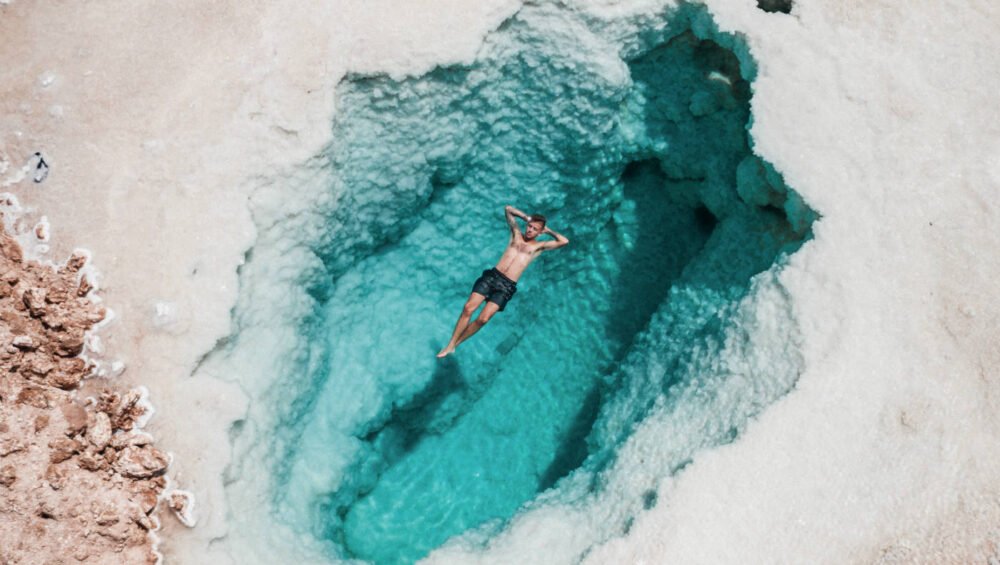
Nature lovers can take a dip in the legendary Cleopatra Spring, a crystal-clear pool said to have enchanted the ancient queen herself. The salt lakes of Siwa are equally mesmerizing—floating on them feels magical due to their high mineral content, comparable to the Dead Sea. To the east, the tranquil Dakrour Mountain is famous for its therapeutic hot sands that cure rheumatism and joint pain. At sunset, Dakrour offers a breathtaking view as the desert glows in shades of gold and crimson.
Adventure Tourism and Desert Exploration in Siwa Oasis
For adventurers, Siwa Oasis is an open-air playground. The nearby dunes of the Desert Safari Trip by Quad Bike invite thrill-seekers for adrenaline-fueled rides over endless sandscapes. Local guides lead expeditions deep into the Great Sand Sea, where visitors can sandboard down massive dunes, camp under starlit skies, and feast on traditional Siwan meals around the fire. For history buffs, desert safaris often include visits to ancient fossil beds and hidden springs that dot the landscape, revealing the oasis’s geological secrets.
Eco-travelers find Siwa irresistible thanks to its off-grid lodges built entirely from natural materials. Many lodges operate on solar power and emphasize sustainability, blending comfort with eco-awareness. Siwa’s remote charm and peaceful isolation attract travelers yearning for digital detox—a moment to reconnect with nature and the soul.
Healing and Wellness Experiences at Siwa Oasis
Beyond its scenic allure, Siwa offers an otherworldly realm of rejuvenation. The hot and cold springs scattered around the oasis have long been known for their healing properties. Locals recommend the mud baths near Dakrour Mountain and salt treatments in the shimmering lakes. The saline concentration in these lakes relieves skin ailments, eases muscle tension, and promotes deep relaxation. Many travelers visit specifically to unwind in these naturally therapeutic waters amid the stillness of the desert.
Holistic retreats and yoga camps have also flourished, offering visitors a chance to meditate, practice mindfulness, and heal both body and spirit. Surrounded by whispers of ancient wisdom, these wellness experiences perfectly capture Siwa’s spiritual essence—a retreat for the soul within Egypt’s timeless sands.
Best Time to Visit Siwa Oasis
The ideal time to visit Siwa Oasis is between October and April, when desert temperatures are comfortably warm by day and cool by night. The summer months, from June to August, can see scorching heat, making travel more challenging. Yet even in the hottest periods, Siwa’s lakes and shaded orchards provide respite from the sun. During winter, the climate becomes even more magical—watching the sunset over salt lakes as mist forms over palm fields is an experience to cherish forever.
Accommodation and Hospitality
Despite its remote setting, Siwa offers a range of accommodations from rustic ecolodges to traditional resorts. Many of these establishments reflect authentic Siwan design—rooms built with kershef and furnished with handmade crafts. Travelers can enjoy candlelit dinners under a canopy of stars or sip mint tea surrounded by olive groves. Local hosts are renowned for their warmth, treating visitors like lifelong friends.
Those seeking indulgence can connect the oasis visit with luxurious experiences along the Nile, such as the 10-Day Egypt Luxury Trip with Dahabiya Nile Cruise or Luxury Egypt Tours. Combining Siwa’s serenity with a Nile cruise offers an exquisite balance between relaxation and discovery.
How to Reach Siwa Oasis
Though remote, reaching Siwa is an adventure worth every kilometer. Most travelers start from Marsa Matruh, a city accessible by bus or domestic flight from Cairo. From there, a five-hour desert drive leads you across hypnotic sandscapes and mirage-filled plains to the gates of Siwa. Private 4×4 transfers or guided excursions through desert tracks ensure both comfort and safety for visitors. Road conditions have improved in recent years, but travelers are advised to carry essentials and travel during daytime hours for the best experience.
Why Siwa Oasis Should Be on Every Traveler’s Bucket List
Siwa Oasis embodies everything enchanting about Egypt beyond the pyramids—hidden spirituality, sustainable living, and raw natural beauty. It’s a place where ancient legends breathe through desert winds and where each sunrise paints new shades of serenity. Visitors leave transformed, carrying pieces of Siwa’s tranquility long after departing. Whether you seek healing, history, or adventure, Siwa delivers an authentic, immersive journey through time and elemental wonder.
Frequently Asked Questions About Siwa Oasis
1. Where exactly is Siwa Oasis located?
Siwa Oasis lies in Egypt’s Western Desert, close to the Libyan border and around 750 kilometers southwest of Cairo. It’s nestled within a depression below sea level, surrounded by sand dunes and desert plateaus.
2. What are the top attractions to visit in Siwa Oasis?
The must-see sites include the Oracle of Amun, Shali Fortress, Cleopatra Spring, Dakrour Mountain, and the Siwa Salt Lakes. Each site embodies the oasis’s blend of history, wellness, and beauty.
3. How can travelers reach Siwa Oasis from Cairo?
You can reach Siwa by taking a bus, private car, or guided tour via Marsa Matruh. There’s also the option of arranging transport through specialized Egypt Vacation Packages that include Siwa as part of a broader desert adventure.
4. What are popular activities in Siwa Oasis?
Travelers can swim in hot springs, float in salt lakes, go on desert safaris, sandboard in the Great Sand Sea, or enjoy cultural evenings with traditional Siwan music and cuisine. It’s a dream destination for nature lovers and photographers.
5. When is the best time to visit Siwa Oasis?
The most pleasant