Top Things To Buy In Egypt: Authentic Souvenirs And Treasures You Can’t Miss
Egypt has always been more than just pyramids, temples, and the mighty Nile. It’s a living museum filled with craftsmanship, tradition, and artistry that you can literally take home. If you’re exploring the Cairo City bazaars or sailing on a Luxury Nile Cruise, you’ll find yourself surrounded by one-of-a-kind items made with passion and steeped in thousands of years of history. Shopping in Egypt isn’t just a fun activity—it’s a journey through culture, color, and creativity.
Whether you’re strolling through the chaotic charm of Khan El Khalili, wandering around the Nubian villages in Aswan City, or bargaining at a Luxor market, you’ll discover treasures that tell stories of pharaohs, artisans, and desert dwellers. From hand-carved alabaster statues to Egyptian cotton sheets softer than a Nile breeze, every purchase carries a piece of authenticity. This guide walks you through the most iconic and meaningful things to buy in Egypt—perfect souvenirs that immortalize your journey and make ideal gifts for loved ones. Each item reflects the rich cultural tapestry that has made Egypt a shoppers’ paradise for centuries.
So, let’s dive deep into the fascinating world of Egyptian handicrafts, traditional jewelry, perfumes, papyrus art, and ancient-themed artifacts. These are not just products—they’re memories wrapped in textures, scents, and colors that only Egypt can offer.
Egyptian Cotton: A World-Renowned Treasure
Let’s start with one of the most praised commodities in the world—Egyptian cotton. Known for its superior softness, durability, and luxurious feel, it has earned a global reputation for excellence. Local markets and high-end boutiques across Cairo and Luxor City display exquisite bedsheets, towels, and garments made from the finest long-staple cotton. When you buy authentic Egyptian cotton, you’re investing in comfort and quality that stands the test of time. Always look for a certified label or shop at reputable places to ensure you’re getting the real deal.
Papyrus Art: Ancient Egyptian Symbolism in Modern Style
Another must-buy is papyrus art, one of the most traditional souvenirs you can find. The process of creating papyrus goes back to the era of the ancient pharaohs, whose writings and paintings still fascinate visitors at sites like the Temple Of Hatshepsut. Today, Egyptian artists continue the craft, hand-painting exquisite reproductions of hieroglyphic scenes, gods, and goddesses on authentic papyrus sheets. It’s an ideal keepsake that captures both Egypt’s artistic elegance and its historical depth.
Alabaster Crafts: The Glow of Ancient Stone
Head to Luxor or Aswan, and you’ll find yourself drawn to alabaster workshops that sparkle with beauty. Alabaster vases, lamps, and sculptures are carved by hand, mirroring the craftsmanship found inside royal tombs like the Tomb Of Nefertari. When you light up an alabaster lamp, the glow feels almost mystical—like an ancient flame breathing life into your home décor. Be sure to pick up these stunning pieces directly from artisans; they’ll often demonstrate how the translucent stone is crafted.
Khan El Khalili Jewelry: A Legacy of Gold and Silver
No trip to Egypt is complete without exploring the legendary Khan El Khalili bazaar in Cairo. Here, you’ll find a dizzying array of gold and silver jewelry—rings, bracelets, and pendants shaped into ankhs, scarabs, and the Eye of Horus. These pieces aren’t just accessories; they’re symbols embedded with spiritual meaning. Whether you buy genuine gold or hand-engraved silver from small workshops, you’ll wear more than a trinket—you’ll carry a piece of Egyptian mythology with you.
Spices and Flavors: The Essence of Egyptian Markets
Immerse your senses in Cairo’s spice markets, where vibrant colors and intoxicating scents fill the air. Cardamom, cumin, hibiscus (known as karkadeh), and saffron are must-haves. Egyptians have been trading and blending spices since the time of Cleopatra, and today, the legacy continues. Karkadeh, especially, is one of the most popular things to buy—it makes a refreshing drink loved both hot and cold. Don’t forget black cumin, an age-old remedy believed to have healing power.
Egyptian Perfumes and Oils: The Fragrance of Antiquity
Egyptian perfumes are world-famous, often infused with essential oils and crafted from recipes that date back to ancient temple rituals. You’ll find small perfume houses offering lotus, jasmine, and sandalwood oils. Some shops even claim to replicate perfumes once used by pharaohs. Visit perfumers in Luxor or the markets near Temple Of Philae in Aswan for a scent experience that’s both exotic and unforgettable. Whether packaged in intricately designed glass bottles or delicate jars, these fragrances embody opulence and history.
Traditional Bedouin Handicrafts: Color, Texture, and Heritage
Egypt’s Bedouin communities have preserved their artistic identity through handwoven rugs, embroidered garments, and beaded jewelry. These handmade pieces are not mass-produced—they echo centuries of nomadic tradition. The patterns often symbolize stories of the desert, faith, and daily life. Buying Bedouin handicrafts helps sustain local artisans and supports Egypt’s living cultural heritage.
Nubian Crafts and Artwork: The Soul of the South
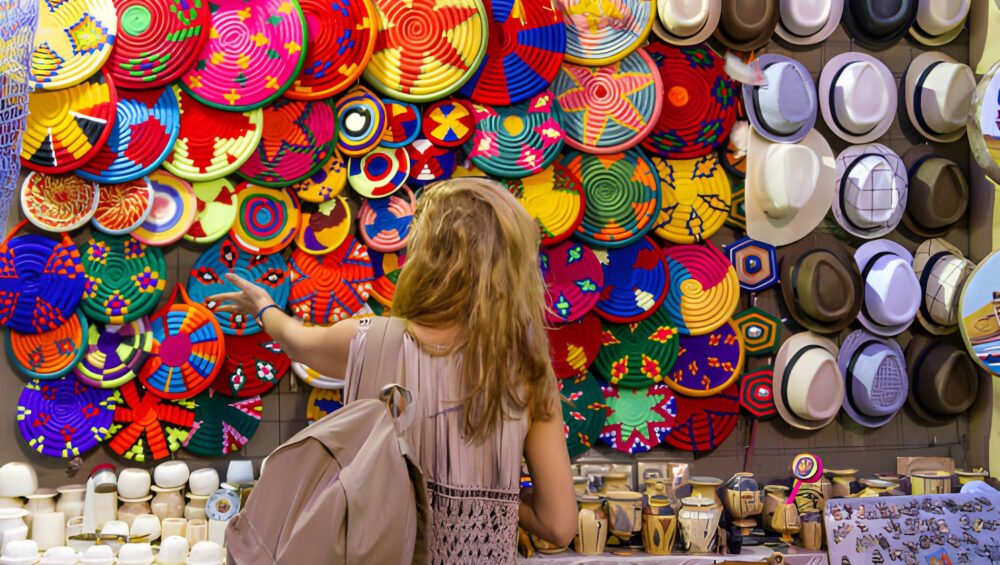
Among the brilliant things to buy in Egypt are Nubian crafts. The Nubian people from southern Egypt are renowned for their colorful pottery, basketry, and bold geometric patterns. In Nubian Village, you can pick up intricately painted gourds, natural pigments, and handmade jewelry with vivid shades of blue and red. Every piece reflects the warmth and resilience of a culture that has thrived along the Nile for millennia.
Egyptian Carpets and Kilims: Masterpieces of Weaving
Egypt produces some of the Middle East’s finest handmade carpets, woven with silk, wool, or cotton. In Fustat near Cairo and in rural villages, you can watch weavers at work, their hands moving rhythmically over looms creating masterpieces. A genuine Egyptian rug transforms any space—it’s both a decorative and cultural statement. Always make sure to negotiate respectfully and verify that you’re purchasing handmade rather than machine-woven products.
Egyptian Antiquity Replicas: Reliving the Pharaohs
Egypt’s historical magnetism makes replicas of ancient artifacts irresistible souvenirs. From miniature pyramids and statuettes of Anubis to wall plaques illustrating hieroglyphs, these reproductions celebrate the legacy of the world’s first great civilization. Museums and stores near sites like the Abu Simbel Temples and The Grand Egyptian Museum showcase the best artisans who replicate museum-quality artifacts. Always verify that items are modern replicas and not ancient artifacts to comply with Egypt’s cultural heritage laws.
Leather Goods and Handcrafted Sandals
Leather goods in Egypt are top-notch—ranging from slippers and sandals to handbags and belts. Cities like Cairo and Alexandria have leather workshops combining traditional tanning techniques with modern design. The craftsmanship mirrors the artistry visible in ancient carvings, blending form and function perfectly. Handmade Egyptian sandals, in particular, are incredibly durable and stylish souvenirs for fashion lovers.
Egyptian Pottery: Timeless Earthy Elegance
From the Tunis Village Pottery in Fayoum to artisanal studios in Luxor, Egyptian pottery reflects both utility and artistry. The earthy tones, symmetrical shapes, and ancient influences make these pieces stunning additions to any home. Many shops also sell hand-painted bowls with traditional Nile motifs, making every item a work of art tied to nature and culture.
Egyptian Dates and Local Foods: A Taste Worth Bringing Home
Food lovers will find Egypt’s markets irresistible. High-quality dates, honey, and tahini are both affordable and delicious to bring home. Egyptian dates, known for their rich flavor and natural sweetness, are among the best in the world. Packaged elegantly, they make perfect edible gifts—a sweet reminder of your adventure through the land of the Nile.
Musical Instruments: The Rhythm of the Nile
Egypt’s love affair with music stretches back thousands of years, and buying a traditional instrument like a doumbek or oud makes a meaningful souvenir. You can find beautifully handcrafted pieces in shops near Wekalet El Ghouri, where craftsmen still shape instruments that echo melodies of the ancient world.
Where to Shop for Authentic Egyptian Goods
For the best shopping experiences, head to the Khan El Khalili market, Luxor’s souks, and Aswan’s artisan bazaars. You can pair your shopping spree with sightseeing on one of the Best Nile River Cruises. Many tours include guided visits to authentic craft villages where you can meet the artists themselves. Combine cultural exploration with retail therapy through curated itineraries like the 7 Days Cairo and Nile Cruise Package or even a heritage experience on a Luxury Dahabiya Nile Cruise. Shopping becomes not only delightful but immersive when it’s interwoven with Egypt’s legendary sights and sounds.
FAQs About Things To Buy In Egypt
What are the best places to shop for souvenirs in Egypt?
The top places include Cairo’s Khan El Khalili bazaar, Luxor souks, Nubian markets in Aswan, and artisan workshops in Fayoum. These destinations feature handmade crafts, papyrus art, silver jewelry, and authentic Egyptian cotton. Combining your trip with Egypt Day Tours ensures you reach genuine artisan markets.
Is it safe to buy gold jewelry in Egypt?
Yes, provided you buy from reputable gold and silver shops. Always check for hallmark stamps, and feel free to negotiate prices respectfully. Jewelry from Khan El Khalili or Zamalek boutiques often comes with authenticity certificates.
How can I identify real papyrus?
Real papyrus feels coarse and fibrous, unlike the smooth texture of fake banana-leaf imitations. Reputable art galleries often demonstrate how genuine papyrus is made—an excellent indicator of authenticity for collectors and art lovers alike.
What food items can I bring back from Egypt?
Top edible souvenirs include dried hibiscus (karkadeh), Egyptian dates, spices, black cumin, and local honey. These are easy to pack and create delightful reminders of your culinary adventure through Egypt’s spice-scented streets.
What’s a unique handmade souvenir from rural Egypt?
Tunis Village pottery from Fayoum, Bedouin rugs, Nubian baskets, and alabaster carvings are some of the most unique handmade souvenirs. You can visit pottery villages on tours like the Day Tour to El Fayoum from Cairo for authentic artisan experiences.
Are Egyptian perfumes long-lasting?
Yes, Egyptian perfumes are made from concentrated essential oils that can last for hours. Lotus and jasmine fragrances are particularly famous. Their rich notes are reminiscent of the floral blends favored by the queens of ancient Egypt.
Can I ship large items home?
Most shops offer international shipping for fragile items like alabaster vases or ceramics. Ask for bubble-wrapped packaging and tracking details before finalizing your purchase for peace of mind.
Shopping in Egypt is much more than buying—it’s connecting with artisans who echo ancient traditions through their craft. Whether it’s a handwoven rug, a vial of lotus essence, or a shimmering