The Crystal Mountain: Egypt’s Shimmering Jewel in the Heart of the Desert
Nestled between the Bahariya Oasis and the Farafra Oasis, The Crystal Mountain stands as one of Egypt’s most mesmerizing natural wonders. This surreal geological formation, often called the ‘Jewel of the Desert,’ captivates travelers with its glittering surface made from countless quartz crystals that sparkle under the desert sun. It serves as a radiant midpoint for explorers traveling across Egypt’s famed White Desert and the mysterious Black Desert. For adventure lovers, photographers, and geology enthusiasts, The Crystal Mountain is more than a landmark—it’s an extraordinary phenomenon where nature flaunts its artistry in the most unexpected place.
Imagine cruising across golden dunes when suddenly, a shimmering hill covered in crystals glistens on the horizon. This breathtaking sight, shaped over millions of years, is composed mainly of barite, calcite, and quartz. Each crystal refracts sunlight differently, creating an ever-changing dance of light and color. The experience feels almost magical—like discovering a hidden palace forged from gemstones. Visitors often stop here en route to or from the Valley of Agabat, taking time to climb its glimmering slopes, examine its mineral composition, and capture spectacular photos of one of Egypt’s most photogenic natural attractions.
The Crystal Mountain isn’t merely a pit stop; it’s a glimpse into the planet’s geological heartbeat. It awakens awe and curiosity—drawing visitors into Egypt’s wider story of transformation, richness, and resilience. With sustainable travel and environmental appreciation on the rise, sites like this highlight the depth of Egypt beyond its ancient temples or Pyramids of Sakkara. Whether you’re on a luxury desert expedition or an Egypt family tour, The Crystal Mountain offers a moment of stillness amid grandeur—a flash of shimmering perfection in the boundless desert expanse.
Geological Origins of The Crystal Mountain
The Crystal Mountain of Egypt is an ancient sedimentary formation that reveals the Earth’s inner craftsmanship in its purest form. Scientists believe the mountain was once a massive cave system that collapsed, leaving behind veins of quartz crystal exposed to the surface. Over time, erosion and tectonic forces sculpted it into the form we see today—a hill seemingly embedded with jewels. The crystals were formed by mineral-rich groundwater seeping through limestone, crystallizing under immense pressure. As millions of years passed, shifting winds eroded the surrounding softer materials, revealing the glistening heart of barite and calcite.
This extraordinary geological miracle lies along the route connecting El Bahariya and El Farafra, surrounded by contrasting landscapes—the black volcanic hills of the Black Desert on one side and the chalky peaks of the White Desert National Park on the other. It serves as a remarkable transition zone between two distinct desert ecosystems, making it a crucial stop for geologists studying desert mineralogy and natural erosion patterns.
Scientific Significance of Egypt’s Quartz Treasure
From a scientific perspective, The Crystal Mountain functions like an open museum of geological history. Its sparkling quartz veins are vital for understanding the tectonic movements that shaped Egypt’s desert plateaus. These vibrant crystals are remnants of hydrothermal activity—hot fluids circulating in the Earth’s crust—that cooled and formed the present-day crystalline deposits. The geochemical composition also provides insight into the ancient environments of the Western Desert, revealing that this arid expanse was once dominated by aquatic systems and mineral springs.
The Crystal Mountain and Egypt’s Desert Travel Routes
The mountain’s location makes it an ideal stop for intrepid explorers venturing into Egypt’s Western Desert. Travelers following popular tour routes often combine their visit with desert adventures through the Fayoum & Western Desert, the White Desert, and the Farafra Oasis. Many Egypt vacation packages now include overnight camping experiences under a star-filled sky in this region. Combining the surreal crystal formations with the milky dunes of the White Desert creates one of Egypt’s most otherworldly journeys.
For those seeking adventure, off-road desert safaris offered through Egypt Day Tours or customized itineraries can transform a mere visit into a full-blown expedition. Travelers can set up camp beneath crystal-studded hills, where the warm light of sunrise brings the entire site to life, revealing nature’s spectacular artistry. The proximity of The Crystal Mountain to the Bahariya Oasis also ensures easy overnight stays in comfortable desert lodges or eco-friendly camps before setting off on longer routes toward Dakhla or Kharga.
Symbolism and Cultural Interpretations
To the nomadic Bedouins who traverse this desert terrain, The Crystal Mountain holds a layer of spiritual lore. Legends suggest that the crystals possess powers of clarity, protection, and energy—mirroring the purity of the desert itself. Some locals even refer to it as a sacred hill, where nature reveals its precious secrets only to those who approach respectfully. The mountain’s reflective brilliance often inspires artists, photographers, and storytellers, making it a symbol of balance between the harshness of desert life and the unmatched beauty it conceals.
Travel Tips for Visiting The Crystal Mountain
Travelers planning to explore The Crystal Mountain should prepare for an immersive desert experience. Guided tours are highly recommended, especially those that pair The Crystal Mountain with excursions to sites like the White Desert and Valley of Agabat. Wear light-colored clothing, durable footwear, and don’t forget sun protection and water. Most visitors choose private tours, such as those in Egypt private tours, for personalized experiences and safety across remote stretches.
Adventure and Photography: Capturing the Radiant Desert Gem
For photographers, The Crystal Mountain is a playground of light and texture. As the sun arcs across the sky, the crystals refract sunlight into myriad hues—ranging from brilliant whites to golds and subtle blues. The contrast between the dark rocks of neighboring volcanoes and the shimmering transparency of the crystal surfaces creates compositions worthy of fine art prints. Golden hour, just before sunset, is when the mountain appears most ethereal, glowing as if illuminated from within.
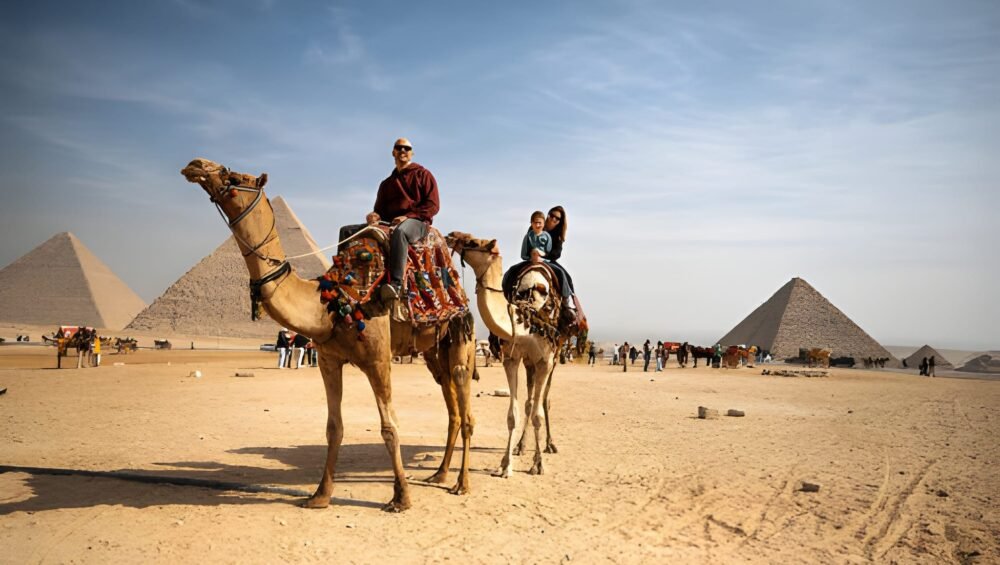
Adventurers can add a thrill to their exploration by combining this stop with a desert jeep safari or a camel trek through the dunes. Routes often extend toward the surreal formations of the White Desert or the jagged peaks surrounding Agabat. For photography enthusiasts, bringing a polarizing filter helps control the intense glare of sunlight bouncing off the crystal-laden surfaces.
Ecotourism and Sustainability in the Western Desert
The growing popularity of The Crystal Mountain has inspired a rise in ecotourism in Egypt’s Western Desert. Sustainable tour operators encourage responsible travel—visitors are advised not to remove crystals or damage natural formations. Instead, the focus is on appreciation, preservation, and education. By partnering with local Bedouin guides, travelers can help sustain traditional livelihoods while preserving the desert’s fragile ecosystem. These conscious travel practices echo global trends in sustainable exploration while maintaining respect for Egypt’s natural heritage.
Combining The Crystal Mountain with Broader Egypt Itineraries
Many visitors now integrate The Crystal Mountain into multi-day Egypt programs that incorporate thriving historical hubs and breathtaking landscapes. For example, after marveling at the desert’s crystalline heart, travelers may choose to sail the Nile aboard the luxurious Steigenberger Royale Nile Cruise or extend their trip to ancient sites in Luxor, such as the majestic Luxor Temple. For a full immersion into the mystical charm of Egypt, combining desert exploration with cultural adventures offers a fulfilling balance of serenity and discovery.
Ideal Time to Visit The Crystal Mountain
The optimal months to visit are from October to April when daytime temperatures are moderate and skies remain crystal clear. During these months, the desert’s golden hue is at its most photogenic, and travelers can comfortably trek or camp overnight. Visiting during sunrise or sunset not only enhances the glow of the crystals but also provides a magical perspective on their transparent brilliance. It’s wise to book your visit through reliable Egypt vacation packages that handle logistics and provide expert desert guides.
FAQs About The Crystal Mountain
Where exactly is The Crystal Mountain located?
The Crystal Mountain lies along the road joining the Bahariya Oasis and the Farafra Oasis in Egypt’s Western Desert, about 160 km southwest of Bahariya. It’s often visited as part of guided trips through the White Desert region.
What makes The Crystal Mountain unique?
Unlike other desert formations, The Crystal Mountain is composed largely of quartz and barite, giving it a shimmering appearance that reflects sunlight beautifully. It’s considered one of the most photogenic and unusual geological formations in Egypt.
Can travelers climb The Crystal Mountain?
Yes, but with care. Climbing is permitted; however, visitors are encouraged not to remove any crystals or damage the natural structure. The surface can be sharp, so good footwear is necessary during exploration.
How can I visit The Crystal Mountain from Cairo?
Most visitors travel by 4×4 as part of an organized desert safari. Tour operators offer multi-day itineraries that pass through Bahariya and the White Desert. Some routes even integrate cultural highlights from Cairo City for a comprehensive experience.
Is The Crystal Mountain suitable for families?
Absolutely! With proper planning and experienced guides, families can enjoy the experience safely. Many Egypt family tours include short desert stops, photo sessions, and gentle treks around the crystalline wonders—making it fun and educational for all ages.