
Tell El Amarna Egypt: The Lost City of Pharaoh Akhenaten
Tell El Amarna Egypt, also known simply as Amarna, stands as a monumental testament to one of ancient Egypt’s most fascinating and controversial eras. Founded by the visionary Pharaoh Akhenaten during the 18th Dynasty, this archaeological gem once served as the capital of a revolutionary chapter in Egyptian history. Tell El Amarna didn’t just emerge as a city—it represented a radical reimagining of religion, politics, and art. Today, this majestic site on the east bank of the Nile, midway between Cairo and Luxor, continues to captivate historians, archaeologists, and travelers seeking to uncover the mysteries of Egypt’s glorious past.
At first glance, Tell El Amarna might appear as an ordinary archaeological ruin, scattered with remnants of temples, palaces, and residential quarters. But beneath the surface lies a profound narrative—the rise and fall of Akhenaten’s religious revolution, the story of Queen Nefertiti, and the early days of the young Tutankhamun. The city’s ruins whisper ancient secrets, from sun-worshiping rituals dedicated to Aten to the birth of distinctive artistic expressions that challenged centuries of Egyptian tradition. A walk through the desert sands of Amarna is like stepping back into a period of divine innovation, political upheaval, and cultural transformation unparalleled in ancient Egypt.
Modern explorers visiting this ancient capital can embark on tailored trips with specialized travel agencies such as Cindrella Egypt Travel, offering expertly guided tours that reveal the archeological and historical significance of this captivating site. Whether as part of Egypt Day Tours or longer Egypt Vacation Packages, Tell El Amarna promises a spellbinding glimpse into a world where spirituality reshaped architecture and the concept of divine kingship evolved under the blazing Egyptian sun.
The Origins of Tell El Amarna: Building Akhetaten, the City of the Sun Disk
Tell El Amarna began as Akhetaten, “The Horizon of the Aten,” a city meticulously planned and constructed around 1346 BC by Pharaoh Akhenaten. Dissatisfied with the traditional religious practices centered around the god Amun, Akhenaten introduced a new faith devoted solely to Aten, represented by the sun’s radiant disk. The pharaoh’s vision was nothing short of radical—a monotheistic worship system in a polytheistic world. To manifest his devotion, Akhenaten built an entire city dedicated to Aten, symbolizing divine light, truth, and enlightenment.
Strategically located between Thebes and Memphis, Amarna sat on untouched desert land, symbolizing a fresh start for Egypt’s spiritual awakening. The layout of Akhetaten was unique, featuring wide avenues, open courtyards, and temples designed without roofs to allow the rays of Aten to shine directly upon worshippers. The architectural design mirrored Akhenaten’s theological philosophy: openness, luminosity, and closeness to the divine source of life.
Explorers taking El Minya Day Tours can trace the original city’s outline along the Nile cliffs, where boundary stelae proclaim Akhenaten’s divine proclamation. The inscriptions carved into the stone temples declare his devotion to Aten and record the city’s sacred founding ceremony. It’s here that history blends with desert mystique, reminding travelers why Amarna remains one of Egypt’s most mysterious ancient cities.
Akhenaten and Nefertiti: The Royal Visionaries Behind Tell El Amarna
Without Akhenaten and his queen, Nefertiti, Tell El Amarna would never have existed. Akhenaten’s faith in Aten led to the suppression of other powerful deities, including Amun, reshaping Egypt’s religious and political order. Queen Nefertiti, renowned for her beauty and portrayed in countless artistic masterpieces, shared her husband’s beliefs. The royal couple stood as divine intermediaries between the Egyptian people and Aten, reigning like celestial beings under the sun’s eternal gaze.
Archaeological discoveries, including reliefs and inscriptions, depict Nefertiti as nearly equal in status to Akhenaten—a striking departure from tradition. Their images were captured in new artistic styles that embraced naturalism and warmth. No longer rigid or idealized, the royal family was shown affectionately together, playing with their children in sunlight-drenched courtyards. This artistic revolution reflected a deeply personal approach to divinity and life itself.
Visitors fascinated by the stories of Egypt’s queens can further their exploration through dedicated content like The Egyptian Queen Nefertiti or take an immersive route across Luxury Egypt Tours that trace her legacy through temples, art, and monuments that still inspire awe today.
The Ruins and Archaeological Wonders of Tell El Amarna
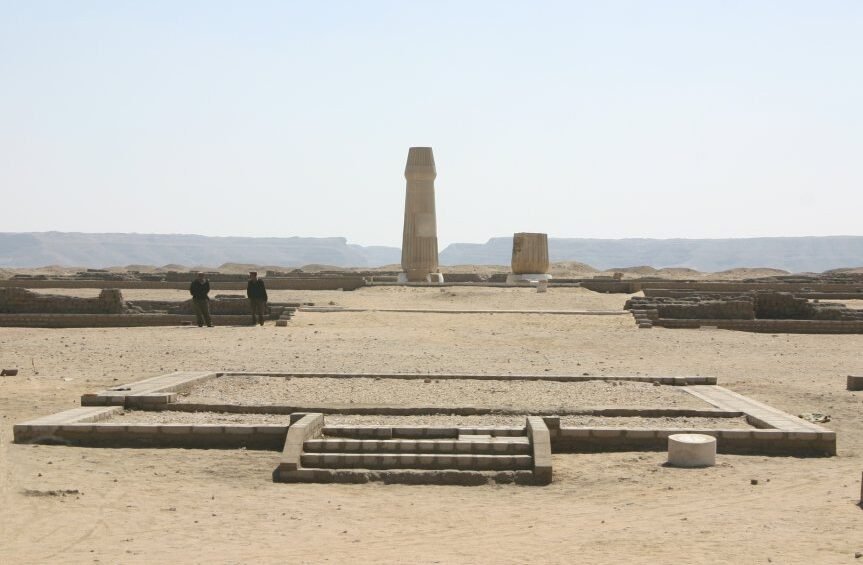
Today’s Tell El Amarna stretches across nearly 12 kilometers of dry desert terrain, with traces of ancient temples, palaces, and tombs etched into its dusty surface. The Great Aten Temple, the House of the King, the Royal Palace, and the Worker’s Village stand as haunting reminders of Akhenaten’s ambitious experiment. Among the most captivating areas are the Northern and Southern Tombs—carved high into limestone cliffs, offering a glimpse into the artistry and beliefs of the Amarna elite. These tombs are decorated with intricate reliefs depicting the royal family worshiping Aten and receiving divine blessings.
Beyond the tombs, travelers can venture to the remains of government offices, military buildings, and common homes, which provide valuable insights into the city’s social hierarchy and daily life during Egypt’s 18th Dynasty. For those seeking deeper historical immersion, pairing a visit to Tell El Amarna with explorations of nearby sites such as the Beni Hassan Tombs adds remarkable context to Middle Egypt’s archaeological narrative.
The Artistic Revolution: Amarna Art and Architecture
The art of Tell El Amarna marked a complete break from centuries of formal Egyptian iconography. Known today as “Amarna Art,” it introduced a realism and emotionality previously unseen. Figures were elongated with soft curves; facial features emphasized individuality; and even the pharaoh was portrayed with an almost androgynous grace. Artists depicted the royal family engaging in intimate moments under the divine beams of Aten, highlighting warmth, family, and faith in harmony.
This new artistic style was both a political statement and a spiritual expression. Akhenaten’s devotion influenced entire generations of sculptors and painters who dared to reinterpret divine representation. The style’s legacy would later influence Egyptian artistic traditions long after Akhetaten’s fall, echoing through monuments preserved in ancient hubs like Luxor Temple and Temple of Hatshepsut.
The Fall of Amarna and the Return to Thebes
Following Akhenaten’s death, Tell El Amarna’s fate turned tragic. Egypt’s old priesthood quickly regained power, restoring the worship of Amun and abolishing Atenism. The royal court abandoned Akhetaten, leaving its once-splendid avenues to the desert winds. Tutankhaten, Akhenaten’s successor—later known as Tutankhamun—moved the capital back to Thebes and reinstated traditional faith. Over time, Amarna was systematically erased from official history, condemned as a heretical chapter in Egypt’s grand story.
Yet, despite centuries of neglect, archaeologists from the 19th century onward uncovered Amarna’s buried past, piecing together its lost glory. Excavations revealed not only architectural remains but also administrative archives known as the Amarna Letters—clay tablets inscribed with diplomatic correspondence in Akkadian. These documents shed light on Egypt’s foreign relations and offer rare insights into diplomacy during Akhenaten’s reign.
Exploring Tell El Amarna Today: A Journey Through Time
Visiting Tell El Amarna Egypt today offers travelers the chance to witness ancient innovation against the backdrop of timeless desert beauty. The site lies near the modern city of El Minya, reachable by organized excursions such as the El Minya Day Tour from Cairo. Standing among the ruins, visitors can imagine the sun rising over the cliffs, illuminating what was once Egypt’s glittering city of light. Whether you’re an archaeology enthusiast or a casual explorer, walking through Akhetaten connects you directly to one of ancient Egypt’s boldest dreams.
For those traveling along the Nile, combining this journey with a scenic cruise like the Luxury Dahabiya Nile Cruise or the elegant Steigenberger Minerva Nile Cruise provides a harmonious way to experience Egypt’s monumental heritage. From the serene temples of Thebes to the sacred sands of Amarna, Egypt’s riverine landscape seamlessly connects every era of this ancient civilization.
Preserving Tell El Amarna for Future Generations
Conservation efforts are vital to safeguarding Tell El Amarna against erosion, climate change, and human impact. Ongoing archaeological projects, led by Egyptian and international teams, continue to uncover new facets of Akhetaten’s short-lived utopia. Digital mapping, 3D scanning, and restoration work aim to preserve the city’s artistic and architectural treasures for posterity. The collaboration between modern tourism and historical preservation ensures that Amarna’s story won’t fade into the sands once again.
Travelers choosing responsible and sustainable travel through established agencies help contribute to this preservation. Adventure-focused packages such as 7 Days Egypt Adventure Tour often emphasize cultural awareness, local engagement, and heritage protection—values crucial for maintaining sites like Tell El Amarna.
Frequently Asked Questions About Tell El Amarna Egypt
What makes Tell El Amarna Egypt historically significant?
Tell El Amarna is the only known ancient Egyptian city built entirely under the vision of one pharaoh—Akhenaten. It marks the first attempt in recorded history at monotheistic worship through Aten, the sun disk. The city’s art, architecture, and inscriptions reveal an extraordinary departure from traditional Egyptian norms, shaping modern understanding of faith and political ideology in ancient Egypt.
Where is Tell El Amarna located?
Tell El Amarna lies on the east bank of the Nile River in Middle Egypt, roughly midway between Cairo and Luxor, near the modern city of El Minya. Its geographical setting was chosen for its isolation and spiritual symbolism, offering Akhenaten a blank canvas for his new religious capital.
How can travelers visit Tell El Amarna Egypt?
The best way to explore Tell El Amarna is through guided tours departing from Cairo or Minya. Organized trips, such as an El Minya Day Tour, provide transportation, licensed guides, and in-depth insights into each archaeological zone of the ancient city.
Who were Akhenaten and Nefertiti?
Akhenaten was an 18th Dynasty pharaoh known for his controversial religious reforms that replaced Egypt’s traditional pantheon with Aten worship. His wife, Queen Nefertiti, one of ancient history’s most iconic figures, played an instrumental role in supporting and spreading Atenism, embodying divine beauty and leadership.
What can visitors expect to see at Tell El Amarna today?
Visitors to Tell El Amarna can explore temple ruins, royal residences, administrative buildings, and beautifully carved tombs. While much of the city has succumbed to time, its vast expanse still preserves impressive remnants, allowing travelers to imagine life in Akhenaten’s utopia under the warm Aten sun.


