Sultan Hassan Mosque: The Crown Jewel of Mamluk Architecture
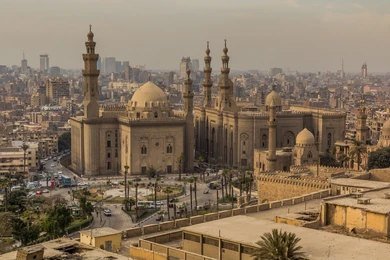
Rising majestically in the heart of Cairo, the Sultan Hassan Mosque stands as one of the most extraordinary architectural achievements of the Islamic Golden Age. Constructed during the 14th century, this mosque-madrasa complex has captured hearts for centuries with its grandeur, exquisite detailing, and sheer scale. As one approaches its towering façade, the harmony between power and faith becomes almost palpable. Sultan Hassan Mosque isn’t just a historical site; it’s a monumental reflection of Islamic art, Mamluk engineering genius, and Egypt’s rich cultural tapestry. Travelers, historians, and photographers consider it one of the most mesmerizing mosques in the Islamic world, a masterpiece harmonizing history, symmetry, and spirituality in one breathtaking blend.
Commissioned by Sultan An-Nasir Hassan of the Mamluk dynasty in 1356 AD, this mosque was designed to house not only a place of worship but also an institution for Islamic learning. Its massive walls, intricate carvings, and lofty minarets evoke awe and reverence. The monument’s design was revolutionary for its time, setting a precedent for mosque architecture across the Islamic world. Every curve, column, and carving reflects intricate craftsmanship that defies imagination. Visitors today who join specialized Cairo Day Tours often highlight this mosque as their most profound encounter with Islamic art and history.
Standing opposite the majestic Al Rifai Mosque and near the enduring Citadel of Salah El-Din, the Sultan Hassan Mosque contributes to one of Cairo’s most iconic cityscapes. Its legacy extends beyond faith—representing resilience, architectural superiority, and a timeless testament to Egypt’s spiritual depth. Let’s uncover its history, architecture, and everlasting cultural importance.
The Historical Significance of Sultan Hassan Mosque in Cairo
The Sultan Hassan Mosque is not merely a religious structure. It represents an era of power, opulence, and artistic awakening in medieval Cairo. Erected under the reign of Sultan Hassan, the mosque was constructed at a time when the Mamluk Sultanate was at its zenith. After regaining the throne from turmoil and political instability, Sultan Hassan ordered a grand mosque that would symbolize his authority and his devotion to Islam. The result? One of the most ambitious architectural endeavors the Islamic world had ever seen.
Spanning nearly 7,906 square meters, it was an engineering miracle considering the tools of the era. Historians even dubbed it the ‘Pyramid of Islamic Architecture’ due to its sheer size and perfection. Many of those intrigued by Egypt’s multifaceted religious history pair their mosque visit with experiences such as the Coptic and Islamic Cairo Tour, which explores Cairo’s layered spiritual narrative—from ancient Christian shrines to Islamic marvels like Sultan Hassan Mosque and beyond.
Founding Vision: Sultan Hassan’s Determination and Faith
Sultan Hassan ascended the throne as a young ruler whose reign was marked by challenges. His vision for building a colossal mosque symbolized more than spirituality—it symbolized continuity amid chaos. He appointed accomplished architects and artisans, orchestrating an extraordinary symphony of marble, stone, and geometric ingenuity. Tragically, he didn’t live to see its completion, but the enduring mosque became his eternal legacy—standing tall for over six centuries as his monument of faith.
Mamluk Creativity and Architectural Influence
The design of Sultan Hassan Mosque was revolutionary. It wasn’t just grand; it was ingeniously functional. The mosque integrated a madrasa (school) system designed to teach the four main Sunni schools of thought—Hanafi, Maliki, Shafi’i, and Hanbali—within the same complex. This multi-purpose concept influenced future Islamic learning centers across the Middle East. Its distinct blend of Persian and Syrian design elements showcased Cairo’s pivotal position as a hub of culture and education. Visitors who embark on historical journeys such as the Private Tour to the Pyramids and Khan Khalili Bazaar often combine it with a visit to Sultan Hassan Mosque for a deeper appreciation of Cairo’s fusion of faith and heritage.
Architectural Marvel: A Masterpiece of Islamic Artistry
The Sultan Hassan Mosque is celebrated worldwide for its extraordinary architectural elegance. The massive pointed arch gateway, reaching almost 38 meters high, astonishes visitors upon entry. The enormous bronze doors, intricately decorated with Quranic calligraphy, open into a hypnotic courtyard surrounded by towering iwans. Sunlight dances on the polished marble floors as echoes of the adhān (call to prayer) fill the air, creating a transcendent aura of sacred tranquility.
The walls are adorned with Kufic inscriptions and geometric motifs, while the marble mihrab remains one of the finest ever carved. The minaret, among Cairo’s tallest, soars above the city, overseeing its ancient skyline with quiet grandeur. For those exploring Cairo’s architectural heritage through curated experiences like the Alabaster Mosque of Muhammad Ali or the Islamic Art Museum, Sultan Hassan Mosque offers the unrivaled climax of artistry and ingenuity.
The Grand Courtyard and Iwans
At the heart of the complex lies a vast courtyard bordered by four monumental iwans. Each iwan, vault-like and richly adorned, is devoted to a particular Islamic school of law. The central ablution fountain glimmers beneath a wooden dome, revealing years of careful preservation. The acoustics are exceptional, amplifying chants during prayers—a fine example of early acoustic engineering. Scholars often reference this courtyard in architectural study programs similar to those spotlighted in heritage explorations like El Moez Street, the beating heart of Islamic Cairo.
The Marble Mihrab and Minbar
The mosque’s mihrab (prayer niche) is dazzling. Gilded marble slabs, intricate mosaics, and gilded inscriptions converge into artistry that speaks of divinity. The minbar (pulpit) beside it, made of inlaid wood and mother-of-pearl, retains its original form—a masterpiece unmatched across North Africa. Craftsmen of the time imported marble from distant quarries, showcasing Cairo’s role as a global art destination centuries ago.
Stone Masonry and Domes
The craftsmanship of the carved stonework reflects Mamluk excellence. The domes, once among Cairo’s most ambitious, define spatial balance and beauty unparalleled in medieval Islamic construction. Although restorations altered some features, the mosque’s original soul persists—its strength and harmony remain untouched, much like the eternal architectural expressions one witnesses during an exploration of Luxor Temple.
Cultural Legacy: Sultan Hassan Mosque Through the Centuries
The Sultan Hassan Mosque isn’t just a relic—it’s a living monument breathing through Cairo’s rhythm. It has endured political turmoil, earthquakes, and wars, yet remains a vibrant epicenter of spirituality. Throughout centuries, scholars, Sufi mystics, and travelers have gathered here for dialogue, prayer, and learning. The mosque’s design later inspired several mosques in regions from Damascus to Istanbul. Its enduring cultural pulse remains central to Islamic Cairo, serving as an architectural timeline of the city’s evolution.
Even for modern tourists exploring Egypt’s diversity through packages such as Egypt Vacation Packages or Luxury Egypt Tours, Sultan Hassan Mosque provides an intimate window into Cairo’s soul—where faith meets art in an eternal embrace.
The Mosque’s Role in Islamic Education
During the 14th and 15th centuries, the Sultan Hassan Mosque was among Cairo’s grandest centers of Islamic scholarship. Generations of students learned jurisprudence, literature, and astronomy beneath its domes. It embodies an era when Cairo thrived as a beacon of learning across the Islamic world. Its madrasa-system blueprint inspired countless institutions, much like how the Al Azhar Mosque became synonymous with global Islamic education.
Modern Conservation and Tourism
The Egyptian government and international heritage organizations have preserved the mosque with diligence. Restoration projects focus on preserving its marble details, minarets, and halls for generations to admire. Whether visited through a Day Tour from Cairo or integrated into broader cultural journeys, it remains an unmissable treasure for heritage enthusiasts and architectural connoisseurs alike.
The Mosque in Popular Culture
Many filmmakers, photographers, and novelists have found inspiration within its monumental shadow. The mosque has appeared in historical documentaries and modern productions alike. Its sheer presence continues to shape Cairo’s identity, acting as both muse and monument for artists seeking authentic Egyptian scenes.
Tips for Visiting Sultan Hassan Mosque
For travelers drawn by history and elegance, a visit to Sultan Hassan Mosque is a must. Early mornings or late afternoons illuminate the courtyard in golden hues—perfect for serene photography moments. Modest attire is required, and visitors are encouraged to explore both the interior and the view across to the Al Rifai Mosque for the complete Cairo skyline experience. Many travelers include the mosque visit in curated Egypt Day Tours for a deeper dive into Islamic and Mamluk heritage.
Nearby Attractions Worth Exploring
The Citadel of Salah El-Din, the Alabaster Mosque, and the bustling Khan El Khalili Bazaar are all within proximity. For those seeking relaxation after a day steeped in Cairo’s history, luxurious cruise experiences such as the Luxury Dahabiya Nile Cruise offer a tranquil contrast—sailing between serenity and elegance.
Frequently Asked Questions About Sultan Hassan Mosque
What is the Sultan Hassan Mosque famous for?
The Sultan Hassan Mosque is celebrated for its massive scale, majestic design, and role as a historical and educational complex. It represents Mamluk architecture at its peak, symbolizing both devotion and architectural mastery in Islamic Cairo.
When was the Sultan Hassan Mosque built?
Construction began in 1356 AD under Sultan An-Nasir Hassan and continued for about seven years. Despite the Sultan’s early death, his vision of a monumental place of worship and learning was fully realized.
Where is Sultan Hassan Mosque located?
The Sultan Hassan Mosque sits opposite Al Rifai Mosque in the historic district near the Citadel of Salah El-Din, in Cairo, Egypt. This area is a cornerstone for those exploring the Islamic heritage of the city.
What makes the architectural design unique?
The mosque’s four-iwan layout, its towering entrance, and exquisite marble mihrab distinguish it from other mosques. The integration of multiple madrasa schools within a single structure was innovative, making it both functional and elegant.
Can non-Muslim visitors enter Sultan Hassan Mosque?
Yes, non-Muslim visitors are welcome to explore Sultan Hassan Mosque. Modest dress and respectful behavior are expected. Guided visits often provide deeper insights into its religious and artistic importance, available through many Egypt Private Tours.