Ras Mohammed National Park – Egypt’s Aquatic Paradise of Coral, Desert, and Adventure
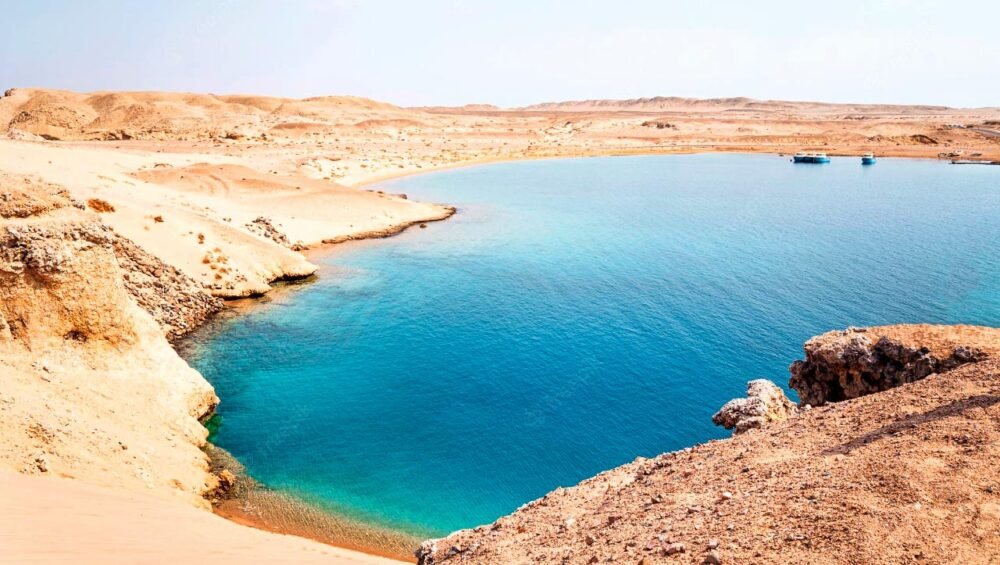
At the southernmost tip of the Sinai Peninsula, where the Red Sea meets the Gulf of Aqaba, lies Ras Mohammed National Park, a natural wonderland that captures Egypt’s most spectacular marine life and desert terrain. This dazzling reserve isn’t just another stop on Egypt’s tourist map—it’s the ultimate meeting point of land and sea, offering pristine coral reefs, turquoise lagoons, and an arid wilderness shaped by millennia of wind and waves. Established in 1983 as Egypt’s first national park, Ras Mohammed protects over 480 square kilometers of unique ecosystems, attracting divers, nature photographers, and adventure seekers from across the world. The second you set foot here, you’re surrounded by untamed beauty. Every coral bloom, mangrove root, and limestone cliff whispers secrets of ancient seas and shifting sands.
The park’s breathtaking biodiversity—home to more than 200 coral species, 1000 fish species, and countless migrating birds—puts it among the top diving sites on Earth. With crystal-clear visibility and dramatic underwater cliffs, Ras Mohammed’s reefs compete with any tropical paradise. Yet, above water, its barren hills and shimmering salt ponds remind visitors that even in harsh environments, Egypt’s natural heritage thrives. Getting there is easy, just a short drive southwest of Sharm El Sheikh. Whether you’re snorkeling, diving, or simply exploring on foot, every experience at Ras Mohammed is a lesson in the resilience and beauty of nature.
Where Desert Meets the Deep: The Geography and Landscape of Ras Mohammed
Ras Mohammed National Park sits at the junction of the Gulf of Suez and the Gulf of Aqaba, a crossroads of geological drama and marine diversity. Its rugged shoreline includes cliffs sculpted by tectonic activity and postcard-perfect beaches lined with coral gardens. This strategic location gives the park a unique ecosystem where the arid desert collides with vibrant underwater life. The surrounding mountains and wadis, such as Wadi Wasa and Wadi Mahadi, form part of this spectacular landscape. Visitors often marvel at the Earthquake Crack—a dramatic fissure caused by seismic activity, symbolizing how dynamic and alive the region remains beneath the surface. The area’s geological formations, including sand dunes and fossilized coral terraces, reveal stories that date back millions of years.
Many travelers combine a park visit with nearby excursions like the iconic Mount Sinai & St. Catherine Monastery, turning their Red Sea getaway into a full-on immersion in Egyptian nature and spirituality. The juxtaposition of raw desert hills and the underwater kaleidoscope makes Ras Mohammed a dream for geologists and ecotourists alike.
The Coral Kingdom Beneath the Red Sea
What sets Ras Mohammed apart isn’t just its stunning scenery but its flourishing reef ecosystem. The park shelters over 200 coral species, forming vertical walls that drop deeper than most divers can explore. The reefs are living rainforests of the sea—home to angelfish, butterflyfish, lionfish, barracuda, and the occasional reef shark gliding majestically past. Sites like Shark Reef and Yolanda Reef are world-famous, combining rich coral shelves with spectacular wreck diving.
For travelers seeking an intimate look at this underwater paradise, taking a Snorkeling by Boat to Ras Mohamed tour provides the perfect chance. From shallow lagoons to vibrant drop-offs, every fin-kick reveals a masterpiece of marine biodiversity. The currents that sweep through these reefs carry nutrients that feed countless aquatic species, sustaining a perfectly balanced marine ecosystem.
Snorkeling and Diving Adventures in Ras Mohammed
Divers from around the globe flock to Ras Mohammed to experience its legendary visibility and breathtaking underwater topography. Shark Reef and Yolanda Reef are must-visit dive sites, where abundant marine species thrive among coral pinnacles. Shark Reef’s vertical walls drop over 700 meters, offering advanced divers an exhilarating plunge into the deep blue. Yolanda Reef, on the other hand, features the remains of an old cargo ship scattered with bathtubs, toilets, and pottery fragments, now colonized by sea fans and coral sponges—artifacts transformed into part of nature’s underwater museum.
Snorkelers can enjoy shallower lagoons such as Marsa Bereika, filled with colorful parrotfish, giant clams, and living coral gardens. The water clarity, often exceeding 30 meters, makes even the simplest swim feel cinematic. Visitors staying nearby frequently book Sharm El Sheikh Day Tours to access the best dive centers and guides, ensuring a seamless and safe adventure beneath the waves.
The Magical Salt Ponds and Mangrove Forests
Ras Mohammed isn’t just a diver’s Eden. Its land-based wonders are equally mesmerizing. One of the park’s highlights includes the shimmering salt ponds, natural basins formed by seawater trapped and evaporated over time. They sparkle like mirrors under the desert sun and change hues from emerald to pale turquoise depending on light conditions. Just a short distance away, the mangrove forests—unusual in such arid terrain—provide vital breeding grounds for migratory birds and marine organisms.
These mangroves are part of Egypt’s delicate coastal ecosystem, filtering water and mitigating erosion. Watching herons glide between the branches at dawn feels like witnessing an ancient rhythm of life still perfectly preserved. Visitors often pair this peaceful stop with an exhilarating experience like the Bedouin Safari and Star Gazing Tour, blending daytime exploration with cosmic wonder under the desert sky.
Wildlife and Birdwatching in Ras Mohammed
Birdwatchers consider Ras Mohammed a hidden gem. The park’s mangroves and lagoons host migrations of white storks, herons, and ospreys traveling between Africa, Asia, and Europe. On the desert plains, you might spot fox tracks or gaze at ibex climbing rocky slopes. The park even supports small populations of Nubian ibex and Dorcas gazelles—proof that wildlife thrives where the environment appears inhospitable. The dedication of Egypt’s conservation programs ensures these species are safeguarded amid the pressures of climate change and tourism growth.
What to Expect When Visiting Ras Mohammed National Park
Ras Mohammed offers both simplicity and splendor. Visitors can expect scenic lookouts, shaded picnic zones, sandy beaches, and marked trails for photography and exploration. Don’t miss the panoramic viewpoint overlooking the Gulf of Aqaba—a scene so vast it feels otherworldly. Swimming and snorkeling here are permitted within designated zones to protect fragile coral beds. Eco-conscious travelers love the park’s balance between access and preservation, making it a model for sustainable tourism.
Those exploring Egypt on extended trips may find it convenient to weave Ras Mohammed into broader itineraries such as an Egypt Vacation Package or a relaxing escape featuring All Inclusive Egypt Vacations. Whether traveling solo or with family, the park’s infrastructure ensures comfort without compromising its wild authenticity.
Getting to Ras Mohammed from Sharm El Sheikh
Located just 25 kilometers south of Sharm El Sheikh, the park is easily accessible by car or organized tours. Many travelers opt for private transfers or join eco-boat trips that dock directly in sheltered lagoons. Early morning visits are ideal to beat the heat and capture the best light for photography. The entrance requires a small fee, which goes directly to the park’s maintenance and conservation.
For those keen to extend their Red Sea getaway, pairing Ras Mohammed with a Luxury Egypt Tour can enhance your itinerary with style, providing private guides and tailored diving sessions. Photographers will appreciate the soft glow of dawn hitting the limestone cliffs and the sight of coral shallows glowing beneath calm waters.
Best Time to Visit Ras Mohammed
Winter and spring, from October to April, provide the best conditions for exploring Ras Mohammed National Park. Temperatures average around 25°C, offering comfortable conditions both on land and underwater. Summer months can feel hot, but even then, many divers prefer the warm water and abundant marine life. Visibility during these months often peaks, showcasing spectacular coral gardens in all their glory.
Top Travel Tips for Exploring Ras Mohammed
Visitors should bring sunscreen, eco-friendly swimwear, snorkel gear, and plenty of water. Touching coral or removing shells is prohibited to preserve the marine ecosystem. Hiring a licensed local guide ensures a safer and more educational experience, providing insights into marine life, geology, and environmental conservation. It’s also advisable to book tours such as Scuba Diving Sharm El Sheikh if you’re seeking a deeper underwater adventure led by experts familiar with the area’s currents and ecology.
Nearby Attractions Worth Visiting
Combine your trip with a desert adventure to Colored Canyon or a cultural escape to St. Catherine’s Monastery. For a contrast between tranquil sea and vibrant desert, drive northward to Dahab, where you’ll find laid-back diving and otherworldly sites like the Blue Hole. Ras Mohammed’s proximity to these natural icons makes it the centerpiece of any Sinai itinerary.
Why Ras Mohammed Stands Out Among Egypt’s National Parks
Egypt boasts remarkable protected areas, from Wadi El Gemal National Park on the Red Sea coast to Gebel Elba near the Sudanese border. Yet Ras Mohammed remains the crown jewel because of its remarkable convergence of biodiversity, accessibility, and beauty. Its coral reefs are some of the healthiest in the world, thanks to strict conservation practices and limited coastal development. Egypt’s environmental authorities have invested significantly in maintaining this marine sanctuary, ensuring that mass tourism doesn’t disrupt its equilibrium.
For eco-conscious travelers, visiting Ras Mohammed represents more than sightseeing—it’s a statement of support for sustainable travel. Its preservation success is a model for coastal conservation within the entire Red Sea region. Every encounter here—whether swimming among colorful fish or watching the desert sunlight flicker on calm tides—becomes a powerful reminder of our planet’s interdependence.
Frequently Asked Questions About Ras Mohammed National Park
What’s the best way to reach Ras Mohammed National Park?
Ras Mohammed is roughly a 45-minute drive from Sharm El Sheikh. Visitors can rent a car, take a taxi, or join a guided day trip via Egypt Day Tours. Organized tours often include snorkeling gear, lunch, and entrance fees, making them convenient options.
Do I need a permit or special pass to visit the park?
No special permit is required beyond the standard park entrance fee. The ticket can be purchased at the gate, and proceeds support environmental conservation programs.
Is Ras Mohammed suitable for families and non-divers?
Absolutely. While divers adore the reefs, the park also features beaches for swimming, observation decks, and walking trails ideal for families. Its shallow lagoons provide great snorkeling even for beginners.
When is coral viewing at its best?
Coral viewing peaks between March and October when waters remain warm, and marine activity thrives. Early morning and late afternoon dives often reveal schools of fish shimmering in golden light—perfect for photography enthusiasts.
Can I camp overnight inside Ras Mohammed?
Camping inside the park is restricted to protect its fragile environment. However, nearby accommodations in Sharm El Sheikh offer easy access for day visitors planning repeated excursions.
Final Thoughts on Ras Mohammed National Park
Ras Mohammed National Park isn’t simply a destination—it’s a living showcase of Egypt’s ecological wealth. Where other attractions highlight ancient monuments, this park celebrates nature’s timeless artistry. Here, the colors of the Red Sea rival any gemstone, and the quiet pulse of the desert balances