Wekalet El Ghouri: A Gateway to Cairo’s Vibrant Heritage and Living Art
Hidden in the beating heart of Islamic Cairo lies one of Egypt’s most captivating cultural wonders — Wekalet El Ghouri. This magnificent Ottoman-era caravanserai, just a short walk from the iconic El Moez Street, stands as a dazzling reflection of Egypt’s deep artistic soul. From its intricate architecture to its immersive performances of Sufi dance and traditional music, Wekalet El Ghouri is more than a monument — it’s an experience that binds history, art, and spirituality in a single breath-taking setting.
Visitors flock here not just for the visual treat but for the emotional journey it inspires. Every carved wood panel, every melody, every twirling skirt of the Tanoura dancers echoes centuries of Egyptian storytelling. The air inside is thick with incense, harmony, and heritage, making it one of the best destinations for travelers who crave authenticity. Whether you’re strolling through Islamic Cairo or exploring hidden gems like Wekalet El Ghouri, every visit becomes a rendezvous with timeless artistry. For anyone planning to experience Egypt in its rawest cultural form, this venue is a quintessential stop that promises to stir both heart and imagination.
To fully appreciate Wekalet El Ghouri, one must go beyond the performances and immerse in its historic role as a social hub. It once served merchants traveling across continents, offering rest, trade, and connection. Today, those echoes of the past mingle with live music, creating a living museum that bridges Egypt’s folklore and urban energy. It’s where old stone corridors embrace modern cultural expression — the perfect setting for anyone embarking on Cairo Day Tours to explore the city’s most enchanting landmarks.
The Historical Roots of Wekalet El Ghouri in Islamic Cairo
Wekalet El Ghouri traces its origins back to the early 16th century, during the reign of Sultan Qansuh El Ghouri — the last ruler of Egypt’s Mamluk dynasty. As a thriving trading hub, the complex was constructed to accommodate merchants’ caravans coming from Asia, Africa, and Europe. Its architecture was both practical and majestic, featuring multiple floors of storage spaces and residential quarters surrounding an elegant central courtyard. The purpose was clear — encourage commerce, foster exchange, and reflect Cairo’s prosperity.
Unlike many other caravanserais of its era, Wekalet El Ghouri stood out for its intricate decorations. Its sprawling wooden balconies, stone mashrabiyas, and finely carved doorways offered a glimpse into the artistry of Mamluk craftsmanship. For history enthusiasts taking part in Egypt Day Tours, this site’s beautifully preserved details illuminate the elegant fusion of trade and art that once defined Cairo’s soul.
From Trade Routes to Cultural Revival
As centuries passed, the commercial bustle faded, and Cairo evolved beyond being a caravan capital. However, Wekalet El Ghouri found new life through restoration efforts led by the Egyptian Ministry of Culture. The transformation turned the site into a radiant stage for traditional folk performances, propelling it back to prominence. Today, it welcomes thousands who arrive from Egypt Vacation Packages seeking encounters that connect them deeply with authentic local traditions.
Every performance hosted here is a living testament to Egypt’s diversity, mirroring the musical tales of Nubia, the melodious rhythms of Upper Egypt, and the spiritual chants rooted in Sufism. This revival of old within new walls symbolizes Cairo’s perpetual dance with time — eternally ancient yet always alive.
The Captivating Architecture of Wekalet El Ghouri
When stepping through Wekalet El Ghouri’s monumental gateway, visitors enter an oasis of Mamluk artistry. The building’s layout revolves around a rectangular courtyard, designed for trade activities and performances alike. Surrounding walls reach skyward, adorned with geometric mosaics and arabesque motifs. The structure’s four-story elevation creates a blend of intimacy and grandeur — each floor housing small rooms that once sheltered traders and their goods.
The woodwork inside is nothing short of a masterpiece. Panels of seasoned cedar and walnut carve out poetic stories through their patterns. As warm light filters into courtyards, the whole compound becomes a play of shade and shimmer — ideal for photographers enchanted by historical aesthetics. The architectural splendor rivals that of nearby wonders such as the Sultan Hassan Mosque or the elegant Al Azhar Mosque, portraying Cairo’s commitment to beauty in function and form.
Tanoura Dance: The Soul of Wekalet El Ghouri
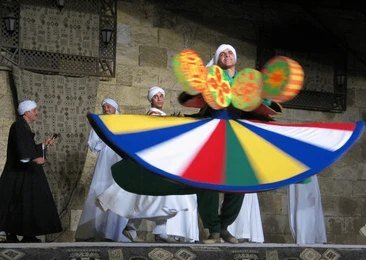
One cannot speak of Wekalet El Ghouri without the mention of its breathtaking Tanoura dance – Egypt’s adaptation of the whirling dervish. The performance, steeped in spirituality, unfolds in a hypnotic swirl of color and motion. Dancers clad in multicolored skirts spin gracefully to traditional folk music, embodying the eternal connection between man and the divine. Locals and foreigners alike are captivated by the trance-like rhythm echoing within the stone walls.
This mesmerizing art has become synonymous with Wekalet El Ghouri, drawing culture lovers from all corners of the globe. Visitors often weave it into multifaceted journeys like the 8 Days Best Egypt Tour with Nile Cruise, granting a perfect balance of spiritual and visual wonder. Each rhythm and rotation tells a thousand stories — of deep-rooted faith, community, and transcendence.
How to Visit Wekalet El Ghouri: Location and Tips
Wekalet El Ghouri is strategically located in the Al-Azhar district, adjacent to El Moez Street and near Khan El Khalili Bazaar. The closest landmarks include the famed Citadel of Salah El-Din and Al Azhar Park, offering visitors a full immersion in Cairo’s medieval charm. The Tanoura show usually takes place on specific evenings each week, beginning after sunset to heighten its mystical ambiance.
It’s recommended to arrive early to secure front-row seats since the venue attracts large crowds. Many visitors pair their Wekalet El Ghouri evening with a prelude through the nearby streets of Islamic Cairo, snapping stunning images of minarets and mosques illuminated under the night sky. Afterward, a short stroll may lead you to savor local cuisine — koshari, falafel, and warm cups of mint tea — giving you a comprehensive cultural indulgence rarely found elsewhere.
Combining Wekalet El Ghouri with Other Cairo Attractions
For an unforgettable day, cultural explorers often weave a visit to Wekalet El Ghouri into packed itineraries featuring landmarks like the Grand Egyptian Museum or Cairo City itself. Travelers who crave deeper historical exposure can also join the Private Tour to Pyramids, Sakkara and Dahshur for a complete blend of ancient and Islamic heritage.
Families and solo travelers alike can opt for flexible arrangements through expert organizers such as Cindrella Egypt Travel, ensuring seamless coordination between Cairo’s top performing arts and its vast archaeological wonders.
Spiritual Significance Behind Tanoura and Sufism
The Sufi roots of Tanoura highlight faith embodied through motion. In Sufism, whirling represents spiritual ascension — the journey of mankind toward divine perfection. Each dancer spins around his center point symbolizing the harmony of the universe and the eternal presence of God. The choreography in Wekalet El Ghouri follows this symbolism, turning art into worship. For spectators, it’s a soul-stirring experience that transcends language and culture.
Modern Relevance and Preservation
Despite being centuries old, Wekalet El Ghouri stands firm as Cairo’s pulsating link between the past and present. It mirrors Egypt’s commitment to safeguarding folk heritage amid modernization. Cultural preservation projects ensure regular maintenance, and performances are curated to keep ancient art forms relevant to younger generations. This ongoing revival connects residents and tourists alike, breathing eternal life into Cairo’s artistic veins.
Visitors exploring Egypt Private Tours often list this venue as a must-see due to its ability to encapsulate authenticity in every act. Beyond the show, visitors sense pride, community, and belonging — values deeply ingrained in Egyptian identity.
What Makes Wekalet El Ghouri a Must-See Cultural Experience
Simply put — no trip to Cairo feels complete without attending a night at Wekalet El Ghouri. It’s not just a performance; it’s storytelling in motion, a meeting ground where rhythm unites cultures. The sensory explosion of lights, music, and movement interweaves ancient spirituality with modern artistry, mesmerizing the audience into silence. Travelers who embark on immersive journeys such as the 7 Days Cairo and Nile Cruise by Flight often highlight the Tanoura show as an experience of a lifetime.
The Role of Wekalet El Ghouri in Cairo’s Cultural Scene
In the age of digital entertainment, Wekalet El Ghouri remains a counterbalance — an authentic portal where humanity’s heartbeat echoes louder than machinery. Artists performing inside its stone halls preserve songs and folklore passed down through generations. The venue also supports local craftsmen by showcasing exhibitions of traditional instruments, calligraphy, and handmade souvenirs that echo Cairo’s enduring creativity. Its mission goes beyond mere tourism — it’s a living classroom of cultural continuity.
Evening Ambience and Visitor Impressions
As night descends, lanterns flicker against carved walls, projecting shadows that waltz with the music. The courtyard fills with applause as dancers whirl in harmony with rhythmic drums. Each performance concludes with a jubilant crowd lost between awe and joy. Visitors often describe it as transcendental — an overwhelming blend of emotion and energy. It’s here, surrounded by centuries-old stones, that travelers realize culture isn’t static — it evolves with every performance at Wekalet El Ghouri.
Frequently Asked Questions About Wekalet El Ghouri
Where is Wekalet El Ghouri located in Cairo?
Wekalet El Ghouri is situated in the Al-Azhar district, a historic neighborhood in Islamic Cairo. It’s near the bustling El Moez Street and across from Al Azhar Mosque, making it easily accessible during any Coptic and Islamic Cairo Tour.
What time do the Tanoura performances begin?
The Tanoura shows typically start after sunset, around 7:30 PM or 8:00 PM, on selected evenings each week. Visitors are encouraged to arrive early to secure a good view and explore the architecture before the performance begins.
Is photography allowed during the show?
Photography is generally permitted but using flash is discouraged to maintain the atmosphere and respect performers. Always check with the staff before shooting videos to adhere to venue guidelines.
How can visitors include Wekalet El Ghouri in their Egypt itinerary?
Travelers can easily include Wekalet El Ghouri in tailored experiences like the 4 Day Cairo Tour Package or 7 Day Egypt Tour. These itineraries combine Cairo’s main attractions with unforgettable cultural evenings.
Why is Wekalet El Ghouri considered essential for cultural travelers?
Because it embodies Egypt’s artistic heartbeat, merging heritage, music, and dance into a spectacle that reveals the essence of Egyptian identity. Frankfurt or New York might dazzle with modern art, but only Wekalet El Ghouri can transport you through centuries in a single spin of a dancer’s skirt.