
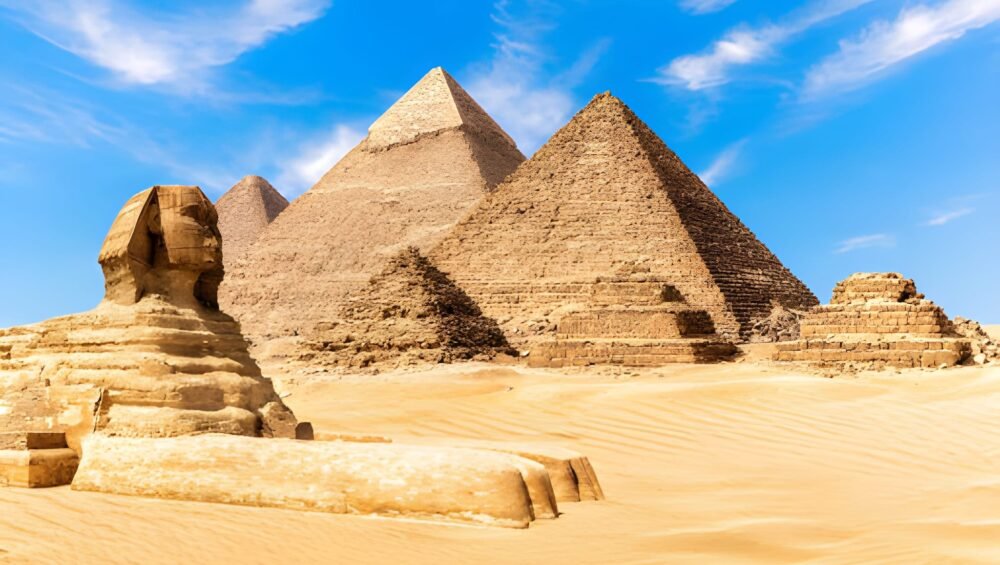
Memphis Egypt – The Old Egyptian Capital and Eternal Heart of Civilization
Memphis, Egypt, the dazzling capital of the ancient empire, wasn’t just a city—it was the very soul of early civilization. Sitting gracefully at the mouth of the Nile Delta, this city was the cradle of Egyptian unity, artistry, and power. Known in ancient Egyptian as *Inebu-Hedj*, meaning “The White Walls,” Memphis symbolized authority, divinity, and architectural refinement. Founded by King Narmer (also known as Menes) around 3100 BCE, it became the heartbeat of Egypt, uniting Upper and Lower Egypt into one mighty kingdom. For centuries, Memphis was home to kings who shaped the destiny of the ancient world and built monumental legacies that still whisper tales of grandeur through their ruins today.
The story of Sakkara Necropolis and nearby archaeological treasures begins and ends with Memphis. The city hosted the god Ptah, the patron deity of craftsmen and architects, whose temple once glistened with alabaster statues. Every pharaoh felt the magnetic pull of this sacred place; every ruler wanted to be associated with its cosmic order. From the awe-inspiring colossus of Ramses II to the mysterious Temple of Ptah, Memphis Egypt remains a breathtaking fusion of history, artistry, and myth, offering glimpses into the very foundations of Egyptian identity. This ancient capital influenced neighboring sites like Saqqara Pyramids, Dahshour, and even the evolution of pyramid architecture that defined the Old Kingdom. Today, its open-air museum stands as a timeless reminder of human ingenuity and faith.
Historical Origins of Memphis: Birthplace of a Unified Egypt
Memphis Egypt carries an origin story drenched in legend and power. According to early chronicles, Pharaoh Menes (or Narmer) founded the city after uniting Upper and Lower Egypt. Strategically located at the apex of the Nile Delta, Memphis was perfectly positioned to guard trade routes and assert royal dominance. It became Egypt’s administrative, religious, and cultural hub, bridging Cairo’s area with the evolving Nile civilization.
For nearly two millennia, Memphis was the epicenter of political control before Thebes and later Alexandria rose in prominence. At its zenith, the city sprawled with temples, schools, granaries, and workshops—an architectural symphony dedicated to the gods and the greatness of Egyptian rule. Nearby, the sacred necropolis of Sakkara complemented its divine resonance, with the Temple of Seti and the Step Pyramid of Djoser serving as epic echoes of Memphis’s spiritual magnetism.
The Strategic Location of Memphis and Its Lifeline – The Nile River
Memphis’s success lay in its geostrategic brilliance. Nestled near where the Nile splits into its delta tributaries, the city became a vital link between northern and southern Egypt. This position made it the heartbeat of commerce, connecting agricultural abundance with bustling trade from Nubia, the Levant, and beyond. The Nile River wasn’t merely a waterway for Memphis—it was the artery of life, feeding prosperity into every corner of the ancient capital.
Through the river’s blessings, the people of Memphis could cultivate, trade, and worship. The port facilities allowed imports of alabaster, gold, and cedar wood from Lebanon, promoting a booming artisan scene dedicated to creating devotional statues and royal treasures. Temples along the Nile mirrored celestial order, reinforcing the divine harmony between nature and human endeavor. It’s no wonder Memphis became synonymous with abundance and order—the very principles upon which Egyptian civilization thrived.
The Temple of Ptah – Memphis’s Divine Core
At the sacred nucleus of Memphis stood the monumental Temple of Ptah, the god of creation and craftsmanship. Believed to have inspired the Greek term “Aigyptos,” the temple set Memphis apart as a spiritual metropolis. Inside, the high priests of Ptah conducted ceremonies to bless pharaohs and artisans before major state projects. The temple also housed sacred statues, including the awe-striking alabaster sphinx and numerous colossal sculptures that glorified divine kingship.
The worship of Ptah extended beyond ritual—it embodied the craftsmanship that built the Sphinx Statue, pyramids, and temples scattered across Egypt. Every artisan in Memphis was considered a divine tool, forging creation from chaos through their work in Ptah’s name. The temple’s design, aligned with cosmic laws, reflected the ancient Egyptians’ belief that Memphis was literally the first mound of creation where life began.
Cultural and Artistic Brilliance: From Sculpture to Symbolism
Memphis Egypt wasn’t just a seat of power—it was a powerhouse of art and innovation. Its sculptors and architects revolutionized stonework, developing exquisite techniques later mastered at sites like Luxor Temple and Abu Simbel Temples. From colossal statues of Ramses II to intricate carvings depicting divine rituals, Memphis laid the groundwork for Egypt’s unique artistic identity.
The city’s artisans raised monuments not only for gods and pharaohs but also for eternal harmony. Art from Memphis emphasized proportion, serenity, and divine perfection—a reflection of how Egyptians viewed themselves as cosmic participants in an ordered universe. Even the city’s necropolises reflect balance between life and death, showing humanity’s never-ending pursuit of immortality.
Memphis as a Gateway for Modern Exploration
Today, visitors to Memphis step into an open-air museum teeming with remnants of glory. Towering over the site is the magnificent Colossus of Ramses II—one of ancient art’s greatest marvels. Nearby lies the alabaster sphinx, radiating silent strength and mystery. Modern explorers often combine trips to Memphis with the nearby Step Pyramid, making it a pivotal attraction on any Cairo Day Tour. The site epitomizes Egypt’s eternal dialogue between past and present, where every statue whispers stories etched in eternity.
Adventurers seeking immersive journeys may also extend their exploration through Egypt Day Tours or luxurious Nile cruise programs like the Luxury Dahabiya Nile Cruise. A visit to Memphis blends seamlessly with other timeless Egyptian experiences, such as exploring the Grand Egyptian Museum or wandering the majestic ruins at The Valley Temple.
The Decline and Rediscovery of Memphis Egypt
As centuries passed, Memphis witnessed a gradual decline. By the time Alexander the Great founded Alexandria, Memphis had already seen its royal light dim. Yet, its cultural influence never truly faded. It remained a cherished religious center through the Ptolemaic and Roman eras. Over time, shifting Nile courses buried parts of the city under layers of silt and sand, leaving explorers with tantalizing fragments of its glory.
Rediscovered by archaeologists during the 19th and 20th centuries, Memphis astonished historians with its sophisticated urban planning, temple structures, and artistic relics. Many of these masterpieces now reside in museums, while the in-situ artifacts at Memphis offer visitors a direct connection to Egypt’s earliest circle of civilization. Tours connecting Memphis with Day Tour to Pyramids, Memphis and Sakkara reveal this seamless narrative of Egyptian history.
Why Memphis Still Matters in the Modern Age
Memphis, Egypt, may have lost its title as the capital long ago, but its spirit reigns eternal. It’s not merely an archaeological site—it’s the birthplace of Egyptian culture, religion, and monarchy. The city laid the ideological groundwork for kingship and cosmic order that persisted through every dynasty. Standing among its ruins, one doesn’t just see crumbling stones but the foundation of civilization itself.
Modern travelers find Memphis both awe-inspiring and humbling, realizing that the legacy of humankind’s first capital still radiates through Egypt’s art, architecture, and even tourism today. It remains a timeless testament to what humanity can achieve through unity, vision, and reverence for creation.
FAQs about Memphis Egypt, The Old Egyptian Capital
What was the main significance of Memphis Egypt?
Memphis Egypt served as the first unified capital of ancient Egypt. Its significance lies in being the political, cultural, and religious heart of the Old Kingdom. It symbolized order, divine kingship, and creative energy under the protection of the deity Ptah.
Where is Memphis Egypt located today?
Modern-day Memphis lies about 20 kilometers south of Cairo, near the town of Mit Rahina. It sits close to major archaeological landmarks like Saqqara, Dahshur, and Giza, making it an essential stop for those exploring the heritage of ancient Egypt.
What can visitors see at the Memphis archaeological site?
Visitors can explore an open-air museum displaying colossal statues of Ramses II, the alabaster sphinx, fragments of temple columns, and a range of royal inscriptions. Memphis offers a serene yet thrilling glimpse into the origins of Egyptian art and architecture.
Who founded Memphis Egypt?
King Narmer, known as Menes, is traditionally credited with founding Memphis around 3100 BCE after uniting Upper and Lower Egypt. His monumental achievement in establishing the city marks the dawn of the first Egyptian dynasty and the birth of organized governance.
Why should tourists include Memphis in their Egypt itinerary?
Memphis provides a deep historical context for understanding Egypt’s evolution. Its proximity to iconic sites such as Sakkara and Dahshur makes it ideal for tours combining the origins of pyramid construction and the rise of pharaonic civilization. Moreover, it forms a captivating segment in many Egypt Vacation Packages and Luxury Egypt Tours, appealing to history enthusiasts and adventure seekers alike.


