The Timeless Majesty of the Sphinx Statue: An Enduring Symbol of Ancient Egyptian Grandeur
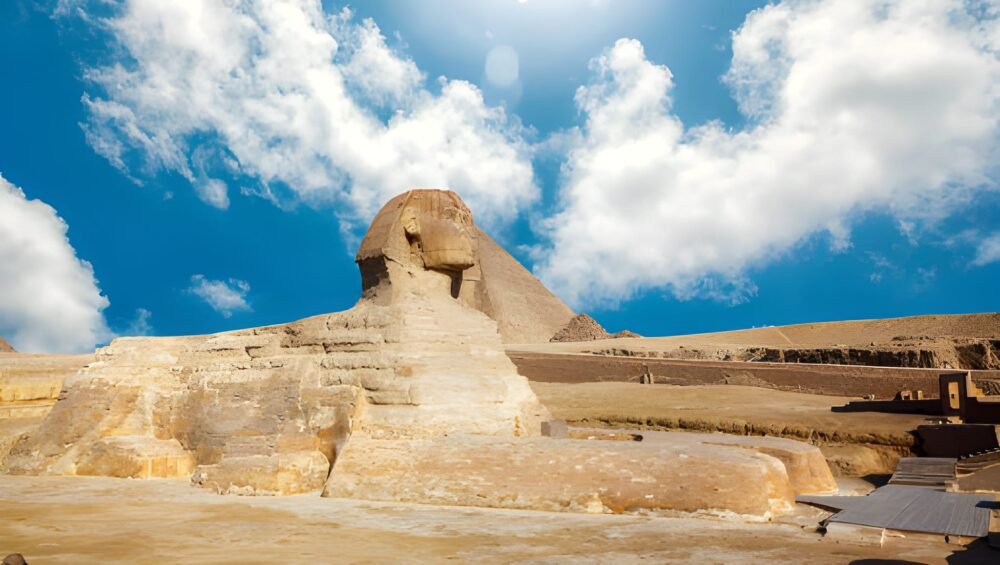
The Sphinx Statue stands as one of Egypt’s most recognizable landmarks—a colossal guardian carved from limestone, embodying millennia of mystery, power, and faith. Towering with the body of a lion and head of a pharaoh, this enigmatic sculpture has sparked intrigue for centuries. Located on the Giza Plateau near the Great Pyramids, the Great Sphinx of Giza is more than a monument; it’s a story told in stone, a silent witness to the rise and fall of dynasties and civilizations. Its sheer size, symbolism, and spiritual significance make it an irreplaceable icon of ancient Egyptian culture. Travelers, historians, and archaeologists alike flock to its mighty paws to uncover its secrets, interpret its expression, and marvel at humanity’s ability to blend art with divine purpose.
Carved around 2500 BCE during the reign of Pharaoh Khafre, the Sphinx Statue is believed to represent his likeness fused with the powerful body of a lion, symbolizing strength and wisdom. Time, wind, and sand have weathered its features, yet its aura remains unbroken. Whether you visit it during the golden hours of sunrise or under the silver glow of the moon, the Sphinx commands reverence. Exploring this marvel is often combined with a trip across the Giza Plateau, accessible through guided experiences like Cairo Day Tours or a breathtaking Day Tour to the Pyramids & the Nile. History blends seamlessly with myth here, making every visit unforgettable.
Historical Background of the Great Sphinx Statue
The Sphinx Statue’s origins are steeped in ancient Egyptian mythology and royal tradition. Commissioned during the Fourth Dynasty, around 2558–2532 BCE, it’s attributed to Pharaoh Khafre, whose pyramid sits nearby. Crafted from a single limestone outcrop, it measures approximately 73 meters long and 20 meters high, a testament to Egyptian artisans’ precision and craftsmanship. Many historians believe that the Sphinx served as a spiritual sentinel guarding the pyramid complex, symbolizing both divine protection and the merging of human intellect with animal prowess.
The Sphinx’s name derives from Greek mythology, yet its Egyptian name, ‘Hor-em-akhet’—meaning ‘Horus of the Horizon’—reveals its celestial significance. Egyptians saw it as an incarnation of Ra, the sun god, perpetually watching over the land. Visitors today often expand their journey from the Sphinx to include a stop at the The Valley Temple, a sacred site closely linked to Khafre’s funerary rituals, offering insight into the ceremonial practices surrounding death and resurrection in ancient Egypt.
The Architectural Genius Behind the Sphinx Creation
Imagine sculptors wielding copper chisels and stone hammers, shaping a mammoth rock into a masterpiece that defied both time and technique. The Sphinx Statue’s design isn’t just impressive for its scale; it’s revolutionary. Engineers and laborers carved the monument directly into the bedrock, showcasing early mastery of proportion and perspective. The limestone used varies in density, explaining why parts of the Sphinx have eroded unevenly. Restoration works throughout history—from ancient times to modern conservation—have helped preserve its monumental form against natural and human-made threats.
Those charmed by the architectural prowess of ancient Egypt might also find wonder in a visit to the Luxor Temple and Ramesseum Temple, where colossal statues stand as proud testaments to regal artistry and divine reverence. Together, these monuments weave a story of Egypt’s cultural continuity and stone-carved devotion.
The Mystical Symbolism of the Sphinx Statue
Symbolism flows through every line of the Sphinx Statue. With the lion’s body representing earthly power and the human head embodying wisdom, it captured the Egyptian ideal of kingship—dominion balanced by intellect. It may have served as a physical manifestation of Khafre’s divine authority, bridging the mortal and immortal worlds. The alignment of the Sphinx with the rising sun links it to solar worship traditions, reinforcing its identity as a guardian of cosmic order. Even in its silent stance, the Sphinx whispers of eternity and equilibrium.
The allure of its symbolism draws visitors into Egypt’s ancient belief system, akin to experiences at spiritual sites such as Temple of Hatshepsut and Abu Simbel Temples, where divine connection and pharaonic power merge seamlessly through monumental art.
Restorations and Archaeological Discoveries
For centuries, the Sphinx lay buried up to its shoulders in sand, rediscovered multiple times throughout history. Early excavations conducted during the 1800s revealed the monument’s grandeur, sparking archaeological fascination that endures today. Restoration campaigns by Egyptian and international teams have focused on stabilizing its body, repairing cracks, and protecting it from Cairo’s encroaching urban expansion. Despite modern technologies, the Sphinx still poses unanswered questions—Was there a hidden chamber beneath? Could it predate Khafre’s reign?
Archaeologists working near the Giza Plateau often collaborate with experts at renowned Egyptian sites like The Grand Egyptian Museum, housing invaluable artifacts related to ancient craftsmanship that deepen our understanding of monuments such as this timeless guardian.
The Sphinx in Egyptian Myth and Global Culture
Beyond Egypt, the image of the Sphinx transcended borders, capturing the imagination of ancient Greece, Rome, and beyond. Each civilization adapted the creature into its mythology—Greek tales portrayed it as a riddle-giver and harbinger of fate, while the Egyptian Sphinx represented wisdom and justice. This duality between menace and majesty fuelled centuries of intrigue, inspiring poets, explorers, and artists to interpret its enigma anew.
Modern visitors exploring the Sphinx’s mystique can easily complement their cultural adventures with a tranquil Felucca trip on the Nile or an elegant journey along a Luxury Nile Cruise, providing opportunities to see how Egypt’s mythic legacy continues to shimmer through its landscapes and waterways.
The Great Sphinx’s Role in Tourism and Cultural Heritage
Today, the Sphinx Statue is an integral part of Egypt’s cultural tourism circuit, attracting millions from every corner of the world. Visitors marvel at its calm demeanor and the legends that surround it. Whether as part of an Egypt Private Tour or a Luxury Egypt Tour, viewing the Sphinx against the rising sun is a moment that encapsulates the very essence of ancient Egyptian spirituality. Its continued conservation ensures that future generations will also stand before it in awe, hearing echoes of pyramids and pharaohs carried through the desert wind.
Spiritual Significance and Astronomical Alignment
The Great Sphinx aligns perfectly with the east horizon, directly facing the sunrise. This intentional design reveals that ancient Egyptians synchronized architecture with celestial movements, believing the Sphinx would channel protective energy from the sun god Ra. Seasonal equinoxes and solstices amplify its cosmic aura, transforming the monument into more than mere stone—a celestial portal connecting humanity and divinity. Such symbolic harmony can also be felt while visiting sacred sites like Temple of Philae or Edfu Temple, both built with astronomical precision reflecting cosmic beliefs.
Preservation Challenges of the Sphinx Statue
Preserving such a monument is no small feat. Erosion, pollution, and fluctuating humidity threaten its delicate limestone surface. Conservationists employ advanced technologies, from 3D scanning to laser cleaning, aiming to stabilize and restore. These preservation efforts are part of modern Egypt’s broader mission to protect national heritage sites. Partnerships between Egypt’s Ministry of Antiquities and international research centers have been vital, further instilling global pride in safeguarding humanity’s oldest guardians.
Interesting Facts About the Sphinx
Few realize the Sphinx’s original face may have been painted in vivid hues of blue and red, echoing divine symbolism. Legends persist about missing noses and beards—some claim soldiers used it for target practice, others assert ancient earthquakes caused irreversible damage. Moreover, beneath the Sphinx, a network of tunnels and chambers adds to its legendary enigma, feeding centuries of exploration and speculation. For curious travelers, engaging storytelling and local guides available through Egypt Day Tours can turn such facts into living, immersive experiences.
FAQs About the Great Sphinx Statue
1. Who built the Great Sphinx and when?
Most scholars attribute the Sphinx Statue’s construction to Pharaoh Khafre around 2500 BCE. Its proximity to Khafre’s Pyramid and shared architectural style strengthen this theory, aligning the monument with his reign during Egypt’s Fourth Dynasty.
2. What does the Sphinx symbolize in ancient Egyptian religion?
The Sphinx embodies royal power, wisdom, and solar worship. Its lion’s body symbolizes earthly strength, while its human head represents divine intellect and leadership. Together, they portray the ideal pharaoh—mighty yet enlightened under the protection of the sun god Ra.
3. How was the Sphinx Statue discovered and excavated?
The monument was buried in sand for centuries, with only its head visible. Excavations in the early 19th and 20th centuries, particularly led by Giovanni Battista Caviglia and later Selim Hassan, cleared away the desert layers, revealing the majestic body beneath.
4. Can visitors see the Sphinx today?
Absolutely! The Sphinx remains one of Egypt’s top attractions. It’s located near the Great Pyramids on the Giza Plateau, accessible through guided packages like Camel Ride Trip at the Pyramids or full-day excursions such as Day Tour to Giza Pyramids & Sakkara.
5. Why is the Sphinx missing its nose?
Historical evidence suggests the Sphinx’s nose was deliberately removed. Arabic historians recount that a Sufi zealot in the 14th century defaced it, believing it represented pagan idolatry. Centuries of erosion and weather further contributed to its missing features.
Final Thoughts: The Eternal Spirit of the Sphinx Statue
The Sphinx Statue represents more than a monumental sculpture; it’s a dialogue between humanity and eternity. Its face, worn by time yet resolute, continues to command awe, inspiring generations to explore Egypt’s cultural legacy. Standing before it, one feels both humbled and awakened—a reminder that some creations are destined to transcend ages. Whether you arrive in the gentle dawn via a 6 Days Cairo to Luxor Tour or drift on a serene cruise like the Nile Premium Cruise, the Sphinx awaits, ancient yet timeless, whispering the story of Egypt’s soul through its silence.