Elephantine Island: The Ancient Heart of Aswan and Gateway to Nubian Heritage
Rising gracefully from the glimmering waters of the Nile, Elephantine Island sits like a timeless sentinel guarding southern Egypt’s secrets. Located opposite modern-day Aswan, this captivating island is steeped in history that stretches back to the very dawn of Egyptian civilization. Often hailed as one of the oldest inhabited sites in Egypt, Elephantine Island once formed the critical frontier between ancient Egypt and Nubia, embodying centuries of cultural exchange, trade, and myth. Its strategic position, breathtaking scenery, and deep-rooted mythology make it a must-see for travelers seeking to experience Egypt beyond the pyramids.
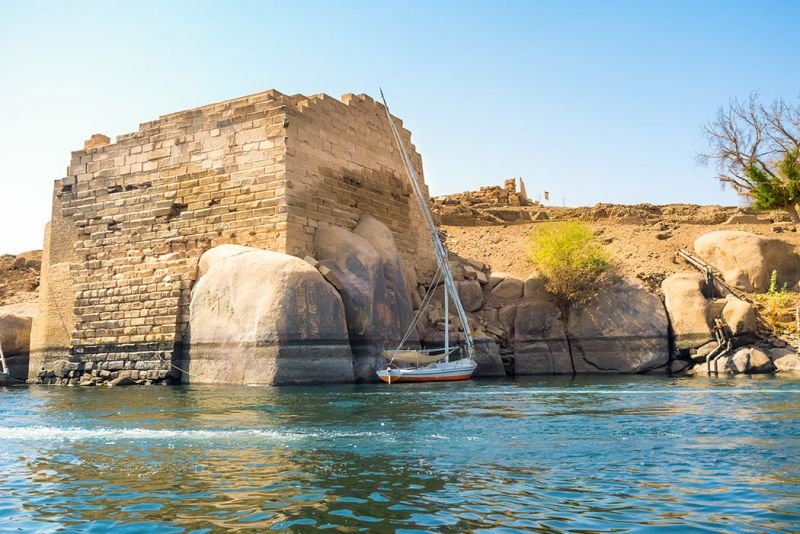
Long before pharaohs built grand temples or established mighty capitals, Elephantine stood as a bustling trading post and religious center dedicated to Khnum, the ram-headed god who was believed to control the flow of the Nile. The island’s granite rocks, resembling elephants bathing in the water, gave rise to its name and immortalized it in countless historical records. Walk its paths today, and you can almost feel the pulse of ancient life echoing through the ruins, temples, and traditional Nubian houses that continue to thrive.
Visitors arriving on Aswan Day Tours often find that Elephantine Island offers something unique — an intimate glimpse into a world where myth meets history. With a mix of archaeological wonders, living Nubian culture, and serene river landscapes, the island provides a profound contrast to Egypt’s desert-bound monuments. It’s where modern exploration meets authentic experiences, where time seems to halt, allowing every traveler to breathe in the essence of an ancient civilization still alive in spirit.
The Origins and Mythology of Elephantine Island
Elephantine Island’s story begins thousands of years ago, long before the rise of the great kingdoms. Ancient Egyptians believed it was the very source of the Nile, a mystical place where the god Khnum guarded the river’s waters. This spiritual symbolism made the island sacred ground, attracting priests, travelers, and rulers alike. Archaeological evidence found here includes pre-dynastic pottery, tools, and artifacts indicating that it served as a major settlement even before Egypt’s unification.
In the heart of the island, the ruins of the Temple of Khnum evoke an era when worship of this deity was central to life in Aswan. The island’s granite, used for constructing colossal monuments across Egypt, earned it vital economic importance. Some historians even refer to Elephantine as Egypt’s original “gate to the South,” the first line of defense against Nubian invasions and a control point for trade and taxation.
Strategic Importance in Ancient Times
Elephantine’s location at the First Cataract made it an essential military and administrative outpost. It marked the southern boundary of Pharaonic Egypt and served as the entryway for gold, ivory, incense, and exotic goods from Nubia and beyond. The governors stationed here were tasked with overseeing southern trade, maintaining defenses, and securing Egypt’s resources. Their tombs, carved in nearby cliffs, stand as testaments to Elephantine’s once grand political stature.
Modern travelers retracing these ancient footsteps can include Elephantine on itineraries that blend culture and discovery, such as the 4 Day 3 Night Nile Cruise from Aswan to Luxor, which unveils the mysteries along this stretch of the Nile.
The Temples and Archaeological Treasures of Elephantine Island
Elephantine Island boasts an array of archaeological marvels that continue to captivate both scholars and explorers. The site’s archaeological park is home to temples dedicated to Khnum, Satet, and Anuket—the triad of deities symbolizing the Nile’s fertility. These temples, constructed over successive dynasties, reveal how the island evolved from a local religious hub into a center of state significance. Walls covered with inscriptions and carvings bear witness to offerings, rituals, and royal decrees that defined everyday life.
The famous Nilometer, a stone structure once used to measure the Nile’s flooding, remains one of the best-preserved examples in all of Egypt. This instrument allowed priests to predict flood levels that would determine agricultural cycles and taxation policies. Its steps, etched with centuries of use, whisper tales of observation, patience, and reverence for the life-giving river.
For travelers fascinated by ancient architecture, exploring Elephantine Island complements visits to other monumental sites such as the Temple of Philae and the Unfinished Obelisk, both located just a short distance away. Together, they showcase Aswan’s pivotal role in shaping Egypt’s spiritual and cultural identity.
The Living Nubian Culture on Elephantine Island
What makes Elephantine Island so special today isn’t just its ruins—it’s also the living community that calls it home. Modern Nubian families, direct descendants of ancient inhabitants, continue to preserve their traditions through colorful houses, music, and storytelling. Visitors often remark that stepping into the Nubian villages feels like walking into a painting filled with vibrant blues, yellows, and reds, each color symbolizing a facet of life or faith.
Those exploring cultural dimensions can connect this experience with the Nubian Village nearby or embark on a Trip to the Nubian Villages by boat. Locals welcome visitors with traditional tea, folklore performances, and insights into their heritage, creating moments that linger far beyond the journey itself.
Scenes of Modern Serenity and Artistic Life
Beyond its ruins and myth-laden stones, Elephantine Island thrives as a sanctuary of peace. The island’s serene palm groves and gentle breeze present a striking contrast to bustling Aswan city. Artists and scholars are drawn here to capture its timeless beauty, making it a hub for creativity and quiet reflection. It’s easy to lose track of time while strolling through its village lanes, where every smile and gesture speaks of hospitality and resilience dating back millennia.
Visitor Experience and Travel Guide to Elephantine Island
Elephantine is remarkably easy to access. Small ferries shuttle visitors from Aswan’s main wharf in just minutes. Once on the island, travelers can explore at their own pace or hire a local guide who weaves stories around the ruins. The Aswan Museum, located on-site, exhibits a stunning collection of artifacts including pottery, tools, and statues unearthed from Elephantine, providing deeper context for what visitors see among the ruins.
For those seeking deeper immersion, packages such as Egypt Vacation Packages or Luxury Egypt Tours can include exclusive guided walks of Elephantine led by expert Egyptologists. Combining Elephantine with nearby heritage sites like the Aswan City and Abu Simbel Temples enriches the cultural tapestry of any southern Egypt journey.
Many Nile itineraries, including the elegant Steigenberger Minerva Nile Cruise, make Elephantine Island a highlight stop, allowing travelers to admire it from the water—an unforgettable sight, especially during sunset when the Nile’s reflections paint the island in soft amber light.
Best Time to Visit and Travel Tips
The ideal time to visit Elephantine Island is between October and April, when temperatures remain comfortable for walking and exploring. Early mornings bring golden light perfect for photography, while late afternoons offer tranquil views and cooler breezes. Travelers are encouraged to wear comfortable shoes, bring sun protection, and carry cash for local crafts and small refreshments. Photography enthusiasts will find the island particularly photogenic during Nile cruises from Aswan to Luxor, especially aboard boutique vessels like the Luxury Dahabiya Nile Cruise.
The Timeless Legacy of Elephantine Island
Elephantine Island stands as a bridge — between ancient and modern, myth and reality, Egypt and Nubia. Its stones have watched the rise and fall of empires, yet its essence remains unchanged: a sanctuary where the Nile whispers of eternity. Exploring Elephantine offers more than sightseeing; it’s an encounter with Egypt’s soul, distilled in one breathtaking location. Whether through archaeological curiosity, spiritual reflection, or cultural immersion, every traveler leaves this island carrying a piece of its magic home.
Frequently Asked Questions About Elephantine Island
What is Elephantine Island famous for?
Elephantine Island is renowned for being one of Egypt’s oldest inhabited areas, its temples dedicated to the god Khnum, and its role as a frontier post between ancient Egypt and Nubia. It’s also known for its well-preserved Nilometer, charming Nubian villages, and breathtaking views across the Nile.
Where is Elephantine Island located?
Elephantine Island lies in the Nile River, just opposite modern Aswan in southern Egypt. It forms part of Upper Egypt’s Aswan Governorate and is surrounded by smaller islands that add to its scenic charm.
How can visitors reach Elephantine Island?
Visitors can reach Elephantine Island by taking a short ferry ride from Aswan’s Corniche. The boat trip takes only a few minutes and offers stunning river views. Some Nile cruises and private Egypt Private Tours also include stops at the island.
What are the main attractions on Elephantine Island?
Main attractions include the temples of Khnum, Satet, and Anuket, the Aswan Museum, the Nilometer, and the vibrant Nubian villages. Each site reveals a unique layer of history, spirituality, and modern Nubian culture that together define the island’s distinctive character.
Is Elephantine Island worth visiting?
Absolutely! Elephantine Island offers an intimate and peaceful escape filled with history, culture, and natural beauty. Whether you’re fascinated by ancient temples, intrigued by living Nubian traditions, or simply seeking scenic relaxation, it’s one of the most rewarding experiences to include in a journey through Best Nile River Cruises or Egypt Day Tours.