Beni Hassan Tombs: The Middle Kingdom Necropolis That Unveils Ancient Egyptian Life and Culture
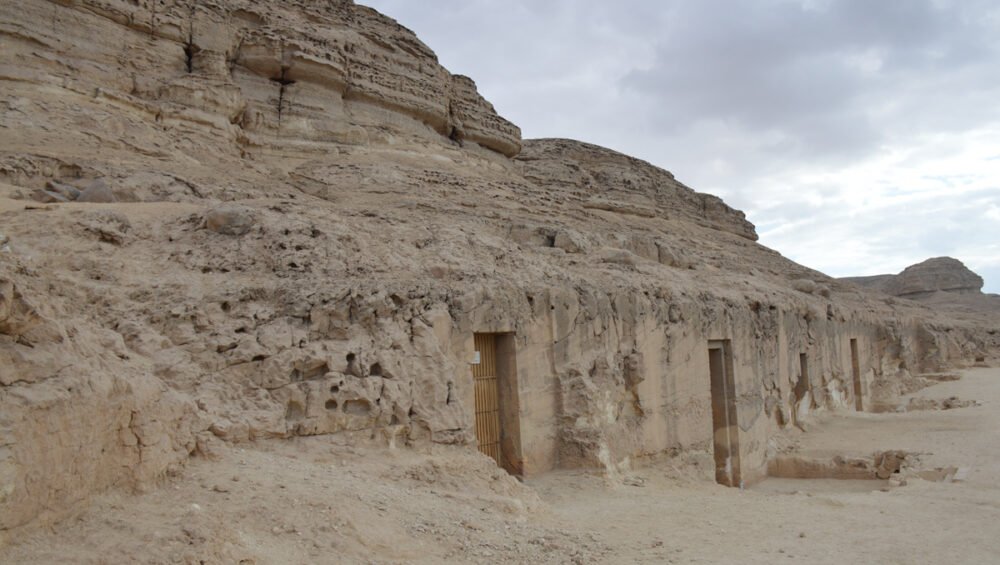
Perched majestically on the eastern cliffs of the Nile near El Minya, the Beni Hassan Tombs stand as hauntingly beautiful testaments to Egypt’s Middle Kingdom nobility. This site is one of the most captivating archaeological gems in Upper Egypt, dating from the 11th to 12th Dynasties (around 2000–1700 BCE). These rock-cut tombs, forged from limestone cliffs overlooking the verdant banks of the Nile, open a vivid window into the lives, artistry, and social constructs of ancient Egyptian governors and high officials. A masterpiece of ancient craftsmanship, the Beni Hassan necropolis reveals Egypt’s impressive cultural evolution between the Old and New Kingdom periods. Every mural, carving, and geometric detail narrates stories of valor, daily life, and devotion to timeless gods, making these tombs irresistible to historians, archaeologists, and inquisitive travelers alike.
Visiting the Beni Hassan Tombs is like stepping into an illustrated manuscript carved in stone. Detailed scenes of wrestling matches, weaving, agriculture, and military training speak to an era where regional governors commanded respect second only to Pharaohs. Unlike the Valley of the Queens or the royal necropolises of Thebes, these burial chambers embody a surprising intimacy, inviting visitors to see how Egyptian elites envisaged their afterlives. Travelers who take the journey to El Minya often combine their visit with the monumental remains of Tell El Amarna, immersing themselves in the heartland of Middle Egypt’s most evocative landscapes and myths.
The Historical Significance of Beni Hassan Necropolis
The historical value of Beni Hassan is staggering. Constructed during Egypt’s Middle Kingdom, these tombs house provincial rulers—known as “Nomarchs”—who governed key provinces during a time of centralized royal power. The site marks a crucial cultural bridge between the grandeur of the Old Kingdom’s pyramidal constructions and the refined rock-cut burial chambers of the New Kingdom. It’s a transitional masterpiece, mirroring a revived intellectual and political vigor that rippled across Egypt’s provinces.
The four most famous tombs—belonging to Khnumhotep II, Amenemhat, Baqet III, and Khety—showcase artistic excellence in painting and relief carving. Their walls come alive with colors that have remarkably resisted three thousand years of erosion. Pastel pigments and linear outlines illustrate processions of wrestlers, craftsmen at work, and Nubian mercenaries—evidence of Egypt’s increasing interaction with neighboring civilizations. Like the murals within the Temple of Seti in Abydos, these depictions give us front-row seats to the grandeur of the Middle Kingdom’s social order and artistic innovation.
Architecture and Layout of Beni Hassan Tombs
The architectural execution of the Beni Hassan tombs reflects both simplicity and sophistication. Each tomb was carefully carved into the limestone cliffs, featuring symmetrical facades supported by classic fluted columns that predate those later perfected in temples such as the Luxor Temple. Within, spacious chambers and pillared halls reveal bas-reliefs of governors seated before offerings, surrounded by family members and priests. The colors—though faded—retain an undeniable vibrancy, offering a timeless connection to ancient creativity.
Particularly striking is Khnumhotep II’s tomb, often hailed as the finest example in Beni Hassan. Its mural sequence depicts the famous “Asiatics” scene—foreign traders visiting Egypt—one of the earliest recorded depictions of cultural exchange between Egypt and Western Asia. This visual record not only documents trade relations but also provides rare anthropological insights into foreign attire, hairstyles, and customs.
The Artistic Narrative of Life in the Middle Kingdom
Life flourished in technicolor across the walls of these tombs. Agriculture scenes show farmers reaping crops, hunters wielding bows, and women spinning linen threads—everyday realities immortalized for eternity. Wrestling training scenes in Baqet III’s tomb fascinate both historians and sports enthusiasts alike, proving physical discipline was valued among ancient Egyptian elites. These details mirror those visible within the reliefs of Temple of Hatshepsut, revealing the Egyptians’ deep emphasis on ritual precision and social harmony.
These decorations functioned not merely as art but as spiritual affirmations. Egyptians believed that illustrating worldly activities in tombs ensured their continuity in the afterlife. So, from baking bread to taming gazelles, every carving was a deliberate echo of immortality. This symbolic realism rivals that found in the Ramesseum Temple or the grand murals of the Luxor Museum.
The Geography of Beni Hassan and Its Connection to El Minya
Located approximately 20 kilometers south of El Minya, the cliffs of Beni Hassan rise sharply along the Nile’s east bank. The uphill climb to the necropolis rewards visitors with panoramic views that stretch endlessly over golden fields and the winding river. In ancient symbolism, the east bank—where the sun rises—was associated with life and renewal, explaining why these tombs deviate from the typical west-bank necropolis tradition. The decision may also have reflected local cultic practices tied to solar worship during the Middle Kingdom period.
Modern travelers can easily include Beni Hassan in a cultural itinerary exploring Middle Egypt’s vibrant heritage, pairing it with destinations like the Abydos Temple, or the lesser-known landscape of the Fayoum Oasis. This corridor of history between Cairo and Luxor is a treasure chest for those seeking a more authentic Egyptian experience.
Inside the Most Iconic Tombs of Beni Hassan
Each of the 39 known tombs bears distinctive decorations reflecting the identity and values of its owner. The Tomb of Khnumhotep II (Tomb 3) steals the spotlight with its intricate wall paintings showing Nile processions, hunting expeditions, and rows of servants bearing offerings. The Tomb of Amenemhat (Tomb 2) stands out for its elegant hieroglyphic inscriptions that portray rich funerary rituals. Meanwhile, the Tomb of Khety demonstrates a subtler artistic approach emphasizing geometric brush strokes and hieratic composure.
These designs capture an era where provincial lords carried immense authority under the Pharaoh’s watchful eye, echoing the social balance that sustained Egypt’s Middle Kingdom for centuries. In terms of stylistic execution, they anticipate later artistic excellence seen within temples that grace Aswan City and Luxor City.
The Symbolism and Religious Beliefs Carved in Stone
The funerary beliefs reflected in the Beni Hassan Tombs express Egyptians’ obsession with perpetuity and their nuanced cosmology. Through symbolic color schemes, divine emblems, and pyramid-shaped ceilings, these chambers simulated a microcosm of the universe. The wall paintings served as metaphysical guides helping the deceased traverse the complex journey to the afterlife. They evoke the same transcendental ideals embodied at the Temple of Philae and the Kom Ombo Temple.
Deities such as Anubis, Osiris, and Hathor appear frequently in Beni Hassan iconography—Anubis overseeing mummification, Osiris granting rebirth, and Hathor welcoming spirits through her celestial embrace. Priests’ figures conducting purification rituals underline the Egyptians’ steadfast devotion, their faith unbroken by millennia.
Conservation Efforts and Modern Accessibility
Though time hasn’t spared Beni Hassan’s cliffs from erosion, modern restoration efforts have helped protect their fragile interiors. Local and international archaeologists collaborate to maintain pigment integrity using non-invasive methods. Visitors today can walk through several accessible chambers, though entry to the most delicate structures is restricted for preservation.
Tourists arriving from Cairo can explore Beni Hassan through organized excursions such as the El Minya Day Tour from Cairo by car or continue their discovery through itineraries similar to the 7 Day Egypt Tour. These programs typically include a visit to the Middle Kingdom’s heartland alongside nearby marvels like Frasht, Tuna el-Gebel, and Tell el-Amarna.
Why Beni Hassan Is a Must-Visit for History Lovers
For lovers of archaeology or travelers seeking an authentic Egyptian adventure, the Beni Hassan tomb complex offers a tangible link to one of civilization’s most fascinating epochs. The tombs’ quiet grandeur evokes Egypt’s regional power dynamics and its artistic innovation preceding the age of empire. More intimate than the colossal pyramids yet equally profound, this site delivers a vivid narrative of human ambition, spiritual devotion, and artistic legacy that feels startlingly contemporary.
Including Beni Hassan in an itinerary enhances cultural immersion and complements the grand historical experiences offered by Luxury Egypt Tours or Egypt Family Tours. Many travelers finish their journey with a serene cruise such as the Luxury Dahabiya Nile Cruise, blending comfort with centuries of heritage flowing gently along the same river that nourished Beni Hassan’s creators.
Frequently Asked Questions About Beni Hassan Tombs
Where Exactly Are the Beni Hassan Tombs Located?
The Beni Hassan Tombs are located on the east bank of the Nile River, approximately 20 kilometers south of El Minya in Middle Egypt. They’re carved into limestone cliffs rising dramatically above the fertile floodplain, a two-and-a-half-hour drive north of the Luxor region and best reached via private tour from Cairo or El Minya.
What Is the Best Time to Visit Beni Hassan?
The ideal time to visit is between October and April when temperatures remain comfortable, allowing you to explore the cliff tombs without the harsh summer heat. Early morning visits provide the best lighting for photography and ensure a peaceful, crowd-free experience. Many travelers pair it with an Egypt Day Tour to nearby heritage sites.
How Many Tombs Are in the Beni Hassan Necropolis?
There are approximately 39 known tombs at Beni Hassan, though only a handful are open to the public. Each tomb varies in size, decoration, and preservation level. The most significant ones—Baqet III, Khety, Amenemhat, and Khnumhotep II—encapsulate the epitome of Middle Kingdom artistry and leadership imagery.
Is Photography Allowed Inside the Tombs?
In most accessible sections, photography is permitted without flash to protect ancient pigments. Always consult your guide or the local custodian before taking photos. Overexposure to light can accelerate pigment fading, and responsible tourism ensures these treasures survive for generations to come.
Which Other Sites in El Minya Should I Visit Alongside Beni Hassan?
If you’ve made the journey to Beni Hassan, exploring nearby attractions like Tell El Amarna—the city of Akhenaten—and Tuna El-Gebel is highly recommended. For a complete regional experience, travelers can also extend their journey to the Fayoum Oasis or the mesmerizing Day Tour to El Fayoum from Cairo.