Al Azhar Mosque: The Beating Heart of Islamic Scholarship in Cairo
Al Azhar Mosque, nestled in the historic core of Cairo, stands as one of the most influential and venerated institutions in the Islamic world. Established over a millennium ago, it isn’t merely a place of worship but a thriving center of intellectual light, drawing scholars and travelers alike from every corner of the globe. The mosque’s landscape, adorned with elegant minarets and intricate calligraphy, whispers stories of devotion, resilience, and enlightenment. The impact of Al Azhar radiates far beyond Egypt; its legacy in education, architecture, and faith continues to shape the spiritual and cultural identity of countless generations.
Walking through its grand courtyard, visitors can feel the pulse of history beneath their feet. Constructed in 970 AD during the Fatimid Caliphate, it quickly became the cradle of Islamic learning. The significance of Al Azhar transcends religion—it represents the merging of science, theology, and philosophy within the Islamic Golden Age. Today, the mosque and university serve as a beacon for Muslims worldwide, offering degrees in Sharia, Arabic studies, and comparative jurisprudence. Moreover, the architecture of Al Azhar Mosque mirrors Cairo’s evolving identity through multiple Islamic dynasties, each leaving behind artistic layers that make this site a remarkable study in Islamic artistry and heritage.
The Glorious History of Al Azhar Mosque
Founded by the Fatimid Caliph Al-Mu’izz li-Din Allah, Al Azhar was initially built to serve as a symbol of the new Islamic power in Egypt. The name ‘Al Azhar’ was inspired by ‘Al Zahra,’ meaning ‘the shining’—a reference to Fatimah al-Zahra, the Prophet Muhammad’s daughter. Over the centuries, the mosque transcended politics, evolving into a universal hub of Islamic scholarship. By the 10th century, classes in Quranic interpretation, linguistics, and theology were actively being held here, solidifying its status as an educational powerhouse.
Though many dynasties came and went—the Ayyubids, Mamluks, Ottomans, and even modern Egyptian states—Al Azhar maintained its spiritual authority. Each era contributed distinct architectural and academic enhancements, creating a layered narrative of history carved into its marble walls. The mosque’s endurance symbolizes Egypt’s position as the intellectual heart of the Muslim world. Visitors exploring Islamic Cairo often start their journey at Al Azhar, as it represents the city’s most sacred and scholarly origins.
Architectural Evolution Through the Ages
Al Azhar Mosque’s architecture is a visual timeline. Its development mirrors Egypt’s political shifts and artistic trends. Initially simple, the mosque saw expansions during the Fatimid, Ayyubid, Mamluk, and Ottoman periods. Each dynasty left distinct marks—the Mamluks added ornate minarets and marble mihrabs, while the Ottomans introduced domes and decorative calligraphy. The combination results in a mesmerizing fusion of Islamic art and Cairo craftsmanship.
For those who appreciate Islamic architectural masterpieces, pairing a visit to Al Azhar with sites like the Sultan Hassan Mosque or Mosque of Ibn Tulun presents a complete journey through Cairo’s architectural evolution. Each mosque offers a glimpse into different artistic phases that influenced Al Azhar’s own aesthetic journey.
Minarets: The Voices of Faith Through Time
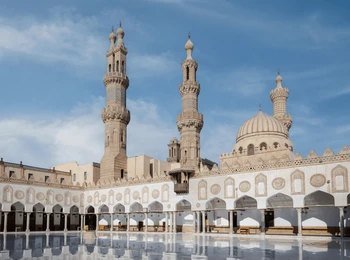
The mosque features a collection of distinctive minarets representing various eras. The twin minarets of Al-Ghuri, constructed in the early 16th century, are especially iconic. Each minaret’s silhouette adds to Cairo’s skyline of spires. These structures not only serve religious purposes but also stand as artistic representations of the dynamic Islamic world that Al Azhar has long influenced.
Al Azhar University: A Global Intellectual Lighthouse
Among the world’s oldest operating universities, Al Azhar University transformed from a mosque school into a sophisticated academic institution offering curricula spanning across Islamic jurisprudence, Arabic linguistics, philosophy, and modern sciences. Its graduates include numerous scholars, reformers, and thinkers who have profoundly shaped Islamic education.
Unlike many religious foundations, Al Azhar encourages dialogue, debate, and interfaith understanding. It has long been an institution that engages with modernity without compromising its traditions. Students from around the globe still gather in its marble courtyards, eager to engage with sacred texts and debate intricate theological concepts—a testament to its ongoing vitality.
For visitors taking Cairo Day Tours, a stop at this revered university gives an incredible peek into how Egypt interlaces education, history, and religion. Every corridor and study hall breathes centuries of enlightenment.
The Academic Curriculum of Al Azhar
The curriculum of Al Azhar is as diverse as its student body. It encompasses fields such as Quranic exegesis, Hadith (prophetic traditions), Islamic law, Arabic grammar, literature, science, and even philosophy. The integration of classical teachings with modern perspectives ensures that students grasp both the historical significance and contemporary relevance of Islamic thought. This balance positions Al Azhar as a mediator between tradition and progress, fostering scholars who contribute meaningfully to the global Muslim community.
Modernization and Global Influence
Throughout the 20th and 21st centuries, Al Azhar launched reforms that modernized its teaching methodologies and extended its curriculum. Inclusion of social sciences, medicine, and engineering created an interdisciplinary model rare among Islamic universities. This transformation positioned Al Azhar as an active participant in international educational discourse. Its university branches and cultural centers across continents make it an unmatched ambassador of Egyptian intellect.
Architectural Beauty and Artistic Treasures
Visiting Al Azhar Mosque is like stepping into a living museum. The intricacy of its stucco carvings, geometric tilework, wooden lattice screens, and rich calligraphy testify to Egypt’s artistic mastery. Every inch tells stories of dynasties that sought to glorify beauty through devotion. The central courtyard, surrounded by arcades, reflects light that dances gracefully on its limestone floors.
Travelers exploring Cairo’s ancient byways—perhaps on a Coptic and Islamic Cairo tour—often describe Al Azhar as a soul-stirring experience. Indeed, its beauty is not ostentatious but harmonious, a reflection of the Islamic aesthetic principle that true art must inspire contemplation.
The Courtyard and Praying Halls
The mosque’s vast courtyard, lined with marble columns and arches, serves as both a communal gathering space and sanctuary. The prayer hall behind the courtyard features multiple niches, each showcasing different historical periods through subtle design elements. These layers embody how Al Azhar absorbed and evolved through Egypt’s transitions—from Fatimid splendor to modern Egyptian pride.
Decorative Elements and Symbolism
Floral motifs, Kufic inscriptions, and geometric patterns run along every column and arch. These decorations symbolize divine unity and perfection—a visual expression of faith itself. These artistic flourishes not only highlight the craftsmanship but also carry metaphysical depth, transforming Al Azhar from a building into a living symbol of worship.
Spiritual Role and Cultural Significance
Beyond its architectural grandeur, Al Azhar’s influence reaches deep into global Islamic spirituality. It remains the primary authority on Islamic jurisprudence for millions of Sunni Muslims worldwide. Its sermons, fatwas, and scholarly debates influence laws, education, and ethics across nations. This makes visiting Al Azhar not merely an act of tourism but one of cultural pilgrimage.
Those interested in Cairo’s religious heritage often include Al Azhar in packages like Egypt Vacation Packages or Luxury Egypt Tours for a truly immersive cultural encounter.
Al Azhar’s Role in Modern Society
Today, Al Azhar stands as a voice for peace, moderation, and understanding. It consistently calls for tolerance between nations and religions while defending authentic Islamic values. Its scholars participate in global conferences on interfaith relations and lead initiatives to bridge the gap between civilizations. Al Azhar thus remains both a guardian of faith and a bridge to the modern world.
Cultural Connections in Cairo’s Heart
Located near the vibrant El Moez Street, Al Azhar is surrounded by bustling bazaars, ancient mosques, and traditional madrassas. This proximity amplifies its role as Cairo’s cultural heart. In the evenings, the call to prayer echoes harmoniously with the murmurs of local merchants, creating a soundscape that captures the city’s timeless essence.
Visiting Al Azhar Mosque: Practical Insights
Visitors can enter through multiple gates, but the main entrance off Al Azhar Street offers a dramatic introduction to this spiritual wonder. Modest dress and respectful behavior are required, as the site remains fully functional for daily prayers and religious gatherings. Guides often describe the mosque’s long history with stories tied to Fatimid Caliphs and revered scholars—a living oral tradition passed through generations.
Including Al Azhar within your Egypt Day Tours itinerary gives you a unique chance to witness one of the world’s oldest learning centers in action. For those seeking deeper immersion, packages such as the 7 Days Cairo and Nile Cruise Package combine visits to religious landmarks with a luxurious Nile journey, blending spirituality and adventure seamlessly.
Tips for Tourists and Photography Enthusiasts
Photography is welcome, provided visitors respect worshippers and avoid flash during prayers. Early mornings capture Al Azhar in soft, golden light—perfect for travelers planning an Egypt Photography Tour. Pairing this with visits to the neighboring Al Azhar Park offers panoramic views of old Cairo and the mosque’s majestic domes.
FAQs About Al Azhar Mosque
What is the historical significance of Al Azhar Mosque?
Al Azhar Mosque is historically significant as the first institution of Islamic higher education established in Egypt. Founded in 970 AD, it evolved into a global intellectual hub promoting Islamic theology, law, and culture. Its continuity through centuries of dynasties highlights Egypt’s role as the guardian of Islamic scholarship.
Where is Al Azhar Mosque located?
Al Azhar Mosque is located in the heart of Islamic Cairo, near Khan el Khalili Bazaar and El Moez Street. Its central position makes it easily accessible for anyone exploring the historic districts of Egypt’s capital.
Can non-Muslims visit Al Azhar Mosque?
Yes, non-Muslim visitors are welcome to explore Al Azhar Mosque outside of prayer times, provided they dress modestly and act respectfully. Many guided tours include detailed explanations of its religious and historical background.
What is Al Azhar University known for?
Al Azhar University is known for being the world’s oldest continuous Islamic university. It offers rigorous programs in religious studies as well as modern disciplines. Its graduates include scholars and leaders influencing education, jurisprudence, and politics throughout the Muslim world.
When is the best time to visit Al Azhar Mosque?
The best time to visit Al Azhar Mosque is in the early morning or late afternoon when crowds are minimal and natural lighting enhances its breathtaking architecture. Combining a visit here with nearby attractions like Al Azhar Park or the Citadel of Salah El-Din provides a rewarding full-day cultural experience.