Abu Simbel Temples: The Eternal Wonders of Ancient Egypt
Standing tall on the sun-soaked shores of Lake Nasser, the Abu Simbel Temples are extraordinary examples of ancient Egyptian architecture and devotion. These two magnificent rock-cut temples, dedicated to Pharaoh Ramses II and his beloved Queen Nefertari, represent not only the grandeur of their era but also the astonishing craftsmanship of human ingenuity. Every traveler who ventures into southern Egypt feels the magnetic pull of these monumental shrines, a place where history, art, and mystery merge under the ever-blazing Nubian sun. To this day, the temples of Abu Simbel stand as a testimony to Egypt’s enduring cultural legacy and the timeless allure of its pharaonic past.
When visitors face the colossal statues guarding the Great Temple, awe replaces speech. Each of the four towering images of Ramses II, carved directly into the mountain, gazes eastward, awaiting the sunrise that illuminates the gods within twice a year—on the pharaoh’s birthday and coronation day. Such celestial alignment wasn’t mere coincidence but a reflection of divine kingship and ancient Egyptian cosmic philosophy. The smaller temple, dedicated to Hathor and Queen Nefertari, complements this majesty with grace and elegance, portraying Egypt’s queen in equal stature beside the pharaoh—a rarity in ancient art. Abu Simbel isn’t just a monument; it’s a message from eternity, echoing power, love, and religious symbolism that has fascinated archaeologists, photographers, and adventurers. A visit feels like stepping straight into history, an experience every lover of ancient civilizations must have in their lifetime.
The Enchanting Location of Abu Simbel Temples
Located in the far south of Egypt, Abu Simbel sits within the Nubian desert near the border with Sudan. The journey is an adventure through Egypt’s serene landscapes, often included in guided adventures such as Day Trip to Abu Simbel from Aswan by coach. Originally carved into a sandstone cliff overlooking the Nile around 1264 BC, the temples symbolized Egypt’s dominance over Nubia. Today, they’re positioned along the banks of Lake Nasser, relocated during the 1960s to escape flooding caused by the construction of the Aswan High Dam, a feat of modern engineering that saved the monuments from submersion.
Travelers exploring southern Egypt frequently combine Abu Simbel with visits to Aswan City and the Temple of Philae, both just a few hours north. The region brims with legends, the air thick with the soul of ancient Nubia. As you cruise across the Nile on routes like the 4 Day 3 Night Nile Cruise from Aswan to Luxor, anticipation builds with every bend of the river. In this setting, the grandeur of Ramses II’s empire feels closer than ever, and the atmosphere whispers stories of conquest, devotion, and timeless artistry.
The Historical Significance of Ramses II’s Vision
Ramses II, one of ancient Egypt’s most powerful pharaohs, ruled for nearly 66 years during the 19th Dynasty—an era often considered the pinnacle of Egypt’s imperial power. The Abu Simbel Temples were his way of immortalizing his reign and affirming his divine connection to the gods Amun-Ra, Ra-Horakhty, and Ptah. The Great Temple was dedicated to these deities, blending political propaganda with religious devotion. Inside, hieroglyphics and reliefs show Ramses in battle, particularly the famous scenes from Kadesh, one of the earliest recorded peace treaties in history. These artistic depictions were not just decorative; they were strategic assertions of his might to all who entered Nubian lands and beyond.
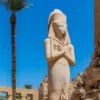
Meanwhile, the Small Temple next door commemorated Queen Nefertari, personified as the goddess Hathor. It was one of the very few times in Egyptian art that a queen appeared in equal scale with a king. Such representation reflected deep affection and political partnership. Insight into their lives makes the Abu Simbel Temples more than ruins; they’re love letters etched in stone, crafted by hands and hearts that sought divine eternity. If you’re intrigued by ancient royal artistry, the Statue of Ramses II offers another magnificent look into his iconography and symbolism.
Architectural Splendor and Symbolic Design
The precision involved in constructing Abu Simbel leaves modern architects marveling. The Great Temple stretches nearly 33 meters deep into the cliff, featuring a series of halls leading to the sanctuary—a space that only the pharaoh and priests could access. Twice each year, on February 22 and October 22, the sun’s rays penetrate the inner chambers, illuminating the statues of Amun-Ra, Ra-Horakhty, and Ramses, while leaving Ptah, god of darkness, in shadow. This level of astronomical accuracy exemplifies ancient Egypt’s command of cosmic design.
The smaller temple, about 30 meters north, mirrors this spiritual balance. Dedicated to Hathor, goddess of music, love, and motherhood, it radiates harmony and feminine power. Both temples exhibit enormous seated statues flanking their entrances, elegant facades, and intimate interiors adorned with intricate carvings. Each wall tells stories— from victories on foreign soils to scenes of divine worship. This artistry inspired countless future monuments, like those in Luxor Temple and the Ramesseum Temple.
The Great Relocation: Saving Abu Simbel from the Waters
When the Aswan High Dam threatened to submerge Abu Simbel beneath Lake Nasser’s rising waters, UNESCO launched a daring international rescue in the 1960s. Engineers literally disassembled the temples into massive blocks—some weighing up to 30 tons—and meticulously reconstructed them on higher ground. This monumental operation remains one of the most ambitious archaeological rescue missions in history, preserving a world treasure for future generations. Visitors today walk through the same colossal doors Ramses II once commanded, awed by both ancient genius and modern human collaboration.
For travelers yearning to witness this marvel, experiences like the 4 Day Luxor, Edfu, Kom Ombo, Aswan and Abu Simbel Tour seamlessly connect these historic landmarks, creating an unforgettable journey through Egypt’s southern wonders. It’s a once-in-a-lifetime adventure for those who crave to uncover the secrets of this ancient land.
Symbolism and Artistic Legacy
Symbolically, the Abu Simbel Temples represented divine protection over Egypt’s southern borders. The colossal figures of Ramses II were not merely self-glorification; they were guardians watching over Nubia. The orientation of the temple facing east connects life, rebirth, and the power of the sun. Each relief inside reflects artistic mastery, with delicate portrayals of gods, queens, and victorious campaigns. Visitors and historians find connections between Abu Simbel’s aesthetics and later temples such as Kom Ombo Temple and Edfu Temple, both along the Nile’s fertile banks.
Experiencing Abu Simbel Today
Modern-day expeditions to Abu Simbel often begin with scenic Aswan Day Tours. Whether you choose a guided overnight stay or witness the spectacular sunrise aligning with the statues, every moment feels transcendent. The journey through the Nubian desert and along Lake Nasser’s shoreline unveils breathtaking desert serenity, creating profound tranquility long after you leave. Visiting the site grants not only a sense of wonder but an intimate connection with the spirit of Ramses II himself—a timeless encounter blending history, mythology, and awe-inspiring craftsmanship.
After exploring Abu Simbel, travelers often extend their adventure aboard a Luxury Nile Cruise or detour toward the beautiful Nubian villages nearby, where ancient and modern cultures coexist. Combined itineraries like the 7 Days Cairo, Luxor, Abu Simbel & Sahara Trip offer seamless ways to explore Egypt’s greatest wonders in depth.
Travel Tips and Visitor Experiences at Abu Simbel Temples
Abu Simbel’s remote location makes early planning vital. Many travelers depart Aswan before sunrise to catch the first rays striking the temple façade—an experience often described as spiritual. Temperatures can be intense, especially from May through September, so lightweight clothing, sun protection, and sufficient water are essential. For those seeking the most immersive experiences, attending the biannual Sun Festival is a must, where thousands gather to witness sunlight illuminating Ramses’s face at dawn.
Adventure seekers continue northward to Aswan or enjoy scenic detours like the Day Trip to Philae and Kalabsha Temples and Nubian Museum. Accommodation options are limited near the site, but this adds to its untouched allure. Visiting at sunrise or sunset envelops the temple complex in warm golden hues, casting long shadows and perfect light for photography enthusiasts chasing that quintessential Egyptian moment.
The Cultural Resonance and Global Fame
Beyond architecture, Abu Simbel signifies an eternal connection between human creativity and divine inspiration. Artists, historians, and writers have drawn upon these temples for centuries, praising their mythical resonance. The temples inspired numerous documentaries, cultural exhibitions, and academic research worldwide. Moments spent there echo the profound silence of antiquity—a feeling few destinations can replicate.
Visitors frequently extend their exploration toward other sites along Lake Nasser, which harbor relocated monuments like Temple of Kalabsha and smaller Nubian sanctuaries. These historical journeys perfectly complement Lake Nasser In Africa, known for its tranquil waters and unspoiled natural scenery.
Preserving the Heritage for Future Generations
The story of Abu Simbel stands as a global symbol of cultural preservation. UNESCO’s rescue ignited awareness about safeguarding humanity’s shared heritage, inspiring countless international collaborations afterward. Today, the temples remain a highlight in Egypt Vacation Packages, ensuring travelers can witness their timeless glory while supporting sustainable tourism that maintains the region’s authenticity and local livelihoods.
Whether you’re on an epic heritage journey or a romantic escape, Abu Simbel offers travelers a connection to something eternal. Its magnetism goes beyond stone—it’s about witnessing humanity’s devotion to the divine and to legacy. Incredible itineraries such as the 16 Day Cairo, Alexandria, Nile Cruise and Abu Simbel provide unprecedented opportunities to dive deep into Egypt’s living history while embracing every nuance of this astonishing landmark.
Frequently Asked Questions About Abu Simbel Temples
When was Abu Simbel built?
The Abu Simbel Temples were constructed during the reign of Pharaoh Ramses II around 1264–1244 BC, during Egypt’s 19th Dynasty. They took about 20 years to complete and were meant to glorify Ramses’s reign and honor the gods Amun-Ra, Ra-Horakhty, Ptah, and Hathor.
Why were the Abu Simbel Temples relocated?
The temples were relocated between 1964 and 1968 to prevent flooding caused by the creation of Lake Nasser after the construction of the Aswan High Dam. UNESCO led the project, cutting the temples into sections and moving them 65 meters higher onto an artificial hill.
What makes the solar alignment of Abu Simbel special?
Twice each year—on February 22 and October 22—the sunlight penetrates the temple sanctuary, illuminating statues of Ramses II and sun deities, but not Ptah, god of darkness. This phenomenon demonstrates astonishing astronomical precision achieved over 3,000 years ago.
How can visitors reach Abu Simbel?
Most travelers reach Abu Simbel via early morning