
Valley of the Queens: The Eternal Resting Place of Egypt’s Royal Women
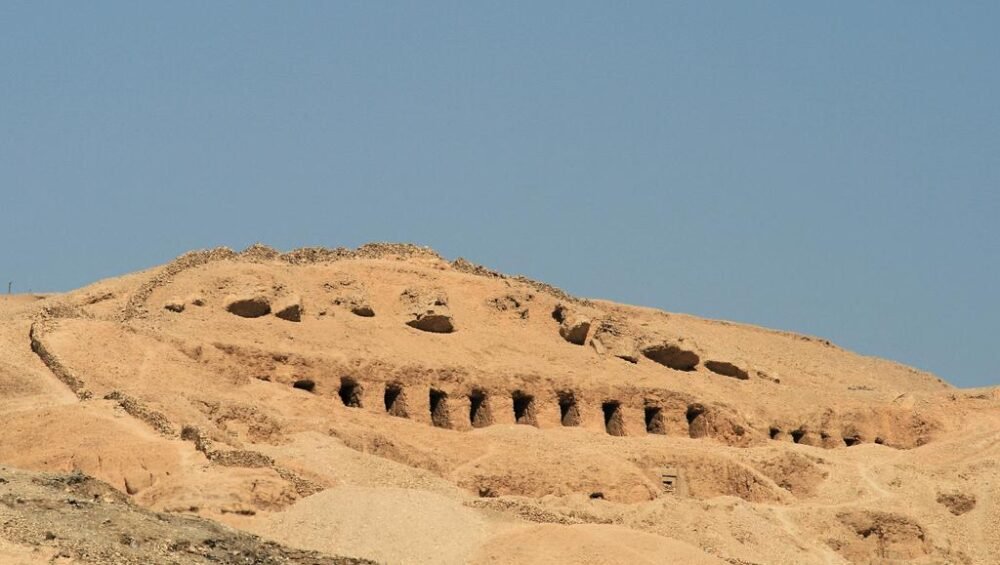
Hidden in the shadow of the Theban cliffs on the west bank of the Nile near modern-day Luxor, the Valley of the Queens stands as a timeless sanctuary dedicated to the wives, daughters, and sons of ancient Egypt’s most powerful rulers. Known in ancient Egyptian as ‘Ta-Set-Neferu,’ meaning ‘the Place of Beauty,’ this sacred valley captures the essence of divine femininity and royal elegance. It’s more than just a burial ground—it’s a canvas illustrating the beliefs, artistry, and traditions of the New Kingdom. Every curve of the intricate hieroglyphs, every hue in the preserved frescoes, and every chamber carved into stone whispers stories about the afterlife and the gods who guarded it. The Valley of the Queens, although overshadowed by the more famous Valley of the Kings, commands its own reverent allure. The tombs here, especially the famed Tomb of Nefertari, are among the most exquisite ever created in ancient Egypt. For history enthusiasts and archaeologists, this valley provides a vivid window into the heart of Egypt’s 19th and 20th Dynasties. From the legends of Queen Nefertari, beloved wife of Ramses II, to the lesser-known princesses resting in painted silence, the Valley of the Queens is a poetic masterpiece of devotion, power, and eternity.
Visiting this site through expertly curated programs such as Luxor Day Tours or classic Nile cruises allows modern explorers to walk in the footsteps of royal women once celebrated as goddesses. Imagine wandering through corridors of vibrant murals where Hathor, Isis, and Mut embrace queens into the afterlife. It’s pure magic—the kind of place where past and present coalesce, igniting a sense of awe that words barely capture.
The Origin and Historical Significance of the Valley of the Queens
The Valley of the Queens emerged as a necropolis during the reign of Thutmose I in the New Kingdom, around the 18th Dynasty. As the Valley of the Kings filled with royal burials, the need for a separate resting ground for queens became apparent. Thus, this mountain-ringed valley became an exclusive sanctuary for royal women. The site holds more than 90 tombs, each boasting unique decorations, religious texts, and symbols representing the eternal journey of the soul. The location was strategically chosen to embody protection, with the surrounding cliffs forming a natural shield against tomb raiders.
Archaeologists have unearthed a trove of knowledge about funerary practices and beliefs in the afterlife from the Valley of the Queens. The tomb depictions aren’t merely artistic wonders—they represent theological concepts tied to resurrection and rebirth. The astonishing preservation of murals like those in Nefertari’s tomb has allowed Egyptologists to dive into the language, technique, and color symbolism of the New Kingdom era. When paired with insights from places like the Luxor Temple and the Ramesseum Temple, the Valley reveals the intimate social and religious tapestry of Egypt’s royal household.
Tombs Within the Valley: Architecture and Decoration
The tombs in the Valley of the Queens vary in complexity and grandeur. Some belong to princes and lesser royal members, while others, like the Tomb of Nefertari (QV66), are artistic triumphs that boggle the imagination. The painters used mineral pigments so vibrant that thousands of years later, the colors still glow like celestial light. Hieroglyphic inscriptions detail prayers to Osiris and Ra, guiding the deceased through the perilous underworld. The tomb structures often include antechambers, descending corridors, and burial halls designed to emulate the sun’s journey—a fitting metaphor for the cyclical nature of death and rebirth.
While some tombs, such as QV55 (Prince Amunherkhepshef), feature scenes of tender familial intimacy, others reveal cosmic journeys illustrated in overwhelming detail. These are not just burial vaults—they’re carefully designed spiritual pathways. Similar architectural principles can also be observed in other grand ancient Egyptian burial sites like Sakkara Necropolis and the mesmerizing Temple of Hatshepsut.
Queen Nefertari’s Tomb: A Masterpiece of Ancient Egyptian Art
Queen Nefertari, the beloved wife of Pharaoh Ramses II, was immortalized in one of the most lavish and beautifully preserved tombs of all time. Her tomb, designated QV66, is often called ‘The Sistine Chapel of Ancient Egypt.’ Every inch of the walls is adorned with brilliant paintings showing Nefertari in her divine journey through the afterlife. Depictions of Isis, Hathor, and Anubis accompany her as she transitions into the realm of the gods. Remarkably, the queen’s features are rendered with a grace that transcends centuries, embodying ideals of beauty and regal divinity. This tomb remains the crown jewel of the Valley, illuminating the golden age of Egypt’s artistry.
Visitors can include this wonder in planned excursions such as guided day tours from Luxor or even elegant river voyages like the Luxury Dahabiya Nile Cruise, ensuring a seamless blend of culture and comfort.
The Mythology and Religious Symbolism of the Valley
The Valley of the Queens isn’t just a burial landscape—it’s a spiritual narrative carved into stone. Each tomb symbolically reenacts the journey of the soul through the Duat, guided by gods like Anubis, Hathor, and Ra. The brilliant celestial blue ceilings, often dotted with golden stars, represent the night sky of Nut, the sky goddess who births the sun each morning. These designs mirror beliefs found at temples like the Temple of Philae, emphasizing Egypt’s devotion to cosmic order and resurrection. The emphasis on feminine divinity highlights the crucial role royal women played in bridging the mortal and divine realms.
Modern Discovery and Preservation Efforts
The Valley of the Queens was rediscovered during the early 19th century by Italian explorer Ernesto Schiaparelli. Since then, it has undergone careful excavation and conservation projects to preserve its fragile brilliance. The Nubian Museum in Aswan and international institutions have collaborated to ensure that digital restoration efforts continue to protect these irreplaceable treasures. UNESCO’s involvement in modern preservation ensures that future generations will experience the Valley’s splendor.
For dedicated travelers looking to experience both history and natural beauty, immersive journeys like the 4 Day 3 Night Nile Cruise from Aswan to Luxor or the 10 Day Cairo with Nile Cruise provide perfect itineraries to witness the valley’s wonders firsthand.
The Artistic Legacy of the Valley of the Queens
The artistry preserved in these tombs transcends time. The Valley’s painters mastered intricate techniques using natural pigments, finely carved reliefs, and precise hieroglyphs that still capture light and emotion. Scenes depict offerings to gods, celestial voyages, and even intimate moments between lovers—a testament to the human side of divine royalty. This artistic richness complements cultural wonders like the colorful Habu Temple and the majestic Colossi of Memnon, helping define Egypt’s classical artistic zenith.
The Valley’s Connection to the Broader Theban Necropolis
The Valley of the Queens is part of the sprawling Theban necropolis, which also houses the Avenue of Sphinxes and numerous other royal tombs. Together, they form a sacred geography deeply anchored in Egypt’s spiritual worldview. Every site within Thebes was meticulously planned to align with celestial paths and religious symbolism, blending geography with sacred geometry. Visitors exploring through Egypt Day Tours can experience this interconnected legacy, gaining a rare sense of continuity between life and eternity.
Why Visit the Valley of the Queens Today?
Modern travelers often find the Valley of the Queens less crowded than other archaeological sites, granting a more intimate and contemplative experience. Walking these tomb-lined paths allows one to reconnect with the enduring mystique of Egypt’s royal lineage. The site is easily accessible via Egypt Vacation Packages or exquisite Luxury Egypt Tours that combine historical depth with modern convenience. Visiting at dawn or sunset rewards travelers with surreal light, casting the rocky hills in shades of amber and violet—truly breathtaking for any cultural explorer or photographer.
FAQs About the Valley of the Queens
1. Where is the Valley of the Queens located?
The Valley of the Queens lies on the west bank of the Nile near Luxor, across from the city’s modern center. It forms part of the Theban Necropolis, a vast mortuary region that includes the Luxor Temple and Valley of the Kings.
2. Who is buried in the Valley of the Queens?
The valley mainly houses tombs of queens, princesses, and princes from the 18th to 20th Dynasties. The most famous burial is that of Queen Nefertari, wife of Ramses II. Others include royal children and secondary wives of notable pharaohs.
3. How can I visit the Valley of the Queens?
Travelers can reach the site via guided programs such as Luxor Day Tours or by including it in Nile cruise itineraries like the 7 Days Cairo and Nile Cruise Package. Knowledgeable Egyptologists accompany visitors for an immersive historical experience.
4. What makes Nefertari’s tomb special?
Nefertari’s tomb is renowned for its extraordinary preservation and artistry. The vibrant scenes, detailed inscriptions, and vivid depictions of gods make it one of the most beautiful tombs in Egypt, offering priceless insight into New Kingdom aesthetics and belief systems.
5. Is photography allowed inside the tombs?
Photography policies vary depending on conservation needs. In most cases, high-resolution cameras are restricted, though visitors may capture memories in designated areas. Always consult tour guides or local regulations before taking photographs.
Final Thoughts: The Enduring Magic of the Valley
The Valley of the Queens isn’t merely an archaeological landmark—it’s an everlasting tribute to love, legacy, and the celestial journey women of divine status took toward eternal peace. The serene landscape, vivid tomb art, and deep spirituality encapsulate the brilliance of ancient Egypt. Whether experienced through immersive packages like the 11 Days Luxury Egypt Tour Package or shorter cultural routes around Luxor, each visit reawakens the timeless grandeur of the queens who sleep beneath its sands. Whispered prayers, gentle desert winds, and golden rays merging with ochre cliffs—all combine to make the Valley of the Queens an unforgettable encounter with eternity itself.


