
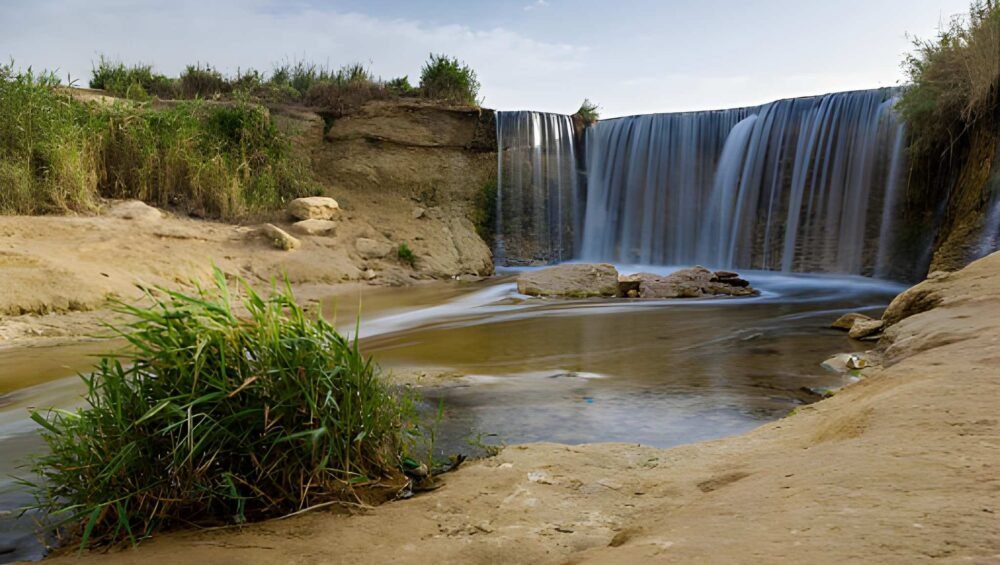
Fayoum Oasis: Egypt’s Timeless Hidden Gem of Water, Desert, and Culture
Tucked away southwest of Cairo, the Fayoum Oasis is a breathtaking treasure that blends ancient charm, natural wonders, and rural serenity into one unforgettable destination. Often dubbed Egypt’s “green desert,” this incredible landscape is one of the oldest continuously inhabited regions in the world. Imagine undulating sand dunes meeting lush farmlands, crystal lakes mirroring the sky, and centuries-old archaeological ruins telling tales of bygone civilizations. Travelers seeking an authentic Egyptian experience beyond the bustling cities and pharaonic monuments will find paradise here. The oasis is not only an ecological marvel but also a living museum of Egyptian tradition. From the serene shores of Lake Qarun to the fascinating fossil remains of Wadi Al Hitan (Valley of the Whales), Fayoum offers a mosaic of landscapes and cultures few other places can match.
For the curious adventurer, day tours to Fayoum from Cairo open invitations to explore captivating waterfalls, rustic villages, and ancient temples like Qasr Qarun Temple. Whether you crave kayaking on Lake Qarun, wandering through Tunis Village, or trekking through Wadi El Rayan, Fayoum promises a journey wrapped in tranquility, color, and history. Let this oasis captivate your imagination and entice your wanderlust — a place where the heart of ancient Egypt still beats softly under modern skies.
Historical Significance of Fayoum Oasis
The history of the Fayoum Oasis stretches back more than 4000 years, making it one of Egypt’s most historically rich regions. Originally connected to the Nile via canals, it became a vital agricultural center during the Middle Kingdom. Fayoum’s ancient name, “Shedet,” was later translated to Crocodilopolis by the Greeks due to the worship of the crocodile god Sobek. Traces of that devotion endure today at sacred sites like Qasr Qarun. The area flourished as the breadbasket of Egypt, with fertile soils supporting vast agricultural production. Even now, the oasis maintains its age-old irrigation systems, a living testimony to ancient engineering genius. Tourists who enjoy exploring archaeological heritage can easily transition from Fayoum’s natural attractions to cities like Memphis Egypt, where the roots of pharaonic civilization still whisper through time.
Fayoum Oasis Through the Ages
Throughout the Greco-Roman and Coptic periods, the Oasis retained its importance as a spiritual and trading hub. Roman villas, intricate mosaics, and necropolises have been unearthed across the region, revealing artistic brilliance and daily life from centuries past. The legacy of the Fayoum portraits, those lifelike paintings of mummified faces, remains one of Egypt’s most remarkable archaeological treasures. These stunning works of art have captivated historians and art aficionados around the world for their realism and emotional depth. People visiting this oasis aren’t just walking through history—they’re stepping into scenes where ancient Egyptians, Greeks, and Romans once mingled, traded, and thrived together.
Natural Attractions and Breathtaking Landscapes
The Fayoum Oasis is endowed with unparalleled natural beauty. Spanning lush farms, lakes, and protected deserts, the area has evolved into a natural sanctuary teeming with biodiversity. Its diversity stems from the contrast between Lake Qarun’s freshwater charms and the surrounding desert’s stark beauty. This rare balance draws nature lovers, geologists, and travelers yearning for tranquility.
Lake Qarun: The Beating Heart of Fayoum
Lake Qarun lies shimmering at the center of Fayoum, offering both scenic beauty and ecological importance. As Egypt’s oldest natural lake, it’s a thriving habitat for migratory birds, making it a haven for birdwatchers. The sunsets here paint the waters with gold and crimson hues while fishermen cast their nets from wooden boats, upholding traditions passed down through generations. On its northern shores, the ancient ruins of Dimet el-Sebaa whisper forgotten stories of temples and settlements. Travelers can relax by the lakeside lodges or explore nearby historical gems.
Wadi El Rayan: Where Waterfalls Meet Desert Sand
The remarkable Wadi El Rayan is one of Egypt’s most beloved nature reserves. Famous for its twin waterfalls, the only ones in the country, this destination enchants visitors with surreal desert-meets-water vistas. Sandboarding down golden dunes or snapping photographs by crystal lagoons are favorite pastimes here. Wadi El Rayan also shelters endangered species like the slender-horned gazelle, adding wildlife excitement to scenic beauty. It’s a must-see spot for photographers and eco-tourists searching for authentic Egyptian wilderness.
Wadi Al Hitan: The Valley of the Whales
Declared a UNESCO World Heritage Site, Wadi Al Hitan showcases fossils of ancient whales that prove the evolution of marine mammals. Over 40 million years old, these remains are astonishingly preserved in the desert landscape, making it a global paleontological wonder. Visitors can wander its trails to witness the silent skeletons embedded in golden sand—a surreal encounter blending Earth’s prehistory with Egypt’s timeless mystery. When paired with nearby desert experiences, it turns into a holistic journey through time itself. Adventure seekers often combine their visit with a scenic desert safari by quad bike to soak up more of Fayoum’s raw beauty.
Cultural Charm of Tunis Village
Among Fayoum’s many highlights, Tunis Village stands out as a symbol of creative revival. Set along the western shores of Lake Qarun, this quaint settlement became a vibrant artistic center after Swiss potter Evelyne Porret established her pottery school in the 1980s. Now, the entire village thrives on art, sustainability, and hospitality. Each corner reveals exquisite handmade ceramics, local galleries, and family-run guesthouses that welcome visitors with warmth. Every November, Tunis hosts a pottery festival that attracts artisans and travelers from across the globe. Here, culture isn’t confined to museums—it lives, breathes, and inspires daily life.
Local Life and Culinary Traditions
The people of Fayoum Oasis live in harmony with the land, practicing agriculture and crafts inherited through generations. Strolling through the villages, visitors can observe traditional weaving, pottery, and date farming. The aroma of freshly baked bread wafts through homes, and local dishes feature farm-fresh ingredients like figs, olives, and honey. Dining with locals offers a heartfelt connection to Egyptian rural culture, reminding every traveler that genuine discovery lies beyond sightseeing. Food enthusiasts can also explore Egyptian flavors through traditional dishes in Egypt, a sensory experience that begins in places like Fayoum.
Adventure and Eco-Tourism in Fayoum
Eco-tourism thrives in Fayoum thanks to its mix of natural reserves and community-based tourism. Travelers can join eco-lodges that maintain sustainable practices, merging comfort with environmental respect. Whether it’s kayaking on Lake Qarun, off-roading across Wadi El Rayan dunes, or kite surfing on the oasis lakes, adventure flows freely here. For thrill-seekers, combining the oasis with a wider exploration of Egypt—perhaps through Egypt day tours—allows them to enjoy the country’s contrasts, from Cairo’s bustle to Fayoum’s peaceful sands.
Birdwatching, Hiking, and Photography
With over 250 bird species recorded, Fayoum is a birdwatcher’s paradise. Flamingos, pelicans, and herons use Lake Qarun and Wadi El Rayan as resting stops along migratory routes. At dawn, the sight of birds taking flight over tranquil waters creates a photographer’s dream. Hiking trails that weave through dunes and geological formations open panoramic views that mesmerize and calm in equal measure.
Planning Your Visit to Fayoum Oasis
Located roughly 95 kilometers southwest of Cairo, Fayoum Oasis is easily accessible for both local and international visitors. A scenic two-hour drive transports travelers from urban chaos to serene countryside. Those who prefer organized experiences can join cultural or adventure-focused trips like the Day Tour to Fayoum from Cairo, designed to unveil the best of the region in a single day. Multi-day excursions allow deeper exploration, including stargazing under pristine skies and soaking in desert silence. To blend Fayoum with Nile journeys, consider connecting your trip with a Luxury Nile Cruise or a scenic Cairo and Nile Cruise package.
Best Time to Visit Fayoum
The ideal months to explore Fayoum Oasis are between October and April when the weather is mild and comfortable. Summers tend to be hot, though early mornings and evenings remain pleasant for outdoor activities. The winter brings cool breezes, perfect for exploring natural attractions and cultural sites without the crowds. Many visitors time their travels to coincide with local festivals in Tunis Village or the migratory bird seasons for exceptional photo opportunities.
Preserving the Oasis for Future Generations
Sustainability lies at the heart of modern Fayoum tourism. Local communities and conservationists collaborate to maintain ecological balance while offering meaningful traveler engagement. Efforts to protect Wadi El Rayan and Wadi Al Hitan from over-tourism continue to gain ground. Visiting eco-lodges, respecting wildlife habitats, and supporting local artisans are small actions with big impact. They ensure Fayoum stays pristine—a living legacy spanning deserts and generations. Incorporating eco-friendly experiences aligns beautifully with principles explored in Eco Tours in Egypt, ensuring each journey is as responsible as it is rewarding.
Frequently Asked Questions About Fayoum Oasis
What is the Fayoum Oasis famous for?
Fayoum Oasis is renowned for its mix of stunning natural beauty, ancient monuments, and cultural artistry. From Lake Qarun and Wadi El Rayan waterfalls to centuries-old temples, it’s Egypt’s most diverse and accessible oasis. The area also stands out for its pottery village, wildlife reserves, and fossil sites like Wadi Al Hitan.
How far is Fayoum from Cairo?
The Fayoum Oasis lies about 95 kilometers southwest of Cairo, roughly a two-hour drive by car. Many travelers choose guided transport or organized trips through agencies offering Egypt day tours for convenience and local expertise.
What activities can travelers enjoy in the Fayoum Oasis?
Visitors can go birdwatching, sandboarding, kayaking, and hiking across scenic protected areas. Cultural enthusiasts indulge in pottery workshops at Tunis Village pottery, while adventurers opt for desert quad bike safaris and fossil exploration in Wadi Al Hitan.
Is Fayoum Oasis suitable for families and eco-tourists?
Absolutely. Fayoum offers a tranquil, safe, and enriching environment ideal for family tours. Eco-tourists will appreciate sustainable lodges, community-driven tourism initiatives, and an abundance of nature-based activities promoting environmental awareness.
What’s the best way to explore the Fayoum Oasis?
The most rewarding experience comes from joining a comprehensive tour such as a Day Tour to Fayoum from Cairo. This helps


