Saqqara Pyramids: The Oldest Step Pyramid and Gateway to Egypt’s Timeless Heritage
Just south of modern-day Cairo, where the golden sands whisper stories of antiquity, the Saqqara Pyramids rise with quiet majesty over Egypt’s timeless desert plateau. This ancient necropolis, possibly one of the most stunning archeological landscapes in the world, marks the cradle of pyramid construction. Long before the Great Pyramid of Giza dominated the skyline, Saqqara stood as a testament to the ingenuity and ambition of early Egyptian civilization. Here, beneath the bright Egyptian sun, began the transformative evolution from simple mastabas to the breathtaking masterpieces of the Old Kingdom. Every block, passageway, and hieroglyph offers travelers a gateway into the dawn of architecture, spirituality, and artistry. Visiting Saqqara feels like stepping back over 4,700 years to the reign of King Djoser, where the very first pyramid—the iconic Step Pyramid—was born under the genius mind of Imhotep. More than a burial site, Saqqara became a symbol of eternal life, power, and divine connection. The Cairo Day Tours often include this destination, inviting history enthusiasts and curious travelers to explore the roots of Egyptian civilization from an up-close perspective.
History and Significance of the Saqqara Necropolis
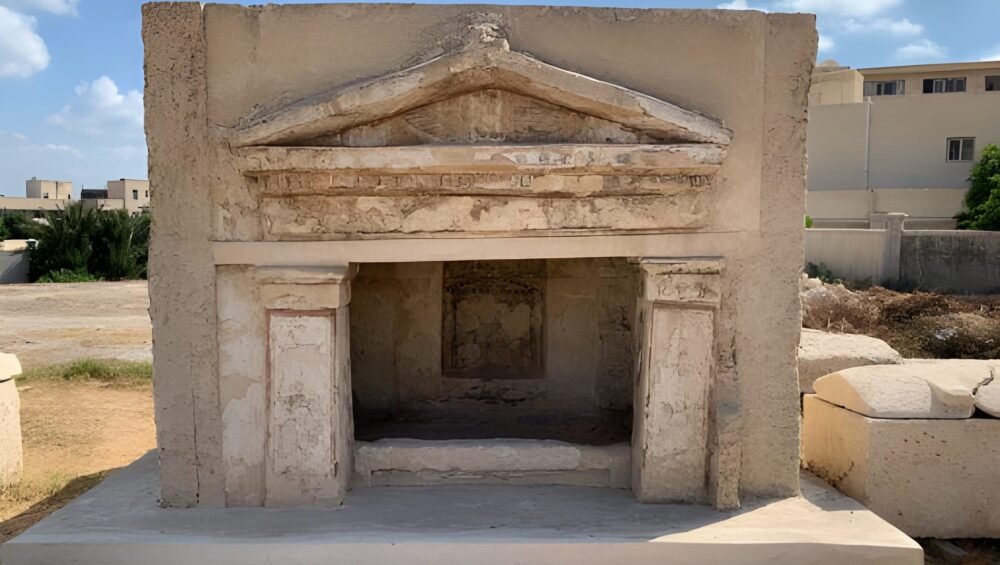
The vast necropolis of Saqqara stretches for miles along the west bank of the Nile, serving as the sacred burial ground for the ancient Egyptian capital, Memphis. Its historical layers reveal a story much deeper than stone tombs—it’s a chronicle of faith, evolution, and eternal reverence. Over millennia, Saqqara became home to the tombs of nobles, priests, and pharaohs across multiple dynasties. As a UNESCO World Heritage Site, it unveils a stunning timeline of architectural progression, from the earliest mastabas to pyramids crafted in polished limestone. To walk here is to witness history unfold under your feet, where ancient artisans carved intricate funeral texts and preserved bodies for the afterlife. The Sakkara Necropolis reveals how religious beliefs shaped the structure of Egyptian burial practices and showcased the unshakable faith in immortality that defined the civilization’s worldview.
The Step Pyramid of Djoser: Egypt’s Architectural Revolution
At the heart of Saqqara stands the Step Pyramid of King Djoser, a striking departure from previous rectangular tomb structures. Designed by the high priest and architect Imhotep around 2630 BCE, this engineering marvel was the first pyramid built entirely of stone. The six-step structure ascends nearly 200 feet high, representing a literal and symbolic stairway to heaven. Unlike later smooth-sided pyramids in Giza, Djoser’s pyramid reflected experimentation—an audacious blueprint that blended mathematics, astronomy, and religious philosophy. Exploring the restored corridors, visitors encounter vibrant limestone carvings and ceremonial courtyards that once echoed with rituals dedicated to divine kingship. Today, photography lovers find this site a perfect inspiration, and many travel itineraries—like the Day Tour to Pyramids, Memphis, and Sakkara—bring these stories back to life through guided exploration and captivating storytelling.
Imhotep’s Legacy: The Genius Behind the Pyramid
The creator of this masterpiece, Imhotep, remains one of the most remarkable figures in ancient history. As both an architect and a priest, he earned divine status centuries later, revered as the god of wisdom and medicine. His groundbreaking approach to design transformed mudbrick tombs into solid limestone edifices capable of withstanding eternity. Many Egyptians and scholars alike see Imhotep as the true father of architecture. His legacy expanded far beyond engineering—he shaped the aesthetic and spiritual harmony that defined Egyptian art for millennia.
Architectural Wonders Within the Saqqara Complex
The Saqqara complex is a vast labyrinth of sanctuaries, causeways, and sacred chambers meticulously aligned with celestial paths. The enclosure wall of the Djoser Pyramid introduces visitors to this sense of divine geometry. Paved courts once hosted royal ceremonies and elaborate rituals to ensure the king’s regeneration in the afterlife. The T-shaped hypostyle halls and replica palaces symbolized life beyond death, bridging the mortal and divine realms. Every structure within the compound shares a story—an unbroken dialogue between kings and gods. For a deeper insight into Egypt’s architectural milestones, travelers often pair a visit to Saqqara with ancient marvels in Dahshur and Giza on trips like the Private Tour to Pyramids, Sakkara, and Dahshur.
The Tombs of Nobles: Artistic Wonders Beneath the Sand
Saqqara’s tombs of high officials speak volumes about the society’s hierarchical depth and artistry. Tombs like those of Ti, Mereruka, and Ptahhotep burst with vivid reliefs depicting scenes of agriculture, trade, and daily life. These masterpieces reveal glimpses into the world’s earliest depictions of human expression. Carvings show workers brewing beer, farmers harvesting grain, and fishermen casting nets—all immortalized in technicolor hues that have outlasted empires. Many travelers consider these tombs an equally mesmerizing part of Egyptian heritage as the pyramids themselves. For a complete cultural immersion, check itineraries such as the Day Tour to Giza Pyramids & Sakkara—ideal for travelers fascinated by the blend of art and archaeology.
The Serapeum of Saqqara: Mysteries of the Sacred Bulls
Beneath the desert sands lies another astonishing marvel—the Serapeum of Saqqara. This subterranean labyrinth houses the massive granite sarcophagi of the sacred Apis bulls, believed to be earthly incarnations of the god Ptah. Carved with unparalleled precision, these sarcophagi weigh up to 80 tons. The site reflects not only the Egyptians’ engineering prowess but also their spiritual devotion. The Serapeum offers insight into religious syncretism and the continuity of sacred Egyptian traditions up until the Greco-Roman period.
Modern Discoveries and Ongoing Excavations
Recent excavations have breathed new life into Saqqara’s ancient sands, unveiling tombs, mummies, and inscriptions previously hidden for millennia. Archaeologists continue to unearth colorful wooden coffins, revealing well-preserved papyrus scrolls inscribed with the Book of the Dead. These discoveries rewrite our understanding of Egypt’s late dynastic periods and continue to fuel worldwide fascination. The Saqqara plateau has become a treasure trove for Egyptologists and a favorite destination for visitors during cultural-focused tours like the Egypt Photography Tour and Cultural Tours Egypt, capturing the perfect fusion of heritage and discovery.
Preservation Work and Visitor Experience
Thanks to modern restoration efforts, Saqqara’s ancient splendor continues to captivate today’s travelers. Restoration projects preserve hieroglyphs, rebuild corridors, and stabilize structures against desert erosion. Visitors now stroll along designed pathways that offer panoramic views of the necropolis. The Egyptian Ministry of Tourism has made great strides to balance accessibility with conservation, ensuring that Saqqara’s historical authenticity endures for future generations. Those who explore the site as part of extended Egypt Vacation Packages gain the unique advantage of private guides unraveling millennia-old mysteries in real time.
Travel Tips: Visiting the Saqqara Pyramids Like a Pro
Located just 30 kilometers from Cairo, Saqqara makes for a perfect day trip for those fascinated with Egyptian heritage. The best time to visit is early morning or late afternoon to avoid the midday heat and to witness the pyramid glowing under the golden desert light. Comfortable footwear, sun protection, and a camera are essential companions. Combinations with nearby attractions like Memphis, Dahshur, or Giza enrich the experience, creating a well-rounded historical adventure. Opting for expertly arranged Egypt Day Tours ensures a well-curated, seamless visit that blends storytelling, archaeology, and personalized exploration.
Why Saqqara Should Be on Every Traveler’s Bucket List
Many visitors overlook Saqqara in favor of its more famous sibling, Giza, but the site offers unmatched authenticity and serenity. Here, sand drifts quietly over ancient stones untouched by mass tourism. The feeling of solitude gives visitors a deep connection to Egypt’s earliest visionaries. Saqqara reveals not just where the ancient pyramid tradition began but how it evolved into one of the world’s most enduring cultural legacies. Combining it with a Cairo and Luxor tour package transforms your journey into a breathtaking saga through time.
Frequently Asked Questions about the Saqqara Pyramids
1. What’s unique about the Step Pyramid of Djoser?
The Step Pyramid of Djoser stands as the first large-scale stone monument in history. Its six-step design marks the transition from flat-roofed mastabas to the smooth-sided pyramids of later dynasties. It’s considered the revolutionary prototype that set the stage for Giza’s landmarks.
2. How old are the Saqqara Pyramids?
The Step Pyramid was built around 2630 BCE during Egypt’s Third Dynasty, making it approximately 4,700 years old—centuries older than the Great Pyramid of Giza. Its innovative engineering forever changed ancient architecture.
3. Can visitors enter the Saqqara Pyramid?
Yes. After significant restoration, visitors can now enter parts of the Step Pyramid, exploring chambers and corridors that lead deep into its interior. Guided tours, such as the Pyramids and Sakkara Day Tour, often include access to these restored sections.
4. What other attractions are near Saqqara?
Close to Saqqara, travelers can visit the Dahshur Pyramids, ancient Memphis City, and several beautifully decorated tombs. These sites together illustrate Egypt’s full pyramid development timeline.
5. How do you reach Saqqara from Cairo?
Saqqara lies about 45 minutes south of Cairo by car. Most travelers opt for organized tours like the Giza and Sakkara Day Tour or the Saqqara Pyramids Desert Safari Trip, offering comfortable transport and expert guides.
Conclusion: The Eternal Pulse of Saqqara
Standing before the Saqqara Pyramids, one doesn’t just see stone blocks and ancient dust—it’s as if time itself breathes through the desert. The site’s haunting beauty tells a story of visionaries who sought to reach the divine through innovation and faith. From Imhotep’s genius to modern discoveries, Saqqara bridges the past and present, proving that Egypt’s legacy is not buried—it’s alive, whispering fiercely through its pyramids. For those yearning to feel the soul of ancient Egypt beyond postcards and history books, Saqqara is an unmissable chapter in the timeless saga of human achievement.