
Mount Sinai (Jebel Musa): The Sacred Peak Where History Meets Heaven
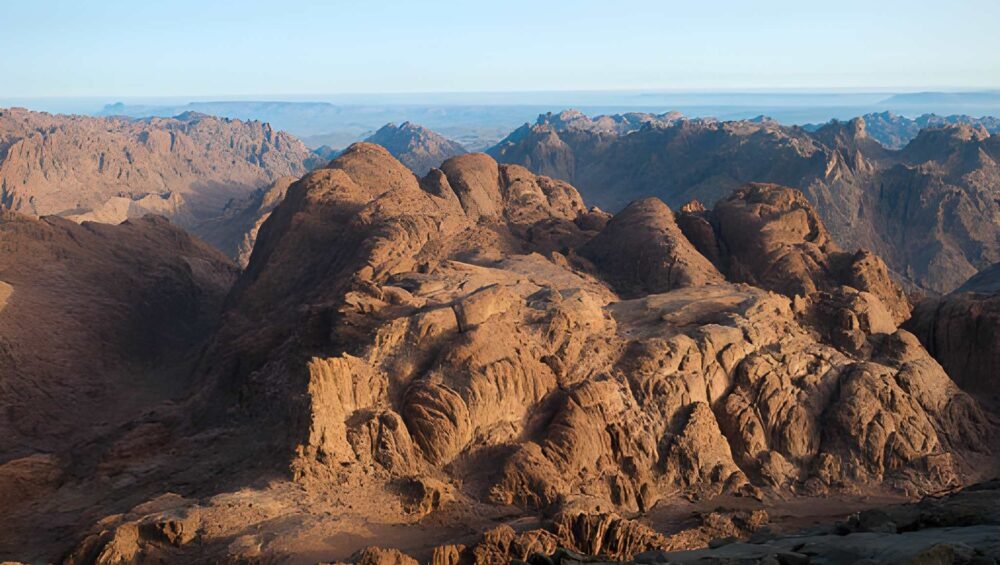
Mount Sinai, also known as Jebel Musa, stands majestically in Egypt’s Sinai Peninsula, rising nearly 2,285 meters above sea level. This monumental site has been revered for centuries as the mountain where Moses is believed to have received the Ten Commandments. Its dramatic peaks, red-hued granite cliffs, and profound spiritual aura attract thousands of travelers, pilgrims, and adventurers each year. Nestled near the fabled St. Catherine’s Monastery, this sacred mountain forms one of the world’s most awe-inspiring religious landscapes.
Yet, Mount Sinai isn’t just a place of divine revelation—it’s also a natural wonder of Egypt’s rugged wilderness. Every inch of this terrain tells a story that transcends geography. From its sunrise vistas that burst over endless desert plains to its deep valleys carved by time itself, Jebel Musa combines spirituality with untamed beauty in a way that few places can. Whether you’re a seeker of spiritual enlightenment, a history enthusiast, or an adventurous trekker, Mount Sinai promises a soul-stirring journey through faith, endurance, and nature’s raw splendor.
This iconic peak’s fame extends beyond religious history. Modern explorers discover not only ancient spirituality but also the profound silence of the desert, Bedouin hospitality, and breathtaking views stretching toward the Red Sea. Visiting Mount Sinai allows travelers to retrace the footsteps of prophets, delve into biblical history, and witness magnificent desert sunrises that ignite the sky in pure gold. As one of Egypt’s most important landmarks, it serves as a must-visit destination in many Egypt vacation packages, blending pilgrimage and adventure in an unforgettable experience.
The Historical and Spiritual Significance of Mount Sinai
Mount Sinai’s historical and spiritual resonance is unparalleled. Mentioned repeatedly in the Bible, the Quran, and Jewish texts, the mountain stands as a symbol of divine communication and covenant. According to tradition, it was here that Moses met with God and received the tablets of the law, anchoring it deeply in Abrahamic religious history. This profound connection has made Jebel Musa a beacon for pilgrims since early Christianity, when hermits settled around its slopes, carving hermitages into the rock and establishing small chapels that endure to this day.
Close by lies the ancient Mount Sinai & St. Catherine Monastery, one of the oldest working Christian monasteries in the world. Built under the command of Emperor Justinian in the 6th century, it houses irreplaceable icons, rare manuscripts, and sacred relics, making it a UNESCO World Heritage Site. The monastery’s resilience and the mountain’s majesty together create an atmosphere of timeless sanctity. Pilgrims often climb the mountain by night, guided by torchlight, to reach the summit by dawn and witness a sunrise said to be life-changing.
Climbing Mount Sinai: An Unforgettable Experience Above the Clouds
Ascending Mount Sinai is not for the fainthearted, but the reward is incomparable. The trek begins at the base near St. Catherine’s Monastery, where local Bedouin guides offer their expertise and deep-rooted knowledge of the trails. Two main paths lead to the summit: the Camel Path and the Steps of Repentance. The Camel Path offers a gradual incline and smoother route, while the Steps—comprising over 3,000 hand-carved steps made by monks centuries ago—challenge adventurers seeking the traditional pilgrimage route.
Trekkers typically begin their climb late at night to arrive at the peak before sunrise. As the first rays of dawn pierce through the horizon, the Sinai Desert awakens in brilliant shades of orange, pink, and gold. It’s a spectacle that leaves even the most seasoned traveler speechless. Many visitors combine this journey with a stop at nearby wonders such as the Colored Canyon or the tranquil shores of Sharm El Sheikh, making it a cornerstone of spiritual and adventure tourism in Egypt.
The Natural Beauty and Geography of Jebel Musa
Mount Sinai’s geography is a stunning fusion of geological artistry and stark desert terrain. Composed mainly of rose-colored granite, the mountain’s landscape is marked by deep ravines, sculpted cliffs, and barren ridges rising dramatically from the sandy plains. The terrain’s extremes—baking heat by day and biting cold by night—add intensity to its mystique. Tiny patches of desert plants, such as acacia and desert thyme, cling to the rocks, while wild ibex roam freely across the slopes.
The surrounding region forms part of Egypt’s South Sinai Governorate, an area brimming with natural and cultural significance. Visitors often explore a combination of experiences including the Sharm El Sheikh Day Tours, or take off-road excursions like the St Catherine and Colored Canyon by Jeep. Each offers a fresh perspective of Sinai’s breathtaking landscapes and hidden gems.
The Bedouin Culture and Mount Sinai’s Living Heritage
For centuries, Bedouin tribes have inhabited the Sinai Peninsula, preserving a unique desert culture that blends hospitality, tradition, and survival wisdom. At Mount Sinai, the Jebelaya Bedouins serve as guardians of the mountain and caretakers of its routes. Their heritage interweaves with the region’s sacred history, crafting a narrative that celebrates respect for land and spirituality. Many trekkers savor Bedouin tea brewed over open fires, sharing stories under a star-filled sky before ascending the mountain.
In recent years, Bedouin-guided climbs, eco-trekking, and cultural tours have become popular among travelers seeking authentic encounters with Egypt’s desert life. Combining such experiences with spiritual landmarks like the Saqqara Pyramids or the Luxor Temple enhances understanding of Egypt not just as a land of antiquity, but as a living, breathing culture that continues to inspire awe.
Mount Sinai’s Biblical and Islamic References
Across faiths, Jebel Musa holds deep symbolic resonance. In the Bible, it’s described as the site where Moses encountered the burning bush and received the divine commandments. In Islamic tradition, it’s known as Jabal Musa, where Prophet Musa (Moses) received revelation from Allah. Jewish scripture also reveres it as the Mountain of Law, memorializing the moment of divine covenant. This tri-faith reverence gives the mountain universal spiritual importance, making it a beacon of peace, faith, and unity.
Visitors often combine a pilgrimage to Jebel Musa with a day tour to nearby religious and historical sites, or even broader journeys that include sacred sites in Cairo through Cairo Day Tours. The fusion of spirituality and exploration enhances the meaning of travel, reminding people that Mount Sinai remains a crossroad of human belief and divine mystery.
Best Time to Visit Mount Sinai and Travel Tips
Planning your Mount Sinai adventure requires awareness of both weather and local customs. The ideal time to visit is between October and April, when temperatures are cooler and conditions are perfect for night climbs. During summer, daytime heat can be extreme, making early morning or late evening climbs safer. Dressing in layers is essential, as temperatures drop significantly at the summit. Comfortable hiking shoes, a torch or headlamp, and water are indispensable for the journey.
Travelers often arrange their trips through organized experiences like Egypt Day Tours or private itineraries customized through local experts. Combining a Mount Sinai climb with adventures in Dahab or a relaxing stay in Sharm El Sheikh can create a well-rounded Sinai experience. Many visitors also pair their mountain pilgrimage with coastal relaxation or spiritual reflection, taking advantage of the region’s contrasting beauty.
Photography, Silence, and the Sinai Sky
Photographers describe Mount Sinai as a natural studio blessed by changing light. The soft hues of dawn, the warm golden tones of sunset, and the crystalline night sky filled with stars offer unmatched visual rewards. The silence atop the summit—punctuated only by the soft breeze or distant prayer—evokes emotion that no camera can fully capture. Many visitors linger, reflecting on their journeys as the view of endless peaks stretches out to the horizon, touching both earth and heaven.
Top Attractions Around Mount Sinai
Beyond the sacred peak lies a wealth of nearby attractions that enrich the Sinai experience. The awe-inspiring Ras Mohammed National Park enthralls divers with its exuberant marine life and vibrant coral reefs. The Blue Hole of Dahab and the tranquil Blue Lagoon Dahab offer serene contrasts to the mountain’s rugged heights. Further exploration may include a desert jeep safari or camel trek through the mystical White Canyon or colorful valleys echoing ancient geological wonders.
Frequently Asked Questions About Mount Sinai (Jebel Musa)
What is the best way to reach Mount Sinai?
The most common route is from Sharm El Sheikh, approximately a 3-hour drive to the base. Travelers can book organized tours such as the St. Catherine Tour from Sharm, which often includes transportation, guides, and monastery visits.
How long does it take to climb Mount Sinai?
The uphill journey typically takes about 2 to 3 hours via camel path or 2 hours for the more direct Steps of Repentance. Descending takes roughly the same time, and climbers often pause to meditate or photograph along the way.
Can I visit St. Catherine’s Monastery while touring Mount Sinai?
Absolutely. Located at the mountain’s base, St. Catherine’s Monastery is open to visitors on most days. This UNESCO heritage site houses ancient religious manuscripts and artifacts, making it a vital companion stop to any Mount Sinai pilgrimage.
Is it safe to climb Mount Sinai at night?
Yes. Night climbs are the most popular option as temperatures are cooler and reaching the summit by sunrise is a highlight. Bedouin guides accompany climbers for safety, ensuring a secure and memorable ascent.
What should I bring on a Mount Sinai climb?
Essentials include water, snacks, layered clothing, sturdy shoes, a flashlight or headlamp, and a camera. It’s also wise to bring some local currency for small purchases at Bedouin huts along the trail, where cozy tea stops await weary climbers.
Whether you come to witness sunrise’s golden glow, retrace the prophets’ steps, or connect with Egypt’s enduring spirit, Mount Sinai (Jebel Musa) invites you to experience something truly transformative—where the silence of the mountains whispers stories as timeless as the stars above.


