The Coptic Museum: A Timeless Journey Through Egypt’s Christian Heritage
Tucked within the heart of Old Cairo, The Coptic Museum stands as a profound keeper of one of Egypt’s most precious treasures—its Coptic Christian heritage. This remarkable museum, established in 1908 by Marcus Simaika Pasha, preserves an extraordinary collection that bridges ancient Egyptian, Greco-Roman, and Islamic art. Every corridor encapsulates history, faith, art, and architectural mastery, offering travelers an intimate encounter with centuries of Coptic culture. Far from being just another historical showcase, this museum is a spiritual and cultural journey that unveils Egypt’s lesser-told story beyond the majestic pyramids and pharaonic tombs. In a city thrumming with historical landmarks, from the Hanging Church to the Babylon Fortress, The Coptic Museum emerges as a unique narrative center where religion, art, and identity intertwine.
Located in the ancient quarter of Coptic Cairo, the museum rests on hallowed grounds that once witnessed the earliest Christian footsteps in Egypt. With over 16,000 artifacts, intricate wooden carvings, manuscripts, frescoes, textiles, and icons, this museum is considered the largest repository of Coptic art worldwide. Every piece tells a compelling story—from the dawn of Christianity in Egypt to the fusion of Egyptian traditions with Christian symbolism. Visitors are invited to wander through time, exploring how early believers adapted ancient motifs, preserving their faith under shifting empires.
The Birth and Vision of The Coptic Museum
The foundation of The Coptic Museum emerged from a passionate vision. Marcus Simaika Pasha, a Coptic historian and philanthropist, devoted his life to safeguarding Egypt’s Christian heritage. In the early 20th century, as Egypt transitioned under colonial pressures, artifacts of the Coptic era faced neglect or dispersal. Recognizing the urgency, Simaika initiated the establishment of the museum within the precinct of the Hanging Church, one of the oldest churches in the region. His efforts not only revived Egypt’s Christian history but also provided a sanctuary for priceless relics that bridge the nation’s diverse faiths.
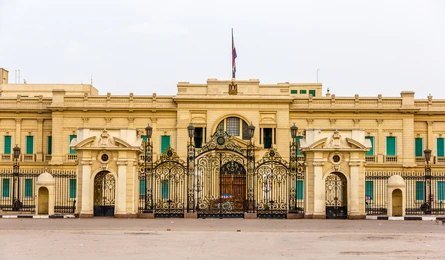
When King Fuad I inaugurated the museum in 1910, he cemented its place as a symbol of unity, showcasing how Egyptian identity transcends religious lines. Subsequent restorations, notably in 2006, modernized its exhibition halls, enhancing visitor experiences while preserving authenticity. The museum’s stunning architecture—a delicate blend of traditional Coptic, Ottoman, and Islamic motifs—echoes Cairo’s layered past. Seen through this lens, The Coptic Museum is more than a building; it’s a declaration of resilience, memory, and coexistence.
Architectural Beauty and Symbolic Design of The Coptic Museum
Walk through its carved wooden doors, and you’ll be immersed in artistry harmoniously merging different cultural influences. The Coptic Museum’s structure harmonizes traditional Egyptian flair with Byzantine ornamentation. Its courtyards filled with mashrabiya screens, decorative arches, and floral motifs celebrate the aesthetic of Coptic artisanship. The meticulous wooden latticework, influenced by monastic design, creates patterns of light and shadow that feel both sacred and serene.
The courtyard gardens, sprinkled with stone crosses and ancient reliefs, exude tranquility amid the bustling urban landscape. Interestingly, the museum shares aesthetic kinship with architectural gems like the Islamic Art Museum in Cairo and the Al Azhar Park area, demonstrating Egypt’s rich architectural continuity. These design parallels remind visitors that Egypt’s art forms—whether Islamic, Coptic, or Pharaonic—spring from one creative source: the Egyptian spirit.
Masterpieces of Faith: Collections Inside The Coptic Museum
The Coptic Museum houses an exquisite and diverse compilation of artifacts meticulously organized across chronological sections. From the earliest Christian era to the advent of Islam, the collections illustrate how Coptic art evolved yet retained its spiritual essence. Iconography dominates the galleries with luminous images of saints painted with egg tempera on wood, while ivory carvings, embroidered vestments, and murals reflect devotion blended with talent.
Among the highlights are fragments of the Nag Hammadi manuscripts, precious early Christian texts that provide insights into Coptic spirituality and theology. Visitors can trace how biblical symbolism merged seamlessly with Egyptian motifs—ankhs reinterpreted as crosses, lotus flowers as signs of resurrection, and eyes representing divine watchfulness. The museum also preserves intricate relics from the Red Monastery and the White Monastery, both birthed from Upper Egyptian monastic tradition. For anyone fascinated by religious iconography, The Coptic Museum is a living library of visual theology.
The Artistic Soul of Coptic Iconography
The icons on display at The Coptic Museum tell stories beyond their gilded surfaces. Each icon encapsulates the philosophy of humility, endurance, and faith that defines Coptic Christianity. Early artists, often monks, painted not to impress but to inspire devotion. The rigid postures, large almond eyes, and serene expressions of saints symbolize spiritual awareness rather than physical realism. Iconic depictions of the Virgin Mary, St. Mark—the patron saint of the Coptic Church—and biblical scenes like the Annunciation dominate the wooden panels. The earthy tones combined with subtle textures exhibit a unique Egyptian warmth rarely found elsewhere in Christian art traditions.
Textiles, Manuscripts, and Decorative Arts
Coptic Egypt was renowned for its vibrant textile industry, and the museum preserves masterpieces woven with intricate Christian symbols. Ancient tunics embroidered with angels, vines, and geometric borders reveal early Christian interpretation of eternity and divine order. Moreover, the manuscript wing, home to rare parchments written in Coptic and Greek, traces linguistic transitions that shaped Egyptian Christianity. Visitors marvel at the illuminated lectionaries, gospel codices, and decorative bindings often embroidered with gold threads. From mosaic panels to pottery vessels, the collection narrates how artistic devotion persisted despite cultural upheavals.
The Role of The Coptic Museum in Modern Egyptian Identity
Today, The Coptic Museum stands as a bridge connecting Egypt’s multi-faith history. Its preservation underscores the message that Egyptian civilization thrives on coexistence. In a land once guarded by Pharaohs and revered prophets, the museum reaffirms the creativity of early Christians who absorbed ancient visual traditions to craft something distinct yet deeply Egyptian. Similar to how the National Museum of Egyptian Civilization tells the story of people through time, The Coptic Museum tells the story of faith through art.
Cairo’s Old Coptic Quarter feels almost sacred, where the echoes of psalms intertwine with calls to prayer. The museum’s position next to landmarks like the Ben Ezra Synagogue and Abu Serga Church emphasizes religious harmony. This corner of Cairo reflects three millennia of belief systems living in mutual respect—a timeless message for the modern world.
Visiting The Coptic Museum: A Traveler’s Perspective
For travelers exploring Cairo, The Coptic Museum is a must-see gem off the traditional tourist trail. Its location in Old Cairo makes it easily accessible from the city center through a half-day cultural tour, often combined with visits to nearby churches and synagogues. The museum’s galleries are air-conditioned and well-curated, providing educational material in both Arabic and English. Photography is permitted in specific sections, ensuring preservation of delicate manuscripts and textiles.
For those who prefer a guided experience, participating in a Coptic and Islamic Cairo Tour allows deeper historical insight guided by Egyptologists. Alternatively, tourists who enjoy personalized itineraries may add this stop to broader packages such as Egypt Vacation Packages or Cairo Day Tours. The museum experience is versatile—ideal for art enthusiasts, faith travelers, and history lovers alike.
Exploring Nearby Coptic and Islamic Heritage Sites
Old Cairo overflows with ancient wonders. Just steps away from The Coptic Museum lies the centuries-old Mosque of Ibn Tulun, another architectural marvel preserving medieval design. Further north, the Citadel of Salah El-Din crowns the skyline, while the serene Al Azhar Mosque offers another peek into Cairo’s faith-filled landscape. Together, these monuments weave a cultural mosaic unlike any other city in the world.
When to Visit The Coptic Museum
The best time to visit The Coptic Museum is from October through April when Cairo’s weather is pleasant and mild. The museum opens daily from morning until late afternoon. Morning visits are ideal for photographing architectural details, while afternoons offer quieter exploration. Visitors embarking on extended holidays or cultural tours like 7 Days Cairo and Nile Cruise Package often include The Coptic Museum as part of the opening leg of their journey before heading to Upper Egypt.
Tips for an Enriching Visit
Start your museum visit early to enjoy peaceful exploration. Bring a notebook to jot reflections; each display evokes profound connections between art and faith. Don’t miss the interactive digital screens offering translations of ancient Coptic texts. For those deeply intrigued by Coptic monasteries, book excursions to destinations covered in tours such as White Monastery and Red Monastery. These complement your museum visit with real-world encounters of Egypt’s monastic life.
Why The Coptic Museum Matters in Today’s World
In an era where cultural identity risks dilution, The Coptic Museum serves as a reminder of Egypt’s syncretic soul. Its preservation efforts mirror humanity’s quest to remember its shared heritage. Each artifact whispers resilience—the ability of faith to bloom under adversity. Modern academics and artists frequently study its holdings to trace Egypt’s influence on Mediterranean Christianity and early art. Thus, the museum stands as a living chronicle, continuously educating and inspiring new generations about Egypt’s collective spiritual and artistic wisdom.
Conclusion: A Cultural Jewel Worth Discovering
The Coptic Museum is not merely a tourist attraction; it’s the living heartbeat of Egypt’s Christian identity. It invites global visitors to explore beyond the pharaohs—to see Egypt through the eyes of its early believers. Whether as part of a full historical immersion like the 10 Day Cairo with Nile Cruise or as a solo cultural stop, this museum deepens every traveler’s understanding of Egypt’s unmatched legacy. Step inside, and you’ll find yourself not merely observing history—but feeling it. That’s the true magic of The Coptic Museum.
FAQs about The Coptic Museum
Where is The Coptic Museum located?
The Coptic Museum is located in Old Cairo, specifically within the precinct of Coptic Cairo near the Babylon Fortress. It’s easily reachable from downtown Cairo and forms part of popular cultural routes explored by visitors during Cairo Day Tours.
What can visitors expect to see inside The Coptic Museum?
Visitors can explore extensive galleries displaying ancient manuscripts, wooden icons, stone reliefs, frescoes, and embroidered textiles. The museum’s highlights include artifacts from early Coptic monasteries and the precious Nag Hammadi scriptures.
Is photography allowed inside The Coptic Museum?
Photography is permitted in several sections of The Coptic Museum, particularly in spaces exhibiting non-fragile artifacts. However, flash photography is restricted in rooms housing manuscripts and textiles for conservation reasons.