Wadi El Rayan – Egypt’s Hidden Oasis of Nature, Beauty, and Tranquility
Nestled deep in the Fayoum Depression, Wadi El Rayan is one of Egypt’s most enchanting natural reserves — a place where vast desert sand dunes meet serene turquoise lakes, forming a breathtaking tapestry of contrasts rarely found elsewhere. The unique geology of Wadi El Rayan showcases Egypt’s rich ecological diversity, drawing visitors who crave a taste of the country’s untamed wilderness mixed with the tranquility of crystal-clear waters. This protected valley, located about 150 kilometers southwest of Cairo, isn’t just a geographic marvel; it’s a sanctuary of biodiversity, history, and peace for travelers seeking authentic adventure.
Named after El Rayan, a revered Islamic figure, this oasis captures hearts through its cascading waterfalls, sculpted cliffs, and thriving wildlife. Its captivating charm has made Wadi El Rayan a must-see on many Egypt Day Tours, where visitors witness nature harmoniously blending with culture. Unlike the crowded tourist sites of Cairo or Luxor, Wadi El Rayan offers quiet introspection — a place where one can feel the whispers of wind sweeping across endless dunes while watching rare birds soar above shimmering water bodies. The region’s untouched beauty makes it a growing highlight for ecotourism and photographers hoping to capture Egypt’s hidden gems.
From breathtaking natural wonders to adventurous escapades like sandboarding, hiking, and wildlife spotting, Wadi El Rayan provides more than relaxation — it’s an experience that rejuvenates the soul. Whether you’re drawn by the magic of its waterfalls or the allure of star-studded nights, this nature reserve is a living masterpiece, constantly evolving and inviting explorers to immerse themselves in its serenity. Once you visit, you’ll understand why many consider Wadi El Rayan one of Egypt’s best-kept secrets.
Where Is Wadi El Rayan Located?
Wadi El Rayan lies within the Fayoum Governorate, a region celebrated for its ancient history and scenic desert landscapes. Roughly two hours by car from Cairo, it’s accessible for both day-trippers and long-term explorers seeking a serene getaway. The natural depression of Fayoum makes this location particularly distinctive, as it sits below sea level, forming part of the vast Western Desert ecosystem. Many travelers visiting the nearby Fayoum Oasis choose to extend their adventure to Wadi El Rayan to discover its lakes, dunes, and wildlife habitat.
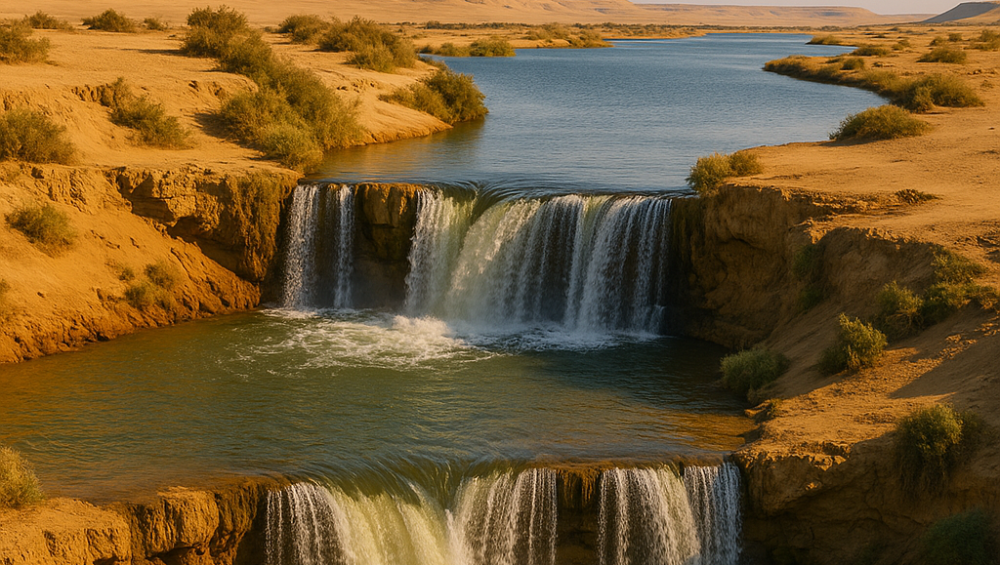
What makes this area fascinating is the artificial yet stunning water system created from agricultural drainage that formed the upper and lower lakes. These lakes, sustained by interconnected waterfalls, are surrounded by impressive rock formations carved by desert winds over millennia. Close to Wadi El Rayan lies another UNESCO-protected site — Wadi Al Hitan (The Valley of the Whales) — famous for its fossilized remains of ancient whales, offering a glimpse into Egypt’s prehistoric marine past.
The Lakes and Waterfalls of Wadi El Rayan
At the center of Wadi El Rayan lie two magnificent lakes — the upper and lower lakes — connected by Egypt’s only natural waterfalls. These cascading waters form a refreshing contrast to the arid desert that surrounds them, attracting locals and tourists year-round. The lower lake, fringed by reeds and home to migratory birds, reflects golden sunsets that turn the entire horizon into shades of amber and crimson. For photographers and nature enthusiasts, Wadi El Rayan’s waterfalls present one of the most mesmerizing vistas in Egypt.
This picturesque landscape also provides the perfect backdrop for eco-friendly adventures. Visitors often embark on guided expeditions similar to those featured in Day Tour to El Fayoum from Cairo or combine it with stops at Qarun Lake, another breathtaking spot in Fayoum. Together, these destinations paint a complete picture of Egypt’s desert lagoons and wildlife sanctuaries, showcasing unparalleled ecological harmony.
The Desert Dunes and Adventure Sports
Wadi El Rayan isn’t just about still waters; its vast surrounding desert offers thrilling activities for adrenaline lovers. The rolling sand dunes here are massive — ideal for sandboarding, an Egyptian alternative to snowboarding but set on sun-drenched slopes. Quad biking through the desert landscape or enjoying an off-road jeep safari is an experience that makes hearts race. Tour options akin to the Desert Safari Trip by Quad Bike in Giza mirror the same thrill in equally spectacular terrain.
These dunes form dramatic silhouettes against golden sunsets, creating a cinematic view that rivals famous desert destinations worldwide. Whether you choose to glide down sandy peaks or stargaze under the vast desert canopy, Wadi El Rayan delivers adventure wrapped in natural splendor. Many visitors also enjoy organized camping experiences, where nights are filled with campfires, Bedouin stories, and peaceful silence beneath the Milky Way.
Flora, Fauna, and Ecological Significance
Declared a protected area in 1989, Wadi El Rayan is a crucial ecological site that supports rare wildlife species, especially birds. Flamingos, herons, ibises, and eagles can be spotted around the wetlands, making it a paradise for birdwatchers. The region also supports several desert animals like the fennec fox, Dorcas gazelle, and sand cat. Plant life, though sparse, thrives in the oasis ecosystem, adapting to extreme temperatures and low rainfall. This rich biodiversity makes Wadi El Rayan an integral component of Egypt’s environmental conservation.
The area’s ecological importance mirrors the preservation efforts seen in places like Wadi El Gemal National Park, underscoring Egypt’s commitment to protecting its natural habitats. Environmental initiatives also aim to maintain sustainable tourism practices, ensuring that visitors can enjoy nature while preserving it for future generations.
Culture, Myth, and Historical Echoes of Wadi El Rayan
While Wadi El Rayan’s fame primarily arises from its natural wonders, the region carries subtle threads of ancient history and Bedouin legend. Locals often recount tales of travelers and traders passing through these desert trails centuries ago. Ancient caravans once crossed Fayoum, connecting Nile Valley civilizations to remote oases. Today, Bedouin communities maintain a presence here, preserving traditions in music, food, and storytelling that enrich any visit.
Many explorers visiting Fayoum’s landmarks such as the renowned Qasr Qarun Temple also include Wadi El Rayan in their itineraries, tracing ancient spiritual and cultural routes. The fusion of myth, nature, and rustic living adds a layer of authenticity to every traveler’s journey through this serene desert haven.
Best Time to Visit Wadi El Rayan
The best period to explore Wadi El Rayan is between October and April, when the climate is pleasantly cool and the skies remain clear. Summer months can be scorching, making outdoor activities challenging. During the peak season, the lakes shimmer under mild sunlight, and the desert breeze carries an unmistakable freshness. It’s this balance between weather and scenery that draws photography enthusiasts and outdoor adventurers to plan their visits wisely, ensuring a rewarding and comfortable experience.
Things to Do in Wadi El Rayan
There’s no shortage of activities in and around this picturesque reserve. For nature enthusiasts, hiking through the sand dunes or gazing at wildlife offers pure tranquility. If you’re in the mood for action, try sandboarding, desert safaris, or even camel rides. Some visitors enjoy combining their trip with a cultural tour, visiting the charming Tunis Village Faiyum, known for pottery workshops and local art.
To add variety, travelers often connect their visit with multi-destination tours similar to 7 Days Cairo, Luxor, Abu Simbel & Sahara Trip, blending city exploration with natural and desert experiences. It’s this combination that allows visitors to witness both Egypt’s ancient civilization and raw wilderness in a single journey.
Photography and Eco-tourism at Wadi El Rayan
For eco-tourists and photographers, Wadi El Rayan offers an endless canvas of creative opportunities. The play of light over the waterfalls and dunes is captivating, while birdlife around the lakes provides excellent photographic subjects. Sustainable travel has become crucial in recent years, and Wadi El Rayan stands as a shining example of ecotourism done right — minimal intrusion but maximum appreciation. Similar to initiatives promoted through Eco Tours in Egypt, responsible tourism here encourages respect for nature while sharing its stories globally.
Travel Tips for Visiting Wadi El Rayan
When planning your trip, bring plenty of water, comfortable clothing, sunscreen, and a camera. It’s also ideal to hire a local guide who knows the terrain intimately, ensuring you safely navigate deserts and reach the shimmering lakes on time. Those interested in organized adventures might consider joining packages offered by Cindrella Egypt Travel, which often include well-curated itineraries around Fayoum, Cairo, and nearby natural attractions.
Combining Wadi El Rayan with Other Destinations
Travelers frequently combine their Wadi El Rayan trip with excursions to the nearby Valley of the Whales or the lush greenery of Fayoum. Those who wish to add a luxurious twist might even link it with Nile journeys such as the Luxury Dahabiya Nile Cruise — merging desert serenity with timeless river elegance. Pairing these experiences reveals Egypt’s multidimensional charm: from golden sands to the life-giving Nile, every corner tells its own story.
FAQs about Wadi El Rayan
What is Wadi El Rayan famous for?
Wadi El Rayan is renowned for its dual lakes, beautiful waterfalls, and desert dunes. As Egypt’s only waterfall site, it attracts those seeking both relaxation and adventure. Its unique wildlife and striking scenery make it a premier destination for eco-tourism.
How do I get to Wadi El Rayan from Cairo?
Wadi El Rayan is approximately a two-hour drive southwest of Cairo. Visitors typically travel via private tour, rental car, or organized excursions such as Day Tour to El Fayoum from Cairo. Roads are well-marked, and guides enhance the journey with local insight.
Is there an entrance fee to Wadi El Rayan?
Yes. A small entrance fee applies, managed by the Fayoum protectorate authorities to support conservation efforts. Fees are modest and help maintain the park’s ecological integrity.
What should I bring for a Wadi El Rayan visit?
Bring water, snacks, sunscreen, sunglasses, and sturdy shoes. A camera is essential to capture the remarkable landscapes. For those planning sunset or camping visits, a light jacket and flashlight are helpful.
Can I swim in the lakes of Wadi El Rayan?
Although some visitors wade into shallow areas, swimming isn’t recommended due to variable water conditions and conservation rules. It’s better to enjoy the lakes through photography or peaceful boat rides when permitted.
In essence, Wadi El Rayan remains one of Egypt’s truly unexplored treasures — a place where time slows, nature heals, and every sense awakens. Whether you’re a photographer chasing golden hues, a traveler craving silence amid beauty, or an adventurer seeking desert thrills, Wadi El Rayan promises an unforgettable encounter with Egypt’s wild heart.