Citadel of Salah El-Din: The Timeless Guardian of Cairo’s Skyline
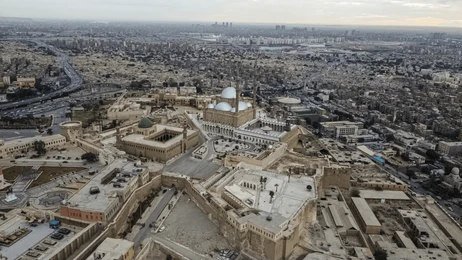
Rising majestically above the heart of Cairo, the Citadel of Salah El-Din — also known as the Cairo Citadel — stands as one of Egypt’s most awe-inspiring landmarks. Perched high on Mokattam Hill, this magnificent fortress dominates the city’s eastern skyline, bearing witness to nearly nine centuries of Egyptian history, Islamic architecture, and military triumph. Built under the command of the legendary Salah El-Din (Saladin) in the 12th century, the Citadel was designed to protect Cairo from Crusader invasions and eventually evolved into a symbol of power for successive dynasties. Today, the Citadel of Salah El-Din draws visitors from around the world with its stunning panoramic views, remarkable mosques, and fascinating museums, making it an unmissable stop on any Cairo Day Tours.
From the moment you step through its ancient gates, the aura of grandeur and military ingenuity envelops you. The Citadel was engineered with advanced defensive features for its time—walls fortified with towers, massive gates, and strategic positioning overlooking Old Cairo. Beyond defense, it became a royal residence and political hub, witnessing pivotal decisions that shaped Egypt’s destiny. Exploring the Citadel of Salah El-Din isn’t merely a walk through stone corridors; it’s a journey through centuries of Egyptian resilience and artistry, harmonizing history, religion, and culture beneath the golden Cairo sun.
As a focal point in Islamic Cairo, the Citadel remains surrounded by equally captivating monuments such as the Alabaster Mosque, Sultan Hassan Mosque, and Al Rifai Mosque. Together, these masterpieces deliver an unrivaled perspective of Cairo’s Islamic heritage. Whether you’re an avid historian, architecture enthusiast, photographer, or first-time traveler, the Citadel promises an unforgettable exploration of Egypt’s medieval might and spiritual spirit.
The Strategic Vision Behind Salah El-Din’s Fortress
In the late 12th century, Salah El-Din—renowned for his valor during the Crusades—recognized Cairo’s vulnerability. His strategic brilliance inspired him to fortify the city by constructing an impregnable stronghold on Mokattam Hill. This vantage point offered an unparalleled command of both Cairo and its surroundings, securing the capital against foreign invasions. The Citadel of Salah El-Din wasn’t just a fortress; it symbolized unity, authority, and defense. Its design integrated military intelligence with urban planning, forming a self-sufficient complex containing barracks, palaces, water reservoirs, and even mosques—an entire city within walls.
Salah El-Din’s vision laid the foundation for Cairo’s prominence as the political and cultural heart of Egypt. The fortress later became home to Mamluk and Ottoman rulers, each leaving their distinct architectural mark. This grand continuity illustrates why the Citadel remains central in Islamic Cairo tours. Its legacy represents more than a military triumph—it embodies the unyielding spirit of Egyptian civilization through evolution, adaptation, and endurance.
Architectural Splendor of the Citadel’s Structures
The architecture of the Citadel of Salah El-Din showcases a breathtaking mixture of medieval military ingenuity and Islamic artistry. High defensive walls form layered barriers connecting towers once used for surveillance and artillery placement. The inner courtyards lead to majestic buildings such as the Mosque of Muhammad Ali, known widely as the Alabaster Mosque—a dazzling Ottoman marvel that glows under sunlight. These monumental features reveal how successive rulers expanded, redesigned, and embellished the Citadel over centuries.
Beyond the mosques, you’ll find the National Military Museum and Police Museum, both preserving relics that narrate Egypt’s dynamic past. Restored walkways invite travelers to pause and absorb views that span from the ancient minarets of Fatimid Cairo to the modern metropolis shimmering below. For travelers joining Cairo City Tours, stepping into the Citadel offers both educational enrichment and awe-inspiring scenery that perfectly blend history with beauty.
The Alabaster Mosque: Jewel of the Citadel
No mention of the Citadel of Salah El-Din is complete without the Mosque of Muhammad Ali. Constructed in the 19th century, this mosque dominates the Citadel’s silhouette with its twin minarets and grand central dome. Crafted primarily from alabaster, it radiates a soft glow, symbolizing both piety and power. Influenced by Ottoman mosques like those in Istanbul, it introduced a fresh architectural character to Cairo’s skyline. Inside, exquisite chandeliers, marble columns, and intricate inscriptions dazzle the eyes while resonating with spiritual intimacy.
As the mosque crowns the Citadel, visitors often combine their exploration with stops at nearby destinations such as Coptic Cairo and the National Museum of Egyptian Civilization for a seamless journey through multiple epochs of Egyptian culture.
The Evolution from Medieval Fortress to Cultural Treasure
Although originally a military stronghold, the Citadel transformed over time into a political capital, housing royal residences and administrative offices. Under the Mamluks and Ottomans, its towers witnessed royal decrees, lavish ceremonies, and moments of revolution. Even during turbulent times, this citadel endured as Cairo’s steadfast guardian. The Citadel also functioned as a status symbol for rulers showing their dominant presence over Egypt’s skyline. This dynamic evolution immortalized the site as both a military relic and a cultural masterpiece, attracting scholars, architects, and travelers who eagerly uncover its layered tales.
Unmatched Views: Cairo from the Citadel’s Heights
From the Citadel’s vantage points, Cairo unfolds before the eyes in a mesmerizing panorama. On clear days, one can even spot the Giza Pyramids on the horizon—ancient silhouettes merging with the urban sprawl. This seamless fusion of eras, from Pharaonic grandeur to modern vitality, epitomizes Egypt’s enduring charm. For photographers and romantics, sunset from the Citadel becomes a memory etched forever. Many adventurers extend their exploration southwards to marvel at similar panoramic sites in Luxor City or Aswan City, connecting the dots of Egypt’s majestic story along the Nile.
Exploring the Citadel’s Museums and Courtyards
Within the Citadel’s vast interior lies a complex of museums revealing Egypt’s martial and civic history. The Military Museum hosts uniforms, cannons, and weaponry from ancient to modern wars, chronicling Egypt’s path to sovereignty. Similarly, the Police Museum showcases law enforcement milestones, including relics of early investigations and pivotal cases of the 20th century. Walking across the spacious courtyards, visitors encounter fountains, Ottoman-style facades, and stone passageways whispering centuries of activity. These settings make the Citadel one of Cairo’s most immersive historical attractions, blending storytelling with sensory experience.
Tourists seeking comprehensive Egyptian insights often continue their cultural discovery through packages like Egypt Day Tours or Egypt Private Tours, ensuring the Citadel of Salah El-Din stands proudly alongside other icons such as the Pyramids, mosques, and palaces.
The Citadel at Night: A Magical Encounter
As evening shrouds Cairo, the Citadel of Salah El-Din transforms into an illuminated marvel. Spotlights dance across its alabaster walls while minarets gleam against the night sky, exuding serenity. The surrounding streets bustle softly below, but within the fortress, peace reigns. Night visits often coincide with cultural performances or Ramadan festivities, turning the Citadel into a living stage of Egyptian heritage. For those enchanted by Egypt’s nocturnal aura, similar twilight experiences unfold across other destinations like Abu Simbel Temples and the Luxor Temple, creating a mosaic of light and legacy.
Visiting the Citadel: Essentials for Travelers
Situated in the heart of Islamic Cairo, reaching the Citadel of Salah El-Din is straightforward. Guided tours typically begin in downtown Cairo, where air-conditioned vehicles escort travelers through historical quarters. Comfortable footwear is recommended, as the walkways are cobbled and spacious. The site opens daily, with mornings offering cooler weather and fewer visitors. Tourists often combine their visit with other nearby attractions like the Mosque of Ibn Tulun or Baron Empain Palace.
For those eager to delve deeper into Arabian-era Egypt, it’s convenient to connect the Citadel stop with cultural extensions included in itineraries such as 7 Days Cairo and Nile Cruise Package or the 10 Day Cairo with Nile Cruise. Such tours synchronize perfectly with visits to Cairo’s other treasures, providing a holistic understanding of Egypt’s layered identity.
Why the Citadel of Salah El-Din Captures Every Traveler’s Heart
The Citadel isn’t merely about stones and fortifications—it’s a living testament to Egypt’s pride and persistence. Every arch, courtyard, and minaret speaks of resilience, visionary leadership, and a devotion to beauty. It unites architectural grandeur with historical significance, continuing to inspire millions annually. In the context of Egyptian tourism, the Citadel of Salah El-Din stands shoulder to shoulder with attractions like the Grand Egyptian Museum and Palaces of Egypt, each revealing different chapters of the country’s grandeur.
FAQs About the Citadel of Salah El-Din
What year was the Citadel of Salah El-Din built?
Construction began around 1176 AD under Salah El-Din’s orders and continued through subsequent rulers. Its completion stretched into the early 13th century, reflecting an evolving design shaped by changing dynasties and needs.
Where is the Citadel of Salah El-Din located?
The Citadel sits on Mokattam Hill in eastern Cairo, offering commanding views of both the old and modern neighborhoods. Its prime position was chosen strategically to monitor and defend the city below.
What’s inside the Citadel of Salah El-Din?
Inside, visitors will find numerous landmarks including the Alabaster Mosque (Mosque of Muhammad Ali), the Mosque of Al-Nasir Muhammad, the National Military Museum, and the Police Museum. Courtyards, gardens, and towers complete the fortress experience.
Is the Citadel worth visiting during a short Cairo stay?
Absolutely. Even a brief visit offers incredible photo opportunities, sweeping city views, and valuable insights into Egypt’s Islamic and military history. It’s a highlight of half-day Cairo excursions.
How can I include the Citadel in an Egypt tour package?
Many pre-arranged tours, such as Egypt Vacation Packages and Luxury Egypt Tours, feature the Citadel of Salah El-Din as part of broader itineraries through Cairo and the Nile. This integration ensures travelers experience the perfect blend of history, luxury, and adventure.