Ancient Egyptian Animal Gods: A Journey Through Myth, Mystery, and Monumental Heritage
Ancient Egypt is a land where myth and reality blend seamlessly, creating a tapestry of stories, beliefs, and traditions that continue to fascinate travelers and historians alike. Among the most captivating aspects of Egyptian mythology are its animal gods—deities depicted with the heads or forms of animals, symbolizing power, protection, fertility, and the mysteries of the cosmos. Exploring the legacy of these animal gods offers a unique lens into the spiritual heart of Egypt, revealing not only the religious beliefs of this ancient civilization but also its enduring influence on art, architecture, and daily life. Whether you are planning your first visit to Egypt or are a seasoned traveler, delving into the world of ancient Egyptian animal gods will enrich your understanding of this extraordinary culture.
The Significance of Animal Gods in Ancient Egyptian Religion
Animals held a sacred place in the daily and spiritual lives of ancient Egyptians. The natural world was seen as a reflection of the divine, and many gods and goddesses were associated with specific animals that embodied their attributes. For example, the falcon symbolized kingship and the sky, while the jackal was linked to the afterlife and protection of the dead. These animal representations were not arbitrary; they were chosen for their perceived qualities and behaviors, which aligned with the deities’ roles in the Egyptian pantheon. Temples and tombs across Egypt are adorned with images of these animal gods, serving as a testament to their enduring importance.
Understanding this deep spiritual connection can enhance your appreciation of Egyptian sites and artifacts. When visiting, take time to observe the detailed carvings and statues that honor these gods, and imagine how ancient Egyptians might have experienced these sacred spaces.
Horus: The Falcon-Headed God of Kingship
Among the most revered animal gods in Egypt is Horus, often depicted as a man with the head of a falcon. Horus represented the sky, war, and protection, and was closely associated with the pharaohs, who were believed to be his earthly incarnations. His eyes symbolized the sun and moon, and his mythological battles with the god Set were central to the Egyptian understanding of order and chaos. Statues and reliefs of Horus can be found throughout Egypt, particularly in temples like Edfu, one of the best-preserved ancient sanctuaries dedicated to the falcon god.
If you are planning a comprehensive trip to Egypt, consider booking the 6 Days Egypt Tour, which covers many of the iconic temples and sites where Horus and other animal gods are honored. This tour provides a perfect introduction to the myths and monuments of ancient Egypt.
Anubis: The Jackal God of the Afterlife
Anubis, the jackal-headed god, is synonymous with the mysteries of death and the afterlife. As the guardian of tombs and the guide of souls, Anubis played a crucial role in funerary rituals, overseeing the mummification process and weighing the hearts of the deceased against the feather of Ma’at. His image—black jackal or canine—adorned tomb walls and sarcophagi, providing protection for the dead and reassurance for the living. Visiting the Valley of the Kings or the tombs at Saqqara, you will encounter numerous depictions of Anubis, each one a silent guardian of Egypt’s ancient secrets.
For those interested in exploring further afield, a fascinating extension to your Egyptian adventure is the Petra Tour from Sharm by Cruise. This journey not only connects you with the wonders of Egypt but also introduces you to the spiritual landscapes of neighboring civilizations.
Bastet: The Cat Goddess of Home and Protection
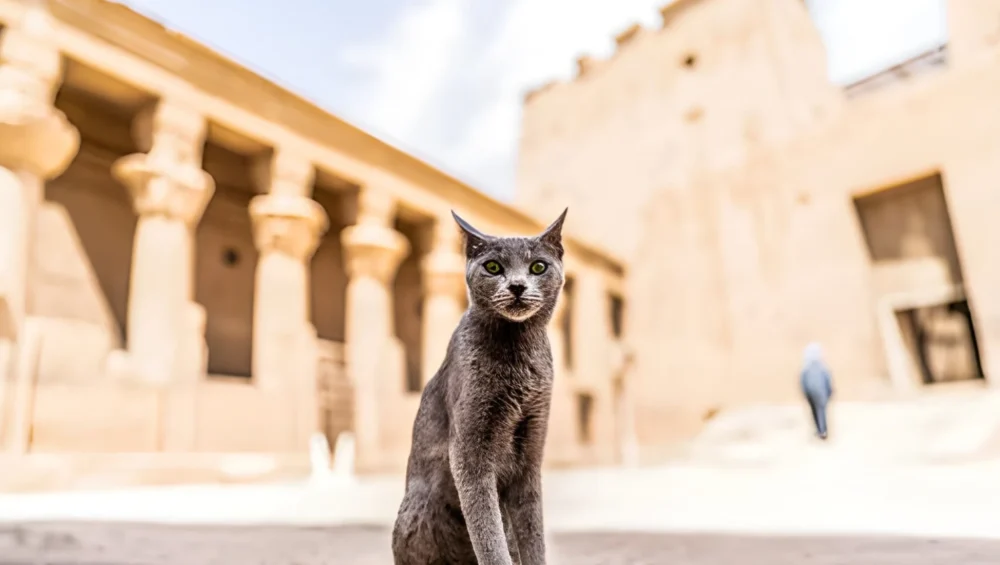
Bastet, the feline goddess, embodies protection, fertility, and home life. She was worshipped as a gentle, nurturing mother but also as a fierce defender against evil spirits and disease. Cats were revered in Egyptian society, often kept as pets and even mummified as offerings to Bastet. Her main center of worship was Bubastis, where grand festivals celebrated her power and grace. The legacy of Bastet can still be felt in the many cat statues and amulets found in Egyptian markets and museums today, making her one of the most beloved and accessible deities for modern visitors.
After a day spent exploring ancient temples, you might find yourself craving a sweet treat. Egyptian desserts, such as those enjoyed during festivals dedicated to Bastet, are an essential part of the country’s culinary heritage. To learn more about these delicious traditions, check out the Desserts Of Egypt blog for inspiration on what to try during your travels.
Sobek: The Crocodile God of the Nile
Sobek, the crocodile god, was both feared and revered by ancient Egyptians. Associated with the Nile River, fertility, and military prowess, Sobek was believed to control the waters that sustained life in Egypt. Temples dedicated to Sobek, such as the one at Kom Ombo, often housed live crocodiles and featured elaborate carvings depicting the god’s dual nature—both protective and destructive. Exploring these sites offers a glimpse into the complex relationship Egyptians had with their environment and the animals that inhabited it.
One of the most memorable ways to experience the landscapes that inspired Sobek’s worship is by embarking on a Adonis Nile Cruise. Cruising the Nile allows you to witness the river’s life-giving power firsthand, visit temples along its banks, and gain a deeper appreciation for the myths that shaped Egyptian civilization.
Thoth: The Ibis-Headed God of Wisdom
Thoth, depicted with the head of an ibis, was the god of wisdom, writing, and knowledge. He was credited with inventing hieroglyphs and was the patron of scribes, astronomers, and philosophers. Temples dedicated to Thoth, such as those in Hermopolis, were centers of learning and innovation. The ibis, with its elegant form and keen intelligence, perfectly symbolized the qualities Thoth embodied. Travelers interested in the intellectual achievements of ancient Egypt will find Thoth’s legacy in the inscriptions, papyri, and artifacts preserved in museums and archaeological sites across the country.
As you plan your journey, practical information such as currency is essential for a smooth experience. For a comprehensive guide on navigating Egyptian money, visit the What Is The Currency Of Egypt? blog. This resource will help you manage your budget and make the most of your travels.
Hathor: The Cow Goddess of Joy and Motherhood
Hathor, often depicted as a cow or as a woman with cow’s ears or horns, was the goddess of joy, music, dance, and motherhood. She was worshipped as a nurturing figure who welcomed souls into the afterlife and ensured fertility and prosperity. Her temples, particularly the magnificent sanctuary at Dendera, are adorned with vibrant reliefs and columns that celebrate her role as a bringer of happiness and divine love. Participating in musical or dance performances at these sites, or simply soaking in the atmosphere, can be a deeply moving experience for visitors.
After exploring the temples, you might want to indulge in a traditional Egyptian dessert. Om Ali, a beloved sweet treat, has a fascinating history rooted in Egypt’s rich culinary tradition. Discover its story and how to make it at home by reading the Om Ali Recipe And History blog.
Animal Worship in Daily Life and Festivals
The reverence for animal gods extended beyond temples and tombs into the daily lives of ancient Egyptians. Animal-shaped amulets were worn for protection, and festivals honoring gods like Bastet and Hathor featured music, dance, feasting, and processions. These celebrations fostered community spirit and reinforced the connection between humans and the divine. Today, visitors can witness echoes of these ancient traditions in local festivals and cultural events, where music, dance, and food continue to play a central role.
For those seeking an immersive experience, consider timing your visit to coincide with one of Egypt’s many festivals. Participating in these events offers a unique perspective on how ancient customs have evolved and endured in modern Egyptian society.
Where to See Ancient Egyptian Animal Gods Today
Egypt is a living museum, with countless opportunities to encounter the legacy of its animal gods. Major archaeological sites such as Luxor, Karnak, Edfu, Kom Ombo, and Dendera all feature temples dedicated to or adorned with images of these deities. Museums in Cairo, Luxor, and Aswan house statues, amulets, and other artifacts that bring the myths to life. Guided tours can provide invaluable insights, helping visitors decode the symbolism and stories behind the art and architecture.
To make the most of your exploration, consider joining a guided tour that focuses on ancient Egyptian religion and mythology. Expert guides can illuminate the significance of animal gods and help you appreciate the depth and complexity of this fascinating culture.
Frequently Asked Questions
What are some of the most important animal gods in ancient Egypt?
Some of the most significant animal gods include Horus (falcon), Anubis (jackal), Bastet (cat), Sobek (crocodile), Thoth (ibis), and Hathor (cow). Each deity was associated with specific qualities and played a vital role in the religious and daily life of ancient Egyptians.
Where can I see depictions of animal gods in Egypt?
Depictions of animal gods can be found in temples, tombs, and museums throughout Egypt. Notable sites include the Temple of Edfu (Horus), Kom Ombo (Sobek), Dendera (Hathor), and the Egyptian Museum in Cairo, which houses a vast collection of statues and artifacts.
Why were animals so important in ancient Egyptian religion?
Animals were seen as manifestations of divine power and were chosen to represent gods based on their characteristics. The Egyptians believed that animals embodied the qualities of the gods and acted as intermediaries between the human and divine realms.
Are there modern festivals or traditions linked to ancient animal gods?
While modern Egyptian festivals are not directly linked to ancient animal gods, many traditions—such as music, dance, and feasting—have roots in ancient celebrations. Some local festivals may also feature processions and rituals reminiscent of those honoring gods like Bastet and Hathor.
Can I bring home souvenirs related to Egyptian animal gods?
Yes, many markets and shops in Egypt sell replicas of ancient amulets, statues, and jewelry featuring animal gods. These make unique and meaningful souvenirs that reflect Egypt’s rich cultural heritage.
What is the best way to learn about ancient Egyptian mythology during my trip?
Joining guided tours, visiting museums, and reading reputable resources are excellent ways to deepen your understanding. Many tours focus specifically on mythology and offer expert insights into the stories and symbolism of Egypt’s animal gods.