Giza City: The Timeless Jewel of Ancient and Modern Egypt
Giza City is where time stands still, and history breathes in every grain of golden sand. This extraordinary Egyptian city, set majestically on the west bank of the River Nile, captivates visitors with its awe-inspiring monuments, legendary pyramids, and the enigmatic Great Sphinx. Giza isn’t just an archaeological wonder; it’s the beating heart of Egypt’s cultural identity. From its ancient pharaohs to its modern pulse, Giza City blends the mystique of the past with the vibrancy of today. Whether you’re an explorer seeking clues from the ancient world, a dreamer gazing toward the horizon of the Sahara, or a traveler chasing adventure and authenticity, Giza delivers experiences unlike any other city on Earth.
Located just southwest of Cairo, Giza City holds Egypt’s most iconic landmarks, including the Great Pyramid of Khufu, the Pyramid of Khafre, and the Pyramid of Menkaure. Yet beyond these world-famous structures, Giza pulses with life through its bustling neighborhoods, thriving local markets, and warm Egyptian hospitality. The proximity to modern Cairo allows visitors to traverse seamlessly between antiquity and innovation, where the view of the pyramids merges with the city’s skyline—a living metaphor for Egypt’s timeless journey. Indeed, Giza isn’t just a destination; it’s an encounter with eternity, an immersion into human genius, and a window into an enduring civilization that continues to inspire the world.
For travelers planning to experience the magic of Giza, numerous curated itineraries offer unforgettable moments. From camel rides across the desert sands to luxurious Nile cruises such as the Luxury Dahabiya Nile Cruise, travelers can enjoy Egypt’s history while indulging in comfort. Giza stands as a gateway to endless exploration, connecting to renowned tours like the Day Tour to Giza Pyramids & Sakkara or cultural escapes through the Coptic Cairo district. Its charm transcends ages, ensuring every traveler leaves enchanted by its timeless spell.
The Great Pyramids of Giza: Eternal Marvels of Human Ingenuity
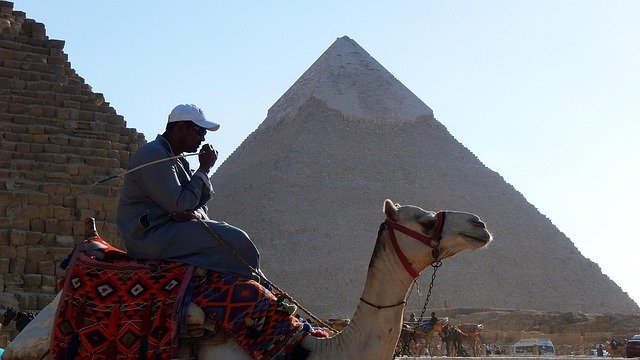
When it comes to architectural grandeur and mathematical perfection, the Pyramids of Giza reign supreme. The Great Pyramid of Khufu—also known as Cheops—has mesmerized travelers for millennia. Built over 4,500 years ago, it stood as the tallest human-made structure for over 3,800 years. Each carefully carved limestone block tells a story of divine aspiration and engineering prowess that continues to confound scientists and archaeologists alike. The adjacent Pyramids of Khafre and Menkaure, though smaller, carry their own majesty, with intricate causeways and mortuary temples reflecting the ancient Egyptians’ sacred rituals of death and rebirth.
Visitors to Giza can delve deeper into these wonders with a unique experience such as the Camel Ride Trip at the Pyramids or a breathtaking Sound and Light Show at the Pyramids. As the sun sets beyond the desert dunes, light projections transform the monuments into a storytelling canvas that brings the Age of Pharaohs to life. Indeed, to stand before the Great Pyramids of Giza is to connect with one of humanity’s greatest triumphs—a moment that’s both humbling and exhilarating.
The Great Sphinx: Guardian of the Necropolis
No image captures Egypt’s allure quite like the Great Sphinx of Giza, a colossal limestone statue with a lion’s body and a human face believed to represent Pharaoh Khafre. This majestic guardian has stood vigil over the necropolis for over four thousand years, weathering time, sand, and wind. Scholars debate its exact age and purpose, but its enigma only adds to its irresistible appeal. The Sphinx evokes reverence and mystery, reminding every observer of Egypt’s deep connection with symbolism, power, and spirituality.
Within a short walk from the Sphinx lies the Valley Temple of Khafre—an architectural masterpiece used for the mummification and purification of the king’s body. Exploring these connected monuments gives visitors a holistic understanding of ancient Egyptian mortuary culture, where life, death, and eternity intertwined seamlessly. The views from the plateau, especially during sunrise, provide picture-perfect moments that no traveler will easily forget.
Beyond the Pyramids: Modern Giza’s Lively Soul
While Giza is famed for its treasures of antiquity, modern Giza City buzzes with energy and evolving creativity. It hosts the prestigious Grand Egyptian Museum, one of the most significant cultural projects in the world. This architectural marvel will display over 100,000 artifacts, including the complete treasures of King Tutankhamun, in a state-of-the-art setting that merges high technology with cultural preservation. The museum’s proximity to the pyramids makes it a must-see site for history enthusiasts and modern travelers alike.
Just as vibrant are Giza’s neighborhoods, where charming cafes, open-air bazaars, and local eateries reflect authentic Egyptian life. Whether you’re savoring a plate of traditional Egyptian food or watching artisans craft alabaster souvenirs, Giza reveals another dimension—one of resilience, community, and pride. The city’s connection to nearby Cairo makes it a dynamic hub for culture lovers eager to explore the Islamic Cairo district or experience the architectural splendor of the Al Azhar Park.
Giza’s Timeless Relationship with the Nile River
Giza’s proximity to the mighty Nile River has shaped every chapter of its history. The river was the lifeline of the Pharaohs, facilitating trade, agriculture, and monumental construction. Today, travelers can experience that heritage with elegant cruises, such as the Luxury Nile Cruise or the 4-Day Nile Cruise from Aswan to Luxor. Sailing from the shadow of Cairo’s skyline to the temples of Luxor and Aswan unveils the river’s eternal beauty—its waters still shimmering under the same sun that illuminated the age of the Pharaohs.
Adventurous Things to Do in Giza City
The allure of Giza goes far beyond sightseeing. Travelers can enjoy desert adventures like the Desert Safari by Quad Bike at Giza Pyramids, blending adrenaline with panoramic views. For those drawn to Egypt’s vibrant culture, day tours such as the Private Tour to Pyramids, Sakkara, and Dahshur provide deeper insight into ancient Egyptian burial sites and the evolution of pyramid design. These immersive excursions offer unforgettable memories for thrill-seekers and history buffs alike.
Luxury Travel and Seamless Experiences
For discerning travelers seeking comfort amid history, Giza delivers luxury without compromise. Through exclusive offers like the Luxury Egypt Tours or the Egypt Private Tours, one can explore Giza’s wonders with finesse. These packages combine guided exploration with personalized services, ensuring every moment becomes a treasured experience. From elegant accommodations with pyramid views to curated gourmet dinners, Giza proves that ancient grandeur and modern luxury can coexist beautifully.
The Legacy of Ancient Wisdom in Giza
Beyond its visual splendor, Giza City symbolizes the essence of Egyptian belief—the connection between earth and the afterlife. Ancient Egyptians designed their monuments to reflect cosmic alignment and divine purpose. Inside the pyramids, meticulously carved passages and hieroglyphs illustrate humanity’s earliest spiritual aspirations. Giza served not just as a burial ground but as a sacred portal to eternity, making it a crucial chapter in understanding the evolution of human faith, art, and science.
Visitors fascinated by this legacy often extend their journeys to the Sakkara Necropolis or the nearby Dahshour pyramids, witnessing the architectural progression that culminated in Giza’s perfection. Each step in this historical journey paints a vivid portrait of innovation and devotion that continue to influence modern civilization.
FAQs About Giza City
1. Where exactly is Giza City located?
Giza City sits on the west bank of the Nile River, directly across from Cairo. It forms part of the Greater Cairo metropolitan area, making it easily accessible for travelers visiting from the Egyptian capital. The site’s elevated plateau provides sweeping views of both the pyramids and the vibrant cityscape.
2. What are the must-see attractions in Giza City?
The unmissable highlights include the Great Pyramids of Khufu, Khafre, and Menkaure, the Great Sphinx, and the Grand Egyptian Museum. Don’t forget nearby sites like Sakkara and Dahshur, which hold earlier examples of pyramid construction that predate Giza’s wonders.
3. What’s the best time of year to visit Giza?
The most comfortable months for exploring Giza are from October to April when temperatures are moderate. During this period, the desert’s golden light enhances photography, and outdoor exploration is far more enjoyable than in the midsummer heat.
4. How do I get around Giza City?
Visitors can explore the area using taxis, private drivers, or organized tours like the Cairo Day Tours. Many opt for guided excursions that include transportation, ensuring convenience and expert insights into Giza’s monumental history.
5. Is Giza safe for travelers?
Yes, Giza City is safe for tourists. Security measures are in place at all major attractions, and local guides ensure smooth, worry-free experiences. For additional reassurance, check trusted sources like Egypt Travel Safety before your trip.
In sum, Giza City remains Egypt’s crown jewel—a place where myth and reality merge against the timeless sands. With its unmatched heritage, cultural depth, and evolving modern character, Giza promises every visitor an unforgettable encounter with the eternal spirit of Egypt.