
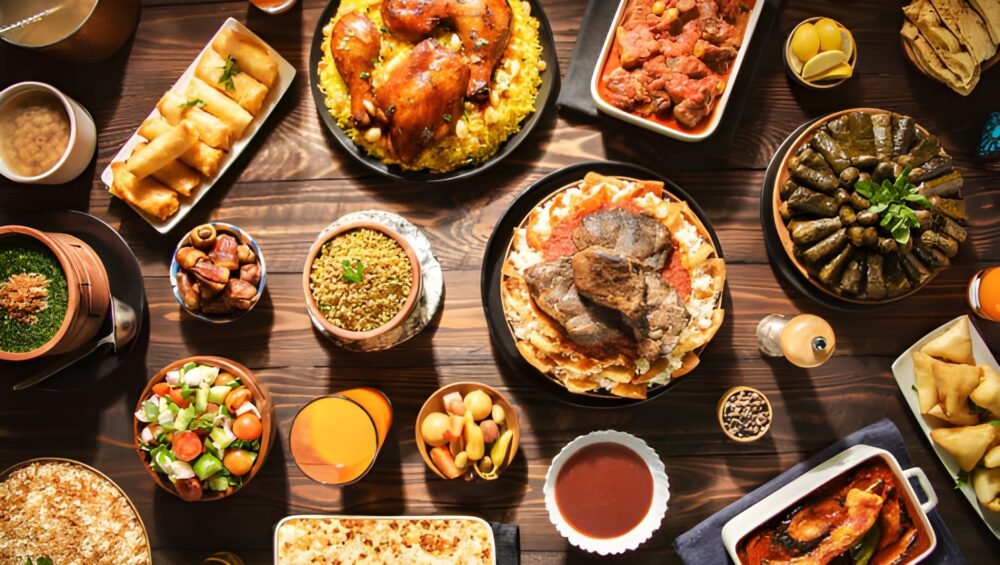
Traditional Dishes in Egypt: A Culinary Journey Through Time and Flavor
Traditional dishes in Egypt are far more than recipes; they’re living narratives infused with history, love, and daily culture. Egyptian cuisine tells the story of a civilization that thrived along the Nile River for millennia. From pharaonic feasts to today’s family gatherings, each meal unites diverse flavors from the Mediterranean, North Africa, and the Middle East. Whether you’re strolling through Cairo’s bustling streets or enjoying the serenity of Luxor, the aroma of Egyptian food wraps around you like a warm embrace. The dishes, often rich in legumes, grains, and aromatic spices, embody sustainability and soul. Bread, hummus, lentils, and fava beans remain dietary cornerstones, symbolizing abundance and togetherness. The way food brings people together in Egypt is magical, transforming every bite into a memory worth savoring. For travelers eager to taste authenticity, understanding traditional dishes in Egypt opens a window into its ancient and modern heart. In every city—from Alexandria’s seafood soups to Aswan’s Nubian stews—Egyptian cuisine whispers tales of generations and landscapes shaped by the fertile Nile and the Sahara’s embrace.
Koshari: Egypt’s National Comfort Food
Koshari stands proudly as Egypt’s national dish, a hearty mix of rice, lentils, pasta, and chickpeas drizzled with a tangy tomato sauce and golden fried onions. The combination of textures—a fusion of soft, crispy, and spicy—creates a symphony of flavors. Originating in the 19th century, Koshari evolved as a symbolic street food for everyone, crossing social boundaries. You’ll find it from Cairo’s markets near the El Moez Street to modern homes. Vendors often line their stalls with huge metal bowls where they layer ingredients rhythmically, turning food service into an art form. Served with a dash of garlic vinegar or hot chili sauce, every forkful delivers comfort and nostalgia. For tourists exploring the capital, joining a local guide on Cairo Day Tours often ends with tasting this Egyptian classic. It’s cheap, filling, and deliciously addictive—a snapshot of Egyptian passion in a bowl.
Ful Medames: The Ancient Breakfast Staple
Ful Medames is one of the oldest known Egyptian dishes, with roots tracing back to the pharaohs. Made from slow-cooked fava beans seasoned with lemon juice, olive oil, cumin, and garlic, it’s typically eaten for breakfast yet cherished throughout the day. Egyptians enjoy it with baladi bread—a whole-grain pita baked in clay ovens. In neighborhoods along the Nile River that inspired Nile River cruises, families gather in the morning to share ful alongside pickles and fresh vegetables. Street vendors serve it in small bowls or sandwiches, while upscale restaurants present gourmet variations topped with boiled eggs or tahini. The dish is simple yet powerful, providing long-lasting energy, making it both a peasant’s meal and an elite favorite. It embodies Egyptian values of generosity and balance—nourishment rooted in humility.
Taameya: Egypt’s Green Falafel
Known elsewhere as falafel, Taameya is distinctly Egyptian. It’s made with fava beans rather than chickpeas, which gives it a vibrant green interior due to fresh herbs like parsley, dill, and coriander. Crispy on the outside and soft inside, Taameya is the Egyptian answer to fast food. It pairs wonderfully with ful medames, forming a complete vegetarian paradise rich in protein and flavor. You can find it sizzling in oil along downtown Cairo or coastal resorts in Alexandria City. Traditionally eaten with tahini sauce, salad, and baladi bread, it’s the perfect bite-sized introduction to Egyptian cuisine’s goodness. Travelers on All Inclusive Egypt Vacations often cite Taameya breakfasts as their most memorable meal.
Molokhia: The Royal Green Stew
Molokhia, a silky soup made from finely chopped jute leaves, is another Egyptian classic steeped in legend. Its flavor is earthy with a hint of garlic and coriander, usually served over rice or with bread. Historically, the dish was exclusive to royalty, enjoyed by caliphs and pharaohs. Today, it’s enjoyed everywhere—from luxury hotels to family kitchens. The preparation varies by region; in Cairo, it’s cooked with chicken, while in Alexandria or coastal towns, seafood or rabbit might be added. Locals believe the dish’s unique aroma, released when garlic is fried and poured sizzling into the pot, is what transforms it from mild to magical. If you’re taking a Luxury Nile Cruise, expect to savor Molokhia paired with steamed rice, fresh lemon, and passion that recalls the country’s culinary sophistication.
Mahshi: Stuffed Vegetables Bursting with Heritage
Mahshi, meaning “stuffed,” is one of Egypt’s most beloved family dishes. It refers to vegetables such as zucchini, peppers, eggplants, and grape leaves filled with a seasoned mixture of rice, herbs, and sometimes minced meat. The filling simmers slowly in tomato sauce until tender. Mahshi embodies generosity—it’s often prepared during weddings, feasts, or Ramadan. The balance of rice, herbs, and spices in every bite reflects Egyptian hospitality. In many rural homes near Fayoum Oasis, grandmothers still follow age-old recipes when cooking Mahshi for guest gatherings. For visitors seeking authentic outreach, local cooking classes on Egypt Family Tours often showcase Mahshi as the signature homemade dish.
Fatteh: Layered Celebration Food
Fatteh is often served during festive occasions such as religious holidays and family reunions. It’s a layered dish made from toasted bread pieces, rice, garlic yogurt, and a hearty broth, sometimes topped with chunks of meat or chickpeas. In Egypt’s southern cities like Aswan City, Fatteh plays an essential role in Nubian gatherings. Egyptians appreciate its rich textures and comforting blend of flavors—a culinary metaphor for unity. It’s wholesome, filling, and unforgettable. Travelers exploring southern Egypt on Aswan Day Tours often find Fatteh served during special celebrations.
Hawawshi: Egypt’s Savory Meat-Stuffed Bread
Hawawshi blends the comfort of bread with the indulgence of spicy minced meat. The mixture—beef, onions, garlic, peppers, and chilies—is stuffed inside baladi bread, then baked until crisp outside and juicy within. Hawawshi is street food at its finest, satisfying late-night cravings across Egyptian cities. The savory aroma wafting from street ovens can make any passerby stop in their tracks. Vendors in Giza, near the majestic Sphinx Statue, serve some of Egypt’s best Hawawshi, earning the dish a permanent spot on must-eat lists for food lovers touring with Egypt Day Tours.
Fish and Seafood Delights on Egypt’s Coasts
Egypt’s proximity to the Mediterranean and Red Sea ensures an abundant supply of seafood varieties. Alexandria, the queen of the north, is famed for Sayadeya—a classic fish stew made with rice, caramelized onions, and spiced tomato sauce. It’s hearty, tangy, and deeply satisfying. Meanwhile, along the Red Sea near Hurghada City and Marsa Alam, grilled fish, calamari, and prawns dominate seaside tables. Each dish celebrates freshness, whether marinated with cumin and lemon or grilled over charcoal. Tourists embarking on Hurghada Day Tours often end their adventures with seafood by the shore, tasting Egypt’s vibrant maritime culture in every bite.
Feteer Meshaltet: The Egyptian Pastry of Layers
Feteer Meshaltet is Egypt’s version of a flaky layered pastry, sometimes savory, sometimes sweet. Traditionally baked in rural homes and offered as hospitality to guests, it can be filled with cheese, meats, or coated with honey and sugar. Its decadence makes it a symbol of generosity. When exploring rustic villages or joining Luxor Day Tours, you’ll often find Feteer shared after tea or served alongside jam. This pastry dates back to ancient Egypt, where it was offered to the gods, underscoring how food and worship have always intertwined in the Egyptian kitchen.
Egyptian Desserts: Sweet Reflections of Tradition
Egypt’s desserts are an enchanting finale to every meal. Basbousa, a semolina cake soaked in syrup, and Konafa, shredded phyllo stuffed with nuts or cream, shine during festive seasons. But perhaps the most iconic is Om Ali, Egypt’s legendary bread pudding that celebrates warmth, texture, and tradition. You can learn about its background in Om Ali Recipe and History. These desserts aren’t merely confections; they’re cultural expressions of hospitality and joy. During Ramadan nights, they become symbols of sharing, where families gather after fasting to indulge and connect. For culinary enthusiasts, joining a cooking session during Egypt Christmas Tours makes tasting Egyptian sweets an unforgettable cultural experience.
Traditional Beverages: Egypt in a Cup
No journey through Egyptian cuisine is complete without savoring its beverages. Hibiscus tea, called Karkadeh, glows with a deep crimson hue and is beloved for its tangy flavor and cooling effect. Sahlab, a warm milk-based drink thickened with orchid flour, offers creamy comfort on winter nights. For a refreshing finish, sugarcane juice stalls fill every corner of bustling streets in Cairo City. Travelers cruising the Nile on the Nile Premium Cruise often enjoy these drinks while watching sunsets over ancient temples. Together, they echo the harmony between Egypt’s natural abundance and its hospitality legacy.
Traditional Dining Culture in Egypt
Egyptian dining revolves around generosity and togetherness. Locals typically share large platters, emphasizing communal eating. Hospitality dictates that no guest leaves hungry, a custom deeply entwined with Egyptian culture. Meals often start with an array of appetizers—pickles, salads, and dips—before main courses appear. Bread plays a central role, sometimes used as a utensil to scoop up bites. Visitors joining cultural excursions, like Cultural Tours Egypt, encounter this authentic experience firsthand. The practice of gathering around the same dish, passing plates, and engaging in laughter captures the Egyptian spirit of unity. It’s not just about satisfying hunger—it’s about nurturing belonging.
FAQs About Traditional Dishes in Egypt
What are the top traditional Egyptian dishes a visitor must try?
Visitors should sample Koshari, Ful Medames, Taameya, Molokhia, and Mahshi. Each offers a different glimpse of Egypt’s culinary soul, representing regional flavors and ancient influences. Pair them with Egyptian desserts for a well-rounded gastronomic adventure.
Is Egyptian food vegetarian-friendly?
Absolutely! Egyptian cuisine offers a variety of vegetarian dishes like Koshari, Ful Medames, and Taameya. Even Mahshi can be prepared without meat. These dishes highlight vegetables and legumes as flavorful foundations, making Egypt ideal for plant-based travelers.
Which Egyptian dish has the oldest historical roots?
Ful Medames is believed to date back over 4,000 years. Archaeological findings indicate its presence in pharaonic diets, proving that modern Egyptians still cherish the same flavors enjoyed by their ancestors.
Where can travelers taste authentic Egyptian food?
Authentic Egyptian dishes are widely available in Cairo, Luxor, and Aswan. Joining guided experiences such as July 2026