Tomb of Nefertari: A Glimpse into the Eternal Beauty of Ancient Egypt’s Most Exquisite Queenly Resting Place
Hidden deep within the Valley of the Queens in Luxor, the Tomb of Nefertari, also known as QV66, is one of ancient Egypt’s most breathtaking treasures. It’s a masterpiece of art, color, and devotion that celebrates the life and afterlife of Queen Nefertari, the beloved wife of Pharaoh Ramses II. Often referred to as the “Sistine Chapel of Ancient Egypt,” this tomb is a symbol of love and divine craftsmanship that continues to dazzle archaeologists, historians, and travelers alike. Built more than 3,200 years ago, every brushstroke within its chambers whispers tales of eternal love, artistic brilliance, and powerful queenship.
When entering the tomb, the visitor is struck by the vivid depictions of Nefertari’s journey through the afterlife, welcoming deities, and intricate symbolism. The inscriptions—all executed with unparalleled precision—reveal not just a queen’s burial site but also a deep reflection of Egypt’s theology, cosmology, and artistry of the 19th Dynasty. From the moment it was discovered in 1904 by the Italian archaeologist Ernesto Schiaparelli, QV66 has become a cornerstone in Egyptology, marking a turning point in our understanding of feminine power and elegance in New Kingdom tomb architecture. Today, the Tomb of Nefertari stands as one of the most visited and admired destinations in Luxor City, Egypt’s open-air museum.
The Enchanting Queen Nefertari: Symbol of Grace and Royal Might
Queen Nefertari was no ordinary royal consort. As the Great Royal Wife of Ramses II, one of Egypt’s most illustrious pharaohs, she played a pivotal role in political and ceremonial life. Her name means “Beautiful Companion,” and inscriptions across temples, particularly the small temple dedicated to her at Abu Simbel Temples, reflect the pharaoh’s profound affection for her. Iconography portrays her as an equal to the gods, participating in divine rituals and celestial assemblies, underscoring her elevated status.
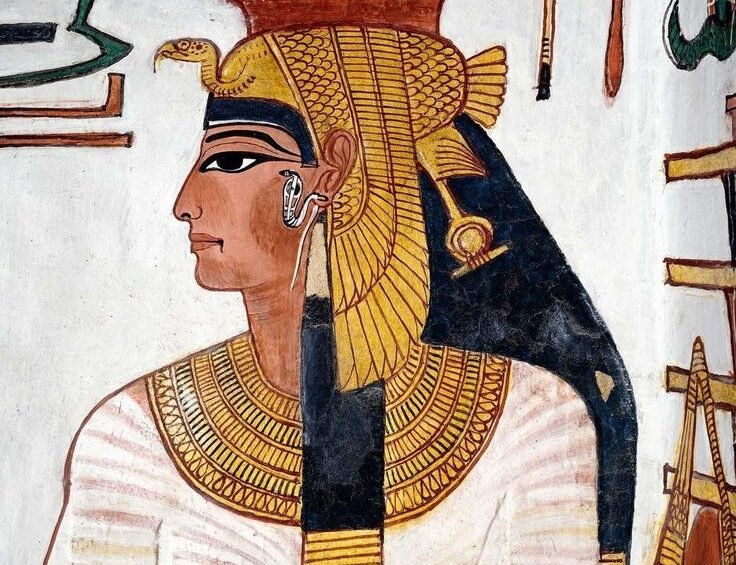
Her legacy endured far beyond her lifespan. Nefertari’s tomb immortalized her not as a mortal queen but as a goddess ascending into eternity. The murals encapsulate her transformation, displaying scenes of her playing senet—a game symbolizing the passage to the afterlife—guided by Isis, Hathor, and Anubis. Her tomb not only mirrors her beauty and power but also embodies the perfection of Egyptian art during the height of its civilization. For those seeking to explore similar royal splendors, visiting Temple of Hatshepsut or the Ramesseum Temple broadens the scope of understanding Egypt’s celebration of its queens and gods.
Discovery and Preservation of the Tomb
The 1904 discovery of the Tomb of Nefertari by Ernesto Schiaparelli was a revelation that altered the course of archaeological history. Buried under centuries of sand and silence, the tomb’s rediscovery exposed a kaleidoscope of paintings that seemed untouched by time. Unfortunately, exposure to humidity and human breath began to deteriorate the colors soon after. Preservation efforts led by the Getty Conservation Institute between 1986 and 1992 implemented groundbreaking restoration techniques, ensuring the monument’s survival for future generations.
Due to its fragility, the tomb was closed to the general public for decades. Today, limited access is allowed, ensuring that the pigments and plaster remain intact. Those eager to visit such heritage sites can combine their experience with guided Luxor Day Tours or an elegant 4-day Nile cruise from Aswan to Luxor to explore several other pharaonic wonders.
Architectural Splendor and Symbolism
The architectural design of the Tomb of Nefertari mirrors the spiritual beliefs of ancient Egypt. Carved into limestone cliffs, the tomb follows a multichamber plan descended through steep corridors and richly adorned rooms. Every wall, ceiling, and niche bursts with symbolic imagery—hieroglyphs illuminated by shades of cobalt, ochre, and malachite. The queen is depicted both as herself and as divine manifestations of Hathor and Isis, showcasing her eternal companionship with the gods.
The tomb’s main hall mesmerizes visitors with astronomical ceilings representing Nut, the goddess of the sky, stretching protectively over Nefertari’s spirit. The carefully measured color palette harmonizes with hieroglyphic inscriptions that detail protective spells from the “Book of the Dead.” Travelers enchanted by such celestial artistry often extend their journeys to the Dendera Temple Complex, another site famed for its cosmic and symbolic reliefs.
Artistic Mastery and Color Preservation
Few ancient sites rival the Tomb of Nefertari’s artistry. The vivid pigments—crafted from ground minerals and natural oxides—have retained astonishing brilliance even after three millennia. Detailed brushwork around the queen’s eyes, jewelry, and garments reveal the exquisite skill of Theban artists during the 19th Dynasty. Such attention to beauty wasn’t mere decoration; it was a form of sacred communication. Every tone and line carried meaning tied to resurrection, purity, and divine unity.
The restoration process itself became an art form, combining ancient pigment analysis with modern conservation science. Specialists used digital mapping and non-invasive cleaning methods to retain authenticity without introducing artificial substitutes. If visitors wish to witness ancient colors in other monuments, the Edfu Temple and Habu Temple also display remarkable preservation of relief carvings and coloration.
Religious and Cultural Significance of Nefertari’s Tomb
The Tomb of Nefertari stands as a gateway between humanity and divinity—her transition from earthbound queen to celestial entity. Every scene symbolizes her purification, judgment, and rebirth. The queen’s soul is guided by Thoth, Anubis, and Osiris through trials leading to the Field of Reeds—Egypt’s version of paradise. The depiction isn’t just religious; it conveys an ancient philosophy of harmony between mortal existence and eternity.
For modern visitors, Nefertari’s tomb evokes emotional awe. Standing before the goddess-like queen, one can almost sense the whispers of ancient prayers. Similar divine experiences await at Temple of Philae and the Kom Ombo Temple, both monuments celebrating femininity, protection, and the eternal dance of light and darkness.
Guided Tours and Visitor Experience to the Tomb of Nefertari
Access to the Tomb of Nefertari is limited but organized through small supervised groups. Only a handful of visitors per day are permitted, ensuring the preservation of the ancient pigments. Tickets sell out swiftly, so it’s advisable to book in advance through credible operators such as dedicated Egypt Private Tours or curated Luxury Egypt Tours. Each tour blends education, culture, and adventure, delivering insights far beyond typical sightseeing.
For those embracing comprehensive itineraries, multi-day trips such as the 7 Days Egypt Adventure Tour or the 6 Days Cairo to Luxor Tour are perfect ways to explore Nefertari’s tomb alongside other iconic landmarks like Luxor Temple and the Avenue of Sphinxes.
Best Time to Visit and Travel Tips
The ideal visiting period is from October to April when Egypt’s temperatures are pleasant and skies are crystal clear. Early morning visits enhance photographic potential, capturing the tomb’s interior lighting and intricate color play. To maximize one’s travel experience, pairing a visit with a Luxury Nile Cruise or Dahabiya sailing package transforms the journey into a cultural and scenic odyssey through Egypt’s timeless landscapes.
Modern Technology and Accessibility
Advancements in digital preservation allow travelers to explore virtual reproductions of the Tomb of Nefertari online. 3D scanning and immersive reality applications, commissioned by Egypt’s Ministry of Antiquities, document every inch of this incredible structure. While these digital experiences are awe-inspiring, nothing compares to gazing upon Nefertari’s divine visage in person amidst the sacred silence of Luxor’s mountains.
Legacy of the Tomb of Nefertari in Modern Egyptology
The Tomb of Nefertari reshaped the modern understanding of Egyptian funerary art. It remains the benchmark for restoration excellence and continues to influence cultural tourism strategies throughout Egypt. It amplifies appreciation for other queenly monuments such as the Temple of Seti and the Abydos Temple. Nefertari’s symbolic endurance ignites imagination and invites visitors to embrace Egypt’s eternal rhythm of life, death, and rebirth.
Conclusion: A Timeless Love Carved in Stone
The Tomb of Nefertari transcends architecture and artistry; it’s a love letter from Ramses II to his queen, immortalized within Luxor’s golden cliffs. With every step inside, one enters a sacred dialogue between past and eternity—a monument proving that beauty can indeed conquer death. For today’s travelers, exploring this tomb unveils not only Egypt’s magical heritage but also humanity’s universal longing for immortality and love.
FAQs About the Tomb of Nefertari
Where is the Tomb of Nefertari located?
The Tomb of Nefertari lies in the Valley of the Queens on Luxor’s West Bank. It’s one of Egypt’s best-preserved tombs and a prime highlight of Egypt Day Tours for art and history lovers.
Who discovered the Tomb of Nefertari?
Italian archaeologist Ernesto Schiaparelli discovered the tomb in 1904. His find unveiled one of the most color-rich and perfectly preserved monuments from ancient Egypt’s 19th Dynasty.
Can the public visit the Tomb of Nefertari?
Yes, but entry is restricted to small, controlled groups to protect the fragile wall paintings. Tickets must be purchased in advance, and photography is usually not permitted inside.
What makes the Tomb of Nefertari unique?
Its remarkable preservation, vibrant artistry, and emotional depth make it unique. Nefertari’s tomb showcases the highest achievement of ancient Egyptian art, symbolizing love, divinity, and eternal life.
Which tours include the Tomb of Nefertari?
Visitors can include the tomb within guided packages like the 7 Days Cairo and Nile Cruise Package or 8 Days Best Egypt Tour with Nile Cruise, ensuring a deep dive into Luxor’s royal heritage and other famed temples.