Ancient Egyptian Makeup: The Timeless Beauty and Its Enduring Legacy
Ancient Egypt is renowned for its monumental architecture, enigmatic hieroglyphs, and profound mythology. Yet, one of its most captivating cultural legacies is the art of makeup. The ancient Egyptians elevated cosmetics to a ritualistic and social art form, blending beauty with spirituality, health, and status. Today, travelers to Egypt can still witness the echoes of this tradition, from museum artifacts to living customs. Embark on a journey through the fascinating world of ancient Egyptian makeup and discover how it continues to inspire both locals and visitors alike.
The Origins of Ancient Egyptian Makeup
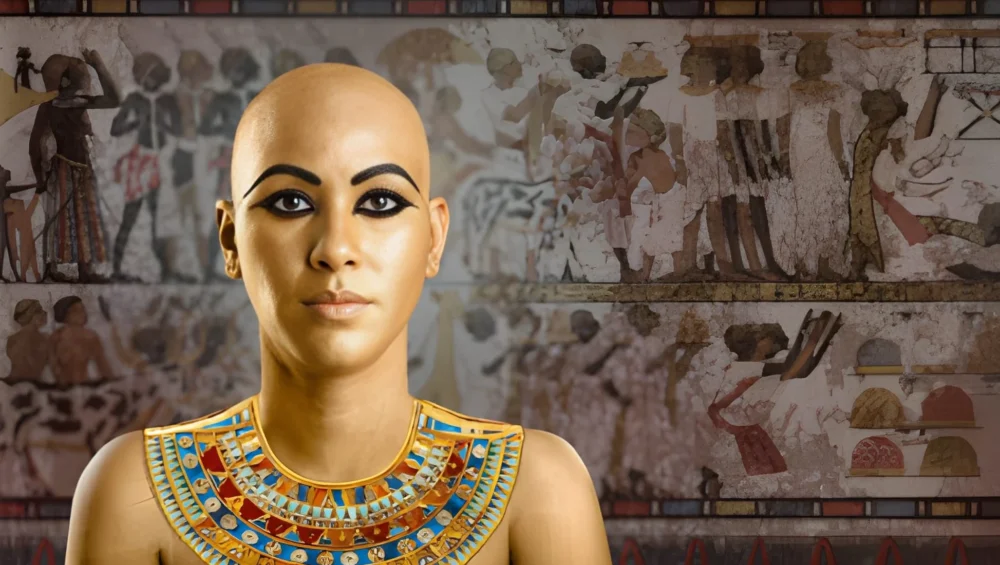
Makeup in ancient Egypt was far more than a superficial adornment. Archaeological evidence shows that both men and women, regardless of social class, used cosmetics as early as 4000 BCE. The most iconic look—dark, almond-shaped eyes outlined in kohl—was not only a beauty statement but also believed to ward off evil spirits and protect against the harsh desert sun. The ingredients for these cosmetics were carefully sourced from minerals such as malachite (green) and galena (black). These natural pigments were mixed with animal fats or oils to create long-lasting pastes and powders.
Egypt’s rich traditions are deeply rooted in its history, and many modern customs have evolved from these ancient practices. To understand how these traditions have shaped Egyptian society, read more in Egypt Holidays And Traditions.
Cosmetics as a Reflection of Social Status
In ancient Egypt, makeup was a symbol of social standing and personal hygiene. The elaborate cosmetic routines of the elite were mirrored in the ornate containers and applicators found in tombs and archaeological sites. Nobles and royalty had access to rare ingredients and intricate tools, while commoners used simpler versions. The use of makeup was also a mark of respectability and piety, as cleanliness and beauty were associated with the favor of the gods. Tomb paintings, statues, and mummies all showcase the importance placed on appearance in both life and the afterlife.
For those interested in exploring Egypt’s grandeur and the lifestyles of its ancient elite, consider the 10 Days Palace Hotels in Egypt Tour, which immerses visitors in the opulence of Egypt’s historical palaces and traditions.
The Rituals and Ingredients of Beauty
Ancient Egyptian makeup rituals were meticulous and deeply symbolic. The application of cosmetics was often accompanied by prayers and incantations, highlighting the spiritual significance of beauty. Eye makeup, particularly kohl, was believed to invoke the protection of Horus, the falcon god. Red ochre was used to color lips and cheeks, while henna adorned hands and feet for special occasions. Many of these ingredients had medicinal properties—kohl, for example, contained lead salts that helped prevent eye infections, a common ailment in the arid Egyptian climate.
Visitors can still see traces of these ancient beauty secrets in modern Egyptian culture, from traditional weddings to local markets where natural cosmetics are sold. To discover more about Egypt’s living traditions, explore Traditional Dishes In Egypt and see how ancient customs influence contemporary life.
Makeup in Religion and Mythology
The connection between makeup and religion in ancient Egypt was profound. Deities were often depicted with elaborate eye makeup, and rituals involving cosmetics were performed in temples and tombs. The Eye of Horus, a symbol of protection and royal power, was inspired by the stylized eye makeup worn by both gods and mortals. Makeup was also used in funerary practices to prepare the deceased for the afterlife, ensuring they would be welcomed by the gods in all their beauty and splendor. Museums in Cairo and Luxor display remarkable artifacts, including cosmetic palettes and jars, that testify to the sacred role of makeup in Egyptian spirituality.
To experience the spiritual side of Egypt, a journey along the Nile is essential. Discover the temples and tombs where these rituals took place with the Best Dahabiya Nile Cruise, offering an intimate exploration of Egypt’s ancient heartland.
Cosmetic Tools and Techniques
The ancient Egyptians were innovators in cosmetic technology. They crafted elegant applicators from ivory, bone, and wood, and their palettes were often carved from slate or alabaster. These tools were not only functional but also works of art, adorned with intricate carvings and inlays. Techniques for applying makeup were passed down through generations, with mothers teaching daughters the secrets of blending pigments and creating perfect lines. Many of these tools have survived millennia, offering a glimpse into the daily routines of ancient Egyptians and the value they placed on artistry and precision.
Travelers can view these artifacts in Egypt’s world-class museums or even spot similar tools in use during traditional ceremonies. If you’re planning a day of exploration, consider the St Catherine and Colored Canyon by Jeep tour, which not only showcases natural wonders but also connects you to the region’s rich cultural heritage.
Modern Echoes of Ancient Beauty
While the materials and methods have evolved, the influence of ancient Egyptian makeup is still visible today. Egyptian women continue to use kohl for dramatic eye definition, and henna remains popular for body art during celebrations. International fashion and beauty industries regularly draw inspiration from ancient Egyptian motifs, as seen in runway shows and cosmetic packaging. Visitors to Egypt can purchase traditional cosmetics and perfumes in local bazaars, bringing home a piece of this enduring legacy.
For travelers concerned about safety while exploring Egypt’s vibrant markets and historical sites, it’s reassuring to know that the country has made significant strides in ensuring a secure and welcoming environment for tourists. Find practical tips and up-to-date information in Is Travel In Egypt Safe?.
Experiencing Ancient Makeup in Egyptian Museums
No trip to Egypt is complete without visiting its renowned museums, where the story of ancient makeup comes alive. The Egyptian Museum in Cairo houses an extraordinary collection of cosmetic artifacts, including palettes, jars, and even preserved makeup remnants. The Luxor Museum and the Museum of Egyptian Civilization also feature displays dedicated to personal adornment and daily life. Many exhibits detail the science behind ancient cosmetics, their role in health and religion, and their evolution over time. Guided tours often include fascinating anecdotes about the beauty routines of famous queens such as Nefertiti and Cleopatra, whose legendary allure was enhanced by the skilled use of makeup.
Tips for Travelers: Bringing Ancient Beauty Home
For those inspired by the elegance of ancient Egyptian makeup, there are many ways to incorporate these traditions into your own beauty routine. Local markets in Cairo, Aswan, and Luxor offer authentic kohl, natural pigments, and handmade applicators. Look for products made with traditional methods and ingredients for the most genuine experience. Participating in a makeup workshop or visiting a traditional perfumery can provide deeper insight into the artistry and symbolism of Egyptian cosmetics. Always purchase from reputable vendors and consider supporting local artisans who keep these ancient crafts alive.
Frequently Asked Questions
What were the main ingredients in ancient Egyptian makeup?
The primary ingredients included malachite (green), galena (black kohl), red ochre, and henna. These natural minerals were ground and mixed with animal fats or oils to create pigments and pastes. Some ingredients also had medicinal properties, such as kohl’s antibacterial effects.
Was makeup used by both men and women in ancient Egypt?
Yes, makeup was universally used by men and women of all social classes. It served not only for beauty but also for protection against the sun and to ward off evil spirits. Even children and priests participated in cosmetic rituals, especially during religious ceremonies.
Can tourists buy authentic ancient-style makeup in Egypt today?
Absolutely. Many markets and specialty shops sell traditional kohl, henna, and natural perfumes. Look for products that use authentic ingredients and traditional preparation methods. Participating in workshops or guided shopping tours can enhance your experience.
Are there any special museums or exhibits dedicated to ancient Egyptian cosmetics?
Yes, the Egyptian Museum in Cairo, the Luxor Museum, and the Museum of Egyptian Civilization all feature extensive collections of cosmetic artifacts. These exhibits offer insight into the historical, cultural, and spiritual significance of makeup in ancient Egypt.
How did ancient Egyptians apply their makeup?
They used finely crafted tools such as ivory or wooden sticks, stone palettes for grinding pigments, and delicate brushes. The application process was often ritualistic, involving prayers and incantations to invoke divine protection and favor.
What other aspects of ancient Egyptian culture can travelers explore today?
In addition to cosmetics, visitors can delve into Egypt’s rich culinary traditions, religious festivals, and architectural marvels. From temple tours to culinary experiences, Egypt offers a vibrant tapestry of ancient and modern culture waiting to be discovered.