El Moez Street: The Vibrant Heart of Islamic Cairo’s Golden History
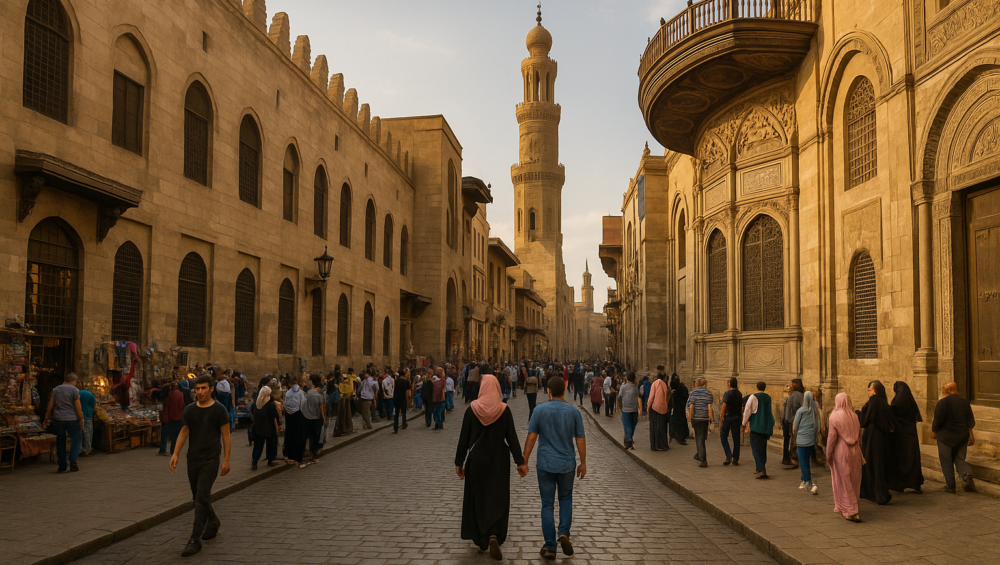
El Moez Street, also known as Al Moez li-Din Allah Street, is one of the oldest and most captivating streets in Cairo. It stands as a living museum of Islamic architecture, stretching through the heart of ancient Cairo. Established during the Fatimid era in the 10th century, El Moez Street remains a profound representation of Egypt’s rich cultural and architectural heritage. The street unfolds like an open-air gallery where every minaret, courtyard, and gate tells a story of faith, artistry, and glorious dynasties that once ruled Egypt.
Walking down El Moez Street is like stepping back in time. The aroma of incense wafts through the air, traditional craftsmen still hammer away at copper and brass, and the echoes of the azan from historic mosques create a spiritual atmosphere. Travelers who embark on a journey here find themselves amazed by the seamless blend of the ancient and modern. Between bustling souks and timeless monuments, El Moez Street embodies an immersive experience that calls visitors to capture the essence of Islamic Cairo. Whether day or night, its beauty never fails to surprise anyone who ventures here.
For those on a cultural exploration through Islamic Cairo, El Moez Street stands out as one of the top places to visit. With over a thousand years of history, this UNESCO-recognized heritage site showcases more Islamic monuments per square meter than any other street in the world. Indeed, it’s where Egypt’s legacy whisperers dwell — from Fatimid mosques to Mamluk schools and Ottoman houses. Adventurers visiting through Cairo Day Tours can easily include this monumental street in their itineraries and get a firsthand glimpse of Cairo’s captivating magic.
The Historical Legacy of El Moez Street
El Moez Street’s deep history dates back to the Fatimid Caliphate around 970 AD, named after Caliph Al-Moez Li-Din Allah, the founder of Cairo. The Fatimids intended it as the city’s main ceremonial axis. Over the centuries, it flourished under various Islamic dynasties — Ayyubids, Mamluks, and Ottomans — each adding their architectural flavor. Today, it embodies an uninterrupted timeline of Islamic art in stone and brick.
At its peak, El Moez stretched from Bab Al-Futuh in the north to Bab Zuweila in the south, forming the core of old Cairo. These two gates still stand proudly, symbolizing the city’s endurance. With meticulous restoration projects, the street has regained its former glory, attracting architecture enthusiasts, historians, and travelers alike. The street’s layout reveals Cairo’s genius urban planning with mosques, madrasas, khanqahs, and sabils all aligned along a narrow path that exudes mystery and vitality.
Architectural Marvels Along El Moez Street
The architecture of El Moez Street is nothing short of mesmerizing. It’s where the early Islamic, Mamluk, and Ottoman designs merge harmoniously. Some of the most renowned monuments include the Sultan Qalawun Complex, notable for its exquisite marble and intricate wooden ceilings, and the Al-Aqmar Mosque, showcasing unique stone facades and geometric patterns. The Sultan Hassan Mosque nearby, though technically beyond the street, reflects similar craftsmanship defining Islamic Cairo’s golden era.
Another remarkable gem is the Al-Ghuri Complex, built by Sultan Al-Ghuri during the early 16th century. Its towering minaret and geometrically adorned walls make it a visual masterpiece. The adjacent Wekalet El Ghouri hosts mesmerizing Sufi dance performances that connect visitors to Egypt’s spiritual side. If you’re on one of our comprehensive Egypt Day Tours, reaching this area is a must to embrace the synergy between heritage and culture.
Famous Monuments That Define El Moez Street
Visitors can explore a series of stunning sites along the street, such as the Al Azhar Mosque, a beacon of Islamic education for over a millennium, and the Mosque of Sultan Barquq, adorned with mosaics and calligraphy. Hidden alleys lead to old caravanserais, or khans, that once accommodated merchants from across Africa and the Middle East. Their intricate mashrabiya windows and sturdy designs reflect Cairo’s commercial heart.
Just steps away stands the Mosque of Ibn Tulun, one of the oldest and largest in Egypt, representing architectural elegance from the 9th century. For those wanting a panoramic experience, climbing its spiral minaret offers breathtaking views of Islamic Cairo, including vibrant neighborhoods and iconic rooftops.
The Night Ambience of El Moez Street
At night, El Moez Street transforms into something utterly magical. Soft golden lights illuminate the ancient stone facades, making the monuments glow under the Cairo sky. The combination of shadows and warm light gives the scene an almost surreal beauty. Musicians play Arabic oud and tabla rhythms along the sidewalks, street vendors sell aromatic coffee, and the evening hum grows into a lively cultural symphony. It’s the perfect time for photography, street food, and leisurely walks for those fascinated by Cairo’s living heritage.
El Moez Street: A Cultural Experience Beyond Time
Visiting El Moez Street is more than sightseeing — it’s a multisensory journey through Cairo’s spiritual and social heart. Here, you’ll witness how Egyptians have preserved traditions for centuries. Copper workshops still ring with the sound of hammers creating fine ornaments, while spice shops release exotic fragrances. This legacy of craftsmanship makes it one of the most authentic cultural destinations for explorers opting for Egypt Vacation Packages with heritage highlights. The street truly represents Islamic Cairo’s durable vitality — ancient yet eternally renewed.
Top Experiences on El Moez Street
El Moez Street isn’t just a walk down memory lane; it’s where history and everyday life walk hand in hand. You’ll find local artisans selling traditional brass lanterns, intricate wooden boxes, and handwoven textiles — souvenirs you won’t find elsewhere. Culinary delights await too, from crispy falafel to sweet konafa, echoing Egypt’s timeless flavors. Many travelers combine their visit with a tour to Coptic Cairo and the National Museum of Egyptian Civilization for a full immersion into Cairo’s multilayered identity.
Morning is ideal for photography as the sunlight unveils the true color palette of the monuments, while evenings deliver mesmerizing shadow contrasts. Local guides share fascinating anecdotes and hidden details, ensuring your experience goes beyond surface beauty. Choosing private guided tours like Egypt Private Tours allows visitors to appreciate each monument’s history without the crowds.
El Moez Street and Khan El Khalili Market
At the southern end of El Moez Street lies the bustling Khan El Khalili bazaar, another Cairo landmark. These two sites blend seamlessly, forming a labyrinth of historic charm and commercial vibrance. The bazaar was once the hub of trade during the Mamluk period and continues to buzz with energy today. Here, bargaining is both an art and tradition. Whether you’re seeking antiques or Egyptian spices, this bazaar completes the cultural mosaic that El Moez Street begins.
Preservation and Restoration Efforts
The Egyptian government and UNESCO have invested significantly in preserving El Moez Street’s integrity. Restoration projects recovered mosaics, maq’ad (balconies), and fountains that once risked decay. Electric cables were buried underground to maintain the historical view, and street lighting now enhances night visits. This conservation ensures future generations can still walk amid the glories of Cairo’s past. Visitors taking heritage-focused journeys like the 7 Days Cairo and Nile Cruise Package often highlight this as their top cultural stop.
How to Reach El Moez Street
Reaching El Moez Street is convenient from any part of Cairo. It’s located in the heart of old Cairo, near Al Azhar Mosque. Taxi and ride-hailing services easily drop visitors by the northern gate, Bab Al-Futuh, or the southern Bab Zuweila. Those staying in downtown Cairo can even enjoy a short walk through the city’s vibrant streets. Travelers arriving via Egypt Family Tours find El Moez Street particularly enjoyable for its safety and charm.
Best Time to Visit El Moez Street
Though the street is beautiful year-round, the best time to explore is during cooler months from October to April. Early mornings and late afternoons offer ideal lighting and smaller crowds. During Ramadan, the entire area bursts to life with decorations, lanterns, and night feasts creating extraordinary spiritual energy. Many tourists consider joining a themed city excursion such as the Coptic and Islamic Cairo Tour, which typically includes El Moez Street for a full-day cultural exploration.
FAQs about El Moez Street
Where is El Moez Street located?
El Moez Street lies within the Islamic Cairo district, stretching from Bab Al-Futuh to Bab Zuweila. It’s within walking distance of Al Azhar Mosque and Khan El Khalili bazaar, right at Cairo’s historical center.
Why is El Moez Street famous?
It’s famous for being one of the oldest streets in Cairo and hosting the greatest concentration of Islamic architectural monuments from different eras, making it a UNESCO World Heritage treasure.
How long does it take to explore El Moez Street?
Depending on your pace, exploration can take 3 to 5 hours. Guided tours help you access and understand the historical background of each mosque and madrasa along the way.
Is El Moez Street safe for tourists?
Yes, it’s one of the safest areas in Cairo for visitors. Police presence and tourist guidance make it comfortable to explore both day and night, especially when combined with certified tours like those offered in All Inclusive Egypt Vacations.
What’s the best way to experience El Moez Street?
Joining a local guide or booking private historical tours enhances the experience. Visitors often pair their trip with nearby attractions such as Al Azhar Park and the Alabaster Mosque for panoramic views of Cairo’s skyline.