Gebel Elba National Park: Egypt’s Hidden Wilderness and Ecological Treasure
Tucked deep into Egypt’s southeastern frontier lies Gebel Elba National Park, a breathtaking natural sanctuary where rugged mountains meet shimmering desert and the Red Sea breeze carries whispers of ancient lands. This remote protected area, resting near the border with Sudan, unfolds like an untouched canvas of biodiversity. It’s a place where African, Arabian, and Mediterranean ecosystems harmonize in a sweeping landscape that feels almost otherworldly. For travelers seeking genuine connection with nature and culture, Gebel Elba offers the kind of enchantment that no city skyline can match.
The park isn’t merely another national reserve—it’s Egypt’s wild frontier. Its vast expanse stretches across more than 35,000 square kilometers, making it one of the largest and most ecologically diverse national parks in the country. Gebel Elba’s towering mountain rises over 1,400 meters above sea level, capturing sea fog from the Red Sea and creating a rare microclimate that supports lush vegetation, endemic wildlife, and centuries-old Bedouin traditions. It’s here, far from the ordinary tourist routes, where nature breathes freely and the pulse of ancient Egypt beats quietly beneath the wind-shaped rocks.
Visitors discover solitude and awe: granite peaks, acacia groves, desert wadis teeming with life, and breathtaking coral reefs hugging the nearby coasts. It’s as if nature decided to condense all of Egypt’s ecological diversity in one remote corner. Gebel Elba invites explorers who crave authenticity—not crowds—and who long to venture beyond the well-trodden paths of Cairo or Luxor. This untouched wilderness promises adventure, serenity, and discovery all in one sweep of the landscape.
The Geography and Climate of Gebel Elba National Park
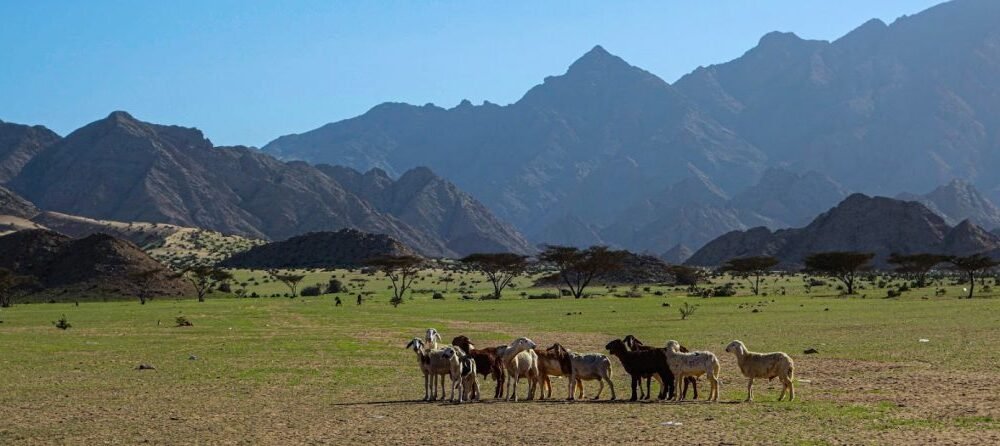
Gebel Elba National Park sits within Egypt’s Red Sea Governorate, near the Halaib Triangle. The park’s centerpiece, the mountain known as “Gebel Elba” or “Elba Mountain,” acts like a sponge for moisture carried by the Red Sea winds. Unlike most of Egypt’s arid landscapes, the slopes of Gebel Elba receive a continuous supply of dew and fog that nurture its rare vegetation. This miracle of geography turns its foothills into a verdant wonder—an oasis hidden in plain sight amid the Eastern Desert’s burnt-gold vastness.
The climatic contrast is fascinating: while nearby plains remain bone-dry and sunbaked, the upper slopes boast green wadis where fig trees, wild olives, and even small patches of grass flourish. This phenomenon, known as “orographic capture,” has fostered life forms not found elsewhere in Egypt. The weather here is mild compared to most desert regions—pleasantly warm in winter and cooler in summer, making Gebel Elba a haven for travelers who prefer to explore nature without the scorching heat typical of other desert attractions like the White Desert.
Biodiversity and Rich Ecosystems of Gebel Elba
When it comes to biodiversity, Gebel Elba National Park stands in a league of its own. Its intricate mosaic of ecosystems—ranging from coastal mangroves and coral reefs to mountain woodlands and desert plateaus—hosts hundreds of species of flora and fauna. More than 60% of Egypt’s recorded plant species find refuge here, making the park an ecological masterpiece. The mountain’s slopes bloom with acacias, dragon trees, and tamarisks that attract countless birds, mammals, and insects.
Endemic species like the Nubian ibex, Barbary sheep, and the Dorcas gazelle roam freely across the granite outcrops, while majestic eagles circle the mountain peaks. Birdwatchers are in for a treat—flocks of flamingoes, herons, and raptors frequent its wetlands and coastal lagoons. Off the Red Sea shores, coral gardens rival those near Marsa Alam and Hurghada, offering a marine paradise untouched by mass tourism.
Cultural Heritage and the Indigenous Ababda People
The Ababda tribe, the indigenous inhabitants of the region, have lived harmoniously with this landscape for centuries. Their lifestyle, deeply rooted in the rhythms of nature, reflects the sustainable way of living that modern conservationists strive to reintroduce. These semi-nomadic pastoralists herd camels and goats through the park’s valleys, relying on ancient knowledge of herbs, weather, and wildlife behavior. Their oral traditions, tribal music, and crafts embody the cultural heartbeat of Gebel Elba.
Visitors who spend time with the Ababda often describe an unforgettable exchange of wisdom and warmth. This living heritage—interwoven with ancient African and Arabian influences—makes the park not just a natural wonder but a cultural sanctuary. Much like the spiritual connection found in sites like St. Catherine’s Monastery, Gebel Elba reveals how ecology and identity can coexist beautifully.
Adventure and Ecotourism in Gebel Elba
For adventurers and nature enthusiasts, Gebel Elba National Park is a dream destination still far from the mainstream radar. The region’s remote nature offers raw adventure—off-road safaris through rugged wadis, mountain trekking, and desert camping beneath dazzling star-studded skies. Travelers can explore coral reefs, hike to panoramic viewpoints, or visit natural springs that emerge along hidden trails.
Ecotourism in Gebel Elba emphasizes minimal impact and genuine appreciation for Egypt’s natural heritage. Unlike popular resort towns or package destinations such as Sharm El Sheikh Day Tours, tourism here is about preservation over profit. Local guides from the Ababda tribe offer specialized expeditions, ensuring that every exploration benefits the community and protects the delicate environment.
With the rising popularity of nature-based experiences, Gebel Elba could soon join famous parks like Wadi El Gemal National Park as a top ecotourism hotspot in Egypt. Its potential for sustainable adventure—birdwatching, photography, and desert meditation—is limitless for those yearning to see Egypt’s wild side.
How to Visit Gebel Elba National Park
Reaching this hidden gem requires both preparation and curiosity. The easiest starting point is Aswan City or Marsa Alam, with local guides arranging overland expeditions southward. Permission from Egyptian environmental authorities is often necessary, as conservation remains a priority. Given the park’s remoteness, travelers should expect basic camping conditions—but the reward is incomparable tranquility and exclusivity.
Unlike the bustling routes toward Lake Nasser or majestic temples like Abu Simbel, Gebel Elba offers quiet immersion and a feeling of discovery unmatched in northern Africa. It’s best explored in cooler months, from October through March, when temperatures are gentle and visibility across the Red Sea coastline creates unforgettable sunrises.
Wildlife Conservation and Environmental Importance
Gebel Elba National Park is a cornerstone of Egypt’s conservation strategy. Its unique “fog desert” ecosystem provides shelter for several endangered species endangered elsewhere. Preservation efforts aim to maintain the fragile balance between human life and wilderness. Ongoing scientific studies monitor climate impacts, biodiversity loss, and sustainable resource use. Conservationists often regard Gebel Elba as a natural laboratory—its habitats mirror prehistoric ecosystems before Egypt’s desertification took hold.
Projects encourage eco-awareness across Red Sea communities—linking with initiatives in nearby reserves like Sinai & Red Sea and featuring collaborations with environmental NGOs. This commitment aligns with Egypt’s growing focus on eco tours in Egypt, offering sustainable exploration while championing wildlife protection.
Top Attractions and Hidden Gems Inside the Park
Every corner of Gebel Elba National Park holds surprises. From the mist-kissed peak where cloud forests shimmer to the coral reefs teeming with marine color, there’s always something magical waiting. The vast Wadi Diib region is renowned for its ancient petroglyphs—carvings that trace humanity’s earliest marks across the land. Photographers adore sunrise shoots from the mountain ridges, where golden light spills into the desert like liquid fire.
Nature lovers often head toward the mangrove-fringed coastline, a vital nursery for fish, crustaceans, and migratory birds. These wetlands rival the aquatic beauty of the Ras Mohammed National Park near Sinai. Beyond its scenic draw, Gebel Elba also delivers soul-stirring silence—a rare treasure for those escaping fast-paced living.
Best Time to Visit and Travel Tips
Timing plays a critical role in visiting this vast wilderness. The ideal window spans from November to March, when the sun’s warmth feels gentle, allowing full exploration. During this period, fog and dew bring landscapes alive with greener hues and blooming desert flowers. Summers, by contrast, can be sweltering, limiting access to higher elevations.
Visitors are advised to arrange tours through certified operators specializing in nature expeditions. Combining your Gebel Elba adventure with desert experiences such as the Black and White Desert or spiritual journeys to Siwa Oasis adds a broader perspective on Egypt’s incredible ecological diversity. Don’t forget essentials like satellite communication gear, sufficient water reserves, and professional local guidance.
Why Gebel Elba Deserves Global Recognition
Despite its beauty, Gebel Elba remains a well-kept secret even among Egypt’s seasoned travelers. Its remoteness protects it from over-tourism but also sidesteps global awareness. Yet, its ecological significance rivals Africa’s grand reserves. With the potential to become a UNESCO World Heritage Site, Gebel Elba represents the next frontier of responsible travel in Egypt—a symbol of coexistence between ancient tribal life and modern conservation ideals.
For explorers, it’s a place where adventure feels pure, where sunsets bleed orange behind silent peaks, and where Egypt tells a quieter, wilder story. It stands as a natural monument to time, culture, and the resilience of life itself—waiting just beyond the map’s edge for those curious enough to find it.
Frequently Asked Questions About Gebel Elba National Park
What makes Gebel Elba National Park unique?
This vast reserve is Egypt’s only region with a tropical mountain ecosystem, sustained by sea fog from the Red Sea. Its biodiversity, including endemic flora and fauna, makes it one of North Africa’s richest natural havens.
Can tourists visit Gebel Elba National Park freely?
Visitation requires special permission from the Egyptian Environmental Affairs Agency (EEAA). Authorized eco-tours and research expeditions are available, often organized from Aswan or Marsa Alam.
Is Gebel Elba safe for travelers?
Yes, when visited with licensed guides and official permits. The region is remote but monitored for ecological and tourist safety. Preparation and local guidance are essential for a safe journey.
What wildlife can be found there?
The park shelters Nubian ibex, hyenas, gazelles, rare reptiles, desert foxes, and hundreds of bird species, along with pristine coral ecosystems off its Red Sea shores.
How can Gebel Elba be combined with other Egyptian attractions?
It pairs beautifully with desert and coastal tours—explorers often extend itineraries to include Wadi El Rayan, Marsa Alam, or a relaxing Luxury Nile Cruise. This combination merges adventure, nature, and culture into one unforgettable Egyptian journey.