Who Is The Egyptian God Of Dust?
Ancient Egypt, with its enigmatic pyramids, sprawling deserts, and timeless mythology, has long fascinated travelers and scholars alike. Among the pantheon of Egyptian deities, gods and goddesses were often associated with elements of nature, seasons, and the very fabric of the land itself. One of the lesser-known but deeply intriguing figures is the Egyptian god of dust. This deity, whose domain is the shifting sands and swirling particles of the desert, offers a unique lens through which to explore Egypt’s cultural and natural landscape. In this comprehensive guide, we’ll journey through the myths, symbolism, and sites connected to the Egyptian god of dust, uncovering the significance of dust in ancient religion and offering essential travel tips for those eager to walk in the footsteps of the ancients.
The Mythological Roots of the Egyptian God of Dust
To understand the Egyptian god of dust, we must first delve into the mythology that shaped ancient Egyptian beliefs. In Egyptian cosmology, the desert was not just a barren expanse; it was a living, breathing entity, both feared and revered. The god most commonly associated with dust and the desert is Set (sometimes spelled Seth), the god of chaos, storms, and arid lands. Set was considered the ruler of the Red Land (Deshret), which represented the inhospitable desert surrounding the fertile Nile Valley. Dust, a constant in the desert environment, was seen as both a destructive and transformative force, capable of eroding monuments but also preserving them beneath its shifting layers.
Set: The Chaotic Lord of the Desert
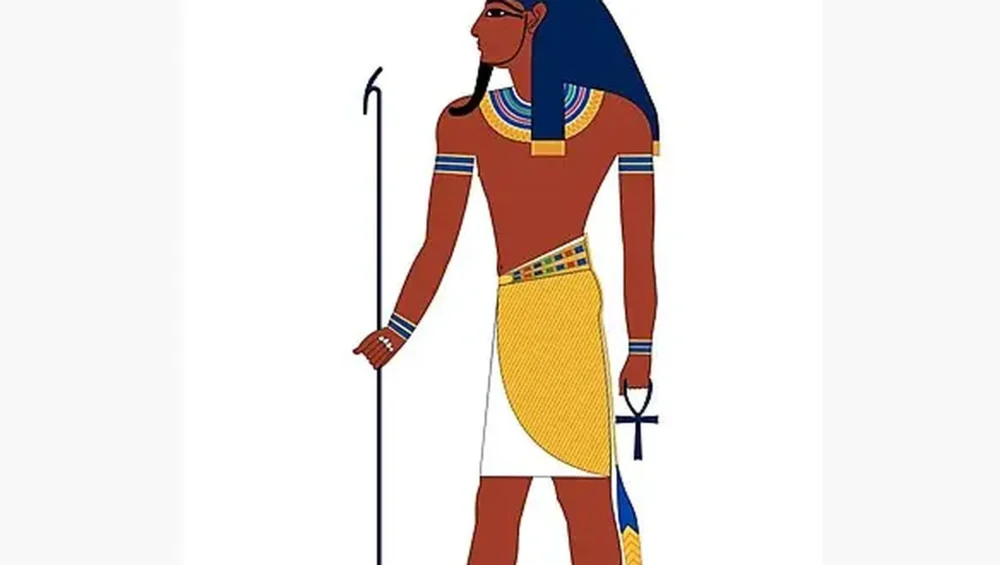
Set’s reputation as the god of dust stems from his dominion over the desert and all that it encompasses. He was often depicted as a powerful figure with an enigmatic animal head, symbolizing his connection to wild and untamed forces. Set’s mythology is rich with tales of conflict, most notably his battles with his brother Osiris and nephew Horus, representing the eternal struggle between order and chaos. As the god of dust, Set embodies the unpredictable and often harsh realities of desert life. Travelers to Egypt can still feel Set’s presence in the relentless winds and swirling sands that shape the landscape today.
The Symbolism of Dust in Ancient Egyptian Culture
Dust was more than just a physical phenomenon in ancient Egypt; it carried deep symbolic meaning. In religious texts and funerary rituals, dust was associated with both life and death. The phrase “to return to dust” encapsulated the cycle of existence, where life emerged from the earth and eventually returned to it. Dust could signify purification, as it was used in certain cleansing rites, but it also represented decay and the passage of time. For the Egyptians, the god of dust was a reminder of the impermanence of material things and the enduring power of nature.
Key Archaeological Sites Linked to Set and the Desert
For travelers interested in exploring the legacy of the Egyptian god of dust, several archaeological sites offer a tangible connection to Set and the desert environment. The ancient city of Ombos (modern-day Naqada) was a major cult center dedicated to Set. Here, visitors can explore temple ruins and artifacts that highlight Set’s importance in the region. The vast deserts of Upper Egypt, particularly around the Nile’s western bank, are also steeped in stories of Set’s influence. Adventurous travelers may embark on guided desert excursions to experience firsthand the awe-inspiring landscapes that inspired ancient myths.
Experiencing the Desert: Modern Travel Tips
Visiting Egypt’s deserts is an unforgettable experience, but it requires careful planning and respect for the environment. The best time to explore the desert is during the cooler months, from October to April, when temperatures are more manageable. Travelers should always go with experienced guides, as the desert can be treacherous for the unprepared. Essential items include plenty of water, sun protection, and sturdy footwear. Many tours offer opportunities to camp under the stars, providing a unique chance to reflect on the timeless connection between dust, the desert, and the divine.
The Role of Dust in Egyptian Art and Architecture
Dust played a subtle yet significant role in the art and architecture of ancient Egypt. The very stones used to build temples and pyramids were shaped and weathered by the desert’s abrasive dust. Artists often depicted scenes of the desert, with swirling lines and ochre hues capturing the movement of sand and dust across the landscape. In tomb paintings and reliefs, the god of dust was sometimes shown alongside other deities, emphasizing his role in the eternal cycle of creation and destruction. Today, visitors to museums and archaeological sites can marvel at artifacts that have survived millennia, thanks in part to the protective embrace of desert dust.
Festivals and Rituals Honoring the Desert Gods
Ancient Egyptians marked the changing seasons and the challenges of desert life with festivals and rituals dedicated to their gods. Set, as the god of dust and the desert, was honored with offerings and ceremonies designed to appease his chaotic nature. These rituals often included the burning of incense and the scattering of sand, symbolizing the power and unpredictability of dust. Some modern festivals in Egypt still echo these ancient traditions, blending folklore with contemporary celebrations. Travelers seeking a deeper cultural experience may wish to time their visit to coincide with local events that pay homage to the land’s mythic past.
Connecting with Egypt’s Mythology Today
For modern travelers, the story of the Egyptian god of dust offers a profound way to connect with the country’s mythology and landscape. Whether exploring ancient temples, traversing the desert, or simply watching the sun set over the dunes, visitors can reflect on the enduring legacy of Set and the symbolic power of dust. Guided tours, museum exhibits, and cultural workshops provide further opportunities to learn about the myths that have shaped Egypt’s identity for thousands of years. By engaging with these stories, travelers become part of a living tradition that continues to inspire wonder and curiosity.
Frequently Asked Questions
-
Who is the Egyptian god of dust?
The Egyptian god most closely associated with dust is Set, the deity of chaos, storms, and the desert. He was revered as the ruler of the Red Land, the arid desert that surrounded the fertile Nile Valley.
-
What role did dust play in ancient Egyptian religion?
Dust symbolized both life and death, purification and decay. It was integral to religious rituals, funerary practices, and the broader mythology surrounding the cycle of existence.
-
Where can I visit sites related to Set and the desert in Egypt?
The ancient city of Ombos (Naqada) was a major cult center for Set. The deserts of Upper Egypt, particularly around the Nile’s western bank, are also steeped in myths related to Set and the god of dust.
-
When is the best time to explore Egypt’s deserts?
The best time to visit Egypt’s deserts is from October to April, when the weather is cooler and more comfortable for travel and exploration.
-
Are there any modern festivals that honor ancient desert gods?
While most ancient rituals have evolved, some modern festivals in Egypt still incorporate elements that honor the desert and its deities, reflecting a blend of ancient and contemporary traditions.
-
How can travelers learn more about Egyptian mythology during their visit?
Visitors can join guided tours, attend museum exhibits, and participate in cultural workshops to deepen their understanding of Egyptian mythology and the stories of gods like Set, the god of dust.