The Nile River: Lifeline of Egypt and Cradle of Civilization
The Nile River, the longest river in the world, has carved its identity deep into the heart of Africa and the soul of Egypt. Stretching for about 6,650 kilometers, this majestic river travels through eleven countries, finally pouring into the Mediterranean Sea. More than just a waterway, the Nile River is a symbol of continuity, culture, and civilization. For thousands of years, it has sustained life, inspired religion, influenced trade, and shaped one of the most advanced ancient societies in history. Often referred to as the ‘Gift of the Nile,’ Egypt’s very existence depends on its gentle yet powerful flow. Its annual floods once brought fertile silt to the land, ensuring bountiful harvests and prosperity for generations. Without the Nile, the golden sands of Egypt would remain barren — a stark reminder of how nature’s rhythm can define the destiny of an entire nation.
The Nile River runs through diverse terrains — from the lush highlands of Burundi and Rwanda to the sun-soaked delta of northern Egypt. Along its path, it forms life-sustaining oases, nurtures wildlife, and nourishes millions of people. Ancient Egyptians believed the river was divine, a living god whose waters were gifts from the heavens. Today, the Nile still dominates modern Egypt’s economy and tourism, with countless travelers sailing its waters aboard elegant Luxury Nile Cruise ships or exploring heritage-filled banks in Aswan Day Tours and Luxor Day Tours. Whether admired from a felucca ride or photographed at sunset, the Nile remains the beating heart of Egyptian culture and an everlasting testament to human resilience and nature’s generosity.
Geographical Wonders of the Nile River
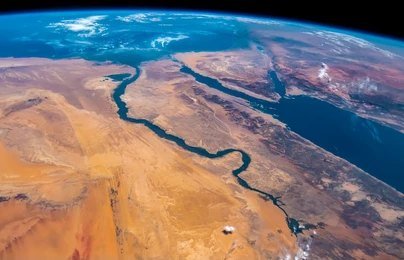
The Nile River is formed by two primary tributaries: the White Nile, originating from Lake Victoria, and the Blue Nile, flowing from Lake Tana in Ethiopia. Their confluence in Khartoum, Sudan, creates the mighty river that winds through the deserts of Egypt before reaching the Mediterranean. The path of the Nile is a geographical masterpiece — an unbroken artery of life slicing through arid landscapes, bringing fertility to an otherwise inhospitable region. Its waters foster lush greenery that abruptly contrasts with the surrounding desert, a sight that has enchanted travelers for centuries.
As the river meanders north, it forms breathtaking natural landmarks like the cataracts of Nubia and the Nile Delta. The delta itself fans out majestically near modern Alexandria, providing fertile soil that supports Egypt’s agricultural industry. Agriculture, fishing, and tourism thrive along its banks. From the timeless temples of Aswan City to the magnificent monuments of Luxor City, every bend of the river seems to whisper tales from history’s oldest chapters.
The Role of the Nile in Ancient Egyptian Civilization
No other natural feature on Earth has influenced a civilization as profoundly as the Nile did ancient Egypt. Its dependable annual floods were pivotal to agricultural cycles, enabling farmers to grow crops like wheat, barley, and flax. Each year’s inundation determined the kingdom’s economic success, with the floods viewed as divine blessings orchestrated by Hapi, the god of the Nile. Villages, temples, and cities sprouted along the riverbanks — forming a linear kingdom stretched from Aswan to the Delta. Transport, trade, and communication thrived thanks to the Nile’s navigable waters, making Egypt one of the most connected and powerful civilizations of the ancient world.
Monumental sites like Temple of Philae, Abu Simbel Temples, and Edfu Temple were erected along the Nile, each reflecting architectural brilliance and spiritual devotion. Priests performed rituals to honor the river, while citizens depended on its bounty for food and trade. The Nile wasn’t just a source of water — it was the spiritual bloodstream of an empire.
Modern Economic Importance of the Nile River
Today, the Nile continues to play a vital role in Egypt’s economy and livelihood. Modern agriculture along its floodplains feeds millions, while vast infrastructure projects like the Aswan High Dam have transformed Egypt’s ability to control and harness its waters. The dam has protected communities from destructive floods and provided hydroelectric power, fueling industrial progress. Urban centers such as Cairo, Luxor, and Aswan depend heavily on the Nile for freshwater and energy. The river also draws international tourism, as travelers embark on itineraries like the 4 Day Cairo and Luxor Tour Package or the spectacular 4 Day 3 Night Nile Cruise from Aswan to Luxor, combining luxury travel with historical exploration.
Cultural and Religious Significance of the Nile
The Nile River has long been intertwined with Egypt’s religious and cultural identity. To ancient Egyptians, it represented life, death, and rebirth — a mirror of their beliefs in the afterlife. Temples aligned with the river’s axis symbolized the harmony between humanity and nature. In modern times, the river still holds deep meaning during festivals and folk traditions celebrating the flood season. Cities like Luxor and Aswan celebrate the Nile through music, color, and dance, keeping its sacred aura alive.
Travelers who join a Luxor Hot Air Balloon Ride or a Felucca Ride on the Nile in Aswan experience not just breathtaking landscapes but also the spiritual rhythm that has pulsed through Egypt for centuries. The river continues to inspire poets, artists, and dreamers from around the world.
Environmental Challenges and Sustainable Efforts
Despite its majesty, the Nile faces growing environmental challenges. Population expansion, industrialization, and climate change threaten its water quality and balance. Water management and equitable sharing between the basin’s nations remain critical issues. Egypt has invested heavily in modern irrigation systems and water-saving technologies to preserve this lifeline. Programs promoting eco-tourism and sustainable travel are rising, especially through tours like Eco Tours in Egypt that emphasize conservation while allowing visitors to explore the river’s wonders responsibly.
Scientists and policymakers collaborate across borders to ensure the Nile’s longevity, fostering renewable energy initiatives and sustainable agriculture. As one of Earth’s oldest natural treasures, protecting the Nile isn’t just Egypt’s responsibility — it’s a global commitment to history, culture, and the environment.
Nile River Cruises: A Journey Through History
Few experiences rival sailing along the Nile under the Egyptian sun. Modern cruises blend the allure of ancient history with luxury amenities. Each voyage transports travelers through time — from the temples of Kom Ombo to the tombs of the Valley of the Kings. Cruise lines such as Steigenberger Minerva Nile Cruise, Farida Nile Cruise, and Nour El Nil Dahabeya offer exceptional itineraries that cater to both culture seekers and luxury travelers. The gentle rhythm of the river, coupled with golden desert vistas, creates an unforgettable travel memory that embodies Egypt’s timeless charm.
Travel agencies like Cindrella Egypt Travel curate customized Nile cruise experiences, allowing visitors to witness the harmony between ancient temples, modern cities, and pristine river landscapes. These journeys seamlessly blend relaxation and exploration, delivering an intimate connection with Egypt’s living past.
FAQs About the Nile River
1. Why is the Nile River called the “Gift of the Nile”?
The term “Gift of the Nile” was coined by ancient historian Herodotus, summarizing Egypt’s dependence on the river. The Nile’s annual floods enriched the soil, allowing agriculture to thrive and supporting the civilization’s survival. Without the Nile, Egypt’s desert landscape would’ve made habitation impossible.
2. Where does the Nile River start and end?
The Nile begins in the highlands of East Africa, with its main tributaries — the White Nile originating from Lake Victoria and the Blue Nile from Lake Tana in Ethiopia. Both merge in Khartoum, Sudan, and the river flows northward through Egypt until it empties into the Mediterranean Sea.
3. How did the Nile River influence ancient Egyptian religion?
The Nile was believed to be sacred, personified by the god Hapi. Egyptians associated the river’s cycles with fertility, death, and rebirth. Many temples, including the Temple of Hatshepsut and Ramesseum Temple, were aligned with the Nile’s direction, signifying spiritual harmony with nature’s flow.
4. What role does the Nile play in modern Egypt?
The Nile continues to sustain agriculture, tourism, and energy. The Aswan High Dam ensures flood control and power generation. The river also drives Egypt’s tourism economy, especially through cultural expeditions and luxurious Best Nile River Cruises, which attract visitors worldwide.
5. What are the best ways to explore the Nile River?
The best way to experience the Nile is through guided tours and cruises that combine heritage and leisure. Popular choices include the 8 Days Best Egypt Tour with Nile Cruise and 10 Day Egypt Luxury Trip with Dahabiya Nile Cruise. Travelers can also enjoy scenic felucca rides, cultural excursions, and day trips that bring them close to the heart of Egyptian history and life.