Khan Al-Khalili Cairo: The Timeless Heart of Egypt’s Bazaar Culture
In the bustling heart of Cairo, where the modern world intertwines with centuries-old traditions, lies Khan Al-Khalili—a vibrant bazaar that has captivated travelers and locals alike for generations. This historic market is more than just a place to shop; it is a living tapestry of Egyptian culture, history, and daily life. Whether you’re seeking rare antiques, hand-crafted jewelry, aromatic spices, or simply a taste of authentic Cairo, Khan Al-Khalili offers an unforgettable experience that immerses you in the true spirit of Egypt.
The History of Khan Al-Khalili
Khan Al-Khalili dates back to the 14th century, when it was established during the Mamluk era by Emir Djaharks el-Khalili. Originally conceived as a caravanserai—a roadside inn for traders and travelers—the bazaar quickly evolved into a thriving commercial hub. Over the centuries, it has survived plagues, political upheavals, and the relentless march of time, emerging as one of the most iconic and enduring markets in the Middle East. Walking through its labyrinthine alleys is like stepping back in time, with ancient stone archways and intricately carved wooden facades bearing silent witness to centuries of commerce and culture.
Architectural Marvels and Timeless Ambiance
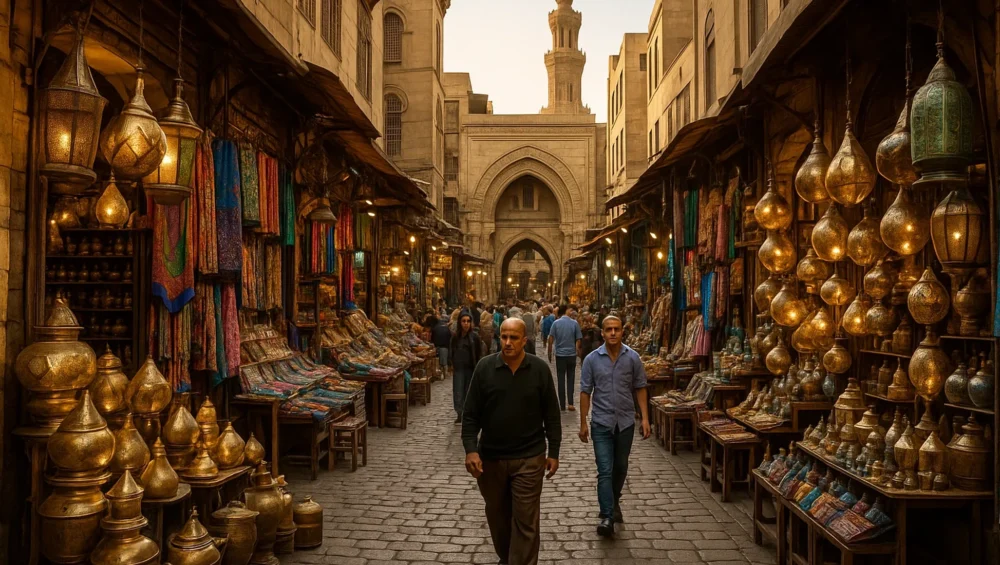
The architecture of Khan Al-Khalili is a testament to Cairo’s rich history and diverse influences. The market’s narrow, winding streets are lined with medieval Islamic buildings, many adorned with ornate mashrabiya (latticework) windows and decorative motifs. The ambiance is enhanced by the interplay of sunlight and shadow, the hum of bargaining voices, and the intoxicating scents of spices and incense. As you explore, you’ll discover hidden courtyards, centuries-old mosques, and beautifully restored khans (inns) that provide a glimpse into Cairo’s illustrious past.
Shopping in Khan Al-Khalili: What to Buy
Khan Al-Khalili is a shopper’s paradise, offering an astonishing array of goods that reflect Egypt’s artistic heritage. Visitors can browse stalls brimming with hand-blown glass, intricate silverware, vibrant textiles, and traditional perfumes. Gold and silver jewelry, often crafted with ancient Pharaonic or Islamic designs, make for exquisite souvenirs. Don’t miss the stalls selling colorful ceramics, brass lanterns, and hand-painted papyrus. Bargaining is not just expected—it’s an essential part of the experience, so don’t hesitate to haggle for the best price.
Cafés and Culinary Delights
No visit to Khan Al-Khalili is complete without pausing at one of its legendary cafés. Perhaps the most famous is El Fishawy, an establishment that has welcomed poets, artists, and celebrities for over two centuries. Here, you can sip strong Egyptian coffee or sweet mint tea while watching the vibrant street life unfold around you. Many cafés serve traditional Egyptian snacks such as falafel, koshari, and baklava, providing a delicious respite from shopping. The atmosphere is always lively, with the sounds of clinking glasses, laughter, and the occasional strains of live oud music adding to the charm.
Meeting the Artisans: Craftsmanship and Heritage
One of the greatest joys of visiting Khan Al-Khalili is the opportunity to meet the artisans who keep Egypt’s traditional crafts alive. Many workshops are open to visitors, allowing you to observe master craftsmen at work—engraving brass, weaving carpets, or shaping delicate glassware. These artisans are often eager to share the stories behind their creations, offering insights into techniques passed down through generations. Purchasing directly from these workshops not only guarantees authenticity but also supports the preservation of Egypt’s intangible cultural heritage.
Nearby Attractions: Exploring Historic Cairo
Khan Al-Khalili is ideally situated in Islamic Cairo, a UNESCO World Heritage Site renowned for its wealth of historic monuments. Just a short walk from the bazaar, you’ll find the stunning Al-Hussein Mosque, one of Cairo’s most revered religious sites. The nearby Al-Azhar Mosque, founded in 970 AD, is a masterpiece of Islamic architecture and a center of religious scholarship. Wandering the surrounding streets reveals a treasure trove of medieval madrasas, sabils (public fountains), and mausoleums, making it easy to combine your shopping adventure with a journey through Cairo’s storied past.
Tips for Visiting Khan Al-Khalili
To make the most of your visit to Khan Al-Khalili, consider arriving early in the day or later in the evening, when the crowds are thinner and the atmosphere more relaxed. Wear comfortable shoes, as the cobblestone streets can be uneven, and be prepared for a sensory overload of sights, sounds, and smells. While the bazaar is generally safe, it’s wise to keep an eye on your belongings and be cautious of overly persistent touts. Don’t be shy about bargaining, but always do so with a smile—friendly negotiation is part of the local culture. Finally, take your time; the true magic of Khan Al-Khalili lies in its hidden corners and unexpected encounters.
Experiencing the Nightlife and Festivals
As the sun sets, Khan Al-Khalili takes on a different character. The market glows with the warm light of lanterns, and the energy intensifies as locals and tourists gather to enjoy the vibrant nightlife. Street performers, musicians, and storytellers bring the alleys to life, creating a festive atmosphere that continues late into the night. During religious festivals such as Ramadan, the bazaar becomes even more animated, with special decorations, extended hours, and communal feasts. These celebrations offer a unique opportunity to experience Egyptian hospitality and tradition at its most exuberant.
Souvenirs and Lasting Memories
Bringing home a piece of Khan Al-Khalili is a cherished tradition for many visitors. Whether it’s a handcrafted piece of jewelry, a bottle of exotic perfume, or a simple trinket, each souvenir carries with it the stories and spirit of Cairo. Take the time to chat with shopkeepers, learn about the origins of your purchases, and savor the memories of your time in this extraordinary bazaar. More than just a marketplace, Khan Al-Khalili is a living museum—a place where the past and present coexist in a vibrant celebration of Egyptian culture.
Frequently Asked Questions
What are the opening hours of Khan Al-Khalili?
Khan Al-Khalili is generally open from around 9:00 AM until well into the evening, with some shops and cafés staying open as late as midnight. Hours may vary during religious holidays or Ramadan, so it’s a good idea to check in advance if you have specific shops in mind.
Is it safe to visit Khan Al-Khalili?
Yes, Khan Al-Khalili is considered safe for tourists. However, as with any busy market, it’s important to stay aware of your surroundings, keep valuables secure, and be cautious of pickpockets. Most visits are trouble-free, and the area is well-patrolled by local authorities.
How do I get to Khan Al-Khalili?
Khan Al-Khalili is located in the heart of Islamic Cairo and is easily accessible by taxi, ride-sharing apps, or public transportation. The nearest metro station is Al-Azhar, and many hotels offer guided tours or shuttle services to the bazaar.
What should I wear when visiting Khan Al-Khalili?
Cairo is a cosmopolitan city, but it’s respectful to dress modestly, especially when visiting religious sites nearby. Lightweight, breathable clothing is recommended, along with comfortable shoes for walking the cobbled streets. A hat and sunscreen are also advisable, especially during the hotter months.
Can I use credit cards in Khan Al-Khalili?
While some larger shops and cafés accept credit cards, many vendors in Khan Al-Khalili prefer cash payments. It’s best to carry small denominations of Egyptian pounds for purchases and bargaining. ATMs are available in the vicinity for your convenience.
Are there guided tours available for Khan Al-Khalili?
Yes, many local tour operators offer guided walking tours of Khan Al-Khalili and the surrounding historic sites. A knowledgeable guide can enrich your experience by providing historical context, helping with bargaining, and introducing you to hidden gems within the bazaar.