The Great Pyramids Of Giza: An Essential Guide for Travelers
The Great Pyramids of Giza are among the most iconic and awe-inspiring monuments on the planet, drawing millions of visitors each year to the edge of Egypt’s sprawling capital, Cairo. Rising from the golden sands of the Giza plateau, these ancient wonders have captured the imagination of explorers, historians, and travelers for millennia. Whether you are a history buff, a photography enthusiast, or a first-time visitor to Egypt, a trip to the Pyramids promises an unforgettable experience. This comprehensive guide will help you make the most of your visit, offering insights into their history, practical travel tips, and suggestions for a truly memorable journey.
The History and Significance of the Great Pyramids
The Great Pyramids of Giza are the last surviving wonder of the original Seven Wonders of the Ancient World. Built during Egypt’s Fourth Dynasty, around 2580–2560 BCE, the Pyramids served as monumental tombs for the Pharaohs. The largest and most famous of these is the Pyramid of Khufu (also known as the Great Pyramid), followed by the Pyramid of Khafre and the Pyramid of Menkaure. These structures were designed to ensure the safe passage of the Pharaohs into the afterlife, reflecting the ancient Egyptians’ deep spiritual beliefs and advanced engineering skills. The alignment and precision of the pyramids continue to fascinate researchers, with many theories surrounding their construction and purpose.
Planning Your Visit: When to Go and What to Expect
The Giza plateau is open to visitors year-round, but the best time to visit is during the cooler months from October to April. During this period, temperatures are more comfortable, making it easier to explore the site on foot. The summer months (May to September) can be extremely hot, with temperatures often exceeding 40°C (104°F). Early mornings and late afternoons are ideal for visiting, as the light is perfect for photography and the crowds are smaller. Expect security checks at the entrance, and be prepared for a bustling atmosphere, especially during peak tourist seasons.
Getting to the Pyramids: Transportation and Accessibility
The Great Pyramids are located about 15 kilometers southwest of downtown Cairo. Most visitors reach the site by taxi, private car, or organized tour. Public transportation options include buses and the Cairo Metro (with the closest station being Giza, followed by a short taxi ride to the plateau). Many hotels in Cairo offer day tours that include transportation, guides, and admission fees. For those seeking adventure, camel or horseback rides are available from nearby stables, offering a unique way to approach the pyramids. Accessibility for visitors with mobility challenges is improving, but some uneven terrain and sandy paths may pose difficulties.
Exploring the Pyramids: What to See and Do
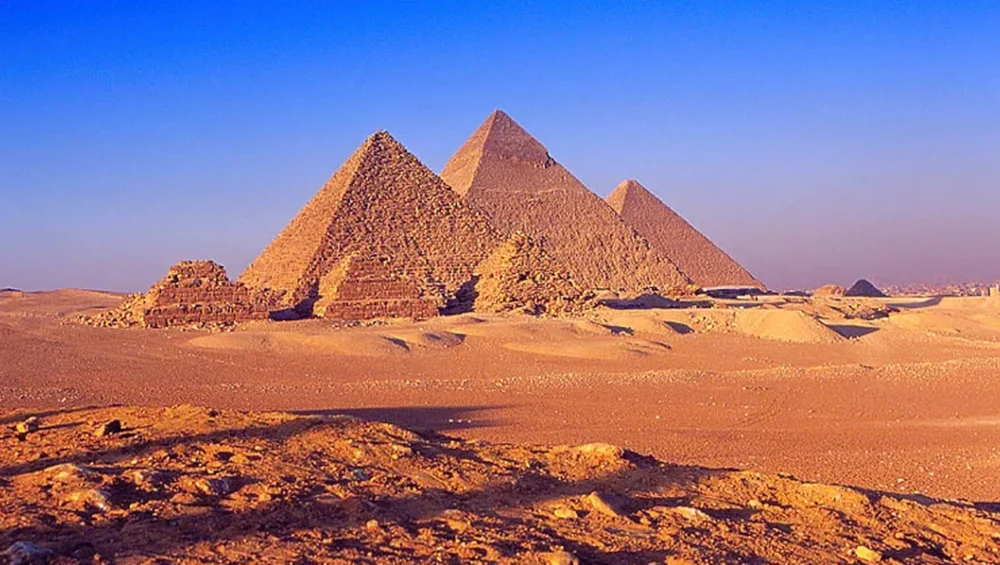
Upon arrival, visitors are greeted by the imposing sight of the three main pyramids, each with its own distinctive features. The largest, the Pyramid of Khufu, originally stood at 146 meters and remains an architectural marvel. The Pyramid of Khafre is easily identified by the remnants of its original limestone casing near the summit, while the smaller Pyramid of Menkaure completes the trio. Visitors can explore the exterior of the pyramids, and for an additional fee, enter the burial chambers inside Khufu and Khafre’s pyramids. The experience of standing inside these ancient structures is both humbling and exhilarating. Don’t miss the smaller Queen’s Pyramids and the subsidiary tombs scattered around the plateau.
The Great Sphinx and Surrounding Monuments
No visit to Giza is complete without seeing the enigmatic Great Sphinx. Carved from a single block of limestone, the Sphinx features the body of a lion and the face of a Pharaoh, believed to represent Khafre. The Sphinx has stood guard over the pyramids for thousands of years, its mysterious expression inspiring countless legends. Nearby, you’ll find the Valley Temple, where the mummification of Pharaohs took place, and various mastabas (ancient tombs) belonging to nobles and officials. The site is rich in archaeological treasures, offering a glimpse into the grandeur of ancient Egyptian civilization.
Practical Tips for Visiting the Giza Plateau
To make the most of your visit, it’s important to plan ahead. Wear comfortable shoes suitable for walking on sand and rocky terrain, and bring a hat, sunscreen, and plenty of water, especially in the warmer months. Modest clothing is recommended out of respect for local customs. Be prepared for persistent vendors offering souvenirs and camel rides—polite but firm refusals are generally effective if you’re not interested. Guided tours are highly recommended, as knowledgeable guides can provide fascinating insights into the history and significance of the monuments. Bring cash for entrance fees, as credit cards are not always accepted at the site.
Photography and the Best Views
The Giza plateau offers countless opportunities for stunning photographs. The classic panoramic view of all three pyramids is best captured from the nearby desert, where camel rides are often staged for dramatic effect. Early morning and late afternoon light create striking shadows and golden hues, perfect for capturing the grandeur of the monuments. The area near the Sphinx provides excellent vantage points for creative shots, and climbing the nearby hills offers sweeping views of the entire plateau. Drones are not permitted, and tripods may require special permission, so check local regulations before your visit. Remember to be respectful of restricted areas and avoid climbing on the monuments themselves.
Beyond the Pyramids: Nearby Attractions and Activities
While the pyramids are the main attraction, the surrounding area offers plenty of additional experiences. The Solar Boat Museum houses the reconstructed Khufu ship, an ancient vessel discovered buried beside the Great Pyramid. The Grand Egyptian Museum, located a short distance from the plateau, showcases a vast collection of artifacts from ancient Egypt, including treasures from Tutankhamun’s tomb. For a taste of local culture, explore the bustling streets of nearby Giza or enjoy traditional Egyptian cuisine at a local restaurant. Evening sound and light shows at the pyramids provide a dramatic retelling of their history, combining music, narration, and colorful illuminations for a memorable finale to your visit.
Responsible Tourism and Preservation Efforts
The Great Pyramids are not only a source of national pride for Egypt but also a UNESCO World Heritage Site. Preserving these ancient monuments for future generations is a shared responsibility. Visitors are urged to respect site rules, avoid touching or climbing on the pyramids, and refrain from littering. Ongoing restoration and conservation efforts are vital to maintaining the integrity of the structures, and tourism revenue plays a crucial role in funding these projects. By traveling responsibly, you help ensure that the wonders of Giza remain a source of inspiration for generations to come.
Frequently Asked Questions
How much does it cost to visit the Great Pyramids of Giza?
The entrance fee for the Giza plateau varies for Egyptian nationals and foreign visitors, with additional charges for entering the pyramids themselves. As of 2024, general admission for foreigners is around 240 EGP, with extra fees for entry into the Great Pyramid and other monuments. Discounts are often available for students with valid ID.
Can you go inside the pyramids?
Yes, visitors can enter the Pyramid of Khufu and the Pyramid of Khafre for an additional fee. The interiors are narrow and can be claustrophobic, but the experience offers a unique glimpse into ancient engineering. Entry is limited each day, so it’s best to arrive early if you wish to go inside.
What should I wear when visiting the pyramids?
Comfortable, modest clothing is recommended. Lightweight fabrics are ideal for the hot climate, and sturdy shoes are necessary for walking on sand and rocky surfaces. A hat and sunglasses provide protection from the sun, and sunscreen is essential.
Is it safe to visit the pyramids?
The pyramids are generally safe for tourists, with a visible security presence throughout the site. As with any major tourist destination, it’s wise to be aware of your surroundings and keep an eye on your belongings. Follow local advice and avoid wandering into isolated areas of the plateau.
Are guided tours necessary?
While it’s possible to explore the site independently, guided tours are highly recommended for a deeper understanding of the history and significance of the pyramids. Knowledgeable guides can enhance your experience and help you navigate the site efficiently.
How do I get from Cairo to the pyramids?
The pyramids are easily accessible from central Cairo by taxi, ride-hailing apps, or organized tours. Public transportation options include buses and the Cairo Metro, though a short taxi ride is still required from the nearest station. Many hotels offer day trips that include transportation and guided services.