Best Souvenirs From Egypt That Are Not Tourist Traps

Best Souvenirs From Egypt That Are Not Tourist Traps

Best Souvenirs From Egypt That Are Not Tourist Traps

The best souvenirs from Egypt that are not tourist traps include hand-crafted items such as alabaster vases, traditional jewelry, authentic papyrus art, and spices from local markets. These choices reflect Egypt’s heritage, support local artisans, and offer genuine cultural value, rather than mass-produced trinkets commonly found in tourist-heavy areas.

Key Takeaways

  • The most authentic Egyptian souvenirs are handcrafted by local artisans using traditional methods.
  • Markets in Luxor, Aswan, and Cairo offer unique items like alabaster, jewelry, and spices that are not mass-produced.
  • Egypt has 7 UNESCO World Heritage sites, and many souvenirs are inspired by their ancient art and symbolism (per UNESCO).
  • Papyrus, jewelry, and textiles make meaningful gifts and support local communities.
  • Official fees and opening hours for monuments and museums in Egypt are revised periodically; always check the latest details before visiting.

Handcrafted Alabaster: A Timeless Egyptian Treasure

Alabaster carving is an ancient craft that remains a hallmark of Egyptian artistry, especially in Luxor and Aswan. Genuine alabaster is cool to the touch, slightly translucent, and hand-carved into vases, candle holders, and statues. Unlike the plastic imitations found in tourist shops, authentic pieces are heavier and often display delicate veining. Visiting a family-run alabaster workshop allows travelers to witness the carving process and purchase directly from the artisans, ensuring both authenticity and fair compensation for their work.

For those traveling between Aswan and Luxor, consider enriching your journey with a Private day tour to Luxor from Aswan by car to explore local markets and workshops renowned for their alabaster products.

Authentic Papyrus Art: Ancient Craft, Modern Mastery

Papyrus, the world’s first paper, was invented in Egypt and remains an iconic souvenir. Authentic papyrus is made from the pith of the Cyperus papyrus plant, while fake versions are often made from banana leaves or other materials. Genuine workshops demonstrate the entire process, from slicing the stalks to pressing and drying the sheets. Papyrus paintings often depict scenes from ancient tombs, gods, and hieroglyphics, making them meaningful keepsakes. Always ask for a demonstration or a certificate of authenticity when purchasing to avoid mass-produced counterfeits.

Understanding the symbolism in ancient Egyptian art can deepen your appreciation of papyrus works. For example, the Anubis Symbol represents protection and the afterlife, themes often depicted in traditional papyrus paintings.

Traditional Egyptian Jewelry: Silver, Gold, and Faience

Egyptian jewelry is renowned for its intricate designs and historical symbolism. Silver and gold pieces, often inlaid with semi-precious stones like lapis lazuli and turquoise, echo the adornments found in pharaonic tombs. Faience, a glazed ceramic material, is another traditional medium used for amulets and beads. Many jewelers offer custom engravings in hieroglyphics, making each piece unique. To ensure authenticity, buy from reputable jewelers or cooperatives rather than street vendors, and look for hallmarks or certificates.

For a deeper understanding of the significance behind Egyptian adornments and burial rites, read about The 7 Steps Of Mummification, which explores the role of jewelry and amulets in ancient funerary practices.

Textiles and Scarves: Woven Heritage

Egyptian textiles are prized for their quality and craftsmanship. Luxor and Cairo’s markets are filled with hand-woven scarves, cotton galabeyas (traditional robes), and intricate tapestries. The cotton grown in Egypt is among the finest in the world, resulting in soft, durable fabrics. Embroidered shawls and Bedouin-style blankets make for practical and beautiful souvenirs. When shopping, check the stitching and fabric for quality, and favor stalls where you can see the weaving process or meet the makers.

Many Nile cruise itineraries include stops at villages renowned for their textile production. To experience this firsthand, a journey such as the MS Nile Style Nile Cruise offers opportunities to visit local markets and purchase unique fabrics directly from artisans.

Spices and Perfume Oils: Sensory Souvenirs

Egyptian markets are a feast for the senses, particularly in the spice and perfume sections. Spices such as cumin, coriander, hibiscus, and dukkah are staples in Egyptian cuisine and make excellent gifts. Perfume oils, often sold in ornate glass bottles, are distilled from flowers and herbs using traditional methods. Reputable spice merchants will let you sample and smell their products, while perfume shops may offer demonstrations of the distillation process. Always purchase from established shops to ensure purity and quality.

When shopping in markets, it’s customary to leave a tip or small gratuity for attentive service. For guidance on local etiquette and tipping customs, see the detailed advice in Tipping In Egypt.

Cartouches and Personalized Souvenirs: Your Name in Hieroglyphs

A cartouche is an oval-shaped amulet that encircles a name written in hieroglyphs, symbolizing protection and eternity. Many visitors choose to have their names or initials inscribed on silver, gold, or faience cartouches, creating a deeply personal souvenir. Artisans can be found in reputable jewelry shops and at workshops near major sites. These pieces not only make memorable keepsakes but also connect travelers to the language and symbolism of ancient Egypt. Ensure your cartouche is crafted on-site and that you receive a translation of your chosen inscription.

If you want to explore Egypt’s rich history and symbolism while enjoying a curated travel experience, consider the 8 Days Egypt Luxury Tour, which includes expert-led visits to sites where you can commission authentic personalized souvenirs.

Handmade Pottery: Functional and Decorative Art

Egyptian pottery is both utilitarian and artistic, with styles that date back millennia. Workshops in Fustat, Cairo’s historic pottery district, and in Upper Egypt produce everything from glazed plates to water jugs and decorative vases. Each region has its own motifs and techniques, often passed down through generations. Purchasing directly from potters ensures you receive a unique, handcrafted item while supporting traditional livelihoods. Look for signed pieces or those with regional patterns for added authenticity.

Travelers interested in exploring Egypt’s diverse artistic heritage can benefit from day tours that highlight both ancient monuments and contemporary crafts. Many tours combine visits to archaeological sites with stops at artisan workshops, offering a well-rounded experience.

UNESCO-Inspired Souvenirs: Artifacts with a Story

Egypt is home to 7 UNESCO World Heritage sites (per UNESCO), including the Pyramids of Giza, Ancient Thebes, and Abu Mena. Many souvenirs draw inspiration from the art and architecture of these locations, such as miniature replicas of statues, hand-painted tiles, and books on ancient Egyptian history. Buying from museum shops or official site vendors ensures the proceeds support preservation efforts and that the items are accurate representations rather than generic imitations. These souvenirs carry the story of Egypt’s enduring legacy and make meaningful reminders of your visit.

To truly appreciate the depth of Egypt’s heritage, a guided tour can offer context and access to lesser-known sites. For those seeking a comprehensive experience, a Nile cruise or day tour is an excellent way to immerse yourself in both history and local craftsmanship.

Table: Comparison of Popular Authentic Egyptian Souvenirs

Souvenir Type Material Where to Buy How to Ensure Authenticity
Alabaster Vases & Statues Alabaster stone Luxor, Aswan workshops Buy from artisan workshops, check for coolness and translucence
Papyrus Art Papyrus plant Papyrus museums, certified shops Ask for a demonstration and certificate
Traditional Jewelry Silver, gold, faience Reputable jewelers, cooperatives Look for hallmarks or certificates
Textiles & Scarves Egyptian cotton, wool Markets in Luxor, Cairo, Nile villages Check stitching, favor handwoven items
Spices & Perfume Oils Herbs, flowers, oils Local markets, spice merchants Sample before buying, use established shops
Cartouches Silver, gold, faience Jewelry shops, workshops near sites Order custom inscriptions, receive translation
Pottery Clay, glaze Fustat, Upper Egypt workshops Look for signed pieces, regional motifs

Frequently Asked Questions

  • What are the best places to buy authentic souvenirs in Egypt?

    The best places to buy authentic souvenirs in Egypt are local markets, artisan workshops in Luxor and Aswan, and museum shops, where items are handcrafted and support local communities.
  • How can I tell if papyrus art is genuine?

    Genuine papyrus art is made from the Cyperus papyrus plant and is often demonstrated in workshops; always ask for a demonstration or certificate to avoid fakes made from banana leaves.
  • Are there any customs or etiquette tips for shopping in Egyptian markets?

    Bargaining is common in Egyptian markets, and it is customary to leave a small tip for attentive service; learning about local tipping practices can enhance your shopping experience.
  • Can I bring spices and perfume oils home from Egypt?

    You can bring spices and perfume oils home from Egypt, but check your country’s customs regulations for restrictions on food products and liquids before traveling.
  • Is it better to buy souvenirs from museum shops or street vendors?

    Buying souvenirs from museum shops or official site vendors is recommended for quality and authenticity, as these items often support preservation efforts and are accurately crafted.
  • What makes a cartouche a meaningful souvenir?

    A cartouche is a meaningful souvenir because it features your name or initials in ancient Egyptian hieroglyphs, symbolizing protection and a personal connection to Egypt’s heritage.
Street Food Guide Cairo Alexandria Luxor Aswan

Street Food Guide: Cairo, Alexandria, Luxor, Aswan

Street Food Guide: Cairo, Alexandria, Luxor, Aswan

Cairo, Alexandria, Luxor, and Aswan each offer a unique street food scene, blending Egypt’s rich culinary traditions with local specialties. From Cairo’s bustling markets to Alexandria’s coastal flavors, and the distinct tastes of Upper Egypt, this guide highlights the must-try dishes and where to find them for an authentic Egyptian food experience.

Key Takeaways

  • Koshari, falafel, and ful medames are staple street foods in Cairo and Alexandria.
  • Alexandria’s street food is influenced by its Mediterranean location, featuring seafood and unique pastries.
  • Luxor and Aswan offer Upper Egyptian specialties, including spicy stews and sweet treats.
  • Street food is widely available near major attractions, markets, and along the Nile Corniche in all four cities.
  • Always look for busy stalls with locals, as freshness and turnover are key for the best flavors and safety.

Street Food Culture in Cairo

Cairo’s street food is a lively reflection of the city’s diversity and history. The capital’s bustling avenues and hidden alleys are lined with vendors serving classic Egyptian dishes. Koshari, a hearty mix of rice, lentils, pasta, and spicy tomato sauce, is the city’s unofficial national dish, found at both humble carts and famous shops. Falafel (ta’ameya), made with fava beans and herbs, and ful medames, slow-cooked fava beans, are breakfast staples served in baladi bread. Vendors also offer grilled corn, sweet potatoes, and a variety of fresh juices from seasonal fruits.

To explore Cairo’s street food scene in depth, consider combining your culinary adventure with sightseeing. For a well-rounded experience, the 4 Day Cairo Tour Package offers an excellent introduction to the city’s history and flavors. If you’re interested in exploring Islamic architecture and sampling local snacks in historic districts, read about Islamic Cairo for insights into the best spots to visit.

Essential Dishes: What to Try in Cairo

Koshari is a must-try, with renowned places like Abu Tarek serving up generous portions. Ta’ameya sandwiches, often topped with eggplant or salad, are widely available, as are hawawshi (spiced minced meat baked in bread) and shawarma wraps. For something sweet, look for zalabia (fried dough balls dusted with sugar) or rice pudding from street carts. Many visitors enjoy sampling these dishes while wandering downtown or through the historic lanes of Khan el-Khalili market.

If you’re planning a multi-city adventure, the 7 Days Cairo, Luxor, Abu Simbel & Sahara Trip includes time in Cairo where you can sample the city’s best street eats before heading south. For those seeking day excursions beyond the city, Top Day Trips from Cairo highlights destinations where you can enjoy local snacks along the way.

Alexandria: Mediterranean Flavors on the Street

Alexandria’s street food scene is heavily influenced by its coastal location and cosmopolitan history. Seafood dominates, with fried fish sandwiches and calamari wraps a common sight near the Corniche. Vendors serve feteer meshaltet (flaky layered pastry), Alexandrian liver sandwiches, and unique sweets like halawet el-moulid (seasonal nut confections). The city’s bakeries and juice stalls offer a refreshing break from sightseeing, especially in the heat of summer, when the average daily high in August reaches 30.4 degC and the low is 23.9 degC per the World Meteorological Organization.

For a deeper dive into Alexandria’s culture, history, and food, read Time In Alexandria Egypt. If you want to experience the city’s highlights and flavors in a structured way, the 4 Day Cairo and Luxor Tour Package provides a great itinerary that can be tailored to include Alexandria as an extension.

Must-Eat Street Foods in Alexandria

Alexandrian liver (kebda eskandarani) is a spicy sandwich favorite, sold at tiny kiosks and open-front shops. Grilled corn and roasted sweet potatoes are popular snacks along the seafront. Seafood lovers should try fried fish or shrimp sandwiches, often served with tahini and pickled vegetables. For dessert, Alexandrians enjoy konafa (shredded pastry with syrup) and basbousa (semolina cake). The city’s vibrant markets, such as the Anfoushi Fish Market, are excellent places to sample these specialties fresh from the source.

Travelers interested in a comprehensive tour of Egypt’s major cities and their culinary delights can book the 7 Days Cairo and Nile Cruise by Flight package, which includes Alexandria and offers opportunities to taste its unique street food.

Luxor: Street Food with Ancient Backdrops

Luxor, famous for its pharaonic temples and tombs, also has a vibrant street food culture influenced by Upper Egyptian traditions. Local vendors serve dishes like feteer (savory or sweet stuffed pastry), grilled meats, and spicy bean stews. Tamiya sandwiches and ful medames are common, but Luxor’s street food often features more robust spices and local twists. The city’s markets near the Luxor Temple and the Corniche are prime spots to find snacks, especially in the evening when the city comes alive after the heat of the day, which in July sees an average high of 41.4 degC and a low of 24.7 degC per the World Meteorological Organization.

To experience Luxor’s culinary and archaeological wonders, the 4 Day Luxor, Edfu, Kom Ombo, Aswan and Abu Simbel Tour is an excellent choice, allowing you to sample street food in Luxor and neighboring cities. For those interested in river journeys, the 4 Day 3 Night Nile Cruise from Aswan to Luxor provides a unique way to taste regional street foods along the Nile.

Street Food Highlights in Luxor

Luxor’s markets are known for their fresh produce and street snacks. Grilled chicken, kofta (minced meat skewers), and feteer are popular, as are sweet treats like atayef (stuffed pancakes) during festive seasons. Vendors offer sugarcane juice, a refreshing local specialty, and hibiscus tea. The city’s proximity to farmland ensures fresh ingredients, and many stalls prepare food to order. Street food can be enjoyed before or after visits to ancient sites, making it a convenient and tasty part of your itinerary.

For travelers looking to combine historical exploration with food discovery, the 4 Day Cairo and Luxor Tour Package includes time in Luxor and can be customized to include local food tours and market visits.

Aswan: Nubian Influences and Nile Flavors

Aswan’s street food is shaped by its Nubian heritage and riverside setting. Vendors serve dishes like tagen (slow-cooked stews), grilled fish from the Nile, and Nubian breads. Spices are more pronounced here, with chili and cumin featuring in many recipes. Sweet snacks include dates, sesame bars, and local pastries. The city’s Corniche, especially near the ferry docks, is lined with stalls selling freshly prepared foods ideal for a quick meal or snack while sightseeing. In June, Aswan’s average daily high reaches 41.2 degC and the low is 26.1 degC per the World Meteorological Organization, making cool drinks and light bites especially popular.

To explore Aswan’s street food and ancient sites, consider the Private tour to Kom Ombo and Edfu Temples from Aswan. This tour allows you to sample local flavors during your journey to two of Egypt’s most significant temples.

Signature Snacks and Where to Find Them in Aswan

Look for Nubian-style falafel, which uses more herbs and spices than the northern version, and tagen dishes made with okra or lamb. Grilled fish sandwiches are popular, as are sweet potato fritters and sesame cookies. The Aswan market, or souk, is the best place to sample these dishes. Don’t miss the chance to try karkadeh (hibiscus tea), a local specialty served both hot and cold, perfect for the region’s hot climate.

Many Nile cruise itineraries include stops in Aswan, giving travelers the chance to explore both the city’s monuments and its food scene. The 4 Day 3 Night Nile Cruise from Aswan to Luxor is a top choice for combining culinary and cultural experiences along the river.

Tips for Enjoying Street Food Safely

Street food in Egypt is generally safe, especially from busy vendors with high turnover. Always look for clean preparation areas and food that is cooked fresh in front of you. If you have dietary restrictions, communicate them clearly, as many vendors can accommodate requests. Carry small change, as most street food is inexpensive and vendors may not have large bills. For those traveling with children or special dietary needs, the free entry policy for children under 6 and Egyptians with special needs at many attractions, per the Ministry of Tourism and Antiquities, can help families plan their visits and meals accordingly.

To maximize your time in Egypt’s cities and sample a wide range of street foods, consider a comprehensive itinerary like the 7 Days Cairo and Nile Cruise by Flight, which includes major destinations and plenty of opportunities to try local dishes.

Combining Food with Sightseeing: Sample Itineraries

Many visitors choose to combine their love of food with Egypt’s historical sites. Packages such as the 4 Day Cairo Tour Package and 7 Days Cairo, Luxor, Abu Simbel & Sahara Trip allow for flexibility, letting travelers enjoy street food between museum visits and temple tours. For those interested in exploring Islamic Cairo’s markets and food stalls, the article Islamic Cairo offers detailed suggestions on where to eat while discovering the city’s architectural gems.

Day tours, such as the Private tour to Kom Ombo and Edfu Temples from Aswan, often include stops at local eateries, giving travelers a taste of authentic regional cuisine along the way.

Frequently Asked Questions

  • What are the most popular street foods in Cairo?

    Koshari, ta’ameya (Egyptian falafel), ful medames (fava beans), and hawawshi (spiced meat in bread) are widely available and beloved by locals and visitors alike.
  • Is street food safe to eat in Egypt?

    Street food is generally safe when purchased from busy vendors with high turnover. Look for stalls where food is cooked fresh and the preparation area is clean.
  • What street foods should I try in Alexandria?

    Don’t miss Alexandrian liver sandwiches, seafood wraps, feteer meshaltet, and local sweets like konafa and basbousa when visiting Alexandria.
  • Are there vegetarian options in Egyptian street food?

    Yes, many Egyptian street foods are vegetarian, including koshari, ta’ameya, ful medames, and various pastries and salads.
  • Where can I find the best street food in Luxor and Aswan?

    Markets near the Luxor Temple and along the Aswan Corniche are excellent places to find fresh and authentic street food, especially in the evening.
  • Can I combine food tours with sightseeing in Egypt?

    Many tour packages and day trips include stops at local markets and food stalls, allowing you to experience both Egypt’s historical sites and its vibrant street food culture.
Egypt Travel Etiquette

Egypt Travel Etiquette

Egypt Travel Etiquette

Travelers to Egypt should dress modestly, greet locals respectfully, and observe customs around religion and hospitality. Always ask before taking photos of people, use your right hand for eating and giving, and be mindful of prayer times and local sensitivities. Understanding these etiquette essentials will help you enjoy a more authentic and respectful experience in Egypt.

Key Takeaways

  • Modest clothing is expected in most public places, especially at religious sites.
  • Mobile phone photography at Ministry-run monuments is free of charge, but always ask before photographing people.
  • Arrive at least one hour before closing time when visiting monuments and museums.
  • Egypt has 7 UNESCO World Heritage sites, each with unique cultural significance.
  • Student discounts require a valid ID and an age not exceeding 24.

Greetings and Social Interactions

Egyptians are known for their warmth and hospitality. When greeting, a handshake is common between men; women may prefer a nod or verbal greeting, especially in conservative settings. Always use polite titles such as “Mr.” or “Mrs.” with a person’s first name until you are invited to be less formal. It is customary to stand up when someone enters the room or when you are introduced to elders. Public displays of affection, especially between couples, are frowned upon outside of close family circles.

Hospitality is an essential part of Egyptian culture. If you are offered tea or coffee, it is polite to accept, even if only a small sip. Refusing hospitality can be seen as disrespectful. For a deeper look at Egyptian hospitality and tradition, consider reading about the Journey Of The Holy Family In Egypt.

Dress Code and Modesty

Modest attire is expected throughout Egypt, particularly in rural areas and at religious sites such as mosques and churches. For women, this usually means covering shoulders, cleavage, and knees; men should avoid shorts and sleeveless shirts. In resorts and tourist hubs, dress codes are more relaxed, but conservative dress is still appreciated when venturing outside these zones. When visiting a mosque, women may be required to cover their hair with a scarf, and everyone should remove their shoes before entering prayer areas.

If you plan to explore Egypt’s natural wonders, such as the mesmerizing landscapes of the Sinai Peninsula, dressing appropriately for the terrain and climate is also important. For inspiration, check out the breathtaking Colored Canyon in Egypt’s Sinai Desert.

Religious Sensitivities and Prayer Times

Islam is the predominant religion in Egypt, and its influence is evident in daily life. The call to prayer (adhan) echoes across cities five times a day, and many businesses may close briefly during Friday prayers. During Ramadan, the holy month of fasting, it is respectful not to eat, drink, or smoke in public during daylight hours. Non-Muslims are not required to fast, but showing consideration is appreciated. When visiting mosques, observe silence and avoid interrupting worshippers. Photography inside mosques should only be done with permission.

To experience Egypt’s religious diversity, you might explore traditional performances such as Belly Dance In Egypt, which reflect the country’s rich cultural tapestry.

Visiting Monuments and Museums

Egypt’s monuments and museums, including the Pyramids of Giza and the Egyptian Museum, are treasures of world heritage. Per the Ministry of Tourism and Antiquities, entry is free for children under 6, Egyptian seniors 60+, Egyptians with special needs, and orphaned children. At NMEC (National Museum of Egyptian Civilization), these exemptions do not apply on Fridays, Saturdays, and public holidays. Student tickets require a valid student ID and an age not exceeding 24. All monument ticket prices are in Egyptian Pounds (EGP). Mobile phone photography is free of charge at Ministry-run sites, but commercial photography requires prior permission. Card payment for tickets is available at Giza via self-service machines, but this is not guaranteed at all sites.

It is recommended to arrive at least one hour before closing time to ensure entry, and note that opening hours may be reduced during Ramadan and are published per-site on the official ticketing portal. Official fees and hours are revised periodically, so always check before visiting. For an immersive experience combining Egypt’s history and scenic beauty, consider the 8 Day Egypt Luxury Tours and Nile Cruise Package.

Dining Etiquette and Food Customs

Egyptian dining etiquette is rooted in tradition. Meals are often shared, and it is polite to wait for the host to invite you to start eating. Always use your right hand for eating and passing food, as the left hand is considered unclean. If bread is served, break off pieces with your fingers rather than biting directly. Complimenting the food is appreciated, and leaving a small amount on your plate indicates you are satisfied. Alcohol is available in some restaurants and hotels, but public intoxication is frowned upon.

When dining in a local home, it is customary to bring a small gift, such as sweets or pastries. If you are invited to join a traditional meal or celebration, embrace the opportunity to learn about Egyptian hospitality and culinary customs.

Photography and Personal Space

While mobile phone photography is free at Ministry-run monuments, always ask permission before photographing people, especially women and children. Some sites and museums may restrict photography, so look for posted signs or ask staff. Commercial, TV, or cinema filming requires prior permission. In crowded places, personal space may be limited, but it is important to be respectful and avoid intrusive behavior. Physical contact between men and women in public is generally avoided, except among family members.

For a unique perspective on Egypt’s scenery, consider a Felucca Ride on the Nile in Aswan, where you can capture stunning river views while respecting local customs.

Bargaining, Tipping, and Money Matters

Bargaining is a common practice in Egyptian markets (souks) and is expected when shopping for souvenirs, crafts, or even hiring local guides. Approach bargaining with good humor and a smile; it is part of the cultural exchange. Tipping (baksheesh) is customary for service staff, drivers, and guides. Small amounts are appreciated and often expected. When paying for monument tickets, be aware that all prices are in Egyptian Pounds (EGP), and card payment is available at Giza via self-service machines, but not universally accepted elsewhere. Carrying small bills and coins will make tipping and small purchases easier.

If you are planning an extended journey along the Nile, explore the elegance of the Salima Nile Cruise for a blend of comfort and cultural immersion.

Respecting Local Customs and Traditions

Egypt’s customs are shaped by centuries of tradition and religious observance. Public behavior should be modest, and loud or aggressive conduct is discouraged. Avoid discussing sensitive topics such as politics or religion unless invited to do so. When entering someone’s home, remove your shoes if requested. Gifts are not opened in front of the giver, and it is polite to offer and receive items with your right hand. Egyptians value family and community, so showing respect to elders and participating in social rituals will be warmly received.

To experience the stunning natural wonders that are part of Egypt’s heritage, read about the Colored Canyon and its cultural significance to the Bedouin people.

Exploring Egypt’s UNESCO World Heritage Sites

Egypt is home to 7 UNESCO World Heritage sites, each reflecting a unique aspect of the country’s rich history and cultural legacy, per UNESCO. These include the ancient city of Thebes, the Nubian Monuments from Abu Simbel to Philae, and the historic Cairo district. When visiting these sites, always follow posted rules and respect restricted areas. Many sites are active places of worship or archaeological research, so maintaining a respectful demeanor is essential.

UNESCO Site Location Significance
Historic Cairo Cairo Islamic architecture, ancient markets
Ancient Thebes Luxor Valley of the Kings, Karnak Temple
Nubian Monuments Abu Simbel to Philae Pharaonic temples
Memphis and its Necropolis Giza Pyramids, Sphinx
Saint Catherine Area Sinai Monastery, pilgrimage site
Abu Mena Alexandria Early Christian site
Wadi Al-Hitan (Whale Valley) Fayoum Fossil remains

For those interested in Egypt’s biblical history, the Journey Of The Holy Family In Egypt offers insights into the country’s spiritual legacy.

Frequently Asked Questions

  • What should I wear when visiting religious sites in Egypt?
    Modest clothing is required; women should cover their shoulders, knees, and sometimes hair, while men should avoid shorts and sleeveless shirts.
  • Is photography allowed at Egyptian monuments and museums?
    Mobile phone photography is free of charge at Ministry-run sites, but always ask before photographing people and check for any posted restrictions.
  • Are there student discounts for monument entry?
    Yes, student tickets are available with a valid student ID and for those aged 24 or younger, per the Ministry’s official ticketing service.
  • Can I pay for monument tickets with a credit card?
    Self-service machines at Giza accept bank cards for site tickets, but card acceptance is not guaranteed at all monuments.
  • How should I greet locals in Egypt?
    A handshake is common between men; women may prefer a verbal greeting or nod. Always use polite titles and show respect to elders.
  • What is the etiquette for tipping in Egypt?
    Tipping is customary for service staff, guides, and drivers. Small amounts are appreciated and expected in many situations.
Egyptian and Chinese flags side by side, marking Xi Jinping's 2026 state visit to Egypt

Xi Jinping’s Egypt Visit 2026: The 60-Second Checklist for Travelers

Chinese President Xi Jinping’s state visit to Egypt in September 2026 has been showing up in travel searches. If you just want the quick answer, start with the checklist. If you want the sourcing behind it, keep reading.

The 60-second version

  • Are Egypt’s tourist sites open? Yes — no pyramid, temple, museum, or cruise route closed.
  • Is Cairo safe and normal to visit right now? Yes — a handful of streets had temporary traffic diversions during the visit dates, already lifted.
  • Did a new China-Egypt tourism deal get signed? No — no tourism agreement, visa change, or flight route was confirmed as a direct result.
  • Has Xi visited Egypt before? Yes, once — January 2016, for the 60th anniversary of diplomatic relations.
  • Should I change any travel plans because of this? No — nothing here affects a normal Egypt itinerary.

Now, the longer version

Egypt’s Presidency confirmed the Cairo reception on September 1, 2026, part of a wider trip that also took Xi to the SCO summit in Bishkek and a state visit to Kyrgyzstan, at President Abdel Fattah El-Sisi’s invitation. The only on-the-ground effect reported was temporary traffic diversions — Salah Salem Road, Nasr Road, the 6th of October Bridge, Ramses Street, the Ring Road, and routes near the Giza Plateau. No tourist sites closed, no tours were cancelled.

Why 2026 specifically

Timing explains most of the attention. 2026 marks the 70th anniversary of Egypt-China diplomatic relations, established May 30, 1956 — Egypt was the first Arab country and the first African country to formally recognize the People’s Republic of China. Xi’s only previous Egypt trip, in 2016, coincided with the 60th anniversary and included a joint stop with El-Sisi at Karnak Temple.

What’s actually changed for travelers: nothing, except more attention on these routes

Egypt’s promotional push toward Chinese visitors — an August event in Beijing, a cultural exchange program now in its third season — was already running before the visit; it just got a few extra days of visibility. The routes it highlights are the same ones worth planning around regardless of the news cycle: the Great Pyramids of Giza and the Valley of the Kings for the classics, a Nile cruise for the Nile, Abu Simbel as a full-day add-on, and Cairo day trips or our Cairo-Luxor-Aswan guide if you want the wider Cairo-Luxor-Aswan picture before you go. If your trip isn’t tied to a specific season, the best time to visit is worth checking too.

Last updated: September 1, 2026. This page will be revised if a specific tourism, aviation, or cultural agreement connected to the visit is officially confirmed.

Sources

What Not Egypt

What NOT To Do In Egypt

What NOT To Do In Egypt

Visitors to Egypt should avoid disrespecting local customs, photographing sensitive sites without permission, ignoring official ticket rules, and making assumptions about prices or entry requirements. Always check live information for opening hours and payment options, and be aware that official policies can change. Knowing what not to do ensures a smoother and more respectful travel experience.

Key Takeaways

  • Photography with a mobile phone is free at Ministry of Tourism and Antiquities sites, but commercial filming requires permission.
  • Free entry to Egyptian monuments is available for children under 6, Egyptian seniors 60+, Egyptians with special needs, and orphaned children, with some exceptions at NMEC.
  • All monument ticket prices are in Egyptian Pounds (EGP); student tickets require a valid ID and age under 24.
  • Card payment is available at Giza self-service machines only; not all sites accept cards.
  • Egypt has 7 UNESCO World Heritage sites, each with unique rules and etiquette.

Disregarding Local Customs and Dress Codes

Egypt is a country with deep-rooted traditions and social norms. While urban centers such as Cairo and Alexandria are more cosmopolitan, visitors should still dress modestly, especially when visiting religious or rural sites. Revealing clothing can attract unwanted attention and may be considered disrespectful, particularly in mosques, churches, and conservative neighborhoods. Women are advised to cover shoulders and knees, and men should avoid going shirtless outside of beach resorts. Public displays of affection are also frowned upon.

Understanding the importance of respect in Egyptian culture extends beyond clothing. For instance, it is customary to greet people with a polite “Salam Alaikum” and to use your right hand for giving or receiving items. Learning about ancient Egyptian traditions can also deepen your appreciation for the country’s heritage. For more insight into Egypt’s historical values, explore Education In Ancient Egypt.

Taking Photographs Without Permission

Photography is a highlight for many visitors, but Egypt enforces strict rules at its monuments and museums. According to the Ministry of Tourism and Antiquities, photography with a mobile phone is free of charge at Ministry sites. However, commercial, television, and cinema filming require prior permission. Always check for “No Photography” signs and respect them, especially in areas housing mummies or sensitive artifacts. Never photograph military or police personnel, government buildings, or security installations, as this is strictly prohibited and can lead to serious consequences.

One of the most photographed monuments in Egypt is the colossal Statue Of Ramses II, but even here, always follow posted rules and staff instructions to avoid issues.

Ignoring Official Ticketing, Entry, and Payment Rules

Before visiting any Egyptian monument or museum, familiarize yourself with official ticketing and entry policies. All ticket prices are published in Egyptian Pounds (EGP), and free entry is provided for children under 6, Egyptian seniors aged 60 and above, Egyptians with special needs, and orphaned children, as stated by the Ministry of Tourism and Antiquities. At the National Museum of Egyptian Civilization (NMEC), these exemptions do not apply on Fridays, Saturdays, and public holidays. Student tickets are available for those under 24 with valid student ID. Do not attempt to use expired or invalid identification, as staff are strict about these requirements.

Card payment is possible at Giza site self-service machines, but not all monuments accept cards. Always carry cash in Egyptian Pounds and arrive at least one hour before closing, as recommended by the Ministry’s ticketing service. During Ramadan, opening hours are reduced and published per site. For a seamless and well-organized experience, consider booking the 10 Day Cairo with Nile Cruise package, which handles entry logistics for you.

Underestimating the Scale and Diversity of Egypt’s Heritage

Egypt boasts seven UNESCO World Heritage sites, ranging from the iconic Giza Pyramids to the Nubian Monuments from Abu Simbel to Philae. Each site offers a unique glimpse into Egypt’s layered history, but they also require careful planning and respect for local regulations. Do not assume all sites operate under the same rules or have identical amenities. For example, opening hours, photography policies, and ticketing procedures can vary widely. Check each site’s official portal for the most current information, especially during Ramadan or public holidays, as hours may change.

Exploring Egypt’s diversity is best done with expert guidance. To experience the wonders of the Nile and its ancient temples, try the Adonis Nile Cruise, which visits several UNESCO-listed locations.

Being Unprepared for Transport and Navigation Challenges

Egypt’s bustling cities and sprawling archaeological zones can be overwhelming for first-time visitors. Public transportation is not always intuitive, and traffic congestion in Cairo is notorious. Do not expect signage or announcements in English everywhere, especially outside major tourist zones. Taxis may not use meters, so agree on a fare beforehand, and be cautious of unofficial drivers. When traveling between cities or to remote sites, it is safer to book with reputable tour operators or arrange private transfers.

For a unique and culturally immersive journey, consider a Trip to the Nubian Villages by boat, which allows you to experience local life along the Nile while avoiding common transport pitfalls.

Disrespecting Religious and Cultural Sites

Religious and cultural sites in Egypt are not only historical attractions but also active places of worship and community gathering. Visitors should avoid entering mosques or churches during prayer times unless invited, and always remove shoes before entering prayer halls. Never touch religious artifacts or disturb worshippers. Eating, drinking, or behaving loudly in sacred spaces is considered disrespectful. Some temples and tombs have restricted areas that are off-limits to the public—do not cross barriers or ignore warnings from site staff.

Egypt’s rich spiritual heritage is reflected in its mythology and ancient traditions. To learn more about the cultural significance of music and ritual in ancient Egypt, read about the Egyptian God Of Music.

Misjudging the Importance of Official Guidance and Local Advice

Egypt’s tourism infrastructure is robust, but local advice and official guidance are essential for a safe and enjoyable trip. Do not ignore safety warnings, weather advisories, or instructions from guides and authorities. For instance, the Ministry of Tourism and Antiquities recommends arriving at least one hour before closing at archaeological sites to ensure entry. During periods of political unrest or large public gatherings, avoid crowded areas and monitor local news. For up-to-date policies, always consult official portals, as fees and hours are revised periodically.

Guided day tours are an excellent way to receive expert advice and avoid common mistakes. For a memorable excursion, book a Trip to the Nubian Villages by boat and benefit from local expertise and cultural insights.

Assuming All Experiences Are the Same

Egypt’s attractions are incredibly varied, from the ancient wonders of Luxor and Aswan to the vibrant markets of Cairo and the tranquil oases of the Western Desert. Do not treat every site or experience as interchangeable. Each region has its own customs, cuisine, and pace of life. For example, Nubian villages along the Nile offer a distinct cultural experience, while the Red Sea resorts focus on relaxation and water sports. Respect the differences and take time to learn about each destination’s unique offerings.

For those interested in combining Egypt’s diverse highlights, the 10 Day Cairo with Nile Cruise package provides a comprehensive overview, from ancient monuments to modern marvels.

Neglecting Health, Safety, and Environmental Considerations

Egypt’s climate, food, and environment can be challenging for unprepared travelers. Drink only bottled water, avoid raw fruits and vegetables unless peeled, and use sunscreen to protect against the intense sun. Do not swim in the Nile or unmonitored bodies of water, as currents and health risks are present. Respect wildlife and natural habitats, especially in protected areas and reserves. Always carry necessary medications and check with your healthcare provider about recommended vaccinations before your trip.

Being mindful of your impact on Egypt’s environment and heritage sites ensures their preservation for future generations. Dispose of trash responsibly and avoid touching ancient carvings or monuments, as oils from skin can cause damage over time.

Frequently Asked Questions

  • What is the official currency for monument tickets in Egypt?

    All monument ticket prices in Egypt are published in Egyptian Pounds (EGP), per the Ministry of Tourism and Antiquities.
  • Are there any free entry exemptions at Egyptian monuments?

    Free entry is granted to children under 6, Egyptian seniors aged 60 and above, Egyptians with special needs, and orphaned children, except at NMEC on Fridays, Saturdays, and public holidays.
  • Is photography allowed at Egyptian monuments?

    Photography with a mobile phone is free of charge at Ministry of Tourism and Antiquities sites. Commercial, television, and cinema filming require prior permission.
  • Can I pay for monument tickets with a credit card?

    Card payment is available at self-service machines at the Giza site. Not all sites accept cards, so carrying cash in Egyptian Pounds is recommended.
  • What should I wear when visiting religious sites in Egypt?

    Modest dress is required at religious sites in Egypt. Women should cover shoulders and knees, and men should avoid sleeveless shirts and shorts.
  • How many UNESCO World Heritage sites are there in Egypt?

    There are 7 UNESCO World Heritage sites in Egypt, according to UNESCO.
How Much Cash You Really Need Egypt

How Much Cash Do You Really Need In Egypt?

How Much Cash Do You Really Need In Egypt?

Travelers to Egypt should expect to use a mix of cash and cards, but cash is essential for daily expenses, small purchases, tipping, and entry to many sites. Most monument tickets are paid in Egyptian Pounds (EGP), and while some major attractions accept cards, many smaller vendors and services are cash-only. Plan to carry enough local currency for daily needs and always check payment options in advance.

Key Takeaways

  • All monument ticket prices are in Egyptian Pounds (EGP) per the Ministry of Tourism and Antiquities.
  • Card payment is available at Giza’s self-service ticket machines, but not guaranteed elsewhere.
  • Photography with a mobile phone is free of charge at Ministry-run monuments and museums.
  • Children under 6, Egyptian seniors 60+, Egyptians with special needs, and orphaned children enter free at most sites, with some exceptions.
  • Always arrive at least one hour before closing at monuments and museums.

Understanding Egypt’s Cash Culture

Cash remains king in Egypt, especially for travelers exploring markets, paying for taxis, tipping, and making small purchases. While credit and debit cards are increasingly accepted at hotels, larger restaurants, and some major tourist attractions, much of daily life—especially outside major cities—still relies on cash. Egyptian Pounds (EGP) are the only currency accepted at monuments and museums for ticket purchases, as confirmed by the Ministry of Tourism and Antiquities. ATMs are widespread in cities but can be scarce in rural areas or at less-visited sites, so plan accordingly and withdraw enough cash before heading out for the day.

How Much Cash Should You Carry Daily?

How much cash you need each day in Egypt depends on your travel style, planned activities, and where you are visiting. For most tourists, budgeting for monument entry, meals, taxis, souvenirs, and tips is essential. Entry tickets to Egypt’s famous sites are priced in EGP, and while some places like Giza now accept cards at self-service machines, this is not universal. Carrying the equivalent of $30–$50 USD per person per day in Egyptian Pounds is a comfortable starting point for most travelers, allowing for flexibility and unexpected expenses. For those planning to visit multiple attractions in a single day, factor in ticket prices and extra for transportation and refreshments.

Entry Fees and Ticketing at Egyptian Monuments

All official monument and museum ticket prices are published in Egyptian Pounds (EGP), per the Ministry of Tourism and Antiquities. Some sites now offer self-service machines accepting bank cards—such as at the Giza Pyramids—but this is not guaranteed at every location. Always bring sufficient cash for entry fees, especially if you plan to visit several sites in one day or are traveling outside Cairo and Luxor. Children under 6, Egyptian seniors 60+, Egyptians with special needs, and orphaned children are eligible for free entry at most Ministry-run sites, with certain exceptions at the National Museum of Egyptian Civilization (NMEC) on Fridays, Saturdays, and public holidays. Students under 24 with valid ID are eligible for discounted tickets.

Category Entry Fee Policy Notes
Children under 6 Free Excludes NMEC on Fri/Sat/public holidays
Egyptian seniors 60+ Free Egyptian nationals only
Students (under 24) Discounted Valid student ID required
Photography (mobile phone) Free Commercial filming requires permission
Card Payment Available at Giza Not guaranteed elsewhere

For a deeper look at Egypt’s most iconic treasures, including the famous golden mask, see King Tutankhamun’s Mask.

Where Cards Are and Aren’t Accepted

Major hotels, upscale restaurants, and large retailers in Egypt’s cities typically accept credit and debit cards. However, many smaller shops, local eateries, taxis, and markets operate on a cash-only basis. Even at tourist attractions, card payment is not universal—while Giza offers self-service machines that accept cards for site tickets, this is not the case at every monument. Always confirm payment methods in advance and carry enough cash for situations where cards are not accepted. When using cards, notify your bank of your travel plans to avoid issues with international transactions.

If you’re interested in a comprehensive travel experience that includes a variety of payment methods and expert planning, consider the 16 Day Cairo, Alexandria, Nile Cruise and Abu Simbel package for a seamless journey.

Tipping and Small Expenses

Tipping, or “baksheesh,” is a deeply ingrained part of Egyptian culture and is expected for many services, including hotel staff, drivers, guides, and even restroom attendants. While tips are often modest, they add up over the course of a trip. Carrying small bills in Egyptian Pounds is essential for these moments. In addition to tips, cash is needed for bottled water, snacks, and spontaneous purchases at souks and street markets. Having a ready supply of small denominations makes these transactions smoother and more comfortable for both travelers and locals.

For those exploring ancient sites and local culture, a Private tour to the Tombs of The Nobles offers an immersive experience where small cash expenses can enhance your visit with personal touches and gratuities.

Cash for Nile Cruises and Excursions

Nile cruises are a highlight of any Egyptian journey, offering comfort and convenience as you travel between Luxor and Aswan. While many cruise packages include meals and main activities, you’ll still need cash for tips to crew members, optional excursions, drinks, and souvenirs along the way. Onboard purchases and some excursions may accept cards, but cash is often preferred for smaller transactions or in port towns. It’s wise to budget extra cash for these additional expenses to ensure a stress-free cruise experience.

For a premium river journey, the MS Salacia Cruise offers luxury amenities and carefully curated excursions—just remember to set aside cash for tips and personal purchases.

Dining, Drinking, and Nightlife: Cash or Card?

Egypt’s culinary scene ranges from street food stalls to fine dining establishments. While major restaurants in Cairo, Alexandria, and tourist hubs often accept cards, many local eateries and food vendors are cash-only. The same applies to bars and nightlife venues, especially those catering to locals rather than tourists. If you plan to enjoy Egypt’s nightlife or sample traditional drinks, having cash on hand is important. Alcohol is available in licensed venues, but its availability and payment methods may vary by city and establishment.

For more details on regulations and cultural expectations around alcohol, see Can You Drink Alcohol In Egypt? for practical advice.

Budgeting for Souvenirs and Shopping

Shopping in Egypt’s vibrant bazaars and markets is an adventure in itself. From hand-crafted jewelry to papyrus art and spices, cash is the primary payment method in most stalls and shops. Bargaining is expected, and having small bills can help you negotiate better deals. Some larger stores in tourist areas may accept cards, but always check before making a purchase. If you’re interested in taking home a piece of Egyptian history, learning about influential pharaohs like Thutmose III can deepen your appreciation for the artifacts and replicas you’ll find in the markets.

Managing Money Safely in Egypt

Carrying cash in Egypt requires some basic precautions. Use a money belt or a secure pouch to keep your cash and cards safe, especially in crowded areas. Divide your money between your wallet and a hidden pouch to minimize risk. ATMs are common in cities and tourist centers, but may be less accessible in rural areas—withdraw cash when you have the opportunity, and avoid carrying large amounts at once. Exchange money at official banks or reputable exchange offices for the best rates and security. Always keep some small bills handy for tips and minor purchases.

Frequently Asked Questions

  • Do I need to carry Egyptian Pounds, or are US Dollars and Euros accepted?

    Egyptian Pounds (EGP) are the only currency accepted at monuments, museums, and most local businesses. While some tourist hotels and shops may accept foreign currency, it is best to use EGP for all daily expenses.
  • Can I use my credit or debit card everywhere in Egypt?

    Credit and debit cards are accepted at major hotels, upscale restaurants, and some attractions, but many small vendors, taxis, and markets are cash-only. Always carry cash for daily expenses and check payment options before visiting a site.
  • Are there ATMs available throughout Egypt?

    ATMs are widely available in cities and tourist areas, but can be scarce in rural regions or at remote attractions. Withdraw enough cash before leaving urban centers or embarking on day trips.
  • What are the rules for monument entry and ticket payment?

    All monument ticket prices are published in Egyptian Pounds (EGP). Card payment is available at Giza’s self-service machines, but not guaranteed elsewhere. Free entry is offered for children under 6, Egyptian seniors 60+, Egyptians with special needs, and orphaned children at most sites, with exceptions at NMEC on certain days.
  • How much cash should I bring for a typical day in Egypt?

    Most travelers are comfortable with the equivalent of $30–$50 USD per person per day in Egyptian Pounds, covering entry fees, meals, transportation, tips, and small purchases. Adjust this amount based on your planned activities and shopping preferences.
  • Is tipping expected in Egypt, and how much should I tip?

    Tipping is customary in Egypt for many services, including guides, drivers, hotel staff, and restaurant servers. Tips are usually modest, but having small bills in EGP makes it easier to tip appropriately throughout your trip.
How Travel Egypt Train

How To Travel Egypt By Train

How To Travel Egypt By Train

Traveling Egypt by train is a convenient, scenic, and immersive way to journey between the country’s major cities and archaeological treasures. The Egyptian National Railways network connects Cairo, Alexandria, Luxor, Aswan, and many other destinations, with comfortable sleeper trains, day services, and affordable fares for both locals and visitors.

Key Takeaways

  • The Cairo-Luxor sleeper train typically takes between 9h25m and 10h10m, while Cairo-Aswan is 12h25m to 13h30m (per Egypt’s sleeper-train operator).
  • Photography with a mobile phone is free of charge at Ministry-run monuments and museums.
  • There are 7 UNESCO World Heritage sites in Egypt, many accessible by train (per UNESCO).
  • Self-service machines at Giza accept bank cards for site tickets, but card acceptance is not guaranteed everywhere.
  • Official monument and museum ticket prices are always quoted in Egyptian Pounds (EGP).

Why Choose the Train for Exploring Egypt?

Egypt’s extensive railway network is one of Africa’s oldest, offering travelers a blend of comfort, safety, and the romance of classic rail travel. Trains connect Cairo with Alexandria on the Mediterranean coast, as well as the iconic cities of Luxor and Aswan along the Nile, making it easy to plan multi-city itineraries. The overnight sleeper trains, operated by Abela Trains Services Egypt, let you rest while you travel, maximizing your sightseeing time during the day. For those interested in Egypt’s ancient wonders, taking the train is a practical way to reach major archaeological sites and enjoy the country’s landscapes from a unique vantage point.

For travelers fascinated by Egypt’s ancient heritage, understanding the reasons behind its monumental structures can enrich your journey. Read more in Why Did The Egyptians Build Pyramids.

Types of Trains and Classes in Egypt

Egyptian trains range from basic local services to first-class express and luxury sleeper trains. The main categories include:

  • Day Trains: These run frequently between Cairo, Alexandria, and other cities. First and second-class cars offer air conditioning and reserved seating.
  • Sleeper Trains: The flagship overnight service between Cairo, Luxor, and Aswan is managed by Abela Trains Services Egypt. These trains feature private cabins, meals, and club cars, with smoking allowed only in the designated club car area.
  • Local and Suburban Trains: These connect smaller towns and rural areas, but are less comfortable and not recommended for long-distance travel by tourists.
Route Operator Typical Journey Time Train Type
Cairo – Luxor Abela Trains Services Egypt 9h25m – 10h10m Sleeper
Cairo – Aswan Abela Trains Services Egypt 12h25m – 13h30m Sleeper
Cairo – Alexandria Egyptian National Railways Not published Express/Day

For a different perspective on Egypt after sunset, consider exploring Egypt At Night for ideas on how to enjoy the country’s vibrant nightlife and illuminated monuments.

How to Book Train Tickets in Egypt

Train tickets can be purchased at station counters, online through the official Egyptian National Railways website, or via the Abela Trains Services Egypt booking portal for sleeper services. All monument and museum ticket prices are stated in Egyptian Pounds (EGP), and student fares are available for those under 24 with a valid student ID. At Giza, self-service ticket machines accept bank cards, but card payment is not guaranteed at all locations, so carrying cash is advisable.

For sleeper train fares, Egypt’s sleeper-train operator does not publish prices online. Travelers should check the official booking channel for current rates and availability. It’s recommended to book sleeper cabins in advance, especially during peak tourist seasons or holidays. Always plan to arrive at least one hour before the site’s closing time, per the Ministry’s guidance.

Major Train Routes for Tourists

The key tourist train routes in Egypt are:

  • Cairo to Luxor and Aswan: These overnight journeys allow you to sleep comfortably and wake up at the doorstep of Egypt’s ancient wonders. Both routes are served by Abela Trains Services Egypt, with journey times ranging from 9h25m to 13h30m.
  • Cairo to Alexandria: Frequent day trains connect the capital with the Mediterranean port city, ideal for those interested in Greco-Roman history and coastal scenery.
  • Luxor to Aswan: A scenic route along the Nile, this segment is popular for those combining rail travel with a Nile cruise.

Travelers interested in experiencing both rail and river journeys can combine their train trip with a Egypt Tour with Nile Cruise & Sahara Tour for a comprehensive exploration of the country’s highlights.

What to Expect Onboard: Sleeper Trains

The iconic sleeper trains between Cairo, Luxor, and Aswan feature private cabins with beds, linens, and a washbasin. Meals are typically included, and a club car serves as a social space and the only area where smoking is permitted. Smoking is strictly prohibited in cabins and toilets. The trains serve 14 key stations nationwide, making them a practical choice for travelers covering long distances. For families, children under 6, Egyptian seniors 60+, Egyptians with special needs, and orphaned children are eligible for free entry at monuments and museums, with some exemptions at NMEC.

For a taste of Egypt’s royal history, learn about the country’s legendary women rulers in Famous Egyptian Queens.

Connecting to Nile Cruises and Other Experiences

Many travelers combine rail journeys with Nile cruises, especially between Luxor and Aswan. After arriving by train, you can board a cruise vessel to explore ancient temples and riverside villages at a relaxed pace. The classic dahabiya, a traditional sailing boat, offers an intimate and luxurious way to experience the Nile’s timeless beauty.

For those seeking a boutique river experience, consider the Best Dahabiya Nile Cruise to complement your train adventure.

Train Travel Tips for Egypt

When traveling by train in Egypt, keep the following tips in mind:

  • Arrive Early: Stations can be busy, and boarding procedures for sleeper trains may take time. Arriving early ensures a smooth start to your journey.
  • Keep Your Passport and Tickets Handy: You may be asked for identification during ticket checks, especially on sleeper trains.
  • Pack Light: Luggage storage is limited in cabins and overhead racks.
  • Photography: Mobile phone photography is free at Ministry-run monuments and museums, but commercial filming requires prior permission.
  • Check Ramadan Hours: Many sites and museums operate on reduced hours during Ramadan, published per-site on the official ticketing portal.

To experience local culture in Aswan, try a unique excursion like the Aswan City Tour in Horse Carriage after your train journey.

Accessing Egypt’s UNESCO World Heritage Sites by Train

Egypt boasts 7 UNESCO World Heritage sites, including the iconic Ancient Thebes (Luxor), Abu Simbel, and Historic Cairo. Many of these are accessible by train, making rail travel an excellent option for culture lovers. From Cairo, you can reach Luxor, Aswan, and Alexandria directly, then use local transport or guided tours to access the monuments.

For a magical evening, consider exploring Egypt’s illuminated temples and lively city streets after dark, as described in Egypt At Night.

Practical Information: Tickets, Discounts, and Facilities

All monument and museum ticket prices are in Egyptian Pounds (EGP). Free entry is granted to children under 6, Egyptian seniors 60+, Egyptians with special needs, and orphaned children at most Ministry-run sites, with some exceptions at the National Museum of Egyptian Civilization (NMEC) on Fridays, Saturdays, and public holidays. Students up to age 24 with a valid ID are eligible for discounted tickets. Mobile phone photography is free, but commercial or professional filming requires prior approval. Official fares and opening hours are periodically revised, so always check the latest information before traveling.

Frequently Asked Questions

  • How long does the sleeper train take from Cairo to Luxor and Aswan?

    The Cairo-Luxor sleeper train takes approximately 9h25m to 10h10m, while the Cairo-Aswan sleeper train takes approximately 12h25m to 13h30m, per Egypt’s sleeper-train operator.

  • Who operates the sleeper trains in Egypt?

    The Cairo-Luxor and Cairo-Aswan sleeper trains are operated by Abela Trains Services Egypt, a subsidiary of Abela Egypt, responsible for the full operation and service management of Egypt’s sleeper trains.

  • Are there discounts for children, students, or seniors at Egyptian monuments and museums?

    Free entry is available for children under 6, Egyptian seniors 60+, Egyptians with special needs, and orphaned children at most Ministry-run sites. Students up to age 24 with a valid student ID are eligible for discounted tickets, per the Ministry of Tourism and Antiquities.

  • Is photography allowed at Egyptian monuments and museums?

    Photography with a mobile phone is free of charge at Ministry-run monuments and museums. Commercial, TV, or cinema filming requires prior permission.

  • How can I pay for monument tickets in Egypt?

    At Giza, self-service machines accept bank cards for site tickets, but card acceptance is not guaranteed at every site. Carrying cash is recommended for other locations.

  • Where can I find current sleeper train fares?

    Egypt’s sleeper-train operator does not publish fares online. Travelers must check the official booking channel for current rates and availability.

Local Experiences Egypt

Local Experiences Egypt

Local Experiences Egypt

Travelers seeking local experiences in Egypt can immerse themselves in vibrant traditions, historic neighborhoods, and authentic daily life far beyond the famous pyramids. From bustling souks to timeless Nile villages, Egypt offers an array of opportunities to connect with its culture, cuisine, and communities in meaningful ways.

Key Takeaways

  • Egypt is home to 7 UNESCO World Heritage sites, each reflecting unique aspects of its rich history and culture.
  • Photography with a mobile phone is free of charge at Ministry of Tourism and Antiquities sites, but commercial filming requires permission.
  • Entry to Egyptian monuments and museums is free for children under 6, Egyptian seniors aged 60+, Egyptians with special needs, and orphaned children, with some exceptions at NMEC on weekends and public holidays.
  • Students up to age 24 with valid ID are eligible for discounted monument tickets.
  • Official ticket prices at monuments are published in Egyptian Pounds (EGP), and self-service machines at Giza accept bank cards for ticket payment.

Walking the Historic Streets of Cairo

Cairo’s labyrinthine streets offer an authentic look into Egyptian life. Khan el-Khalili, the city’s most famous bazaar, is a sensory feast of spices, textiles, and handcrafted jewelry. Exploring Islamic Cairo reveals ancient mosques, bustling coffeehouses, and vibrant street art. The local neighborhoods, such as Darb al-Ahmar and Al-Muizz Street, are rich with stories and living traditions. For a deeper perspective on Egypt’s past, learning about the Egypt 19th Dynasty can help contextualize the city’s many layers of history.

Alexandria: Mediterranean Culture and Coastal Life

Alexandria, Egypt’s second-largest city, blends Greco-Roman heritage with a distinctly Egyptian ambiance. Stroll along the Corniche to watch fishermen at work, or visit local cafés for a taste of strong Arabic coffee. The city’s libraries and museums offer insight into its cosmopolitan past, while the seafood markets and bakeries reflect a living Mediterranean culture. For ideas on how to spend your time in this historic port, see Time In Alexandria Egypt.

Traditional Markets and Local Crafts

Egypt’s souks are more than shopping destinations—they’re cultural experiences. In Luxor, the local market buzzes with vendors selling spices, alabaster, and handwoven textiles. In Aswan, the Nubian market is famous for colorful scarves and baskets. Bargaining is part of the fun, and engaging with artisans can offer insight into centuries-old techniques. Look for workshops where you can try your hand at pottery, jewelry making, or even papyrus painting.

Nile Villages and Rural Traditions

Venture beyond Egypt’s cities to discover the rhythms of rural life along the Nile. Traditional mudbrick villages, lush farmlands, and palm groves line the riverbanks. Visitors can join local families for home-cooked meals, learn about ancient irrigation methods, or participate in agricultural activities. Cruising the Nile on a dahabeya, a traditional sailing vessel, offers a slow-paced journey through timeless landscapes. For a truly immersive experience, consider the Nour El Nil Dahabeya cruise, which stops at small villages and archaeological sites off the beaten path.

Experiencing Nubian Culture in Aswan

Aswan is the gateway to Nubian culture, with its vibrant villages, music, and cuisine. Painted houses in bright blues and yellows line the Nile’s west bank, and guests are often welcomed with traditional tea and folk performances. The Nubian Museum offers a deep dive into the region’s history, language, and art. For those interested in a guided cultural exploration, a Private day tour to The Nubian Museum provides expert insights and the chance to interact with local artists and storytellers.

Egyptian Cuisine: Savoring Local Flavors

Sampling Egyptian food is a key part of any local experience. Street vendors serve up ful medames (stewed fava beans), koshari (a hearty mix of rice, pasta, and lentils), and taameya (Egyptian falafel). In family-run restaurants, dishes like molokhia (jute leaf stew) and stuffed pigeon offer a taste of home cooking. Don’t miss the chance to try authentic Egyptian bread, baked fresh in clay ovens. Food markets, such as Cairo’s Souk El Gomaa, provide a lively introduction to regional ingredients and culinary traditions.

Ancient Beliefs: Symbols and Superstitions

Egypt’s rich tapestry of beliefs is visible in everyday life, from amulets to architecture. The Eye of Horus, an ancient symbol of protection and health, appears on jewelry, shopfronts, and even taxis. Many Egyptians still observe traditions rooted in Pharaonic times, such as using blue beads to ward off the evil eye. To understand the cultural significance of these symbols, explore the story of the Egyptian Eye Of Horus, and notice how ancient beliefs continue to shape modern life.

UNESCO Heritage Sites: Living History

Egypt is home to 7 UNESCO World Heritage sites, each offering a unique window into the nation’s history and living culture, per UNESCO. These include the ancient Thebes with its Necropolis, Historic Cairo, and Abu Mena. Visiting these sites isn’t just about seeing ancient ruins—it’s about understanding the traditions and communities that have grown around them. Many local families maintain crafts, music, and festivals that trace their roots to these historic places. For those interested in a comprehensive cultural journey, the 5 Day Cairo and Luxor Tour Package combines visits to key heritage sites with opportunities to engage with local traditions.

Tips for Navigating Egyptian Monuments and Museums

When visiting Egypt’s monuments and museums, keep in mind that entry is free for children under 6, Egyptian seniors aged 60 and above, Egyptians with special needs, and orphaned children, except at NMEC on Fridays, Saturdays, and public holidays, per the Ministry of Tourism and Antiquities. Students up to age 24 with valid ID are eligible for discounted tickets. Photography with a mobile phone is free of charge at Ministry sites, but commercial filming requires prior permission. All monument ticket prices are listed in Egyptian Pounds (EGP), and at Giza, self-service machines accept bank cards for ticket payment. It’s recommended to arrive at least one hour before closing, and during Ramadan, sites and museums operate on reduced hours, which are published per-site on the official ticketing portal. Official fees and hours may be revised periodically, so always check before visiting.

Exploring Beyond the Classics: Unique Local Journeys

For travelers eager to go beyond the well-trodden tourist routes, Egypt’s local experiences offer endless variety. Attend a Sufi music night in Cairo, join a fishing boat at dawn in Alexandria, or participate in a pottery workshop in Fayoum. Village festivals, camel markets, and local football matches provide opportunities to engage with Egyptians in their daily lives. For more inspiration on crafting a unique itinerary, consider reading about Time In Alexandria Egypt and exploring the historical context provided by articles such as Egypt 19th Dynasty.

Frequently Asked Questions

  • What are some authentic local experiences to try in Egypt?

    Travelers can explore traditional markets, join Nile village activities, try home-cooked Egyptian meals, participate in craft workshops, and attend local festivals for a genuine cultural immersion.
  • Are there any free entry policies for monuments and museums in Egypt?

    Entry is free for children under 6, Egyptian seniors aged 60 and above, Egyptians with special needs, and orphaned children, except at NMEC on Fridays, Saturdays, and public holidays, per the Ministry of Tourism and Antiquities.
  • Can visitors take photos at Egyptian monuments and museums?

    Photography with a mobile phone is free of charge at Ministry of Tourism and Antiquities sites, but commercial filming requires prior permission.
  • How can I pay for monument tickets in Egypt?

    All monument ticket prices are in Egyptian Pounds (EGP), and self-service machines at Giza accept bank cards for ticket payment, per the Ministry of Tourism and Antiquities.
  • What is the best way to learn about Nubian culture in Egypt?

    The best way to experience Nubian culture is to visit Aswan’s Nubian villages, attend cultural performances, and explore the Nubian Museum, either independently or with a Private day tour to The Nubian Museum.
  • How many UNESCO World Heritage sites are there in Egypt?

    Egypt has 7 UNESCO World Heritage sites, each representing significant historical and cultural value, per UNESCO.
Egypt Bucket List

Egypt Bucket List

Egypt Bucket List: Unforgettable Experiences for Every Traveler

Egypt is a land where ancient wonders meet vibrant modern culture, offering a tapestry of experiences that captivate every kind of traveler. From the timeless majesty of the Pyramids of Giza to the bustling souks of Cairo, the serene banks of the Nile, and the sun-drenched Red Sea coast, Egypt’s bucket list is as vast and varied as the country itself. Whether you’re a history enthusiast, adventure seeker, or cultural explorer, this guide unveils the essential experiences that should top your Egypt bucket list.

Marvel at the Pyramids of Giza and the Sphinx

No visit to Egypt is complete without standing in awe before the Pyramids of Giza, the last surviving wonder of the ancient world. Built over 4,500 years ago, these monumental tombs—Khufu, Khafre, and Menkaure—rise from the desert sands as a testament to the ingenuity of ancient Egyptian civilization. The enigmatic Sphinx, with its lion’s body and human face, guards the plateau, shrouded in myth and legend. Arrive early to beat the crowds and witness the golden sunlight illuminating these timeless structures. Don’t miss the chance to explore the Solar Boat Museum or take a camel ride for a unique vantage point.

For a deeper dive into local experiences and hidden gems, check out Things To Do In Egypt for expert tips and inspiration.

Discover the Treasures of Cairo

Cairo, Egypt’s bustling capital, is a city of contrasts where ancient relics and contemporary life coexist harmoniously. The Egyptian Museum houses an unparalleled collection of artifacts, including the glittering treasures of Tutankhamun. Stroll through the historic streets of Islamic Cairo, marvel at the intricate architecture of mosques like Al-Azhar and Sultan Hassan, and experience the lively atmosphere of Khan El Khalili bazaar. Savor aromatic Egyptian coffee in a traditional café and immerse yourself in the city’s infectious energy. For panoramic views, ascend the Cairo Tower or visit the Citadel of Saladin.

To savor the flavors of this vibrant city, explore Ancient Egyptian Food for insights into Egypt’s culinary heritage and must-try local dishes.

Sail the Timeless Nile River

The Nile River, Egypt’s lifeblood, has been the heart of civilization for millennia. Cruising the Nile is an essential bucket-list experience, offering a tranquil journey through lush riverbanks, ancient temples, and rural villages. Most cruises travel between Luxor and Aswan, stopping at iconic sites such as the Temple of Karnak, Luxor Temple, Edfu, and Kom Ombo. Onboard, you’ll enjoy luxury accommodations, exquisite dining, and captivating entertainment. The ever-changing scenery—verdant fields, palm groves, and golden sunsets—creates an unforgettable backdrop to your adventure.

For an immersive river journey, consider the 7 Nights Nile Cruise Luxor, Aswan & Luxor, which offers a comprehensive exploration of Egypt’s ancient wonders along the Nile.

Explore Luxor: The World’s Greatest Open-Air Museum

Luxor, once the ancient city of Thebes, is a treasure trove of archaeological wonders. The East Bank boasts the monumental Karnak Temple complex, a sprawling site of towering columns, sacred lakes, and sphinx-lined avenues. At sunset, visit Luxor Temple, where dramatic lighting brings ancient carvings to life. Cross to the West Bank to explore the Valley of the Kings, the burial ground of pharaohs including Tutankhamun. Nearby, the Temple of Hatshepsut rises from the cliffs in elegant terraces, while the Colossi of Memnon stand guard over the Theban necropolis. Luxor is a living testament to Egypt’s grandeur and a must for history lovers.

To experience Egypt’s ancient artistry, delve into Ancient Egyptian Papyrus Art and learn how this unique craft continues to captivate visitors and locals alike.

Uncover the Mysteries of Aswan and Philae

Aswan, with its laid-back charm and stunning Nile vistas, is the gateway to Nubian culture and southern Egypt’s wonders. Visit the Philae Temple, dedicated to the goddess Isis, which was relocated to Agilkia Island to save it from flooding. The temple’s intricate reliefs and tranquil setting make it a highlight of any Egyptian itinerary. Stroll along the Corniche, explore the bustling souks, or take a felucca ride at sunset for a magical experience. Aswan is also the starting point for excursions to Abu Simbel, the awe-inspiring temples built by Ramses II.

Enhance your visit with the mesmerizing Sound and Light Show at Philae Temple, where history comes alive with spectacular storytelling and visual effects.

Experience Egypt in Style: Luxury Tours and Unique Packages

For travelers seeking the ultimate Egyptian adventure without compromise, luxury tour packages offer curated experiences, expert guides, and exclusive access to the country’s top attractions. These packages often include five-star accommodations, private transportation, and personalized itineraries that blend cultural immersion with comfort. From private tours of the Pyramids to sunset felucca cruises and gourmet dining, every detail is designed to exceed expectations. Whether you’re celebrating a special occasion or simply want to travel in style, luxury packages ensure a seamless and unforgettable journey through Egypt.

For a truly exceptional experience, explore the 11 Days Luxury Egypt Tour Package and discover the very best of Egypt with expert guidance and unparalleled service.

Dive into the Red Sea: Snorkeling and Relaxation

Egypt’s Red Sea coast is a paradise for beach lovers and underwater adventurers. Destinations like Hurghada, Sharm El Sheikh, and Marsa Alam are renowned for their crystal-clear waters, vibrant coral reefs, and abundant marine life. Snorkeling and scuba diving reveal a kaleidoscope of colorful fish, dolphins, and even shipwrecks. For those seeking relaxation, luxury resorts offer world-class amenities, private beaches, and rejuvenating spas. The Red Sea’s year-round sunshine and warm waters make it an ideal destination for both adventure and leisure, whether you’re an experienced diver or a first-time snorkeler.

Experience Egypt’s Vibrant Culture and Festivals

Beyond its ancient monuments, Egypt boasts a rich tapestry of cultural traditions, music, and festivals. Witness the exuberant celebrations during Ramadan, the spectacle of the Abu Simbel Sun Festival, or the lively performances of traditional Egyptian dance and music. Visit Nubian villages to experience local hospitality and colorful architecture, or attend a Sufi whirling dervish performance in Cairo. Egypt’s markets overflow with handicrafts, spices, and textiles, offering the perfect opportunity to bring a piece of Egypt home. Engaging with local culture adds depth and meaning to your journey, creating memories that last a lifetime.

Practical Tips for Your Egyptian Adventure

Planning a trip to Egypt requires some preparation to ensure a smooth and enjoyable experience. Dress modestly, especially when visiting religious sites, and stay hydrated in the desert climate. Carry cash for small purchases, as not all vendors accept cards. It’s advisable to arrange guided tours for complex sites, both for convenience and to gain deeper insights into Egypt’s history. Respect local customs and be open to trying new foods and experiences. With a blend of careful planning and adventurous spirit, your Egypt bucket list journey will be both safe and unforgettable.

Frequently Asked Questions

What is the best time to visit Egypt?

The best time to visit Egypt is from October to April, when temperatures are mild and comfortable for sightseeing. The peak tourist season is December to February, so consider visiting in the shoulder months for fewer crowds and pleasant weather.

Do I need a visa to travel to Egypt?

Most travelers require a visa to enter Egypt. Tourist visas are available on arrival for many nationalities, or you can apply for an e-visa online before your trip. Check the latest requirements based on your country of residence.

Is Egypt safe for tourists?

Egypt is generally safe for tourists, especially in major tourist areas. It’s advisable to follow local advice, avoid isolated areas after dark, and use reputable tour operators. Always check your government’s travel advisories before your trip.
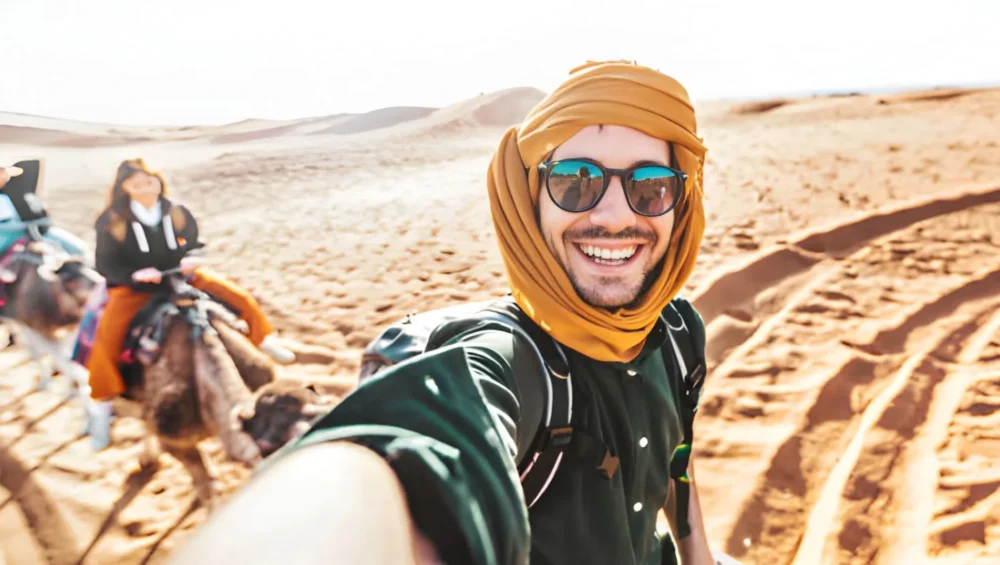
What should I wear when visiting Egypt?

Modest clothing is recommended, especially when visiting religious sites. Lightweight, breathable fabrics are ideal for the hot climate. Women may want to carry a scarf for covering their hair in mosques, and comfortable walking shoes are essential for exploring archaeological sites.

Can I drink tap water in Egypt?

It’s best to avoid drinking tap water in Egypt. Stick to bottled water, which is widely available, and use it for brushing your teeth as well. Be cautious with ice and raw foods in restaurants to avoid stomach issues.

How can I make the most of my time in Egypt?

Plan your itinerary to include a mix of ancient sites, cultural experiences, and relaxation. Consider guided tours for historical sites, and don’t miss a Nile cruise for an unforgettable perspective on Egypt’s landscape and heritage.

Solo Female Travel Egypt

Solo Female Travel Egypt

Solo Female Travel Egypt: A Comprehensive Guide for Adventurous Women

Egypt, a land of ancient wonders and vibrant culture, has long fascinated travelers from around the globe. For solo female travelers, Egypt offers a rich tapestry of experiences, from the golden sands of the Sahara to the bustling streets of Cairo and the tranquil shores of the Red Sea. While the idea of exploring Egypt alone may seem daunting, with the right preparation and knowledge, solo female travel in Egypt can be deeply rewarding, empowering, and safe. This guide provides practical advice, inspiring stories, and essential tips to help women make the most of their Egyptian adventure.

Read More “Solo Female Travel Egypt”