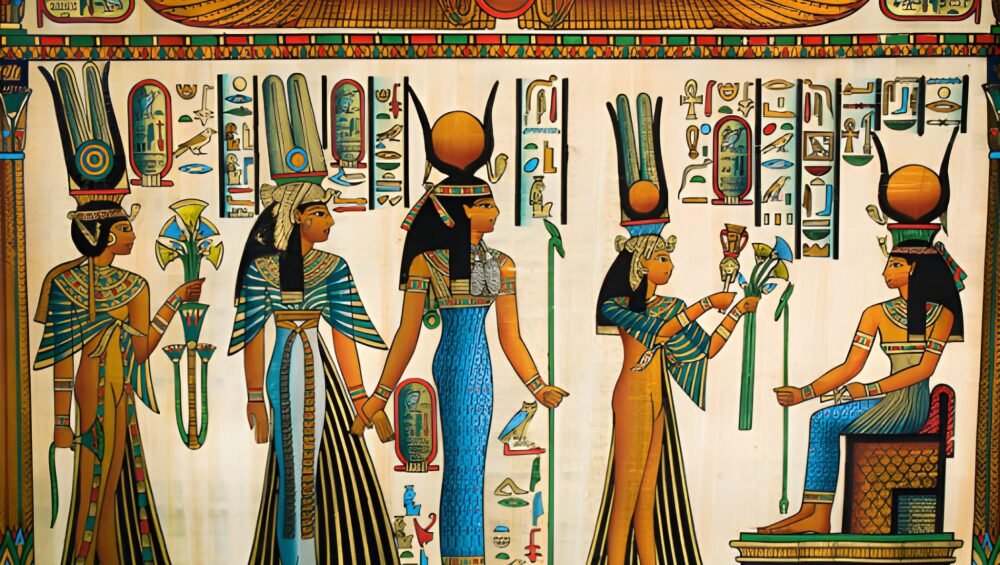
Famous Egyptian Queens

Famous Egyptian Queens Who Shaped the Destiny of Ancient Egypt

The story of Egypt unfolds like a timeless epic, rich with mystery, power, and the grace of women who defied convention to wear the double crown. The most famous Egyptian queens weren’t merely consorts to kings—they were sovereign rulers, divine priestesses, and architects of empires. From the dazzling beauty of Cleopatra VII to the indomitable will of Hatshepsut, these women altered the course of history and left enduring symbols etched into stone. Their influence extended beyond the Nile, reaching diplomacy, art, religion, and politics in ways that defy imagination. The legacy of these queens shows that Ancient Egypt didn’t just build pyramids; it built legends of feminine power.

Step by step, these queens guided Egypt through eras of prosperity and turmoil. They led massive construction projects, commanded fleets on the Nile, and conducted rituals to honor gods like Amun and Isis. Even millennia later, their images still watch over us from temples and tomb walls like eternal guardians of Egypt’s heritage. Their achievements remind us that power knows no gender, and ambition can echo for centuries through stone and papyrus. Whether admired for intelligence, aesthetic mastery, or sheer political acumen, these queens embody what it means to rule with wisdom and fire. Let’s venture deep into the heart of their fascinating stories and discover how these famous Egyptian queens championed a civilization that still captures the world’s imagination today.

Queen Hatshepsut: The Female Pharaoh Who Reigned Supreme

Queen Hatshepsut remains one of the most successful and powerful rulers in Egyptian history. As a member of the 18th Dynasty, she dared to claim a throne traditionally reserved for men. Rather than serve merely as regent for her stepson Thutmose III, she boldly crowned herself Pharaoh. Her rule was marked by peace, prosperity, and groundbreaking architectural accomplishments. Visitors can still gaze upon the magnificent mortuary temple built in her honor at Deir el-Bahari, a structure that stands as a tribute to her unmatched vision and determination.

Hatshepsut used careful imagery to reinforce her authority—donning male regalia, wearing the pharaonic beard, and commissioning grand statues proclaiming divine legitimacy. She opened lucrative trade routes, like the famed expedition to the Land of Punt, which filled Egypt with exotic goods and wealth. Beneath her serene rule, Egypt thrived culturally and economically, while religion flourished under her devotion to Amun-Ra, the supreme deity of Thebes. To walk through Luxor Temple is to feel her presence woven into every stone.

Hatshepsut’s Visionary Architecture and Legacy

Architecture was Hatshepsut’s language of power. Her mortuary temple stands as one of the most iconic structures in Egypt, masterfully blending harmony with grandeur. She initiated projects that expanded Thebes into an eternal capital of art and devotion. The obelisks she erected at Karnak reached toward the heavens like golden arrows of triumph. Her era championed innovation, blending spirituality and artistry like never before. Despite later attempts by Thutmose III to erase her from history, Hatshepsut’s story endures stronger than ever—a symbol of ambition and grace carved into eternity.

Queen Nefertiti: The Icon of Beauty and Revolution

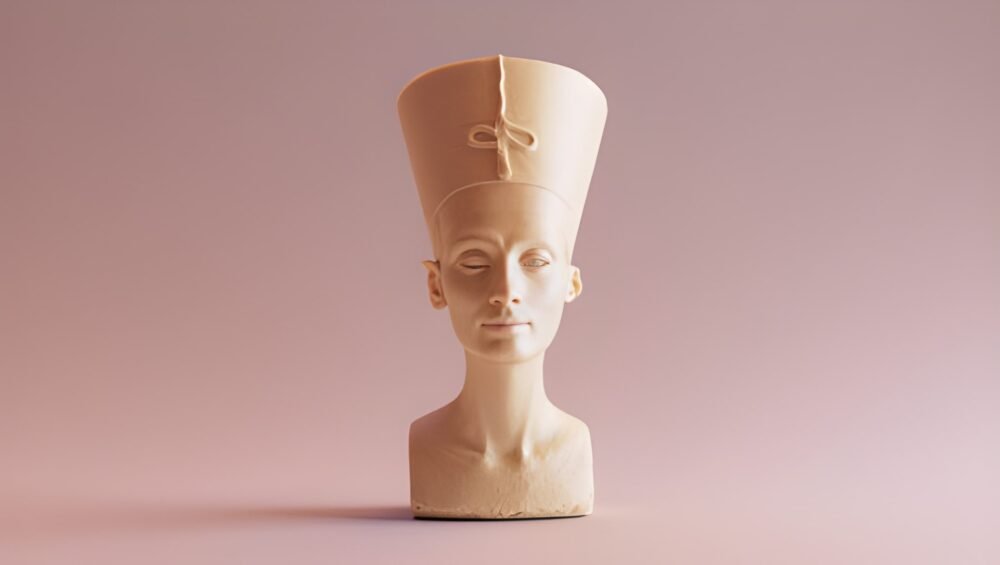
Queen Nefertiti, the radiant wife of Pharaoh Akhenaten, shone as a symbol of elegance and religious transformation during the 18th Dynasty. Her name, which means ‘the beautiful one has come,’ perfectly matches her iconic bust displayed in museums today. Together with Akhenaten, she spearheaded a bold monotheistic revolution centered around the sun god Aten, moving the capital from Thebes to Amarna. The royal couple’s artistic depictions broke tradition, showing affection and realism rarely seen before in Egyptian art.

Nefertiti wasn’t merely a consort; she was a co-ruler depicted almost as equal to the Pharaoh himself. Some Egyptologists believe she may have ruled as Pharaoh under another name after Akhenaten’s death. Her mysterious disappearance only adds to her mystique. Her reign blurred the lines between divine worship and royal duty, setting the stage for a profound cultural shift. In essence, Nefertiti’s elegance wasn’t superficial—it was the embodiment of unshakable authority cloaked in beauty and spiritual devotion.

The Artistic and Religious Impact of Nefertiti

Under Nefertiti’s guidance, Egypt’s art exploded with life. The Amarna Period introduced unprecedented naturalism—royal daughters playing tenderly beside their parents, rays of the sun god touching their faces. It was a world where divine light itself crowned the family with power. Despite later pharaohs erasing the Amarna legacy, the icon of Nefertiti’s face still represents Egypt’s enduring allure. Anyone journeying through the galleries of The National Museum of Egyptian Civilization can feel the silent echo of her presence resonate through centuries.

Queen Cleopatra VII: The Last Pharaoh and Master Diplomat

Cleopatra VII of the Ptolemaic Dynasty was the ultimate embodiment of intellect, strategy, and allure. Fluent in multiple languages, she was the only Ptolemaic ruler to speak Egyptian, a sign of her commitment to her people. Cleopatra combined charm with sharp diplomacy, aligning herself first with Julius Caesar and later with Mark Antony to defend Egypt’s independence from Roman domination. Her story transcends romance—it’s a tale of relentless political genius and an enduring quest for sovereignty.

Cleopatra’s reign preserved Egypt’s wealth through smart economic reforms, trade agreements, and profound patronage of learning. Her capital, Alexandria, glowed as a hub of scholarship and culture, home to the ancient Library of Alexandria. Though her tragic end marked the fall of pharaonic rule, her defiance immortalized her name across history. Cleopatra remains not a footnote but a force—a queen who dared to challenge empires with intellect as sharp as a blade.

Cleopatra’s Political and Cultural Legacy

Few queens have left as indelible a mark as Cleopatra VII. Her rulership fused Greek and Egyptian cultures, melding gods and languages to create a cosmopolitan Egypt. She maintained Egypt’s autonomy longer than anyone expected, skillfully navigating the stormy politics of Rome. Even her death by alleged asp bite symbolizes control—choosing destiny over submission. When wanderers gaze across the Alexandrian coast, they can almost hear the whisper of her empire’s last breath carried on the sea breeze.

Queen Tiye: The Matriarch Behind the Power of Pharaohs

Long before Cleopatra and Nefertiti, Queen Tiye redefined royal influence. The beloved consort of Amenhotep III and mother of Akhenaten, Tiye’s wisdom guided two generations of rulers. She played an essential diplomatic role, corresponding with kings across the Near East. Her intelligence and political acumen made her both respected and feared. She stood at the crossroads of Egypt’s religious reform, serving as a bridge between tradition and transformation. Her reign witnessed monumental constructions like at Abydos and the great mortuary temples of Western Thebes.

Tiye’s Enduring Role in Shaping the 18th Dynasty

Although not declared Pharaoh, Queen Tiye wielded unmatched power. Evidence of her influence lies in statues, scarabs, and foreign letters that recognized her as Egypt’s voice of stability. She guided kings, raised prophets, and fostered divine loyalty to Amun. Few royal mothers have ever commanded such reverence. Travel through the fertilized plains near Luxor, and the echoes of her matriarchal strength still linger among stone and sand.

Queen Nefertari: The Eternal Beloved of Ramesses II

Queen Nefertari, the cherished wife of Ramesses the Great, remains a symbol of eternal love and artistic perfection. She shared power gracefully beside one of Egypt’s most celebrated rulers. Her tomb in the Valley of the Queens is often hailed as the Sistine Chapel of Ancient Egypt for its vibrant color and exquisite detailing. Nefertari wasn’t merely a royal spouse; she held titles such as ‘Great Royal Wife’ and participated in ceremonial diplomacy. Her beauty and wisdom inspired poems that praise her like the goddess Hathor herself.

Nefertari’s Artistic and Spiritual Influence

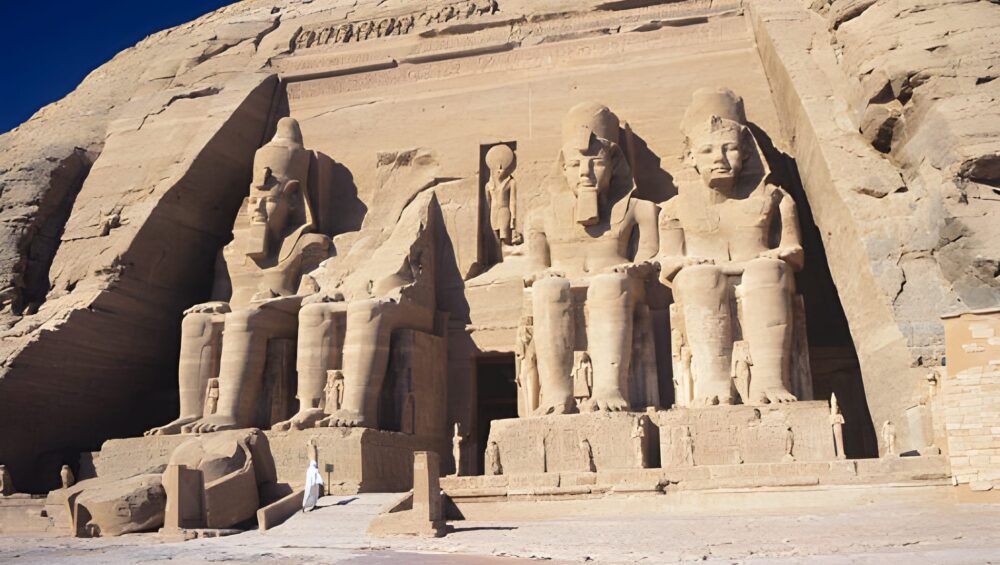
Ramesses II’s devotion to Nefertari stretched beyond words—he built the small temple beside his own at Abu Simbel in her honor. That monument celebrates not just love but divine partnership. Paintings depict Nefertari as Isis, emphasizing her sacred role as a protector of Egypt’s divine balance. Her tomb remains one of the best-preserved testaments to Egypt’s artistry, reinforcing her place among the most famous Egyptian queens who ruled hearts as well as nations.

Queen Ahmose-Nefertari: The Mother of the New Kingdom

Ahmose-Nefertari stands as one of the pivotal figures who restored Egypt after the Hyksos invasion. As the consort of Pharaoh Ahmose I and mother of Amenhotep I, she guided the dawn of the New Kingdom—a period that marked Egypt’s golden age. Her divine status extended long after death; she was worshipped as a goddess in Thebes for centuries. Ahmose-Nefertari’s administrative skills, religious influence, and maternal guidance unified the realm during a period of rebirth and consolidation.

Ahmose-Nefertari’s Role in the Rise of Thebes

Her name echoes among the sacred temples near Ramesseum Temple and the sanctuaries of Karnak. She served as the highest priestess of Amun, bridging mortal and divine. Her leadership laid the foundations for dynasties that produced legendary rulers and builders. In Egyptian iconography, she appears wrapped in black skin—a symbol of rebirth and eternal life, signifying her power over both the living and the dead.

FAQs About Famous Egyptian Queens

Who was the most powerful queen of Ancient Egypt?

While many queens wielded influence, Queen Hatshepsut stands out as the most powerful. She ruled as Pharaoh, commissioning vast architectural masterpieces and establishing formidable trade networks. Her reign symbolizes prosperity and monumental vision.

Why is Cleopatra VII considered famous worldwide?

Cleopatra VII gained international fame as Egypt’s last Pharaoh. Her political alliances, intellect, and tragic romance with Roman leaders like Julius Caesar and Mark Antony rendered her story timeless. She embodied Egypt’s final defiance against Roman conquest.

Where can travelers explore monuments built by Egyptian queens?

Visitors can witness their legacies across Egypt—from Hatshepsut’s temple in Deir el-Bahari to Nefertari’s tomb in the Valley of the Queens, and Cleopatra’s influence in Alexandria. Specialized tours like Luxury Egypt Tours and Luxor Day Tours take travelers straight into their ancient realms.

What role did Egyptian queens play in religion?

Egyptian queens often functioned as high priestesses, mediating between gods and people. Many were linked to divine figures such as Isis and Hathor, embodying fertility and wisdom. Their spiritual authority fortified their political legitimacy, ensuring dynastic stability.

Can I visit sites dedicated to Queen Nefertari or Hatshepsut today?

Absolutely. Tourists can explore Hatshepsut’s temple via Egypt Day Tours or admire Nefertari’s tomb during Nile Cruises. Each site offers an unrivaled opportunity to
Egypt 19th Dynasty

Unraveling the Power and Legacy of Egypt’s 19th Dynasty: The Age of Great Pharaohs

The Egypt 19th Dynasty stands as one of the most influential and fascinating periods in ancient Egyptian history. Spanning from approximately 1292 to 1189 BCE, this dynasty marked the beginning of the New Kingdom’s revival after the political turmoil of the preceding years. Known for its iconic rulers like Ramesses I, Seti I, and Ramesses II (often called Ramesses the Great), the dynasty was synonymous with architectural grandeur, military prowess, and artistic brilliance. The 19th Dynasty not only redefined the political map of Egypt but also reinforced religious traditions that had long shaped its civilization.

Under the leadership of the 19th Dynasty pharaohs, Egypt reached new heights of stability and splendor. Monumental temples and tombs such as those at Luxor Temple, Abu Simbel Temples, and the Ramesseum Temple were constructed, leaving indelible marks on the cultural landscape. These rulers also immortalized their deeds through detailed inscriptions and colossal statues that continue to captivate historians and travelers alike. The period’s splendor is vividly echoed along the Nile River, the life-giving artery of Egypt, where each dynasty left its footprints in stone and sand.

Beyond its military might, the dynasty signaled a flourishing of art, religion, and literature. From the restoration of temples to the resurgence of traditional worship, the Egypt 19th Dynasty rejuvenated Egypt’s global image as a cultural superpower of the ancient world. Its leaders expanded Egypt’s borders and ensured prosperity that echoed through the corridors of time. Today, the ruins of their grand projects still mesmerize visitors through Luxor Day Tours and Aswan Day Tours, revealing the artistry and ambition of these enduring rulers.

The Birth of Egypt’s 19th Dynasty: From Instability to Empire

The 19th Dynasty arose following a turbulent era marked by the weakening of the 18th Dynasty. A military man named Ramesses I, chosen by Pharaoh Horemheb, became the founder. Though his reign was short, it set the stage for one of the most prosperous dynasties in Egyptian history. His background as a general and high official bridged the gap between military leadership and divine kingship. His vision ensured that Egypt returned to centralized power, stability, and faith in the gods once more.

Ramesses I’s son, Seti I, treasured these principles. Seti consolidated Egypt internally while campaigning abroad to secure its borders. He re-established Egyptian influence over Canaan, Syria, and Nubia—regions previously lost. The restoration of temples like The Temple of Seti at Abydos, a masterpiece of art and religion, reflected his devotion to Amun, Osiris, and the divine order. This strategic and cultural revival allowed the dynasty to ascend as a symbol of unwavering might.

Seti I: The Restorer of Egypt’s Glory

Seti I’s reign is often viewed as a golden chapter in the story of Egypt’s 19th Dynasty. He was not merely a warrior king; he was a visionary eager to re-establish the spiritual soul of the nation. His tomb, one of the most beautifully decorated in the Valley of the Kings, showcases stunning artistry and theological symbolism. During his reign, Seti oversaw the continuation of massive development projects in Thebes, Memphis, and across Nubia, setting a high standard for those who followed.

His art style also showed a return to refinement and precision. Reliefs depicting his military triumphs were filled with dramatic movement, reflecting not only human valor but divine guidance. Seti’s policies redefined Egypt as a strong, balanced empire rooted in religious devotion and territorial command.

Ramesses II: The Pharaoh Who Became a Legend

No discussion of the 19th Dynasty is complete without Ramesses II, one of the most iconic pharaohs in world history. Often dubbed “Ramesses the Great,” his reign lasted an astonishing sixty-six years. His legacy encompasses the grandiose Statue of Ramses II, colossal temples, and vast building projects that embodied Egyptian power and pride. Under his leadership, Egypt experienced unmatched economic growth, architectural innovation, and cultural strength.

Ramesses II cemented his name through monumental structures—his twin temples at Abu Simbel remain marvels of ancient engineering. His military exploits, especially the Battle of Kadesh, against the Hittites, though contested, became the stuff of legend and one of the earliest known international peace treaties. His love for Queen Nefertari, immortalized in her breathtaking tomb found in the Valley of the Queens, revealed a human side to the great pharaoh, intertwining romance and royal grandeur.

To experience his monumental legacy today, travelers can embark on remarkable journeys like the 4 Day 3 Night Nile Cruise from Aswan to Luxor or the 7 Days Cairo and Nile Cruise Package, witnessing firsthand the architectural mastery born from the Egypt 19th Dynasty’s might.

The Decline and Legacy of the 19th Dynasty

Despite decades of dominance, the 19th Dynasty gradually faltered after the reign of Merneptah and subsequent rulers. Internal conflicts, political intrigue, and weak leadership began to chip away at its once-sturdy foundation. Factionalism among the royal court grew, and external pressures increased. By the time the 20th Dynasty emerged, the grandeur of the earlier reigns was already fading into memory.

Still, the dynasty left behind a profound legacy. Its architectural triumphs at Luxor City, including the Avenue of Sphinxes, continue to attract scholars and tourists. The period became a symbol of what ancient Egypt could achieve when faith, power, and creativity harmonized. Through excursions like the Day Tour to Edfu and Kom Ombo from Luxor, enthusiasts explore temples that echo the legacy of this mighty lineage.

Architecture, Religion, and Art in the Egypt 19th Dynasty

Architecture was the dynasty’s visual proclamation of divinity. The construction boom extended across Thebes, Abydos, Memphis, and beyond. Massive granite statues, decorated pylons, and perfect symmetry conveyed not only political stability but also cosmic balance. Artistic expression peaked under Seti I and Ramesses II, blending realism with spiritual symbolism. The intricate details inside the royal tombs, wall engravings, and temple inscriptions showcased incredible craftsmanship.

The religious reforms of this period centered around reaffirming Amun-Ra’s supremacy, though other deities such as Osiris, Horus, and Ptah continued to flourish. Rituals became more public, linking kingship with divine will. Many of these sacred narratives are captured in the temple walls of Abydos Temple and the grand interiors of Karnak. Experiences like the Sound and Light Show at Karnak Temples today bring these spiritual marvels vividly back to life.

Economy and International Relations of the 19th Dynasty

The 19th Dynasty’s economic foundation was built upon trade, agriculture, and tribute from conquered territories. Egypt’s wealth surged as it controlled gold-rich Nubia and vital trade routes linking the Mediterranean to sub-Saharan Africa. Diplomatic strategies under Ramesses II were equally significant. The peace treaty with the Hittites marked one of the earliest examples of international diplomacy, emphasizing coexistence over endless warfare.

This stability allowed artisans and engineers to flourish. Luxurious goods, exotic animals, and imported cedar from Lebanon enriched the royal estates. The Nile remained the principal artery of commerce and culture, dotted with temples and settlements that showcased Egypt’s prosperity. Modern travelers following similar routes on a Luxury Dahabiya Nile Cruise can trace the historical heartbeat of this dynasty’s trading prowess.

Top Historical Sites Linked to the 19th Dynasty

The enduring monuments of this dynasty beckon visitors from across the globe. The Temple of Philae, Kom Ombo Temple, and Edfu Temple reflect the architectural finesse of the era. Abydos stands as a shrine to Seti I’s divine ambitions, while Abu Simbel immortalizes Ramesses II’s might.

The colossal Colossi of Memnon, though older, continued to epitomize Egypt’s artistic heritage cherished by the 19th Dynasty. Exploring these landmarks through an 8 Day Egypt Luxury Tours and Nile Cruise Package brings history to life with modern comfort, echoing the spirit of exploration first inspired by Egypt’s great kings.

FAQs about Egypt 19th Dynasty

When did the Egypt 19th Dynasty begin and end?

The 19th Dynasty began around 1292 BCE with the coronation of Ramesses I and concluded in 1189 BCE. It spanned the reigns of several iconic pharaohs, including Seti I and Ramesses II, marking an age of cultural and political revival in ancient Egypt.

Why is Ramesses II considered one of the greatest pharaohs?

Ramesses II earned his reputation through his extensive building programs, long reign, and legendary military campaigns. His temples at Abu Simbel and the Ramesseum stand as testaments to his ambition, while his peace treaty with the Hittites represents a milestone in world diplomacy.

What was Seti I’s major contribution to Egypt’s 19th Dynasty?

Seti I revitalized Egypt through ambitious construction projects and successful military expeditions. His temple at Abydos became one of the most artistically refined temples in Egyptian history, celebrating gods and legitimizing royal power.

How did the economy flourish during the Egypt 19th Dynasty?

Economic stability was sustained through agricultural efficiency along the Nile, international trade, and control of mineral-rich territories like Nubia. Tribute from conquered lands enriched the treasury, funding marvellous temples and royal tombs.

Where can tourists experience the heritage of the 19th Dynasty today?

Visitors can explore landmarks associated with the 19th Dynasty in Luxor City, Aswan City, and Abu Simbel. Historical journeys such as the 4 Day Cairo and Luxor Tour Package allow travelers to witness the monumental legacies left behind by the dynasty’s legendary rulers.

Egyptian Eye Of Horus

The Timeless Symbolism and Mystery of the Egyptian Eye of Horus

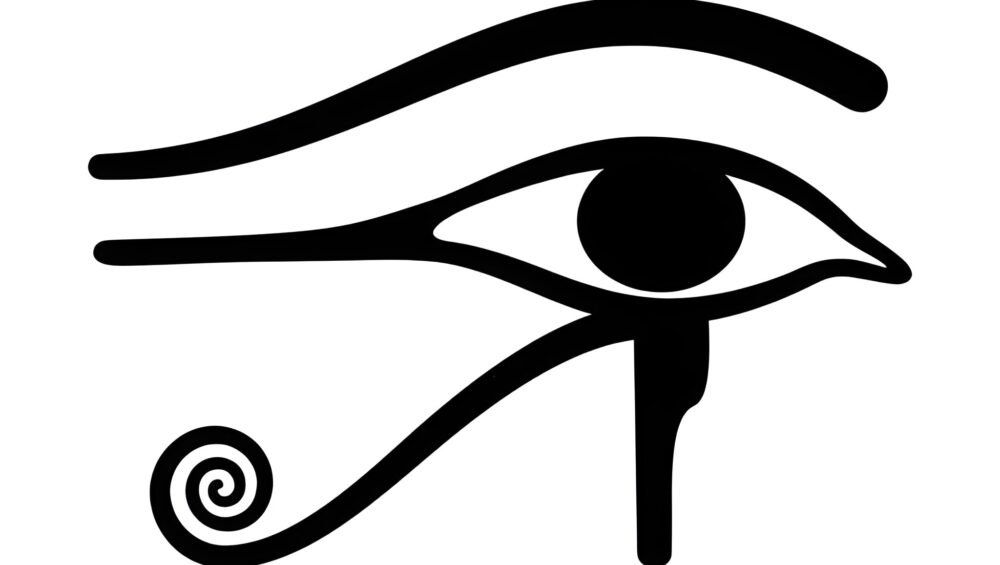
The Egyptian Eye of Horus, or Wadjet, stands among the most iconic emblems of ancient Egyptian civilization. Beyond mere decoration, it encapsulated profound beliefs about cosmic balance, divine protection, and health. To the ancient Egyptians, symbols communicated more powerfully than words; they channeled spiritual energy, uniting the physical and metaphysical realms. In this context, the Eye of Horus served as both a protective talisman and a representation of the eternal struggle between order and chaos. It adorned tombs, jewelry, ships, and even ritual objects, believed to safeguard travelers, heal the wounded, and preserve the soul’s journey in the afterlife.

This mesmerizing symbol originated from one of Egyptian mythology’s most dramatic tales—the battle between Horus and Set. Horus, the falcon-headed god of kingship, lost his left eye during a violent clash with his uncle Set, the god of disorder. When the god Thoth restored Horus’s eye, it came to signify renewal, wholeness, and divine restoration. From then on, the Eye of Horus transcended mythology, representing the triumph of good over evil, health over illness, and harmony over destruction. Its distinctive geometric design—a human eye marked by a falcon’s feathers—became a spiritual compass for Egyptians seeking protection in life and the afterlife.

Today, the Eye of Horus continues to captivate historians, travelers, and spiritual seekers alike. Whether spotted in museum relics, tourist souvenirs, or modern jewelry, this ancient emblem remains an enduring testament to Egypt’s unmatched artistry and spiritual depth. Visitors exploring Luxor Temple or the timeless sands of Giza City often find themselves drawn to artifacts embellished with the Eye of Horus, marveling at its mysterious aura and layered meanings.

Origins of the Egyptian Eye of Horus in Ancient Mythology

The origin story of the Eye of Horus is a cornerstone of Egyptian mythology. According to legend, Horus sought vengeance for his father Osiris, murdered by Set. Their cosmic battle tore through the heavens—the symbol of chaos battling divine justice. During their brutal fight, Horus lost his left eye, which Thoth, the god of wisdom, later restored through magic. This restoration symbolized healing and rebirth, cementing the Eye as a sacred emblem of renewal. Ancient Egyptians believed the restored eye carried the divine power of healing and protection, becoming a universal amulet known as the Eye of Horus.

The mythic cycle containing the Eye also reflected the rhythmic patterns of nature—the waxing and waning moon. In some interpretations, the Eye of Horus represented the lunar phases, its loss symbolizing the moon’s dimming and its restoration marking renewal. This cyclical perspective anchored Egyptian spirituality, reinforcing their profound connection to cosmic balance and time’s cyclical nature. Travelers exploring Temple of Philae, dedicated to Isis, mother of Horus, often encounter inscriptions featuring the Eye, seamlessly merging myth and devotion.

Symbolic Anatomy of the Eye of Horus

The anatomy of the Eye of Horus is deeply symbolic. Each section of the eye corresponds to a fraction, forming part of an ancient mathematical system tied to measuring grains and medicine. Egyptians believed these measurements embodied sensory perception: sight, hearing, taste, smell, touch, and thought. The harmonious combination of these senses represented completeness—a balanced human existence intertwined with divine wisdom.

Eye of Horus amulets and carvings often aimed to preserve this sacred balance. They were placed over the eyes of mummies to guide the deceased on their voyage through the underworld. The detail of this belief resonates when exploring tombs in Valley of the Queens or Abu Simbel Temples, where protective icons like the Eye appear alongside hieroglyphs promising safety and immortality.

Restoration and Protection: Spiritual Meaning of the Eye of Horus

Healing remained central to the Eye’s meaning. Egyptian physicians often drew the Eye on jars containing medicinal ointments, believing its sacred geometry brought spiritual and physical recovery. The term “Udjat,” meaning “the sound one,” emphasized restoration—the reintegrated eye symbolizing wholeness of the body and soul. Sailors painted it on boats for divine vision across treacherous waters, tying this symbolism to the Nile’s perils. As a result, even today, Eye of Horus motifs appear on vessels and protective charms throughout Egypt.

Visitors embarking on a Luxury Nile Cruise will notice the symbol on boats gliding along the river, echoing the tradition’s enduring legacy. It serves not only as a decorative motif but also as a timeless reminder of ancient hopes for a safe journey under divine watch.

The Difference Between the Eye of Horus and the Eye of Ra

Though often confused, the Eye of Horus and the Eye of Ra carry distinct meanings. The Eye of Ra represents the sun and the power of divine wrath. It embodies solar energy and fierce protection against enemies. Conversely, the Eye of Horus aligns with lunar symbolism and healing qualities. The two eyes—left and right—together portray the cycle of day and night, light and shadow, acting as complementary guardians of the world’s balance. The left, or “moon eye,” symbolizes intuition and rejuvenation, while the right, or “sun eye,” stands for authority and illumination.

This duality mirrors the Egyptian worldview—the delicate equilibrium between creation and destruction. Celestial harmony ensured that the universe remained in Ma’at, the state of cosmic order. Many archaeological sites like Kom Ombo Temple commemorate both aspects, engraving the twin eyes onto sacred walls and relics as universal expressions of divine omniscience.

Eye of Horus in Ancient Egyptian Culture and Rituals

The Eye of Horus was integral to Egyptian daily life and religious strategy. From sacred rituals to burial practices, its role extended well beyond symbolism. Priests used Eye amulets during funerary rites to ensure safe passage for souls. Pharaohs wore it on crowns, leveraging its energy for divine rulership. Soldiers carried it into battle to ward off harm. Farmers, merchants, and artisans alike used miniature Eyes carved from lapis lazuli or turquoise, believing them to invite prosperity and fertility. In many tombs around Memphis Egypt, these talismans remain carefully placed beside tools and jewelry—proof of their daily importance.

The Eye of Horus in Architecture and Artifacts

Architectural sites across Egypt echo the Eye’s theme. Stone reliefs in temples like Dendera Temple Complex and Abydos Temple depict it radiating protective energy. Artists used vibrant pigments to emphasize its divine glow, ensuring that the symbol guarded devotees within the sacred chambers. Archaeologists have even uncovered the motif on the lids of canopic jars, sarcophagi, and golden pectorals. Each piece proclaimed steadfast faith in the Eye’s eternal guardianship.

Modern Significance of the Egyptian Eye of Horus

Today’s fascination with the Eye of Horus extends from academic study to personal spirituality. It’s commonly worn as a charm for health, intuition, and luck. Modern design houses and jewelers incorporate it into fashion accessories, celebrating its timeless elegance. Scholars, meanwhile, analyze its geometric proportions—a subject that hints at ancient mathematical precision and spiritual philosophy.

Visitors participating in 10 Day Cairo with Nile Cruise itineraries often witness artisans skillfully carving Eye motifs onto alabaster souvenirs or silver pendants at local markets. These handcrafted symbols merge ancient meaning with modern artistry, keeping the legacy alive through cultural tourism and spiritual curiosity.

Eye of Horus in Popular Culture and Symbolism Worldwide

Beyond Egypt, the Eye of Horus has transcended into global symbolism. From tattoos and films to New Age spirituality, it represents protection, perception, and higher consciousness. Many find comfort in wearing or meditating upon it, believing it strengthens intuition and deflects negativity. Even the “all-seeing eye” concept in modern iconography borrows echoes of the Eye of Horus, reinforcing its unbroken lineage through the ages.

While some contemporary interpretations detach the symbol from its roots, its original essence as a fusion of healing, protection, and divine insight remains unmistakable. To experience its authentic meaning, exploring Egypt through Egypt Vacation Packages reveals layers of context invisible in textbooks—an invitation to stand before history’s eye itself.

Mathematical and Astronomical Aspects of the Eye of Horus

Egyptian scholars were masters of numerical harmony, and they encoded mathematical understanding within the Eye’s form. Each fraction associated with the Eye represented parts of a whole, collectively summing to six pieces—mirroring the Eye’s symbolic parts. These fractions guided early calculations of grain, trade, and lunar cycles. The link between geometry and divinity underscored Egypt’s unified view of science and mysticism.

Astronomically, the Eye corresponded to both lunar and solar phenomena. Priests observed celestial patterns from temples like Luxor City, tracing the Eye’s phases to measure time and predict seasonal floods along the Nile. This celestial application magnified its importance, as balance in the heavens ensured order in earthly life.

Frequently Asked Questions About the Egyptian Eye of Horus

What does the Egyptian Eye of Horus represent?

The Eye of Horus symbolizes healing, protection, and divine insight. In mythology, it represents restoration after conflict—Horus regaining his eye from Set’s destruction. Ancient Egyptians used it as a talisman to protect against evil spirits and sickness.

Is the Eye of Horus the same as the Eye of Ra?

No. The Eye of Horus is linked with the moon and healing, while the Eye of Ra embodies the sun and divine vengeance. They’re complementary forces reflecting the dual aspects of cosmic equilibrium—restorative and destructive energies.

Where can I see the Eye of Horus in Egypt today?

Travelers can find carvings and amulets at sites like Temple of Hathor, Edfu Temple, and numerous tombs around Luxor and Aswan. Museums such as the Grand Egyptian Museum also exhibit exquisite examples of Eye of Horus jewelry and artifacts.

Why did ancient Egyptians wear the Eye of Horus?

They wore it for protection and healing. Whether in life to guard from harm or death to ensure safe passage, the Eye was believed to channel divine power. Pharaohs and commoners alike trusted its strength against the unseen and the malevolent.

Can I buy Eye of Horus jewelry in Egypt?

Yes. Markets in Cairo, Luxor, and Aswan offer authentic Eye of Horus-inspired jewelry crafted from gold, silver, and faience. During Cairo Day Tours, visitors often find artisans carving intricate designs, blending traditional craftsmanship with contemporary fashion.

Conclusion: The Eternal Watch of the Eye of Horus

The Eye of Horus remains one of antiquity’s most enduring symbols—an emblem that transcends eras, continents, and belief systems. Rooted in Egyptian mythology, it champions restoration, vigilance, and spiritual health. Its power still resonates along the Nile and within the hearts of those who seek meaning in ancient wisdom. Whether admired on temple walls, crafted into modern trinkets, or explored through immersive tours like 7 Days Cairo and Nile Cruise Package, the Egyptian Eye of Horus continues to open the vision of humankind to the eternal—reminding all to strive for harmony, mindfulness, and divine balance.

Time In Alexandria Egypt

Time In Alexandria Egypt: Culture, History, and the Rhythm of the Mediterranean City

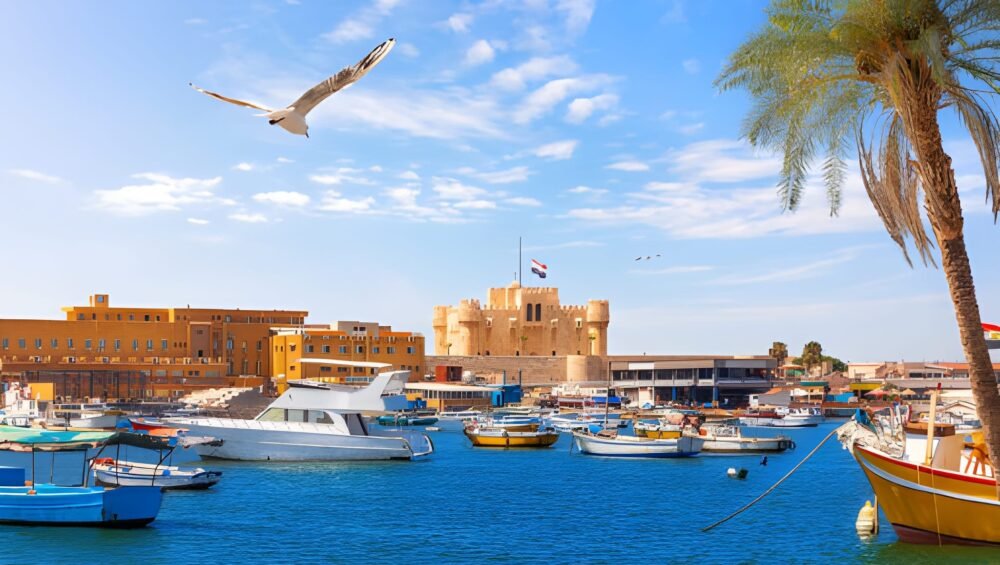
Time in Alexandria, Egypt, flows differently from anywhere else on Earth. Set between the Mediterranean Sea’s gleaming horizon and the echoes of ancient civilizations, Alexandria’s clock ticks to a melody that blends history, sea breeze, and cosmopolitan charm. Founded by Alexander the Great in 331 BC, this coastal gem remains the beating heart of Egypt’s cultural fusion — a place where the past whispers through Greco-Roman ruins, and the future glitters from modern skylines. Every hour spent here tells a story — of empires, poets, scholars, and dreamers. Alexandria’s unique rhythm balances relaxation and discovery, inviting travelers to slow down or dive deep into its layered heritage. Whether marveling at the legendary Citadel of Qaitbay, wandering through the majestic Alexandria Bibliotheca, or watching the sunset from Stanley Bridge Alexandria, time in this city blends seamlessly between epochs.

Alexandria operates within Egypt Standard Time (GMT+2), but beyond clocks and calendars, it functions on emotion, memory, and energy. Mornings begin slowly, with soft golden light spilling across the corniche, while evenings sparkle with conversation and laughter on the Mediterranean promenade. Tourists and locals alike find themselves immersed in both serenity and spontaneity — a dual rhythm that defines daily life here. For those exploring this pearl of the Mediterranean, grasping the true essence of “time in Alexandria” means understanding how history and modernity coexist. It’s not just about the hour on the clock; it’s about the tempo of life.

The Historical Essence of Time in Alexandria Egypt

Flipping through time in Alexandria Egypt feels like turning pages of the world’s most fascinating history book. The city once housed the Great Library, one of antiquity’s wonders, and the Pharos Lighthouse, guiding sailors across centuries. These historical markers remind every traveler that Alexandria’s concept of time is cyclical rather than linear. Each monument stands as a conversation between what was and what still thrives. Ancient Greeks, Romans, and Egyptians all left their imprint here, leaving behind a city of profound wisdom and timeless beauty. Visiting the Catacombs of Kom El Shoqafa and the Serapeum of Alexandria proves that Alexandria holds more than ruins — it shelters stories that defy time.

Strolling across old mosaics or peering into marble courtyards, visitors can feel how history lives in every grain of sand. Unlike bustling Cairo, where energy surges with intensity, Alexandria exudes a more contemplative rhythm. It’s a city where the past breathes gently into the present, and travelers, in return, find themselves reflecting deeply on how fleeting — yet eternal — time can be.

Daily Rhythms: Understanding Local Time in Alexandria Egypt

Time in Alexandria, Egypt, doesn’t simply adhere to numbers; it bends to human nature, climate, and character. Days often start leisurely, especially in summer when mornings are reserved for coffee by the sea and conversations shaded by Mediterranean clouds. Afternoons stretch lazily until the golden hour, when locals gather for strolls along the Corniche, an iconic seaside walkway that defines Alexandrian life. It’s where you can watch the sun melt into the water, turning the city gold. Nightfall ushers a different dimension — lively cafés, bustling markets, and seaside dinners blending Arabic music with salt-kissed air.

Restaurants open late; even later, laughter fills the streets. Life in Alexandria moves at its own captivating pace, an inherited rhythm from centuries past. The best way to experience the city’s time flow is to blend in: sip Turkish coffee slowly, enjoy an evening walk, or take a sunset cruise just as the waves mirror the changing sky. Speaking of cruises, travelers can explore deeper facets of Egypt’s maritime beauty with programs like the 4 Day 3 Night Nile Cruise from Aswan to Luxor or a luxurious Luxury Nile Cruise.

Clocks, Seasons, and Weather: How Time Influences Travel in Alexandria

Positioned on the Mediterranean coast, Alexandria’s weather profoundly shapes how time unfolds throughout the year. The summer sun lingers well into the evening, allowing travelers to enjoy extended daylight hours ideal for sightseeing, beach relaxation, and discovering treasures like Montazah Palace. Winters, by contrast, bring soft rain and cozy charm — perfect for visiting museums or indulging in seafood feasts overlooking the sea. Between March and May or September and November, the temperate climate synchronizes perfectly with exploration, turning time into a series of golden opportunities.

Regardless of season, Alexandria’s time zone (GMT+2) keeps pace with much of Egypt, including Cairo and Luxor. This consistency eases travel planning across destinations, whether hopping on Cairo Day Tours or sailing on a Steigenberger Royale Nile Cruise. Each season in Alexandria brings its own melody. Summer sings with waves and laughter, while winter hums softly with nostalgic tones. Every hour here feels lived — not rushed — giving visitors the gift of truly synchronized travel with nature’s rhythm.

Modern Alexandria: The Digital Clock Meets Ancient Soul

Despite its ancient roots, today’s Alexandria is thoroughly modern. Skyscrapers, universities, and digital hubs sprout alongside timeless relics. Locals scroll through smartphones as easily as they reference Herodotus or Cavafy. The tempo of modern Alexandria aligns with global connectivity, yet the city has never lost its reflective essence. Its balance between innovation and tradition makes it a unique spot for travelers seeking culture with comfort. Whether you’re using GPS to navigate the old port or snapping photos by the Mediterranean sunset, you’ll feel the graceful intersection of past and future — a timeline where history and progress coexist harmoniously.

Visitors often couple a trip to Alexandria with tailored experiences like the 16 Day Cairo, Alexandria, Nile Cruise and Abu Simbel itinerary, designed to deliver both modern luxury and deep historical immersion. Alexandria’s dual personality — tech-savvy yet timeless — underscores that its time is both global and local, pulsating at the heart of Egypt’s coastal beauty.

Living Like a Local: How Time Shapes Culture and Lifestyle

In Alexandria, time shapes not just the day but also the way people engage with life. Locals live in harmony with the tides; morning fishermen, afternoon philosophers, and evening storytellers form the city’s living clockwork. Meals, social gatherings, and even business meetings often revolve around daylight and sunset rather than rigid schedules. This Mediterranean approach gives the city a distinct charm, where spontaneity thrives and every minute feels meaningful.

Walking through neighborhoods filled with laughter, you’ll notice how effortlessly Alexandrians blend leisure and productivity. The spirit of community still flourishes in street cafés, while artists find inspiration in waves that seem to whisper tales of Cleopatra and ancient heroes. For travelers yearning to absorb Egyptian authenticity, experiencing this way of living provides a deeper connection to culture — an immersion in true Alexandrian time. Pairing such experiences with regional explorations like a day tour in Egypt or a serene Nour El Nil Dahabeya Cruise completes the sensory journey.

The Timeless Appeal of Alexandria Nights

Evenings in Alexandria unravel a romance unmatched elsewhere in Egypt. Moonlight bathes the harbor, the waves shimmer under lamps, and couples stroll under sea breezes that carry stories from empires past. Time slows dramatically as the horizon fades into night, yet everything remains alive — cafés buzz, music flows, and theaters host cultural soirées. This serene nightscape captures the spirit of the Mediterranean — effortless yet elegant, historic yet hip.

For many visitors, Alexandria at night is the pinnacle of Egyptian coastal life. Whether sipping mint tea on the Corniche or exploring fine dining along El Raml Station, the city’s nighttime rhythm leaves a magnetic impression. Those wishing to extend their experience can plan regional adventures like overnight tours to Cairo and Alexandria, adding deep contrast to each experience of Egyptian time and culture.

Top Attractions to Discover During Your Time in Alexandria Egypt

Once you sync with Alexandria’s tranquil pace, you’ll find its sites even more enchanting. The beautiful Alexandria City promenade offers a gateway to endless exploration. Here’s where history meets the sea in grand symmetry. Visit the monumental Montazah Palace Gardens, wander past the modern marvel of the Library of Alexandria, and peek into its digital archives that reimagine the lost Great Library. Discover the Fortress of Qaitbay, standing on the ancient Lighthouse base, or venture underground to explore intricate catacombs that defy centuries of change. Time, in these sites, expands — inviting contemplation and awe.

Alexandria’s balance of ancient heritage and coastal allure makes it one of Egypt’s most romantic destinations. From art-laden museums to sunset-view restaurants, the city engages every sense. A wise traveler times their itinerary around the Mediterranean light, discovering how every hour frames its monuments in a new hue. Don’t rush — Alexandria rewards the patient wanderer who lets time linger just a bit longer.

FAQs about Time in Alexandria Egypt

What time zone is Alexandria in?

Alexandria follows Egypt Standard Time (GMT+2), aligning it with major Egyptian destinations such as Cairo, Luxor, and Aswan. The city doesn’t observe daylight savings, ensuring consistent timing throughout the year.

What’s the best time of year to visit Alexandria?

The ideal time to visit Alexandria is between March and June or September and November. These months feature moderate temperatures and calm seas, perfect for sightseeing and enjoying the Mediterranean atmosphere.

How does Alexandria’s culture reflect its sense of time?

Alexandria’s culture embraces a relaxed pace influenced by its coastal lifestyle. Daily routines often revolve around natural rhythms—sunrise fishing, sunset gatherings, and evening strolls along the Corniche. It’s less about punctuality and more about presence.

Can I combine a trip to Alexandria with other destinations in Egypt?

Absolutely. Many travelers pair Alexandria with Cairo and Luxor using packages like the 16 Day Egypt Tour or shorter options such as 2 Day Tour of Cairo and Alexandria. This approach offers a full cultural and historical immersion into Egypt’s diversity.

How do locals spend their evenings in Alexandria?

Evenings in Alexandria are for leisure and connection. Locals enjoy seaside cafés, seafood dinners, and cultural events. The Corniche becomes a hub of laughter, storytelling, and gentle Mediterranean breezes, reflecting the city’s timeless allure.

Ancient Egyptian Papyrus Art

Ancient Egyptian Papyrus Art: The Timeless Canvas of Civilization

Ancient Egyptian Papyrus Art stands as a mesmerizing witness to one of humanity’s most sophisticated civilizations. This delicate yet durable medium—crafted from the papyrus plant growing along the Nile River—became Egypt’s earliest form of paper. But beyond practicality, papyrus was the heart of storytelling, documentation, and visual devotion. It preserved religious texts, royal decrees, literature, and intricate paintings that vividly portrayed Egypt’s cultural grandeur. The magic of papyrus lies in its duality: both utilitarian and artistic, functional yet profoundly spiritual. The layers of painted reeds offered the ancient Egyptians not just a writing surface but a sacred canvas through which gods, pharaohs, and myths came to life. Today, museums, temples, and galleries display exquisite samples of papyrus art that evoke awe centuries after their creation.

The art of making and painting on papyrus connected Egyptian artisans with divine forces, blending craftsmanship with cosmic meaning. In the golden age of the pharaohs, every stroke told a story—be it scenes from the afterlife, depictions of the Nile’s bounty, or legends of gods like Osiris, Isis, and Ra. Modern artists still replicate these designs, keeping the tradition alive while inspiring generations of travelers and historians. To explore authentic pieces, visiting Egypt offers an unrivaled opportunity, particularly through curated Egypt Vacation Packages that immerse enthusiasts in the allure of ancient creativity.

The Origins of Papyrus and Its Cultural Importance

In ancient Egypt, the papyrus plant symbolized life itself—a perfect emblem for a civilization concentrated around the Nile. The triangular stem of the Cyperus papyrus was harvested, sliced into thin strips, soaked, pressed, and dried to form durable sheets ideal for writing and painting. Papyrus played an essential role not only in communication but in religious and academic life. It was integral to the preservation of texts such as the Book of the Dead, royal decrees, and administrative documents.

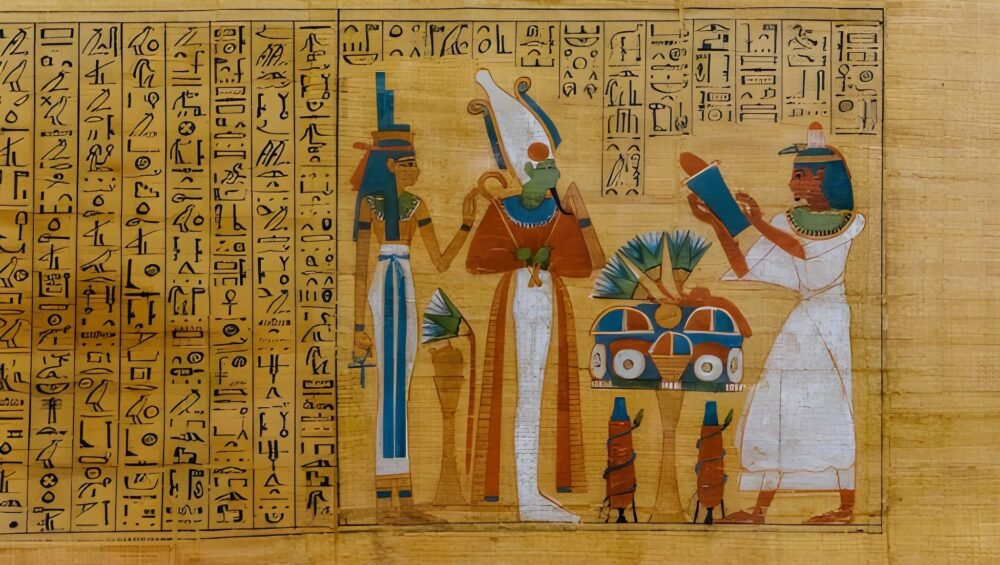
Artisans frequently illustrated these documents with colorful depictions of gods, queens, and symbols of eternity. Such works echo through temples like the Temple Of Philae and artistic treasures found in Luxor Museum. Devotees believed that papyrus art held magical power—each image functioning as a hieroglyphic bridge between mortals and deities. In this way, the artistry served both aesthetic and spiritual functions, anchoring Egypt’s legacy of visual storytelling.

Manufacturing Papyrus: A Testament to Ancient Craftsmanship

The process of producing papyrus required exceptional skill. Master artisans aligned the plant strips in perpendicular layers, moistened them, then compressed them using stones or wooden weights until the fibers bonded naturally. Once dried, the surface was polished smooth with shells or stones to create a writable and paintable texture. Egyptians of high rank commissioned professional scribes and artists to adorn these sheets with hieroglyphs and paintings representing daily life, ceremonial rituals, and astral deities.

Modern workshops in Egypt—especially in cities like Cairo and Luxor—continue the ancient technique, offering demonstrations to visitors. These experiences often feature in cultural excursions such as Cairo Day Tours or Luxor Day Tours, where travelers watch traditional papyrus making firsthand. This hands-on connection highlights how papyrus art not only records history but also continues to craft it.

Depictions in Papyrus Art: Themes of Life and the Afterlife

Ancient Egyptian Papyrus Art tells captivating tales of mortality, divinity, and cosmic order. Among the most prevalent subjects are the journeys through Duat—the underworld—where the soul’s heart is weighed against Ma’at’s feather of truth. The vibrant illustrations were more than decorative; they were deeply symbolic and spiritually instructive. The recurring depictions of Ra’s solar barque, the judgment scenes before Osiris, and the protective wings of Isis all reflect Egypt’s harmonious balance between the mortal world and eternity.

Visitors exploring ancient collections will find papyrus replicas inspired by original frescoes at temples like Temple Of Hatshepsut or Ramesseum Temple. Many of these themes remain timeless, resonating through Egyptian art forms spanning thousands of years—from stone reliefs to modern artwork sold in traditional bazaars along the Nile.

Symbolism and Sacred Meanings in Ancient Egyptian Papyrus Art

Every motif in Egyptian Papyrus Art served a symbolic purpose. The lotus flower symbolized rebirth and the sun’s renewal; the ankh represented life itself. Gods such as Anubis and Horus were painted in protective roles guiding souls to paradise. Artists carefully followed sacred proportions—each figure represented not by perspective but by importance. Pharaohs were drawn larger than commoners, gods even larger, establishing a visual hierarchy mirrored in Egypt’s social order.

The precision of such symbolism continues to inspire artists and travelers alike. Many luxury itineraries, such as the 11 Days Luxury Egypt Vacation, include custom visits to papyrus workshops and exhibitions. Through these connections, art enthusiasts gain deep appreciation for the continuity between ancient spirituality and modern Egyptian artistry.

Color Palette and Artistic Techniques in Papyrus Painting

Natural mineral pigments provided the rich palette that defines papyrus art: ochres for skin tones, azurite blues for sky and water, malachite greens for fertility, and carbon blacks for outlines. These pigments were mixed with gum arabic to ensure adherence to the papyrus surface. Artists used brushes made from rush stalks or fine reeds, achieving delicate linear details and vivid tonal contrasts. Over centuries, these artistic principles influenced subsequent Mediterranean art traditions and remain visible in Egypt’s modern visual culture.

Today’s Egyptian workshops preserve these methods while infusing new interpretations, creating a fascinating blend of heritage and innovation. For an in-depth experience, enthusiasts may explore itineraries like the Luxury Dahabiya Nile Cruise, which sails through cities where these artistic crafts originated, offering both historical insight and cultural immersion.

The Role of Papyrus Art in Religion, Governance, and Daily Life

Papyrus art was far more than decoration—it was documentation. It conveyed knowledge of rituals, medical practices, and astronomical calculations. In religion, illustrated papyri like the Book of Coming Forth by Day ensured safe passage into the afterlife. Government scribes recorded tax collection, trade, and political decrees, demonstrating papyrus’s function as the backbone of ancient Egyptian administration. This adaptability reflects a civilization where art and practicality were inseparably intertwined.

Scholars studying papyrus texts often visit sites tied to ancient governance like Memphis Egypt or the Sakkara Necropolis, where many original documents were recovered. The sophistication of these artworks provides insight into Egyptian intellect and storytelling—evidence that art functioned as both mirror and messenger of cultural identity.

Preservation and Modern Appreciation of Papyrus Art

Preserving papyrus requires controlled temperature, humidity, and careful restoration techniques. Museums worldwide exhibit originals under glass, but Egypt’s own institutions—like the Papyrus Museum—offer the most authentic displays. These centers keep Egypt’s artistic soul alive by integrating heritage preservation with modern tourism. Replicas sold in museum shops are exact reproductions, skillfully painted by local craftsmen continuing their ancestors’ legacy.

Many travelers combine educational experiences with leisurely exploration through premium options such as the Luxury Nile Cruise or Aswan Day Tours. These journeys allow art lovers to see where the inspiration once flowed—the same Nile that sustained papyrus fields for millennia.

Modern Revival: Papyrus Souvenirs and Contemporary Creativity

Contemporary papyrus art workshops produce vibrant pieces that blend traditional motifs with modern expression. Artisans paint famous pharaohs, hieroglyphic verses, and protective symbols like the Egyptian Eye of Horus, appealing to collectors and travelers eager for meaningful souvenirs. These creations offer perfect mementos for those seeking to bring home a tangible slice of Egyptian heritage.

For enthusiasts wishing to see papyrus being painted live, tours like the Day Tour to the Pyramids & the Nile or Private Tour to Pyramids, the Egyptian Museum and Khan Khalili often include visits to artisan studios. Such experiences inspire deeper appreciation for Egypt’s artistic sustainability and the timeless beauty of its hand-painted papyrus works.

Historical Examples of Ancient Egyptian Papyrus Art

Classic masterpieces like the Papyrus of Ani—housed in the British Museum—display unmatched artistry and spiritual depth. These scenes portray the “Weighing of the Heart” ceremony with extraordinary precision. Similarly, papyri discovered in Thebes depict the adventures of deities across the afterlife, capturing the essence of Egyptian cosmology. These surviving scrolls underscore Egypt’s brilliance in combining narrative, artistry, and faith within a single medium.

Destinations such as Abu Simbel Temples or Edfu Temple demonstrate parallel aesthetics found in wall carvings that mirror papyrus illustrations. The harmony between stone and paper displays an extraordinary continuity of style that defines Egyptian visual culture across centuries.

Conclusion: The Eternal Legacy of Egyptian Papyrus Art

Ancient Egyptian Papyrus Art transcends time, an eloquent reminder of humanity’s first attempts to immortalize thought and spirituality. It was the world’s earliest artistic documentation system—one that merged scientific skill, divine symbolism, and aesthetic innovation. Every papyrus painting tells a story of civilization’s quest to preserve truth, celebrate the divine, and honor the rhythm of nature. The sheer endurance of these creations positions Egypt as a timeless cradle of artistry, intellect, and beauty.

Embarking on an artistic journey through Egypt connects travelers to this living history. Whether admiring papyrus scrolls in Aswan City, visiting workshops in Luxor, or sailing the Nile on the 4 Day 3 Night Nile Cruise from Aswan to Luxor, explorers can still witness the artistry that once adorned the hands of ancient scribes. The papyrus—both a plant and a symbol—remains Egypt’s greatest gift to the world, an art that never wilts beneath the sands of time.

Frequently Asked Questions About Ancient Egyptian Papyrus Art

What materials were used to create ancient Egyptian papyrus art?

Ancient Egyptians used strips from the papyrus plant’s inner pith, layered and pressed to form sheets. Mineral pigments made from natural elements like ochre, malachite, and lapis lazuli provided color, while gum arabic ensured paint adhesion. Brushes were crafted from reeds and rushes, enabling delicate and enduring artwork.

Why was papyrus so important in ancient Egyptian culture?

Papyrus represented life, communication, and eternity. It served as the main writing medium for religious, political, and educational purposes. Beyond practicality, papyrus art carried spiritual meaning, linking humanity with divine realms through symbolic imagery and hieroglyphs that told stories of gods and kings.

Where can travelers see authentic papyrus art in Egypt today?

Travelers can admire genuine papyrus art at the Papyrus Museum in Cairo and various artisan workshops in Luxor and Aswan. Many curated travel bundles like

Ancient Egyptian Food

Ancient Egyptian Food: Flavors that Shaped an Empire

Ancient Egyptian food was far from primitive—it was a vibrant tapestry of flavors, ingredients, and techniques that mirrored the grandeur of the civilization itself. The fertile Nile Valley transformed Egypt into a breadbasket of abundance, allowing its people to develop one of the most sophisticated diets of the ancient world. The everyday fare of farmers and the luxurious banquets of pharaohs told stories of cultural evolution, spiritual symbolism, and social order. Interestingly, many of the dishes they crafted thousands of years ago have echoes in today’s Egyptian cuisine, linking modern palates to their ancestral roots. From hearty loaves of barley bread to honey-laden desserts, their culinary tradition painted a poetic portrait of life along the Nile.

Food in Ancient Egypt didn’t merely sustain life—it defined it. Religion and nourishment were intertwined, with offerings of bread, onions, beer, and meat adorning temple altars. Whether during harvest festivals or ceremonial feasts, food symbolized gratitude and divine connection. The river’s annual inundation guaranteed fertile lands, ensuring mass cultivation of grains, legumes, fruits, and vegetables. This abundance birthed trade, innovation, and culinary artistry that influenced neighboring civilizations. The varied textures and preparations of Ancient Egyptian food continue to astonish historians, archaeologists, and gourmet enthusiasts eager to trace the origins of Mediterranean gastronomy. Let’s explore this fascinating world of ancient nutrition where taste met spirituality, culture met necessity, and the humble grain built a dynasty.

The Role of the Nile River in Ancient Egyptian Cuisine

The Nile River, Egypt’s beating heart, dictated every aspect of ancient life, particularly food production. Its predictable floods replenished the soil with minerals essential for growing wheat and barley, staples of Ancient Egyptian food. The rhythm of planting and harvesting followed the Nile’s seasonal cycles, ensuring continuous production of bread, beer, and porridge—the backbone of their diet. Along its verdant banks, farmers cultivated lentils, flax, leeks, and onions, while papyrus grew abundantly for tools and mats. The river also teemed with catfish, tilapia, and perch, providing valuable protein for peasants and nobles alike. The fish were salted, dried, or grilled over open fires, serving as a reliable year-round source of nourishment.

Beyond sustenance, the Nile fueled trade between cities such as Thebes and Memphis. Boats carried grains and fish along its majestic waters, much like the felucca rides on the Nile that still enchant travelers today. Its bounty laid the groundwork for Egypt’s legendary prosperity—a culinary abundance that would inspire later Mediterranean empires. Indeed, Ancient Egyptian food owed its richness to the Nile’s generosity and the skill of the farmers who learned to thrive beside it.

Bread and Beer: The Pillars of Ancient Egyptian Nutrition

If one were to define Ancient Egyptian food with two words, they’d be “bread” and “beer.” These weren’t luxury items but daily essentials found on every table from the palace to the farmhouse. Bread, made from emmer wheat or barley, came in countless shapes—from flat loaves to decorative buns flavored with dates or honey. Archaeologists have discovered bread molds and bakery remnants in ancient settlements, evidence of large-scale production. Beer, on the other hand, was a thick, nutritious beverage brewed from barley loaves fermented in water. It acted as liquid sustenance, full of calories and nutrients, and was consumed by workers building monuments as well as by pharaohs during feasts.

The symbolism of bread and beer extended into the afterlife. Tomb paintings show deities receiving these sacred items as offerings. Even today, when walking through exhibits at the Grand Egyptian Museum, one can almost sense the aroma of ancient bakeries lingering in the imagination. Together, bread and beer were more than mere food—they represented the divine cycle of life and death, of nourishment and rebirth.

Vegetables, Legumes, and Herbs: The Everyday Diet of the Ancient Egyptians

While elites could afford lavish banquets, most Egyptians lived on a wholesome vegetarian diet. They grew crops like onions, garlic, lettuce, beans, chickpeas, and lentils—all integral parts of Ancient Egyptian food. Onions and garlic were so valued that they were believed to have spiritual power, symbolizing eternity and protection. Lettuce, considered sacred to the fertility god Min, was served at religious festivals. Legumes provided essential protein, often prepared as stews flavored with herbs such as coriander, dill, and cumin. Olive oil and sesame oil were rare but cherished, used to dress raw vegetables or flavor bread.

This balance of grains and greens ensured that even commoners maintained a nutrient-rich diet. Many of these ancient crops are still cultivated in Egypt’s fertile fields today, particularly in regions near Luxor City and Aswan City, where ancient farming methods still whisper through the soil.

Meat and Fish: Delicacies of the Elite

For the wealthy classes, Ancient Egyptian food was a feast of game, poultry, and fish. Ducks, geese, and pigeons were favorites, roasted whole and seasoned with aromatic spices. Beef and mutton were served during religious ceremonies or royal banquets, showcasing social hierarchy. However, meat was a luxury—commoners relied on fish from the Nile and small fowl trapped in wetlands for protein. Fish could be dried, salted, or cooked in stews with leeks and herbs. Goose fat, a prized ingredient, was used to enrich sauces and give bread a glossy finish.

Even today, Egyptian cuisine retains echoes of these traditions. During modern Egypt Family Tours, visitors often sample dishes that trace their ancestry back to these early recipes. Culinary continuity thus serves as both a cultural treasure and a living bridge between eras.

Fruits, Dates, and Honey: Sweet Symbols of the Nile’s Blessings

The Ancient Egyptians adored sweets, though refined sugar didn’t exist. Instead, nature provided sweetness through dates, figs, pomegranates, and honey. Dates were eaten fresh or dried, while honey—known as ‘the nectar of the gods’—was used in pastries and offerings. Figs symbolized abundance and fertility, often placed in tombs for the afterlife. Melons, grapes, and sycamore figs also brightened daily meals. The sweetness found in these fruits reflected the nation’s gratitude for the Nile’s gifts.

Pharaohs commanded specialized beekeepers who collected honey for temples and royal kitchens. Modern visitors exploring the lush areas described in Fayoum Oasis can imagine how ancient farmers once tended their bees under the warm Egyptian sun. Sweetness, it seems, has always been the taste of divine favor.

Spices, Seasonings, and the Art of Preservation

Ancient Egyptian food wasn’t bland. Spices like cumin, coriander, cinnamon, and fenugreek flavored stews and breads. Salt played a dual role—it not only seasoned but preserved meat and fish for long journeys. Vinegar from fermented grapes or dates acted as a preservative and marinade. Garlic and onions added zest and were even believed to have medicinal benefits, strengthening endurance and warding off disease. Clay jars stored pickled vegetables, while sealed amphorae contained oils and fats essential for survival during dry seasons.

The sophistication of their preservation techniques rivals modern methods—an enduring testament to Egyptian ingenuity. When cruising modern vessels like the Steigenberger Legacy Nile Cruise, one can almost sense the continuity of Egypt’s culinary heritage along the timeless river.

Banquets, Festivals, and Ritual Offerings

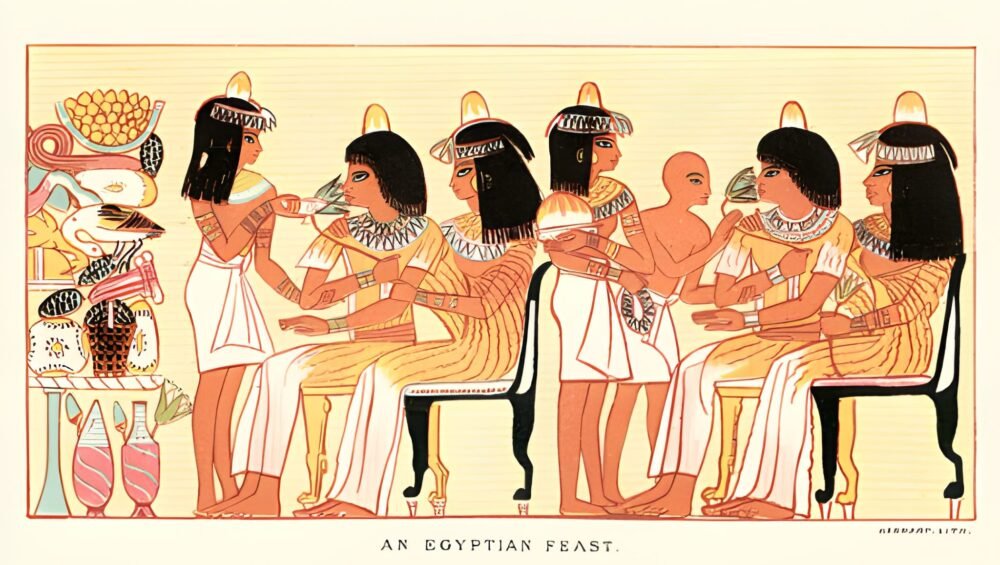
Food played a central role in celebrations, from New Year festivals to royal weddings. Banquets featured grilled meats, fresh fruits, wine, and pastries adorned with honey. Entertainers, musicians, and dancers accompanied feasts that often lasted late into the night. Religious ceremonies too had strict dietary symbolism. Offerings of bread, beer, onions, and geese honored gods like Osiris and Ra. These sacred meals guaranteed prosperity in both life and the afterlife. Temples stored vast granaries to provide priests and pilgrims with sustenance—a system that showcased Egypt’s advanced agricultural management.

Guests reclining on mats at these banquets likely dined from scenes reminiscent of wall carvings still visible in tombs today. Exploring heritage sites through Luxor Day Tours helps modern travelers visualize the splendor of such ancient feasts, bridging millennia of flavor and festivity.

Cooking Techniques and Tools in Ancient Egyptian Kitchens

Cooking in Ancient Egypt was pragmatic yet inspired. Clay ovens baked bread, while open fires roasted meats and simmered stews. Cooks used wooden utensils, stone mortars, and copper knives. Pottery jars stored oil and grains, while baskets woven from reeds kept produce fresh. Households often had small outdoor kitchens to avoid smoke-filled living areas. Specialized bakers, brewers, and butchers worked in organized production centers that supplied workers and temples alike. The evidence of their craftsmanship—charred bread remains, grinders, and beer vats—reveals a society that valued culinary precision.

Luxury kitchenware, found in royal tombs, emphasized Egypt’s culinary artistry. Gold-plated spoons and porcelain bowls symbolized wealth and divine favor. These artifacts still mesmerize visitors at historic sites like the National Museum of Egyptian Civilization, where ancient culinary traditions come to life through timeless craftsmanship.

The Connection Between Food, Religion, and the Afterlife

In Ancient Egypt, food wasn’t just nourishment—it was a spiritual bridge. Egyptians believed you had to “eat for eternity,” ensuring the deceased thrived in the afterlife. Tomb paintings depict lavish offerings of bread, onions, beef, and wine, symbolizing eternal prosperity. Priests left daily food offerings for gods and ancestors, believing that spiritual sustenance maintained cosmic order. The consumption of specific foods like lettuce or fish during ceremonies linked earthly pleasures with divine blessings. This spiritual connection explains why Ancient Egyptian food remains a fascinating blend of material and mystical significance.

Travelers fascinated by this eternal bond between food and faith often combine cultural exploration with culinary discovery on Egypt Vacation Packages, experiencing local dishes inspired by ancient rituals.

Influence of Ancient Egyptian Food on Modern Cuisine

Many culinary habits from Ancient Egypt endure today. Fava beans (ful), lentil soups, and honey-drenched pastries are all rooted in pharaonic recipes. Modern Egyptian markets brim with bread varieties that echo ancient baking traditions. Olive oil, herbs, and aromatic spices still enhance Egyptian meals in ways that would have delighted ancient cooks. Temples, tombs, and museums illustrate how culinary wisdom passed seamlessly from antiquity to modern kitchens. Whether dining along the Nile during a Nile cruise holiday or tasting street food in Cairo, visitors are savoring flavors refined over 5,000 years.

That timeless connection between past and present underscores why Ancient Egyptian food continues to enchant scholars and food lovers worldwide—it’s not just history; it’s living heritage.

Frequently Asked Questions About Ancient Egyptian Food

What were the main staples of Ancient Egyptian food?

The staples included barley, emmer wheat, onions, garlic, lentils, figs, and dates. Bread and beer formed the foundation of daily meals, while the wealthy supplemented their diet with meat, fish, and fruits.

Did Ancient Egyptians eat meat often?

Meat was a luxury item. Common people ate fish and small birds, while the elite enjoyed beef, mutton, and roasted fowl during feasts and religious offerings.

Were there sweet dishes in Ancient Egypt?

Yes. Ancient Egyptians used honey and dates to create sweet pastries and desserts. These naturally sweet ingredients replaced modern sugar and were seen as gifts from the gods.

What did Ancient Egyptians drink?

Beer was the most common beverage, thick and nourishing. Wealthier Egyptians drank wine from locally grown grapes or imports from the Levant.

How did religion influence Ancient Egyptian food?

Religion shaped every meal. Offerings of bread, beer, and meat honored deities, while symbolic foods like lettuce and onions were associated with fertility and protection. Culinary rituals reinforced Egypt’s spiritual and cosmic harmony.

Things To Do In Egypt

Unforgettable Things To Do In Egypt: A Timeless Land Of Wonders

Egypt – a destination where golden sands meet ancient treasures, where the Nile glides past colossal temples, and where every sunset paints magic across desert skies. Few places on Earth can stir the imagination quite like this legendary land. Whether you’re wandering through Cairo’s bustling souks, cruising along the Nile River, diving into the Red Sea’s coral gardens, or tracing the footsteps of pharaohs in Luxor and Aswan, you’ll uncover countless things to do in Egypt that promise adventure, mystery, and inspiration.

Visitors seeking a memorable vacation will be enchanted by Egypt’s seamless fusion of history, culture, and breathtaking landscapes. From the enchanting Nile River that breathes life into the desert to the iconic monuments of Giza and the serene oases scattered across the Sahara, Egypt offers experiences that linger long after you return home. Every turn reveals a story thousands of years old. Lose yourself in the Cairo City bazaars, gaze at the timeless Sphinx Statue, or sail on a felucca with the wind whispering tales of ancient gods. If you’re planning your ultimate getaway, these handpicked adventures through the most fascinating things to do in Egypt will ignite your wanderlust.

Marvel At The Majestic Pyramids Of Giza

No journey through Egypt is complete without standing before the Great Pyramids of Giza, architectural wonders that symbolize the country’s enduring legacy. Built over 4,500 years ago, these colossal monuments have defied time and remain one of the world’s greatest attractions. Beyond their immense size and symmetrical perfection, the pyramids carry a deeper mystery that still intrigues archaeologists and travelers alike.

Don’t miss the chance to book a Day Tour to the Pyramids & Sakkara, where you can venture inside ancient tombs, capture stunning photos, and experience camel rides across the desert sands. As night falls, the Sound and Light Show at the Pyramids brings these historical marvels to life with storytelling and dramatic illumination. It’s one of those once-in-a-lifetime things to do in Egypt that fuses history and entertainment flawlessly.

Step Back In Time At Luxor’s Timeless Monuments

Often referred to as the world’s largest open-air museum, Luxor unfolds with temples, tombs, and archaeological treasures that capture Egypt’s grandeur. Begin at the breathtaking Luxor Temple, where colossal statues and hieroglyphs whisper stories of gods and pharaohs. Follow the ancient Avenue of Sphinxes leading to the mighty Karnak Temple, a complex so vast and intricate, it leaves every traveler awe-struck.

Cross the Nile to discover the fabled west bank, home to the Valley of the Kings and the Temple of Hatshepsut. Be sure to rise early and greet the sunrise aboard a Luxor Hot Air Balloon Ride—soaring above golden ruins and fertile farmlands is a breathtaking experience deserving a top spot on any list of things to do in Egypt.

Set Sail On An Enchanting Nile Cruise

A Nile cruise isn’t just transportation—it’s a journey through the heart of civilization. Glide past palm-fringed riverbanks, ancient settlements, and legendary temples while indulging in the serene rhythm of Egypt’s lifeline. The most majestic way to travel between Luxor and Aswan is aboard a Luxury Nile Cruise or a traditional Dahabiya Nile Cruise, where personalized service meets timeless scenery.

Don’t miss the chance to explore the temple of Kom Ombo, the perfectly preserved Edfu Temple, and the mesmerizing Temple of Philae on your voyage. These stops transform a trip into a living history book, surrounded by the song of the Nile’s gentle breeze. Whether you choose the 4-Day Nile Cruise from Aswan to Luxor or an extended escapade with the 11 Days Luxury Egypt Tour Package, a cruise promises elegance, discovery, and total immersion.

Discover Aswan’s Nubian Charms

Down south, Aswan steals hearts with its tranquil charm and colorful culture. This serene city, once a vital trade gateway, captivates visitors with the picturesque Aswan City atmosphere and historical landmarks such as the High Dam of Egypt and the Unfinished Obelisk. Don’t leave without visiting the islands dotting the Nile—particularly the ethereal Temple of Philae set upon Agilkia Island, a tribute to devotion and beauty.

To embrace local culture, embark on a peaceful Trip to the Nubian Villages by Boat. The vivid houses, warm hospitality, and rhythmic Nubian music will leave you smiling. For adventurers seeking deeper exploration, there’s nothing like the mighty Day Trip to Abu Simbel from Aswan, where colossal statues carved into cliffs honor Ramses II in monumental style.

Embrace The Seaside Splendor Of The Red Sea

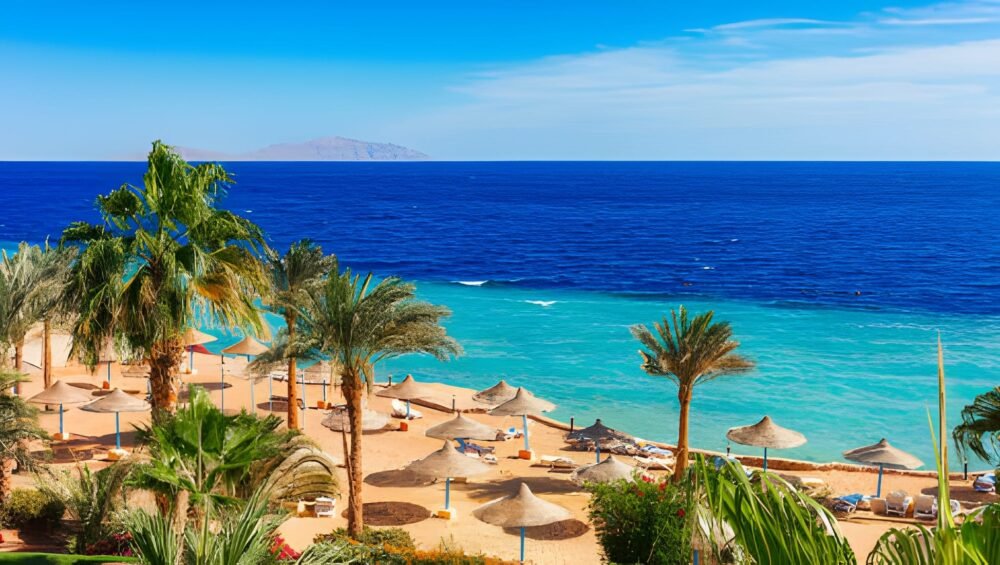
If Egypt’s deserts showcase ancient wonders, its coasts unveil nature’s masterpieces. The Red Sea is a global diving paradise, blessed with coral gardens and exotic marine life. Whether you’re a seasoned diver or simply want to snorkel in shallow waters, resorts like Hurghada, Dahab, and Sharm El Sheikh promise unforgettable marine adventures.

Join a Scuba diving Sharm El Sheikh trip to explore the kaleidoscopic reefs of Ras Mohammed National Park, or unwind with a relaxing Snorkeling at Mahmya Island escape near Hurghada. For desert lovers, the Sunset Desert Safari Trip by Quad Bike combines thrill and scenery, capturing the fiery horizon against Egypt’s dunes. The Red Sea truly caters to everyone—from sunseekers to adrenaline junkies.

Explore Cairo’s Cultural Heartbeat

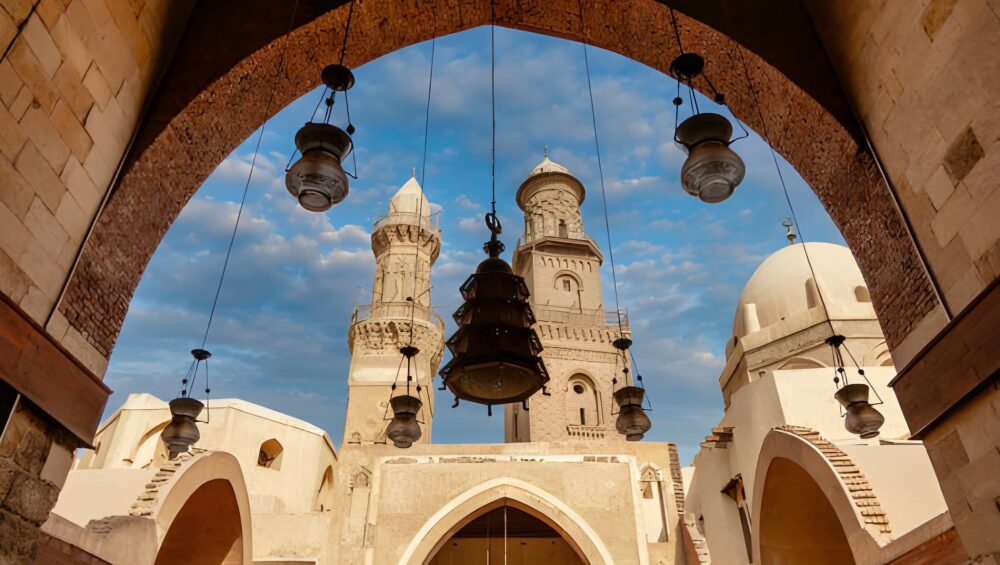
Cairo is a kaleidoscope of contrasts—a lively capital where ancient history meets modern chaos. Stroll through Islamic and Coptic quarters, marvel at architectural marvels like the Citadel of Salah El-Din and the Hanging Church, or step into the awe-inspiring National Museum of Egyptian Civilization. Every neighborhood tells a unique story, from centuries-old mosques to the electric vibrancy of Khan El Khalili market.

Relish a romantic evening aboard a Cairo Dinner Cruise and Oriental Show, where folklore and fine cuisine meet under glittering lights. Or dive deeper into Egyptian heritage with a Private Tour to Egyptian Museum and Khan Khalili, witnessing Tutankhamun’s treasures and ancient artifacts that narrate five millennia of civilization.

Venture Into The Egyptian Desert And Oases

Egypt’s allure doesn’t end by the Nile. Far out west lie surreal landscapes and oases that blend tranquility with adventure. The White Desert Egypt enchants with ghostly chalk formations created by millennia of wind erosion. Nearby, Bahariya Oasis offers lush palm groves surrounded by golden dunes. You can also travel to the Siwa Oasis, famous for its salt lakes, ancient ruins, and healing springs. For eco-lovers, these destinations provide some of the most unique things to do in Egypt.

Explorers seeking adventure can ride through dunes, bathe in natural springs, and spend nights under star-laden skies. The desert’s silence conveys a sense of ancient peace impossible to find elsewhere. Each oasis tells a story—timeless, spiritual, and wild.

Enjoy Egyptian Cuisine And Nightlife

No travel experience is complete without savoring Egypt’s flavors. Sample koshari, a filling street food favorite, or sink your teeth into grilled kofta and molokhia stew. Indulge in sweet treats like Om Ali and basbousa while sipping on hot mint tea. Food here is part of the culture—vibrant, communal, and full of love.

When night falls, Cairo’s downtown comes alive with rooftop bars, live music, and Nile-front lounges. Dance to oriental beats or simply sit back to admire the glow of the city lights—it’s the perfect closing chapter to your Egyptian adventure.

Top FAQs About Things To Do In Egypt

1. What are the best things to do in Egypt for first-time visitors?
Start with the Giza Pyramids, Luxor temples, a Nile cruise, and the Red Sea for balance between history and leisure. Don’t miss exploring local markets and sampling traditional cuisine.

2. How many days do you need in Egypt?
Ideally, 10 to 14 days allows enough time to experience Cairo, Aswan, Luxor, and a relaxing stay at a Red Sea resort.

3. Is a Nile Cruise worth it?
Absolutely. It’s one of the most luxurious and authentic ways to see Egypt’s ancient landmarks along the Nile while enjoying comfort, cuisine, and culture combined.

4. What’s the best time to visit Egypt?
Visit from October to April when the weather is pleasant for sightseeing and outdoor adventures across Egypt’s diverse landscapes.

5. Can you explore Egypt independently?
Yes, but guided tours enhance your understanding of Egypt’s complex history and ensure stress-free travel between regions such as with Egypt Day Tours designed for every traveler type.

The Egyptian Queen Nefertiti

The Enigmatic Beauty and Legacy of Queen Nefertiti: The Radiant Lady of Ancient Egypt

Queen Nefertiti remains one of the most fascinating and influential figures in the storied history of ancient Egypt. Famous for her stunning beauty, immortalized in the iconic bust discovered at Amarna, Nefertiti wasn’t merely a royal consort. She was a visionary ruler who reshaped Egypt’s religious and cultural landscape alongside her husband, Pharaoh Akhenaten. Her name, meaning ‘The Beautiful One Has Come,’ resonates through time as a symbol of power, grace, and divine femininity. The Egyptian Queen Nefertiti played an essential role in one of Egypt’s most revolutionary eras, bridging art, spirituality, and politics like no woman before her.

Born in the mid-14th century BCE, Nefertiti’s story unfolds during the 18th Dynasty, a golden age of wealth and innovation. As the Great Royal Wife of Akhenaten, she participated in an ambitious religious transformation—the worship of a single god, Aten, the sun disk. This groundbreaking shift, known as the Amarna Period, set her apart as a queen who dared to defy traditional conventions. Some Egyptologists even surmise that, after her husband’s death, Nefertiti ruled as Pharaoh Neferneferuaten, exercising full sovereign authority. What’s more, her portrayal in temples and reliefs exhibits a queen depicted on equal footing with her king, an unprecedented image in Egyptian art.

Modern travelers intrigued by her legacy often combine cultural discovery with serene exploration on mesmerizing journeys like the 4 Day Cairo Tour Package or the luxurious 10 Day Cairo with Nile Cruise. Through these immersive experiences, visitors can glimpse the brilliance of Nefertiti’s era in world-class museums and along the stunning Nile Valley.

Early Life and Rise of the Egyptian Queen Nefertiti

Though much of Queen Nefertiti’s childhood remains cloaked in mystery, historians believe she was of noble lineage. Some theories suggest she was the daughter of Ay, who would later become Pharaoh, while others propose she hailed from a foreign royal family allied with Egypt. Regardless of her origins, her ascension to the throne marked a pivotal chapter in Egyptian history. Her marriage to Akhenaten thrust her into the heart of Egypt’s evolving religious and political scene. Together, they established Amarna, a new capital city dedicated to Aten, shifting Egypt’s power base from traditional strongholds like Thebes.

Exploring Egypt’s captivating capitals through tours such as the Cairo Day Tours or the elegant Luxor Day Tours gives travelers a glimpse into how the legacies of pharaohs and queens like Nefertiti sculpted Egyptian grandeur. These journeys showcase the architectural brilliance and sacred artistry birthed during her era of divine worship.

Nefertiti and the Religious Revolution of Aten

One of Queen Nefertiti’s crowning achievements was her pivotal role in the introduction of monotheism through the cult of Aten. Prior to Akhenaten’s reign, Egypt’s pantheon included gods such as Amun, Osiris, and Isis. Under their rule, these deities were supplanted by Aten, symbolizing divine light and creative energy. Nefertiti wasn’t merely a figurehead—she acted as a high priestess, aiding rituals and being depicted offering sacrifices, a role typically reserved for the pharaoh. This spiritual authority underscored her importance both as queen and as co-ruler.

The grandeur of this devotion can still be felt on Nile voyages akin to the 4 Day 3 Night Nile Cruise from Aswan to Luxor or the opulent Luxury Nile Cruise. The sites along the river, including temples in Luxor and as far as Amarna near modern El Minya, reveal captivating remnants of Egypt’s short-lived yet transformative monotheistic experiment.

The Art and Symbolism of Nefertiti’s Amarna Style

The Amarna Period ushered in a revolutionary artistic movement that reflected spiritual change through humanized depictions and softer aesthetics. Sculptors and painters portrayed Nefertiti and Akhenaten with elongated features and intimate family scenes—an unprecedented realism in Egyptian art. Her images radiate elegance and serenity, symbolizing harmony with the divine sun. The most famous artifact, the Nefertiti Bust, discovered in 1912 at Amarna, embodies timeless beauty and geopolitical intrigue, as museums worldwide vie for rights over its display.

Art enthusiasts touring iconic landmarks like the Grand Egyptian Museum or admiring relics during curated Private Tours to the Egyptian Museum can explore masterpieces that celebrate her legacy. These priceless artifacts connect visitors to the artistic genius of Nefertiti’s court, echoing perfection through sculpted limestone and painted relief.

Power, Politics, and Partnerships in Ancient Egypt

Nefertiti’s partnership with Akhenaten epitomized unity of ideology and governance. Together, they forged a model of shared authority that blurred conventional gender roles in royal leadership. Depictions of Nefertiti smiting enemies and wearing the crown of Pharaoh highlight her prominence. The couple’s vision, however, came at great cost—economic strain from religious upheaval and opposition from powerful priests of Amun eventually destabilized Egypt’s stability.

Travelers can reflect upon the echoes of that political turbulence while exploring stunning temples at Luxor and Karnak through scenic excursions like the Sound and Light Show at Karnak Temples or the Egypt Day Tours, where each carving whispers stories of visionary rulers and divine aspirations.

Was Nefertiti a Pharaoh in Her Own Right?

The mystery surrounding Nefertiti deepens following Akhenaten’s death. Scholars debate whether she assumed rule under the name Neferneferuaten or Smenkhkare. Evidence points to her continuing Aten’s worship before traditional deities regained power. If she indeed ruled, Nefertiti’s reign would mark a rare instance of female dominion in ancient Egypt, setting a precedent later echoed by queens like Hatshepsut and Cleopatra. Her possible co-regency remains one of Egyptology’s most intriguing enigmas.

History enthusiasts may trace these clues firsthand by visiting Amarna or embarking on enlightening expeditions covering fertility temples and royal tombs via the Private Tour to Dendera and Abydos from Luxor or the majestic 7 Days Cairo and Nile Cruise Package. Each historical site offers glimpses into Egypt’s resilience and transformation during and after Nefertiti’s rule.

The Enduring Legacy of Queen Nefertiti

Beyond her extraordinary beauty, Nefertiti’s lasting influence lies in her innovation. She symbolized a transformative vision for Egypt’s religious ideology, arts, and feminine authority. The artistic “Amarna style” she inspired transcended millennia, influencing sculptural aesthetics across civilizations. The queen’s bust remains a defining emblem of Ancient Egyptian identity, often associated with perfection and mystique. Equally significant is how her life story fuels modern conversations on women’s leadership and equality.

Tourists retracing her footsteps through the Luxury Egypt Tours or sailing serenely on the Nour El Nil Dahabeya sense her immortality in every sandstone monument and sunset along the Nile. Her influence still warms Egypt’s desert breeze—reminding humankind that clarity of vision can change the world.

The Mystery of Nefertiti’s Tomb

No archaeological discovery fascinates researchers quite like the search for Nefertiti’s tomb. Though her resting place has never been conclusively identified, some believe she lies hidden within the Valley of the Kings or perhaps near her daughter, Queen Ankhesenamun. Others propose that her burial chamber might connect to The Tomb of Nefertari, one of Egypt’s most lavish memorials. Advanced scanning of Tutankhamun’s tomb stirred worldwide excitement with hints of concealed chambers possibly belonging to the great queen herself.

Visitors can experience similar awe at ancient necropolises like the Valley of the Queens or the mysterious Abydos Temple. Standing amid these hallowed corridors, one almost feels Nefertiti’s ethereal presence, enwrapped in the divine whispers of eternity.

Influence on Modern Culture and Tourism

The Egyptian Queen Nefertiti continues to capture global imagination. Her likeness graces art, fashion, film, and literature, embodying timeless allure and intellectual empowerment. In Egypt, she has become both a cultural ambassador and a tourism emblem, drawing travelers eager to unveil her world. From curated exhibits at the Luxor Museum to historical expeditions along the Nile, her legend fuels fascination and fosters appreciation for Egypt’s glorious heritage.

Modern voyagers exploring ancient wonders through immersive journeys like the 8 Days Best Egypt Tour with Nile Cruise or the All Inclusive Egypt Vacations experience the prosperity, divinity, and romance that once defined her reign. Every sculpture, hieroglyph, and temple wall resonates with echoes of the incomparable Queen Nefertiti.

Frequently Asked Questions About The Egyptian Queen Nefertiti

Who Was Queen Nefertiti?

Queen Nefertiti was the Great Royal Wife of Pharaoh Akhenaten during Egypt’s 18th Dynasty. Revered for her beauty and political strength, she co-ruled during the Amarna Period, promoting the worship of Aten, the sun deity. Her influence extended beyond aesthetics—she shaped Egypt’s art, religion, and governance.

What Was Queen Nefertiti Known For?

Nefertiti is best known for her role in Egypt’s religious revolution and her striking artistic depictions. The exquisite Nefertiti Bust symbolizes her elegance and leadership. Her partnership with Akhenaten redefined the boundaries of female power in a male-dominated society.

Where Is Nefertiti’s Tomb Located?

The exact location of Queen Nefertiti’s tomb remains unknown. Many scholars speculate it lies within the Valley of the Kings or near the tomb of Tutankhamun. Ongoing research and scans may one day reveal her final resting place, solving one of Egypt’s greatest archaeological mysteries.

Did Queen Nefertiti Rule Egypt Alone?

Evidence suggests Nefertiti may have ruled Egypt after Akhenaten’s death under the name Neferneferuaten. Several inscriptions and artifacts imply her authority extended into a brief solo reign, marking her as one of Egypt’s few powerful female pharaohs.

Why Is Nefertiti Important in Egyptian History?

Queen Nefertiti exemplifies the golden age of Egyptian creativity and faith. Her influence redefined how art portrayed divinity and humanity. By promoting Aten, she spearheaded Egypt’s first experiment with monotheism, cementing her place among the most revolutionary leaders of ancient times.

Islamic Cairo

Islamic Cairo: The Heartbeat of Egypt’s Timeless Soul

Step into Islamic Cairo, a labyrinth of ancient streets that whisper stories of sultans, scholars, and artisans who shaped the city’s golden age. This historic district, also known as Medieval Cairo or Historic Cairo, is more than just a neighborhood—it’s a living museum where every brick, minaret, and stone pathway exudes centuries of devotion, artistry, and innovation. From the rise of the Fatimid dynasty through the Mamluk and Ottoman eras, Islamic Cairo remains a powerful reflection of Egypt’s Islamic cultural and architectural legacy.

Walking through Islamic Cairo feels like traveling back through time. Ornate mosques, bustling souks, majestic madrasas, and centuries-old caravanserais reveal the city’s evolution as both a political and spiritual hub. It’s here that travelers absorb the rhythm of old Cairo—where the call to prayer echoes between domes, the aroma of spices fills narrow alleys, and artisans handcraft treasures that have transcended generations. Renowned for its preservation of medieval Islamic architecture, Islamic Cairo continues to captivate historians, photographers, and wanderers alike. With its UNESCO World Heritage status, this district is Egypt’s most enthralling cultural tapestry, seamlessly weaving the past with the present.

If you’re exploring on one of the Cairo Day Tours, don’t miss the opportunity to wander through its iconic landmarks that define Egypt’s spiritual heart. Whether you’re marveling at the beauty of the Al Azhar Mosque or meandering along El Moez Street, you’ll find Islamic Cairo brimming with cultural gems that unveil the city’s soul.

The Historical Significance of Islamic Cairo: A Crossroads of Dynasties

The origins of Islamic Cairo date back over a millennium, rooted in the founding of the Fatimid city of Al-Qahira in 969 CE. This dynasty established Cairo as a center of Islamic scholarship and art, laying the groundwork for centuries of architectural brilliance. From the Fatimids came the Mosques of Al-Hakim and Al-Azhar, masterpieces of stonework and devotion that defined early Islamic architecture in Egypt. During the Mamluk period, the city flourished with a new surge of monumental buildings—each with elaborate minarets, marble domes, and intricate geometric designs that expressed the grandeur of faith.

Later, the Ottomans brought their distinct style, blending Turkish influences with the deep-rooted Egyptian identity. The result is an architectural symphony where towering minarets rise over lively bazaars. From the sprawling Citadel of Salah El-Din to the elegant Al Rifai Mosque, the diversity of Islamic Cairo’s landmarks showcases how civilizations coexisted and thrived under the shadow of Islam’s influence. It’s no wonder the district stands as one of the most comprehensive representations of Islamic civilization in the world.

Architectural Marvels: A Showcase of Islamic Art in Cairo

Islamic Cairo stands as an expansive open-air museum of sacred geometry and ornamental detail. The mosques, madrasas, hammams, and sabils are living examples of how artisans merged art and spirituality. One of the most celebrated monuments is the Sultan Hassan Mosque, a colossal structure that exemplifies Mamluk architecture’s zenith. Built in the 14th century, its towering façade, massive domes, and tranquil courtyard reflect the architectural ambition of Cairo’s Islamic rulers. Nearby, the Mosque of Ibn Tulun, dating back to the 9th century, is one of the oldest mosques in Africa still in use today, with its spiral minaret offering breathtaking views of Cairo’s skyline.

Each mosque tells a story—of faith, community, and mastery. The intricate arabesque carvings, stucco work, and colored glass windows reveal the brilliance of Islamic artisans who mastered both form and symbolism. These architectural marvels define Islamic Cairo’s distinct character and make it a cornerstone of Cairo’s heritage-based tourism, especially for travelers exploring Luxury Egypt Tours.

El Moez Street: Cairo’s Timeless Spine of History

El Moez Street, also known as Al-Muizz li-Din Allah Street, runs through the very core of Islamic Cairo. Once a royal avenue lined with palaces and mosques, it is now a vibrant showcase of over a thousand years of Islamic architecture. By day, sunlight filters through its rooftops, illuminating historical facades; by night, the street glows with lantern-lit charm, alive with traditional music and street food vendors. This avenue epitomizes Cairo’s evolution—from Fatimid to Ottoman rule—preserving architectural treasures side by side. The Wekalet El Ghouri cultural center, a 16th-century caravanserai, now hosts mesmerizing Sufi dance performances, connecting old traditions with contemporary artistic expression.

For travelers fascinated by immersive experiences, strolling down El Moez unveils centuries of craftsmanship at every corner. You can shop for copper lamps, delicate inlaid wood furniture, and traditional jewelry, or simply pause for mint tea while watching Cairo’s heritage unfold before your eyes. Every step down El Moez Street captures the rhythm of Egypt’s past and present.

Khan El Khalili Bazaar: The Soul of Islamic Cairo’s Commerce

Few places embody the timeless vibrancy of Islamic Cairo quite like Khan El Khalili. Founded in the 14th century, this marketplace remains Cairo’s most famous bazaar—a sensory explosion of color, aroma, and history. From handcrafted brass lamps and silver jewelry to exotic spices and traditional textiles, the bazaar echoes with the sound of merchants skillfully practicing their ancient trade. Bargaining here isn’t just commerce—it’s art.

Situated near the historic Al Azhar Mosque, Khan El Khalili draws visitors and locals alike, blending tourism with tradition. The district’s small cafés, such as the legendary El Fishawy, offer a seat to history itself. Think of it as Cairo’s living soul—a crossroad where traders, poets, and historians once conversed under the scent of strong Arabic coffee and hookah smoke. No trip to Egypt’s capital, especially one on a Coptic and Islamic Cairo Tour, would be complete without roaming this market’s labyrinthine alleys.

Spiritual Tranquility: Mosques and Madrasas That Shaped Islamic Knowledge

Islamic Cairo was not just the capital of empires—it was the intellectual heart of the Muslim world. The Al Azhar Mosque and University, founded in 970 CE, became a beacon of Islamic learning that continues to thrive today. Generations of scholars studied theology, philosophy, and science within its halls, shaping thought across continents. The mosque’s elegant courtyard, flanked by minarets from different eras, reflects the evolution of Islamic architecture while maintaining its spiritual essence.

Beyond Al Azhar, the madrasa complexes such as Sultan Barquq and Qalawun demonstrate the integration of education, worship, and charity in a single architectural setting. These institutions played an indispensable role in cultivating Cairo’s identity as the ‘City of a Thousand Minarets.’ Visitors seeking deeper insight into Egypt’s religious heritage often complement their Islamic Cairo exploration with visits to the nearby Coptic Cairo (Old Cairo), revealing the coexistence of faiths that underpins Egypt’s enduring spirit.

Cultural Heritage and Daily Life in Islamic Cairo

Despite its ancient roots, Islamic Cairo remains vibrantly alive. Locals still inhabit centuries-old homes with mashrabiya balconies overlooking narrow, bustling lanes. Markets overflow with handmade copperware, perfumes, and textiles crafted using traditional methods passed through generations. The social fabric here reflects the essence of Egyptian resilience and warmth—hospitality is ingrained in daily interactions. Spend a day exploring its art galleries and revived palaces, and you’ll find echoes of a proud civilization adapting to the modern world without losing its core.

Nearby, the serene Al Azhar Park offers panoramic views of Islamic Cairo’s skyline, where hundreds of minarets pierce the sky. It’s a spot that perfectly contrasts the energy of El Moez Street with a peaceful retreat ideal for reflection and photography.

Experience Islamic Cairo Through Tailored Egypt Tours

Whether embarking on a self-guided adventure or joining curated itineraries like the 10 Day Cairo with Nile Cruise or 8 Days Pyramids and Nile Cruise Holidays, exploring Islamic Cairo offers travelers both cultural depth and visual splendor. Even short visits, like the Day Tour to El Fayoum from Cairo or one-day cultural excursions, blend perfectly with the rhythms of this ancient quarter. Guided experiences unravel hidden stories behind each dome and alleyway—ideal for history enthusiasts, photographers, and anyone eager to feel Cairo’s pulse beyond the Pyramids.

Top Landmarks to Visit in Islamic Cairo

Islamic Cairo is densely packed with landmarks that define Egypt’s medieval character. Notable highlights include:

– Mosque of Ibn Tulun: A masterpiece of Abbasid architecture distinguished by its spiral minaret.
– Sultan Hassan Mosque-Madrasa: Renowned for its symmetry and monumental scale.
– Al Rifai Mosque: The resting place of Egyptian royals and Iran’s last Shah.
– Al-Hakim Mosque: A Fatimid-era structure beautifully restored to its former grandeur.
– Bab Zuweila Gate: One of the three remaining gates from Fatimid Cairo offering spectacular rooftop views.
– Islamic Art Museum: Housing one of the richest collections of Islamic calligraphy, ceramics, and textiles.

Each monument reflects a different epoch of Cairo’s dynamic Islamic history, forming a living showcase of art and authority. Those joining Day Tours to the Pyramids & the Nile often extend their itineraries to explore these spiritual and architectural marvels.

Preserving the Spirit: Conservation and Modern Challenges

Islamic Cairo faces the dual challenge of modernization and preservation. Urban expansion, tourism pressure, and restoration funding issues have threatened parts of its fragile heritage. Yet, continuous projects supported by UNESCO and Egyptian institutions breathe new life into historical landmarks, ensuring their stories endure. Preservation efforts focus on sustainable tourism, authentic restoration, and community engagement—acknowledging that Cairo’s living heritage must continue to thrive in harmony with modern life. Such initiatives safeguard not just monuments, but the very identity of Islamic Cairo itself.

Frequently Asked Questions about Islamic Cairo

What is Islamic Cairo known for?

Islamic Cairo is famous for its concentration of mosques, madrasas, mausoleums, and markets dating from Egypt’s Islamic period. The district represents over 1,000 years of artistic and architectural evolution and is often called the heart of Old Cairo’s Islamic civilization.

Which are the most famous mosques in Islamic Cairo?

The most visited mosques include Sultan Hassan, Ibn Tulun, Al-Azhar, and Al-Hakim. Each embodies distinct architectural styles—Fatimid, Mamluk, and Ottoman—that highlight Cairo’s diverse Islamic heritage.

Is Islamic Cairo safe for tourists?

Yes, Islamic Cairo is generally safe, especially during daylight hours. Visitors are advised to dress modestly and stay within main routes. Guided trips through local operators like Cindrella Egypt Travel ensure both safety and insider access to hidden gems.

When is the best time to visit Islamic Cairo?

The ideal time is between October and April when the weather is mild, and walking through the district becomes pleasant. Early mornings and evenings are perfect for photography and cultural exploration.

Can Islamic Cairo be explored in one day?

Egypt Beaches

Egypt Beaches: The Ultimate Guide to Egypt’s Coastal Paradise

When people picture Egypt, their minds often wander to the mystique of ancient pyramids, sprawling deserts, and majestic temples. Yet, beyond the golden sands of history lies another breathtaking gem — Egypt’s beaches. Stretching along the Mediterranean Sea and the Red Sea, Egypt’s coastline offers a bewitching mix of turquoise waters, swaying palms, and coral gardens alive with kaleidoscopic marine life. Whether you’re a sun-worshipper, an adventure seeker, or a family traveler, the beaches in Egypt deliver a charming blend of relaxation and recreation. From the cosmopolitan vibes of Alexandria to the world-renowned diving destinations in Sharm El Sheikh and Marsa Alam, these coastal treasures dazzle travelers from every corner of the globe.

Egypt’s beaches aren’t just sun and sand — they’re a gateway to culture, luxury, and discovery. Many travelers combine their seaside stay with sightseeing tours inland, cruising down the Nile, or visiting Luxor City’s monumental wonders. The Egyptian coasts also boast vibrant nightlife, waterfront resorts, and eco-friendly retreats that cater to every taste. The Red Sea Riviera, stretching from Hurghada to Marsa Alam, is particularly known for its underwater oases, making Egypt’s beaches some of the best diving spots in the world.

Top Egypt Beach Destinations for Every Traveler

Sharm El Sheikh: The Jewel of the Red Sea Riviera

Nestled on the southern tip of the Sinai Peninsula, Sharm El Sheikh reigns supreme among Egypt’s beach destinations. Renowned for its world-class resorts, crystal-clear waters, and lively coral reefs, it’s a diver’s paradise and a luxury traveler’s dream. The sun-drenched beaches of Naama Bay and Shark’s Bay offer the perfect blend of leisure and adventure. Imagine snorkeling amidst the technicolor world of Ras Mohammed National Park or joining a thrilling Scuba diving Sharm El Sheikh expedition to explore the depths filled with unique marine species.

The calm, shallow shores make Sharm El Sheikh ideal for families, while adrenaline junkies flock here for parasailing, jet skiing, and desert safaris. After sunset, the resort transforms into a buzzing nightlife hub, with charming seaside cafes and bars lighting up under the tranquil desert sky.

Hurghada: Egypt’s Aquatic Playground

Once a humble fishing village, Hurghada City has blossomed into one of Egypt’s most dynamic resort towns. Its long sandy coastline, bordered by the Red Sea, is lined with luxury hotels, diving schools, and lively beach clubs. Hurghada’s beaches are famous for their gentle shores and transparent waters, inviting travelers to swim, snorkel, or set off on excursions like the Snorkeling at Mahmya Island tour. Those seeking adventure can join desert safaris or the thrilling Hurghada Bedouin Desert Safari by Jeep 4×4.

Hurghada’s bustling marina is a delight for evening strolls, lined with waterfront restaurants and vibrant souks. The city’s accessibility also makes it a prime gateway to tours like Luxor Day Tours, connecting beach lovers to ancient Egyptian wonders.

Marsa Alam: The Red Sea’s Hidden Gem

If you crave tranquility and untouched beauty, Marsa Alam offers pure escapism. Known for its serene coastlines and pristine dive sites, this destination caters to those seeking peace away from the crowds. Snorkel at Abu Dabbab Bay, home to graceful sea turtles and dugongs, or dive into the legendary Elphinstone Reef, a place every diver dreams of exploring. Marsa Alam’s beaches merge effortless luxury with a sense of raw natural beauty, making it one of the most eco-conscious spots on Egypt’s coast.

Visitors can mix seaside bliss with historical discovery through unique tours like Marsa Alam Day Tours or desert escapades such as the Desert Super Safari by Jeep from Marsa Alam. With overwater villas, boutique resorts, and marine-rich bays, Marsa Alam is redefining coastal luxury in Egypt.

Dahab: A Tranquil Escape for Adventurous Souls

On the Gulf of Aqaba, The Blue Hole of Dahab stands as a thrilling magnet for divers worldwide. Dahab is a laid-back bohemian town where desert meets sea, perfect for digital nomads, free spirits, and eco-travelers. Golden sands like in the Three Pools Dahab and the Blue Lagoon Dahab make it an idyllic base for kitesurfing and windsurfing. Unlike bustling Sharm El Sheikh, Dahab carries a relaxed charm, where beach shacks serve fresh seafood and the sunsets glow in vibrant hues.

Dahab’s allure lies in its authenticity and its proximity to fascinating attractions, including the Mount Sinai & St. Catherine Monastery adventure, blending natural splendor with sacred heritage.

Alexandria: Beaches Wrapped in History

Egypt’s Mediterranean treasure, Alexandria City, offers more than just ancient ruins — its beaches like Stanley Beach and Maamoura blend nostalgia with modern charm. A walk along the Corniche introduces visitors to quaint cafes, sea-view restaurants, and the iconic Citadel of Qaitbay, perched proudly on the historic site of the Lighthouse of Alexandria. Unlike the secluded Red Sea resorts, Alexandria’s beaches bring heritage, cosmopolitan energy, and local warmth together.

Travelers can combine a sun-soaked retreat with cultural detours to Montazah Palace or marvel at the sophisticated architecture of the Alexandria Bibliotheca. It’s a coastal escape steeped in charm and culture.

Luxury and Adventure: Unveiling the Best Activities on Egypt’s Beaches

World-Class Diving and Snorkeling

Egypt’s beaches are synonymous with scuba diving and snorkeling adventures. Whether it’s exploring coral reefs near Sharm El Sheikh or swimming beside dolphins off Marsa Alam, underwater activities are a highlight. Join experiences like Snorkeling Trip to Tiran Island or board the fascinating Sindbad Submarine Tour in Hurghada to witness marine life without getting wet. The Red Sea’s clear visibility ensures an unforgettable dive for all skill levels.

Beachfront Luxury Resorts and Nile Cruises

Egypt’s beaches blend luxury and heritage seamlessly. Travelers often pair their coastal stay with an elegant Luxury Nile Cruise or lavish packages from Luxury Egypt Tours. From five-star beachfront resorts to private villas, the accommodations enhance Egypt’s image as a luxurious destination. Resorts in Hurghada, El Gouna, and Sahl Hasheesh redefine hospitality, offering private beaches, spa retreats, and excellent dining options that reflect Egypt’s warm spirit and modern elegance.

Desert and Marine Adventures

Beyond lounging in the sun, Egypt’s beach regions invite exploration. Adventurers can embark on jeep safaris, camel rides, and Bedouin dinners under the stars, such as the Quad biking with Camel ride and Bedouin dinner experience. The coastal deserts of Sinai and Marsa Alam promise thrilling day tours and eco-travel experiences that blend excitement with sustainability.

Egypt Beaches for Families and Honeymooners

Families adore the safety and shallow waters of Hurghada’s beaches, while honeymooners find secluded beauty at Marsa Alam or El Gouna. Couples can indulge in romantic sunset dinners, spa treatments, and exclusive cruises, including the classic Nile Premium Cruise, combining sea and river serenity. Egypt’s beaches cater to multi-generational fun, blending love, luxury, and laughter with every wave.

Eco-Tourism and Sustainable Beach Travel

As environmental awareness grows, Egypt prioritizes eco-tourism along its coasts. Marine reserves like Wadi El Gemal and Hurghada’s coral parks are under preservation to protect biodiversity. Travelers looking for immersive, responsible tourism should explore opportunities through initiatives similar to Eco Tours in Egypt, which emphasize sustainable exploration and cultural authenticity. The beaches aren’t just sites of beauty, but also of environmental stewardship.

Frequently Asked Questions About Egypt Beaches

What are the best beaches to visit in Egypt?

The best beaches include Naama Bay in Sharm El Sheikh, Abu Dabbab in Marsa Alam, Sahl Hasheesh in Hurghada, Agiba Beach in Marsa Matruh, and Maamoura in Alexandria. Each offers unique vibes, from coral reefs to sweeping Mediterranean coastlines.

Is it safe to swim at Egypt’s beaches?

Yes, swimming is safe at most Egyptian beaches, with lifeguard-supervised zones and calm waters suitable for all ages. However, swimmers should respect local regulations and stay within designated swimming zones, especially in coral-rich regions.

When is the best time to visit Egypt’s beaches?

The ideal time to visit Egypt’s beaches is between March and May or from September to November. These months provide warm temperatures, calm seas, and fewer crowds, perfect for snorkeling, diving, or relaxing by the shore.

Do Egypt’s beaches have public access or are they private?

Most coastal areas feature a blend of public and private beaches. Resort beaches often offer exclusive access to guests, while public areas like Hurghada and Dahab remain open to all, with amenities available for rent.

Can I combine a beach vacation with sightseeing in Egypt?

Absolutely! One of Egypt’s biggest advantages is the ease of combining beach relaxation with cultural exploration. Travelers frequently enjoy beach destinations alongside historical tours in Cairo, Luxor, or Aswan through curated itineraries like Egypt Vacation Packages or scenic Best Nile River Cruises.