Bawiti (Bahariya Oasis)

Bawiti, the Heartbeat of Bahariya Oasis: A Desert Gem of Ancient Egypt

Deep in the Western Desert of Egypt, far from the bustling streets of Cairo, lies Bawiti, the main settlement of the enchanting Bahariya Oasis. This sun-soaked haven, surrounded by golden dunes and palm groves, has stood as a living testament to Egypt’s fascinating desert heritage. Bawiti isn’t just a hidden oasis; it’s a doorway into a world of ancient treasures, warm local traditions, and surreal landscapes waiting to be explored. Located around 370 kilometers southwest of Cairo, Bawiti offers travelers an escape into silence, serenity, and history. Every street, every mud-brick home whispers stories that span thousands of years—from Pharaonic times through the Greco-Roman era to modern Bedouin life.

When explorers and travelers hear of Bahariya Oasis, Bawiti naturally takes center stage. The town is not only its heart, but also the thriving hub connecting visitors to natural wonders like the White Desert and Black Desert. Rich in culture and tradition, the oasis radiates authenticity, where local hospitality embraces travelers with warm smiles and spiced tea. As the gateway to Egypt’s great desert adventures, Bawiti captivates explorers with its unique blend of history, tranquility, and sweeping dune vistas. It invites photographers, history buffs, and adventure seekers alike to uncover its secrets.

Every morning in Bawiti begins with the sun hugging the palm trees, casting shimmering reflections over its natural springs. As day turns to dusk, the desert glows with hues of crimson and gold, offering breathtaking views found nowhere else on Earth. In an age of fast travel, this oasis reminds us to slow down, breathe, and listen to the rhythm of the desert sand. This introduction sets the stage for a captivating journey through Bawiti’s historical sites, cultural highlights, natural landmarks, and travel experiences that every wanderer should explore.

The Strategic Location and Geography of Bawiti

Bawiti sits snugly within Egypt’s vast Western Desert, belonging to the Fayoum & Western Desert region. The oasis extends like an emerald in the midst of the barren Sahara, surrounded by rocky hills, hot springs, and fertile patches of date palms. Its unique microclimate allows lush greenery to thrive amid one of the harshest landscapes on the planet. Bawiti’s geographical importance made it a vital caravan stop for ancient traders moving between the Nile Valley and distant desert lands.

The town’s elevation and location contribute to its moderate weather compared to other desert regions, making it a preferred stop for modern adventure travelers and eco-tourists. The surrounding terrain showcases Egypt’s geological wonders, from limestone cliffs to the volcanic formations of the Black Desert. Additionally, it’s one of the closest Western Desert oases to Cairo—reachable within five hours by modern highways or local routes through El Faiyum. This easy accessibility adds to Bawiti’s allure as both an offbeat and convenient desert escape.

Historical Background: Bawiti Through the Ages

The history of Bawiti stretches back to ancient times when it was known as El-Bahariya, a crucial agricultural and trading hub during Egypt’s Middle Kingdom. Archaeological excavations have revealed vast tombs, temples, and artifacts, shedding light on its importance. During the reign of the 26th Dynasty, the oasis gained prominence as a military outpost protecting Egypt’s borders. One of the most remarkable discoveries here was the Golden Mummies of Bahariya—hundreds of elaborately gilded mummies dating back to the Greco-Roman era, unveiled in the Valley of the Golden Mummies near Bawiti in the late 1990s.

Travelers visiting Bawiti today can explore the remains of the Temple of Alexander the Great, believed to commemorate his visit to Egypt. This historical site alone connects the oasis to the broader story of ancient Egyptian civilization. The area’s ancient necropolises, burial chambers, and pottery shards scattered around speak volumes of its glorious past and continuous human presence for over 4,000 years.

The Culture and People of Bawiti

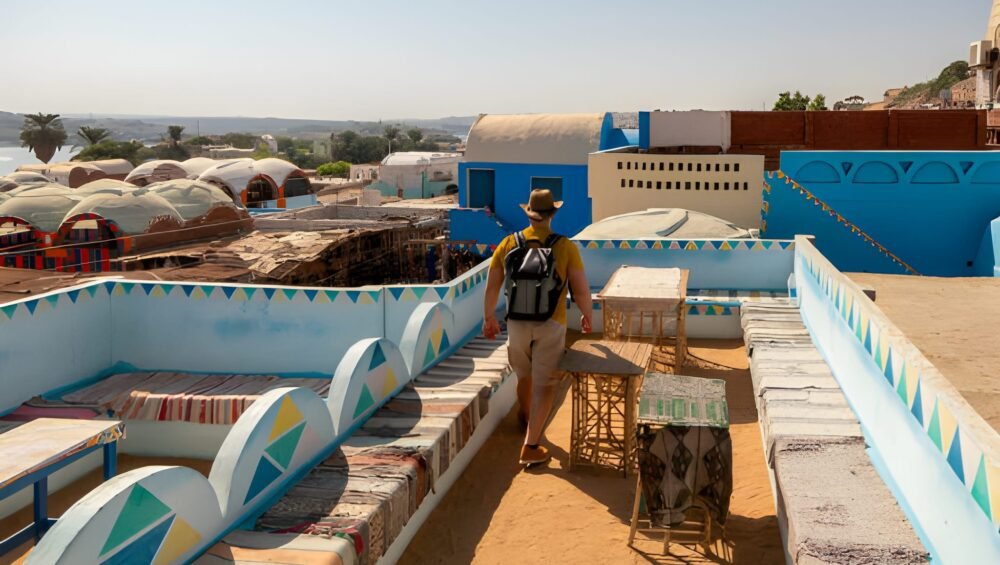
Stepping into Bawiti feels like entering a living museum of traditional Egyptian life. The people of Bawiti, primarily Bedouin and Nubian descendants, take immense pride in their heritage. They still preserve ancient crafts like pottery, weaving, and date farming. Their homes—earth-toned, dome-shaped structures made from mudbrick—blend seamlessly with the desert environment, designed to withstand harsh weather and conserve cool air. The social life here revolves around family gatherings, storytelling, and music beneath starlit skies.

Locals eagerly welcome visitors into their homes, offering warm cups of hibiscus or mint tea. They often share folk stories about pharaohs, spirits of the desert, and the legends that carved this land’s identity. These cultural exchanges turn every trip to Bawiti into a deeply personal experience. Travelers may also encounter traditional festivals celebrating harvest seasons and local saints, reflecting the spiritual connection the inhabitants share with their land.

Major Attractions and Things to See in Bawiti

Though Bawiti itself may appear quiet and humble, it brims with fascinating attractions. The Museum of the Golden Mummies is a must-visit, showcasing incredible relics from the nearby necropolis. Another striking site is the Temple of Alexander the Great, a rare structure honoring the Macedonian conqueror. Nearby, you’ll find the tombs of Bannentu and Zed-Amun-ef-ankh, two high officials from the 26th Dynasty, adorned with well-preserved hieroglyphs.

Surrounding Bawiti, natural hot springs like Bir Al-Matta and Bir Ghafara attract travelers seeking rejuvenation. The oasis also offers access to the White Desert Egypt, known for its surreal chalk rock formations sculpted by centuries of wind erosion. Nearby, the volcanic Crystal Mountain gleams under the desert sun, creating a surreal sight that photographers adore.

Bawiti’s Connection with Surrounding Oases

Bawiti acts as a gateway to Egypt’s broader oasis network. The town connects travelers to other captivating destinations such as Farafra Oasis, Dakhla Oasis, and Kharga Oasis. Each oasis offers distinct experiences, yet all share Bawiti’s ancient charm and desert resilience. This network once formed part of the caravan artery linking Sudan, Libya, and Egypt, carrying goods like gold, dates, and incense through the sands of time.

Today, tourists embarking on desert expeditions often begin their journeys in Bawiti to explore hidden valleys such as the Valley of Agabat. This sweeping landscape of wind-carved rocks and soft dunes offers a truly dreamlike atmosphere. Whether camping under the Milky Way or wandering among ancient hills, travelers find themselves immersed in one of the most spectacular natural wonders on Earth.

Adventure Travel and Desert Exploration from Bawiti

Adventure seekers will find Bawiti a thrilling base for exploration. Jeep safaris and overnight camping trips take travelers across breathtaking landscapes like the Black Desert, famous for its volcanic hills dusted with black basalt, and the ethereal White Desert, where limestone formations resemble mushrooms, camels, and castles shaped by nature’s hand. These desert adventures combine geological marvels with profound tranquility.

For a taste of adrenaline, you can join organized tours or quad biking safaris that cut across the golden dunes. Star-gazing in Bawiti’s crystal-clear skies is another unforgettable experience, where you can truly grasp the enormity of Egypt’s night desert. The oasis also serves as a great gateway for eco-tourism experiences, aligning with initiatives promoting sustainable exploration and respect for desert ecosystems.

Local Life, Food, and Handicrafts in Bawiti

Life in Bawiti revolves around simplicity and sustainability. Dates are the heart of the local diet, harvested from palm groves that dot the oasis. Meals often include fresh vegetables, lentils, and traditional stews cooked with herbs native to the desert. Local eateries offer visitors authentic Egyptian fare similar to that enjoyed in other regions featured on Traditional Dishes in Egypt. Bawiti’s markets brim with handmade crafts, pottery, and woven baskets—ideal souvenirs that capture the artistry of its people.

Women often produce natural products like oils and handmade soaps from desert plants, while men craft pottery and Bedouin-style jewelry. These goods not only sustain local families but also preserve a vibrant craft tradition passed down for centuries. When visitors buy these unique creations, they contribute directly to the sustaining of Bawiti’s cultural heritage.

Best Time to Visit Bawiti and How to Get There

The ideal time to visit Bawiti is between October and April, when temperatures are moderate and perfect for desert excursions. During winter, the days are warm yet comfortable, and the nights cool enough for cozy campfires. Reaching Bawiti is straightforward from Cairo or El Faiyum. Many travelers combine their journey with Egypt Day Tours or tailored itineraries like the 7 Days Cairo, Luxor, Abu Simbel & Sahara Trip. Private jeeps and chartered buses frequently depart for Bawiti, making it accessible for solo travelers, photographers, and families alike.

Those who wish to continue their desert journey may choose to link their visit with multi-oasis expeditions, luxury desert lodges, or adventure-filled Luxury Egypt Tours. Guided safaris help visitors experience the raw beauty of the Sahara safely, while local guides share insights about geology, flora, and the star-studded desert sky.

Preserving Bawiti’s Natural and Cultural Heritage

With increased tourism, preserving the ecological and cultural balance of Bawiti becomes essential. Sustainable travel practices, waste reduction, and respecting local customs ensure that this oasis remains pristine for future generations. Conservation projects are underway to protect ancient tombs and archaeological sites from erosion and modern intrusion. Visitors are encouraged to support eco-friendly hotels, buy local crafts, and minimize their footprint while exploring this fragile environment.

FAQs About Bawiti (Bahariya Oasis)

1. Where exactly is Bawiti located?

Bawiti is the main town in the Bahariya Oasis, situated about 370 kilometers southwest of Cairo in Egypt’s Western Desert. It lies within a fertile basin surrounded by dramatic hills and desert landscapes.

2. What are the best attractions in Bawiti?

Top attractions include the Temple of Alexander the Great, the Museum of the Golden Mummies, the Tombs of Bannentu and Zed-Amun-ef-ankh, and nearby natural wonders like the White Desert and Crystal Mountain.

3. Can I camp near Bawiti?

Yes, camping is a popular activity around Bawiti. Many guided expeditions offer safe and scenic overnight camp experiences near the White Desert and Black Desert, under stunning starlit skies.

4. What’s the local lifestyle like?

Residents of Bawiti live a peaceful, community-based life focused on agriculture, craftsmanship, and hospitality. They maintain traditional customs and welcome visitors with genuine warmth and open hearts.

5. How should I prepare for visiting Bawiti?

Travelers should bring sunscreen, desert-friendly clothing, water, and a sense of wonder. Engaging local guides ensures a safe and informative experience through the desert
Bahariya Oasis Egypt

Bahariya Oasis Egypt: The Hidden Gem of the Western Desert

Nestled deep in Egypt’s Western Desert, the Bahariya Oasis unfolds like a mirage of green palms and golden dunes. Located about 370 kilometers southwest of Cairo, this lush haven serves as a historic and ecological sanctuary amid vast barren landscapes. It’s not just an oasis in the geographical sense but a cultural time capsule, whispering tales of ancient civilizations, Roman treasures, and natural wonders sculpted by centuries of desert wind. Today, Bahariya Oasis Egypt attracts adventure seekers, photographers, and travelers yearning for an authentic desert experience beyond typical tourist routes. Its bubbling hot springs, ancient necropolises, and proximity to landmarks like the White Desert Egypt make it a quintessential part of any Egyptian desert expedition.

What sets Bahariya apart is its ability to blend serenity with discovery. Picture palm groves swaying near black volcanic mountains, archaeological sites that trace Egypt’s Greco-Roman era, and remote villages preserving Bedouin traditions. With the recent expansion of desert tourism and eco-lodges, the oasis is no longer the “forgotten jewel” it once was. Visitors can unwind in therapeutic hot springs, explore ancient burial sites like the Valley of the Golden Mummies, or set off toward surreal landscapes like the Crystal Mountain and the Black Desert. Every grain of sand here seems to guard millennia of history and human perseverance, making Bahariya Oasis one of the most spellbinding destinations in Egypt’s Western Desert circuit.

History and Heritage of Bahariya Oasis Egypt

Bahariya Oasis has served as a lifeline in Egypt’s arid expanse since the Pharaohs’ time. Its fertile lands, rich mineral springs, and strategic location established it as a vital agricultural hub and trade stop connecting Egypt with Libya. During the Middle Kingdom, it supplied wine and dates to the Nile Valley. Yet the oasis reached prominence during the Greco-Roman era, evidenced by mosaic-covered tombs, temples, and the stunning remains at Qasr el-Bawiti—the modern capital of Bahariya.

While Egypt’s iconic sites like the Giza Pyramids and Luxor City dominate the tourist imagination, Bahariya holds equal intrigue for history buffs. Excavations in the 1990s unveiled the Valley of the Golden Mummies—a necropolis containing hundreds of gilded mummies dating from the Greco-Roman period. These relics stood as a testament to the oasis’s wealth and cosmopolitan culture, where Egyptian beliefs met Hellenistic artistry. Moreover, the nearby Temple of Alexander the Great, located in Ain el-Muftella, is the only known temple in Egypt to honor the Macedonian conqueror. This rare site underscores Bahariya’s unique place in the tapestry of Egyptian history.

Geography and Natural Wonders of Bahariya Oasis

Geographically, the Bahariya Oasis Egypt lies in a depression surrounded by desert plateaus and volcanic mountains. The region encompasses several villages, including Bawiti, El-Haiz, Mandisha, and Zabw. Its climate offers mild winters and blazing summers, though the cooler months from October to March are ideal for exploration. The contrast between black volcanic mounds, lush palm trees, and golden sands create an otherworldly visual symphony found nowhere else in the country.

Travelers often combine Bahariya with a journey into the Black Desert, where iron-rich deposits have turned hills into dramatic ebony domes. Not far away lies the White Desert National Park, a surreal land of chalk formations resembling giant mushrooms or snowdrifts. Together, these landscapes form a visual narrative of Earth’s geological evolution. Many also venture to the Valley of Agabat, where golden sands ripple like frozen waves—a must-see for photographers seeking the untamed beauty of the Sahara.

Top Attractions in Bahariya Oasis Egypt

For travelers planning their itinerary, Bahariya bursts with hidden gems. The oasis’s heart, Bawiti, is home to the Oasis Heritage Museum and Temple of Alexander. Just southwest lies the English Mountain, a high ridge that rewards hikers with panoramic views of the entire oasis. The Black Desert showcases volcanic peaks dusted in black basalt, while the Mountain of the Dead conceals numerous pharaonic tombs adorned with vivid paintings.

Adventure travelers can indulge in sand dune driving or embark on a multi-day safari across the dunes toward Farafra and beyond. The nearby Farafra Oasis, Dakhla Oasis, and Kharga Oasis extend the journey through the Western Desert’s timeless landscapes. For those craving tranquility, hot springs like Bir el-Ghaba and Bir el-Mattar offer rejuvenating soaks beneath starlit skies—a relaxing close to days spent exploring dunes and ruins.

Adventures and Desert Safaris from Bahariya

Thanks to its location, Bahariya Oasis serves as the perfect launchpad for unforgettable desert safaris. Day-trippers often start from Cairo or combine their visit with other experiences, such as the Desert Safari by Quad Bike at Giza Pyramids or the Sunset Desert Safari Trip by Quad Bike for those who crave adrenaline-fueled fun.

Multi-day explorers venture into the heart of the Sahara, camping among surreal rock formations and stargazing under crystal-clear skies. Some adventurous tourists extend their route all the way toward the Siwa Oasis, another enchanting stop filled with otherworldly charm. Desert safaris here aren’t just about thrill—they’re also meditative experiences connecting travelers to Egypt’s timeless desert soul.

Local Life, Culture, and Cuisine in Bahariya Oasis

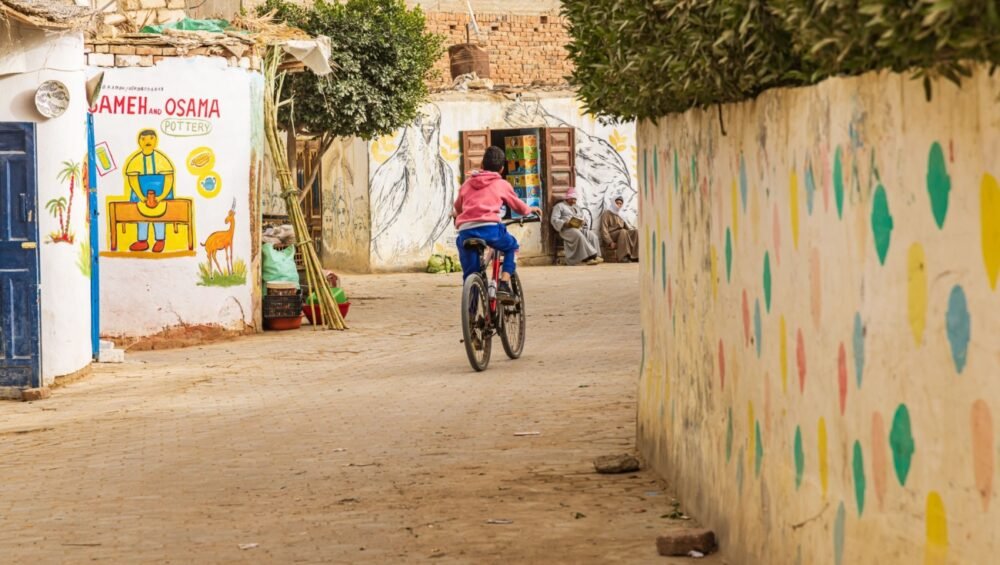
The Bahariya community thrives on simplicity and genuine hospitality. Most inhabitants descend from Bedouin families who have lived here for centuries, sustaining a lifestyle in harmony with nature. Dates, olives, and guava trees feed both body and livelihood, while handcraft traditions reflect the region’s enduring artistry. The village markets of Bawiti brim with woven baskets, traditional garments, and sweets infused with palm syrup.

Local dishes often revolve around desert staples—flatbread cooked over open fires, lentil stews, roasted goat, and date-based desserts. Travelers might find themselves sharing meals with Bedouins over mint tea under canopies of stars. Such experiences turn visits into cherished memories and highlight the enduring charm of the oasis’s people and culture. To complement this cultural immersion, visitors may juxtapose their time here with sophisticated experiences like a Luxury Egypt Tour that seamlessly blends desert adventure with Nile elegance.

How to Reach Bahariya Oasis Egypt

Bahariya lies about five hours from Cairo by paved desert road. Public buses, private transfers, and organized safari tours frequently connect the capital with Bawiti. Many travelers choose a customized Egypt Private Tour to include Bahariya and the surrounding Western Desert attractions within their itinerary. This ensures not only comfortable transport but also expert guides who reveal layers of history and geology often missed by independent travelers.

For photographers and eco-travelers, the journey itself is part of the magic—kilometers of sweeping dunes, camel caravans, and shifting desert colors that change with the sun. Combining Bahariya with a stop at El Fayoum or the Fayoum Oasis enhances the adventure, weaving a perfect tapestry of Egypt’s green oases and monumental landscapes.

Best Time to Visit Bahariya Oasis

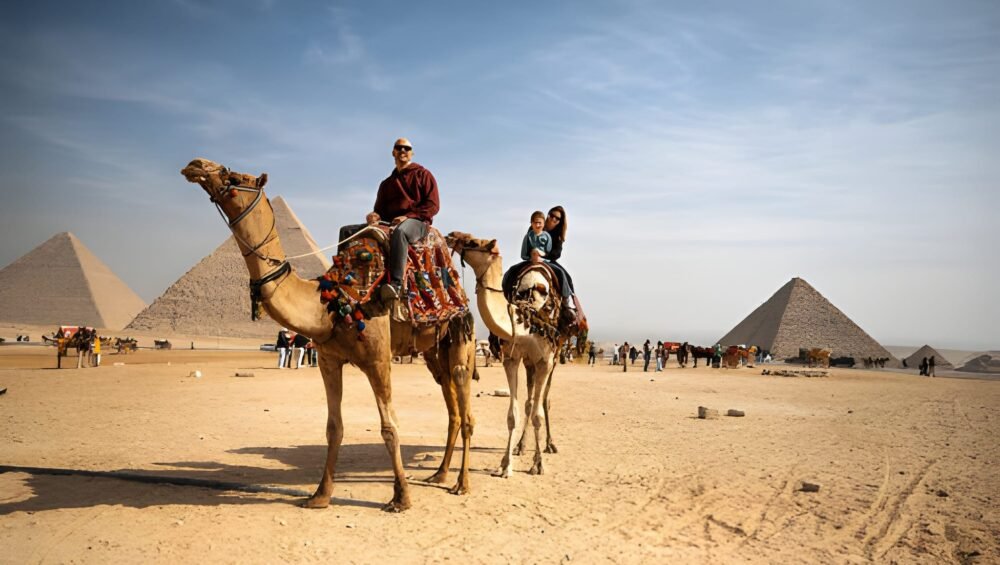
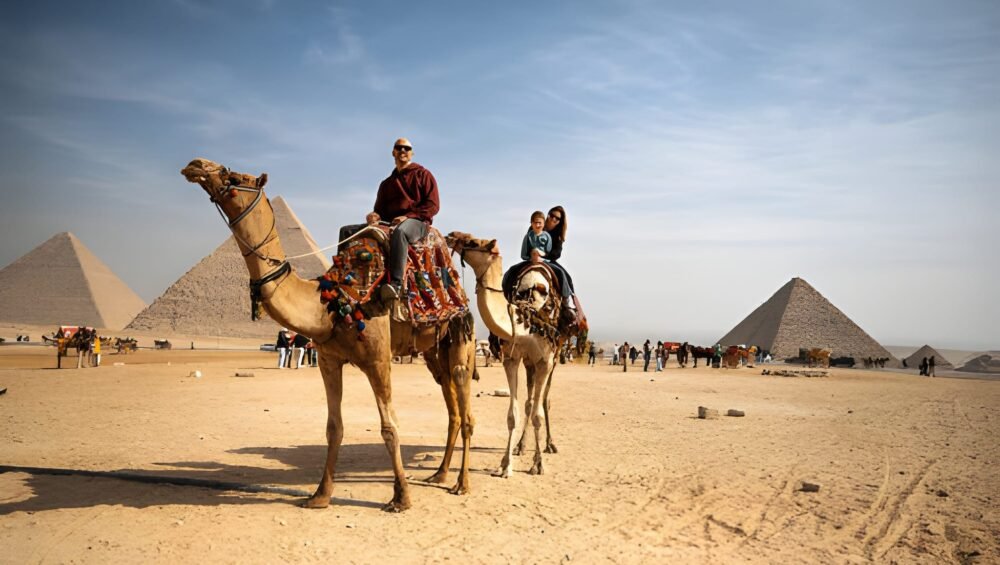
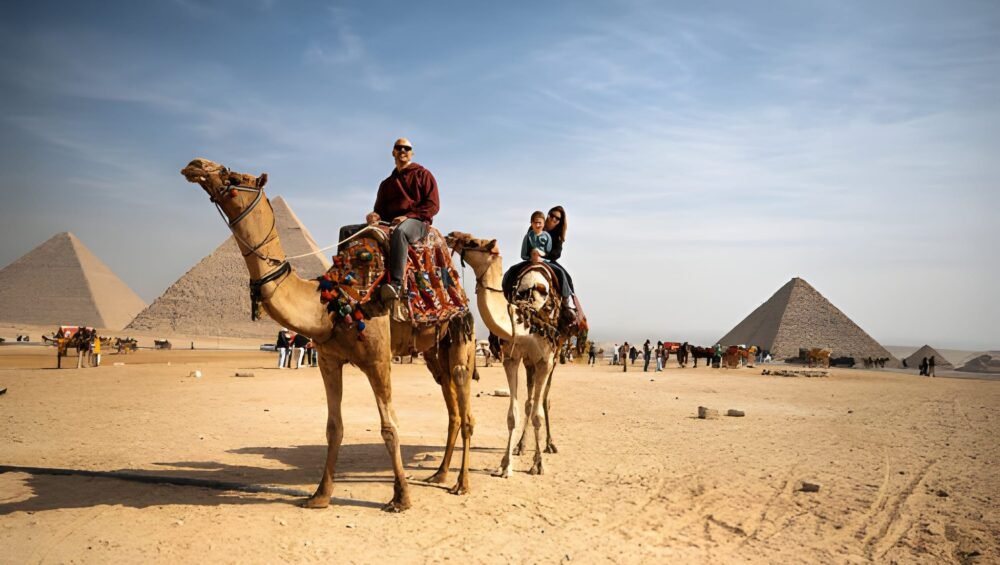
The ideal time to visit Bahariya Oasis is between October and April when the daytime temperatures are pleasant, and desert nights are comfortably cool. While summer brings intense heat, it’s also a period when the oasis appears most alive with fertility and color. Many visitors prefer winter for sightseeing, camel rides, or exploring the Black and White Desert under crisp blue skies. During this season, locals host small festivals and gatherings celebrating the harvest, which add cultural depth to each visit.

Eco-Tourism and Sustainable Travel in Bahariya

Growing awareness of ecological preservation has transformed Bahariya into a hub for sustainable tourism. Eco-lodges built from natural materials, solar-powered camps, and local cooperatives ensure that tourism contributes positively to both the community and the fragile desert ecosystem. Travelers can participate in sand dune clean-ups, plant palm seedlings, or engage with Bedouin initiatives that promote traditional crafts. Adding Bahariya to your itinerary after an All Inclusive Egypt Vacation brings a profound contrast—shifting from urban indulgence to raw natural authenticity.

Health and Safety Tips for Visiting Bahariya Oasis

Although Bahariya is remote, it’s one of the safest regions for desert travel in Egypt. Visitors should carry sufficient water, sunscreen, hats, and scarves to handle desert conditions. For those joining safaris, operators provide 4×4 vehicles, emergency equipment, and expert local guides familiar with the terrain. Travelers who enjoy similar desert experiences around Aswan, such as the Aswan Day Tours or the Marsa Alam Day Tours, will find Bahariya an equally inspiring destination that blends adventure with serenity.

Frequently Asked Questions About Bahariya Oasis Egypt

What is Bahariya Oasis famous for?

Bahariya Oasis is renowned for its lush palm groves, ancient ruins, and natural wonders like the Black Desert, Crystal Mountain, and the Valley of the Golden Mummies. It’s also famous for its hot springs and as a gateway to the White Desert Egypt, known for surreal chalk formations.

How far is Bahariya Oasis from Cairo?

The oasis lies about 370 kilometers southwest of Cairo. The trip takes roughly five hours by car or bus along the main desert highway. Many Egypt Day Tours include Bahariya as part of multi-day adventures into the Western Desert.

Can you stay overnight in Bahariya Oasis?

Yes, numerous guesthouses, eco-lodges, and desert camps offer overnight stays. Visitors can choose between simple Bedouin-style tents or comfortable lodges equipped with modern amenities. Many tours, such as 7 Days Luxury Egypt Trip, feature desert overnight options under starlit skies.

Is Bahariya Oasis safe for travelers?

Absolutely. Bahariya Oasis is one of Egypt’s safest desert destinations. Local communities welcome visitors warmly, and guided safaris maintain high safety standards. As with any desert journey, travelers should heed expert advice and remain prepared for fluctuating weather.

What are the best nearby attractions to combine with Bahariya?

Travelers often pair their Bahariya trip with visits to the Farafra Oasis, Dakhla Oasis, or Kharga Oasis for a full Western Desert exploration. Adventures extending to the Cindrella Egypt Travel, offering expertly guided tours that reveal the archeological and historical significance of this captivating site. Whether as part of Egypt Day Tours or longer Egypt Vacation Packages, Tell El Amarna promises a spellbinding glimpse into a world where spirituality reshaped architecture and the concept of divine kingship evolved under the blazing Egyptian sun.

The Origins of Tell El Amarna: Building Akhetaten, the City of the Sun Disk

Tell El Amarna began as Akhetaten, “The Horizon of the Aten,” a city meticulously planned and constructed around 1346 BC by Pharaoh Akhenaten. Dissatisfied with the traditional religious practices centered around the god Amun, Akhenaten introduced a new faith devoted solely to Aten, represented by the sun’s radiant disk. The pharaoh’s vision was nothing short of radical—a monotheistic worship system in a polytheistic world. To manifest his devotion, Akhenaten built an entire city dedicated to Aten, symbolizing divine light, truth, and enlightenment.

Strategically located between Thebes and Memphis, Amarna sat on untouched desert land, symbolizing a fresh start for Egypt’s spiritual awakening. The layout of Akhetaten was unique, featuring wide avenues, open courtyards, and temples designed without roofs to allow the rays of Aten to shine directly upon worshippers. The architectural design mirrored Akhenaten’s theological philosophy: openness, luminosity, and closeness to the divine source of life.

Explorers taking El Minya Day Tours can trace the original city’s outline along the Nile cliffs, where boundary stelae proclaim Akhenaten’s divine proclamation. The inscriptions carved into the stone temples declare his devotion to Aten and record the city’s sacred founding ceremony. It’s here that history blends with desert mystique, reminding travelers why Amarna remains one of Egypt’s most mysterious ancient cities.

Akhenaten and Nefertiti: The Royal Visionaries Behind Tell El Amarna

Without Akhenaten and his queen, Nefertiti, Tell El Amarna would never have existed. Akhenaten’s faith in Aten led to the suppression of other powerful deities, including Amun, reshaping Egypt’s religious and political order. Queen Nefertiti, renowned for her beauty and portrayed in countless artistic masterpieces, shared her husband’s beliefs. The royal couple stood as divine intermediaries between the Egyptian people and Aten, reigning like celestial beings under the sun’s eternal gaze.

Archaeological discoveries, including reliefs and inscriptions, depict Nefertiti as nearly equal in status to Akhenaten—a striking departure from tradition. Their images were captured in new artistic styles that embraced naturalism and warmth. No longer rigid or idealized, the royal family was shown affectionately together, playing with their children in sunlight-drenched courtyards. This artistic revolution reflected a deeply personal approach to divinity and life itself.

Visitors fascinated by the stories of Egypt’s queens can further their exploration through dedicated content like The Egyptian Queen Nefertiti or take an immersive route across Luxury Egypt Tours that trace her legacy through temples, art, and monuments that still inspire awe today.

The Ruins and Archaeological Wonders of Tell El Amarna

Today’s Tell El Amarna stretches across nearly 12 kilometers of dry desert terrain, with traces of ancient temples, palaces, and tombs etched into its dusty surface. The Great Aten Temple, the House of the King, the Royal Palace, and the Worker’s Village stand as haunting reminders of Akhenaten’s ambitious experiment. Among the most captivating areas are the Northern and Southern Tombs—carved high into limestone cliffs, offering a glimpse into the artistry and beliefs of the Amarna elite. These tombs are decorated with intricate reliefs depicting the royal family worshiping Aten and receiving divine blessings.

Beyond the tombs, travelers can venture to the remains of government offices, military buildings, and common homes, which provide valuable insights into the city’s social hierarchy and daily life during Egypt’s 18th Dynasty. For those seeking deeper historical immersion, pairing a visit to Tell El Amarna with explorations of nearby sites such as the Beni Hassan Tombs adds remarkable context to Middle Egypt’s archaeological narrative.

The Artistic Revolution: Amarna Art and Architecture

The art of Tell El Amarna marked a complete break from centuries of formal Egyptian iconography. Known today as “Amarna Art,” it introduced a realism and emotionality previously unseen. Figures were elongated with soft curves; facial features emphasized individuality; and even the pharaoh was portrayed with an almost androgynous grace. Artists depicted the royal family engaging in intimate moments under the divine beams of Aten, highlighting warmth, family, and faith in harmony.

This new artistic style was both a political statement and a spiritual expression. Akhenaten’s devotion influenced entire generations of sculptors and painters who dared to reinterpret divine representation. The style’s legacy would later influence Egyptian artistic traditions long after Akhetaten’s fall, echoing through monuments preserved in ancient hubs like Luxor Temple and Temple of Hatshepsut.

The Fall of Amarna and the Return to Thebes

Following Akhenaten’s death, Tell El Amarna’s fate turned tragic. Egypt’s old priesthood quickly regained power, restoring the worship of Amun and abolishing Atenism. The royal court abandoned Akhetaten, leaving its once-splendid avenues to the desert winds. Tutankhaten, Akhenaten’s successor—later known as Tutankhamun—moved the capital back to Thebes and reinstated traditional faith. Over time, Amarna was systematically erased from official history, condemned as a heretical chapter in Egypt’s grand story.

Yet, despite centuries of neglect, archaeologists from the 19th century onward uncovered Amarna’s buried past, piecing together its lost glory. Excavations revealed not only architectural remains but also administrative archives known as the Amarna Letters—clay tablets inscribed with diplomatic correspondence in Akkadian. These documents shed light on Egypt’s foreign relations and offer rare insights into diplomacy during Akhenaten’s reign.

Exploring Tell El Amarna Today: A Journey Through Time

Visiting Tell El Amarna Egypt today offers travelers the chance to witness ancient innovation against the backdrop of timeless desert beauty. The site lies near the modern city of El Minya, reachable by organized excursions such as the El Minya Day Tour from Cairo. Standing among the ruins, visitors can imagine the sun rising over the cliffs, illuminating what was once Egypt’s glittering city of light. Whether you’re an archaeology enthusiast or a casual explorer, walking through Akhetaten connects you directly to one of ancient Egypt’s boldest dreams.

For those traveling along the Nile, combining this journey with a scenic cruise like the Luxury Dahabiya Nile Cruise or the elegant Steigenberger Minerva Nile Cruise provides a harmonious way to experience Egypt’s monumental heritage. From the serene temples of Thebes to the sacred sands of Amarna, Egypt’s riverine landscape seamlessly connects every era of this ancient civilization.

Preserving Tell El Amarna for Future Generations

Conservation efforts are vital to safeguarding Tell El Amarna against erosion, climate change, and human impact. Ongoing archaeological projects, led by Egyptian and international teams, continue to uncover new facets of Akhetaten’s short-lived utopia. Digital mapping, 3D scanning, and restoration work aim to preserve the city’s artistic and architectural treasures for posterity. The collaboration between modern tourism and historical preservation ensures that Amarna’s story won’t fade into the sands once again.

Travelers choosing responsible and sustainable travel through established agencies help contribute to this preservation. Adventure-focused packages such as 7 Days Egypt Adventure Tour often emphasize cultural awareness, local engagement, and heritage protection—values crucial for maintaining sites like Tell El Amarna.

Frequently Asked Questions About Tell El Amarna Egypt

What makes Tell El Amarna Egypt historically significant?

Tell El Amarna is the only known ancient Egyptian city built entirely under the vision of one pharaoh—Akhenaten. It marks the first attempt in recorded history at monotheistic worship through Aten, the sun disk. The city’s art, architecture, and inscriptions reveal an extraordinary departure from traditional Egyptian norms, shaping modern understanding of faith and political ideology in ancient Egypt.

Where is Tell El Amarna located?

Tell El Amarna lies on the east bank of the Nile River in Middle Egypt, roughly midway between Cairo and Luxor, near the modern city of El Minya. Its geographical setting was chosen for its isolation and spiritual symbolism, offering Akhenaten a blank canvas for his new religious capital.

How can travelers visit Tell El Amarna Egypt?

The best way to explore Tell El Amarna is through guided tours departing from Cairo or Minya. Organized trips, such as an El Minya Day Tour, provide transportation, licensed guides, and in-depth insights into each archaeological zone of the ancient city.

Who were Akhenaten and Nefertiti?

Akhenaten was an 18th Dynasty pharaoh known for his controversial religious reforms that replaced Egypt’s traditional pantheon with Aten worship. His wife, Queen Nefertiti, one of ancient history’s most iconic figures, played an instrumental role in supporting and spreading Atenism, embodying divine beauty and leadership.

What can visitors expect to see at Tell El Amarna today?

Visitors to Tell El Amarna can explore temple ruins, royal residences, administrative buildings, and beautifully carved tombs. While much of the city has succumbed to time, its vast expanse still preserves impressive remnants, allowing travelers to imagine life in Akhenaten’s utopia under the warm Aten sun.

Beni Hassan Tombs

Beni Hassan Tombs: The Middle Kingdom Necropolis That Unveils Ancient Egyptian Life and Culture

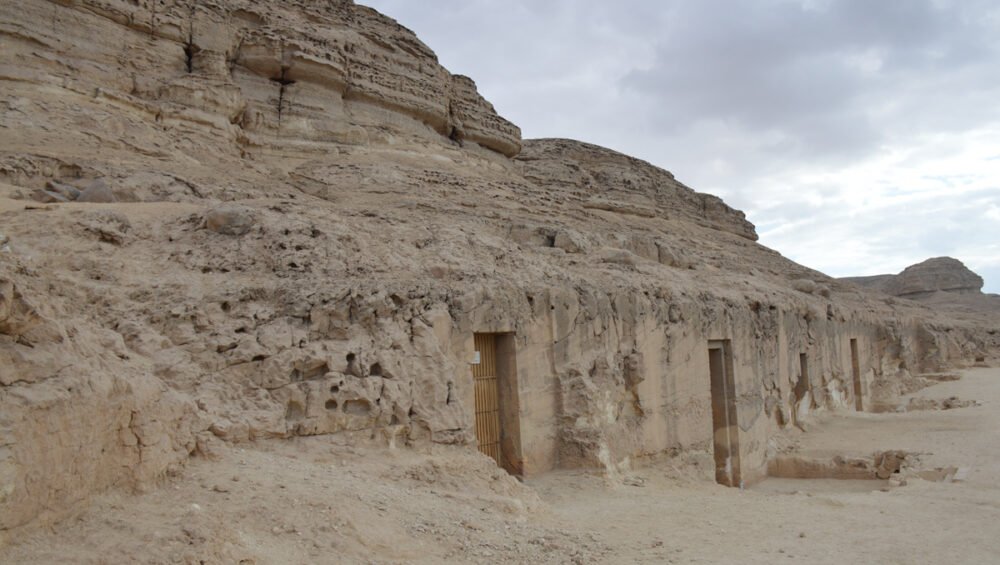
Perched majestically on the eastern cliffs of the Nile near El Minya, the Beni Hassan Tombs stand as hauntingly beautiful testaments to Egypt’s Middle Kingdom nobility. This site is one of the most captivating archaeological gems in Upper Egypt, dating from the 11th to 12th Dynasties (around 2000–1700 BCE). These rock-cut tombs, forged from limestone cliffs overlooking the verdant banks of the Nile, open a vivid window into the lives, artistry, and social constructs of ancient Egyptian governors and high officials. A masterpiece of ancient craftsmanship, the Beni Hassan necropolis reveals Egypt’s impressive cultural evolution between the Old and New Kingdom periods. Every mural, carving, and geometric detail narrates stories of valor, daily life, and devotion to timeless gods, making these tombs irresistible to historians, archaeologists, and inquisitive travelers alike.

Visiting the Beni Hassan Tombs is like stepping into an illustrated manuscript carved in stone. Detailed scenes of wrestling matches, weaving, agriculture, and military training speak to an era where regional governors commanded respect second only to Pharaohs. Unlike the Valley of the Queens or the royal necropolises of Thebes, these burial chambers embody a surprising intimacy, inviting visitors to see how Egyptian elites envisaged their afterlives. Travelers who take the journey to El Minya often combine their visit with the monumental remains of Tell El Amarna, immersing themselves in the heartland of Middle Egypt’s most evocative landscapes and myths.

The Historical Significance of Beni Hassan Necropolis

The historical value of Beni Hassan is staggering. Constructed during Egypt’s Middle Kingdom, these tombs house provincial rulers—known as “Nomarchs”—who governed key provinces during a time of centralized royal power. The site marks a crucial cultural bridge between the grandeur of the Old Kingdom’s pyramidal constructions and the refined rock-cut burial chambers of the New Kingdom. It’s a transitional masterpiece, mirroring a revived intellectual and political vigor that rippled across Egypt’s provinces.

The four most famous tombs—belonging to Khnumhotep II, Amenemhat, Baqet III, and Khety—showcase artistic excellence in painting and relief carving. Their walls come alive with colors that have remarkably resisted three thousand years of erosion. Pastel pigments and linear outlines illustrate processions of wrestlers, craftsmen at work, and Nubian mercenaries—evidence of Egypt’s increasing interaction with neighboring civilizations. Like the murals within the Temple of Seti in Abydos, these depictions give us front-row seats to the grandeur of the Middle Kingdom’s social order and artistic innovation.

Architecture and Layout of Beni Hassan Tombs

The architectural execution of the Beni Hassan tombs reflects both simplicity and sophistication. Each tomb was carefully carved into the limestone cliffs, featuring symmetrical facades supported by classic fluted columns that predate those later perfected in temples such as the Luxor Temple. Within, spacious chambers and pillared halls reveal bas-reliefs of governors seated before offerings, surrounded by family members and priests. The colors—though faded—retain an undeniable vibrancy, offering a timeless connection to ancient creativity.

Particularly striking is Khnumhotep II’s tomb, often hailed as the finest example in Beni Hassan. Its mural sequence depicts the famous “Asiatics” scene—foreign traders visiting Egypt—one of the earliest recorded depictions of cultural exchange between Egypt and Western Asia. This visual record not only documents trade relations but also provides rare anthropological insights into foreign attire, hairstyles, and customs.

The Artistic Narrative of Life in the Middle Kingdom

Life flourished in technicolor across the walls of these tombs. Agriculture scenes show farmers reaping crops, hunters wielding bows, and women spinning linen threads—everyday realities immortalized for eternity. Wrestling training scenes in Baqet III’s tomb fascinate both historians and sports enthusiasts alike, proving physical discipline was valued among ancient Egyptian elites. These details mirror those visible within the reliefs of Temple of Hatshepsut, revealing the Egyptians’ deep emphasis on ritual precision and social harmony.

These decorations functioned not merely as art but as spiritual affirmations. Egyptians believed that illustrating worldly activities in tombs ensured their continuity in the afterlife. So, from baking bread to taming gazelles, every carving was a deliberate echo of immortality. This symbolic realism rivals that found in the Ramesseum Temple or the grand murals of the Luxor Museum.

The Geography of Beni Hassan and Its Connection to El Minya

Located approximately 20 kilometers south of El Minya, the cliffs of Beni Hassan rise sharply along the Nile’s east bank. The uphill climb to the necropolis rewards visitors with panoramic views that stretch endlessly over golden fields and the winding river. In ancient symbolism, the east bank—where the sun rises—was associated with life and renewal, explaining why these tombs deviate from the typical west-bank necropolis tradition. The decision may also have reflected local cultic practices tied to solar worship during the Middle Kingdom period.

Modern travelers can easily include Beni Hassan in a cultural itinerary exploring Middle Egypt’s vibrant heritage, pairing it with destinations like the Abydos Temple, or the lesser-known landscape of the Fayoum Oasis. This corridor of history between Cairo and Luxor is a treasure chest for those seeking a more authentic Egyptian experience.

Inside the Most Iconic Tombs of Beni Hassan

Each of the 39 known tombs bears distinctive decorations reflecting the identity and values of its owner. The Tomb of Khnumhotep II (Tomb 3) steals the spotlight with its intricate wall paintings showing Nile processions, hunting expeditions, and rows of servants bearing offerings. The Tomb of Amenemhat (Tomb 2) stands out for its elegant hieroglyphic inscriptions that portray rich funerary rituals. Meanwhile, the Tomb of Khety demonstrates a subtler artistic approach emphasizing geometric brush strokes and hieratic composure.

These designs capture an era where provincial lords carried immense authority under the Pharaoh’s watchful eye, echoing the social balance that sustained Egypt’s Middle Kingdom for centuries. In terms of stylistic execution, they anticipate later artistic excellence seen within temples that grace Aswan City and Luxor City.

The Symbolism and Religious Beliefs Carved in Stone

The funerary beliefs reflected in the Beni Hassan Tombs express Egyptians’ obsession with perpetuity and their nuanced cosmology. Through symbolic color schemes, divine emblems, and pyramid-shaped ceilings, these chambers simulated a microcosm of the universe. The wall paintings served as metaphysical guides helping the deceased traverse the complex journey to the afterlife. They evoke the same transcendental ideals embodied at the Temple of Philae and the Kom Ombo Temple.

Deities such as Anubis, Osiris, and Hathor appear frequently in Beni Hassan iconography—Anubis overseeing mummification, Osiris granting rebirth, and Hathor welcoming spirits through her celestial embrace. Priests’ figures conducting purification rituals underline the Egyptians’ steadfast devotion, their faith unbroken by millennia.

Conservation Efforts and Modern Accessibility

Though time hasn’t spared Beni Hassan’s cliffs from erosion, modern restoration efforts have helped protect their fragile interiors. Local and international archaeologists collaborate to maintain pigment integrity using non-invasive methods. Visitors today can walk through several accessible chambers, though entry to the most delicate structures is restricted for preservation.

Tourists arriving from Cairo can explore Beni Hassan through organized excursions such as the El Minya Day Tour from Cairo by car or continue their discovery through itineraries similar to the 7 Day Egypt Tour. These programs typically include a visit to the Middle Kingdom’s heartland alongside nearby marvels like Frasht, Tuna el-Gebel, and Tell el-Amarna.

Why Beni Hassan Is a Must-Visit for History Lovers

For lovers of archaeology or travelers seeking an authentic Egyptian adventure, the Beni Hassan tomb complex offers a tangible link to one of civilization’s most fascinating epochs. The tombs’ quiet grandeur evokes Egypt’s regional power dynamics and its artistic innovation preceding the age of empire. More intimate than the colossal pyramids yet equally profound, this site delivers a vivid narrative of human ambition, spiritual devotion, and artistic legacy that feels startlingly contemporary.

Including Beni Hassan in an itinerary enhances cultural immersion and complements the grand historical experiences offered by Luxury Egypt Tours or Egypt Family Tours. Many travelers finish their journey with a serene cruise such as the Luxury Dahabiya Nile Cruise, blending comfort with centuries of heritage flowing gently along the same river that nourished Beni Hassan’s creators.

Frequently Asked Questions About Beni Hassan Tombs

Where Exactly Are the Beni Hassan Tombs Located?

The Beni Hassan Tombs are located on the east bank of the Nile River, approximately 20 kilometers south of El Minya in Middle Egypt. They’re carved into limestone cliffs rising dramatically above the fertile floodplain, a two-and-a-half-hour drive north of the Luxor region and best reached via private tour from Cairo or El Minya.

What Is the Best Time to Visit Beni Hassan?

The ideal time to visit is between October and April when temperatures remain comfortable, allowing you to explore the cliff tombs without the harsh summer heat. Early morning visits provide the best lighting for photography and ensure a peaceful, crowd-free experience. Many travelers pair it with an Egypt Day Tour to nearby heritage sites.

How Many Tombs Are in the Beni Hassan Necropolis?

There are approximately 39 known tombs at Beni Hassan, though only a handful are open to the public. Each tomb varies in size, decoration, and preservation level. The most significant ones—Baqet III, Khety, Amenemhat, and Khnumhotep II—encapsulate the epitome of Middle Kingdom artistry and leadership imagery.

Is Photography Allowed Inside the Tombs?

In most accessible sections, photography is permitted without flash to protect ancient pigments. Always consult your guide or the local custodian before taking photos. Overexposure to light can accelerate pigment fading, and responsible tourism ensures these treasures survive for generations to come.

Which Other Sites in El Minya Should I Visit Alongside Beni Hassan?

If you’ve made the journey to Beni Hassan, exploring nearby attractions like Tell El Amarna—the city of Akhenaten—and Tuna El-Gebel is highly recommended. For a complete regional experience, travelers can also extend their journey to the Fayoum Oasis or the mesmerizing Day Tour to El Fayoum from Cairo.

El Minya

El Minya: The Hidden Treasure of Middle Egypt

Nestled gracefully along the fertile banks of the Nile, El Minya stands as one of Egypt’s most underrated yet fascinating destinations. Known as the ‘Bride of Upper Egypt’, this historic city is where ancient legacies blend seamlessly with modern Egyptian life. Whether you’re passionate about archaeology, cultural immersion, or serene river vistas, El Minya captures hearts with its richness in heritage and authenticity. From the remarkable Beni Hassan tombs carved into sheer cliffs to the awe-inspiring ruins of Tell El Amarna, this city preserves the whispers of Akhenaten’s radical vision. Every step through its streets feels like walking through a living museum.

Unlike the bustling crowds around Luxor or Aswan, El Minya offers tranquility, making it a dream spot for seasoned travelers eager to uncover Egypt’s hidden stories. Its layered history spans Pharaonic wonders, Coptic heritage, and Islamic art, forming a rare time capsule in the heart of Middle Egypt. El Minya is not merely a stopover; it’s an expedition through civilizations. As the Nile glimmers under the golden sun, visitors discover that this city isn’t about monuments alone—it’s a soulful experience connecting past and present. Let’s dive deeper into the magic that makes El Minya a must-see destination for history buffs and explorers alike.

Discovering El Minya’s Historical Significance in Ancient Egypt

El Minya was the nucleus of multiple ancient civilizations that once defined the intellectual and spiritual heart of Egypt. The region is famously connected to Akhetaten—modern Tell El Amarna—the capital city built by Pharaoh Akhenaten, who revolutionized Egyptian religion by introducing the worship of Aten, the sun disc. His reign left a profound mark on Egyptian culture, inspiring monuments and art forms that challenged traditional theology. Walking among the ruins of Tell El Amarna, visitors can almost hear the echoes of Nefertiti and Akhenaten’s ambitions. This area reveals the transition from polytheistic beliefs to early forms of monotheism, offering insights into the ideologies that shaped ancient Egypt’s identity.

Another highlight is the Beni Hassan Tombs, located south of El Minya. These cliffside structures showcase exquisitely preserved wall paintings depicting wrestling scenes, daily activities, and tales of nobility. Their artistry vividly unveils life during the Middle Kingdom, blending human emotion with detailed craftsmanship. For archaeology lovers, exploring these tombs is an awe-inspiring journey through time, where each brushstroke tells a tale of pride, belief, and immortality.

Tell El Amarna: The City of the Sun God Aten

Tell El Amarna, stretching along the eastern Nile bank, stands as a testament to Akhenaten’s grand experiment. Unlike other ancient cities, it was constructed on virgin land—a conscious effort to symbolize new beginnings. Here, temples, palaces, and suburban homes coexisted in harmony with the desert. Today, walking across its ancient sands evokes an unshakable sense of wonder. The landscape, although partially ruined, embodies an enduring story of human ambition and transformation. Visiting this sacred site allows history enthusiasts to trace the roots of one of history’s most revolutionary pharaohs. It’s a stirring reminder that El Minya wasn’t a mere province; it was once Egypt’s spiritual heartbeat.

Coptic and Christian Heritage in El Minya

El Minya’s beauty doesn’t end with its pharaonic past—it’s also steeped in early Christian traditions. Many believe the Holy Family journeyed through this area during their flight into Egypt, leaving behind blessed sites and monasteries that continue to inspire pilgrims. One of the most famous landmarks is the Monastery of the Virgin Mary at Gabal El-Tayr. Perched high on a limestone cliff, it overlooks the Nile in majestic solitude. Each year, the monastery hosts thousands of visitors during its annual feast, blending spiritual devotion with age-old Egyptian hospitality.

Nearby, several ancient churches beautifully showcase Coptic architecture and iconography, reflecting the region’s deep-rooted faith. The area serves as a vivid example of how Christianity flourished peacefully alongside older Egyptian traditions. When you step inside these sacred walls, you’ll witness exquisite carvings, scented incense, and timeless hymns filling the air—a truly spiritual experience. Religious travelers often combine El Minya with other landmark monastery visits, such as the White Monastery and the Red Monastery, forming an unforgettable spiritual journey through Upper Egypt.

Journeying Along the Holy Family Trail

This sacred trail retraces the footsteps of Mary, Joseph, and Jesus through the Egyptian heartland. El Minya plays a pivotal role in this path, symbolizing a safe haven of divine protection. Many local churches commemorate their passing, creating a pilgrimage route woven with prayer, miracles, and faith. Pilgrims exploring El Minya feel an intimate connection to history and holiness. It’s one of the few regions where religious devotion intersects effortlessly with natural beauty, allowing souls to reflect, rejuvenate, and reconnect with ancient divinity.

Nature, Culture, and the Nile’s Charm

El Minya’s allure goes far beyond ruins and chapels—it’s the rhythm of daily life along the Nile that truly captures hearts. The river here creates some of Egypt’s most picturesque landscapes, framed by fertile farmlands and palm-dotted banks. A peaceful felucca ride at sunset paints the horizon in hues of orange and gold. Travelers often describe it as Egypt’s best-kept secret, a scene where time slows, and serenity reigns.

For photographers and adventure seekers, excursions to nearby limestone cliffs, sleepy villages, and local markets offer an unfiltered glimpse into authentic Egyptian life. Cultural curiosities abound, from traditional crafts to ancient papyrus workshops reminiscent of those discussed in Ancient Egyptian Papyrus Art. The mix of heritage and hospitality makes it irresistible. For luxury experiences, travelers can enjoy a scenic cruise route along the Nile similar to the Luxury Nile Cruise programs, further enriching their journey.

Best Time to Visit El Minya

The ideal time to explore El Minya is between October and April when the weather is pleasantly cool. During this period, sightseeing becomes comfortable, and vibrant festivals bring culture to life. The city’s traditional bazaars bustle with spices, handwoven textiles, and charming souvenirs. Travelers often link El Minya with multi-day itineraries combining destinations like Abydos Temple and Dendera Temple Complex, creating an efficient route through Middle Egypt’s marvels.

El Minya’s Modern Pulse: Economy, Education, and Culture

El Minya isn’t trapped in its ancient glory—it’s an energetic modern hub thriving on agriculture, industry, and education. Known for its sugar and cement factories, it plays a vital role in sustaining Egypt’s economy. The El Minya University adds vibrancy to the city’s social fabric, attracting students nationwide. Cafés, bookshops, and art galleries reveal a progressive side to this historical jewel. Walking through El Minya’s streets, you’ll encounter a youthful spirit blending with traditional charm—proof that Egypt’s heart still beats strongest in its historic middle.

When exploring modern attractions, many visitors combine cultural experiences with Nile-side relaxation, often booking curated journeys such as the El Minya Day Tour from Cairo by Car. These personalized adventures offer comfortable access to ancient sites, local cuisines, and hidden neighborhoods beloved by residents.

El Minya and the Art of Egyptian Hospitality

The warmth of El Minya’s people is nothing short of legendary. From rooftop teahouses overlooking the river to small family-owned eateries serving traditional koshari, hospitality thrives here. Travelers quickly become friends, often invited into homes for a cup of mint tea and engaging conversation. The locals’ pride in their city is contagious—they’re eager to share stories passed down through generations. Their generosity transforms any visit into an emotional, human experience, making El Minya not just a destination but an unforgettable encounter with Egyptian heart and soul.

How to Reach El Minya

Located about 245 kilometers south of Cairo, El Minya is well connected by road and rail. Regular trains and buses provide easy access, though private tours remain the most comfortable option. Many visitors prefer combining their trip with structured itineraries similar to 6 Days Cairo to Luxor Tour packages, ensuring a seamless travel experience. For hassle-free journeys, hiring local guides helps unlock little-known stories, translating raw archaeology into captivating narratives that bring ancient stones back to life.

Local Transportation and Accommodation

Transportation within the city includes taxis, microbuses, and river ferries connecting both Nile banks. Accommodation options range from budget-friendly guesthouses to Nile-view hotels offering serene ambiances. Tourists seeking premium experiences can opt for cruises such as Steigenberger Minerva Nile Cruise or the Luxury Dahabiya Nile Cruise for elegant stays combined with scenic navigation through Egypt’s timeless landscapes.

Why El Minya Deserves a Place on Your Egypt Itinerary

El Minya is Egypt’s unsung hero, balancing historic depth with undisturbed natural beauty. While travelers flock to Cairo’s Grand Egyptian Museum and Giza’s pyramids, those who journey south to El Minya discover something profoundly different—a place where history breathes, faith endures, and the Nile still dictates the rhythm of life. This city offers everything—archaeological splendor, spiritual serenity, and authentic cultural charm—without the chaos of the mainstream tourist trail. Simply put, El Minya is Egypt’s best-kept secret waiting to be explored.

FAQs about El Minya, Egypt

1. Where is El Minya located in Egypt?

El Minya lies in Middle Egypt, approximately halfway between Cairo and Luxor, along the river Nile’s western bank. Its strategic location made it an important center for trade and administration throughout ancient and modern times.

2. What are the top attractions in El Minya?

The most notable attractions include the Beni Hassan Tombs, Tell El Amarna, Gabal El-Tayr Monastery, and Tuna El Gebel necropolis. Each of these sites reveals a different layer of Egypt’s rich and diverse heritage.

3. How can I visit El Minya from Cairo?

Travelers can reach El Minya by private car, train, or tour package. The El Minya Day Tour from Cairo by Car offers a convenient way to explore key landmarks within a single day while enjoying comfortable transfers and expert guides.

4. Is El Minya safe for travelers?

Yes, El Minya is considered safe for domestic and international tourists. With growing infrastructure and community hospitality, it welcomes visitors warmly. Travelers should, of course, follow local guidelines, just as they would anywhere else in Egypt.

5. What makes El Minya different from other historic Egyptian cities?

While Cairo and Luxor boast grandeur and fame, El Minya offers intimacy and authenticity. Its preservation of untouched archaeological sites and devotion to heritage give travelers a genuine taste of Egypt beyond the tourist rush. It’s a place where Nile landscapes, cultural richness, and heartfelt hospitality meet in perfect harmony.

Qasr Qarun Temple

Qasr Qarun Temple: The Timeless Jewel of Egypt’s Fayoum Oasis

Hidden in the heart of the Fayoum Oasis, about 80 kilometers southwest of Cairo, stands the magnificent Qasr Qarun Temple — a captivating relic from Egypt’s Ptolemaic era. Known to ancient Egyptians as Dionysias, this temple isn’t merely a set of weathered stones; it’s a time capsule preserving myths, architectural prowess, and the enduring spirituality of millennia past. Qasr Qarun Temple attracts historians, archaeologists, and globetrotters alike, each drawn by its enigmatic design and the tales of gods, kings, and desert traders that whisper through its sandstone corridors. Visitors to this mysterious monument are immediately taken by its labyrinthine interior, which includes small shrines, winding stairs, hidden chambers, and a rooftop view that unveils the vast beauty of the Fayoum desert and nearby Qarun Lake. It stands as a testimony to Egypt’s remarkable ability to fuse sacred worship with divine geometry, leaving travelers enthralled by its timeless aura and spiritual magnetism.

The Qasr Qarun Temple is not just a monument frozen in time; it’s a living embodiment of Egypt’s rich theological and architectural legacy. Its strategic placement near Qarun Lake served both practical and spiritual purposes — bridging the sacred with the economic, as trade routes once pulsed through this desert terrain. Exploring it today feels like slipping through a portal to the Ptolemaic era, a period when Greek influences merged seamlessly with ancient Egyptian traditions to produce some of the world’s most fascinating monuments. The air, heavy with ancient energy, pulls visitors deeper into its echoing walls, where light, shadow, and symbolism converge in mesmerizing harmony.

The Historical Significance of Qasr Qarun Temple

Constructed during the reign of the Ptolemaic dynasty around the 3rd century BC, the Qasr Qarun Temple was dedicated to the crocodile god Sobek, protector of waters and fertility. This divine association was particularly fitting given its proximity to Qarun Lake, which once thrived with life. Archaeological evidence indicates that the surrounding area, known in antiquity as Dionysias, was more than a mere religious settlement — it was an active hub for trade, agriculture, and worship. Like the temples of Philae and Kom Ombo, Qasr Qarun served a dual purpose: ceremonial devotion and political symbolism. The hieroglyphs, columns, and sanctuaries narrate tales of divine interaction and royal authority in a style refined during Hellenistic Egypt’s golden age.

Qasr Qarun Temple’s preservation is particularly remarkable when compared to other Ptolemaic structures. Its solid sandstone construction withstood looters, time, and shifting sands. Visitors often marvel at the ingenious ventilation shafts and narrow inner passages, designed to protect priests and sacred items during religious processions. The architectural design is simple yet powerful — a central chamber leading to sanctuaries, surrounded by ancillary rooms thought to have been used by temple staff or for ritual preparations. The balance of function and spirituality reveals an architectural intelligence shared with grand monuments from Luxor Temple and Dendera Temple Complex.

Architectural Majesty and Symbolic Design

Qasr Qarun’s architectural brilliance lies in its intricate internal design rather than its external scale. Unlike the sprawling complexes found in Upper Egypt, this temple’s compactness adds to its mystical appeal. Visitors who step through its heavy entrance door immediately feel an atmospheric shift — the temperature drops, light fades into golden threads, and each chamber beckons exploration. Corridors interconnect like a sacred maze, symbolizing the cosmic journey from darkness to enlightenment. Scholars believe the temple functioned both as a place of worship and as an astronomical observatory, where priests tracked solstices and equinoxes to determine sacred festivals, much like the astronomically aligned temples of Abu Simbel Temples.

The rooftop level is perhaps Qasr Qarun’s most exhilarating feature. From there, visitors enjoy panoramic views of the golden desert blending into the shimmering blue of Qarun Lake. During the winter solstice, rays of sunlight illuminate the inner sanctum — a mesmerizing phenomenon revealing deep astronomical precision. This natural alignment underscores how the Ptolemaic architects integrated cosmic order into divine architecture, sustaining Egypt’s ritual connection with celestial forces long before modern astronomy took shape.

Religious Purpose and the Cult of Sobek

The Qasr Qarun Temple was intrinsically tied to the worship of Sobek, the mighty crocodile god symbolizing strength, fertility, and the life-giving waters of the Nile. Sobek’s cult flourished in the Fayoum region, where crocodiles were revered as divine emissaries. Within the temple’s walls, priests performed offerings, purification rites, and possibly even oracles related to fertility cycles and river floods. This connection between the god and the lake was thought to guarantee prosperity for surrounding settlements. Many crocodile mummies, discovered nearby, confirm the extent of devotion Sobek commanded. This same reverence can be observed in other Sobek temples, notably Edfu Temple and Habu Temple, both testaments to Egypt’s enduring worship traditions.

The Surrounding Settlement of Dionysias

The ancient town of Dionysias, once thriving around Qasr Qarun Temple, was a vital Ptolemaic-era community known for its vibrant agricultural activity and trade. Greek papyri unearthed here reveal an economy powered by grain, wine, and agriculture, sustained by the Fayoum’s well-irrigated lands. Archaeological excavations show evidence of residential quarters, a garrison, and workshops, painting a vivid picture of everyday life under Greek rule in Egypt. The town likely served as a frontier post protecting trade convoys along desert caravan routes linking the Nile Valley with Western Oases such as Kharga Oasis and Bahariya Oasis Egypt.

In winter, the annual solar alignment festival brings travelers from across the world to witness sunlight piercing the main sanctuary, illuminating Sobek’s niche. This celestial event transforms the quiet desert site into a dramatic intersection of science, architecture, and divinity, rivaling the sun festival at Abu Simbel in its allure and precision.

Modern Rediscovery and Preservation Efforts

Despite its ancient roots, Qasr Qarun Temple only began receiving serious archaeological attention in the 20th century. Excavations revealed that beneath the temple’s structure lies an older foundation, possibly dating back to the late Pharaonic era, later rebuilt and expanded during the Greek domination of Egypt. Preservation efforts by the Egyptian Ministry of Antiquities aim to stabilize the sandstone blocks and enhance access routes for sustainable tourism. Visitors often combine their temple exploration with trips to nearby natural wonders such as Wadi El Rayan and Wadi Al Hitan, areas teeming with fossilized marine life that enrich the region’s archaeological charm. Together, these attractions make the Fayoum area one of Egypt’s most rewarding off-the-beaten-path destinations.

Those seeking tailor-made adventures can pair their journey to Qasr Qarun with expertly curated itineraries found in Egypt Vacation Packages or even enjoy cultural escapades echoing through Fayoum Oasis. The region’s blend of history, desert scenery, and tranquil culture crafts a remarkably balanced Egyptian experience far from the crowded tourist trails.

Traveler Experience at Qasr Qarun Temple

Exploring Qasr Qarun Temple offers more than sightseeing; it’s a contemplative experience. The stone corridors, infused with millennia of mystery, encourage reflection on ancient civilizations and Egypt’s vast spiritual legacy. Photography enthusiasts find the interplay of light within the temple spellbinding, particularly when morning sunbeams glide through small slits in the thick walls. Historians note how the temple’s architectural elements echo sacred traditions preserved from older temples of the New Kingdom. Couples, family explorers, and solo travelers often combine a visit here with luxury adventures through Luxury Egypt Tours or day getaways arranged under Egypt Day Tours to experience the serenity of ancient Egypt away from city bustle.

Travelers who’ve explored popular sites such as Luxor City, Aswan City, or Cairo City often describe Qasr Qarun as a refreshing escape — intimate, unspoiled, and steeped with a hauntingly quiet majesty that’s rare even among Egypt’s vast temple landscapes. The local community surrounding the temple contributes to preserving its authentic charm, offering warm hospitality and traditional crafts that make each journey feel personal and unforgettable.

Tips for Visiting Qasr Qarun Temple

The ideal time to visit Qasr Qarun Temple is during winter (December to February) when temperatures are mild and ideal for exploring desert routes. Reaching the site is easy through organized day trips, like the Day Tour to El Fayoum from Cairo, blending nature and history. Sturdy shoes, sun hats, and bottled water are essential due to the temple’s open surroundings. Photography permits are typically included with entrance fees, and hiring a local guide enhances understanding of the temple’s unique symbolism and mythological roots. For those seeking longer cultural immersion, combining a Qasr Qarun visit with Tunis Village Faiyum or a desert excursion promises a perfect balance of history and relaxation.

FAQs About Qasr Qarun Temple

What is the history behind Qasr Qarun Temple?

Qasr Qarun Temple dates back to the Ptolemaic period, approximately the 3rd century BC. Dedicated to the crocodile god Sobek, it was part of the ancient town of Dionysias in the Fayoum Oasis. It served both religious and administrative roles within a thriving desert community that blended Greek and Egyptian traditions.

Where is Qasr Qarun Temple located?

The temple lies on the western edge of Fayoum Oasis, near Qarun Lake. It’s roughly 80 kilometers southwest of Cairo, making it accessible for day trips and cultural excursions from the capital. The site’s proximity to Fayoum’s natural marvels enhances its attraction for archaeology and nature enthusiasts.

What makes Qasr Qarun unique compared to other Egyptian temples?

Unlike vast temples found in Luxor or Aswan, Qasr Qarun’s appeal lies in its compact, labyrinth-like structure. It integrates astronomical alignment, advanced ventilation, and intricate underground passageways. Its annual solar alignment festival highlights the builders’ cosmic precision and deep understanding of celestial movements.

Can visitors explore inside the Qasr Qarun Temple?

Yes, visitors can freely wander through the temple’s passageways, shrines, and rooftop. Each section reveals different architectural details and spiritual symbolism. Exploring it with a knowledgeable guide enriches the experience, offering insight into ancient rituals and architectural genius.

How can travelers include Qasr Qarun Temple in a wider Egyptian itinerary?

Qasr Qarun Temple can easily fit into curated itineraries that include the attractions of Fayoum and neighboring regions. Many visitors combine their trip with desert safaris, day excursions to Luxor, or cultural tours. For deeper immersion, packages like 7 Days Luxury Egypt Trip or Fayoum Oasis, Tunis Village is more than a picturesque settlement—it’s a living, breathing gallery of clay, creativity, and culture. Famous for its distinctive Tunis Village Pottery, this charming destination attracts artists, travelers, and collectors eager to witness the revival of Egypt’s ancient ceramic legacy. What started as a small community of passionate artisans has blossomed into an internationally recognized hub of pottery craftsmanship, blending tradition with innovation. Today, Tunis Village Pottery embodies the spirit of Egypt’s rural artistry, offering visitors a chance to see pottery thrown, painted, and fired right before their eyes.

The magic of Tunis Village Pottery lies in its authenticity. Every curve, glaze, and motif tells a story rooted in Egyptian soil and shaped by local hands. From the red clay of the desert to the smoky hues of wood-fired kilns, these creations speak of patience, precision, and passion. The village’s transformation into a cultural beacon is entwined with the vision of artists who settled here decades ago, turning a sleepy oasis village into a destination for art lovers worldwide. For anyone exploring Egypt beyond the pyramids or the Nile River, Tunis Village offers an encounter with creativity that transcends time.

Beyond the gorgeous wares, Tunis Village Pottery has become a symbol of sustainable tourism and local empowerment. The pottery schools have trained hundreds of young Egyptians, especially women, reviving a craft that had nearly disappeared. As visitors wander the narrow lanes between lush palm groves, they discover not just shops and studios but stories—the very soul of Egyptian folk art taking shape in clay. Whether you’re a traveler seeking inspiration, a buyer looking for authenticity, or a culture enthusiast tracing Egypt’s living heritage, Tunis Village Pottery is an artistic journey that stays with you long after you leave.

The Origins of Tunis Village Pottery: From Simple Beginnings to Cultural Heritage

The rise of Tunis Village Pottery owes much to the late Evelyne Porret, a Swiss ceramic artist who settled in Fayoum in the 1960s. She saw potential in the raw clay and the simple way of life surrounding the oasis. With her passion and skill, she founded a pottery school that nurtured generations of Egyptian artisans. This initiative gradually turned Tunis Village into a sanctuary for craftsmanship—a place where locals learned techniques of hand-built pottery, wheel-thrown ceramics, and glazing inspired by Egyptian history and nature.

Unlike mass-produced ceramics found elsewhere, Tunis Village Pottery retains its human touch. Each vessel bears the fingerprints of its creator, embodying the relationship between maker and material. The designs often feature local wildlife such as birds and fish from nearby Lake Qarun, desert fauna, and abstract motifs inspired by Pharaonic art from Luxor and Abu Simbel. The use of bright, natural colors—turquoise, ochre, and terracotta—reflects both the desert’s palette and the vibrancy of village life.

The Role of Pottery in Fayoum’s Tourism and Culture

As Tunis Village Pottery gained prominence, it became a magnet for visitors touring iconic destinations like Wadi El Rayan or the serene Qarun Lake. Tourists often combine their visit with desert excursions or day trips organized by Egypt Day Tours from Cairo. The village’s eco-friendly approach complements its surroundings, offering sustainable artisan experiences far removed from Egypt’s bustling cities. Many visitors find the slow, mindful nature of pottery-making deeply therapeutic—an authentic connection to Egypt’s earthy essence.

The annual Tunis Village Pottery Festival has further solidified its fame. This lively event gathers artisans from across Egypt to showcase ceramics, jewelry, and handmade crafts. Workshops, exhibitions, and live demonstrations turn the village into a vibrant celebration of design and heritage, drawing both Egyptian families and international travelers. It’s an uplifting sight—the rhythmic hum of potter’s wheels blending with the laughter of children and the gentle breeze sweeping across palm-fringed courtyards.

The Artistic Techniques Behind Tunis Village Pottery

Creating pottery in Tunis Village is an intricate dance between tradition and modern artistry. Artisans utilize locally sourced clay, often blending it with materials from nearby desert quarries for durability. After kneading and shaping, pieces are decorated with motifs that echo nature—birds in flight, geometric desert dunes, and floral vines. Firing takes place in rustic kilns fueled by wood or gas, lending each object its unique smoky finish. The techniques vary from slip-painting to glaze dripping, ensuring no two pieces are ever identical.

This dedication to craftsmanship resonates with Egypt’s rich ceramic history dating back to ancient Thebes and the fertile banks of the Temple of Philae region. Some potters experiment with contemporary designs influenced by global trends, producing minimalist vases, modern dinnerware, and artistic sculptures while preserving fundamental hand-thrown techniques. The result? A collection of pottery that stands proudly in local markets, luxury stores, and even international galleries.

Art Meets Sustainability: Eco-Friendly Practices in Tunis Village

One of the most compelling aspects of Tunis Village Pottery is its eco-conscious approach. Artisans emphasize recycling and using natural materials to minimize waste. Clay scraps are reused, glazing mixtures are eco-safe, and energy-efficient kilns reduce emissions. This commitment mirrors Egypt’s growing movement toward sustainable art and tourism, similar to the environmental goals that define the nearby Wadi Al Hitan fossil site—an emblem of nature’s endurance.

Many workshops also support local education programs, empowering young artists to pursue eco-artistry. As sustainability becomes a global mandate, Tunis Village Pottery positions itself as a model for ethical creative production that respects both people and the planet. For visitors seeking purpose-driven travel, this combination of eco-tourism and local culture offers a meaningful alternative to standard sightseeing experiences like the traditional day tours to El Fayoum from Cairo.

Why Tunis Village Pottery Captivates the Modern Traveler

Modern travelers crave authenticity—and Tunis Village delivers it in spades. Here, you’re not just observing art; you’re engaging with it. Many potters welcome guests to participate in workshops, teaching them how to mold, carve, and glaze their pieces. Watching the clay transform into a finished bowl or ornament under your fingers is a humbling, grounding experience. It’s no surprise that visitors often describe Tunis Village as one of the most soulful destinations in Egypt, on par with cultural treasures like Coptic Cairo or the serene temples of Luxor Temple.

Social media influencers and photographers love capturing Tunis Village’s rustic charm—its colorful walls adorned with murals, the vibrant pottery displays, and the sun-dappled courtyards. What’s more, purchasing directly from artisans ensures that the proceeds benefit local families, helping preserve Egypt’s endangered crafts. In a world that often overlooks handmade artistry, Tunis Village Pottery stands as a vibrant reminder that creativity can sustain heritage while adapting to modern tastes.

Exploring Nearby Attractions: A Complete Fayoum Experience

While Tunis Village Pottery is the area’s star attraction, the surrounding region brims with natural wonders. Visitors often extend their trip to explore Wadi El Rayan Waterfalls, the whale fossils of Wadi Al Hitan, or the fascinating ruins at Qasr Qarun Temple. For a taste of Egypt’s rural rhythms, locals recommend an overnight stay at eco-lodges or charming hotels in the area listed under Hotels in Tunis Village. Visiting during sunrise or sunset offers breathtaking views over Lake Qarun, where flamingos and migratory birds add magic to the horizon.

Preserving the Legacy: The Future of Tunis Village Pottery

Tunis Village has become an artistic incubator not only for pottery but for all forms of creative expression. Painters, sculptors, and weavers have joined the pottery masters, turning the oasis into a hub of cultural ecology. Community-driven initiatives ensure the younger generation sees art not just as a pastime but as a viable livelihood. With continued efforts from local and international supporters, the future of Tunis Village Pottery looks brighter than a sun-glazed vase fresh from the kiln.

In recent years, collaborations with global artisans and exhibitions in Cairo, Paris, and Rome have elevated Tunis Pottery’s global reputation. Combined with the growth of boutique travel experiences, art tours, and Luxury Egypt Tours, the village is poised to maintain its charm while inspiring the next generation of cultural preservationists.

FAQs About Tunis Village Pottery

What makes Tunis Village Pottery unique?

Each piece of Tunis Village Pottery is entirely handmade, featuring designs inspired by oasis life, Egyptian fauna, and ancient motifs. The pottery blends age-old techniques with vibrant modern flair, resulting in artworks that reflect Egypt’s cultural and natural beauty.

Can visitors take pottery workshops in Tunis Village?

Yes! Many local studios and the original pottery school offer hands-on workshops where visitors can create their pieces. These sessions are educational and fun, allowing travelers to connect with Egyptian art on a personal level.

Where is Tunis Village located?

Tunis Village lies in the Fayoum Oasis, about two hours southwest of Cairo. It’s easily accessible through regional travel agencies or organized day trips from Cairo.

When is the best time to visit Tunis Village?

The ideal time to visit Tunis Village Pottery is between October and April when the weather is mild and the annual Tunis Village Pottery Festival fills the town with color, art, and music.

Is Tunis Village suitable for families and cultural travelers?

Absolutely! Tunis Village offers a family-friendly environment where children and adults can enjoy pottery classes, explore the scenic oasis, and learn about Egypt’s traditional crafts. It’s a perfect stop for those seeking authentic cultural immersion during broader itineraries like 8-day Egypt tours with Nile Cruise or bespoke luxury Egypt tour packages.

Hotels In Tunis Village

Best Hotels in Tunis Village: Where Culture Meets Comfort in Fayoum

Nestled on the banks of Qarun Lake, Tunis Village in Fayoum is one of Egypt’s most enchanting rural escapes. Renowned for its artistry, pottery, and scenic serenity, it captivates visitors seeking an authentic Egyptian countryside experience. Hotels in Tunis Village merge charming mud-brick design with modern comfort, creating an ideal stay for travelers yearning for tranquility and local charm. With its lush palm groves, artisan workshops, and proximity to natural wonders such as Wadi El Rayan and Wadi Al Hitan, Tunis Village has become a favorite weekend retreat among locals and international wanderers alike. Each hotel in Tunis Village reflects the region’s identity—eco-friendly, art-inspired, and beautifully simple. Whether you crave a romantic getaway, a family-friendly farm stay, or an artistic haven, Tunis Village offers a fitting lodging option.

Visitors often stay in boutique guesthouses designed with traditional architecture using sun-dried clay, offering a peaceful contrast to Cairo’s bustling energy. Hotels in Tunis Village aren’t merely places to sleep; they’re immersive experiences that blend cultural heritage, eco-awareness, and genuine Egyptian hospitality. As travelers rediscover slow and mindful travel, Tunis Village’s hotels have become the stage for authentic interaction, ceramics workshops, and stellar rural cuisine. Let’s explore everything you need to know about where to stay in this pastoral wonderland and why these boutique hotels in Tunis Village are quickly topping travelers’ must-visit lists.

Eco-Lodges and Boutique Hotels in Tunis Village

When looking for hotels in Tunis Village, the first thing one notices is the prevalence of eco-lodges. Many guesthouses are hand-built by local artisans, offering sustainability without sacrificing style. These boutique hotels rely on natural light, solar heating, and locally sourced materials—a reflection of Fayoum’s eco-centric philosophy. Staying in these resorts feels like stepping into a rustic art installation where sustainability meets design. Each hotel’s decor pays homage to the village’s famous pottery tradition—colorful ceramics accentuate tranquil interiors inspired by desert hues and lake reflections.

Some of the most admired accommodations have organic farms, cooking classes, and art retreats. Guests can learn pottery techniques reminiscent of the ones taught in workshops like those featured in Tunis Village Pottery. The community spirit is palpable; hotels in Tunis Village contribute part of their income to local cultural preservation. The result? A blissful stay that’s equally responsible and memorable.

Top-Rated Guesthouses and Traditional Stays in Fayoum’s Heart

Among the most loved hotels in Tunis Village are small, family-run guesthouses where every detail tells a story. Whether it’s breakfast served with house-made jam or verandas overlooking Qarun Lake, these hotels redefine luxury through simplicity. Their hospitality showcases Egyptian warmth—the kind that invites you to join evening tea under palm trees. It’s this blend of simplicity and authenticity that sets hotels in Tunis Village apart from generic resorts found in other destinations like Hurghada City or Marsa Alam. Expect earthy tones, hand-woven fabrics, and rooftops made for stargazing.

For visitors seeking peace and artistic inspiration, these lodging options provide workshops, yoga sessions, and local tours. Proximity to cultural landmarks like Qasr Qarun Temple and pottery markets creates an immersive journey through Fayoum’s rich legacy. It’s no wonder that hotels in Tunis Village are highly rated for their cultural authenticity and scenic settings.

Luxury and Comfort With Egyptian Countryside Flair

Even though Tunis Village is renowned for its eco-conscious simplicity, several luxurious hotels bring a sophisticated charm to the area. These resorts feature elegant rooms, infinity pools, and rustic-chic restaurants overlooking the desert landscape. Guests enjoy candlelit dinners made from farm-fresh ingredients, inspired by traditional Egyptian cuisine. From cozy fireplaces to open-air terraces, these hotels in Tunis Village harmonize nature’s peace with boutique sophistication.

For travelers looking to combine luxury with heritage, packages like the 10 Days Palace Hotels in Egypt Tour unveil how rural elegance complements ancient Egyptian glory. Tunis Village fits perfectly into such curated journeys as a destination of relaxation and rural artistry.

Things to Do Near Hotels in Tunis Village

Those staying in hotels in Tunis Village have access to numerous outdoor and cultural experiences. Visitors can tour the legendary Fayoum Oasis, hike around Qarun Lake, or take excursions to the spectacular desert formations of The White Desert. Bird watchers can admire flamingos, pelicans, and herons flocking to Qarun’s shimmering waters at sunrise. Pottery enthusiasts can visit artisanal studios to try their hand at crafting clay art guided by master potters who give Tunis Village its fame. Many hotels offer guided day trips similar to organized excursions such as the Day Tour to El Fayoum from Cairo, connecting nature, history, and creative exploration.

Cycling paths wind through the surrounding fields, while sunset photography sessions highlight the rugged beauty of Fayoum’s palm-lined horizons. Staying at these hotels ensures guests experience the village lifestyle beyond the walls of their rooms.

Culinary Experiences in Tunis Village Hotels

One of the irresistible aspects of staying in hotels in Tunis Village is the food. Expect farm-to-table meals prepared with organic ingredients harvested from nearby farms. Breakfasts often feature honey, goat cheese, olives, and freshly baked bread. Dinners revolve around hearty stews and vegetables cooked over wood fire, capturing Egypt’s timeless culinary spirit. Some hotels collaborate with local chefs inspired by Fayoum’s rich food traditions to recreate authentic flavors found in historic Egyptian towns such as Old Cairo. Culinary classes offered in hotels transform guests into active participants rather than mere diners, letting them enjoy the aroma and heritage of Egyptian cooking firsthand.

Art and Culture Within Tunis Village Accommodations

Hotels in Tunis Village act as living art spaces. Walls adorn murals depicting rural life, and courtyards host live music sessions that celebrate Egyptian folk traditions. Several hotels collaborate with pottery schools and galleries in the area to promote local artists. You might find a room designed entirely by an artisan or furniture crafted from recycled clay—each stay tells a new chapter in Fayoum’s cultural anthology. For guests interested in ancient artistry, tours extending toward temples and museums, like those focused on the National Museum of Egyptian Civilization, offer a contrasting exploration between ancient and modern creativity.

Choosing the Right Hotel for Your Stay in Tunis Village

Before booking, consider the purpose of your trip. For romantic escapes, choose lakeside lodges with secluded terraces. Families might favor farm-style hotels offering larger cottages and gardens where children can interact with animals. Artists and photographers should select hotels that host creative residencies or are located near Tunis Village Faiyum workshops. Regardless of your choice, hospitality remains genuine, ensuring personalized experiences. Many hotels offer guided boat rides, stargazing sessions, or trips to Fayoum’s Western Desert for offbeat adventure seekers.

When to Visit Tunis Village

The ideal time to visit Tunis Village is between October and April, when the temperatures are mild and perfect for outdoor exploration. During this period, art festivals and pottery fairs light up the village, drawing visitors from across Egypt. Travelers booking hotels during the annual Fayoum Art Festival can witness a unique cultural symphony where workshops, open-air exhibitions, and live performances unfold. Hotels fill up quickly during these months, so early booking is essential. For nature enthusiasts, winter mornings along Qarun Lake offer misty views, while spring welcomes bright wildflowers that dot the fields beyond the hotels.

Travel Tips for Booking Hotels in Tunis Village

Given the growing popularity of Tunis Village, securing the right accommodation requires planning. Many boutique hotels accept reservations via phone or local platforms, ensuring a direct community connection. When booking, check if the hotel provides shuttle services from Cairo or Fayoum city. Some properties collaborate with tour companies like Cindrella Egypt Travel that offer curated itineraries across Egypt, blending cultural sightseeing with village stays. Always review inclusions—some hotels serve meals as part of eco-friendly packages, while others provide guided activities at additional cost. For travelers seeking more extensive exploration, pairing the stay with one of the Egypt Vacation Packages is an excellent choice to experience more of Egypt’s beauty.

Why Hotels in Tunis Village Offer Authentic Egyptian Hospitality

What sets hotels in Tunis Village apart is their ability to embody Egypt’s authentic soul. Here, hospitality isn’t transactional—it’s familial. Locals treat visitors like friends, eager to share their culture and craft. Unlike modern resorts, these hotels encourage genuine human connections. Many hosts arrange storytelling nights, teach traditional songs, or guide travelers through olive orchards. That sense of belonging makes Tunis Village hotels timeless sanctuaries rather than mere resting spots. They allow travelers to slow down, reflect, and savor the beauty of simplicity. Combining natural charm, responsible tourism, and local craftsmanship, these hotels embody the future of ethical travel in Egypt.

FAQs About Hotels in Tunis Village

1. What are the best types of hotels in Tunis Village?

Tunis Village features boutique hotels, eco-lodges, and artisanal guesthouses. Each reflects the region’s artistic identity while offering comfort and sustainability. Visitors can choose traditional mud-brick lodges, eco-resorts overlooking Qarun Lake, or family-run farm retreats.

2. Are hotels in Tunis Village suitable for families?

Yes. Most hotels in Tunis Village are family-friendly, with spacious rooms, gardens, and interactive activities like pottery-making and cycling. Parents can enjoy peaceful views while kids experience farm life and creative exploration in a safe environment.

3. How do I reach Tunis Village from Cairo?

The easiest route to Tunis Village is a two-hour drive from Cairo via Fayoum. Some hotels provide transportation or collaborate with agencies offering transfers similar to Egypt Day Tours. Visitors can also book private rides through Cairo to Fayoum excursions.

4. What attractions are near the hotels in Tunis Village?

Nearby attractions include Wadi El Rayan, Wadi Al Hitan (Valley of the Whales), Qasr Qarun Temple, and the Fayoum Oasis. These scenic sites are easily accessible and can be explored through guided eco-tours or customized packages.

5. When is the best time to book hotels in Tunis Village?

October through April is the best time to book hotels in Tunis Village, thanks to the pleasant weather and vibrant art festivals. It’s advisable to book at least a few weeks in advance to secure lakeside rooms and festival-season deals.

Conclusion

Hotels in Tunis Village redefine what meaningful travel feels like—deeply connected, aesthetically rich, and environmentally conscious. Every stay is an encounter with Egypt’s living heritage, painted across clay walls and etched into smiling faces. Whether you’re an artist searching for inspiration, a couple seeking a quiet escape, or a traveler yearning for authenticity, Tunis Village’s hotels promise more than comfort—they deliver soulful Egyptian experiences worth remembering for a lifetime.

Tunis Village Faiyum

Tunis Village Faiyum: Egypt’s Hidden Artistic Gem in the Heart of the Oasis

Perched along the serene banks of Lake Qarun, Tunis Village Faiyum is a picturesque artists’ haven that captures the authentic charm of rural Egypt. This enchanting village blends nature, artistry, and heritage into a timeless experience that resonates with culture lovers and eco-travelers alike. Often dubbed Egypt’s pottery capital, Tunis Village has evolved from a quaint agricultural community into a thriving hub of creativity, attracting artisans, travelers, and photographers from every corner of the world. The distinctive fusion of mud-brick houses, cobalt-dyed pottery, and the tranquil desert backdrop crafts an irresistible allure that’s hard to find elsewhere. With its lush palm groves, ancient waterwheels, and sweeping lake vistas, Tunis Village Faiyum is more than a destination—it’s an emotion, a sensory journey through Egypt’s living tradition.

Once an obscure settlement, Tunis Village gained fame in the 1960s when the Swiss potter Evelyne Porret established her pottery school here. Her artistry and teaching drew global attention, inspiring locals to embrace their creative heritage and launch a thriving pottery movement. Today, the village hosts the annual Pottery Festival, welcoming locals and tourists to celebrate craftsmanship, music, and culture in an atmosphere that feels both festive and familial. In many ways, Tunis Village reflects the spirit of Faiyum itself—a place where Egypt’s natural beauty and artistic soul meet in harmonious rhythm. Unsurprisingly, it’s now featured in many Egypt Day Tours and is regarded as a must-visit on the cultural map of modern Egypt.

The Captivating History Behind Tunis Village Faiyum

The story of Tunis Village Faiyum begins with its agricultural roots. Nestled within the fertile Faiyum Depression—one of Egypt’s oldest inhabited regions—the village once thrived as a farming community that benefited from the nearby Nile-fed irrigation systems. However, its transformation didn’t occur until modern times. In the early 20th century, foreigners exploring the Faiyum oasis began to appreciate its idyllic setting and mild climate. But it was Evelyne Porret’s arrival in the 1960s that changed everything. By founding a pottery school based on traditional clay techniques, she revived local craftsmanship, merging rural simplicity with modern artistry. The movement gave birth to a new generation of artisans and put Tunis Village on Egypt’s cultural radar.

Beyond its pottery fame, Tunis Village Faiyum stands as a living chronicle of local resilience and adaptation. Its history mirrors Egypt’s broader narrative—one that constantly evolves while preserving its roots. Much like the timeless architecture of Memphis Egypt, The Old Egyptian Capital, the village symbolizes an unbroken link between past and present, where every street corner whispers tales of heritage and hope.

Pottery and Art: The Pulse of Tunis Village

Pottery is more than a craft in Tunis—it’s a lifestyle. The village’s clay studios brim with handmade vessels, vases, and tiles painted in earthy tones and blues that echo Lake Qarun’s shimmering hues. Each piece tells a story; each design reveals a reflection of Faiyum’s desert and water landscapes. Visitors can wander from one workshop to another, engaging directly with artisans who shape beauty from local clay. Many travelers choose hands-on experiences through workshops, learning age-old techniques passed through generations.

For art enthusiasts, the annual Tunis Village Pottery Festival is a must-see. Held each autumn, it features local artists, live pottery demonstrations, and cultural exhibitions that celebrate Faiyum’s identity. This artistic heartbeat has inspired growing interest in Eco Tours in Egypt, as Tunis Village seamlessly blends sustainability with creativity.

Accommodation and Hospitality: A Home in the Oasis

True to its rustic charm, Tunis Village Faiyum offers intimate guesthouses built from traditional mud-brick architecture that keeps rooms naturally cool in Egypt’s desert climate. Popular lodgings incorporate local artistry—handcrafted pottery, colorful textiles, and straw furniture echoing ancient Egyptian aesthetics. Among them, several eco-lodges cater to travelers seeking comfort while supporting sustainable tourism. Guests often compare the peaceful retreat of Tunis Village to staying in the serene backstreets of Luxor City, where slow living and authenticity rule.

Hospitality here feels personal. Villagers welcome guests as family, serving homemade meals with locally sourced ingredients. Traditional dishes like molokhia, lentil soup, and roasted fish from Lake Qarun are crowd favorites, appealing to anyone passionate about Traditional Dishes in Egypt. Evenings unfold under the soft glow of lanterns, accompanied by the gentle rhythm of handmade drums and friendly chatter by the fire. It’s the kind of experience that lingers long after you’ve left the desert horizon behind.

Nature and Landscape: The Oasis Beyond Imagination

Surrounding Tunis Village Faiyum is a stunning panorama of shifting landscapes. From fertile farmlands to desert dunes and the glittering expanse of Lake Qarun, the scenery radiates variety. Birdwatchers gather here year-round to spot migratory species such as flamingos, herons, and pelicans, while hikers enjoy evening strolls along the lake shore. A day trip to the nearby Wadi El Rayan waterfalls or the fossil-strewn Wadi Al Hitan (Whale Valley) offers a deeper appreciation for the region’s geological past.

The proximity of Tunis Village to these UNESCO-protected sites positions it as an emerging hub for eco-tourism. Like the timeless mysteries surrounding Qarun Lake, the village harnesses natural harmony, inspiring travelers to reconnect with Earth’s rhythms. Whether kayaking across calm waters or cycling through palm-lined paths, every journey through Faiyum’s oasis is a celebration of life in all its delicate balance.

Craftsmanship Meets Sustainability

What sets Tunis Village Faiyum apart is its deep-rooted commitment to sustainability. Here, artisans use local clay, natural pigments, and organic resources to produce environmentally friendly art. Houses are constructed from clay and straw, creating eco-efficient insulation that aligns with ancient Egyptian building techniques reminiscent of structures found in Dendera Temple Complex. Recycled materials and solar energy systems have gradually become part of the community’s ethos, reinforcing Tunis Village’s reputation as a model for responsible tourism and green living in rural Egypt.

This conscious approach draws eco-travelers seeking authentic, low-impact experiences—those who prefer handcrafted souvenirs over mass-produced trinkets, and starlit nights over neon resorts. Tunis Village provides a well-rounded model for sustainable travel, contributing directly to local livelihoods while preserving Faiyum’s fragile ecosystem.

Festivals, Culture, and Daily Life

Life in Tunis Village Faiyum moves at a rhythm dictated by nature. Each season brings its own charm—golden harvests in autumn, crisp breezes in winter, and the influx of international artists in spring. The Pottery Festival marks the highlight of the year, transforming the village into a vibrant marketplace alive with color, music, and laughter. Folkloric dancers perform traditional routines as craft stalls showcase everything from handmade jewelry to handwoven baskets.

Visitors often find themselves immersed in cultural exchanges, painting alongside local artists or learning Arabic phrases from friendly children. Much like cultural hubs such as Coptic Cairo (Old Cairo), Tunis Village embodies the coexistence of tradition and modern creativity—a vibrant dialogue between history and innovation.

Visiting Tunis Village Faiyum: Travel Tips and Highlights

Reaching Tunis Village is surprisingly simple. Located about 140 km southwest of Cairo, it’s a two-hour drive through scenic desert highways. Private transfers and organized trips—such as the Day Tour to El Fayoum from Cairo—offer convenient access. Travelers often combine it with visits to nearby attractions like Qasr Qarun, Wadi El Rayan, and Wadi Al Hitan to appreciate the full breadth of the Faiyum oasis ecosystem.

For photographers, mornings and sunsets are magical. The light’s golden hue reflects off the clay rooftops and pottery displays, creating postcard-perfect images reminiscent of desert dreamscapes. Stay at least two nights to fully immerse yourself in the rhythms of village life, explore surrounding hiking trails, and join pottery workshops that yield both memories and handmade souvenirs.

Why Tunis Village Faiyum Should Be on Every Egypt Itinerary

Tunis Village isn’t just for art lovers—it’s a soulful escape for anyone yearning to connect with authentic Egypt. Its combination of culture, nature, and human warmth makes it stand out from classic tourist cities. In an era when travel often feels commercialized, Tunis offers genuine connection. Here, travelers engage with a real community, learn traditional skills, and witness sustainability in motion. Compared to bustling attractions in Cairo or the grandeur of the Abu Simbel Temples, Tunis Village provides a tranquil balance—quiet yet deep, modern yet timeless.

This unique character makes it an ideal complement to luxury journeys like the 10-Day Egypt Luxury Trip with Dahabiya Nile Cruise, allowing travelers to experience both Egypt’s grandeur and its authentic countryside charm. Tunis Village reminds us that the heart of travel lies not only in monuments but in moments—the ones shared over pottery wheels, by lakeside sunsets, or beneath star-filled skies.

Frequently Asked Questions about Tunis Village Faiyum

1. Where exactly is Tunis Village located?

Tunis Village sits on the west bank of Lake Qarun in Egypt’s Faiyum Oasis, about two hours southwest of Cairo. It’s accessible by car or as part of organized excursions like the Day Tour to El Fayoum from Cairo, making it a convenient day or weekend getaway.

2. What’s the best time to visit Tunis Village Faiyum?

The ideal period runs from October to April, when temperatures are mild and perfect for exploring. During these months, you can enjoy the Pottery Festival, birdwatching around Lake Qarun, and comfortable outdoor activities similar to those featured in Fayoum Oasis.

3. What is Tunis Village Faiyum famous for?

The village is celebrated for its pottery artistry, eco-friendly lifestyle, and scenic setting. Its pottery school, established in the 1960s, sparked a creative renaissance that turned the community into one of Egypt’s most artistic destinations. Visitors often take workshops and visit craft markets inspired by the style seen in Tunis Village Pottery.

4. Can I stay overnight in Tunis Village?

Absolutely. The village offers cozy eco-lodges and guesthouses built in a traditional style, blending rustic beauty with comfort. Many accommodations are family-run, offering home-cooked meals and lake views that rival stays in historical towns like Dakhla Oasis.

5. What other attractions near Tunis Village are worth visiting?

Nearby highlights include Qasr Qarun Temple, the twin waterfalls of Wadi El Rayan, and the fossil-rich valleys of Wadi Al Hitan. These natural and archaeological wonders make Faiyum one of Egypt’s most diverse explorative regions.

Fayoum Oasis

Fayoum Oasis: Egypt’s Timeless Hidden Gem of Water, Desert, and Culture

Tucked away southwest of Cairo, the Fayoum Oasis is a breathtaking treasure that blends ancient charm, natural wonders, and rural serenity into one unforgettable destination. Often dubbed Egypt’s “green desert,” this incredible landscape is one of the oldest continuously inhabited regions in the world. Imagine undulating sand dunes meeting lush farmlands, crystal lakes mirroring the sky, and centuries-old archaeological ruins telling tales of bygone civilizations. Travelers seeking an authentic Egyptian experience beyond the bustling cities and pharaonic monuments will find paradise here. The oasis is not only an ecological marvel but also a living museum of Egyptian tradition. From the serene shores of Lake Qarun to the fascinating fossil remains of Wadi Al Hitan (Valley of the Whales), Fayoum offers a mosaic of landscapes and cultures few other places can match.

For the curious adventurer, day tours to Fayoum from Cairo open invitations to explore captivating waterfalls, rustic villages, and ancient temples like Qasr Qarun Temple. Whether you crave kayaking on Lake Qarun, wandering through Tunis Village, or trekking through Wadi El Rayan, Fayoum promises a journey wrapped in tranquility, color, and history. Let this oasis captivate your imagination and entice your wanderlust — a place where the heart of ancient Egypt still beats softly under modern skies.

Historical Significance of Fayoum Oasis

The history of the Fayoum Oasis stretches back more than 4000 years, making it one of Egypt’s most historically rich regions. Originally connected to the Nile via canals, it became a vital agricultural center during the Middle Kingdom. Fayoum’s ancient name, “Shedet,” was later translated to Crocodilopolis by the Greeks due to the worship of the crocodile god Sobek. Traces of that devotion endure today at sacred sites like Qasr Qarun. The area flourished as the breadbasket of Egypt, with fertile soils supporting vast agricultural production. Even now, the oasis maintains its age-old irrigation systems, a living testimony to ancient engineering genius. Tourists who enjoy exploring archaeological heritage can easily transition from Fayoum’s natural attractions to cities like Memphis Egypt, where the roots of pharaonic civilization still whisper through time.

Fayoum Oasis Through the Ages

Throughout the Greco-Roman and Coptic periods, the Oasis retained its importance as a spiritual and trading hub. Roman villas, intricate mosaics, and necropolises have been unearthed across the region, revealing artistic brilliance and daily life from centuries past. The legacy of the Fayoum portraits, those lifelike paintings of mummified faces, remains one of Egypt’s most remarkable archaeological treasures. These stunning works of art have captivated historians and art aficionados around the world for their realism and emotional depth. People visiting this oasis aren’t just walking through history—they’re stepping into scenes where ancient Egyptians, Greeks, and Romans once mingled, traded, and thrived together.

Natural Attractions and Breathtaking Landscapes

The Fayoum Oasis is endowed with unparalleled natural beauty. Spanning lush farms, lakes, and protected deserts, the area has evolved into a natural sanctuary teeming with biodiversity. Its diversity stems from the contrast between Lake Qarun’s freshwater charms and the surrounding desert’s stark beauty. This rare balance draws nature lovers, geologists, and travelers yearning for tranquility.

Lake Qarun: The Beating Heart of Fayoum

Lake Qarun lies shimmering at the center of Fayoum, offering both scenic beauty and ecological importance. As Egypt’s oldest natural lake, it’s a thriving habitat for migratory birds, making it a haven for birdwatchers. The sunsets here paint the waters with gold and crimson hues while fishermen cast their nets from wooden boats, upholding traditions passed down through generations. On its northern shores, the ancient ruins of Dimet el-Sebaa whisper forgotten stories of temples and settlements. Travelers can relax by the lakeside lodges or explore nearby historical gems.

Wadi El Rayan: Where Waterfalls Meet Desert Sand

The remarkable Wadi El Rayan is one of Egypt’s most beloved nature reserves. Famous for its twin waterfalls, the only ones in the country, this destination enchants visitors with surreal desert-meets-water vistas. Sandboarding down golden dunes or snapping photographs by crystal lagoons are favorite pastimes here. Wadi El Rayan also shelters endangered species like the slender-horned gazelle, adding wildlife excitement to scenic beauty. It’s a must-see spot for photographers and eco-tourists searching for authentic Egyptian wilderness.

Wadi Al Hitan: The Valley of the Whales

Declared a UNESCO World Heritage Site, Wadi Al Hitan showcases fossils of ancient whales that prove the evolution of marine mammals. Over 40 million years old, these remains are astonishingly preserved in the desert landscape, making it a global paleontological wonder. Visitors can wander its trails to witness the silent skeletons embedded in golden sand—a surreal encounter blending Earth’s prehistory with Egypt’s timeless mystery. When paired with nearby desert experiences, it turns into a holistic journey through time itself. Adventure seekers often combine their visit with a scenic desert safari by quad bike to soak up more of Fayoum’s raw beauty.

Cultural Charm of Tunis Village

Among Fayoum’s many highlights, Tunis Village stands out as a symbol of creative revival. Set along the western shores of Lake Qarun, this quaint settlement became a vibrant artistic center after Swiss potter Evelyne Porret established her pottery school in the 1980s. Now, the entire village thrives on art, sustainability, and hospitality. Each corner reveals exquisite handmade ceramics, local galleries, and family-run guesthouses that welcome visitors with warmth. Every November, Tunis hosts a pottery festival that attracts artisans and travelers from across the globe. Here, culture isn’t confined to museums—it lives, breathes, and inspires daily life.

Local Life and Culinary Traditions

The people of Fayoum Oasis live in harmony with the land, practicing agriculture and crafts inherited through generations. Strolling through the villages, visitors can observe traditional weaving, pottery, and date farming. The aroma of freshly baked bread wafts through homes, and local dishes feature farm-fresh ingredients like figs, olives, and honey. Dining with locals offers a heartfelt connection to Egyptian rural culture, reminding every traveler that genuine discovery lies beyond sightseeing. Food enthusiasts can also explore Egyptian flavors through traditional dishes in Egypt, a sensory experience that begins in places like Fayoum.

Adventure and Eco-Tourism in Fayoum

Eco-tourism thrives in Fayoum thanks to its mix of natural reserves and community-based tourism. Travelers can join eco-lodges that maintain sustainable practices, merging comfort with environmental respect. Whether it’s kayaking on Lake Qarun, off-roading across Wadi El Rayan dunes, or kite surfing on the oasis lakes, adventure flows freely here. For thrill-seekers, combining the oasis with a wider exploration of Egypt—perhaps through Egypt day tours—allows them to enjoy the country’s contrasts, from Cairo’s bustle to Fayoum’s peaceful sands.

Birdwatching, Hiking, and Photography

With over 250 bird species recorded, Fayoum is a birdwatcher’s paradise. Flamingos, pelicans, and herons use Lake Qarun and Wadi El Rayan as resting stops along migratory routes. At dawn, the sight of birds taking flight over tranquil waters creates a photographer’s dream. Hiking trails that weave through dunes and geological formations open panoramic views that mesmerize and calm in equal measure.

Planning Your Visit to Fayoum Oasis

Located roughly 95 kilometers southwest of Cairo, Fayoum Oasis is easily accessible for both local and international visitors. A scenic two-hour drive transports travelers from urban chaos to serene countryside. Those who prefer organized experiences can join cultural or adventure-focused trips like the Day Tour to Fayoum from Cairo, designed to unveil the best of the region in a single day. Multi-day excursions allow deeper exploration, including stargazing under pristine skies and soaking in desert silence. To blend Fayoum with Nile journeys, consider connecting your trip with a Luxury Nile Cruise or a scenic Cairo and Nile Cruise package.

Best Time to Visit Fayoum

The ideal months to explore Fayoum Oasis are between October and April when the weather is mild and comfortable. Summers tend to be hot, though early mornings and evenings remain pleasant for outdoor activities. The winter brings cool breezes, perfect for exploring natural attractions and cultural sites without the crowds. Many visitors time their travels to coincide with local festivals in Tunis Village or the migratory bird seasons for exceptional photo opportunities.

Preserving the Oasis for Future Generations

Sustainability lies at the heart of modern Fayoum tourism. Local communities and conservationists collaborate to maintain ecological balance while offering meaningful traveler engagement. Efforts to protect Wadi El Rayan and Wadi Al Hitan from over-tourism continue to gain ground. Visiting eco-lodges, respecting wildlife habitats, and supporting local artisans are small actions with big impact. They ensure Fayoum stays pristine—a living legacy spanning deserts and generations. Incorporating eco-friendly experiences aligns beautifully with principles explored in Eco Tours in Egypt, ensuring each journey is as responsible as it is rewarding.

Frequently Asked Questions About Fayoum Oasis

What is the Fayoum Oasis famous for?

Fayoum Oasis is renowned for its mix of stunning natural beauty, ancient monuments, and cultural artistry. From Lake Qarun and Wadi El Rayan waterfalls to centuries-old temples, it’s Egypt’s most diverse and accessible oasis. The area also stands out for its pottery village, wildlife reserves, and fossil sites like Wadi Al Hitan.

How far is Fayoum from Cairo?

The Fayoum Oasis lies about 95 kilometers southwest of Cairo, roughly a two-hour drive by car. Many travelers choose guided transport or organized trips through agencies offering Egypt day tours for convenience and local expertise.

What activities can travelers enjoy in the Fayoum Oasis?

Visitors can go birdwatching, sandboarding, kayaking, and hiking across scenic protected areas. Cultural enthusiasts indulge in pottery workshops at Tunis Village pottery, while adventurers opt for desert quad bike safaris and fossil exploration in Wadi Al Hitan.

Is Fayoum Oasis suitable for families and eco-tourists?

Absolutely. Fayoum offers a tranquil, safe, and enriching environment ideal for family tours. Eco-tourists will appreciate sustainable lodges, community-driven tourism initiatives, and an abundance of nature-based activities promoting environmental awareness.

What’s the best way to explore the Fayoum Oasis?

The most rewarding experience comes from joining a comprehensive tour such as a Day Tour to Fayoum from Cairo. This helps