The Mountain of the Dead: Unfolding the Mysteries of Egypt’s Ancient Necropolis
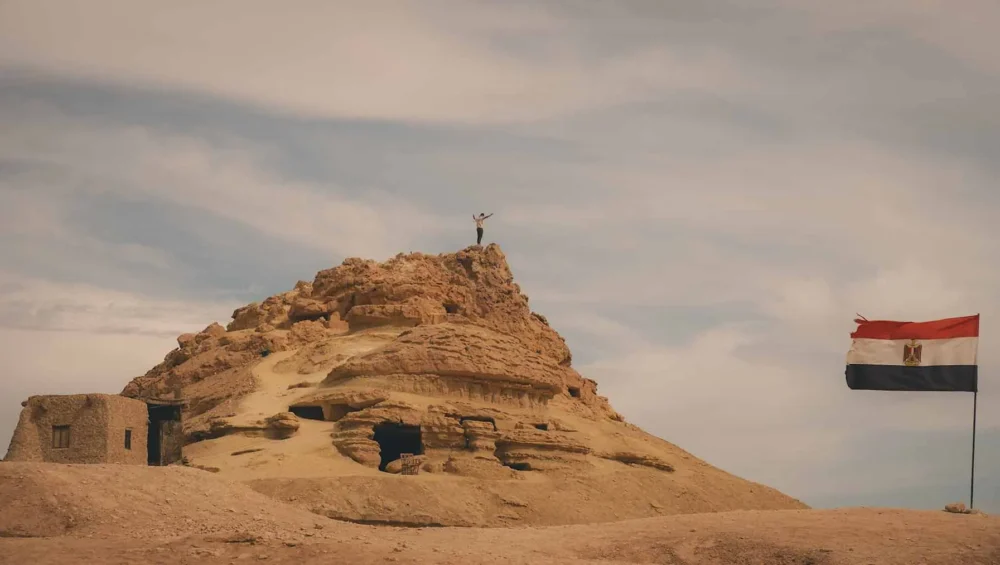
In the heart of the magnificent Siwa Oasis, nestled amidst the golden dunes of Egypt’s Western Desert, lies the haunting yet awe-inspiring Mountain of the Dead. Known locally as Gebel al-Mawta, this ancient necropolis stands as a silent sentinel over centuries of history, secrets, and sacred traditions. Rising modestly yet majestically from the desert sands, the mountain serves as both a reminder of Egypt’s deep spiritual roots and a captivating archaeological treasure. Its honeycomb of tombs carved into limestone cliffs whispers tales from the Late Pharaonic Age through the Greco-Roman era, illuminating the afterlife beliefs of one of the world’s oldest civilizations.
As you approach the mountain, the air is thick with mystery—this is no ordinary hill. From a distance, it appears like a weathered monument etched by time and wind, but as you draw nearer, openings reveal themselves: entrances to ancient tombs, many still adorned with faded but striking paintings and hieroglyphs. The Mountain of the Dead has intrigued historians, travelers, and spiritual seekers alike, pulling them toward its enigmatic charm. It’s not just a burial site—it’s a bridge connecting life and eternity, history and legend, sand and stone. Exploring this site offers an unmatched journey into Egypt’s desert soul, one far less crowded yet profoundly rich in wonder and intrigue.
Origins and Location of the Mountain of the Dead
The Mountain of the Dead rises on the northern edge of the Siwa Oasis, roughly 50 kilometers from the Libyan border. Historically isolated yet strategically placed, Siwa became an oasis of culture connecting ancient Egypt, Libya, and the Mediterranean world. The mountain itself, with its honeycomb appearance, contains hundreds of tombs carved into the limestone. These tombs date as far back as the 26th Dynasty but remained in use well into the Roman period. This makes the necropolis a living record of shifting artistic and spiritual trends spanning nearly a millennium.
The ancient Siwans believed the mountain was sacred ground. It provided refuge for the dead, a place where the departed could rest eternally near their descendants. Over centuries, natural disasters and local settlement growth led villagers to build homes within some tombs, transforming the site into an unlikely shelter in desperate times. Even today, traces of habitation remain—a testament to the resilience and continuity of Siwan life.
Historical Significance Through the Ages
Archaeological evidence suggests that the Mountain of the Dead gained prominence between the 26th Dynasty and the Ptolemaic era, coinciding with Siwa’s rise as an important religious center linked to the Oracle of Amun. Many tombs reflect this influence, featuring depictions of Egyptian gods like Anubis, Osiris, and Thoth, alongside Hellenistic artistic flourishes. This blend of Egyptian and Greek iconography underlines the cultural fusion that defined late Pharaonic Egypt. The Greek influence is particularly noticeable in the stylized frescoes and tomb architecture, where gods were often portrayed in hybrid forms bridging two civilizations’ mythologies.
The Rediscovery and Excavation of the Tombs
The necropolis largely remained untouched until the 20th century, when local villagers took refuge in its caves during World War II, fleeing Italian air raids targeting Siwa. It was during this tragic period that many tombs were rediscovered, revealing beautifully preserved murals and inscriptions. Archaeologists later uncovered a wealth of information from these burial sites—ornate jewelry, pottery, mummified remains, and inscriptions chronicling Siwa’s connection to Egypt’s major dynasties. Today, a handful of these tombs are open to visitors under careful supervision, while others remain closed to preserve their fragile artistry.
Famous Tombs Within the Necropolis
Among the hundreds of cavities dotting the Mountain of the Dead, several stand out for their historical and artistic importance. The Tomb of Si-Amun, the Tomb of the Crocodile, and the Tomb of the Priest are among the best preserved. The Tomb of Si-Amun remains especially noteworthy—it reflects a Greco-Egyptian fusion, with vivid murals showing the deceased adored by Egyptian deities yet painted in Greek stylistic form. The Tomb of the Crocodile reveals the sacred role of Sobek, the crocodile god, who symbolized fertility and strength. These tombs together recreate a vivid tableau of how Siwa’s residents perceived life, death, and divine harmony.
The Architecture and Artistic Craftsmanship
The tombs inside the Mountain of the Dead embody both simplicity and grandeur. Carved directly into limestone, the interiors were meticulously painted using natural pigments extracted from desert minerals. Despite enduring thousands of years of erosion and warfare, the surviving frescoes still radiate vibrant hues of ochre, red, and cobalt. Iconography often depicts resurrections, funerary offerings, and the weighing of the heart—a ritual underscoring moral purity before entry into the afterlife. These themes were common across Egypt, linking Siwa’s necropolis to sites like the Valley of the Queens and Abu Simbel Temples, yet with a distinct desert aesthetic.
Spiritual Symbolism and Beliefs About the Afterlife
The Mountain of the Dead isn’t merely an archaeological site—it’s a representation of the ancient Egyptian worldview. Siwans, like their Nile-dwelling ancestors, believed death was a transition, not an end. The position of the tombs on elevated terrain mirrored the symbolic ascent of the soul toward eternal light. The painted ceilings resembled night skies, dotted with stars, guiding the spirit through Duat—the Egyptian underworld. Tomb inscriptions serve as both prayers and maps, instructing the deceased on overcoming trials before uniting with Osiris in paradise. Many of these beliefs resonate with what’s found in temples like Seti’s Temple at Abydos and the Luxor Temple, linking Siwa spiritually with the heart of pharaonic Egypt.
The Connection Between Siwa and the Oracle of Amun
No monument in Siwa carries more mystical power than the Oracle of Amun. Its connection with the Mountain of the Dead lies in a shared belief system surrounding immortality and divine communication. Priests at the oracle performed sacred rituals echoing those depicted within the tombs. Many historians infer that high-ranking Siwans, perhaps even oracle priests themselves, were buried in the necropolis to remain eternally near the divine. The same winds that whispered through Amun’s temple still brush over the mountain’s crypts, carrying echoes of ancient invocations.
Visiting the Mountain of the Dead Today
Modern travelers yearning for authenticity find the Mountain of the Dead both contemplative and cinematic. Walking its narrow paths feels like slipping through an ancient portal—where silence, sand, and history fuse. Visitors can access the necropolis from the central oasis by foot, bicycle, or through organized Egypt Day Tours. The panoramic view from the mountain’s summit reveals Siwa’s glimmering salt lakes and lush palm groves—a sharp contrast to the solemnity of the tombs below. Pairing a visit to Gebel al-Mawta with nearby attractions such as Shali Castle, Cleopatra’s Spring, and the Temple of Umm Ubayd offers an unparalleled immersion into Siwa’s cultural landscape.
Responsible Tourism and Preservation Efforts
Given its fragile environment and historical importance, efforts are ongoing to preserve the necropolis’s delicate artwork. Conservationists emphasize controlled access and regular monitoring of humidity and temperature within tombs. Local guides, often descendants of ancient Siwan families, play a key role in educating visitors about respecting these sacred spaces. Participating in sustainable expeditions through reputable local operators such as Cindrella Egypt Travel ensures that every visit contributes to preserving Siwa’s heritage for future generations.
Travel Tips and Seasonal Considerations
The best time to explore the Mountain of the Dead is between October and April, when desert temperatures are milder. Early morning or late-afternoon visits cast the mountain in a magical amber glow, ideal for photography. Travelers often combine their trips with Siwa’s nearby dunes and hot springs. For refined experiences blending desert adventure and historical exploration, consider immersive itineraries such as the 7 Days Luxury Egypt Trip or the 10-Day Egypt Luxury Trip with Dahabiya Nile Cruise, both of which highlight the best of Egypt’s remote wonders.
FAQs About the Mountain of the Dead
What is the Mountain of the Dead in Siwa Oasis?
The Mountain of the Dead, or Gebel al-Mawta, is an ancient burial site located in the Siwa Oasis. It hosts hundreds of tombs carved into limestone cliffs, containing remains and vibrant frescoes from the Pharaonic, Greek, and Roman periods. It’s one of Egypt’s most captivating desert necropolises, symbolizing the Siwans’ devotion to the afterlife.
When was the Mountain of the Dead discovered?
Although known locally for centuries, the Mountain of the Dead gained global attention during World War II when locals sought shelter inside its tombs from air raids. This led to the rediscovery of exquisitely preserved tomb paintings and artifacts, sparking archaeological interest in Siwa’s cultural history.
Which tombs should tourists visit at the Mountain of the Dead?
The most recommended tombs include those of Si-Amun, the Crocodile, and the Priest. These showcase breathtaking artistry and provide insight into Siwa’s unique blend of Egyptian and Greek traditions. Guided tours help visitors appreciate the symbolism and craftsmanship of these ancient burial chambers.
Is it safe to visit the Mountain of the Dead?
Yes, Siwa Oasis is considered one of the safest destinations in Egypt. Visitors can explore the necropolis comfortably with the assistance of trained local guides. Reputable travel agencies, such as those organizing Egypt Private Tours or curated Luxury Egypt Tours, ensure a smooth and enriching journey.
How can visitors reach the Mountain of the Dead?
The necropolis lies just a short distance from the Siwa town center. Visitors can walk, bike, or join professional excursions as part of larger travel packages like the 9 Days Egypt and Nubia Tour or 6 Days Cairo to Luxor Tour, ensuring both exploration and comfort across the desert landscape.