
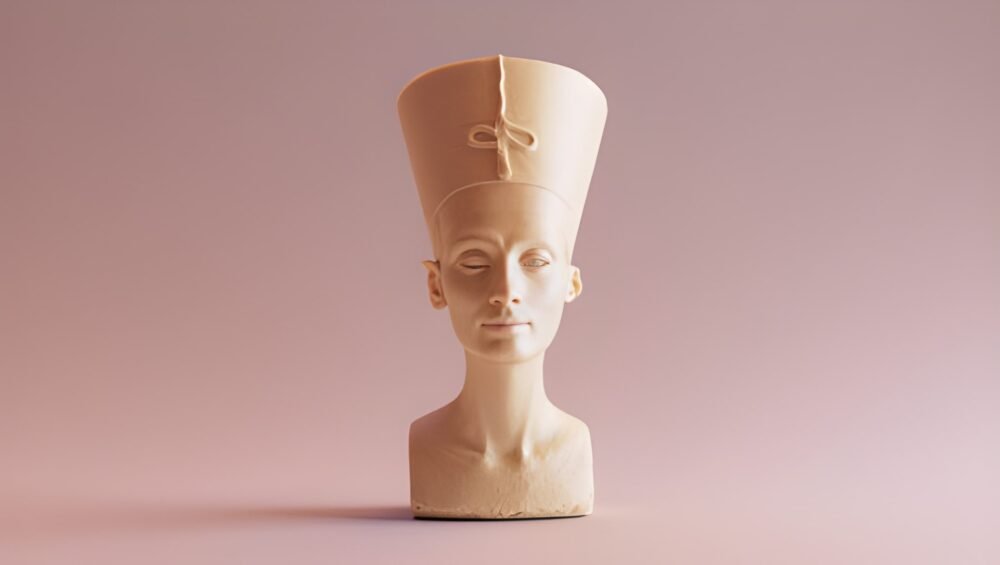
The Enigmatic Beauty and Legacy of Queen Nefertiti: The Radiant Lady of Ancient Egypt
Queen Nefertiti remains one of the most fascinating and influential figures in the storied history of ancient Egypt. Famous for her stunning beauty, immortalized in the iconic bust discovered at Amarna, Nefertiti wasn’t merely a royal consort. She was a visionary ruler who reshaped Egypt’s religious and cultural landscape alongside her husband, Pharaoh Akhenaten. Her name, meaning ‘The Beautiful One Has Come,’ resonates through time as a symbol of power, grace, and divine femininity. The Egyptian Queen Nefertiti played an essential role in one of Egypt’s most revolutionary eras, bridging art, spirituality, and politics like no woman before her.
Born in the mid-14th century BCE, Nefertiti’s story unfolds during the 18th Dynasty, a golden age of wealth and innovation. As the Great Royal Wife of Akhenaten, she participated in an ambitious religious transformation—the worship of a single god, Aten, the sun disk. This groundbreaking shift, known as the Amarna Period, set her apart as a queen who dared to defy traditional conventions. Some Egyptologists even surmise that, after her husband’s death, Nefertiti ruled as Pharaoh Neferneferuaten, exercising full sovereign authority. What’s more, her portrayal in temples and reliefs exhibits a queen depicted on equal footing with her king, an unprecedented image in Egyptian art.
Modern travelers intrigued by her legacy often combine cultural discovery with serene exploration on mesmerizing journeys like the 4 Day Cairo Tour Package or the luxurious 10 Day Cairo with Nile Cruise. Through these immersive experiences, visitors can glimpse the brilliance of Nefertiti’s era in world-class museums and along the stunning Nile Valley.
Early Life and Rise of the Egyptian Queen Nefertiti
Though much of Queen Nefertiti’s childhood remains cloaked in mystery, historians believe she was of noble lineage. Some theories suggest she was the daughter of Ay, who would later become Pharaoh, while others propose she hailed from a foreign royal family allied with Egypt. Regardless of her origins, her ascension to the throne marked a pivotal chapter in Egyptian history. Her marriage to Akhenaten thrust her into the heart of Egypt’s evolving religious and political scene. Together, they established Amarna, a new capital city dedicated to Aten, shifting Egypt’s power base from traditional strongholds like Thebes.
Exploring Egypt’s captivating capitals through tours such as the Cairo Day Tours or the elegant Luxor Day Tours gives travelers a glimpse into how the legacies of pharaohs and queens like Nefertiti sculpted Egyptian grandeur. These journeys showcase the architectural brilliance and sacred artistry birthed during her era of divine worship.
Nefertiti and the Religious Revolution of Aten
One of Queen Nefertiti’s crowning achievements was her pivotal role in the introduction of monotheism through the cult of Aten. Prior to Akhenaten’s reign, Egypt’s pantheon included gods such as Amun, Osiris, and Isis. Under their rule, these deities were supplanted by Aten, symbolizing divine light and creative energy. Nefertiti wasn’t merely a figurehead—she acted as a high priestess, aiding rituals and being depicted offering sacrifices, a role typically reserved for the pharaoh. This spiritual authority underscored her importance both as queen and as co-ruler.
The grandeur of this devotion can still be felt on Nile voyages akin to the 4 Day 3 Night Nile Cruise from Aswan to Luxor or the opulent Luxury Nile Cruise. The sites along the river, including temples in Luxor and as far as Amarna near modern El Minya, reveal captivating remnants of Egypt’s short-lived yet transformative monotheistic experiment.
The Art and Symbolism of Nefertiti’s Amarna Style
The Amarna Period ushered in a revolutionary artistic movement that reflected spiritual change through humanized depictions and softer aesthetics. Sculptors and painters portrayed Nefertiti and Akhenaten with elongated features and intimate family scenes—an unprecedented realism in Egyptian art. Her images radiate elegance and serenity, symbolizing harmony with the divine sun. The most famous artifact, the Nefertiti Bust, discovered in 1912 at Amarna, embodies timeless beauty and geopolitical intrigue, as museums worldwide vie for rights over its display.
Art enthusiasts touring iconic landmarks like the Grand Egyptian Museum or admiring relics during curated Private Tours to the Egyptian Museum can explore masterpieces that celebrate her legacy. These priceless artifacts connect visitors to the artistic genius of Nefertiti’s court, echoing perfection through sculpted limestone and painted relief.
Power, Politics, and Partnerships in Ancient Egypt
Nefertiti’s partnership with Akhenaten epitomized unity of ideology and governance. Together, they forged a model of shared authority that blurred conventional gender roles in royal leadership. Depictions of Nefertiti smiting enemies and wearing the crown of Pharaoh highlight her prominence. The couple’s vision, however, came at great cost—economic strain from religious upheaval and opposition from powerful priests of Amun eventually destabilized Egypt’s stability.
Travelers can reflect upon the echoes of that political turbulence while exploring stunning temples at Luxor and Karnak through scenic excursions like the Sound and Light Show at Karnak Temples or the Egypt Day Tours, where each carving whispers stories of visionary rulers and divine aspirations.
Was Nefertiti a Pharaoh in Her Own Right?
The mystery surrounding Nefertiti deepens following Akhenaten’s death. Scholars debate whether she assumed rule under the name Neferneferuaten or Smenkhkare. Evidence points to her continuing Aten’s worship before traditional deities regained power. If she indeed ruled, Nefertiti’s reign would mark a rare instance of female dominion in ancient Egypt, setting a precedent later echoed by queens like Hatshepsut and Cleopatra. Her possible co-regency remains one of Egyptology’s most intriguing enigmas.
History enthusiasts may trace these clues firsthand by visiting Amarna or embarking on enlightening expeditions covering fertility temples and royal tombs via the Private Tour to Dendera and Abydos from Luxor or the majestic 7 Days Cairo and Nile Cruise Package. Each historical site offers glimpses into Egypt’s resilience and transformation during and after Nefertiti’s rule.
The Enduring Legacy of Queen Nefertiti
Beyond her extraordinary beauty, Nefertiti’s lasting influence lies in her innovation. She symbolized a transformative vision for Egypt’s religious ideology, arts, and feminine authority. The artistic “Amarna style” she inspired transcended millennia, influencing sculptural aesthetics across civilizations. The queen’s bust remains a defining emblem of Ancient Egyptian identity, often associated with perfection and mystique. Equally significant is how her life story fuels modern conversations on women’s leadership and equality.
Tourists retracing her footsteps through the Luxury Egypt Tours or sailing serenely on the Nour El Nil Dahabeya sense her immortality in every sandstone monument and sunset along the Nile. Her influence still warms Egypt’s desert breeze—reminding humankind that clarity of vision can change the world.
The Mystery of Nefertiti’s Tomb
No archaeological discovery fascinates researchers quite like the search for Nefertiti’s tomb. Though her resting place has never been conclusively identified, some believe she lies hidden within the Valley of the Kings or perhaps near her daughter, Queen Ankhesenamun. Others propose that her burial chamber might connect to The Tomb of Nefertari, one of Egypt’s most lavish memorials. Advanced scanning of Tutankhamun’s tomb stirred worldwide excitement with hints of concealed chambers possibly belonging to the great queen herself.
Visitors can experience similar awe at ancient necropolises like the Valley of the Queens or the mysterious Abydos Temple. Standing amid these hallowed corridors, one almost feels Nefertiti’s ethereal presence, enwrapped in the divine whispers of eternity.
Influence on Modern Culture and Tourism
The Egyptian Queen Nefertiti continues to capture global imagination. Her likeness graces art, fashion, film, and literature, embodying timeless allure and intellectual empowerment. In Egypt, she has become both a cultural ambassador and a tourism emblem, drawing travelers eager to unveil her world. From curated exhibits at the Luxor Museum to historical expeditions along the Nile, her legend fuels fascination and fosters appreciation for Egypt’s glorious heritage.
Modern voyagers exploring ancient wonders through immersive journeys like the 8 Days Best Egypt Tour with Nile Cruise or the All Inclusive Egypt Vacations experience the prosperity, divinity, and romance that once defined her reign. Every sculpture, hieroglyph, and temple wall resonates with echoes of the incomparable Queen Nefertiti.
Frequently Asked Questions About The Egyptian Queen Nefertiti
Who Was Queen Nefertiti?
Queen Nefertiti was the Great Royal Wife of Pharaoh Akhenaten during Egypt’s 18th Dynasty. Revered for her beauty and political strength, she co-ruled during the Amarna Period, promoting the worship of Aten, the sun deity. Her influence extended beyond aesthetics—she shaped Egypt’s art, religion, and governance.
What Was Queen Nefertiti Known For?
Nefertiti is best known for her role in Egypt’s religious revolution and her striking artistic depictions. The exquisite Nefertiti Bust symbolizes her elegance and leadership. Her partnership with Akhenaten redefined the boundaries of female power in a male-dominated society.
Where Is Nefertiti’s Tomb Located?
The exact location of Queen Nefertiti’s tomb remains unknown. Many scholars speculate it lies within the Valley of the Kings or near the tomb of Tutankhamun. Ongoing research and scans may one day reveal her final resting place, solving one of Egypt’s greatest archaeological mysteries.
Did Queen Nefertiti Rule Egypt Alone?
Evidence suggests Nefertiti may have ruled Egypt after Akhenaten’s death under the name Neferneferuaten. Several inscriptions and artifacts imply her authority extended into a brief solo reign, marking her as one of Egypt’s few powerful female pharaohs.
Why Is Nefertiti Important in Egyptian History?
Queen Nefertiti exemplifies the golden age of Egyptian creativity and faith. Her influence redefined how art portrayed divinity and humanity. By promoting Aten, she spearheaded Egypt’s first experiment with monotheism, cementing her place among the most revolutionary leaders of ancient times.