The Blue Hole Of Dahab

The Blue Hole of Dahab – Egypt’s Mesmerizing Underwater Wonder

Nestled on the eastern coast of Egypt’s Sinai Peninsula, The Blue Hole of Dahab reigns as one of the most extraordinary underwater treasures in the world. This natural marine sinkhole, located just a few kilometers north of Dahab town, has long captured the fascination of adventurers, divers, and marine enthusiasts. Its mystique lies in its deep cobalt hue, sheer vertical drop, and a surrounding coral ecosystem that feels almost otherworldly. With depths plunging beyond 100 meters and a wealth of marine biodiversity, The Blue Hole of Dahab has earned both admiration and a touch of legend among global diving communities.

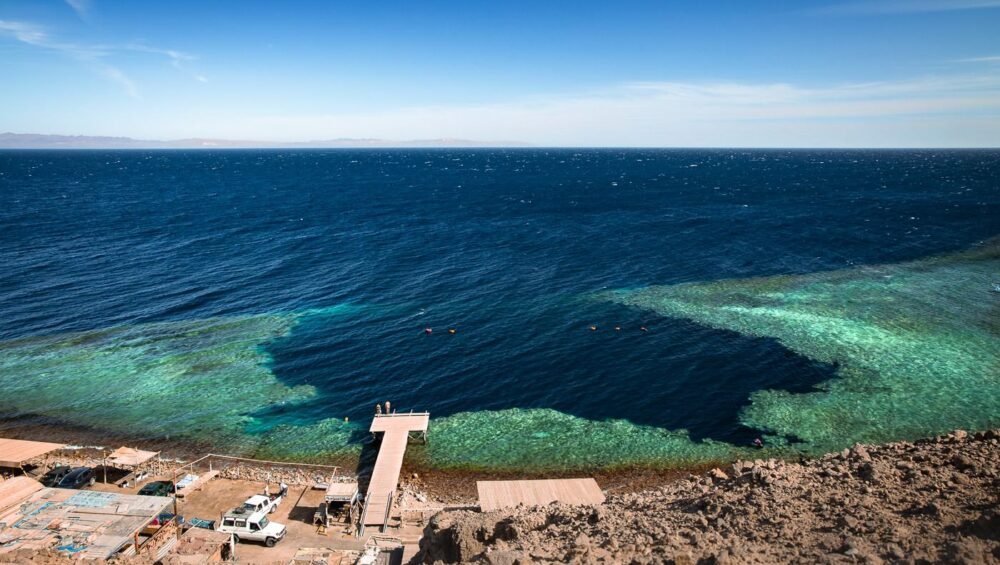
Approach it from the white-sand shoreline and the color gradient alone will take your breath away—a brilliant turquoise giving way to an almost midnight navy as the ocean floor dives suddenly beneath your feet. The blend of natural beauty, geological peculiarity, and underwater challenge creates a magnetism that’s impossible to resist. This famed site isn’t just about thrill-seeking; it’s an immersive journey into the Red Sea’s spirit. Combining unspoiled scenery, local Bedouin charm, and an aura of mystery, The Blue Hole of Dahab adds immeasurable value to any traveler’s Red Sea itinerary.

Geological Formation and Depth of The Blue Hole Dahab

Geologically, The Blue Hole of Dahab formed through complex processes of coral erosion, tectonic movement, and ancient seismic activity. Located near the reef drop-off, its diameter stretches around 80 meters, while its depths dip more than 100 meters, creating a near-perfect vertical tunnel into Egypt’s Red Sea basin. The surrounding coral formations mirror delicate sculptures—crafted by time and tide. Scientists postulate that the site may have originated from a collapsed cave system, slowly shaped over thousands of years through chemical and physical erosion.

Interestingly, what sets The Blue Hole apart from other underwater sinkholes is its unique archway—a submerged tunnel connecting the main hole to the outer reef at approximately 56 meters deep. This arch has become both an irresistible lure and a cautionary tale among divers. Only the most experienced technical divers dare to attempt it, fully equipped with rebreathers and redundancy systems. Beneath the surface, The Blue Hole of Dahab embodies nature’s most artistic expressions, blending sheer geological might with aquatic elegance.

Marine Life and Biodiversity in The Blue Hole Dahab

The Blue Hole’s ecosystem thrives with Red Sea biodiversity. Its sheltered configuration nurtures dense coral gardens, sponges, and schools of vivid fish. Among the creatures found are butterflyfish, angelfish, and clownfish darting between anemones. On any given dive, you might spot pelagic visitors—like reef sharks, tuna, or barracuda—cruising just past the outer rim. Because this ecosystem remains largely undisturbed, the coral walls glow with color when kissed by sunlight filtering through crystal-clear water.

In addition to vibrant hard and soft corals, the sinkhole’s outer edges host intriguing microhabitats—miniature ecosystems for seahorses and nudibranchs. For marine photographers and scientific researchers, The Blue Hole of Dahab is a living laboratory revealing how life adapts within extreme, light-limited aquatic environments. This constant interaction between geology, sunlight, and living organisms creates one of Egypt’s most captivating natural wonders.

Scuba Diving Experience: Adventure and Adrenaline

Diving The Blue Hole of Dahab is on every scuba enthusiast’s bucket list. Its mix of serene beauty and daring depths delivers an unparalleled thrill. Beginners often explore the upper portion, staying within recreational limits of 18 to 30 meters. These shallow zones still offer mesmerizing coral gardens and accessible routes lined with vibrant marine life. Technical divers, however, frequent the deeper arch—testing their mettle against nitrogen narcosis, depth management, and the awe of plunging into Egypt’s infinite blue.

Many diving schools operate from Dahab town offering a range of certifications, from beginner open-water to advanced technical diving. These diving centers emphasize strict safety protocols, using top-grade equipment and detailed briefings. The Blue Hole’s magnetism stems from the feeling it evokes: floating weightlessly within a colossal natural cathedral carved beneath the sea. There’s no comparable thrill anywhere else in the Red Sea. For those seeking a safer yet equally stunning alternative, nearby Three Pools Dahab and Blue Lagoon Dahab offer dazzling yet less extreme diving experiences.

Historical and Cultural Significance of Dahab

Dahab, translating to “gold” in Arabic, was once a Bedouin fishing village before evolving into a laid-back diving paradise. Unlike bustling resort towns, Dahab retains an authentic charm—a blend of desert serenity and coastal charisma. Local Bedouin communities still inhabit the region, offering warm hospitality, homemade food, and guided experiences steeped in Sinai tradition. Between dives, visitors can sip tea under palm shades or explore nearby treasures like the Colored Canyon and Mount Sinai.

The Bedouin presence not only grounds Dahab’s tourism in authenticity but also highlights harmonious coexistence with nature. Travelers often describe this destination as Egypt’s bohemian oasis—an open invitation to disconnect from modern chaos. Here, in proximity to The Blue Hole, the Red Sea and the Sinai desert converge into an awe-inspiring landscape, illuminated by the golden hues of dawn and dusk.

Safety Guidelines and Responsible Diving Practices

While The Blue Hole’s beauty is undeniable, it carries certain risks that demand respect and preparation. The deep vertical drop and deceptive visibility can easily challenge even seasoned divers. Therefore, following established dive plans, reading depth gauges frequently, and avoiding overconfidence are critical. Dive instructors in Dahab emphasize buoyancy control, gas management, and adherence to recreational depth limits. For non-divers, snorkeling around the rim provides a safe yet equally breathtaking view of this natural masterpiece.

Responsible diving also involves protecting coral formations. Avoid touching reefs, control fin movements, and use reef-friendly sunscreens. The Blue Hole of Dahab exemplifies how nature rewards those who approach it with reverence and awareness.

How to Reach The Blue Hole of Dahab

Reaching The Blue Hole is straightforward. Travelers usually land in Sharm El Sheikh International Airport before heading north along the 90-minute scenic coastal drive to Dahab. Taxi services and organized transfers connect easily. Many choose to combine the trip with Sharm El Sheikh Day Tours for a broader Red Sea exploration. Alternatively, those seeking more desert experiences can continue toward Nuweiba or visit the serene St. Catherine’s Monastery.

Once in Dahab, standard transportation options include hired jeeps, motorcycles, or rented bicycles. The journey to The Blue Hole passes along rugged cliffs with scenic sea views—a teaser of the natural drama awaiting below the surface.

Best Time to Visit The Blue Hole Dahab

The best time to dive or snorkel in The Blue Hole of Dahab stretches between March and November, when water visibility peaks and Red Sea currents remain calm. Surface temperatures hover between 23°C and 30°C, offering an ideal blend of comfort and clarity. Early morning dives often reward visitors with tranquil seas and rays of sunlight cutting through water like liquid glass. For underwater photographers, these months provide unmatched visibility, enhancing coral color intensity and marine detail capture.

Other Attractions Around Dahab

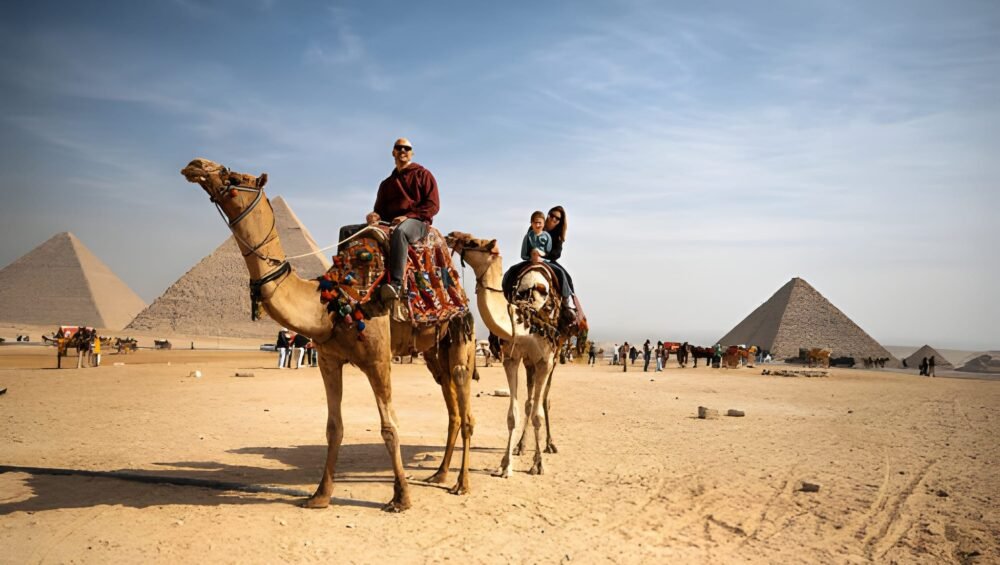
Beyond The Blue Hole, Dahab brims with outdoor pursuits. You can explore the mystical St Catherine and Colored Canyon by Jeep for breathtaking desert scenery or enjoy a Dahab Day Tour across local highlights. Adventurers often combine their trip with a hike to Mount Sinai, camel treks through the desert, or snorkeling at the nearby reefs surrounding Ras Abu Galum.

For a broader Egyptian experience, travelers can transition effortlessly from Dahab to Nile-side luxury by embarking on a Luxury Nile Cruise, blending the tranquility of Sinai’s seascapes with the timeless wonders along the Nile. Those fascinated by Egypt’s cultural tapestry can immerse themselves in Cultural Tours Egypt.

Why The Blue Hole of Dahab Is Called the Diver’s Heaven and the Diver’s Grave

Perhaps no site evokes as much contradiction as The Blue Hole of Dahab. Its ethereal beauty lures countless divers, while its challenging depth has sadly led to accidents—earning it the eerie nickname “the diver’s graveyard.” Yet, those who venture respectfully find it one of the most rewarding dives on Earth. The contrast between serenity and risk defines its allure. Proper training, cautious planning, and diving within certified limits ensure a safe yet remarkable experience. Local memorials at the site serve as reminders of the respect this natural formation demands.

Still, The Blue Hole of Dahab remains an irreplaceable global treasure—a testament to both nature’s grandeur and humanity’s yearning to explore beyond limits.

FAQs About The Blue Hole of Dahab

What is The Blue Hole of Dahab known for?

The Blue Hole of Dahab is world-renowned for its stunning marine biodiversity, vertical underwater drop, and signature archway connecting to the open Red Sea. It’s considered one of the premier diving spots globally, attracting adventurers eager to explore its clear waters and unique geology.

Is The Blue Hole of Dahab safe for beginners?

While the upper coral rims are great for snorkeling and beginner dives, the deeper zones require strict supervision and experience. Certified instructors ensure safety by keeping beginners within secure depth limits.

How deep is The Blue Hole Dahab?

The Blue Hole reaches depths exceeding 100 meters. Recreational divers usually remain within 30 meters, while technical divers explore deeper regions including the famous arch, located around 56 meters below the surface.

Where is The Blue Hole located in Egypt?

This remarkable sinkhole lies about 10 kilometers north of Dahab, along the Red Sea coast of South Sinai, Egypt. The drive from Sharm El Sheikh takes roughly one and a half hours.

What marine life can you see in The Blue Hole Dahab?

Expect a dazzling array of coral species, including brain coral, table coral, and fire coral. Common marine life includes butterflyfish, parrotfish, groupers, wrasses, and occasional sightings of reef sharks or dolphins cruising through the outer walls.

What’s the best time to visit The Blue Hole Dahab?

March through November provides optimal diving conditions with warm temperatures and excellent visibility. Morning and midday dives yield the best light conditions for underwater photography.

Can you visit The Blue Hole without diving?

Absolutely. Non-divers can enjoy snorkeling or simply soaking in the views from shoreline cafés. Local guides also provide eco-awareness tours introducing visitors to the region’s marine conservation projects.
Sinai & Red Sea

Sinai & Red Sea – Egypt’s Breathtaking Fusion of History, Spirituality, and Natural Wonder

Nestled between Asia and Africa, the Sinai Peninsula and the Red Sea form one of the most exhilarating and diverse regions in the world. With majestic desert terrains, ancient monasteries, sacred mountains, and dazzling coral reefs, Sinai & Red Sea stand as symbols of history, spirituality, and natural harmony. This region draws adventurers, divers, and pilgrims alike. It’s a land where Moses is said to have received the Ten Commandments, where pharaohs built trade routes, and where crystal-clear waters hide vivid marine ecosystems that captivate every visitor lucky enough to dive beneath the surface.

The Red Sea, with its kaleidoscope of coral and marine life, is home to some of the planet’s most famous dive sites, while Sinai’s rugged mountains conceal centuries of secrets. From the serene drive through the desert to sacred Mount Sinai, to the lively shores of Sharm El Sheikh and Dahab, this region is a masterpiece crafted by time itself. For travelers seeking an unforgettable mix of spiritual serenity, adrenaline-pumping adventure, and seaside luxury, Sinai & Red Sea rise as Egypt’s crown jewels. Whether you come for the breathtaking sunrise from Mount Sinai or the vibrant reefs of Ras Mohammed National Park, this destination promises an experience beyond imagination.

Discovering the Sinai Peninsula: Where Desert Meets Divinity

The Mount Sinai (Jebel Musa) range towers over Egypt’s landscape with biblical significance that attracts pilgrims from all over the world. For centuries, travelers have trekked the winding trails to watch the sun rise over the Red Sea and the mountains of Arabia, a sight that leaves even the most seasoned explorers speechless. Nearby, the St. Catherine’s Monastery stands as one of the oldest functioning Christian monasteries in existence. Its library preserves ancient texts and priceless icons, while its walls have sheltered monks and wanderers seeking solace since the 6th century.

Sinai’s deserts tell their own stories — of wandering tribes, Bedouin traditions, and silent dunes stretching to infinity. For those drawn to inner peace and reflection, hiking up Mount Sinai or exploring the Colored Canyon near Nuweiba opens doorways to a timeless experience. The hues of sandstone and limestone here, sculpted by millennia of wind and water, make every turn a work of art crafted by nature.

Spiritual Journeys and Desert Adventures

Many travelers embark on guided climbs and overnight pilgrimages, joining candle-lit processions ascending Mount Sinai under a blanket of stars. At dawn, the summit becomes a sea of golden light. It’s no wonder the Mount Sinai & St. Catherine Monastery tours are among Egypt’s most sought-after spiritual excursions. Beyond religion, Sinai’s landscape invites physical exploration — trekkers, rock climbers, and photographers find endless inspiration among its canyons and dunes. Opportunities abound for jeep safaris, camel rides, or meditative solitude under the desert’s boundless sky.

The Red Sea: A Coral Kingdom of Underwater Wonders

Stretching along Egypt’s eastern coast, the Red Sea is a living gallery of marine diversity and color. Renowned among divers and snorkelers, it’s home to over 200 coral species and thousands of fish unique to this region. Popular hubs like Sharm El Sheikh, Dahab, and Marsa Alam cater to both luxurious escapes and humble retreats for nature enthusiasts alike.

The Red Sea’s coral reefs are considered among the healthiest on Earth. Diving at the Ras Mohammed National Park, located at the tip of Sinai, reveals walls of coral teeming with fish in neon disguises. Meanwhile, the Blue Hole of Dahab remains an iconic dive site — both beautiful and challenging. Sharm El Sheikh, the “City of Peace,” offers a vast range of Red Sea resorts, from all-inclusive sanctuaries to eco-lodges set amid crystal waters.

Diving and Snorkeling Adventures in the Red Sea

For underwater enthusiasts, it’s paradise. From shallow snorkeling sites to deep wreck dives, there’s no shortage of aquatic magic. Tours like Scuba Diving Sharm El Sheikh and Snorkeling Trip to Tiran Island showcase reefs so vibrant they rival any tropical destination worldwide. Every ripple beneath the Red Sea connects travelers to an ancient marine world untouched by time — sea turtles, moray eels, dolphins, and even occasional reef sharks blend seamlessly into nature’s rhythm.

Those preferring to stay dry can still admire the seascape through glass-bottom boats or semi-submarine trips like the Semi Submarine Trip in Sharm El Sheikh. Whether you’re a thrill-seeker or a casual wanderer, the Red Sea’s beauty never fails to impress.

Sharm El Sheikh and Dahab: Egypt’s Coastal Treasures

The region hosts dynamic towns — Sharm El Sheikh, Dahab, and Nuweiba — each blending local charm with cosmopolitan energy. Sharm El Sheikh dazzles with luxury resorts, vibrant nightlife, and high-end diving centers. Dahab, once a sleepy Bedouin fishing village, now attracts backpackers and yogis looking for laid-back vibes and affordable seaside retreats. Its artistic soul and endless horizon make it perfect for reflection and reconnection.

This coastal belt also serves as a jump-off point for day tours like the St Catherine and Colored Canyon by Jeep or a Petra Tour from Sharm by Cruise, linking travelers to Jordan’s ancient wonders across the Gulf of Aqaba. All in all, Sinai & Red Sea embody adventure with a soul.

Luxury and Leisure by the Red Sea

Indulgence thrives here — from exotic spas overlooking turquoise bays to gourmet dining under starlit skies. Those seeking opulent experiences can combine visits with curated trips such as Luxury Egypt Tours or Egypt Family Tours. Even short itineraries like 7 Days Egypt Adventure Tour often include Red Sea highlights. For an extraordinary blend of history and leisure, some couples choose to celebrate special occasions on selective Dahabiya vessels like the Luxury Dahabiya Nile Cruise, extending their trip beyond the coast.

Unwind in Style – Beachfront Bliss Awaits

All-inclusive resorts and tranquil boutique hotels hug pristine beaches across Sharm, Marsa Alam, and El Gouna. They’re designed for complete relaxation — with infinity pools kissing the deep blue horizon and spa treatments infused with local herbs and sea salt. Guests can also explore offbeat safaris such as the Desert Safari Trip by Quad Bike or romantic evening experiences like the Bedouin Safari and Star Gazing Tour.

Ecological and Cultural Harmony in Sinai & Red Sea

What sets Sinai & Red Sea apart isn’t only the natural beauty but the cultural interplay between Bedouin heritage and modern tourism. Bedouin tribes maintain strong ties to the land, preserving ecological knowledge and storytelling traditions passed down for centuries. Sustainable travel is flourishing here — eco-lodges powered by solar energy and local guides highlight community-based experiences that safeguard the fragile desert and sea balance.

Travelers passionate about responsible exploration can join nature-focused programs such as Eco Tours in Egypt, emphasizing conservation across reefs, deserts, and villages. Local handicrafts, organic cuisine, and authentic interactions make every visit deeply meaningful.

Preserving a Precious Heritage for the Future

Coral bleaching, overfishing, and mass tourism pose threats, yet Egypt has made remarkable strides in marine conservation through protected zones like Ras Mohammed and Wadi El Gemal National Park. Combined with community involvement, these efforts ensure that future generations can admire the same dazzling sights. Initiatives also encourage divers to practice eco-friendly habits—no touch, no take—to preserve nature’s delicate masterpiece.

Practical Travel Tips for Exploring Sinai & Red Sea

Travelers flying into Sharm El Sheikh International Airport find smooth access to most Red Sea resorts. Diving certification centers welcome enthusiasts of all levels, while desert tours operate year-round. The best time to visit? Spring and autumn deliver ideal temperatures, crystal waters, and calm winds for water activities.

When planning your trip, consider combining a historical journey through Cairo or Upper Egypt with relaxing days by the sea. Multi-destination itineraries like 8 Days Best Egypt Tour with Nile Cruise offer the perfect balance of culture and coastal bliss. From ancient temples to coral gardens, your Egyptian adventure unfolds seamlessly.

FAQs About Sinai & Red Sea

What makes Sinai & Red Sea unique compared to other regions in Egypt?

The region combines unmatched spiritual depth, historical significance, and natural wonders. Pilgrimage sites like Mount Sinai stand beside resort towns offering world-class diving in the Red Sea. Few destinations on Earth merge sacred heritage with underwater paradise so beautifully.

When’s the best time to visit Sinai & Red Sea?

The optimal months are March to May and September to November. These periods provide pleasant weather for hiking, diving, and sightseeing. Summer can be hot inland but perfect along the coast, while winter evenings become refreshingly cool in the desert.

Is Sinai & Red Sea safe for tourists?

Yes. Security in major tourist areas like Sharm El Sheikh, Dahab, and Nuweiba is high, and local authorities ensure travelers’ comfort. Choosing reputable agencies like Cindrella Egypt Travel guarantees well-organized, secure experiences.

What activities should first-time visitors try?

Don’t miss climbing Mount Sinai at sunrise, snorkeling in Ras Mohammed National Park, or taking a jeep through the Colored Canyon. For water sports enthusiasts, diving the Blue Hole or Tiran Island reefs will become highlights of a lifetime.

How can travelers practice sustainable tourism in Sinai & Red Sea?

Support local Bedouin guides, avoid touching corals, and reduce plastic waste. Choose eco-certified accommodations, participate in community-driven projects, and follow responsible diving guidelines to help keep the region’s ecosystems flourishing for generations to come.

The Mountain Of The Dead

The Mountain of the Dead: Unfolding the Mysteries of Egypt’s Ancient Necropolis

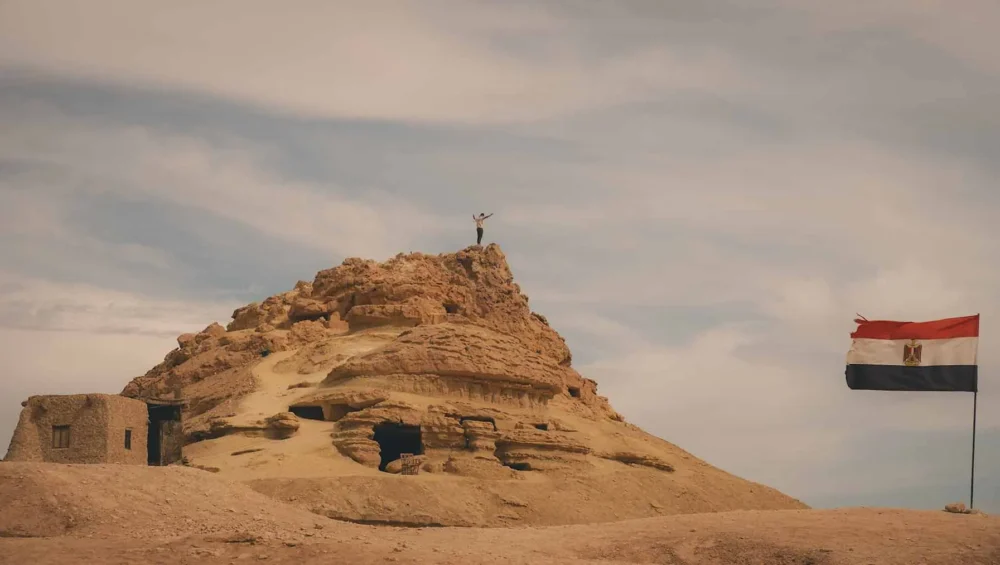
In the heart of the magnificent Siwa Oasis, nestled amidst the golden dunes of Egypt’s Western Desert, lies the haunting yet awe-inspiring Mountain of the Dead. Known locally as Gebel al-Mawta, this ancient necropolis stands as a silent sentinel over centuries of history, secrets, and sacred traditions. Rising modestly yet majestically from the desert sands, the mountain serves as both a reminder of Egypt’s deep spiritual roots and a captivating archaeological treasure. Its honeycomb of tombs carved into limestone cliffs whispers tales from the Late Pharaonic Age through the Greco-Roman era, illuminating the afterlife beliefs of one of the world’s oldest civilizations.

As you approach the mountain, the air is thick with mystery—this is no ordinary hill. From a distance, it appears like a weathered monument etched by time and wind, but as you draw nearer, openings reveal themselves: entrances to ancient tombs, many still adorned with faded but striking paintings and hieroglyphs. The Mountain of the Dead has intrigued historians, travelers, and spiritual seekers alike, pulling them toward its enigmatic charm. It’s not just a burial site—it’s a bridge connecting life and eternity, history and legend, sand and stone. Exploring this site offers an unmatched journey into Egypt’s desert soul, one far less crowded yet profoundly rich in wonder and intrigue.

Origins and Location of the Mountain of the Dead

The Mountain of the Dead rises on the northern edge of the Siwa Oasis, roughly 50 kilometers from the Libyan border. Historically isolated yet strategically placed, Siwa became an oasis of culture connecting ancient Egypt, Libya, and the Mediterranean world. The mountain itself, with its honeycomb appearance, contains hundreds of tombs carved into the limestone. These tombs date as far back as the 26th Dynasty but remained in use well into the Roman period. This makes the necropolis a living record of shifting artistic and spiritual trends spanning nearly a millennium.

The ancient Siwans believed the mountain was sacred ground. It provided refuge for the dead, a place where the departed could rest eternally near their descendants. Over centuries, natural disasters and local settlement growth led villagers to build homes within some tombs, transforming the site into an unlikely shelter in desperate times. Even today, traces of habitation remain—a testament to the resilience and continuity of Siwan life.

Historical Significance Through the Ages

Archaeological evidence suggests that the Mountain of the Dead gained prominence between the 26th Dynasty and the Ptolemaic era, coinciding with Siwa’s rise as an important religious center linked to the Oracle of Amun. Many tombs reflect this influence, featuring depictions of Egyptian gods like Anubis, Osiris, and Thoth, alongside Hellenistic artistic flourishes. This blend of Egyptian and Greek iconography underlines the cultural fusion that defined late Pharaonic Egypt. The Greek influence is particularly noticeable in the stylized frescoes and tomb architecture, where gods were often portrayed in hybrid forms bridging two civilizations’ mythologies.

The Rediscovery and Excavation of the Tombs

The necropolis largely remained untouched until the 20th century, when local villagers took refuge in its caves during World War II, fleeing Italian air raids targeting Siwa. It was during this tragic period that many tombs were rediscovered, revealing beautifully preserved murals and inscriptions. Archaeologists later uncovered a wealth of information from these burial sites—ornate jewelry, pottery, mummified remains, and inscriptions chronicling Siwa’s connection to Egypt’s major dynasties. Today, a handful of these tombs are open to visitors under careful supervision, while others remain closed to preserve their fragile artistry.

Famous Tombs Within the Necropolis

Among the hundreds of cavities dotting the Mountain of the Dead, several stand out for their historical and artistic importance. The Tomb of Si-Amun, the Tomb of the Crocodile, and the Tomb of the Priest are among the best preserved. The Tomb of Si-Amun remains especially noteworthy—it reflects a Greco-Egyptian fusion, with vivid murals showing the deceased adored by Egyptian deities yet painted in Greek stylistic form. The Tomb of the Crocodile reveals the sacred role of Sobek, the crocodile god, who symbolized fertility and strength. These tombs together recreate a vivid tableau of how Siwa’s residents perceived life, death, and divine harmony.

The Architecture and Artistic Craftsmanship

The tombs inside the Mountain of the Dead embody both simplicity and grandeur. Carved directly into limestone, the interiors were meticulously painted using natural pigments extracted from desert minerals. Despite enduring thousands of years of erosion and warfare, the surviving frescoes still radiate vibrant hues of ochre, red, and cobalt. Iconography often depicts resurrections, funerary offerings, and the weighing of the heart—a ritual underscoring moral purity before entry into the afterlife. These themes were common across Egypt, linking Siwa’s necropolis to sites like the Valley of the Queens and Abu Simbel Temples, yet with a distinct desert aesthetic.

Spiritual Symbolism and Beliefs About the Afterlife

The Mountain of the Dead isn’t merely an archaeological site—it’s a representation of the ancient Egyptian worldview. Siwans, like their Nile-dwelling ancestors, believed death was a transition, not an end. The position of the tombs on elevated terrain mirrored the symbolic ascent of the soul toward eternal light. The painted ceilings resembled night skies, dotted with stars, guiding the spirit through Duat—the Egyptian underworld. Tomb inscriptions serve as both prayers and maps, instructing the deceased on overcoming trials before uniting with Osiris in paradise. Many of these beliefs resonate with what’s found in temples like Seti’s Temple at Abydos and the Luxor Temple, linking Siwa spiritually with the heart of pharaonic Egypt.

The Connection Between Siwa and the Oracle of Amun

No monument in Siwa carries more mystical power than the Oracle of Amun. Its connection with the Mountain of the Dead lies in a shared belief system surrounding immortality and divine communication. Priests at the oracle performed sacred rituals echoing those depicted within the tombs. Many historians infer that high-ranking Siwans, perhaps even oracle priests themselves, were buried in the necropolis to remain eternally near the divine. The same winds that whispered through Amun’s temple still brush over the mountain’s crypts, carrying echoes of ancient invocations.

Visiting the Mountain of the Dead Today

Modern travelers yearning for authenticity find the Mountain of the Dead both contemplative and cinematic. Walking its narrow paths feels like slipping through an ancient portal—where silence, sand, and history fuse. Visitors can access the necropolis from the central oasis by foot, bicycle, or through organized Egypt Day Tours. The panoramic view from the mountain’s summit reveals Siwa’s glimmering salt lakes and lush palm groves—a sharp contrast to the solemnity of the tombs below. Pairing a visit to Gebel al-Mawta with nearby attractions such as Shali Castle, Cleopatra’s Spring, and the Temple of Umm Ubayd offers an unparalleled immersion into Siwa’s cultural landscape.

Responsible Tourism and Preservation Efforts

Given its fragile environment and historical importance, efforts are ongoing to preserve the necropolis’s delicate artwork. Conservationists emphasize controlled access and regular monitoring of humidity and temperature within tombs. Local guides, often descendants of ancient Siwan families, play a key role in educating visitors about respecting these sacred spaces. Participating in sustainable expeditions through reputable local operators such as Cindrella Egypt Travel ensures that every visit contributes to preserving Siwa’s heritage for future generations.

Travel Tips and Seasonal Considerations

The best time to explore the Mountain of the Dead is between October and April, when desert temperatures are milder. Early morning or late-afternoon visits cast the mountain in a magical amber glow, ideal for photography. Travelers often combine their trips with Siwa’s nearby dunes and hot springs. For refined experiences blending desert adventure and historical exploration, consider immersive itineraries such as the 7 Days Luxury Egypt Trip or the 10-Day Egypt Luxury Trip with Dahabiya Nile Cruise, both of which highlight the best of Egypt’s remote wonders.

FAQs About the Mountain of the Dead

What is the Mountain of the Dead in Siwa Oasis?

The Mountain of the Dead, or Gebel al-Mawta, is an ancient burial site located in the Siwa Oasis. It hosts hundreds of tombs carved into limestone cliffs, containing remains and vibrant frescoes from the Pharaonic, Greek, and Roman periods. It’s one of Egypt’s most captivating desert necropolises, symbolizing the Siwans’ devotion to the afterlife.

When was the Mountain of the Dead discovered?

Although known locally for centuries, the Mountain of the Dead gained global attention during World War II when locals sought shelter inside its tombs from air raids. This led to the rediscovery of exquisitely preserved tomb paintings and artifacts, sparking archaeological interest in Siwa’s cultural history.

Which tombs should tourists visit at the Mountain of the Dead?

The most recommended tombs include those of Si-Amun, the Crocodile, and the Priest. These showcase breathtaking artistry and provide insight into Siwa’s unique blend of Egyptian and Greek traditions. Guided tours help visitors appreciate the symbolism and craftsmanship of these ancient burial chambers.

Is it safe to visit the Mountain of the Dead?

Yes, Siwa Oasis is considered one of the safest destinations in Egypt. Visitors can explore the necropolis comfortably with the assistance of trained local guides. Reputable travel agencies, such as those organizing Egypt Private Tours or curated Luxury Egypt Tours, ensure a smooth and enriching journey.

How can visitors reach the Mountain of the Dead?

The necropolis lies just a short distance from the Siwa town center. Visitors can walk, bike, or join professional excursions as part of larger travel packages like the 9 Days Egypt and Nubia Tour or 6 Days Cairo to Luxor Tour, ensuring both exploration and comfort across the desert landscape.

Dakhla Oasis

Dakhla Oasis: The Hidden Paradise of Egypt’s Western Desert

Embraced by golden dunes and framed by ancient sandstone cliffs, Dakhla Oasis stands as one of Egypt’s most alluring desert getaways. Imagine a place where lush palm groves whisper beside mudbrick villages, where ancient temples peek out of the sands, and where tranquility hangs thick in the warm desert breeze. This oasis, one of the five major oases of Egypt’s Western Desert, is much more than a patch of green in the Sahara — it’s a living museum of history, culture, and nature’s resilience.

Located approximately 750 kilometers southwest of Cairo, Dakhla Oasis offers an unmatched blend of archaeological marvels, natural hot springs, and centuries-old traditions. Visitors who wander off the beaten path discover not just ruins and tombs, but also living heritage — from handcraft pottery and palm weaving to Bedouin storytelling under starlit skies. The beauty of Dakhla Oasis doesn’t lie merely in its landscapes, but in how time seems to have slowed here, allowing generations to preserve their connection with Egypt’s ancient heart.

Travelers exploring Dakhla Oasis as part of extended desert adventures often connect their journey with nearby marvels such as the Bahariya Oasis, White Desert, and Farafra Oasis. The road trip through these remote jewels feels like stepping into a postcard framed by nature’s purest artistry. Yet despite its remote feel, Dakhla is filled with life, warmth, and captivating adventures — all revealing why this fertile cradle has been home to Egyptians for over 10,000 years.

Geographical Setting and Unique Landscape of Dakhla Oasis

Dakhla Oasis sits roughly in the heart of Egypt’s New Valley Governorate, surrounded by an ocean of golden dunes, rocky escarpments, and fertile agricultural fields. Stretching over 80 kilometers, it’s one of the most picturesque oases in the Western Desert. The oasis is nourished by underground aquifers that date back to ancient geological ages, enabling crops to flourish in one of the driest regions on the planet. With more than forty villages and hamlets tucked among date palms and fig trees, Dakhla Oasis feels like a patchwork of green life stitched into the desert’s endless fabric.

The scenery here mesmerizes any traveler. Rolling dunes dissolve into salt lakes, and ancient mudbrick settlements blend seamlessly with their surroundings. While other oases like Siwa Oasis and Kharga Oasis are more popular, Dakhla offers a sensation of hidden exclusivity. It remains remote, authentic, and refreshingly untouched by mass tourism. The natural beauty, combined with the presence of ancient settlements, gives travelers an unparalleled mix of serenity and discovery in one scenic expanse.

Ancient History and Archaeological Treasures of Dakhla Oasis

The story of Dakhla Oasis stretches deep into prehistoric times. Archaeological discoveries prove that humans have lived here since the Neolithic era, sustained by springs and fertile lands. During the Pharaonic period, Dakhla served as an important trade and agricultural center connecting Egypt’s Nile Valley to the western deserts. Excavations uncovered remains from the Old Kingdom through the Roman and Islamic periods, revealing continuous habitation through millennia.

One of Dakhla’s crown jewels is the ancient village of Mut, the oasis capital. Nearby, the temple of Deir el-Hagar, a Roman sandstone temple built in homage to the Theban triad — Amun, Mut, and Khonsu — stands as a glorious testament to imperial devotion. Other historic gems include Al Qasr, a medieval Islamic town with narrow alleys, wooden balconies, and mosques that have stood the test of time. Archaeologists have also unearthed well-preserved Greco-Roman tombs adorned with stunningly vivid reliefs and colorful frescoes. These sites weave a historical fabric unmatched by many other destinations across the Western Desert.

Cultural Heritage and Local Life in Dakhla Oasis

Life in Dakhla Oasis revolves around ancient customs passed down with pride. Locals cultivate wheat, rice, and dates using traditional irrigation techniques, while women produce exquisite clay pottery and palm leaf handicrafts. The oasis’s artisans keep centuries-old Egyptian craftsmanship alive, blending modern creativity with ancestral legacy. It’s easy for visitors to lose themselves in village markets, where the lively chatter of traders harmonizes with the scent of dates and spices.

Hospitality is deeply rooted in Dakhla’s culture. Guests are welcomed with tea brewed over open fires and shared tales that bring the desert’s mysteries to life. Travelers can visit small museums managed by locals, gaining a window into the daily lives of people who have thrived for generations despite formidable desert conditions. For cultural enthusiasts, Dakhla offers a soulful connection to Egypt’s enduring identity.

Hot Springs and Natural Attractions in Dakhla Oasis

Dakhla Oasis also enchants visitors with its natural offerings, especially its renowned hot springs. Therapeutic mineral waters bubble up from deep underground, attracting travelers seeking relaxation and wellness. Among the most famous are Bir Talata and Mut Hot Springs, both surrounded by date palms and sand dunes. The contrast between the cool desert air and steamy spring waters creates an unforgettable experience.

Nature lovers can explore nearby geological wonders and sand plateaus that transform with the shifting desert light. The landscape around Dakhla mirrors the striking spectacles of the Black and White Desert. Each sunrise paints the dunes in shades of amber, and every sunset unveils an orchestra of colors across the horizon. Photographers, eco-travelers, and star watchers flock to Dakhla for pristine night skies unmarred by city light pollution, making it an ideal location for celestial observation.

Adventure Travel and Eco-Tourism Around Dakhla Oasis

Eco-tourism in Dakhla Oasis has been on the rise, as more travelers seek authentic adventures far from crowded sites. Desert safaris, sandboarding, and guided hikes through ancient settlements provide a rush of both adrenaline and culture. Enthusiasts often combine Dakhla explorations with extended desert expeditions, tracing routes that include visits to the Great Sand Sea and the Wadi El Rayan protected area.

Sustainability plays a growing role here. Eco-lodges built from natural materials demonstrate the oasis’s balance between tradition and modernity. These accommodations allow guests to experience Egyptian desert life while minimizing environmental footprints. Combined with cultural awareness, Dakhla’s eco-tourism potential continues to capture the attention of travelers who value preservation and authenticity.

Must-Visit Places in Dakhla Oasis

Among Dakhla’s most enchanting landmarks, Al Qasr takes center stage. This Islamic-era town, built mostly of mudbrick and wood, has maze-like streets reminiscent of medieval Cairo’s Old Town. Visitors walk beneath arched passageways while the air hums with the scent of desert wind and history. Another must-see is the remote settlement of Balat, home to Old Kingdom tombs and mudbrick fortresses that once guarded the oasis’s trade routes.

For a glimpse of Roman grandeur, Deir el-Hagar temple offers well-preserved hieroglyphs and elegant columned facades surrounded by desert silence. Archaeological exploration around Balat’s necropolis reveals mastabas belonging to governors from Egypt’s Sixth Dynasty — some of the earliest examples of painted desert tomb art. Each corner of Dakhla offers both historical depth and photographic perfection, captivating every curious spirit who ventures into its fold.

Best Time to Visit and Travel Tips for Dakhla Oasis

The best time to visit Dakhla Oasis is from October to April when temperatures cool to comfortable levels, making outdoor exploration more enjoyable. The summer months can be scorching, with highs exceeding 40°C. Visitors planning their journey from Cairo or Luxor often include Dakhla as part of specialized desert adventures or combined itineraries like the 7 Days Cairo, Luxor, Abu Simbel & Sahara Trip package, offering an immersive blend of Nile Valley and desert majesty.

Travelers can reach Dakhla by bus from Cairo or Assiut, though many choose guided 4×4 excursions. Accommodations range from cozy guesthouses to eco-lodges, ensuring comfort without sacrificing authenticity. Packing light desert gear, layered clothing, and reusable water bottles helps enhance the eco-friendly experience. Many itineraries pair Dakhla with experiences like the Egypt Day Tours or Luxury Egypt Tours, ensuring travelers get the most out of their Egyptian escapade.

Local Cuisine and Authentic Tastes of the Desert

The flavors of Dakhla Oasis reflect both simplicity and richness. Meals often feature lentil soups, traditional stews, freshly baked bread, and sweet dates harvested from lush groves. Traditional drinks like karkade (hibiscus tea) refresh travelers after long excursions. Cooking techniques remain largely unchanged for centuries, preserving the taste of history. Visitors sharing meals with Dakhla’s families describe the experience as deeply communal — a moment that bridges time and culture in each bite.

Preserving the Timeless Beauty of Dakhla Oasis

Efforts to preserve Dakhla’s fragile ecosystem and heritage are ongoing. Local initiatives focus on maintaining mudbrick architecture and promoting responsible tourism. Archaeological teams collaborate with community leaders to safeguard both tangible and intangible cultural assets. This shared mission sustains Dakhla as a source of national pride and a window into a slower, purer way of life — one where modern rush fades into silence, and history whispers from every grain of sand.

FAQs about Dakhla Oasis

Where is Dakhla Oasis located?

Dakhla Oasis lies in Egypt’s Western Desert, within the New Valley Governorate, about 750 kilometers southwest of Cairo. It sits between the Farafra and Kharga oases, forming part of the ancient caravan route that once connected the Nile Valley to Libya.

What are the top attractions in Dakhla Oasis?

Top attractions include Al Qasr village, Deir el-Hagar temple, Mut Hot Springs, Balat necropolis, and the unique desert landscapes surrounding the region. Each site reflects a different layer of Egypt’s long and varied history.

How do you reach Dakhla Oasis from Cairo?

Travelers can reach Dakhla via overnight buses from Cairo or through organized tours including desert safaris. Many choose guided itineraries like multi-day Western Desert tours that combine Dakhla with Bahariya, Farafra, and Kharga for a complete exploration.

Is Dakhla Oasis safe for travelers?

Yes, Dakhla Oasis is considered very safe. Locals are friendly, and the area is well-patrolled. However, as a remote zone, visitors should always travel with a reputable tour guide or organized caravan for comfort and security.

What makes Dakhla Oasis unique compared to other Egyptian oases?

Dakhla’s uniqueness stems from its mix of diverse landscapes, deep historical roots, and living traditions. Unlike more touristic oases, Dakhla preserves its communal charm, ancient architecture, and natural serenity, offering an authentic and peaceful encounter with Egypt’s desert soul.

Kharga Oasis

Kharga Oasis: Egypt’s Western Desert Gem of History, Nature, and Serenity

Deep within the vast expanse of Egypt’s Western Desert lies the Kharga Oasis, an enchanting and lesser-known treasure that has flourished for centuries as a vital stop on ancient trade routes. Unlike other oases, Kharga combines ancient splendor, desert mystery, and modern charm into one irresistible destination. Nestled about 550 km south of Cairo, this oasis has long been a melting pot of culture, resilience, and historical influence. Its golden dunes, fertile fields, and ancient ruins whisper tales of civilizations long gone. Today, travelers drawn by genuine authenticity and tranquility find in Kharga a refreshing escape from Egypt’s bustling tourist trails.

Known since pharaonic times as the “Southern Oasis,” Kharga played an important role along the Darb el-Arbain, the Forty Days Road, which connected sub-Saharan Africa with the Nile Valley. Traders carried gold, spices, ivory, and slaves while stopping at Kharga for rest and water. The oasis quickly became a hub of human settlement and ancient engineering marvels. Tombs, temples, and fortresses still stand proudly amid palm groves and sand-swept plains. From the grand Temple of Hibis to the early Christian monasteries and Roman forts, Kharga’s priceless heritage beckons explorers and historians alike. The serene landscape, dotted with natural springs and hot wells, adds to its irresistible allure, making it a must-visit for history buffs, photographers, adventure travelers, and luxury seekers exploring Luxury Egypt Tours.

In this article, we’ll uncover why the Kharga Oasis is rising as one of Egypt’s must-see cultural and eco-tourism destinations. From its timeless archaeological wonders and breathtaking desert backdrops to its sustainable tourism potential, Kharga offers an authentic desert adventure few places in the world can match.

Historical Significance of Kharga Oasis: The Crossroads of Civilizations

The story of Kharga Oasis stretches back thousands of years. Its strategic position made it an essential fortress of Egyptian control and a gateway to the ancient Nubian and Sudanese trade routes. Archaeologists have unearthed Neolithic settlements and pottery fragments proving early habitation. Later, during the Pharaonic and Ptolemaic periods, Kharga became a defensive outpost and a breadbasket for Egypt’s frontier regions. With its life-giving natural springs and fertile soil, it sustained thriving communities even in harsh environments.

The magnificent Temple of Hibis, dedicated to the god Amun, stands as Kharga’s crown jewel. Constructed during the 26th Dynasty and later embellished under Persian occupation, this temple remarkably remains one of the best-preserved monuments in Egypt’s desert. Adorned with hieroglyphs and reliefs, it showcases the blend of Egyptian and Persian artistic influence. Nearby lies the smaller Temple of Nadura, offering stunning sunset views across the oasis. Roman forts like Qasr El-Ghueita and Qasr El-Zayan further emphasize Kharga’s role as a vital stronghold along trade routes connecting Thebes to the heart of Africa.

Kharga Oasis During the Roman and Christian Eras

As the Roman Empire expanded into Egypt, Kharga Oasis became a critical link in the empire’s desert communication network. Military forts guarded the caravan routes, protecting goods and travelers from marauding tribes. These fortresses, built from mudbrick, still dominate the landscape. During the early Christian period, monastic life blossomed, and many churches and monasteries emerged. The well-preserved necropolises bear witness to early Christian art, symbolism, and architecture, providing insight into the region’s transformation from ancient Egypt to Christianized frontier settlements.

Travelers fascinated by the coexistence of religions and cultures across time will find parallels between Kharga and nearby heritage regions. Combining a journey to Kharga with visits to the White Desert or the Bahariya Oasis offers a complete immersion into Egypt’s forgotten desert history.

Natural Beauty and Geography of Kharga Oasis

Stretching over 160 km in length and about 80 km in width, the Kharga Oasis lies enclosed by towering sand dunes and rocky plateaus. Despite being part of the arid Western Desert, it’s surprisingly fertile, nourished by underground aquifers and thermal springs. The climate remains intensely dry, yet the oasis thrives with lush palm groves, date trees, and farmlands producing wheat, barley, and vegetables that feed local communities.

Kharga’s most compelling geological feature is its juxtaposition of vast emptiness and pockets of life. Endless sandy horizons merge into salt flats and wind-carved rock formations. Visitors often embark on desert safaris similar to those offered in the Desert Safari Trip by Quad Bike, experiencing both adventure and serenity. The sunsets here bathe the dunes in golden hues, offering unfiltered desert magic that captivates the soul.

Wildlife and Desert Ecology

Although harsh, the ecosystem around Kharga Oasis supports unique flora and fauna. Acacia, tamarisk, and date palms thrive around water sources, while desert gazelles, foxes, and migratory birds sporadically appear. The nearby Kharga Depression, one of the lowest points in Egypt, provides fascinating geological formations. Conservation efforts are slowly emerging to preserve the delicate balance between human development and desert ecology.

Top Attractions in Kharga Oasis

Temple of Hibis: Pride of the Desert

The Temple of Hibis remains one of Kharga’s top attractions, offering breathtaking insight into Late Period Egyptian art and religion. Dedicated to Amun-Re, its inner sanctum retains vivid colors, detailed cartouches, and inscriptions depicting deities like Isis and Osiris. Its level of preservation in such an unforgiving environment is nothing short of miraculous. Exploring it at sunrise or sunset enhances its mystical aura.

El Bagawat Necropolis: Egypt’s Ancient Christian Cemetery

Another wonder of Kharga Oasis is the El Bagawat Necropolis, an early Christian burial ground dating back to the 4th century AD. The site contains more than 260 mudbrick chapels adorned with frescoes and biblical scenes, making it one of the oldest Christian cemeteries in the world. This necropolis provides a fascinating glimpse into Coptic life and artistry long before Christianity spread throughout Egypt.

Qasr El-Ghueita and Qasr El-Zayan Fortresses

Standing guard over the desert plains, these mudbrick forts once formed part of Egypt’s Roman frontier defense. Qasr El-Ghueita’s strategic hilltop location offers sweeping views, while Qasr El-Zayan’s construction reveals sophisticated architectural techniques. Each tells stories of soldiers, merchants, and travelers who once crossed these arid lands.

Kharga Museum of Antiquities

The Kharga Museum exhibits artifacts unearthed from the oasis—pottery, tools, coins, jewelry, and statues—offering a tangible journey through millennia of occupation. It’s an essential stop for visitors seeking deeper understanding before venturing into archaeological sites. Cultural tours such as the 7 Days Cairo, Luxor, Abu Simbel & Sahara Trip often include Kharga to blend archaeology, heritage, and adventure.

Modern Life and Local Traditions at Kharga Oasis

Today, Kharga Oasis pulsates with life while retaining its old-world charm. Its capital, Kharga City, is the administrative hub of Egypt’s New Valley Governorate. Modern amenities coexist with mudbrick homes and verdant farms. Locals are renowned for their hospitality and deep connection to the land. Visitors can witness traditional crafts, pottery making, handwoven textiles, and ancient irrigation methods still in use. The community thrives on cultural pride and sustainable agriculture, reflecting Egypt’s timeless bond with its desert landscapes.

For travelers interested in multi-day explorations, pairing a visit to Kharga Oasis with Farafra Oasis or immersive Egypt Vacation Packages allows a seamless transition between relaxation and adventure. Eco-lodges and desert camps offer experiences under star-studded skies, far from modern distractions.

Adventure and Activities in Kharga Oasis

Desert Safaris and Sand Dune Adventures

The sweeping landscapes around Kharga Oasis are perfect for desert safaris by 4×4 vehicles or camel caravans. Adventurers can explore vast dunes, hidden valleys, and ancient routes once used by merchants. For travelers loving adrenaline rushes, tours such as Sunset Desert Safari Trip by Quad Bike provide unforgettable desert explorations.

Hot Springs and Wellness Tourism

Kharga is famous for its natural hot springs, rich in minerals believed to have healing properties. These springs attract visitors seeking rejuvenation and relaxation amid natural tranquility. As wellness tourism grows, Kharga’s therapeutic environment positions it as Egypt’s desert spa destination.

Photographic and Cultural Expeditions

Photographers and culture enthusiasts will find endless inspiration. From ancient ruins surrounded by sand to bustling village markets, Kharga provides vivid contrasts between antiquity and continuity. Cultural tours like 8 Days Egypt Luxury Tour or desert-oriented expeditions connect the oasis experience with broader Egyptian heritage circuits such as Egypt Day Tours.

Practical Travel Tips to Kharga Oasis

Best Time to Visit Kharga Oasis

The ideal time to visit Kharga Oasis is between October and April when temperatures are cooler and conditions perfect for exploration. Summer months can be intensely hot, though mornings and evenings remain pleasant. Since it’s a less-touristed destination, planning with a reputable agency such as Cindrella Egypt Travel ensures comfort, safety, and access to knowledgeable guides familiar with desert terrains.

Getting There and Around

Kharga Oasis is accessible by road from Luxor and Asyut or through the New Valley Airport. Private transfers or guided tours are recommended as the journey across the desert requires preparation. Visitors combining Kharga with southern highlights can integrate an Luxor Day Tour before venturing westward.

Kharga Oasis and Egypt’s Sustainable Tourism Future

As Egypt promotes eco-conscious travel, Kharga Oasis serves as a beacon for sustainable development. Local initiatives encourage preserving historical monuments, managing water resources, and promoting organic farming. Community-based lodges welcome tourists while ensuring environmental harmony. The combination of renewable energy and traditional design in new buildings showcases the oasis’s ability to adapt while guarding its natural and cultural heritage.

Spiritual and Emotional Resonance

Beyond its physical beauty, Kharga touches the heart. Standing before ancient temples half-swallowed by sand evokes humility and wonder. Watching the desert glow under moonlight offers profound peace, an unfiltered connection with time itself. Those searching for inner balance find in Kharga Oasis not only history but spiritual immersion—an experience that lingers long after leaving.

Why Kharga Oasis Deserves a Place on Every Traveler’s Egyptian Itinerary

In a land celebrated for pyramids, temples, and bustling cities, Kharga Oasis remains Egypt’s hidden masterpiece. It encapsulates adventure, heritage, and serenity far from the crowds. Visiting Kharga means tracing millennia of cultural footprints, embracing the raw beauty of Egypt’s desert heart, and connecting deeply with humanity’s timeless journey of survival and creativity.

Frequently Asked Questions About Kharga Oasis

1. Where is Kharga Oasis located?

Kharga Oasis lies in Egypt’s Western Desert, approximately 550 km south of Cairo and west of the Nile Valley. It’s part of the New Valley Governorate and among the largest oases in the region.

2. What are the top attractions at Kharga Oasis?

Major attractions include the Temple of Hibis, El Bagawat Necropolis, Qasr El-Ghueita Fortress, and

Farafra Oasis

Farafra Oasis: The Hidden Pearl of Egypt’s Western Desert

Nestled deep within Egypt’s Western Desert, Farafra Oasis unfolds like a dream from another world—a quiet refuge of palm groves, ancient springs, and brilliant white rock formations that seem sculpted by gods rather than time. This remote haven, often overshadowed by its neighboring Bahariya Oasis and Dakhla Oasis, captures the essence of Egypt’s desert soul. Travelers journey here not for bustling bazaars or crowded landmarks, but for sheer serenity, where the silence of endless sand dunes meets the whisper of the wind sweeping across alabaster cliffs. Farafra embodies purity—its stillness a retreat from modern chaos, and its beauty a reminder of nature’s raw artistry.

Situated approximately 360 kilometers southwest of Cairo, Farafra belongs to the Western Desert’s chain of oases that nourished civilizations for thousands of years. It’s part of the larger New Valley Governorate, serving both as a resting point for adventurers and a living cultural museum. The oasis may be small, home to just a few thousand residents, but its soul is immense. Known for its proximity to the magical White Desert, Farafra rewards those who venture off the beaten path with its mineral springs, mud-brick houses, and warm-hearted locals. Whether you come for photography, solitude, or inspiration, Farafra Oasis promises an experience unlike any other.

Geographical Setting and Unique Landscape of Farafra Oasis

Farafra Oasis lies between Bahariya to the north and Dakhla to the south, shaped over millennia by wind erosion and ancient seas. It forms part of the vast Sahara, but don’t let that fool you—this desert is alive with geological wonders. The surrounding valleys erupt in pure chalk and limestone formations, painting the horizon in gleaming shades of white and beige. This rare landscape lures explorers, geologists, and photographers alike. The surreal scenery continues into the Black and White Deserts, where volcanic remnants and gypsum crystals shimmer under the blazing sun.

Visitors often embark on guided desert safaris to uncover otherworldly spots such as the Crystal Mountain and the Valley of Agabat, both natural marvels that evoke the mystique of distant planets. The surrounding sands bear fossilized shells and marine life traces, evidence of an ancient seabed. It’s almost poetic—once submerged beneath waves, Farafra now stands as one of Earth’s driest, most serene landscapes. This interplay of extremes adds to its timeless charm, making the oasis a geological masterpiece worth every mile of travel.

Cultural Heritage and the Life of the People in Farafra Oasis

Despite its isolation, Farafra pulsates with authenticity. The local community, primarily of Bedouin origin, continues to preserve traditional crafts, music, and architecture. Mud-brick houses painted with bright motifs of camels, palms, and everyday life decorate the village like a living art gallery. Within the heart of town lies the small but fascinating Farafra Museum, created by the renowned local artist Badr Abd El Moghny, whose work immortalizes the oasis lifestyle in paintings and sculptures made from natural materials.

Farafra’s hospitality overwhelms in the best way possible. Locals invite visitors into their homes for warm tea sweetened with desert herbs, eager to share tales passed through generations. This genuine warmth makes traveling to Farafra not merely a sightseeing trip but a cultural exchange. Compared to more frequented Egyptian destinations such as Luxor or Aswan, the oasis remains humanity’s quiet corner, untouched by over-tourism yet deeply connected to Egypt’s spirit.

Farafra’s Oasis Springs: Natural Warmth Amidst the Desert

The hot springs of Farafra Oasis are its beating heart. They bubble from beneath the earth’s crust, providing warmth on cold desert nights and mineral-rich healing waters to weary travelers. Among the most famous is Bir Sitta, a naturally heated well surrounded by palms. These thermal waters sustain not only the oasis’ small-scale agriculture but also offer a natural spa for visitors seeking tranquility. Picture yourself soaking under a starlit sky, surrounded by endless dunes—simply magical.

Locals use the springs for irrigation too, nurturing date palms, olive trees, and citrus groves that transform patches of desert into thriving green havens. The interplay between harsh wilderness and gentle fertility defines Farafra’s charm, creating a delicate balance where life persists against all odds.

The White Desert: Farafra’s Neighboring Miracle

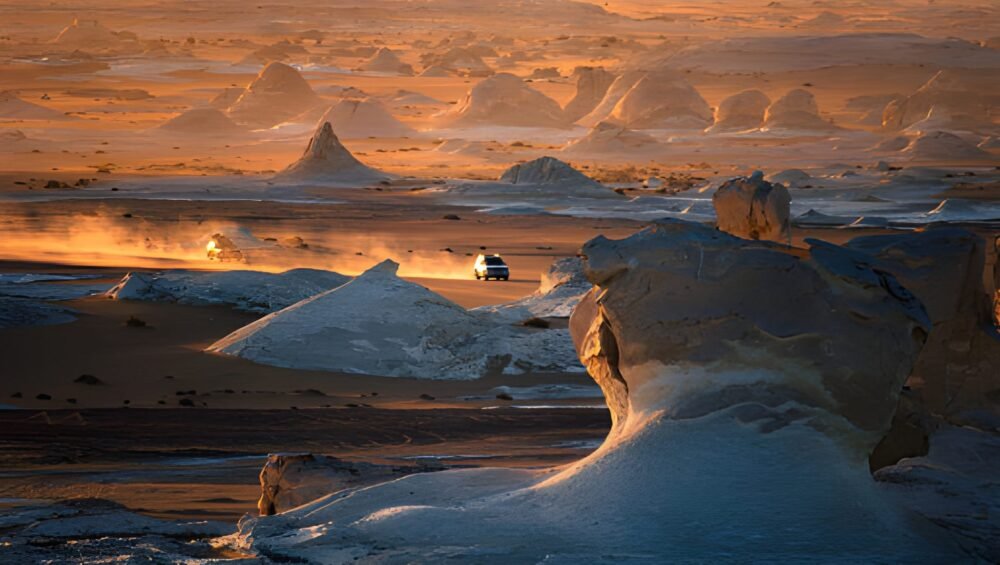
Few places on Earth rival the ethereal magic of the White Desert, located just north of Farafra. This area hosts surreal chalk monoliths shaped by wind erosion into mushrooms, tents, and abstract silhouettes—each telling a story born of sand and time. Many travelers combine visits to Farafra with white desert expeditions, camping overnight under the galaxies while the pale landscape glows in moonlight. It’s easy to see why this region is considered one of Egypt’s most mesmerizing natural wonders.

Adventurers often pair this trip with experiences offered by desert safari tours or expand their journey to include magical regions of Fayoum, another jewel of Egypt’s western landscapes. The tranquility and mysticism of these regions create lifelong memories for lovers of nature, peace, and photogenic perfection.

Adventure and Ecotourism in Farafra Oasis

For those craving adventure away from the mainstream tourist circuits, Farafra Oasis sets the perfect stage. Its location between the White and Black Deserts allows for easy access to sandboarding, stargazing, and jeep safaris. Sunrise hikes reveal spectacular geological hues shifting with every ray, while sunset turns the horizon into a soft watercolor of orange and gold. Many eco-tour operators emphasize sustainability, encouraging travelers to respect the fragile environment while embracing its wonders.

Travelers can book eco-friendly expeditions similar to those offered in nearby oases under Egypt Day Tours or enjoy premium, all-encompassing experiences through All Inclusive Egypt Vacations. Each journey through Farafra merges cultural wisdom, desert adventure, and rejuvenating silence into an unforgettable odyssey.

Historical Insights: Farafra Through the Ages

Farafra’s story whispers through time. Evidence suggests human habitation during Pharaonic eras, possibly as a trade route stopover between the Nile Valley and western frontiers. Roman and Islamic remnants hint at continued importance through shifting empires. Archaeologists discovered carvings, pottery fragments, and irrigation relics showing how ingenious early settlers were in mastering desert life.

Even ancient travelers marveled at Farafra’s greenery amid barren wilderness. Today, this historic continuity breathes in every corner of the oasis, its mud walls preserving tales written by sun and sand. Visiting here feels like traversing time itself—a link connecting modern explorers to ancient resilience.

Best Time to Visit Farafra Oasis

The ideal window to explore Farafra Oasis spans from October to April when temperatures are mild and skies crystal-clear. During summer, desert heat becomes intense, though mornings and evenings still charm adventurous travelers. Planning your route from major cities can be easily combined with Cairo Day Tours or extended luxury itineraries like 11 Days Luxury Egypt Tour Package, ensuring comfort and cultural immersion.

Winter nights reveal an awe-inspiring celestial panorama—stargazing in Farafra’s silence is pure magic. Whether you camp among chalk formations or stay in a rustic guesthouse, the experience captures the very soul of Egypt’s desert allure.

How to Reach Farafra Oasis

Although remote, reaching Farafra Oasis has become more accessible via desert highways connecting from Cairo and Bahariya. Adventurers often rent 4×4 vehicles for flexible exploration. Organized expeditions, such as the 7 Days Cairo, Luxor, Abu Simbel & Sahara Trip, blend urban discovery with desert escapades, making logistics effortless.

For those craving a more indulgent route, pairing Farafra exploration with a relaxing Luxury Nile Cruise offers both contrast and comfort—a journey from the lush Nile banks to the stark, poetic wilderness of the Sahara. It’s Egypt in two acts: life and stillness, rhythm and rest.

Top Experiences and Attractions in Farafra Oasis

Badr Museum: Art in the Desert

An essential stop for visitors, Badr Museum showcases sculptures and paintings inspired by desert life. Using natural materials like sand, clay, and stone, Badr the artist immortalized Farafra’s daily rhythms. The museum blurs the line between art and environment, drawing comparisons to open-air galleries in Fayoum Oasis. It’s a symbol of human creativity rising from solitude.

Local Cuisine and Customs

Food in Farafra carries flavors as rich as its sunsets. Expect hearty stews, flatbreads baked in clay ovens, and fresh dates harvested locally. The simplicity enhances its authenticity; every bite feels like an ancestral recipe brought to life. Tea brewed with aromatic mint often closes meals, inviting conversation under starlit skies. Participating in local meals adds immersive depth to the Farafra experience, emphasizing sustainability and connection.

Nearby Wonders Worth Exploring

Venture further to surrounding marvels such as Kharga Oasis and Siwa Oasis. Their distinct characters build a panoramic picture of Egypt’s desert network. Combining these destinations transforms your trip into a full Western Desert expedition, delivering eco-tourism, adventure, and serenity in perfect harmony.

FAQs About Farafra Oasis

What is Farafra Oasis best known for?

Farafra Oasis is famous for its proximity to Egypt’s White Desert, its surreal chalk formations, and tranquil hot springs. Travelers love it for its untouched beauty and peaceful atmosphere, making it an ideal escape for nature lovers and photographers.

How do I reach Farafra Oasis from Cairo?

You can reach Farafra from Cairo via the Bahariya-Farafra Desert Road. It takes around 6 to 7 hours by private car or organized desert tour. Some travelers prefer guided journeys combining Farafra with Bahariya and Dakhla for safety and convenience.

Are there accommodations available in Farafra?

Yes, Farafra offers charming eco-lodges and guesthouses crafted from local materials. Most accommodations emphasize sustainability, providing warm hospitality in simple yet comfortable settings that reflect authentic desert life.

When is the best time to visit Farafra Oasis?

The best period is from October to April when days are mild and nights cool, creating perfect conditions for desert exploration, hiking, and overnight camping beneath starry skies.

Can I combine a visit to Farafra with other Egyptian attractions?

Absolutely. Many tour packages merge Farafra exploration with Egypt Vacation Packages featuring destinations like Cairo, Luxor, and Aswan. You can even extend your journey along the Nile aboard the elegant Nile Premium Cruise for

The Crystal Mountain

The Crystal Mountain: Egypt’s Shimmering Jewel in the Heart of the Desert

Nestled between the Bahariya Oasis and the Farafra Oasis, The Crystal Mountain stands as one of Egypt’s most mesmerizing natural wonders. This surreal geological formation, often called the ‘Jewel of the Desert,’ captivates travelers with its glittering surface made from countless quartz crystals that sparkle under the desert sun. It serves as a radiant midpoint for explorers traveling across Egypt’s famed White Desert and the mysterious Black Desert. For adventure lovers, photographers, and geology enthusiasts, The Crystal Mountain is more than a landmark—it’s an extraordinary phenomenon where nature flaunts its artistry in the most unexpected place.

Imagine cruising across golden dunes when suddenly, a shimmering hill covered in crystals glistens on the horizon. This breathtaking sight, shaped over millions of years, is composed mainly of barite, calcite, and quartz. Each crystal refracts sunlight differently, creating an ever-changing dance of light and color. The experience feels almost magical—like discovering a hidden palace forged from gemstones. Visitors often stop here en route to or from the Valley of Agabat, taking time to climb its glimmering slopes, examine its mineral composition, and capture spectacular photos of one of Egypt’s most photogenic natural attractions.

The Crystal Mountain isn’t merely a pit stop; it’s a glimpse into the planet’s geological heartbeat. It awakens awe and curiosity—drawing visitors into Egypt’s wider story of transformation, richness, and resilience. With sustainable travel and environmental appreciation on the rise, sites like this highlight the depth of Egypt beyond its ancient temples or Pyramids of Sakkara. Whether you’re on a luxury desert expedition or an Egypt family tour, The Crystal Mountain offers a moment of stillness amid grandeur—a flash of shimmering perfection in the boundless desert expanse.

Geological Origins of The Crystal Mountain

The Crystal Mountain of Egypt is an ancient sedimentary formation that reveals the Earth’s inner craftsmanship in its purest form. Scientists believe the mountain was once a massive cave system that collapsed, leaving behind veins of quartz crystal exposed to the surface. Over time, erosion and tectonic forces sculpted it into the form we see today—a hill seemingly embedded with jewels. The crystals were formed by mineral-rich groundwater seeping through limestone, crystallizing under immense pressure. As millions of years passed, shifting winds eroded the surrounding softer materials, revealing the glistening heart of barite and calcite.

This extraordinary geological miracle lies along the route connecting El Bahariya and El Farafra, surrounded by contrasting landscapes—the black volcanic hills of the Black Desert on one side and the chalky peaks of the White Desert National Park on the other. It serves as a remarkable transition zone between two distinct desert ecosystems, making it a crucial stop for geologists studying desert mineralogy and natural erosion patterns.

Scientific Significance of Egypt’s Quartz Treasure

From a scientific perspective, The Crystal Mountain functions like an open museum of geological history. Its sparkling quartz veins are vital for understanding the tectonic movements that shaped Egypt’s desert plateaus. These vibrant crystals are remnants of hydrothermal activity—hot fluids circulating in the Earth’s crust—that cooled and formed the present-day crystalline deposits. The geochemical composition also provides insight into the ancient environments of the Western Desert, revealing that this arid expanse was once dominated by aquatic systems and mineral springs.

The Crystal Mountain and Egypt’s Desert Travel Routes

The mountain’s location makes it an ideal stop for intrepid explorers venturing into Egypt’s Western Desert. Travelers following popular tour routes often combine their visit with desert adventures through the Fayoum & Western Desert, the White Desert, and the Farafra Oasis. Many Egypt vacation packages now include overnight camping experiences under a star-filled sky in this region. Combining the surreal crystal formations with the milky dunes of the White Desert creates one of Egypt’s most otherworldly journeys.

For those seeking adventure, off-road desert safaris offered through Egypt Day Tours or customized itineraries can transform a mere visit into a full-blown expedition. Travelers can set up camp beneath crystal-studded hills, where the warm light of sunrise brings the entire site to life, revealing nature’s spectacular artistry. The proximity of The Crystal Mountain to the Bahariya Oasis also ensures easy overnight stays in comfortable desert lodges or eco-friendly camps before setting off on longer routes toward Dakhla or Kharga.

Symbolism and Cultural Interpretations

To the nomadic Bedouins who traverse this desert terrain, The Crystal Mountain holds a layer of spiritual lore. Legends suggest that the crystals possess powers of clarity, protection, and energy—mirroring the purity of the desert itself. Some locals even refer to it as a sacred hill, where nature reveals its precious secrets only to those who approach respectfully. The mountain’s reflective brilliance often inspires artists, photographers, and storytellers, making it a symbol of balance between the harshness of desert life and the unmatched beauty it conceals.

Travel Tips for Visiting The Crystal Mountain

Travelers planning to explore The Crystal Mountain should prepare for an immersive desert experience. Guided tours are highly recommended, especially those that pair The Crystal Mountain with excursions to sites like the White Desert and Valley of Agabat. Wear light-colored clothing, durable footwear, and don’t forget sun protection and water. Most visitors choose private tours, such as those in Egypt private tours, for personalized experiences and safety across remote stretches.

Adventure and Photography: Capturing the Radiant Desert Gem

For photographers, The Crystal Mountain is a playground of light and texture. As the sun arcs across the sky, the crystals refract sunlight into myriad hues—ranging from brilliant whites to golds and subtle blues. The contrast between the dark rocks of neighboring volcanoes and the shimmering transparency of the crystal surfaces creates compositions worthy of fine art prints. Golden hour, just before sunset, is when the mountain appears most ethereal, glowing as if illuminated from within.

Adventurers can add a thrill to their exploration by combining this stop with a desert jeep safari or a camel trek through the dunes. Routes often extend toward the surreal formations of the White Desert or the jagged peaks surrounding Agabat. For photography enthusiasts, bringing a polarizing filter helps control the intense glare of sunlight bouncing off the crystal-laden surfaces.

Ecotourism and Sustainability in the Western Desert

The growing popularity of The Crystal Mountain has inspired a rise in ecotourism in Egypt’s Western Desert. Sustainable tour operators encourage responsible travel—visitors are advised not to remove crystals or damage natural formations. Instead, the focus is on appreciation, preservation, and education. By partnering with local Bedouin guides, travelers can help sustain traditional livelihoods while preserving the desert’s fragile ecosystem. These conscious travel practices echo global trends in sustainable exploration while maintaining respect for Egypt’s natural heritage.

Combining The Crystal Mountain with Broader Egypt Itineraries

Many visitors now integrate The Crystal Mountain into multi-day Egypt programs that incorporate thriving historical hubs and breathtaking landscapes. For example, after marveling at the desert’s crystalline heart, travelers may choose to sail the Nile aboard the luxurious Steigenberger Royale Nile Cruise or extend their trip to ancient sites in Luxor, such as the majestic Luxor Temple. For a full immersion into the mystical charm of Egypt, combining desert exploration with cultural adventures offers a fulfilling balance of serenity and discovery.

Ideal Time to Visit The Crystal Mountain

The optimal months to visit are from October to April when daytime temperatures are moderate and skies remain crystal clear. During these months, the desert’s golden hue is at its most photogenic, and travelers can comfortably trek or camp overnight. Visiting during sunrise or sunset not only enhances the glow of the crystals but also provides a magical perspective on their transparent brilliance. It’s wise to book your visit through reliable Egypt vacation packages that handle logistics and provide expert desert guides.

FAQs About The Crystal Mountain

Where exactly is The Crystal Mountain located?

The Crystal Mountain lies along the road joining the Bahariya Oasis and the Farafra Oasis in Egypt’s Western Desert, about 160 km southwest of Bahariya. It’s often visited as part of guided trips through the White Desert region.

What makes The Crystal Mountain unique?

Unlike other desert formations, The Crystal Mountain is composed largely of quartz and barite, giving it a shimmering appearance that reflects sunlight beautifully. It’s considered one of the most photogenic and unusual geological formations in Egypt.

Can travelers climb The Crystal Mountain?

Yes, but with care. Climbing is permitted; however, visitors are encouraged not to remove any crystals or damage the natural structure. The surface can be sharp, so good footwear is necessary during exploration.

How can I visit The Crystal Mountain from Cairo?

Most visitors travel by 4×4 as part of an organized desert safari. Tour operators offer multi-day itineraries that pass through Bahariya and the White Desert. Some routes even integrate cultural highlights from Cairo City for a comprehensive experience.

Is The Crystal Mountain suitable for families?

Absolutely! With proper planning and experienced guides, families can enjoy the experience safely. Many Egypt family tours include short desert stops, photo sessions, and gentle treks around the crystalline wonders—making it fun and educational for all ages.

Valley Of Agabat

Valley of Agabat: The Hidden Gem of Egypt’s Western Desert

Nestled deep within the surreal landscape between the White Desert and the Black Desert, the Valley of Agabat stands as a mesmerizing natural wonder that leaves travelers utterly spellbound. The Valley of Agabat, located near the Farafra Oasis, is a majestic blend of chalk-white cliffs, golden dunes, and ethereal rock formations shaped by the hand of time. This site isn’t merely another desert valley—it’s a breathtaking masterpiece sculpted by ancient seas and winds. As the sun rises and sets, the valley transforms into an ever-changing canvas of colors—soft creams at dawn, blinding whites by noon, and fiery golds at dusk.

The allure of the Valley of Agabat lies not just in its beauty but in its palpable silence. Standing in this valley feels as though time has paused. Every rock, every grain of sand recounts the story of natural evolution spanning eons. Tourists, adventurers, and photographers are drawn here to witness a scene that could easily belong to another planet. The Valley of Agabat truly captivates the imagination, offering an experience that intertwines tranquility, mystique, and wonder.

As part of Egypt’s celebrated Western Desert circuit, this destination adds another layer to the country’s cultural and geographical richness. Those embarking on Egypt day tours or extended Egypt vacation packages often include this hidden valley in their itineraries. Whether combined with a trip to the White Desert Egypt or the Black Desert, the Valley of Agabat is one of those sites where travelers find a soul-stirring serenity often missing from crowded destinations. Let’s delve deeper into this magical haven of natural art and golden sands.

The Geography and Formation of the Valley of Agabat

The Valley of Agabat is perfectly positioned within the northern section of Egypt’s Western Desert, roughly an hour’s drive from the Farafra Oasis and near the route between Bahariya and Farafra. Its landscape tells a geological tale of transformation—what was once a seabed over millions of years evolved into a desert of stunning contrasts. Massive limestone and chalk formations, sculpted by powerful wind erosion, dominate the scenery. These conical hills and surreal outcrops appear as if they were cast from another dimension.

The word ‘Agabat’ translates to “wonder” or “miracle,” fitting for a place with such magnetic beauty. As you traverse its valleys and dunes, you encounter clusters of towering white rocks, each with its own shape—some resemble mushrooms, others look like frozen waves. The floor of the valley alternates between hard rock and soft golden sand, giving a distinct texture to the terrain.

Agabat’s geological significance also lies in its connection to nearby natural landmarks like the Crystal Mountain, a ridge lined with shimmering quartz crystals. This proximity grants visitors the chance to explore several extraordinary wonders within a single journey. It’s truly a paradise for geology enthusiasts and photographers seeking ethereal landscapes.

Adventure Tourism and Activities in the Valley of Agabat

Adventure lovers often describe the Valley of Agabat as one of Egypt’s most thrilling desert experiences. The terrain offers a challenging yet exciting ride for 4×4 vehicles—ideal for those opting for a Desert Safari Trip by Quad Bike or an off-road expedition through the sand dunes. Local Bedouin guides lead visitors safely along hidden trails, revealing the best vantage points for photography and rest.

Camping overnight in Agabat is an experience that’s hard to put into words. As twilight fades, the valley is bathed in an otherworldly glow. Under the vast infinity of stars, visitors often find themselves overwhelmed by the calm solitude of the desert. This rare connection to nature, free from city lights and distractions, is exactly what drives explorers toward such remote regions.

For travelers seeking to deepen their exploration, customized adventure itineraries like the 7 Days Egypt Adventure Tour can combine Agabat with nearby oases and deserts. Many tours also include stargazing, sandboarding, and hikes culminating in panoramic views of endless dunes. Every turn in the valley reveals a new formation that sparks curiosity and awe.

The Valley of Agabat and Its Surrounding Attractions

The Valley of Agabat rarely stands alone in itineraries. It’s surrounded by a constellation of other spectacular natural formations within the Egyptian Western Desert. Most visitors start their exploration in Bahariya Oasis Egypt before venturing southwest toward Agabat and the White Desert. These journeys often highlight the transitional beauty of the Fayoum & Western Desert or include stopovers at remarkable sites such as the Crystal Mountain or the stunning Farafra Oasis.

Another gem often combined in travel circuits is Wadi El Rayan and Wadi Al Hitan, both UNESCO World Heritage sites known for their fossilized whale remains and water cascades—ideal for travelers fascinated by both adventure and prehistory. Including these locations in travel packages such as 11 Days Luxury Egypt Tour Package can create a seamless journey from Cairo to the heart of Egypt’s desert realm.

The Cultural Significance of the Valley of Agabat

Agabat not only enchants with natural beauty—it’s also steeped in Bedouin traditions. Local tribes who have lived within these deserts for centuries know its secrets and sacredness. They call it a place where spirits whisper through the winds. The Bedouins help visitors connect beyond sightseeing—sharing traditional meals, ancient stories, and insights into desert survival techniques passed down through generations.

The hospitality offered by the Bedouins transforms the experience into an emotional journey. Their knowledge guides travelers through unmarked trails toward extraordinary rock shapes hidden from view. Many who camp with them recall sitting around a crackling fire, sipping tea infused with herbs, while listening to the history of the landscape—a connection between Earth and culture that no modern setting can replicate.

Why the Valley of Agabat Is a Photographer’s Dream

It’s impossible to talk about Agabat without highlighting its photographic appeal. The valley’s textures, colors, and shapes change spectacularly as daylight shifts. Early morning light reveals delicate pastel tones, while midday sharpens the contrasts of white cliffs and golden sands. At sunset, the valley glows with amber and rose hues, making every photo frame-worthy.

This is a paradise for photographers chasing natural perfection. The interplay of light and shadow gives the valley a multidimensional effect seldom found elsewhere. For professionals and enthusiasts alike, adding this spot to an Egypt Photography Tour is a must. The surreal formations and vast horizons turn every click into visual poetry, capturing both the mystery and majesty of Egypt’s desert world.

Best Time to Visit the Valley of Agabat

Visiting the Valley of Agabat is ideal between October and April, when the weather is pleasantly mild. Summer temperatures can hit scorching highs, making daytime excursions less comfortable. During the cooler months, travelers can spend longer exploring dunes or hiking around the valley without fatigue.

Many tour operators arrange morning departures to witness sunrise over the sand dunes or evening escapades to catch the desert’s fiery twilight display. Adding Agabat to an itinerary alongside the White Desert and Farafra Oasis ensures a balanced adventure that combines thrill and tranquility. For those seeking comfort and exclusivity, the Luxury Egypt Tours often feature private desert camps enhanced by gourmet dining and celestial stargazing.

Travel Tips for Visiting Valley of Agabat

Desert travel demands preparation, and the Valley of Agabat is no exception. Always travel with an experienced guide and a well-equipped 4×4 vehicle. Carry ample water, light clothing, sun protection, and a wide-brimmed hat. Since the region can get chilly at night, packing a jacket is recommended. Respect the natural formations—avoid climbing fragile chalk towers, and leave no litter behind. Photographers should carry extra batteries, as the desert tends to drain power quickly due to temperature changes. Staying overnight is an unforgettable experience, but ensure your tour operator provides proper camping gear and first-aid supplies for a safe adventure.

Agabat rewards those who embrace its quiet solitude. Every moment here—from walking barefoot on soft dunes to watching the Milky Way illuminate the horizon—etches itself into memory. It’s no wonder seasoned travelers often rank it among their most profound experiences in Egypt.

Frequently Asked Questions about the Valley of Agabat

Where exactly is the Valley of Agabat located?

The Valley of Agabat lies within Egypt’s Western Desert, about 80 kilometers northwest of the Farafra Oasis and near the route connecting Bahariya and Farafra. It’s typically included in desert excursions heading toward the White Desert Egypt.

What makes the Valley of Agabat unique?

Its surreal landscape of white limestone cliffs and golden sand dunes creates a visual masterpiece unlike any other desert. The ever-changing hues under varying sunlight and its untouched silence make it an extraordinary experience for adventure seekers and photographers alike.

How can I visit the Valley of Agabat?

Most visitors join guided tours departing from Bahariya or Farafra. These tours often bundle Agabat with stops at the Crystal Mountain, the White Desert, and other Western Desert landmarks. You can also find multi-day expeditions in various Egypt family tours or 7 Days Luxury Egypt Trip packages.

Is it safe to camp in the Valley of Agabat?

Yes, camping is considered safe when done with experienced local guides. Professional desert operators ensure secure routes, provide essential gear, and set up comfortable camps. The isolation, paired with desert starlight, makes for one of the most peaceful overnight stays in Egypt.

What other attractions can be combined with a trip to Agabat?

Popular additions include the Black and White Desert Egypt, Bahariya Oasis, and Farafra Oasis. Travelers may also extend their journey to the Siwa Oasis or take an exciting luxury desert circuit combined with the Luxury Nile Cruise for a complete Egyptian adventure.

In every sense, the Valley of Agabat isn’t just a destination—it’s an awakening. The sheer stillness, sculptural dunes, and cosmic beauty make it a sacred encounter with nature itself. Whether you seek adventure, photography, or peaceful reflection, this valley redefines what it means to discover Egypt’s hidden heart.

Black And White Desert Egypt

Black and White Desert Egypt – A Surreal Masterpiece of Nature’s Contrasts

Deep in Egypt’s Western Desert, where silence reigns supreme and the horizon dissolves into shades of mystery, lies one of the world’s most otherworldly landscapes—the Black and White Desert of Egypt. This surreal region combines geological wonders, timeless beauty, and a dreamlike interplay between dark volcanic peaks and alabaster rock formations sculpted by wind and time. Travelers seeking an unforgettable experience will find themselves in awe of this natural wonder, located between Bahariya and Farafra Oases, around 500 kilometers southwest of Cairo. The Black and White Desert isn’t just a desert; it’s a living museum of nature’s artistry, shaped over millions of years. Wandering through its terrain feels like stepping onto another planet, where white chalk outcrops gleam under the midday sun while volcanic hills stand as shadowy sentinels of ancient eruptions.

Every bend of the desert road unveils scenes stranger than fiction—mushroom-shaped rocks glowing under the stars, dunes whispering in the night, and the faint outlines of fossilized shells hinting at an ocean long vanished. Visiting the Black and White Desert of Egypt means embracing adventure and serenity all at once. It’s also an opportunity to witness the grandeur of the Western Desert’s fragile yet enduring beauty. Whether you’re taking a desert safari, camping under a carpet of stars, or exploring the nearby Bahariya Oasis and Farafra Oasis, this mystical land captures the imagination like few places on Earth.

Let’s set off on a journey that unveils every facet of the Black and White Desert in Egypt—its creation, landscapes, attractions, and experiences that turn mere travel into pure magic.

Where the Earth Paints in Contrasts: The Geography of the Black and White Desert

The Black and White Desert is nature’s canvas of contradiction, where scorching sands meet striking volcanic outcrops and chalky white formations. Spanning a portion of Egypt’s vast Western Desert, this region transitions seamlessly from the dark basalt rocks of the Black Desert to the snow-white limestone surfaces of the White Desert. It’s this juxtaposition of color and texture that grants it its name and irresistible appeal.

The Black Desert, closer to Bahariya, owes its color to an ancient volcanic past. Millions of years ago, eruptions blanketed the area with basalt and iron-rich minerals, creating black-topped hills that seem dusted with ash. As you move toward Farafra, the terrain transforms dramatically. The White Desert emerges like a mirage, its limestone sculptures rising from the sand in fantastical shapes—some resembling camels, others sphinxes or giant mushrooms. Over millennia, wind erosion carved these forms, making the landscape a playground for imagination and photography.

Geologically, this region lies at the heart of Egypt’s Western Desert formations, linking exploration routes that stretch from Wadi El Rayan in Fayoum to the deep Sahara beyond. Its geological diversity provides a natural timeline, whispering stories of shifting seas, volcanic forces, and relentless desert winds that sculpted every ridge and dune.

How the Black Desert Formed: Fossil Fire and Ancient Eruptions

The Black Desert’s mysterious charm lies in its rugged hills covered by dark volcanic tuff and basalt. Eons ago, the region was dotted with small volcanic eruptions that spewed out molten rock. As time passed, these blackened fragments scattered across sand plains, creating an eerie yet captivating view. Today, its conical hills—resembling ancient pyramids—stand guard against the golden sands. explorers often hike to the summit of the English Mountain, one of the highest points, offering panoramic views over miles of stark wilderness.

How the White Desert Formed: Nature’s Sculptor at Work

In stark contrast, the White Desert near Farafra Oasis emerged from a shallow sea that once covered much of the region. As the water receded, layers of soft limestone and chalk remained. Over countless millennia, the desert winds became sculptors, chiseling these sediments into extraordinary shapes. Some visitors say the terrain resembles an art exhibit left by ancient gods. The best time to see its ghostly white peaks is during sunset or dawn when the low light paints intricate patterns across the surface, creating a spectacle of color and shadow.

Adventuring Through the Black and White Desert: Safaris, Stargazing, and Serenity

Adventure lovers and nature enthusiasts find paradise in Egypt’s Black and White Desert. From guided jeep expeditions across shifting dunes to overnight camping beneath star-splattered skies, every moment feels otherworldly. The contrast between day and night is extreme—sunlight bleaches the white rocks like a relentless artist, while darkness turns the desert into a stargazer’s dreamscape.

Popular tours often combine the Black and White Desert with nearby attractions such as the Crystal Mountain—a shimmering hill made of quartz—and the golden dunes of the Valley of Agabat. Travelers can set off from Cairo or Bahariya in 4x4s, crossing varied terrains that make every mile an unfolding adventure. For a broader experience, many combine this desert expedition with Egypt Day Tours or longer Egypt Vacation Packages.

Camping Overnight in the Desert

Camping in the White Desert is a truly spiritual experience. With no artificial light for miles, the Milky Way spills across the heavens in dazzling brilliance. Bedouin guides prepare traditional meals by the campfire, infusing the air with aromas of roasted lamb and spices. The silence here is profound—broken only by an occasional breeze or stray echo of laughter. Many travelers describe it as one of the most moving moments of their entire trip to Egypt.

Photography and Stargazing at Its Finest

The Black and White Desert of Egypt has become a top destination for photographers and stargazers. The interplay of light, mineral color, and texture provides a perfect palette for capturing stunning compositions. Astrophotographers particularly treasure this region for its unpolluted skies. When the full moon floats above the chalk cliffs, it transforms the White Desert into a glowing wonderland. Every frame feels alive, like poetry composed in sand and stone.

Ecological and Cultural Significance: A Living Heritage of the Western Desert

Although seemingly desolate, the Black and White Desert sustains subtle forms of life. Reptiles, desert foxes, and migratory birds thrive in hidden corners. The Bedouin communities of Bahariya and Farafra hold intimate knowledge of the land, passed down through generations. Their wisdom guides travelers safely across the region’s harsh yet magnetic terrain.

This desert also plays a vital role in Egypt’s conservation and ecotourism movement. Efforts are ongoing to protect fragile limestone formations and manage tourism sustainably. Eco-conscious travel, such as specialized Eco Tours in Egypt, encourages visitors to experience the desert respectfully while supporting local livelihoods.

Hidden Fossils and Ancient Secrets

Beneath the desert’s surface lies a treasure trove of fossils, including ancient marine shells and coral remnants. These remnants recall a prehistoric sea stretching from Africa’s heart to the Mediterranean. Paleontologists frequently uncover hints of ancient ecosystems, linking geological clues to broader Sahara evolution.

Bedouin Legends and Stories

Local Bedouins tell tales of spirits wandering among the white rocks at night, turning the desert into a place of myth and mystique. Such folklore only deepens the allure of this Egyptian wonder. Sharing stories under starlight connects travelers with an ancient rhythm that defines desert life.

Best Time to Visit the Black and White Desert Egypt

The ideal time to explore the Black and White Desert is from October to April, when temperatures are moderate, and conditions are comfortable for camping and exploration. During summer, temperatures can soar above 45°C, making travel strenuous. Winter nights, however, get quite cold—so packing warm layers is essential.

If timed right, visitors may experience seasonal phenomena such as desert blooms after rare rainfall or the enchanting glow of the full moon illuminating chalk formations. Many adventure seekers add desert expeditions to broader itineraries, combining them with luxury stays or cruises like the Luxury Dahabiya Nile Cruise or unique discoveries offered through Luxury Egypt Tours.

How to Reach the Black and White Desert

The main gateway to the Black and White Desert is Bahariya Oasis, located about 370 km from Cairo. Regular buses and private transfers connect travelers to the oasis, where safari operators offer guided 4×4 tours. Tours typically range from one-day excursions to multi-day expeditions that combine nearby attractions like White Desert Egypt and Mountain of the Dead. From Bahariya, it takes around two hours to reach the center of the Black Desert and another hour to enter the White Desert National Park.

Top Travel Tips for Black and White Desert Egypt

Pack Wisely and Stay Prepared

Proper preparation ensures both safety and comfort. Essential items include extra water, head coverings, sunscreen, a flashlight, and layered clothing. Sandstorms can arise suddenly, so sunglasses and scarves help guard against dusty winds.

Book Responsible Local Guides

Always travel with licensed guides or desert experts who understand the fragile ecosystem. Many professional tours collaborate with oases communities and promote sustainable travel practices. Reputable agencies offer customized desert experiences or connect visitors through Egypt Private Tours.

When to Capture the Perfect Photograph

Early morning or late afternoon light adds depth and dimension to every rock shape. The soft hues make even amateur photography look artistic. During dusk, the Black Desert adopts a mysterious tone, while the White Desert glimmers like frozen snow.

Frequently Asked Questions about the Black and White Desert Egypt

1. Where is the Black and White Desert located?

The Black and White Desert of Egypt lies between Bahariya and Farafra Oases in the Western Desert. It’s approximately 500 kilometers from Cairo and accessible by car or guided desert safari.

2. What makes the Black and White Desert unique?

This region’s uniqueness stems from its striking geological contrast—black volcanic hills in the Black Desert and white chalk formations in the White Desert. The combination of these two landscapes makes it one of the world’s most surreal natural attractions.

3. What are the best times to visit the desert?

The best period to visit is from October through April when temperatures are more forgiving and the landscapes appear luminous under cool desert skies. Avoid summer months due to extreme heat.

4. Can I camp overnight in the desert?

Yes, desert camping is one of the most rewarding activities. Licensed tours offer safe campsites, equipment, and wonderful Bedouin-style dinners under the stars. The tranquility and celestial views make it unforgettable.

5. What other attractions can be combined with visiting the Black and White Desert?

Travelers often blend their desert visit with exploring nearby landmarks such as the Fayoum & Western Desert, Wadi Al Hitan, or the Desert Safari Trip by Quad Bike. For extended itineraries, you can also extend your trip to experience a 7 Days Cairo, Luxor, Abu Simbel & Sahara Trip.

The Black and White Desert of Egypt remains a masterpiece etched by nature and time. Its allure lies not just in its visual drama but in its silence, solitude, and timeless connection to Earth’s story. Visiting this surreal landscape leaves travelers humbled—and forever enchanted by the unmatched beauty hidden in Egypt’s Western Desert.

White Desert Egypt

White Desert Egypt – The Surreal Wonderland of Chalk Formations and Golden Horizons

Tucked deep in the heart of Egypt’s Western Desert lies a landscape so unearthly, it feels like you’ve stepped onto another planet — the White Desert. Known locally as Sahara el Beyda, this dreamlike expanse astonishes travelers with its ghostly white rock formations shaped by millennia of wind erosion. Sculpted from soft chalk limestone, its terrain is dotted with mushrooms, towers, and ethereal monoliths rising from powdery sand, glistening under the desert sun. This natural masterpiece offers a rare blend of geological wonder, serenity, and adventure, drawing intrepid explorers and photographers from all over the world.

As part of the Farafra Depression, the Western Desert of Egypt encapsulates timeless beauty. The White Desert forms a sharp contrast to the nearby Black Desert and crystalline hills of the Crystal Mountain. For those who yearn for remote serenity, vast horizons, and mystical nights beneath dazzling starfields, the White Desert is nothing short of magical. Whether approached from the Bahariya Oasis or the quaint Farafra Oasis, every route promises an unforgettable encounter with nature’s silent artistry.

Desert adventurers often combine their visit with Egypt Day Tours that include off-road safaris, stargazing, and overnight camping under a blanket of stars. Not only does this region ignite curiosity, but it also revives the spirit of ancient exploration — a journey that blends Egypt’s majestic history with its boundless natural grandeur.

The Geological Marvel Behind White Desert Egypt

The White Desert’s distinctive beauty stems from chalk and limestone deposits formed millions of years ago when the area was submerged beneath an ancient sea. As the waters receded, marine sediments solidified into thick strata of chalk. Over eons, wind and time carved these layers into strange, captivating sculptures resembling everything from giant mushrooms to frozen waves. This geological evolution places the White Desert among the most awe-inspiring natural attractions in Egypt.

Travelers often marvel at how the formations take on different hues depending on sunlight. During daylight, the desert glows a blinding white, while sunset drenches it in shades of gold and rose. At night, moonlight reflects off the alabaster surfaces, illuminating the entire plain in a silvery glow. Few other landscapes in the world evoke such ethereal beauty and solitude.

Exploring the White Desert National Park

Established as a national park in 2002, the White Desert National Park spans over 3,000 square kilometers. This protected area preserves one of Egypt’s most fragile ecosystems, safeguarding both its stunning scenery and rare fauna. Inside the park, you’ll find gazelles, fennec foxes, desert hares, and various bird species. The serenity here offers a stark contrast to the bustling life of Cairo or the archaeological splendor of Luxor.

For adventure seekers, the park is an off-road playground. Visitors can embark on guided safaris from Bawiti in Bahariya Oasis, journeying through stretches of golden dunes and black volcanic hills before arriving at the White Desert’s breathtaking panorama. Travelers can also book specialized tours like the Desert Safari Trip by Quad Bike to experience the thrill of desert driving while witnessing the park’s remarkable scenery firsthand.

Top Sights Inside the White Desert

Among its many wonders, two iconic rock formations stand out — the “Chicken and Mushroom” and the “Ice Cream Cone.” These landmarks became symbols of the White Desert and are favorites among photographers. Another fascinating area is the Valley of Agabat, a narrow corridor of golden dunes surrounded by chalk cliffs that glow dramatically during sunset. Close to this stretch lies the Valley of Agabat, often described as a gateway to another world.

The desert’s remarkable formations make it a haven for photographers and nature enthusiasts. Each twist of the road reveals new shapes carved by centuries of wind, resembling everything from animals to mythical creatures. If you’re lucky, you may even stumble upon prehistoric fossils — relics of an ancient seabed hidden beneath the sands.

Camping Under the Stars in the White Desert

One of the most unforgettable experiences in White Desert Egypt is overnight camping. Tourists often pitch tents directly among the chalk formations, creating an otherworldly backdrop. As evening falls, the desert seems to transform; temperatures drop, silence deepens, and the sky unveils a dazzling canopy of stars. Visitors often gather around campfires, sharing stories and traditional meals in true Bedouin style.

Many Egypt adventure programs incorporate White Desert camping into their itineraries, including options like the 7 Days Cairo, Luxor, Abu Simbel & Sahara Trip, blending culture and wilderness exploration. A night spent under this cosmic ceiling is a highlight that leaves lasting impressions long after the journey ends.

Nearby Oases and Attractions Around the White Desert

The White Desert sits between two of Egypt’s most enchanting oases — Bahariya and Farafra. Bahariya Oasis, the main access point, enchants visitors with palm groves, hot springs, and remnants from ancient Egyptian and Roman periods. In contrast, Farafra Oasis offers a quieter, more authentic desert experience with mud-brick villages and warm thermal pools. Both serve as gateways to desert adventures.

If your wanderlust craves even more, the surrounding region brims with natural and historic wonders. The Black Desert, famous for its volcanic hills capped with black basalt, lies just a short drive away. The nearby Crystal Mountain gleams with calcite crystals, scattering sunlight like shattered glass. Exploring these awe-inspiring sites is often included in combined desert circuits, guided by local experts who reveal the geological and cultural stories behind each site.

Best Time to Visit White Desert Egypt

The ideal time to explore the White Desert is between October and April, when daytime temperatures are mild, making the desert comfortable for exploration and camping. Summer months can bring scorching heat, reaching over 40°C, making travel exhausting and potentially unsafe. During the cooler season, the climate is crisp, perfect for photography, stargazing, and long walks among the formations.

Travelers can arrange private journeys through established operators offering Egypt Private Tours or comprehensive desert itineraries combining the best of Egypt’s landscapes and culture. Choosing a guided expedition ensures safety, expert navigation, and a richer understanding of the area’s natural history.

How to Get to the White Desert

Most visitors start their trip from Cairo and travel about 370 kilometers southwest to Bahariya Oasis — the usual launching point. From there, local guides take travelers in 4×4 vehicles through rough desert tracks that lead to the White Desert National Park. Depending on road conditions, the ride takes about four hours, filled with scenic stops like the Black Desert and the Crystal Mountain along the way.

Travel packages, such as the 7 Days Egypt Adventure Tour, offer hassle-free transfers, camping gear, and cuisine prepared under the stars, making the trip safe and memorable. Visitors can also extend their exploration, linking the desert to Nile Valley destinations like Aswan or Luxor Temple.

Preserving the White Desert’s Fragile Beauty

Because of its sensitive ecosystem and geological significance, visitors must adhere to strict environmental rules. Guides ensure that no litter is left behind, and vehicles follow designated tracks to avoid damaging rock formations. The Egyptian authorities and local communities collaborate to promote sustainable tourism that balances adventure with preservation.

For those passionate about eco-friendly exploration, the White Desert stands as a model of harmony between nature and responsible travel. Sustainable tourism practices also support nearby communities, ensuring economic benefits while protecting one of Egypt’s most otherworldly environments.

FAQs about White Desert Egypt

What makes the White Desert unique?

The White Desert’s uniqueness lies in its chalky landscape formed by marine sediments millions of years ago. Its wind-sculpted formations resemble surreal shapes — a visual wonder unlike anywhere else in the country or world.

Where is the White Desert located?

The White Desert lies within Egypt’s Western Desert, approximately 45 kilometers north of Farafra Oasis and about 370 kilometers southwest of Cairo.

Can you camp overnight in the White Desert?

Yes. Camping is one of the highlights of visiting the White Desert. Licensed guides arrange overnight trips with proper equipment, meals, and campfire gatherings under starlit skies.

Is it safe to visit the White Desert?

Absolutely. Guided tours ensure a secure experience as all routes are well‑charted. Trusted operators provide transportation, experienced drivers, and all necessary permits for park entry.

What should I bring for a trip to the White Desert?

Essentials include sturdy shoes, sunscreen, sunglasses, warm clothes for night, and plenty of water. Visitors should also bring cameras to capture the desert’s one‑of‑a‑kind vistas and delicate hues.