Palaces Of Egypt

Majestic Palaces of Egypt: Timeless Symbols of Royal Luxury and Architectural Genius

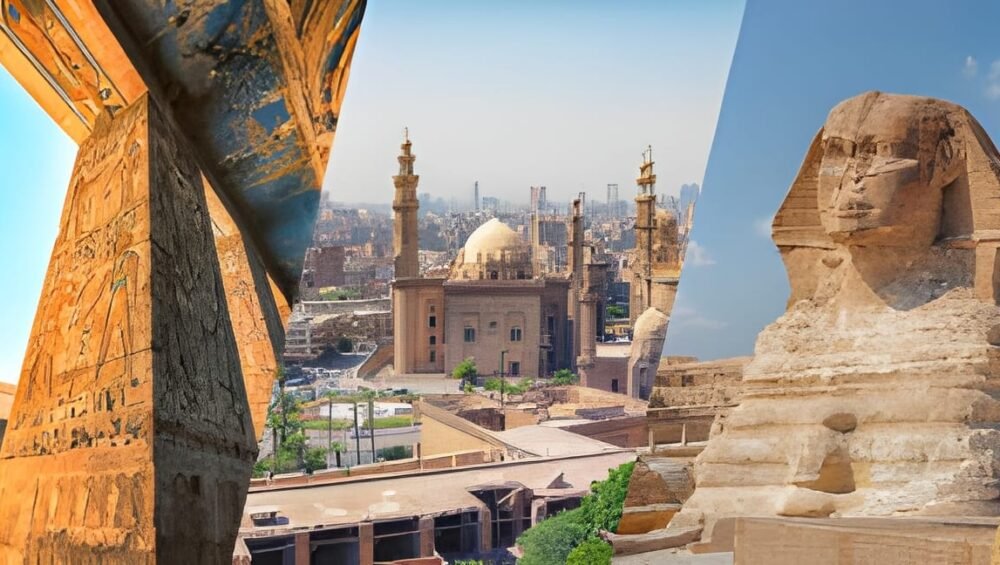
Steeped in grandeur, the palaces of Egypt whisper stories of emperors, queens, and dynasties whose influence still ripples through time. Beyond the golden sands and towering pyramids, these regal residences represent the artistic brilliance and power of an ancient civilization. Each Egyptian palace, from the royal dwellings of Cairo to the opulent seaside retreats of Alexandria, captures an era of glory that defined the Nile Valley as the cradle of culture, architecture, and human achievement. Visitors exploring these architectural marvels quickly understand why Egyptian palaces have long symbolized both political might and divine beauty. Standing in their courtyards, one can almost hear the echoes of royal footsteps, the rustle of silk, and the whispers of secret councils that shaped history.

The allure of Egypt’s palaces lies not only in their intricate architecture but also in their power to bridge the ancient and the modern. Whether you’re strolling through the lavish Abdeen Palace in Cairo or marveling at the Mediterranean elegance of Montazah Palace in Alexandria, you step into a world where luxury meets legend. Each structure narrates centuries of triumph, colonial influence, and artistic evolution. For travelers seeking to uncover Egypt’s regal past, the palaces offer a dazzling complement to iconic landmarks like the Nile River, the Citadel of Salah El-Din, and the Grand Egyptian Museum.

While temples and tombs may dominate Egypt’s cultural map, its palaces serve as exceptional symbols of evolution — from the days of Pharaohs to the reign of Khedival rulers. In each column, fresco, and gated garden, the palaces of Egypt fuse European elegance with Egyptian artistry, creating timeless masterpieces. For those planning a sophisticated trip, experiences like the 10 Days Palace Hotels in Egypt Tour transform historical fascination into luxurious exploration. Let’s journey through Egypt’s magnificent palaces and uncover how each one tells its own royal tale.

The Royal Legacy of Egyptian Palaces: Where History Meets Grandeur

The royal palaces of Egypt encapsulate the evolution of power, architecture, and identity. These structures often served not only as royal residences but also as military command centers and administrative headquarters for the state. From Pharaonic stone halls to Ottoman-influenced mansions, Egypt’s palaces reflect how the nation’s rulers adapted their styles to fit political and cultural changes. Many of Cairo’s famous palaces, particularly those built in the 19th and early 20th centuries, highlight Egypt’s turn toward European neoclassicism while preserving its own royal identity. For travelers seeking refined architecture and regal storytelling, visits organized through Luxury Egypt Tours provide in-depth journeys through these remarkable estates.

Abdeen Palace: The Heartbeat of Royal Cairo

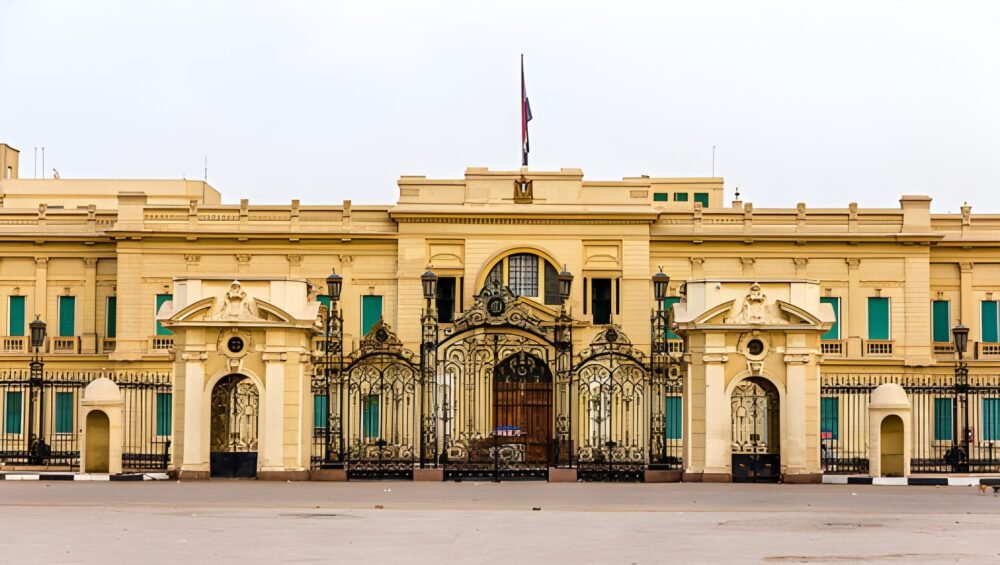
Few palaces define Egypt’s royal heritage like Abdeen Palace, a 19th-century masterpiece blending Ottoman, Italian, and French influences. Constructed during the reign of Khedive Ismail, it served as the political hub of royal Egypt for years. Its halls contain over 500 rooms, each richly adorned with gilded chandeliers, silk walls, and precious artifacts. The palace museum proudly exhibits royal gifts, weapons, and antique furniture, making it one of Cairo’s top attractions. For visitors exploring the capital through Cairo Day Tours, Abdeen Palace offers a captivating glimpse into Egypt’s monarchical legacy. The scent of polished wood and the gleam of marble floors evoke a world where diplomacy, culture, and elegance intertwined seamlessly.

Montazah Palace: The Coastal Jewel of Alexandria

In the serene seaside city of Alexandria, Montazah Palace rises as an icon of royal leisure. Built by Khedive Abbas II in the early 20th century, the palace blends Florentine architecture with Islamic design, symbolizing sophistication and coastal charm. Surrounded by lush gardens and the azure Mediterranean, it served as a summer retreat for Egypt’s royal family. Visitors wandering through Montazah’s grounds witness panoramic views that stretch endlessly over the sea. Linked to the opulent history of Alexandria, a stay arranged in tandem with Alexandria City tours transforms the trip into an immersive royal experience where relaxation meets heritage.

Abu Al-Abbas and Beyond: Hidden Palatial Estates of Northern Egypt

While Montazah dazzles tourists, northern Egypt hides several lesser-known palatial estates that reveal subtle layers of the country’s aristocratic culture. Palaces tucked within Alexandria’s elite neighborhoods once hosted European diplomats, noble families, and statesmen shaping Egypt’s modern identity. Many of these manors are now repurposed as cultural centers, embassies, and museums. Exploring them offers insight into Egypt’s urban elite and their blend of Eastern and Western design philosophies, turning each residence into a tangible link to Egypt’s cosmopolitan past.

Palatial Architecture: The Fusion of Egyptian and European Aesthetics

The architectural essence of Egypt’s palaces embodies duality — a blend of indigenous styles rooted in history and Western influences introduced during colonial exchanges. In structures like Abdeen and Montazah, Italian marble meets Islamic calligraphy, and Venetian balconies complement Moorish arches. This union of design mirrors Egypt’s position as a crossroads of civilizations. Visitors on journeys curated by Egypt Vacation Packages often find themselves mesmerized by the intricate craftsmanship behind every cornice and fresco. Some palaces even feature motifs reminiscent of the Pharaonic era, bridging millennia of creativity into one captivating space.

Manial Palace: The Lavish Island Residence of Prince Mohammed Ali

Tucked on Roda Island in Cairo, Manial Palace dazzles through its impressive fusion of Ottoman, Moorish, and Persian styles. Built in the early 20th century, its interior bursts with ivory-inlaid doors, stained glass, and ornate mosaics. Once the residence of Prince Mohammed Ali, it now functions as a museum where visitors admire embroidered walls and antique collections. The palace gardens, dotted with exotic plants, make it a scenic haven amid the city’s bustle. Tourists on Egypt Private Tours often include this destination to delve into royal artistry and Cairo’s green tranquility.

Ras El Tin Palace: The Oldest Royal Palace Still in Use

Located in Alexandria, Ras El Tin Palace holds the distinction of being one of the oldest continuously inhabited royal residences in Egypt. Built in 1847 by Mohammed Ali Pasha, it witnessed events that shaped modern Egyptian history, including the final days of King Farouk’s reign. Its architecture fuses Renaissance symmetry with traditional Egyptian grandeur. Viewing its white domes against the sea mirror makes the palace appear almost ethereal. Accompanying a visit with All-Inclusive Egypt Vacations adds comfortable convenience to the journey through Alexandria’s regal treasures.

The Modern Role of Egypt’s Palaces

Today, many Egyptian palaces serve new purposes without losing their royal aura. Some function as museums, others as presidential offices or cultural landmarks. Abdeen remains one of Egypt’s most important government buildings while offering sections open to the public. The Montazah complex continues to attract tourists and picnickers who enjoy scenic walks through royal gardens once reserved for kings and princesses. The sustainability of these sites preserves Cairo’s and Alexandria’s cultural identities, ensuring future generations continue to embrace royal heritage alongside urban progress.

Preserving the Heritage of Egyptian Palaces

Preservation efforts, supported by Egypt’s Ministry of Antiquities, aim to safeguard the integrity of these monuments. Projects strive to restore frescoes, repair domes, and rejuvenate gardens without compromising authenticity. Collaborations with international architects ensure continuity of design and material. For those passionate about cultural tourism, combining a visit to Egypt’s palaces with tours such as the 11 Days Luxury Egypt Tour Package or the 7 Days Cairo and Nile Cruise Package promises both education and enchantment.

The Cultural Impact: From Palace Walls to National Pride

Egypt’s palaces are not just relics of royal opulence—they’re visual testaments of a nation’s pride. Each one narrates Egypt’s transformation, from dynastic dynasties to its modern cultural awakening. Festivals, exhibitions, and art receptions frequently animate these historical spaces, attracting global creatives and dignitaries. Palaces thus continue to influence architecture, art, and tourism, adding vibrancy to cities like Cairo and Alexandria.

Exploring Egypt’s Palaces Through Modern Travel Experiences

Luxury travelers may combine palace visits with Nile cruises offered through experiences like the Luxury Nile Cruise or historical sight tours, creating balanced adventures that unveil royal charm alongside natural beauty. Imagine gliding across the Nile then arriving at the gates of Manial Palace or Ras El Tin, merging the serenity of the river with royal extravagance. Similarly, Luxor Day Tours broaden the royal narrative by showcasing temples and palaces that hosted pharaohs long before modern royalty rose.

Hidden Royal Gems in Egypt’s Countryside

Beyond Cairo and Alexandria, Egypt’s more rural landscapes conceal palatial estates symbolizing nobility in regions like Minya and Fayoum. While some remain in ruins, they still convey the rustic magnificence of Egypt’s aristocracy. These lesser-known marvels are becoming increasingly attractive to travelers seeking privacy and authenticity. Whether visiting with Egypt Day Tours or private custom itineraries, exploring these estates enhances how one perceives royal Egypt: a living realm blending desert mystery and noble refinement.

From Pharaoh’s Halls to Modern Mansions

The timeline of Egyptian palaces stretches across eras—from Pharaonic complexes like the ancient city of Memphis to Ottoman-inspired marvels of the 19th century. Even in ruins, the palatial remains around Luxor and Thebes revive the aura of ancient dynasties. Walking through these timeless corridors connects visitors with the grandeur of both ancient gods and modern kings. You can continue discovering nearby historic wonders like Luxor Temple, the Colossi of Memnon, and the Temple of Hatshepsut.

FAQs about Palaces of Egypt

What is the most famous palace in Egypt?

Abdeen Palace in Cairo is widely considered the most famous palace in Egypt. Built under Khedive Ismail in the 19th century, it’s a masterpiece showcasing Egypt’s transition into the modern era while keeping its regal charm intact. Its museum exhibits royal treasures, historical gifts, and lavish furniture collections.

Can tourists visit Egypt’s royal palaces?

Yes, several Egyptian palaces, including Abdeen, Manial, and Montazah, are open to tourists. These sites are part of cultural programs included in tours like Egypt Family Tours, offering guided visits inside royal chambers and gardens.

Which palace has the most beautiful gardens?

Montazah Palace in Alexandria boasts the most picturesque royal gardens in Egypt. Spanning approximately 370 acres, it overlooks the Mediterranean Sea and combines natural beauty with architectural grandeur, making it a must-visit during coastal excursions.

Are Egyptian palaces influenced by European architecture?

Absolutely. Many palaces, particularly those constructed during the 19th and early 20th centuries, incorporate French Renaissance, Italian Baroque, and Ottoman design elements. This cross-cultural exchange reflects Egypt’s unique position as both ancient and cosmopolitan in its aesthetic
Hieroglyphics Vs Petroglyph

Hieroglyphics vs Petroglyph: Decoding Humanity’s Earliest Expressions

Long before the written alphabet or digital communication, early civilizations turned to symbols etched or painted on stone to share their stories. Two of humanity’s most iconic forms of visual expression—hieroglyphics and petroglyphs—represent contrasting yet complementary windows into ancient societies. While hieroglyphics signified structured communication, petroglyphs embodied primal creativity and symbolic storytelling. Together, they mark a breathtaking evolution of thought and expression, from sacred inscriptions on temple walls to enigmatic carvings scattered across deserts and mountain valleys.

So, what truly separates hieroglyphics from petroglyphs? At first glance, both may appear as mere symbols etched into rock, but beneath their surfaces lies a world of difference. Hieroglyphics stemmed from a formal writing system used by ancient Egyptians for religion, governance, and daily life. Petroglyphs, on the other hand, are universal carvings found throughout the world—from the Sahara to the American Southwest—crafted by early humans to record memories, rituals, and cosmic phenomena. Understanding the contrast between hieroglyphics vs petroglyphs offers profound insight into how human beings first sought to communicate with eternity.

Visitors exploring ancient Egypt through immersive trips like 7 Days Cairo and Nile Cruise Package or 8 Days Best Egypt Tour with Nile Cruise often catch glimpses of both forms—sometimes within the same historical sites. These encounters unveil not just art but the very essence of early human cognition and the timeless urge to leave a mark.

The Origins of Egyptian Hieroglyphics: Sacred Writing in Stone

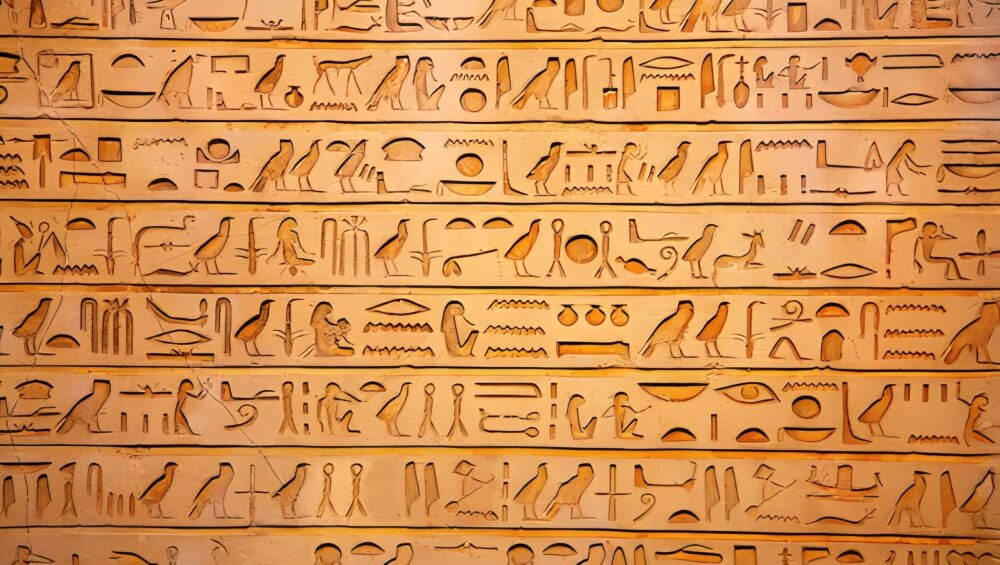
Hieroglyphics, derived from the Greek ‘hieros’ (sacred) and ‘glyphein’ (to carve), symbolized the language of gods in ancient Egypt. They first appeared roughly around 3100 BCE, aligning with the early dynastic period. Hieroglyphic inscriptions adorned temple facades, tombs, obelisks, and royal monuments. Every symbol—be it a falcon, reed, or scarab beetle—carried multiple layers of meaning. The complexity was deliberate; priests and scribes mastered these symbols as both art and language, blending phonetics with ideography to narrate divine myths, royal decrees, and cosmic order.

Travelers visiting monumental temples like Luxor Temple or Temple of Hatshepsut marvel at the precision of hieroglyphic artistry. The walls speak volumes about Egyptian spirituality, scientific advancements, and social hierarchy. Egyptians viewed hieroglyphics as a conduit between the earthly and divine realms—a concept that remains palpable when visiting Abu Simbel Temples, where colossal narratives immortalize Pharaoh Ramses II in his eternal dialogue with the gods.

Understanding the Language of Symbols

Hieroglyphics operate both as phonetic symbols and pictographs. For instance, one symbol might represent an entire word like ‘sun’ while another stands for a sound such as ‘ra.’ Combining them produced rich layers of linguistic nuance. This fluidity made the system ideal for religious and ceremonial inscriptions. Deciphering hieroglyphics took centuries until Jean-François Champollion’s work with the Rosetta Stone bridged ancient and modern understanding. The moment scholars unlocked the code, humanity rediscovered an entire civilization’s voice etched in stone for over 4,000 years.

Petroglyphs: The Global Language of Primitive Expression

Petroglyphs, often predating hieroglyphics by thousands of years, represent humankind’s earliest attempt at communication. They were created by chipping, carving, or incising images directly into rock surfaces. Unlike hieroglyphics, petroglyphs lack phonetic value and are instead symbolic depictions—of hunts, ceremonies, migrations, or celestial visions. Found in Africa, North America, Australia, and Europe, petroglyphs transcend geography and culture, reflecting collective human experiences before structured language evolved.

Egypt also houses ancient petroglyphs—especially in the White Desert and the Western Desert regions—where nomadic tribes depicted animals and solar symbols long before the Pharaohs ruled the Nile. These motifs often blur the line between art and ritual, depicting how early humans perceived balance, fertility, and mortality. Petroglyphs, though primitive in form, pulse with profound symbolism that continues to inspire anthropologists and travelers alike.

To explore these mystical desert carvings, travelers may journey on cultural expeditions such as Fayoum & Western Desert or embark on adventure-filled Desert Safari Trips by Quad Bike, witnessing firsthand the landscapes where early artists dreamt their visions into stone.

The Technique and Purpose of Petroglyph Art

Creating a petroglyph required patience and precision. Ancient artists used harder stones or metal tools to peck, chip, and grind the surface. The laborious process ensured longevity; many carvings survived tens of millennia despite erosion. But why did our ancestors carve these images? Some served as hunting records, others marked territorial boundaries or celestial observations. Spiritual interpretations abound—many researchers believe these carvings captured shamanic visions or mythological beings guiding early tribes through hardship. In any interpretation, petroglyphs stand as echoes of universal human emotion: awe, fear, reverence, and curiosity.

Hieroglyphics vs Petroglyphs: The Core Differences Explained

While both hieroglyphics and petroglyphs share the medium of stone and symbol, their purposes and complexity diverge remarkably. Hieroglyphics formed a linguistic system; petroglyphs did not. Hieroglyphics conveyed sound and syntax, while petroglyphs portrayed conceptual imagery without structured grammar. One was intellectual, the other instinctual. Hieroglyphics served organized civilizations such as Egypt, whereas petroglyphs emerged in preliterate societies around the globe. Yet, both aimed to communicate—to record, remember, and connect human minds across generations.

This contrast is vividly experienced along the Nile during Luxury Nile Cruises where travelers discover temple inscriptions juxtaposed with prehistoric symbols carved on nearby cliffs—clear evidence of humanity’s evolving creativity. The Nile Valley uniquely illustrates how petroglyphic art matured into hieroglyphic language, making Egypt an unparalleled open-air archive of human expression.

Artistic and Cultural Impact Across Time

From an artistic lens, hieroglyphics reflect sophistication and abstract thinking, while petroglyphs embody raw emotion and primal artistry. Culturally, hieroglyphics unified empires; petroglyphs connected scattered tribes. Yet both inspired future art forms—modern symbols, pictograms, and digital emojis draw directly from this ancient lineage. Today, travelers marvel at their visual potency, especially at heritage sites accessible via The Sphinx Statue or The Grand Egyptian Museum where ancient crafts meet contemporary fascination.

The Spiritual and Ritual Dimension of Ancient Carvings

Both hieroglyphics and petroglyphs carried deep spiritual dimensions. Egyptians believed hieroglyphic inscriptions were magical—they could protect, heal, or resurrect through divine articulation. Petroglyphs likewise connected ritual practitioners to unseen powers. Many sites align with celestial bodies, suggesting that early carvers viewed stone as an eternal canvas linking heaven and earth. Hence, these ancient symbols transcend art—they were acts of devotion, attempts to communicate with gods, spirits, or ancestors.

Sites like Temple of Philae reveal how sacred imagery transcended stone, merging artistry with metaphysics. Petroglyphs, too, act as spiritual footprints scattered across deserts, guiding modern explorers toward understanding ancient souls and their connection to cosmic rhythm.

Preservation Challenges and Modern Appreciation

Despite their resilience, both hieroglyphics and petroglyphs face threats—from climate exposure to vandalism. Scholars and Egyptian heritage advocates campaign tirelessly to preserve these timeless messages. Restoration efforts at sites like Kom Ombo Temple and Edfu Temple demonstrate remarkable dedication to safeguarding hieroglyphic legacies. Meanwhile, desert archaeologists strive to document remote petroglyph locations before erosion or modernization erases them forever. Public awareness grows as eco-conscious tours, such as Eco Tours in Egypt, engage travelers in conservation and cultural education.

Why Hieroglyphics and Petroglyphs Still Matter

In a digital era dominated by screens, revisiting ancient carvings reminds us where communication began. These symbols reflect identity, expression, and survival. They echo humanity’s need to leave stories etched in permanence. Hieroglyphics whisper the wisdom of written civilization; petroglyphs shout the primal voice of creativity. Together, they celebrate the universal human drive to be remembered—making their comparison not merely historical but profoundly existential.

Frequently Asked Questions about Hieroglyphics vs Petroglyph

What is the main difference between hieroglyphics and petroglyphs?

Hieroglyphics are structured writing systems with phonetic and symbolic elements, primarily used in ancient Egypt for religious and administrative purposes. Petroglyphs are non-linguistic carvings or etchings found globally, serving as early symbolic expressions without standardized grammar or alphabet.

Where can travelers see authentic hieroglyphics in Egypt?

Travelers can experience majestic hieroglyphics at monumental sites like Luxor Temple, Abu Simbel, and inside the tombs of pharaohs along the Valley of the Queens. Visitors often include these locations in guided trips such as 4 Day Cairo and Luxor Tour Package.

Are petroglyphs found in Egypt?

Yes, ancient petroglyphs appear in Egyptian deserts, notably the Western Desert and the Fayoum Oasis. They depict animals, spirits, and early human activities, predating Pharaohic hieroglyphs by millennia.

Can hieroglyphics still be read today?

Absolutely. Thanks to the discovery of the Rosetta Stone and the linguistic genius of Jean-François Champollion, scholars can now interpret ancient hieroglyphics accurately, revealing historical narratives, prayers, and myths once thought lost forever.

Why are both hieroglyphics and petroglyphs important in archaeology?

Both represent milestones in humanity’s cognitive and artistic evolution. Hieroglyphics signify advanced linguistic structure, while petroglyphs illuminate humanity’s earliest symbolic thought. Together, they provide archaeologists with invaluable insight into the inception of communication, art, and civilization itself.

Conclusion: A Timeless Conversation Between Stone and Spirit

Hieroglyphics and petroglyphs are not isolated relics but intertwined chapters of a shared human saga. They narrate the transformation from instinct to intellect, from mere survival to written heritage. Whether in the grandeur of hieroglyphic temples along the Nile or the silent mystery of petroglyph-covered cliffs in distant deserts, each mark tells us our ancestors yearned to speak beyond time. To witness them today—perhaps after a serene Luxury Dahabiya Nile Cruise or an adventurous desert excursion—is to participate in an eternal dialogue, one carved meticulously between humanity and eternity.

Om Ali Recipe And History

Om Ali Recipe and History: Egypt’s Legendary Dessert of Layers and Legacy

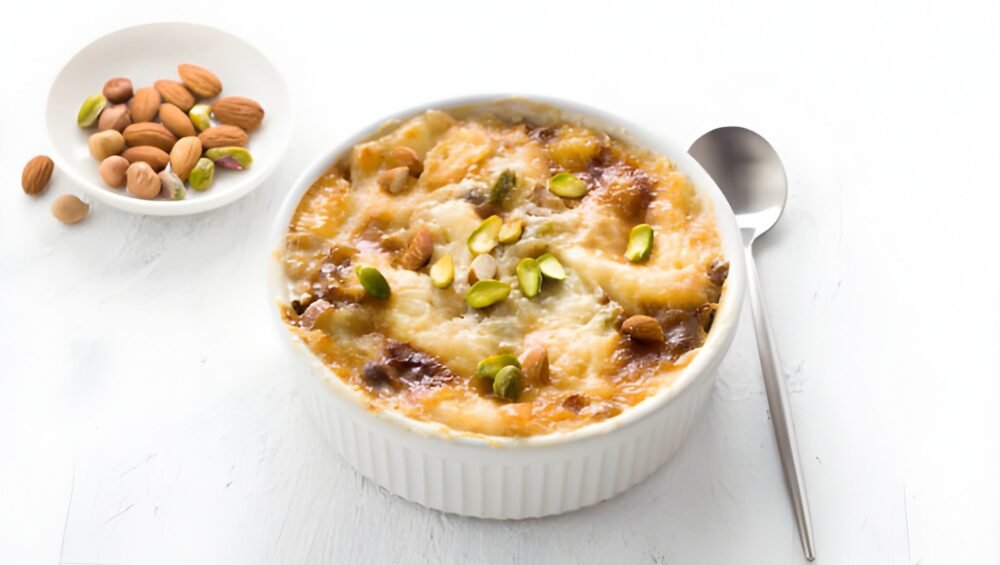
In the golden kitchens of Egypt, few desserts hold such an emotional, historical, and culinary impact as Om Ali. Known as Egypt’s national dessert, this indulgent pudding of pastry, milk, nuts, and cream represents more than just sweetness—it tells a tale of rivalry, power, and celebration stretching back to medieval times. The Om Ali recipe and history capture the heart of Egyptian heritage, connecting sultans to family kitchens, royal intrigue to street-side cafés, and ancient opulence to modern comfort food.

Om Ali—literally meaning ‘Mother of Ali’—is the kind of dessert that draws people together. Served at weddings, festive holidays, Ramadan iftars, and cozy family dinners, it evokes nostalgia, pride, and warmth in every spoonful. The story behind it unfolds in Egypt’s monumental history, while its recipe has evolved into countless delightful variations, showcasing the country’s remarkable culinary creativity. This article delves deep into Om Ali’s roots, its royal legend, cultural symbolism, and step-by-step preparation—all while exploring how this classic is still captivating the world today.

The Origin and History of Om Ali Dessert

The Om Ali dessert traces its origins back to the Ayyubid dynasty, during the 13th century, under Sultan Ezz El Din Aybek. According to popular legend, following his death, a fierce power struggle brewed between his wife, Shajarat Al-Durr, and his first wife, Om Ali. In a victorious turn of events, Om Ali celebrated her triumph by ordering the cooks to create a dessert that could be shared among the people of Cairo. The resulting treat blended baked bread, milk, sugar, and nuts—a heartwarming mixture symbolizing joy and victory. That’s how the Om Ali recipe and history were born.

Across Egyptian generations, the Om Ali story became part of folklore, embodying celebration and triumph over adversity. Whether factual or embellished, it underscores Egypt’s rich storytelling culture, where food often intertwines with legend. Today, Om Ali remains a staple in Egyptian households and upscale establishments alike—its creamy texture and nutty crunch beloved by locals and visitors exploring traditional desserts of Egypt.

Om Ali Through the Centuries

From the bustling streets of Islamic Cairo to modern dessert counters across the Arab world, Om Ali evolved without losing its essence. Centuries ago, bakers used leftover flatbread and simple ingredients because luxury foods were reserved for royalty. But as trade and culinary techniques advanced, Egyptians infused it with puff pastry, cream, coconut flakes, and even condensed milk. Whether baked in a clay pot or modern oven, Om Ali’s comforting scent and creamy finish transcend social classes and time periods, echoing Egypt’s enduring charm.

During Ottoman influence, variations spread through the Levant, adapting local touches while preserving the spirit of comfort and indulgence. As tourism expanded, travelers began tasting this delicacy at hotel buffets after enjoying Luxor Temple tours or Nile cruises. Its fame now stretches globally—from Cairo’s elegant patisseries to dessert tables in London or Dubai, symbolizing Egypt’s deep culinary heritage.

Traditional Om Ali Recipe: Ingredients and Preparation

The authentic Om Ali recipe embodies simplicity at its finest while capturing decadent depth. Traditional Egyptian households preserve its classic steps, maintaining the balance between milk’s softness and pastry’s crispness. The following essence highlights a step-by-step rendition cherished by families and culinary enthusiasts across the globe.

Key Ingredients in Authentic Om Ali

At its heart, Om Ali requires only a few humble ingredients that transform into magic once baked together. The essentials include baked puff pastry or Egyptian ‘roaa’ bread, milk, sugar, heavy cream, and a medley of mixed nuts—usually pistachios, almonds, coconut, and raisins. Some recipes embrace modern flair by using croissants for richer flavor, while others maintain old-world simplicity reminiscent of meals served along the Nile River banks.

Each element contributes a unique texture. The pastry layers soak the milk like a sponge, while nuts bring crunch, and the caramelized top delivers irresistible sweetness. This combination mirrors the Egyptian appreciation for contrast: creamy and crisp, subtle and rich, all in a single bite.

Step-by-Step Preparation

To craft authentic Om Ali, begin by baking puff pastry until golden brown and flaky. Once cooled, crumble it into pieces to form a base in an ovenproof dish. Bring milk and sugar to a simmer—just enough to melt the sugar completely—before pouring it over the pastry pieces. Sprinkle generously with nuts and shredded coconut, ensuring even distribution. A final layer of fresh cream or condensed milk creates the luscious top. Bake until bubbling and golden, allowing it to rest slightly before serving warm.

Many chefs today introduce unique touches such as adding rosewater, cinnamon, or even a splash of vanilla essence for aroma. Yet, regardless of modern interpretations, the authentic Om Ali continues to captivate everyone craving a taste of true Egyptian tradition after walking through ancient wonders like the Temple of Hatshepsut.

Cultural Significance of Om Ali in Egyptian Society

Om Ali isn’t just a dessert—it’s an emblem of national pride and a reflection of Egypt’s warmth and generosity. Much like koshari or molokhia, Om Ali’s presence on the dining table signifies togetherness. It’s often served during Ramadan nights, Eid celebrations, and family gatherings, reinforcing its symbolic place in Egyptian tradition just like the storytelling around landmarks such as the Citadel of Salah El-Din.

In Egyptian culture, food goes beyond sustenance—it embodies emotion and community. When a fresh dish of Om Ali is placed on the table, everyone digs in with joy, sharing laughter and warmth. It’s more than sweetness—it’s nostalgia, a connection to ancestors, and a continuation of hospitality deeply rooted in Egyptian values.

Om Ali’s Role in Modern Egyptian Culinary Tourism

As Egypt becomes a leading global travel destination, traditional dishes like Om Ali play a crucial role in cultural tourism. Guests on Cairo Day Tours or embarking on luxurious Luxury Nile Cruise packages often savor Om Ali as part of authentic dining experiences. Culinary tours highlight this dessert to immerse travelers in the essence of Egypt—its royal history, local produce, and sense of communal joy.

Restaurants, cafes, and luxury hotels from the bustling streets of Aswan to the serene banks of Luxor treat guests to freshly baked Om Ali, seasoned with stories and smiles. For many, it becomes not just a food memory but a cultural awakening, reinforcing Egypt’s identity as a hub of heritage and flavor.

Healthier Versions and Modern Adaptations

While traditional Om Ali brims with indulgence, contemporary Egyptian chefs often experiment with lighter ingredients. Using low-fat milk, whole wheat croissant pieces, or sugar alternatives, they breathe a healthier twist into this age-old dessert. Vegan interpretations even substitute dairy for coconut milk and plant-based cream. Yet, those who know the authentic flavor swear by the potion of full-fat richness that renders the original recipe unmatched in taste and comfort.

Why Om Ali Endures as a Culinary Classic

Part of Om Ali’s eternal appeal lies in its simplicity and adaptability. In a nation steeped in contrasts—from sandy deserts to the lush Nile Delta—its ability to bridge the rustic and royal remains extraordinary. Its preparation doesn’t demand elaborate equipment or luxury ingredients, yet it consistently delivers regal satisfaction. This effortless balance continues to charm generations, ensuring that Om Ali holds its rank among iconic Middle Eastern desserts.

Moreover, the emotional tie of sharing Om Ali at joyous moments enhances its legacy. As Egypt embraces modern globalization, its cuisine—anchored by dishes like this—becomes a cultural ambassador. Many visitors mark their journeys with an Om Ali after witnessing wonders like the Abu Simbel Temples or ancient sites along a Best Nile River Cruise.

Bringing Egypt’s Sweet Soul Home

While tasting Om Ali in Egypt offers a special charm, recreating it at home connects you intimately to the land’s history and hospitality. Preparing the Om Ali recipe—layering puff pastry, pouring milk, and watching it bake into golden enchantment—feels like a journey through Egypt itself. Every bite channels its royalty, resilience, and splendor from the days of queens and sultans.

Frequently Asked Questions About Om Ali Recipe and History

What does Om Ali mean in Arabic?

The name ‘Om Ali’ translates directly to ‘Mother of Ali’ in Arabic, referring to the wife of Sultan Ezz El Din Aybek. Her victory and celebration inspired the dessert’s origin tale that shaped Egyptian culinary history.

Can Om Ali be served cold?

Traditionally, Om Ali is served warm to allow its buttery pastry to soak up the creamy milk mixture fully. However, some prefer it slightly chilled, especially during summer months in Egypt, when dessert tables overflow with sweet variety after long tours through Cairo City.

Is Om Ali similar to bread pudding?

Yes, Om Ali shares similarities with Western bread pudding but differs notably in flavor and texture. It uses puff pastry instead of plain bread, offering a crisp and flaky consistency. Its nut mixture, coconut, and cream set it apart from the dense Western versions.

How long does Om Ali last in the fridge?

Stored properly in an airtight container, Om Ali maintains its freshness for up to three days. However, it’s best reheated before serving to restore its signature creamy texture and delightful aroma reminiscent of the ancient homes overlooking Aswan City.

Can I prepare Om Ali ahead of time for gatherings?

Absolutely. Prepare the dessert a few hours in advance, refrigerate it, then bake just before serving. This method allows time for the milk to soak into the pastry, intensifying the flavor. Many Egyptians follow this practice to serve Om Ali during festive nights, much like those spent overlooking temples along Luxor Day Tours.

Are there regional variations of Om Ali?

Indeed! Beyond Egypt, neighboring Middle Eastern countries adapted Om Ali into similar puddings using phyllo dough, cream, and cardamom-infused milk. Yet, none achieve the same authenticity and symbolic story that Egypt’s original version delivers, echoing through bustling markets from El Moez Street to Alexandria’s coastal cafes.

Where can tourists taste the best Om Ali in Egypt?

Visitors can enjoy the finest Om Ali in luxury hotels, local dessert parlors, and Nile cruise buffets. Places around the Grand Egyptian Museum or along scenic Luxor City spots serve outstanding versions, offering travelers a sweet ending to their Egyptian adventures.

In essence, the story and sweetness of Om Ali mirror Egypt’s soul—rich, ancient, generous, and timeless. From royal rivalry to family joy, its journey across centuries cements it as far more than dessert; it’s living history served in a golden dish, uniting flavors of past and present with every humble bite.

What Is The Currency Of Egypt?

The Currency Of Egypt – Everything You Need To Know About The Egyptian Pound

When travelers set foot in Egypt, a nation celebrated for its ancient wonders, bustling souks, and warm hospitality, one of the first questions they ask is, ‘What is the currency of Egypt?’ The answer lies in the heart of the country’s modern economy — the Egyptian Pound (EGP), often abbreviated as LE or £E, symbolizing “Livre Egyptienne.” As the official currency of Egypt, it weaves a fascinating tale of history, economy, and everyday life. Whether you’re shopping in Cairo’s vibrant markets, tipping at luxurious hotels, or exploring the temples of Luxor City, understanding Egypt’s currency is absolutely essential for smooth travel and local interaction.

The Egyptian Pound plays a vital role in shaping the country’s financial system. Introduced in the 19th century, it replaced the piastre-based system and eventually became the backbone of Egypt’s monetary landscape. From the historic streets near the Nile River to modern financial hubs, the Egyptian Pound measures value, trade, and prosperity. The currency’s design reflects Egypt’s dual heritage — a blend of majestic ancient motifs and contemporary symbols of growth and unity. For foreign visitors, comprehending exchange rates, denominations, and local pricing etiquette enhances not only budgeting but also the entire cultural experience of exploring this captivating land.

The Egyptian Pound – Origins And Historical Evolution

The Egyptian Pound, or ‘guineh’ in Arabic, has a rich past dating back to 1834 when Egypt transitioned from the Ottoman piastre to a nationalized, standardized currency. The government pegged the new pound to precious metals, primarily gold and silver, aligning with international trade systems of the era. This marked a transformation in how Egyptians measured wealth — from bartering goods to participating in global commerce. During the British occupation, the Egyptian Pound was linked to the British sterling, further strengthening its standing in international markets.

When Egypt gained independence, the currency remained a powerful symbol of national pride. The Central Bank of Egypt now issues and regulates the pound, ensuring economic stability across the republic. Its value fluctuated over the decades, reflecting political changes and global economic shifts. Notably, after Egypt adopted a more flexible exchange regime in the 21st century, the Egyptian Pound began to mirror the country’s real market conditions. For travelers seeking to understand not only the currency but also Egypt’s economic resilience, this history underscores the nation’s adaptability and dynamic financial spirit.

Modern Features And Design Of The Egyptian Pound

Today’s Egyptian Pound tells an artistic story on every note and coin. The currency proudly showcases the country’s extraordinary heritage, bringing ancient art into modern pockets. Banknotes feature hieroglyphic-like inscriptions, Pharaonic temples, and Islamic architecture such as the Alabaster Mosque and the Mosque of Ibn Tulun. On the reverse side, Islamic motifs stand as a nod to Egypt’s deep spiritual identity. Coins circulate in smaller denominations, highlighting the country’s monuments.

Denominations range from small piastre coins to paper bills up to 200 pounds. Polymer banknotes, recently introduced, enhance durability and include advanced anti-counterfeit features. These transparent designs symbolize progress and sustainability — critical for a nation striving to balance tradition and innovation. Recognizing the designs helps visitors authenticate their currency and appreciate the artistic representation of Egyptian culture through everyday transactions.

Exchange Rate Of The Egyptian Pound And Currency Conversions

The exchange rate of the Egyptian Pound is influenced by inflation, foreign investment, and trade balance. Typically, travelers will find that one U.S. dollar equals several Egyptian Pounds, though the amount varies with economic policies. Currency exchange services are readily available at airports, hotels, and national banks. It’s advisable to confirm rates through official sources or reliable exchange counters, as street money changers may vary in transparency.

Foreign credit and debit cards are widely accepted in urban centers like Cairo, Alexandria, and Aswan City. However, cash is king in rural areas or local markets. The Central Bank’s monetary policies aim to stabilize the pound amid shifting global financial conditions. Digital platforms and ATMs dispense Egyptian Pounds, making access convenient for both travelers and locals navigating modern Egypt’s growing financial ecosystem.

Understanding Denominations And Local Spending Habits

Visitors must familiarize themselves with denominations to avoid confusion during transactions. Egyptian banknotes exist in 5, 10, 20, 50, 100, and 200-pound notes, complemented by coins of smaller values. The piastre, though rarely used in significant trade, still appears in some price tags within supermarkets or government entities. Locals often round up prices for convenience, and a small tip or “baksheesh” is customary in restaurants, museums, and guided tours.

In tourist zones such as Luxor Day Tours or Cairo Day Tours, merchants may quote prices in dollars or euros, but paying in Egyptian Pounds typically results in better deals. Understanding these habits helps avoid overpayment and fosters smoother interactions with local vendors. Carrying small denominations ensures easier transactions, especially when venturing into bazaars or using local transport.

Impact Of The Egyptian Pound On Tourism And Economy

The Egyptian Pound’s exchange value significantly affects the tourism industry. For international visitors, weaker exchange rates often translate to affordable travel experiences — from luxury Nile cruises to traditional feasts. The currency’s flexibility strengthens Egypt’s position as a globally attractive destination. Major cities like Cairo, Alexandria City, and Hurghada City benefit from this effect, welcoming millions of travelers eager to explore iconic landmarks at accessible prices.

The government continues implementing reforms to enhance the pound’s stability and attract foreign investors. The Central Bank oversees foreign reserves, controls inflation, and supports long-term infrastructure development. Consequently, this balance drives steady growth in tourism, real estate, and trade sectors. When visitors exchange currency, they directly contribute to Egypt’s vibrant economy — a dynamic link between cultural appreciation and economic participation.

Practical Tips For Using The Egyptian Pound

When handling Egyptian Pounds, always check the banknotes’ condition; shops or taxis might occasionally refuse torn or damaged notes. Avoid exchanging money at unlicensed stalls to prevent counterfeit risks. Keep receipts from exchange offices, as you may need them to reconvert unused funds before departure. Credit cards are convenient for hotels and upscale restaurants, yet cash dominates small transactions. ATMs are widely available in metropolitan zones, usually dispensing Egyptian Pounds with language options in English and Arabic.

Tip in local currency whenever possible, as it’s easier for service staff to use. On Nile cruises like the 7 Days Cairo and Nile Cruise Package, gratuities are customary. Currency awareness simplifies payment and builds positive exchanges with local communities. Learning a few Arabic numerals also helps recognize pricing faster, adding a rewarding touch to cultural immersion.

Banking, Digital Transactions, And Economic Reforms

Egypt’s banking transformation has modernized the way people use the Egyptian Pound. Mobile banking, contactless payments, and government-encouraged digital wallets are slowly taking root. Financial inclusion campaigns educate citizens about digital safety, promoting more transparent monetary systems. The Central Bank’s innovation in fintech allows tourists to make secure payments through digital applications, all denominated in Egyptian Pounds. Such accessibility ensures smooth transactions during both business and leisure trips.

This modernization complements Egypt’s vision for a technologically advanced economy. From tourism services in All Inclusive Egypt Vacations to cross-border e-commerce, the pound sustains its critical role in every financial movement. Egypt demonstrates that with strategic reforms, even centuries-old currencies can stay relevant in a digital-first era.

How The Egyptian Pound Reflects National Identity

The Egyptian Pound is more than a medium of exchange — it embodies Egypt’s identity. Each banknote is a canvas that tells stories of monumental temples, resilient dynasties, and thriving cultures. Images such as the Abu Simbel Temples and the Temple of Philae honor the legacy of an empire that once ruled ancient trade networks. The presence of modern mosques and landmarks alongside ancient carvings on banknotes reflects unity across centuries of transformation.

For Egyptians, handling the pound connects their daily lives to ancestors who traded along the Nile. For tourists, it’s a tangible piece of the nation’s richness — a souvenir infused with spirit and symbolism. This perspective fosters appreciation for Egypt beyond its monuments, highlighting a living civilization that still thrives on innovation and resilience.

FAQs About The Currency Of Egypt

What Is The Official Currency Of Egypt?

The official currency of Egypt is the Egyptian Pound, abbreviated as EGP or LE (Livre Egyptienne). Locals pronounce it “Guineh,” and it’s subdivided into 100 piastres. It’s the sole legal tender accepted throughout the country for goods, services, and daily expenditures.

What Are The Common Egyptian Pound Denominations?

Common denominations include coins in 25, 50 piastres, and 1 pound, with banknotes of 5, 10, 20, 50, 100, and 200 pounds. The new polymer versions, especially the 10 and 20-pound notes, enhance durability and security.

Can I Use U.S. Dollars Or Euros In Egypt?

Yes, some hotels and luxury retailers accept U.S. dollars and euros. However, paying in Egyptian Pounds generally provides better value due to exchange rate differences. Currency can be exchanged easily at authorized banks, airports, and exchange kiosks.

Is It Better To Exchange Money In Egypt Or Before Traveling?

Exchanging money upon arrival often yields better rates than doing so abroad. Local exchange offices and ATMs dispense Egyptian Pounds efficiently. Nevertheless, carrying some local currency beforehand can cover transport or small tips during your first hours in Egypt.

How Stable Is The Egyptian Pound Today?

The Egyptian Pound experiences fluctuations due to global economic conditions and domestic reforms. However, ongoing fiscal measures, increasing foreign investments, and tourism revenue continue to support stability. The Central Bank’s regulatory framework ensures long-term resilience within Egypt’s rapidly developing economy.

Can Travelers Use Credit And Debit Cards In Egypt?

Yes, credit and debit cards are widely accepted in major tourist hubs, upscale restaurants, and hotels. Nonetheless, cash remains essential for taxis, local eateries, and rural marketplaces. ATMs allow convenient withdrawals in Egyptian Pounds using international cards.

Ultimately, understanding the Egyptian Pound empowers travelers to navigate Egypt’s treasures with confidence. From exploring the 4 Day 3 Night Nile Cruise from Aswan to Luxor to wandering the colorful streets of El Moez Street, every transaction enriches connections with a land where history, culture, and commerce converge seamlessly. The currency of Egypt isn’t merely a financial tool — it’s a gateway into the enduring story of a nation where the past and present coexist harmoniously along the mighty Nile.

Desserts Of Egypt

Sweet Secrets of the Sands: Discovering the Timeless Desserts of Egypt

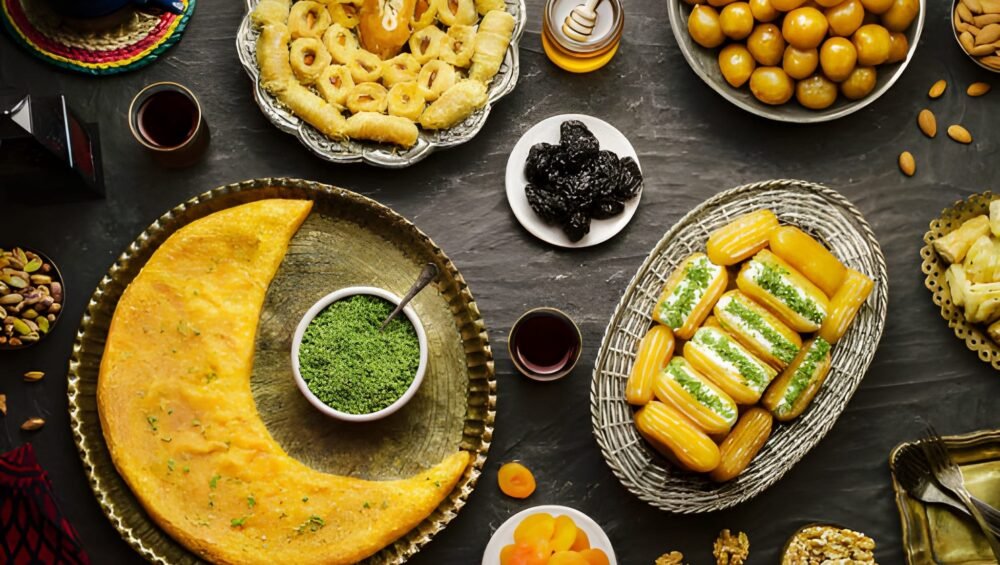
Egyptian desserts weave an irresistible story of history, culture, and pure indulgence. Rooted in ancient traditions and flavored by centuries of culinary exchange, these sweets offer far more than just sugar and spice. They’re a mirror to Egypt’s diverse landscape — each bite echoing the warmth of the desert sun, the abundance of the Nile River, and the lavish feasts once enjoyed by pharaohs. Desserts of Egypt hold a sacred place in every celebration, from grand weddings to family gatherings during Ramadan. Honey-drizzled pastries, aromatic nuts, and layers of flaky dough symbolize love, generosity, and the joy of togetherness.

In every home and street corner, Egyptian sweets tempt locals and travelers alike. From the legendary Om Ali, crowned the queen of desserts, to Basbousa soaked in syrupy perfection, or the nut-stuffed Konafa that melts at first bite, each delicacy tells its own tale. Exploring Egyptian desserts is a sensory journey through textures and tastes shaped by time. It’s where the soft mingles with the crunchy, where semolina flirts with syrup, and where ancient recipes still thrive in the heart of Egypt’s modern kitchens. Whether you’re strolling through El Moez Street or sitting in a Cairo café near the Grand Egyptian Museum, a plate of Egyptian sweets invites you to taste history — one bite at a time.

The Cultural Essence of Egyptian Desserts

Egyptian desserts are more than confections; they’re silent narrators of history. They evolved through centuries of Pharaonic rituals, Islamic conquests, and Mediterranean influences. Early Egyptians cherished honey and dates, the original sweeteners of the desert. Honey symbolized divine blessing, often used in temple offerings. Later, as Egypt became a crossroads of civilizations, Turkish, Greek, and Levantine flavors blended into its sweets, enhancing both taste and tradition. During festive months like Ramadan, the streets of Cairo buzz with vendors selling steaming trays of warm sweets — an enchanting ritual that fuses food with faith.

Families gather after sunset to enjoy these iconic treats. The dessert table becomes a bridge between generations, passing on customs as sweet as the confections themselves. Traditional recipes remain unchanged, proudly made by grandmothers who guard them like treasures. Egyptian desserts represent unity, spirituality, and heritage — a flavorful connection from ancient temples to today’s bustling cities like Luxor and Aswan.

Om Ali – The Legendary Dessert of Egypt

Arguably the most iconic Egyptian dessert, Om Ali is a symbol of generosity and victory. This warm, creamy pudding is layered with puff pastry, milk, sugar, nuts, raisins, and sometimes coconut. Legend traces its origin to medieval Egypt, where the wife of Sultan Izz al-Din Aybak baked the first Om Ali to celebrate triumph. Centuries later, it remains a national favorite, served in elegant Cairo restaurants and humble street stalls alike. It’s a comforting blend of textures — crispy, chewy, and milky — that captures the soul of Egyptian hospitality. Those curious about Om Ali’s deeper origins can dive into its fascinating past through the Om Ali Recipe and History.

Basbousa – The Semolina Delight

Basbousa epitomizes Egyptian simplicity with its golden-baked semolina soaked in fragrant sugar syrup. Soft yet dense, it’s delicately perfumed with rose or orange blossom water, often topped with almonds or shredded coconut. Unlike Western cakes, Basbousa’s sweetness bursts boldly yet gracefully, pairing perfectly with hot mint tea or black coffee. It’s the kind of dessert you find in any Egyptian home, often baked in large trays as a sign of abundance. Versions of Basbousa spread across the Middle East, but nothing beats the authentic Egyptian version found in local bakeries.

Kunafa – A Crispy Indulgence

Kunafa reigns supreme during Ramadan, brightening Egyptian nights with its golden threads of shredded pastry stuffed with creamy filling. Traditionally baked over live flame, it’s drizzled with syrup and garnished with pistachios or nuts. Some prefer it with cheese for a subtle savory kick, others with cream or custard for sheer decadence. Watching Kunafa being prepared in Cairo’s old quarters is a feast for the senses — the crackle of the pastry, the aroma of butter, and the sizzling drizzle of syrup that marks its perfection. Its popularity has also reached coastal towns such as Hurghada and Marsa Alam, attracting dessert lovers from across the globe.

Baklava – Layers of Sweet Legacy

Baklava, though often associated with Ottoman heritage, has found a permanent home in Egyptian cuisine. Its delicate phyllo layers filled with chopped nuts and sealed with honey syrup create a symphony of crunch and smooth sweetness. Egyptians embrace its local twist, often adding a hint of cardamom or cinnamon. Once exclusive to royal feasts, baklava now graces every festive table, marking Eid, weddings, and family reunions. It remains an edible bridge connecting Egypt to its broader Mediterranean neighbors, uniting them through layers of baked perfection.

Halawa & Tahini Treats – Ancient Simplicity Unraveled

Halawa (or Halvah) showcases how Egyptians elevate simplicity. Made from sesame paste (tahini) and sugar, it offers a crumbly texture with a nutty depth that lingers on the palate. Whether enjoyed plain or studded with pistachios, Halawa holds nostalgic power for many Egyptians. It’s often paired with breakfast bread or served alongside hot tea at the end of the day. Its longevity as a culinary staple proves that ancient recipes, born from limited ingredients, can outlast time itself. To experience this heritage firsthand, visit marketplaces in cities like Alexandria, where vendors still handcraft this traditional confection.

Roz Bel Laban – Comfort in a Bowl

Roz Bel Laban, Egypt’s version of rice pudding, is the ultimate comfort food. Simmered slowly with milk, sugar, and a hint of vanilla or rosewater, it’s both rich and soothing. Sprinkled with cinnamon or crushed nuts, this creamy delight serves as a gentle remedy for long days and cold nights. Its widespread popularity across Egyptian households defines the country’s affection for desserts that balance sweetness with sentiment. Simple, authentic, and timeless — Roz Bel Laban embodies everything Egyptian food stands for: home, heart, and heritage.

Qatayef – Sweet Pancakes of Ramadan

Qatayef instantly evoke Ramadan nostalgia. These small, half-moon pancakes are stuffed with nuts or cream, fried until golden, and drenched in syrup. Crispy outside, soft inside, Qatayef symbolize festivity. Sellers appear across Egyptian streets as the sun sets, offering piles of freshly fried batches that fill the air with mouthwatering aroma. The ritual of Qatayef-making strengthens community ties, with families often gathering to fill and fold the batter together. It’s not just dessert — it’s a cherished moment woven into Egypt’s spiritual and social identity.

Egyptian Sweets and the Art of Sharing

In Egyptian society, sharing desserts is a gesture of kindness and empathy. During holidays, sweets like Kahk (powdered sugar biscuits) and Maamoul (date-filled cookies) overflow from boxes gifted to friends and neighbors. These small gestures represent Egypt’s unmatched hospitality, a value as constant as the Sphinx that guards its desert sands. Food, especially dessert, unites people from diverse backgrounds — it bridges cities, generations, and emotions, making Egypt’s culinary culture beautifully collective.

Regional Variations of Egyptian Desserts

Egypt’s desserts reflect its geographical and cultural diversity. In Upper Egypt, locals prefer richer, creamier sweets made with buffalo milk and ghee. Meanwhile, coastal cities such as Alexandria favor lighter pastries infused with Mediterranean flair. In oases like Siwa Oasis, traditional treats feature dates and local honey, echoing the desert’s bounty. Even within bustling Cairo, each neighborhood harbors unique dessert makers who add subtle twists — extra vanilla here, ruby pistachios there — ensuring no two sweets ever taste quite the same. This regional versatility keeps Egypt’s culinary traditions vibrant and evolving, while still rooted in timeless authenticity.

Modern Transformations of Classic Egyptian Desserts

As Egypt modernizes, its quintessential desserts embrace innovation. Famous chefs reinvent Kunafa with Nutella or mango, twist Basbousa into bite-sized morsels, and craft Rosewater Baklava with gourmet flair. Contemporary cafés across vibrant districts like Zamalek and Heliopolis fuse old recipes with global trends while retaining traditional essences. Tourists exploring Egypt through food tours often complement dessert tastings with top attractions like the Citadel of Salah El-Din or a serene evening cruise aboard the Best Nile River Cruises. This synergy between culinary heritage and modern tourism elevates how Egypt celebrates its gastronomic identity today.

Where to Taste the Best Desserts in Egypt

Every major city hides its dessert gems. In Cairo, downtown bakeries have been preparing traditional sweets for over a century. Luxor and Aswan offer authentic village-made confections enjoyed along the banks of the Nile. Travelers can indulge in dessert-tasting experiences during their Nile cruise holidays or during day tours like the Cairo Day Tours and Luxor Day Tours. Those seeking local flavors in small bites can explore family-run pastry shops or late-night dessert cafés tucked in scenic old quarters. Sampling sweets in Egypt isn’t just tasting — it’s touching the heart of a living culinary legacy.

FAQs About Desserts of Egypt

What is the most famous dessert in Egypt?

Om Ali is widely regarded as the most famous dessert in Egypt. Made of puff pastry, milk, sugar, and nuts, it’s served warm and loved throughout the country. Its legend dates back to medieval Egypt, making it both a cultural and culinary icon.

Are Egyptian desserts very sweet?

While traditional Egyptian desserts are typically sweet, their balance of flavors from nuts, dairy, and aromatic syrups makes them satisfyingly rich rather than overwhelmingly sugary. Desserts like Basbousa and Roz Bel Laban exemplify this perfect equilibrium.

Which festivals feature Egyptian desserts?

Festivals such as Ramadan, Eid al-Fitr, and weddings prominently feature Egyptian sweets. Popular treats like Kunafa, Qatayef, and Kahk fill the streets during Ramadan evenings, symbolizing joy and generosity.

Are Egyptian desserts suitable for vegetarians?

Yes, most Egyptian desserts like Basbousa, Halawa, and Baklava are vegetarian-friendly. They rely on plant-based ingredients such as semolina, nuts, honey, and tahini instead of animal-derived gelatin.

Where can tourists sample authentic Egyptian desserts?

Travelers can sample authentic Egyptian desserts in traditional cafés across Cairo, Luxor, and Aswan. During cultural excursions or luxurious experiences like the Luxury Nile Cruise or guided Egypt Day Tours, local pastry shops offer the freshest and most trusted versions of these timeless treats.

Things To Buy In Egypt

Top Things To Buy In Egypt: Authentic Souvenirs And Treasures You Can’t Miss

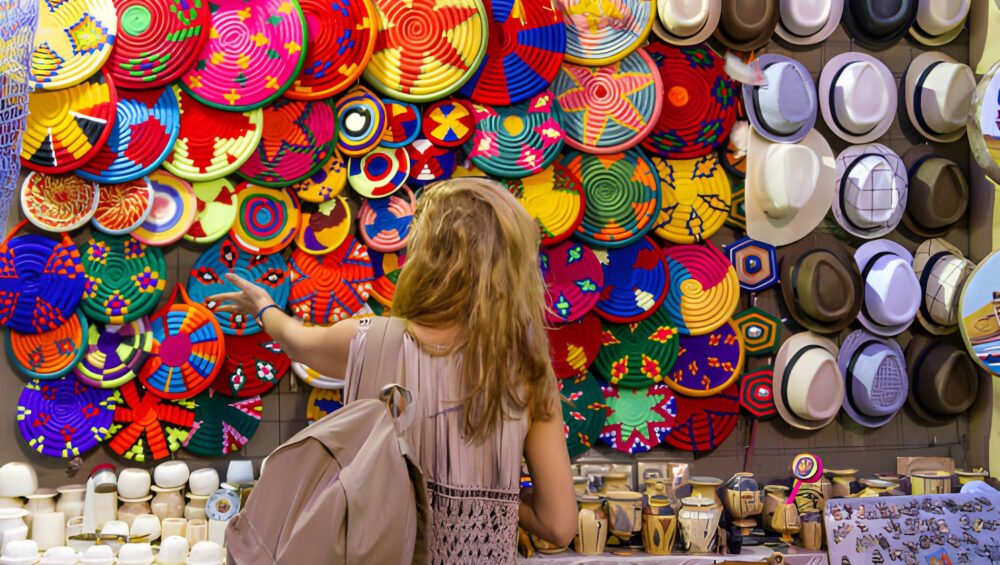
Egypt has always been more than just pyramids, temples, and the mighty Nile. It’s a living museum filled with craftsmanship, tradition, and artistry that you can literally take home. If you’re exploring the Cairo City bazaars or sailing on a Luxury Nile Cruise, you’ll find yourself surrounded by one-of-a-kind items made with passion and steeped in thousands of years of history. Shopping in Egypt isn’t just a fun activity—it’s a journey through culture, color, and creativity.

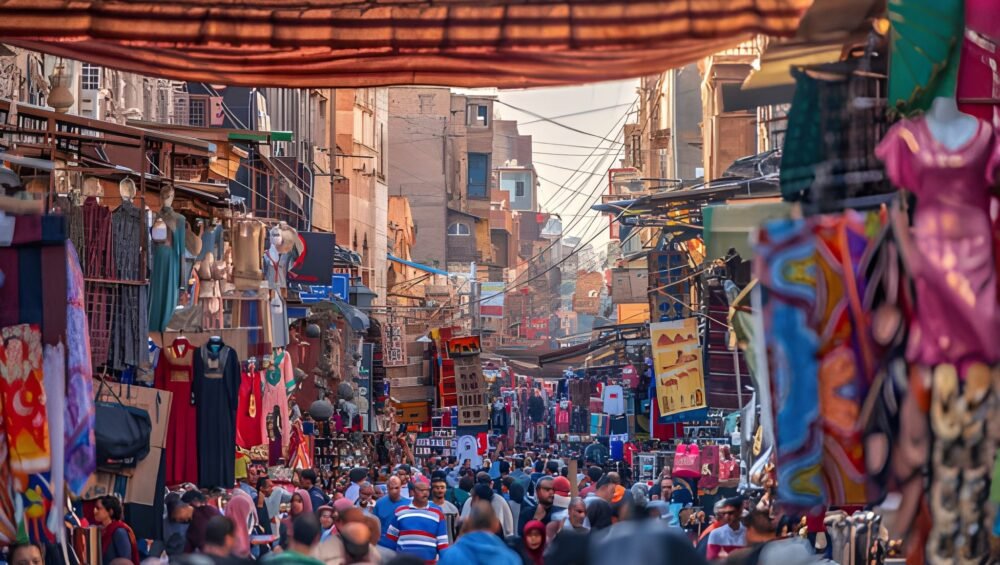
Whether you’re strolling through the chaotic charm of Khan El Khalili, wandering around the Nubian villages in Aswan City, or bargaining at a Luxor market, you’ll discover treasures that tell stories of pharaohs, artisans, and desert dwellers. From hand-carved alabaster statues to Egyptian cotton sheets softer than a Nile breeze, every purchase carries a piece of authenticity. This guide walks you through the most iconic and meaningful things to buy in Egypt—perfect souvenirs that immortalize your journey and make ideal gifts for loved ones. Each item reflects the rich cultural tapestry that has made Egypt a shoppers’ paradise for centuries.

So, let’s dive deep into the fascinating world of Egyptian handicrafts, traditional jewelry, perfumes, papyrus art, and ancient-themed artifacts. These are not just products—they’re memories wrapped in textures, scents, and colors that only Egypt can offer.

Egyptian Cotton: A World-Renowned Treasure

Let’s start with one of the most praised commodities in the world—Egyptian cotton. Known for its superior softness, durability, and luxurious feel, it has earned a global reputation for excellence. Local markets and high-end boutiques across Cairo and Luxor City display exquisite bedsheets, towels, and garments made from the finest long-staple cotton. When you buy authentic Egyptian cotton, you’re investing in comfort and quality that stands the test of time. Always look for a certified label or shop at reputable places to ensure you’re getting the real deal.

Papyrus Art: Ancient Egyptian Symbolism in Modern Style

Another must-buy is papyrus art, one of the most traditional souvenirs you can find. The process of creating papyrus goes back to the era of the ancient pharaohs, whose writings and paintings still fascinate visitors at sites like the Temple Of Hatshepsut. Today, Egyptian artists continue the craft, hand-painting exquisite reproductions of hieroglyphic scenes, gods, and goddesses on authentic papyrus sheets. It’s an ideal keepsake that captures both Egypt’s artistic elegance and its historical depth.

Alabaster Crafts: The Glow of Ancient Stone

Head to Luxor or Aswan, and you’ll find yourself drawn to alabaster workshops that sparkle with beauty. Alabaster vases, lamps, and sculptures are carved by hand, mirroring the craftsmanship found inside royal tombs like the Tomb Of Nefertari. When you light up an alabaster lamp, the glow feels almost mystical—like an ancient flame breathing life into your home décor. Be sure to pick up these stunning pieces directly from artisans; they’ll often demonstrate how the translucent stone is crafted.

Khan El Khalili Jewelry: A Legacy of Gold and Silver

No trip to Egypt is complete without exploring the legendary Khan El Khalili bazaar in Cairo. Here, you’ll find a dizzying array of gold and silver jewelry—rings, bracelets, and pendants shaped into ankhs, scarabs, and the Eye of Horus. These pieces aren’t just accessories; they’re symbols embedded with spiritual meaning. Whether you buy genuine gold or hand-engraved silver from small workshops, you’ll wear more than a trinket—you’ll carry a piece of Egyptian mythology with you.

Spices and Flavors: The Essence of Egyptian Markets

Immerse your senses in Cairo’s spice markets, where vibrant colors and intoxicating scents fill the air. Cardamom, cumin, hibiscus (known as karkadeh), and saffron are must-haves. Egyptians have been trading and blending spices since the time of Cleopatra, and today, the legacy continues. Karkadeh, especially, is one of the most popular things to buy—it makes a refreshing drink loved both hot and cold. Don’t forget black cumin, an age-old remedy believed to have healing power.

Egyptian Perfumes and Oils: The Fragrance of Antiquity

Egyptian perfumes are world-famous, often infused with essential oils and crafted from recipes that date back to ancient temple rituals. You’ll find small perfume houses offering lotus, jasmine, and sandalwood oils. Some shops even claim to replicate perfumes once used by pharaohs. Visit perfumers in Luxor or the markets near Temple Of Philae in Aswan for a scent experience that’s both exotic and unforgettable. Whether packaged in intricately designed glass bottles or delicate jars, these fragrances embody opulence and history.

Traditional Bedouin Handicrafts: Color, Texture, and Heritage

Egypt’s Bedouin communities have preserved their artistic identity through handwoven rugs, embroidered garments, and beaded jewelry. These handmade pieces are not mass-produced—they echo centuries of nomadic tradition. The patterns often symbolize stories of the desert, faith, and daily life. Buying Bedouin handicrafts helps sustain local artisans and supports Egypt’s living cultural heritage.

Nubian Crafts and Artwork: The Soul of the South

Among the brilliant things to buy in Egypt are Nubian crafts. The Nubian people from southern Egypt are renowned for their colorful pottery, basketry, and bold geometric patterns. In Nubian Village, you can pick up intricately painted gourds, natural pigments, and handmade jewelry with vivid shades of blue and red. Every piece reflects the warmth and resilience of a culture that has thrived along the Nile for millennia.

Egyptian Carpets and Kilims: Masterpieces of Weaving

Egypt produces some of the Middle East’s finest handmade carpets, woven with silk, wool, or cotton. In Fustat near Cairo and in rural villages, you can watch weavers at work, their hands moving rhythmically over looms creating masterpieces. A genuine Egyptian rug transforms any space—it’s both a decorative and cultural statement. Always make sure to negotiate respectfully and verify that you’re purchasing handmade rather than machine-woven products.

Egyptian Antiquity Replicas: Reliving the Pharaohs

Egypt’s historical magnetism makes replicas of ancient artifacts irresistible souvenirs. From miniature pyramids and statuettes of Anubis to wall plaques illustrating hieroglyphs, these reproductions celebrate the legacy of the world’s first great civilization. Museums and stores near sites like the Abu Simbel Temples and The Grand Egyptian Museum showcase the best artisans who replicate museum-quality artifacts. Always verify that items are modern replicas and not ancient artifacts to comply with Egypt’s cultural heritage laws.

Leather Goods and Handcrafted Sandals

Leather goods in Egypt are top-notch—ranging from slippers and sandals to handbags and belts. Cities like Cairo and Alexandria have leather workshops combining traditional tanning techniques with modern design. The craftsmanship mirrors the artistry visible in ancient carvings, blending form and function perfectly. Handmade Egyptian sandals, in particular, are incredibly durable and stylish souvenirs for fashion lovers.

Egyptian Pottery: Timeless Earthy Elegance

From the Tunis Village Pottery in Fayoum to artisanal studios in Luxor, Egyptian pottery reflects both utility and artistry. The earthy tones, symmetrical shapes, and ancient influences make these pieces stunning additions to any home. Many shops also sell hand-painted bowls with traditional Nile motifs, making every item a work of art tied to nature and culture.

Egyptian Dates and Local Foods: A Taste Worth Bringing Home

Food lovers will find Egypt’s markets irresistible. High-quality dates, honey, and tahini are both affordable and delicious to bring home. Egyptian dates, known for their rich flavor and natural sweetness, are among the best in the world. Packaged elegantly, they make perfect edible gifts—a sweet reminder of your adventure through the land of the Nile.

Musical Instruments: The Rhythm of the Nile

Egypt’s love affair with music stretches back thousands of years, and buying a traditional instrument like a doumbek or oud makes a meaningful souvenir. You can find beautifully handcrafted pieces in shops near Wekalet El Ghouri, where craftsmen still shape instruments that echo melodies of the ancient world.

Where to Shop for Authentic Egyptian Goods

For the best shopping experiences, head to the Khan El Khalili market, Luxor’s souks, and Aswan’s artisan bazaars. You can pair your shopping spree with sightseeing on one of the Best Nile River Cruises. Many tours include guided visits to authentic craft villages where you can meet the artists themselves. Combine cultural exploration with retail therapy through curated itineraries like the 7 Days Cairo and Nile Cruise Package or even a heritage experience on a Luxury Dahabiya Nile Cruise. Shopping becomes not only delightful but immersive when it’s interwoven with Egypt’s legendary sights and sounds.

FAQs About Things To Buy In Egypt

What are the best places to shop for souvenirs in Egypt?

The top places include Cairo’s Khan El Khalili bazaar, Luxor souks, Nubian markets in Aswan, and artisan workshops in Fayoum. These destinations feature handmade crafts, papyrus art, silver jewelry, and authentic Egyptian cotton. Combining your trip with Egypt Day Tours ensures you reach genuine artisan markets.

Is it safe to buy gold jewelry in Egypt?

Yes, provided you buy from reputable gold and silver shops. Always check for hallmark stamps, and feel free to negotiate prices respectfully. Jewelry from Khan El Khalili or Zamalek boutiques often comes with authenticity certificates.

How can I identify real papyrus?

Real papyrus feels coarse and fibrous, unlike the smooth texture of fake banana-leaf imitations. Reputable art galleries often demonstrate how genuine papyrus is made—an excellent indicator of authenticity for collectors and art lovers alike.

What food items can I bring back from Egypt?

Top edible souvenirs include dried hibiscus (karkadeh), Egyptian dates, spices, black cumin, and local honey. These are easy to pack and create delightful reminders of your culinary adventure through Egypt’s spice-scented streets.

What’s a unique handmade souvenir from rural Egypt?

Tunis Village pottery from Fayoum, Bedouin rugs, Nubian baskets, and alabaster carvings are some of the most unique handmade souvenirs. You can visit pottery villages on tours like the Day Tour to El Fayoum from Cairo for authentic artisan experiences.

Are Egyptian perfumes long-lasting?

Yes, Egyptian perfumes are made from concentrated essential oils that can last for hours. Lotus and jasmine fragrances are particularly famous. Their rich notes are reminiscent of the floral blends favored by the queens of ancient Egypt.

Can I ship large items home?

Most shops offer international shipping for fragile items like alabaster vases or ceramics. Ask for bubble-wrapped packaging and tracking details before finalizing your purchase for peace of mind.

Shopping in Egypt is much more than buying—it’s connecting with artisans who echo ancient traditions through their craft. Whether it’s a handwoven rug, a vial of lotus essence, or a shimmering

Best Cities To Visit In Egypt

Best Cities to Visit in Egypt for an Unforgettable Adventure

Egypt, the land of pharaohs, pyramids, and endless golden sands, is a fascinating destination that captures travelers’ hearts with its ancient wonders, vibrant culture, and mesmerizing landscapes. From bustling metropolises along the Nile to serene seaside escapes on the Red Sea, Egypt offers a breathtaking mix of history, nature, and modern charm. Whether you dream of gazing at the mighty Pyramids of Giza, cruising the timeless Nile, or diving among dazzling coral reefs, Egypt’s cities deliver experiences like no other. Each city tells a different story—from the grandeur of Cairo’s monuments to the relaxed coastal vibe of Hurghada and Sharm El Sheikh. This detailed travel guide explores the best cities to visit in Egypt, revealing their iconic attractions, hidden gems, and unique reasons to add them to your bucket list. Whether you’re looking for luxury, adventure, or a cultural escape, you’ll find out why Egypt remains one of the world’s most captivating travel destinations.

Cairo – The City That Never Sleeps

Cairo is Egypt’s beating heart—a thrilling fusion of ancient history and modern life. Home to legendary landmarks like the Pyramids of Giza, the Great Sphinx, and the Grand Egyptian Museum, it’s a city where every corner whispers stories of pharaohs and empires. Stroll through the bustling Khan El Khalili Bazaar and lose yourself in the aroma of spices, glittering lanterns, and handwoven textiles. Don’t miss Al Azhar Mosque or a sunset view from Cairo Tower for an unforgettable skyline moment. Take a leisurely felucca trip on the Nile or join a Cairo Day Tour to explore both ancient and modern neighborhoods. With its dynamic energy, rich cuisine, and diverse cultural districts, Cairo is the perfect introduction to Egypt’s vibrant soul.

Giza – The Timeless Guardian of the Pyramids

Just a short distance from central Cairo, Giza is globally renowned for its majestic pyramids—one of the Seven Wonders of the Ancient World. Standing in the shadow of these colossal structures is an unforgettable experience. The Giza Plateau also features monumental tombs, temples, and the Valley Temple of Khafre. For a unique perspective, try the Camel Ride Trip at the Pyramids and immerse yourself in desert serenity. As night falls, the Sound and Light Show brings ancient Egypt to life through spectacular storytelling under the stars. Giza seamlessly blends the allure of antiquity with a growing modern cityscape that’s constantly evolving.

Alexandria – Egypt’s Mediterranean Pearl

Founded by Alexander the Great, Alexandria is a city of deep cultural significance and Mediterranean elegance. Known for its cosmopolitan vibe, it offers an intriguing blend of Greco-Roman heritage, coastal beauty, and nostalgic charm. Visit the Citadel of Qaitbay, explore the mysterious Catacombs of Kom El Shoqafa, and marvel at the reborn Bibliotheca Alexandrina. Don’t forget to relax at Montazah Palace gardens or wander down the scenic Stanley Bridge at sunset. Alexandria’s seaside charm makes it an unmissable stop for travelers wanting a different side of Egypt—a city of artists, romance, and timeless allure.

Cultural Highlights and Dining by the Sea

In Alexandria, history meets culinary delight. Enjoy seafood feasts overlooking the waves, or sip traditional coffee in atmospheric old cafés once frequented by poets and thinkers. Tour operators like Day Tour to Alexandria City ensure you uncover its hidden treasures, including ancient theaters and Greco-Roman ruins scattered across the city. The blend of European influence with Egyptian hospitality creates an irresistible charm.

Luxor – The Timeless Open-Air Museum

Luxor is where Egypt’s ancient civilization truly comes alive. Once Thebes, the glorious capital of the New Kingdom, Luxor boasts an unmatched concentration of monuments and temples. Walk through the magnificent Luxor Temple and the vast Avenue of Sphinxes, connecting it to mighty Karnak Temple. Cross the Nile’s western bank to discover the Valley of the Queens, the Temple of Hatshepsut, and the Colossi of Memnon. Few cities on earth rival Luxor’s historical depth—it’s truly an open-air museum. Take a serene sunrise view over the city from a Luxor Hot Air Balloon Ride or enjoy guided Luxor Day Tours that reveal its monumental glory.

Nile Cruise Magic Between Luxor and Aswan

No trip to Egypt is complete without experiencing the Nile. Glide between Luxor and Aswan aboard luxurious vessels like the Steigenberger Legacy Nile Cruise or the elegant Luxury Dahabiya Nile Cruise. The journey lets you witness daily life along the riverbanks, ancient temples such as Edfu and Kom Ombo, and golden sunsets beyond imagination. It’s the quintessential Egyptian experience merging adventure, comfort, and romance.

Aswan – The Jewel of the Nile

Further south lies the tranquil charm of Aswan, a city that captures Egypt’s gentler pace. Known for its Nubian culture, golden dunes, and idyllic river islands, Aswan is both relaxing and historically rich. Explore the graceful Temple of Philae, admire the colossal Unfinished Obelisk, and feel the engineering marvel of the High Dam. Take a romantic Felucca Ride on the Nile at sunset or sail to Elephantine Island to experience life in Nubian villages. Aswan’s peaceful beauty and cultural authenticity make it a favorite for travelers seeking genuine connections.

Adventurous Day Trips from Aswan

Adventure lovers can embark on day tours to iconic sites like the monumental Abu Simbel Temples, reachable via a Day Trip from Aswan. If you crave more exploration, book enchanting Aswan Day Tours or enjoy a cultural visit to the Nubian Museum. Whether by river or desert road, Aswan invites you to linger and live the rhythm of the Nile.

Hurghada – Paradise for Divers and Sunseekers

Hurghada reigns as one of Egypt’s most beloved coastal cities, famed for its turquoise waters, vibrant coral reefs, and endless sunshine. Once a small fishing village, it’s now a bustling resort hub offering adventure, relaxation, and nightlife galore. Divers and snorkelers can explore brilliant underwater worlds through excursions like the Snorkeling at Mahmya Island or venture deeper with the Sindbad Submarine Tour. The Red Sea’s colorful marine life and excellent visibility make Hurghada a world-class diving destination. On land, join a thrilling Desert Safari by Jeep or spend evenings strolling along the Marina Boulevard.

Relaxation and Family Fun

Hurghada caters brilliantly to families and couples alike. With plenty of resorts offering all-inclusive comfort, it’s perfect for visitors on All Inclusive Egypt Vacations. Families can create lasting memories on specialized Egypt Family Tours. For those seeking a mix of sea and history, day trips to Luxor or Cairo are easily accessible. The combination of relaxation and adventure makes Hurghada an irresistible stop on any Egyptian journey.

Sharm El Sheikh – The Red Sea’s Glamorous Gem

Sharm El Sheikh, dazzling on the tip of the Sinai Peninsula, is a haven for luxury seekers and divers alike. Its crystal-clear waters, upscale resorts, and world-famous dive spots like Ras Mohammed National Park make it a Red Sea jewel. Experience mesmerizing coral gardens or dive into the ethereal beauty of the Blue Hole of Dahab. Enjoy desert adventures or worship sunrise views atop Mount Sinai. For visitors chasing a mix of excitement and relaxation, guided Sharm El Sheikh Day Tours deliver unforgettable experiences from sea to mountain.

Luxury and Nightlife by the Sea

By night, Sharm El Sheikh shines with life. Its beachfront promenades, world-class restaurants, and chic lounges attract travelers craving both adventure and indulgence. Whether you’re joining a Scuba Diving Experience or simply unwinding in your seaside villa, Sharm guarantees memories that last a lifetime.

Marsa Alam – Egypt’s Hidden Coastal Treasure

For travelers craving tranquility, Marsa Alam is the ultimate escape. This serene coastal city offers some of the Red Sea’s most pristine diving sites, such as the stunning <

What Is A Cataract In Egypt?

Understanding What Is a Cataract in Egypt: A Journey Through Natural Wonders and Ancient Splendor

When travelers hear the word ‘cataract’ in the context of Egypt, images of thunderous water rushing down sandstone cliffs may come to mind, and they’d be right to think so. A cataract in Egypt refers not to an eye condition, but to a dramatic section of the Nile River where the flow of water is interrupted by clusters of massive granite boulders, creating spectacular rapids. These natural phenomena have influenced trade, warfare, and settlement patterns along the Nile for thousands of years. The cataracts are not waterfalls per se, but sequences of rocky ridges and rapids that historically presented formidable barriers to navigation and communication.

The term ‘cataract’ originates from the Greek word ‘katarrhaktēs’, meaning waterfall or floodgate. In Egypt and Sudan, six notable cataracts punctuate the Nile’s flow, from Aswan in the north down to Khartoum in Sudan. Ancient Egyptians viewed these cataracts as both obstacles and opportunities—they defined borders, controlled trade routes, and served as natural fortifications protecting the heart of Egypt from incursions from the south. Even today, these landmarks remain vital to understanding Egyptian geography, history, and the country’s cultural identity shaped by the timeless Nile.

Exploring these cataracts provides a breathtaking blend of geological marvels and the deep human story woven into the Nile’s course. Travelers can experience remnants of ancient Nubian culture, archaeological wonders, and the serene yet powerful beauty of the Egyptian landscape. Modern visitors embarking on a Aswan Day Tour often encounter the legacy of these cataracts firsthand, witnessing centuries of civilization built around nature’s rhythm.

The Meaning and Origin of Cataracts Along the Nile River

In Egypt, cataracts are natural formations that have both geological and anthropological significance. These sections of turbulent waters result from tectonic movements that fractured the bedrock millions of years ago. Over time, erosion accentuated these fractures, leading to a rugged riverbed. As water crashes over uneven granite and sandstone terrain, rapids emerge, breaking the smooth flow of the Nile and forming distinct cataracts. These regions stood as markers dividing ‘Upper Egypt’ from ‘Nubia’, an area of immense cultural and strategic value.

The First Cataract near Aswan was particularly noteworthy for the ancient Egyptians. It represented the southern boundary of their empire during many dynasties. The area around modern Aswan, rich with temples like Temple of Philae, and natural attractions such as the High Dam of Egypt, showcases the power of the Nile’s flow and the human ingenuity harnessing it. This very cataract controlled access between Egypt and the gold-rich lands of Nubia, enhancing its historical importance.

Archaeologists and explorers often point out that the study of the cataracts in Egypt helps us understand ancient trade routes and Egypt’s defensive strategies. The massive rocks of the Nile’s cataracts served as both protection and limitation—guarding the Egyptian kingdom from invasion while complicating transportation along its crucial water artery.

The Six Cataracts of the Nile and Their Geographic Influence

The Nile River’s six famous cataracts are natural divisions that historically separated major sections of the civilization known as Ancient Nubia. The First Cataract lies at Aswan; the Second near Wadi Halfa; the Third between Tombos and Kerma; the Fourth at Abu Hamed; the Fifth near Kajbar; and the Sixth just north of Khartoum. Each of these geological wonders marked a change in the river’s personality—from calm stretches to roaring channels of rapids that demanded respect and careful navigation.

In ancient Egyptian records, these cataracts weren’t merely geographical details—they were symbolic thresholds. The First Cataract, for example, marked the edge of Egyptian sovereignty and the entryway into the land of Nubia. The area between the First and Second Cataracts was filled with forts, temples, and trade posts. If you join a journey such as a 4-Day Dahabiya Nile Cruise, you can sail close to where pharaohs stationed their border garrisons to control movement up and down the river.

The formations themselves vary dramatically. Some are vast stretches filled with boulders and small islands, while others are narrow passages of violent currents cutting through granite ridges. Even today, their beauty captivates both geologists and travelers, offering spectacular photo opportunities and insights into Egypt’s enduring connection with the Nile.

Ancient Egyptian Civilization and the Role of the Nile Cataracts

The cataracts of Egypt were more than mere obstacles; they were strategic tools in Egypt’s ancient geopolitical power. Pharaohs of the Old and Middle Kingdoms often commissioned expeditions to Nubia through the First Cataract to secure precious resources such as gold, ivory, ebony, and incense. Egyptian texts and hieroglyphs from temples like those at Abu Simbel detail how control over these cataracts signified dominance over trade and communication lines.

The geographical positioning of the cataracts also reinforced the concept of ‘Upper Egypt’ and ‘Lower Egypt’—terms that sometimes confuse first-time visitors. Upper Egypt refers to the southern part of modern Egypt, upriver toward the cataracts, whereas Lower Egypt lies downstream, closer to the Mediterranean Delta. The cataracts literally controlled movement between these regions, shaping how ancient Egyptians perceived their world and their divine relationship with the Nile God Hapi.

Tourism and Modern Exploration of the Egyptian Cataracts

Today, Egypt’s cataracts, particularly around Aswan, have become magnets for curious travelers eager to blend natural beauty with rich antiquity. The First Cataract area remains one of the Nile’s most scenic zones, featuring small islands, Nubian villages, and views immortalized in countless travel guides. Visitors exploring this region through an Luxor Day Tour or a Cairo and Luxor Tour Package can witness how history, geography, and culture intersect perfectly.

Eco-tourism and luxury experiences such as the Nour El Nil Dahabeya cruise offer intimate journeys across the calm stretches outside the cataract zones, where travelers enjoy luxurious comfort while gliding by timeless scenery. Many adventurers extend their visit to Aswan with outings to the Felucca Ride on the Nile in Aswan, combining adventure with an appreciation for the river’s natural artistry.

Geological Formation and Scientific Importance of the Cataracts

The granite bedrock and sandstone shelves causing Egypt’s cataracts tell tales dating back to the Precambrian Era—before the appearance of multicellular life. Scientists studying the Aswan region often find clues about ancient earthquakes, shifts in tectonic plates, and the river’s adaptation over time. The cataracts are living laboratories for understanding Africa’s geological evolution and the interaction between climate and hydrology.

Interestingly, geological studies reveal that the cataracts are gradually changing. With the construction of the Aswan High Dam, the area where the First Cataract once roared is now partially submerged under Lake Nasser. Yet, many smaller rapids and rock outcrops still provide glimpses into what the ancient Egyptians once considered divine structures, representing the unpredictable power of the Nile.

The Cultural and Spiritual Symbolism of Cataracts in Egyptian Heritage

For ancient Egyptians, the cataracts were more than natural barriers; they were gateways to the realm of the gods. Many temples built in southern Egypt—such as Temple of Kalabsha and Philae—were constructed near cataract zones. These sites were believed to be energized by the divine forces of the river, serving both as sanctuaries and as markers of civilization’s frontier.

Nubian culture also revered these cataracts as sacred zones. Local folklore preserved through centuries describes spirits inhabiting the whirlpools and rock formations. This fusion of nature and mythology continues to enchant visitors and historians alike, adding layers of depth to Egypt’s spiritual landscape. Taking part in a Sound and Light Show at Philae Temple gives travelers a mesmerizing window into how these beliefs still echo at twilight across the river.

Travel Tips for Visiting the Cataract Regions in Egypt

Travelers keen on exploring cataract zones should begin in Aswan, where the First Cataract once thundered before the Aswan Dam reshaped the river. Modern Aswan remains vibrant, full of Nubian charm, colorful markets, and timeless views. Opting for a boat excursion like a Luxor to Aswan Nile Cruise immerses visitors in a once-in-a-lifetime experience of Egypt’s serene and historical river panorama.

The best time to visit is between October and April, when the weather is cooler and the skies are crisp. For those seeking luxury, voyages such as the Steigenberger Legacy Nile Cruise or the Luxury Dahabiya Nile Cruise offer world-class comfort while embracing the mystique of ancient landscapes. Along your route, don’t miss the Nubian Village experience; it unveils how communities have thrived beside the river’s powerful energy for millennia.

Frequently Asked Questions About Cataracts in Egypt

What exactly is a cataract in Egypt?

A cataract in Egypt refers to sections of the Nile River where rocky formations and boulders interrupt the river’s flow, creating strong rapids rather than waterfalls. They historically defined Egypt’s borders and influenced trade, defense, and settlement. The First Cataract at Aswan is the most famous of these.

How many cataracts are there along the Nile River?

There are six major cataracts located between Aswan, Egypt, and Khartoum, Sudan. Each cataract marks a change in the river’s terrain and has played a pivotal role in shaping the culture and economy of the Nile Valley civilizations.

Can tourists still see the First Cataract today?

Yes, parts of the First Cataract can still be seen near Aswan, although much of it was submerged after the construction of the Aswan High Dam. Visitors can take boat trips on Lake Nasser or around Philae Island to glimpse remnants of these legendary rapids.

Why were cataracts important in ancient Egyptian history?

In ancient times, cataracts served as natural defense barriers and trade checkpoints. They separated Egypt from neighboring Nubia and symbolized control over vital river routes, resources, and territories. Pharaohs often built fortresses near them to secure Egypt’s boundaries.

What are the best ways to explore Egypt’s cataract regions?

The most immersive ways include Nile cruises, eco-tours, and guided Aswan excursions. Cruises such as the MS Salacia Cruise or Farida Nile Cruise offer breathtaking vistas of ancient and natural wonders tied to the cataracts’ historical landscape.

Is Travel In Egypt Safe?

Is Travel in Egypt Safe? The Ultimate Guide for a Worry-Free Journey

Egypt, the cradle of civilization, enchants travelers with its storied past, mystical monuments, and golden deserts that tell tales older than time. From the iconic Giza Pyramids and the Sphinx Statue to the serene cruise routes of the Nile River, this land of ancient kings exerts an irresistible pull. Yet, for many prospective visitors, a crucial question lingers—*Is travel in Egypt safe?* The short answer: yes, Egypt is largely safe for tourists, especially those who take basic precautions and travel smartly. With increased security, improved infrastructure, and thousands of tourists arriving daily without incident, Egypt has reemerged as one of the world’s most compelling travel destinations.

In this comprehensive guide, we’ll unpack the real picture of safety in Egypt—covering everything from tourist statistics and government efforts to best travel practices and regional safety. Whether you’re exploring bustling Cairo, relaxing on the Red Sea coast in Hurghada City, or embarking on a Nile River Cruise, you’ll discover why millions of travelers continue to explore Egypt with confidence. So, grab your sense of adventure and dive into this deep-dive safety guide that will help you travel fearlessly through Egypt—one of the most beautiful countries on Earth.

Understanding the Current Safety Situation in Egypt

Let’s get real for a moment: Egypt has faced challenges over the past few decades, including political unrest and isolated security concerns. However, that’s old news. Today, the country is far more stable and secure than many imagine. The Egyptian government has made tourism safety a top national priority, ramping up protections at airports, hotels, major tourist attractions, and along desert highways. The Ministry of Tourism has even collaborated with international agencies to maintain strict safety standards, ensuring peace of mind for millions of annual visitors.

Popular tourist destinations like Cairo, Luxor, Aswan, and the Red Sea resorts—Sharm El Sheikh and Marsa Alam—are heavily patrolled and secure. Public transportation, guided tours, and hotels adhere to safety protocols that often exceed international norms. Simply put, tourist routes are well-guarded and safe. Incidents involving tourists are extremely rare, and Egypt’s warm hospitality ensures visitors feel both welcome and protected.

Tourist Hotspots: How Safe Are They Really?

Cairo and Giza

Home to the timeless Cairo City skyline and mind-blowing ancient wonders, Cairo is as energetic as it gets. The city boasts enhanced police presence and tourist police units who assist foreigners at key landmarks such as the Egyptian Museum, Citadel of Salah El-Din, and Al Azhar Park. Tourists generally report feeling safe walking major districts and visiting heritage attractions. Like any big city, petty theft can happen, but exercise common street smarts, keep belongings secure, and you’ll be fine.

Luxor and Aswan

The Nile-side cities of Luxor and Aswan are the jewels of Egypt’s south. Safety here is top-notch thanks to concentrated tourism monitoring. You can explore the Luxor Temple, sail to Philae Temple, or marvel at the Abu Simbel Temples without worry. Organized travel companies, especially those offering curated Luxury Egypt Tours or guided Egypt Tour Packages with Nile Cruises, manage transportation and logistics safely and professionally.

The Red Sea Riviera

The shimmering shores of Hurghada, Sharm El Sheikh, and Dahab are among the safest and most enjoyable tourist regions in Egypt. Resorts here are secured round-the-clock. Whether you’re diving in the Blue Hole of Dahab or joining a Snorkeling trip at Mahmya Island, these beach paradises thrive on tourism—and safety is integral to their success. From airport arrivals to desert safaris, visitors are well-cared for from start to finish.

Practical Travel Tips for Staying Safe in Egypt

Sticking to a few simple rules can enhance your comfort and confidence while traveling through Egypt. Always carry copies of your passport and visa, travel insurance, and local contact numbers. Avoid remote, unorganized trips to desert borders without a licensed guide. If you’re planning to take part in an adventurous activity like a Desert Safari by Quad Bike or trekking Mount Sinai, opt for certified tours with experienced guides and reliable vehicles.

Dress modestly in rural or religious areas, respect local customs, and follow drone and photography rules, especially near military zones. Use reputable transport providers: city taxis, airport transfers, or secure shuttles managed by your hotel are ideal. Service providers such as Aswan Transfers and Hurghada Transfers help ensure smooth, safe commutes.

Government and Local Efforts for Tourist Security

Egypt’s government has gone the extra mile to safeguard tourism. A specialized “Tourist Police” force operates in coordination with embassies and international agencies, focusing solely on the welfare of foreign travelers. Checkpoints along highways, drone systems, and security cameras protect major routes to destinations such as Luxor, Aswan, and Cairo. Furthermore, the introduction of advanced airport screenings and resort security systems means visitors can explore confidently, from the pyramids to the coral reefs.

How Safe Are Egypt’s Nile Cruises?

Ah, the Nile—Egypt’s artery of life! And cruising it is one of the safest and most romantic travel experiences you can have. Whether you choose the classic 4-Day Nile Cruise from Aswan to Luxor or indulge in elegance aboard the Luxury Dahabiya Nile Cruise, safety on board is exceptional. With registered operators, guided excursions, and built-in emergency procedures, Nile cruises maintain high safety standards, rivaling even top-rated European river tours.

Choosing a Reliable Tour Operator

Selecting a professional operator can make all the difference. Agencies like Cindrella Egypt Travel offer vetted itineraries like 11 Days Luxury Egypt Tour Package and the Best 06 Days Egypt Itinerary, ensuring seamless, secure journeys supported by experienced guides and comfortable accommodation.

Health and Hygiene in Egypt

While Egypt’s exotic environment might give first-time visitors pause, health concerns are minimal. Drink bottled water, avoid street food from unknown stalls, and practice sun safety under the desert heat. Major cities offer modern healthcare facilities, and pharmacies are plentiful. For added peace, travel with essential medication and sunscreen. Resorts, Nile cruises, and top hotels maintain strict hygiene standards that meet international norms.

Solo and Female Travelers: Is Egypt Safe for You?

Solo adventurers and women travelers are increasingly visiting Egypt with great success. While cultural nuances may require modest dress and awareness, friendly locals and structured tour experiences make exploration straightforward and enjoyable. Joining group excursions or using trusted agencies for arrangements ensures both confidence and companionship. Many travelers recommend guided packages such as Egypt Family Tours or Egypt Private Tours for smoother journeys.

Nightlife and Entertainment: Staying Vigilant Without Worry

Egypt’s nightlife is vibrant yet grounded in hospitality. Enjoy dinner cruises on the Nile, rooftop bars in Cairo, or music lounges in Sharm El Sheikh, and you’ll feel the charm of Egyptian nights firsthand. Just remain aware of surroundings and follow local guidelines regarding alcohol consumption. Many visitors join safe, guided experiences like a Cairo Dinner Cruise and Oriental Show for an unforgettable evening under the stars.

Cultural Respect and Safety Etiquette

Egyptians are deeply proud of their heritage. Showing cultural respect goes a long way toward a warm welcome. Ask before photographing people, dress appropriately at mosques, and bargain respectfully in bazaars. If approached by vendors, a polite “La, shukran” (No, thank you) suffices. The ambient friendliness and strong sense of community often astonish visitors—many return precisely for that reason!

Emergency Contacts and Assistance

Egypt maintains dedicated tourist helplines and embassy liaisons for foreign travelers. Should you face an issue, contacting tourist police or your hotel concierge guarantees quick resolution. The emergency number nationwide is 122 for police and 123 for medical help. Most tourist zones also provide multilingual assistance on-site.

Conclusion: Yes, Travel in Egypt Is Safe—and Spectacular

All said and done, Egypt today is not only safe but thriving, welcoming millions with open arms and restored historical majesty. From bustling Cairo markets and tranquil temples of Luxor to the coral gardens of the Red Sea, this country offers secure, enriching explorations wrapped in unbeatable hospitality. With awareness, preparation, and the right travel partner, you can wander across millennia of history without fear—just fascination.

Frequently Asked Questions about Travel Safety in Egypt

1. Is it safe to visit the Pyramids of Giza?

Absolutely. The Pyramids of Giza are one of the safest tourist zones in Egypt, safeguarded by extensive police presence and visitor monitoring. Choose reputable tours, such as a Day Tour to the Pyramids & Sakkara, for a secure and guided experience.

2. Are transportation and taxis safe in Egypt?

Yes, especially when booked through official channels or your hotel. Services like Luxor Transfers offer reliable, secure rides between cities and attractions. Avoid accepting unsolicited taxi rides and agree on fares beforehand or use metered vehicles.

3. Can I travel alone as a woman in Egypt?

Of course. Many women explore Egypt each year without issue. Dress modestly, avoid venturing into deserted areas after dark, and travel with licensed operators like Egypt Vacation Packages for hassle-free trips. Locals are respectful and helpful when approached politely.

4. Which areas should travelers avoid?

Egypt’s primary tourist hubs are exceptionally safe. However, remote border regions, particularly near Libya and certain parts of northern Sinai, are not suitable for independent travel. Follow local advice and stay within established tourist routes like Cairo, Luxor, and Aswan.

5. How does Egypt ensure

Egypt Holidays And Traditions

Egypt Holidays and Traditions: A Journey Through Heritage, Celebration, and Culture

Egypt holidays and traditions are a colorful tapestry woven from thousands of years of history, faith, and vibrant culture. Stretching from ancient Pharaonic rites to the lively customs of today, Egypt’s cultural calendar pulsates with festivals, family gatherings, and national pride. Whether it’s the spiritual rhythm of Ramadan, the festive cheer of Sham El Nessim, or the sacred tranquility of Coptic Christmas, every tradition reveals a layer of Egyptian identity—deeply rooted but ever-evolving. The blend of Islamic, Coptic, and ancient Egyptian influences gives Egypt a unique flavor among the world’s nations, where every celebration holds meaning, storytelling, and joy.

Modern Egyptians embrace these customs with the same zeal their ancestors had for rituals by the Nile. Families feast together, cities light up, and villages erupt in song and dance. Even for travelers exploring through Egypt vacation packages, witnessing these festivities offers more than entertainment—it’s an immersion into Egypt’s soul. From Cairo’s bustling streets to Luxor’s serene temples, holidays in Egypt reveal a living history that unites people through warmth, faith, and tradition.

Understanding Egypt’s holidays is essential for anyone seeking to experience the country beyond its pyramids and monuments. It’s about feeling the pulse of a society where past and present merge gracefully. Let’s uncover these fascinating Egypt holidays and traditions that shape the spirit of one of the world’s oldest civilizations.

Islamic Celebrations That Shape Egypt’s Social Life

Ramadan: The Month of Faith and Community

Ramadan, the holiest month for Muslims, transforms Egyptian life from sunrise to sunset. It’s a time of fasting, reflection, and generosity. Streets brim with lanterns called ‘fanoos,’ symbolizing joy and unity. As dusk falls, families gather to break their fast with dates, soup, and hearty dishes like mahshi and koshari. The rhythms of Islamic Cairo change dramatically—markets open late, mosques echo with evening prayers, and everywhere, laughter fills the air.

Beyond the religious significance, Ramadan strengthens community ties. Egyptians share meals with neighbors and donate food to those in need, reflecting the spiritual message of compassion. For visitors on Luxury Egypt Tours, attending an iftar feast beneath Cairo’s glowing lights is an unforgettable experience—one that captures the soul of Egyptian generosity.

Eid Al-Fitr: The Feast of Joy and Renewal

After a month of fasting, Eid Al-Fitr bursts forth in celebration. Streets are polished, new clothes are worn, and children eagerly await festive treats. Egyptians attend morning prayers, exchange greetings, and visit relatives with boxes of kahk, traditional sweet cookies filled with nuts or dates. The energy in cities like Alexandria and Aswan is infectious, as laughter flows through every alley and park.

Travelers exploring the Nile during this holiday, especially aboard a serene Nile Premium Cruise, can witness how ancient hospitality blends seamlessly with modern festivity. It’s a time when Egyptians reaffirm bonds, renew faith, and savor a sense of belonging rooted deeply in their cultural DNA.

Eid Al-Adha: The Festival of Sacrifice

Eid Al-Adha, marking the culmination of the Hajj pilgrimage, commemorates Abraham’s devotion to God. The celebration involves prayers, feasting, and acts of charity. Families prepare special dishes from the sacrificial meat, often sharing portions with the less fortunate. In Cairo’s neighborhoods or Nile Delta villages, the aroma of grilled lamb fills the air while children play joyfully in their fresh outfits. The spiritual meaning—obedience, faith, and gratitude—echoes profoundly across generations, reinforcing Egypt’s time-honored unity.

Coptic Christian Holidays in Egypt

Coptic Christmas: A Season of Light and Faith

Egypt’s Coptic Orthodox community celebrates Christmas on January 7th, following the Julian calendar. Churches glow with candles as families gather for midnight mass. The following day, tables overflow with dishes after a 43-day vegan fast known as the Holy Nativity Fast. Dishes like lentil soup, falafel, and kushari dominate the festive spread. For tourists, attending mass at the Hanging Church or exploring Coptic Cairo reveals Egypt’s Christian heritage, one of the oldest in the world.

Egyptians, regardless of religion, respect each other’s holidays—a trait that reinforces Egypt’s cultural harmony. In recent years, both Muslims and Christians exchange greetings and share sweets, adding more warmth to this meaningful celebration. Many travelers plan Egypt Christmas Tours during this period to bask in the peaceful yet festive ambiance.

Easter and Sham El Nessim: The Joy of Spring

While Easter marks the resurrection for Christians, Egyptians from all walks of life eagerly anticipate the following day—Sham El Nessim. This ancient holiday, dating back thousands of years, celebrates spring and renewal. Families picnic in parks, sailboats float on the Nile, and kites adorn Cairo’s skies. Traditional foods like feseekh (salted fish) and green onions symbolize life and fertility. The word “Sham El Nessim” literally means “sniffing the breeze,” an invitation to relish nature’s freshness.

For a deeper dive into Egypt’s ancient roots, visiting the Nile River during this season offers travelers an enchanting blend of past and present—where natural beauty meets cultural vitality.

National Holidays Reflecting the Egyptian Spirit

Revolution Day: Pride and Patriotism

July 23 marks the anniversary of the 1952 Revolution, a turning point that shaped modern Egypt. Across the nation, parades, concerts, and fireworks pay tribute to national heroes. The streets buzz with pride as flags flutter along the Corniche. Whether in Alexandria, with views of the Citadel of Qaitbay, or in Tahrir Square, Egyptians unite to celebrate their freedom and shared identity.

Sinai Liberation Day

Every April 25, Egyptians commemorate the recovery of Sinai Peninsula—a symbol of resilience and independence. Coastal towns and resorts come alive with festivities, making it an ideal time to explore the scenic Red Sea region. Travelers might join Sharm El Sheikh day tours or visit the sacred Mount Sinai to appreciate both history and breathtaking landscapes tied to Egypt’s story of perseverance.

Traditional Egyptian Customs That Endure Through Time

Weddings: Music, Dance, and Tradition

Egyptian weddings burst with joy, symbolism, and song. Ceremonies combine age-old customs with modern flair—Zeffa processions featuring drums, dancers, and lights announce the couple’s entrance. Guests celebrate with folk music, belly dancing, and feasts lasting hours. The event exemplifies Egyptian hospitality, where even strangers are welcomed like family. In Upper Egypt, traditions such as henna nights add regional charm, reflecting how diverse Egyptian culture remains across provinces.

Birth and Family Traditions

New births are celebrated through ‘Sebou,’ a seven-day ceremony filled with blessings, music, and joyful noise. It’s believed to bring good luck for the newborn. Family plays a vital role in Egyptian society—multi-generational households remain common, ensuring that customs and values pass naturally from elders to youth. The tight family structure underpins much of Egypt’s social strength, visible in daily life and joyous gatherings.

Egyptian Food Traditions

Food forms the heart of most celebrations. Dishes symbolize generosity and heritage, with recipes passed down for centuries. During Ramadan, sweet treats like qatayef and basbousa dominate dessert tables, while feasts during weddings or Eid feature lamb, molokhia, and stuffed pigeons. Exploring Egyptian cuisine through traditional dishes in Egypt uncovers layers of influences—from ancient agriculture to Mediterranean flavors—that make every bite a tribute to its history.

Ancient Roots of Egyptian Festivals

Harvest and Nile Festivals

Long before modern religions, ancient Egyptians worshipped nature’s cycles. The Nile was celebrated annually in the Wafaa El Nil festival, honoring the river’s life-giving floods. Villages offered flowers and food to thank the gods for abundance. Echoes of these festivals remain alive today—citizens still mark Nile Day every August, appreciating the water that sustains their land. Travelers on a Best Nile River Cruise can witness how deep this reverence runs, as locals sing folk songs and share stories along the banks.

Ancient New Year: The Egyptian Wepet Renpet

The ancient Egyptian New Year, ‘Wepet Renpet’ or “Opening of the Year,” was tied to the flooding of the Nile. It symbolized renewal, prosperity, and connection with divine forces. Modern Sham El Nessim is thought to descend from this timeless celebration, illustrating how Egypt seamlessly merges ancient meaning with modern joy. This continuity between eras crowns Egypt as a guardian of living heritage.

Modern Blending of Tradition and Tourism

Experiencing Holidays on the Nile and Beyond

As Egypt welcomes millions seeking culture and adventure, authentic experiences remain abundant. Guests on the 4-Day Nile Cruise from Aswan to Luxor or enjoying Egypt Family Tours often find themselves amid local celebrations—watching folk dances, tasting holiday sweets, or joining evening festivities. This coexistence of tourism and tradition strengthens Egypt’s standing as a land where hospitality and heritage walk hand in hand.

Festivals and Cultural Tourism

From the Abu Simbel Sun Festival to the Luxor African Film Festival, Egypt’s event calendar keeps culture alive every season. These gatherings attract locals and foreigners alike, creating dialogue between art, history, and modern creativity. Visiting Luxor Temple during a festival night lights up ancient columns in hues of gold and crimson, blending mystery and modern celebration effortlessly.

FAQs About Egypt Holidays and Traditions

What are the main holidays celebrated in Egypt?

Egypt celebrates Islamic holidays like Ramadan, Eid Al-Fitr, and Eid Al-Adha; Coptic festivals such as Christmas and Easter; and national observances including Revolution Day and Sinai Liberation Day. Each blends faith, family, and festivity in distinctive Egyptian style.

How do Egyptians celebrate Sham El Nessim?

Sham El Nessim marks the arrival of spring. Families head outdoors for picnics along the Nile or in parks, enjoying feseekh, onions, and colored eggs. It’s an ancient tradition symbolizing renewal, connecting modern Egyptians to their Pharaonic ancestors.

What makes Egyptian Christmas unique?

Coptic Christmas, observed on January 7th, combines solemn midnight masses with family feasts following a long fasting period. The celebration reflects deep spirituality and unity among Egypt’s communities, enhanced by shared goodwill across faiths.

Which traditional foods are common during Egyptian holidays?

Holiday tables feature iconic foods like kahk cookies, molokhia, roast lamb, lentil soup, and qatayef sweets. These dishes represent hospitality and cultural identity, echoing culinary traditions that trace back thousands of years.

Can tourists participate in Egyptian holiday celebrations?

Absolutely! Visitors are often welcomed to join street festivities, religious events, and public gatherings. Experiencing these moments through Cindrella Egypt Travel tours provides an authentic glimpse into Egypt’s living heartbeat—one rooted in hospitality and shared joy.