The Timeless Symbolism and Mystery of the Egyptian Eye of Horus
The Egyptian Eye of Horus, or Wadjet, stands among the most iconic emblems of ancient Egyptian civilization. Beyond mere decoration, it encapsulated profound beliefs about cosmic balance, divine protection, and health. To the ancient Egyptians, symbols communicated more powerfully than words; they channeled spiritual energy, uniting the physical and metaphysical realms. In this context, the Eye of Horus served as both a protective talisman and a representation of the eternal struggle between order and chaos. It adorned tombs, jewelry, ships, and even ritual objects, believed to safeguard travelers, heal the wounded, and preserve the soul’s journey in the afterlife.
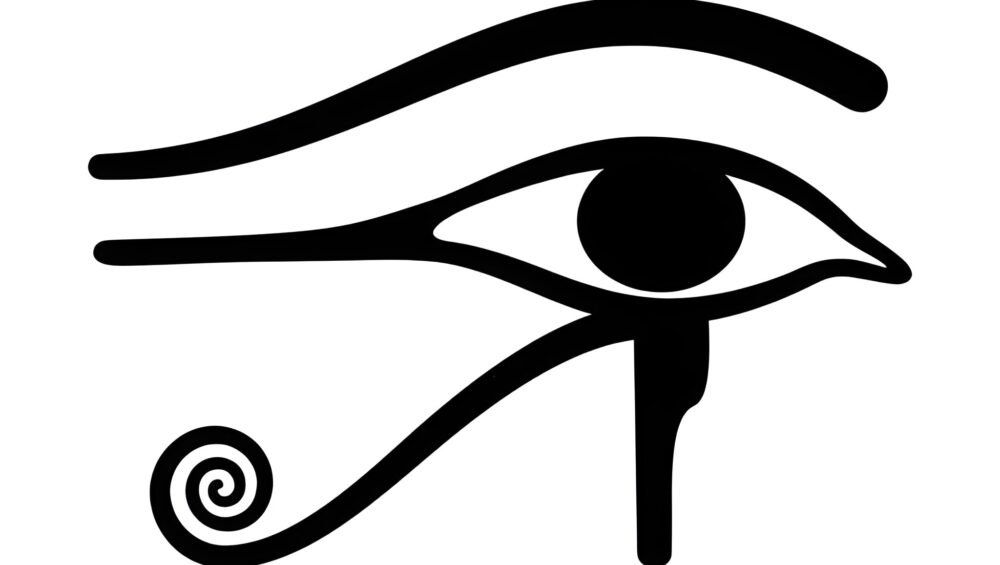
This mesmerizing symbol originated from one of Egyptian mythology’s most dramatic tales—the battle between Horus and Set. Horus, the falcon-headed god of kingship, lost his left eye during a violent clash with his uncle Set, the god of disorder. When the god Thoth restored Horus’s eye, it came to signify renewal, wholeness, and divine restoration. From then on, the Eye of Horus transcended mythology, representing the triumph of good over evil, health over illness, and harmony over destruction. Its distinctive geometric design—a human eye marked by a falcon’s feathers—became a spiritual compass for Egyptians seeking protection in life and the afterlife.
Today, the Eye of Horus continues to captivate historians, travelers, and spiritual seekers alike. Whether spotted in museum relics, tourist souvenirs, or modern jewelry, this ancient emblem remains an enduring testament to Egypt’s unmatched artistry and spiritual depth. Visitors exploring Luxor Temple or the timeless sands of Giza City often find themselves drawn to artifacts embellished with the Eye of Horus, marveling at its mysterious aura and layered meanings.
Origins of the Egyptian Eye of Horus in Ancient Mythology
The origin story of the Eye of Horus is a cornerstone of Egyptian mythology. According to legend, Horus sought vengeance for his father Osiris, murdered by Set. Their cosmic battle tore through the heavens—the symbol of chaos battling divine justice. During their brutal fight, Horus lost his left eye, which Thoth, the god of wisdom, later restored through magic. This restoration symbolized healing and rebirth, cementing the Eye as a sacred emblem of renewal. Ancient Egyptians believed the restored eye carried the divine power of healing and protection, becoming a universal amulet known as the Eye of Horus.
The mythic cycle containing the Eye also reflected the rhythmic patterns of nature—the waxing and waning moon. In some interpretations, the Eye of Horus represented the lunar phases, its loss symbolizing the moon’s dimming and its restoration marking renewal. This cyclical perspective anchored Egyptian spirituality, reinforcing their profound connection to cosmic balance and time’s cyclical nature. Travelers exploring Temple of Philae, dedicated to Isis, mother of Horus, often encounter inscriptions featuring the Eye, seamlessly merging myth and devotion.
Symbolic Anatomy of the Eye of Horus
The anatomy of the Eye of Horus is deeply symbolic. Each section of the eye corresponds to a fraction, forming part of an ancient mathematical system tied to measuring grains and medicine. Egyptians believed these measurements embodied sensory perception: sight, hearing, taste, smell, touch, and thought. The harmonious combination of these senses represented completeness—a balanced human existence intertwined with divine wisdom.
Eye of Horus amulets and carvings often aimed to preserve this sacred balance. They were placed over the eyes of mummies to guide the deceased on their voyage through the underworld. The detail of this belief resonates when exploring tombs in Valley of the Queens or Abu Simbel Temples, where protective icons like the Eye appear alongside hieroglyphs promising safety and immortality.
Restoration and Protection: Spiritual Meaning of the Eye of Horus
Healing remained central to the Eye’s meaning. Egyptian physicians often drew the Eye on jars containing medicinal ointments, believing its sacred geometry brought spiritual and physical recovery. The term “Udjat,” meaning “the sound one,” emphasized restoration—the reintegrated eye symbolizing wholeness of the body and soul. Sailors painted it on boats for divine vision across treacherous waters, tying this symbolism to the Nile’s perils. As a result, even today, Eye of Horus motifs appear on vessels and protective charms throughout Egypt.
Visitors embarking on a Luxury Nile Cruise will notice the symbol on boats gliding along the river, echoing the tradition’s enduring legacy. It serves not only as a decorative motif but also as a timeless reminder of ancient hopes for a safe journey under divine watch.
The Difference Between the Eye of Horus and the Eye of Ra
Though often confused, the Eye of Horus and the Eye of Ra carry distinct meanings. The Eye of Ra represents the sun and the power of divine wrath. It embodies solar energy and fierce protection against enemies. Conversely, the Eye of Horus aligns with lunar symbolism and healing qualities. The two eyes—left and right—together portray the cycle of day and night, light and shadow, acting as complementary guardians of the world’s balance. The left, or “moon eye,” symbolizes intuition and rejuvenation, while the right, or “sun eye,” stands for authority and illumination.
This duality mirrors the Egyptian worldview—the delicate equilibrium between creation and destruction. Celestial harmony ensured that the universe remained in Ma’at, the state of cosmic order. Many archaeological sites like Kom Ombo Temple commemorate both aspects, engraving the twin eyes onto sacred walls and relics as universal expressions of divine omniscience.
Eye of Horus in Ancient Egyptian Culture and Rituals
The Eye of Horus was integral to Egyptian daily life and religious strategy. From sacred rituals to burial practices, its role extended well beyond symbolism. Priests used Eye amulets during funerary rites to ensure safe passage for souls. Pharaohs wore it on crowns, leveraging its energy for divine rulership. Soldiers carried it into battle to ward off harm. Farmers, merchants, and artisans alike used miniature Eyes carved from lapis lazuli or turquoise, believing them to invite prosperity and fertility. In many tombs around Memphis Egypt, these talismans remain carefully placed beside tools and jewelry—proof of their daily importance.
The Eye of Horus in Architecture and Artifacts
Architectural sites across Egypt echo the Eye’s theme. Stone reliefs in temples like Dendera Temple Complex and Abydos Temple depict it radiating protective energy. Artists used vibrant pigments to emphasize its divine glow, ensuring that the symbol guarded devotees within the sacred chambers. Archaeologists have even uncovered the motif on the lids of canopic jars, sarcophagi, and golden pectorals. Each piece proclaimed steadfast faith in the Eye’s eternal guardianship.
Modern Significance of the Egyptian Eye of Horus
Today’s fascination with the Eye of Horus extends from academic study to personal spirituality. It’s commonly worn as a charm for health, intuition, and luck. Modern design houses and jewelers incorporate it into fashion accessories, celebrating its timeless elegance. Scholars, meanwhile, analyze its geometric proportions—a subject that hints at ancient mathematical precision and spiritual philosophy.
Visitors participating in 10 Day Cairo with Nile Cruise itineraries often witness artisans skillfully carving Eye motifs onto alabaster souvenirs or silver pendants at local markets. These handcrafted symbols merge ancient meaning with modern artistry, keeping the legacy alive through cultural tourism and spiritual curiosity.
Eye of Horus in Popular Culture and Symbolism Worldwide
Beyond Egypt, the Eye of Horus has transcended into global symbolism. From tattoos and films to New Age spirituality, it represents protection, perception, and higher consciousness. Many find comfort in wearing or meditating upon it, believing it strengthens intuition and deflects negativity. Even the “all-seeing eye” concept in modern iconography borrows echoes of the Eye of Horus, reinforcing its unbroken lineage through the ages.
While some contemporary interpretations detach the symbol from its roots, its original essence as a fusion of healing, protection, and divine insight remains unmistakable. To experience its authentic meaning, exploring Egypt through Egypt Vacation Packages reveals layers of context invisible in textbooks—an invitation to stand before history’s eye itself.
Mathematical and Astronomical Aspects of the Eye of Horus
Egyptian scholars were masters of numerical harmony, and they encoded mathematical understanding within the Eye’s form. Each fraction associated with the Eye represented parts of a whole, collectively summing to six pieces—mirroring the Eye’s symbolic parts. These fractions guided early calculations of grain, trade, and lunar cycles. The link between geometry and divinity underscored Egypt’s unified view of science and mysticism.
Astronomically, the Eye corresponded to both lunar and solar phenomena. Priests observed celestial patterns from temples like Luxor City, tracing the Eye’s phases to measure time and predict seasonal floods along the Nile. This celestial application magnified its importance, as balance in the heavens ensured order in earthly life.
Frequently Asked Questions About the Egyptian Eye of Horus
What does the Egyptian Eye of Horus represent?
The Eye of Horus symbolizes healing, protection, and divine insight. In mythology, it represents restoration after conflict—Horus regaining his eye from Set’s destruction. Ancient Egyptians used it as a talisman to protect against evil spirits and sickness.
Is the Eye of Horus the same as the Eye of Ra?
No. The Eye of Horus is linked with the moon and healing, while the Eye of Ra embodies the sun and divine vengeance. They’re complementary forces reflecting the dual aspects of cosmic equilibrium—restorative and destructive energies.
Where can I see the Eye of Horus in Egypt today?
Travelers can find carvings and amulets at sites like Temple of Hathor, Edfu Temple, and numerous tombs around Luxor and Aswan. Museums such as the Grand Egyptian Museum also exhibit exquisite examples of Eye of Horus jewelry and artifacts.
Why did ancient Egyptians wear the Eye of Horus?
They wore it for protection and healing. Whether in life to guard from harm or death to ensure safe passage, the Eye was believed to channel divine power. Pharaohs and commoners alike trusted its strength against the unseen and the malevolent.
Can I buy Eye of Horus jewelry in Egypt?
Yes. Markets in Cairo, Luxor, and Aswan offer authentic Eye of Horus-inspired jewelry crafted from gold, silver, and faience. During Cairo Day Tours, visitors often find artisans carving intricate designs, blending traditional craftsmanship with contemporary fashion.
Conclusion: The Eternal Watch of the Eye of Horus
The Eye of Horus remains one of antiquity’s most enduring symbols—an emblem that transcends eras, continents, and belief systems. Rooted in Egyptian mythology, it champions restoration, vigilance, and spiritual health. Its power still resonates along the Nile and within the hearts of those who seek meaning in ancient wisdom. Whether admired on temple walls, crafted into modern trinkets, or explored through immersive tours like 7 Days Cairo and Nile Cruise Package, the Egyptian Eye of Horus continues to open the vision of humankind to the eternal—reminding all to strive for harmony, mindfulness, and divine balance.