The Nubian Museum in Aswan: A Cultural Gem Preserving Egypt’s Southern Heritage
Nestled in the sun-drenched city of Aswan, the Nubian Museum stands as a powerful tribute to the ancient Nubian civilization, one of Africa’s most fascinating and resilient cultures. Officially opened in 1997, this architectural marvel is more than a mere museum—it’s a living storybook that brings to life the rich tapestry of Nubian history, art, and traditions. Whether you’re an archaeology enthusiast, a history lover, or simply a traveler intrigued by Egypt’s multifaceted legacy, the Nubian Museum in Aswan is an essential stop on your cultural journey through Upper Egypt. With its collection of over three thousand artifacts spanning prehistoric to Islamic periods, it captures the evolution of human creativity along the Nile Valley. This masterpiece was born from UNESCO’s efforts following the creation of the Aswan High Dam to preserve Nubia’s submerged heritage. Today, the museum’s exhibits, outdoor gardens, and architectural design invite you to embark on a visual and emotional voyage through time, making it one of the most comprehensive cultural spots in the region.
Its strategic location in Aswan, the gateway to ancient Nubia, makes it easily accessible for travelers exploring nearby landmarks such as the Temple of Philae, the High Dam of Egypt, or the tranquil Elephantine Island. Visitors can dive even deeper into the experience through specialized excursions like the Private Day Tour to the Nubian Museum or combined trips such as the Day Trip to Philae and Kalabsha Temples and Nubian Museum. For anyone curious about Nubia’s artistic and spiritual heritage, this museum bridges the past and present in a profoundly moving way.
History Behind the Creation of the Nubian Museum
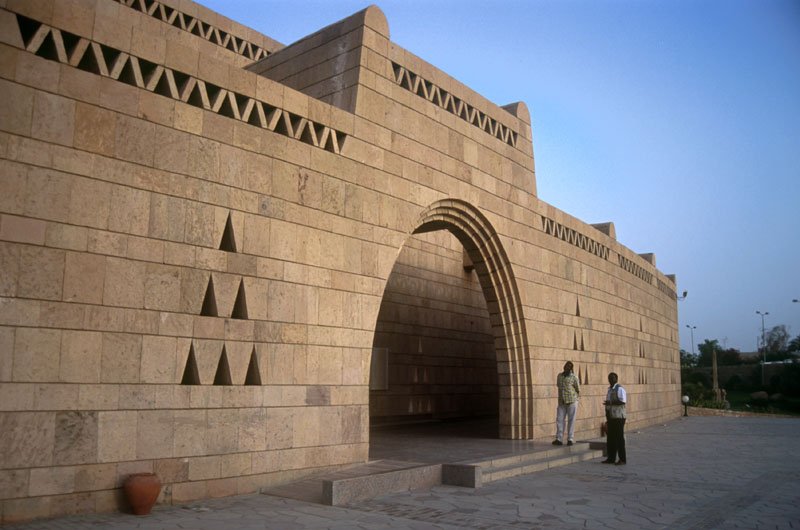
The Nubian Museum in Aswan was conceived during a time of immense transformation. When the Aswan High Dam was built in the 1960s, vast stretches of ancient Nubia were flooded, threatening to erase millennia of civilization. The international community, led by UNESCO, launched an ambitious rescue campaign to relocate temples, artwork, and monuments to safer ground. Yet, as vital as saving the physical structures was the need to safeguard the spirit of Nubian life itself. Thus, the idea for a dedicated museum emerged to immortalize the identity, art, language, and resilience of the Nubian people. The Nubian Museum officially opened in 1997 as part of a global collaboration between Egypt and UNESCO, symbolizing cultural solidarity and preservation. With sleek granite façades echoing Nubian architecture and a serene blend of modern and traditional design, the museum’s very structure mirrors its theme—an intersection between antiquity and innovation, memory and modernity.
Architectural Brilliance Reflecting Nubian Heritage
One of the museum’s most remarkable features is its architectural design by Egyptian architect Mahmoud El-Hakim. He masterfully captured the essence of Nubia’s natural environment—its rocky hills, golden sand, and earthy tones—while incorporating elements of ancient Egyptian styles. The building flows with the landscape rather than imposing upon it, creating harmony between structure and setting. Terraces, open courtyards, and limestone paths lead visitors through gardens filled with native plants and reconstructed Nubian dwellings. The museum’s lighting system cleverly mimics sunlight streaming through desert mountains, producing an intimate, spiritual ambiance. Situated at the foot of the eastern desert cliffs overlooking Old Aswan, it’s not just a museum; it’s a piece of art etched into the Earth itself. For guests embarking on Aswan Day Tours, this architectural gem offers a stunning environment to experience both culture and nature at once.
Inside the Nubian Museum: A Walk Through Time
Stepping inside, visitors are instantly transported through thousands of years of Nubian history. The museum’s collection covers prehistoric settlements, Pharaonic Nubia, the Christian period, and Islamic influences. Among its treasures are intricately carved stelae, jewelry, pottery, tools, and stunning statues, including a monumental black granite head of Ramses II and beautifully preserved artifacts from the temples of Abu Simbel and Kalabsha. The museum highlights how the Nubian identity evolved alongside, yet distinct from, ancient Egyptian civilization. A special section is dedicated to Nubian folklore, music, and everyday life, displaying traditional clothing, colorful baskets, utensils, and instruments that speak volumes about the region’s creative spirit.
The Open-Air Museum and Outdoor Exhibits
Outside, the museum’s gardens create an enchanting open-air gallery. Life-size statues, temple fragments, and architectural reconstructions sit among palms and acacias, giving context to ancient Nubian life along the Nile. There’s even an artificial waterfall symbolizing the Nile’s eternal flow, connecting the physical and symbolic essence of Nubian heritage. Visitors roaming these tranquil grounds often describe the experience as meditative—a silent dialogue between ancestors and the living. From this scenic viewpoint, the setting sun paints the museum’s granite walls a deep copper hue, reflecting the gentle rhythms of Aswan’s natural beauty. Pairing such a visit with a Felucca Ride on the Nile in Aswan creates a poetic blend of culture and serenity.
The Museum’s Role in Modern Nubian Cultural Preservation
Beyond its exhibits, the Nubian Museum plays a crucial role in preserving contemporary Nubian identity. It regularly hosts cultural programs, art workshops, and heritage festivals celebrating Nubian language, dance, and storytelling. Educational initiatives engage younger generations with their ancestral roots, ensuring that Nubian traditions thrive amid modernity. The museum also partners with international archaeological missions and universities, fostering global appreciation for Africa’s overlooked civilizations. For travelers exploring multi-day experiences such as the 9 Days Egypt and Nubia Tour, the museum offers deep insight into the soul of southern Egypt.
Visitor Experience: What to Expect at the Nubian Museum
Visiting the Nubian Museum is like embarking on a time-traveling adventure. From the moment you arrive, you’re greeted by peaceful gardens and soft Nubian music echoing through the courtyards. The museum’s layout naturally guides you on a chronological journey—from prehistoric rock carvings to medieval Christian murals. Interpretive displays in both Arabic and English offer context about each artifact’s origin and meaning. The detailed models of Nubian villages and relocated temples provide a hands-on understanding of how communities adapted to life by the Nile. For travelers on Egypt Vacation Packages or Luxury Egypt Tours, this museum offers a balanced mix of learning and leisure that complements adventures across Aswan, Luxor, and Cairo.
Practical Information for Tourists
The Nubian Museum is open daily, and its central Aswan location makes it easy to visit either independently or with a guide. The best time to explore is early morning or late afternoon when the desert light enhances the scenery. Photography is permitted in most areas, though some sections—especially those housing rare antiquities—restrict flash use. Comfortable walking shoes and plenty of water are recommended, especially if you plan to wander the outdoor sections. Combine the visit with nearby attractions on an Aswan City Tour or enjoy a serene break at the Trip to the Nubian Villages by Boat for a full cultural immersion day.
Tips for Making the Most of Your Visit
Visitors looking to fully appreciate what the Nubian Museum offers should take their time exploring each gallery. Hiring a local guide enriches the experience, revealing hidden meanings and folk stories behind various exhibits. It’s also wise to visit in the late afternoon, allowing you to enjoy the outdoor gardens as the sun dips behind Aswan’s hills. To round out your experience, join an evening Sound and Light Show at Philae Temple, which presents Nubia’s myths through dramatic lights on ancient stones.
Why the Nubian Museum Is Vital to Egypt’s Cultural Tourism
The Nubian Museum isn’t just an archive; it’s a living celebration of a people’s identity. It reminds travelers that Nubia contributed profoundly to the broader Egyptian civilization—from its architecture and art to its spiritual philosophies. Many visitors are surprised to learn how interconnected Nubian and Egyptian societies were, sharing dynasties, trade, and religion while maintaining distinct cultural traits. The museum encapsulates this duality perfectly, making it a cornerstone for Cultural Tours in Egypt. Whether you’re a solo traveler diving deep into history or on one of the All-Inclusive Egypt Vacations, immersing yourself in Nubia’s story adds emotional and intellectual depth to your journey.
The Museum’s Connection to Other Historical Landmarks
In many ways, the Nubian Museum complements the region’s other attractions. The nearby Abu Simbel Temples echo the same story of cultural rescue during the dam’s construction. A short drive brings you to the Temple of Kalabsha, another monument relocated to safety. Together, these sites form a network of living memory, showing how Nubian and Egyptian histories intertwine through triumph and tragedy. Exploring all of them through an itinerary such as the 4-Day Luxor, Edfu, Kom Ombo, Aswan and Abu Simbel Tour gives travelers a rare chance to witness this fascinating continuum firsthand.
FAQs about the Nubian Museum in Aswan
What is the significance of the Nubian Museum in Aswan?
The Nubian Museum preserves the legacy of the Nubian people whose culture once thrived along the Nile between Egypt and Sudan. Its collections immortalize a civilization that contributed to Egypt’s development yet retained a distinctive identity. Beyond mere artifacts, it celebrates language, art, and living traditions, making it a vital center for African heritage preservation.
Where is the Nubian Museum located?
The Nubian Museum lies at the southern end of Aswan, near the Old Cataract Hotel and the entrance to the desert hills. Its central position makes it easily accessible from downtown Aswan and other top attractions like Philae Temple and the Aswan High Dam.
What are the museum’s main highlights?
Key highlights include statues of ancient Nubian rulers, rescued artifacts from temples such as Kalabsha and Abu Simbel, traditional Nubian crafts, and an interactive model of flooded Nubian villages. The open-air museum with reconstructed Nubian homes is equally captivating.
When is the best time to visit the Nubian Museum?
The best time to visit is between October and April when Aswan’s weather is pleasantly warm. Mornings or late afternoons are ideal for strolling through the indoor and outdoor exhibits while enjoying the soft desert light.
Is the Nubian Museum suitable for families?
Absolutely. Families find it an engaging educational destination. Children enjoy the life-size village replicas and visual storytelling displays that bring history to life, making it a favorite stop for those on Egypt Family Tours.